
Welcome to:
Iceland
Iceland doesn’t look like anywhere else on Earth, and that’s exactly the point. Volcanoes, waterfalls, geysers, and the northern lights, all on one island!
Weather in Iceland
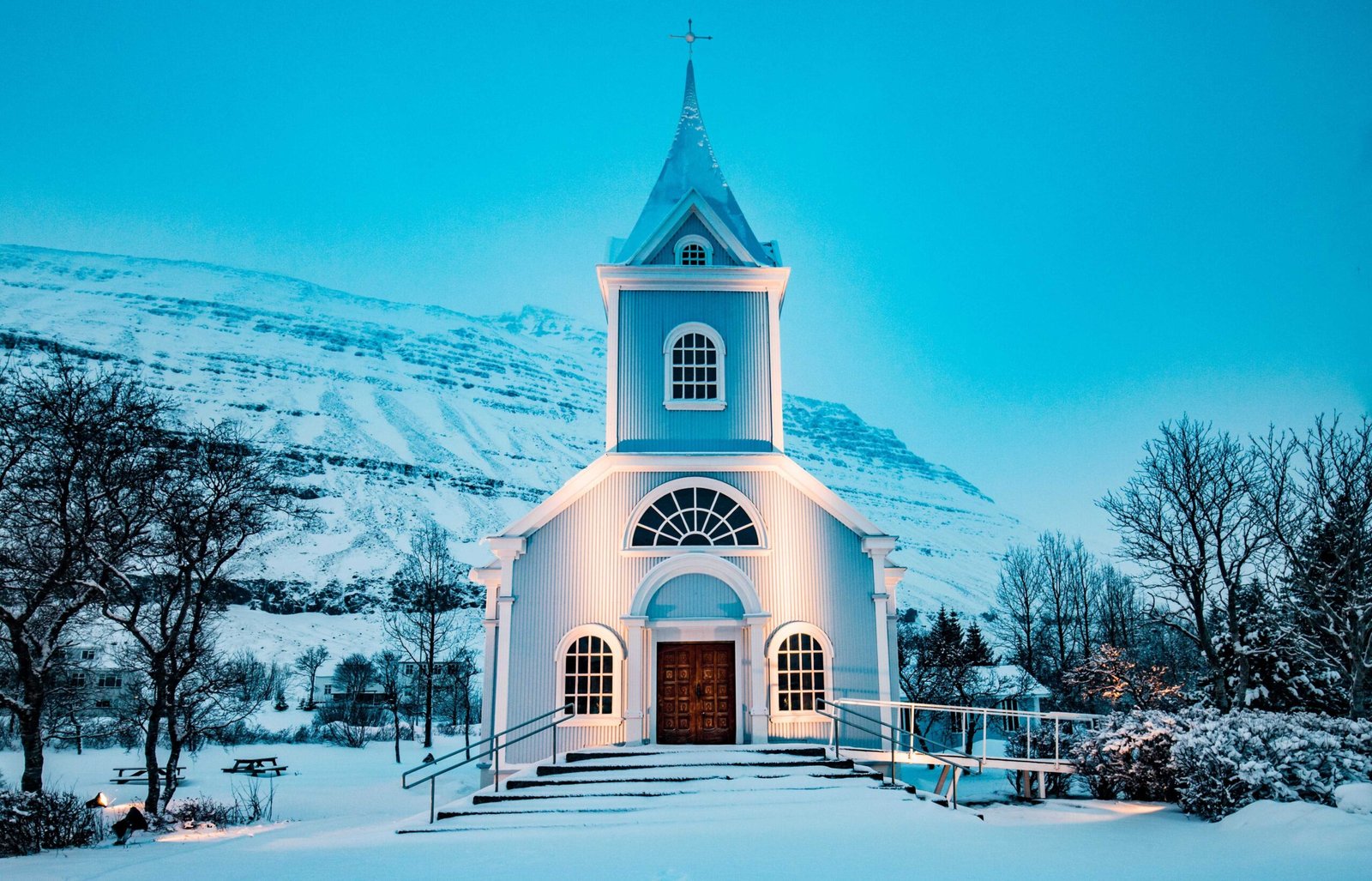
Iceland’s weather is famously unpredictable: sun, wind, rain, and snow can all show up on the same afternoon, whatever the season. Summers are cool and bright, with temperatures around 10-15°C and daylight that barely ends, while winters are cold and dark but come with the chance of seeing the northern lights.
Best time to visit Iceland
June to August is the most popular window: the midnight sun, milder temperatures, and fully open roads make it the easiest time to travel. September to March is the season for northern lights, though you’ll need patience, clear skies, and warm layers to make the most of it.
🇮🇸
Best time to visit Iceland:
May–Aug
⏳
Faq’s
What time is it in Iceland?
Iceland follows Greenwich Mean Time (GMT, UTC+0) year-round and does not observe daylight saving time, which means it falls out of sync with most of Europe in summer.
Is Iceland tourist-friendly?
Iceland is well set up for visitors: English is spoken everywhere, the Ring Road makes self-driving the country straightforward, and even remote areas have decent facilities. It’s one of the easier adventure destinations to navigate independently.
What is Iceland best known for?
Iceland is known for the northern lights, but also for a landscape that genuinely looks like another planet: glaciers, active volcanoes, geysers like Strokkur, and waterfalls around every corner. The midnight sun in summer is in a category of its own.
Can you drink the tap water in Iceland?
Yes, Icelandic tap water comes straight from glacial springs and is some of the cleanest in the world. Skip the bottled water and save the money for something else.
What is the culture of Iceland?
Iceland punches well above its weight culturally for a country of 370,000 people. Storytelling and literature run deep, the medieval sagas are still widely read and there’s a practical, self-reliant attitude that comes from living somewhere the weather can turn on you fast.
Where are the airports in Iceland?
The main international airport is Keflavík International Airport (KEF), near Reykjavik, with a smaller domestic airport in Reykjavik (RKV).
What are the national dishes of Iceland?
Icelandic food leans heavily on what the land and sea provide, slow-cooked lamb, fresh Arctic char, langoustine, and skyr (a thick dairy product somewhere between yoghurt and cream cheese that Icelanders eat daily). Hot dogs from Bæjarins Beztu in Reykjavik are a rite of passage.
What are some interesting things about Iceland?
Iceland has no standing army, generates almost all of its electricity from geothermal and hydropower, and has a population smaller than most European cities. It’s also one of the few places on Earth where you can stand on the boundary between two tectonic plates.
Is it safe to travel in Iceland?
Iceland consistently ranks among the safest countries in the world. Crime is minimal, the bigger risks are natural ones, like unpredictable weather, strong coastal winds, and unmarked terrain. Always check road and weather conditions before heading out.
Are there many volcanoes in Iceland?
Iceland sits on the Mid-Atlantic Ridge and has around 30 active volcanic systems, eruptions are a regular part of life here. The Reykjanes Peninsula has been particularly active in recent years, and volcanic activity is something worth keeping an eye on when planning your trip.
Get Ready For Your Trip
Best things to do in Iceland
Book popular activities in Iceland
Be prepared for Iceland
Language
Icelandic is the official language, but English is widely spoken, making communication easy for travelers across the country.
Currency + How to Pay
The currency is the Icelandic kru00f3na (ISK), and cards are accepted almost everywhere, even for small purchases. You'll rarely need cash.
Visa
Iceland is part of the Schengen Area, so EU travelers can enter freely, while many others can stay visa-free for up to 90 days. Always check current entry requirements before traveling.
Plugs
Iceland uses type C and F plugs with a standard voltage of 230V, the same as most of Europe.
Safety
Iceland is one of the safest countries in the world, with very low crime rates. The bigger risks here are natural, sudden weather changes, unmarked terrain, and strong winds on coastal and highland roads. Always check conditions before heading out.
Driving & Fuel
Driving is one of the best ways to explore Iceland, especially along the Ring Road. Fuel prices are high, sitting around u20ac2.00u2013u20ac2.30 per litre, factor that into your budget early, as distances between stops can be longer than they look on the map.