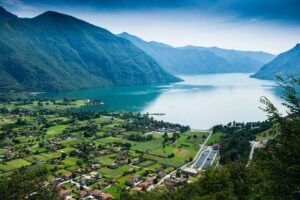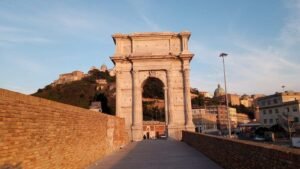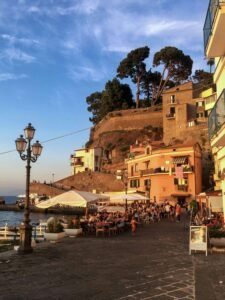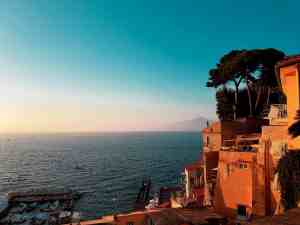
Welcome to:
Italy
We’ve never met anyone who came back from Italy disappointed. It’s loud, chaotic, delicious, and completely addictive.
Best things to do in Italy
Top Things To Do When You Tour Umbria (2026)
Emilia Romagna Tours: What Are The Best Tours In Bologna?
Best Things to Do in Lake Como, Italy: Our Honest Guide
Best Things to Do in Gravedona (Lake Como’s Quietest Town)
Colico Guide: 12 Best Things To Do In Colico (Lake Como’s windy town)
What Are The Best Things To Do In Bellagio ( Lake Como’s most iconic town)
Como Guide: 16 Best Things to Do in Como + Itinerary
What To Do In Varenna Italy (Full Guide + Itinerary For 2026)
Menaggio Italy Guide: Top Things To Do + Itinerary for 2026!
Cernobbio Guide: 8 Best Things To Do In This Small Town
Lecco Guide: What To Do In This Lake Como Hiking Town?
8 Best Things to Do in Tremezzo + 3-Day Itinerary for 2026
Weather in Italy
Italy’s climate shifts significantly from north to south. Milan and the northern regions have proper cold winters and warm summers, while the south and the coasts stay mild most of the year, with temperatures pushing above 30°C in July and August. Spring and autumn hit a sweet spot across the whole country.
Best Time to Visit Italy
April to June and September to October are the best months: warm, manageable crowds, and prices that haven’t hit their summer peak. July and August are hot and busy almost everywhere, though the south and the islands are at their best if heat and beach time are the priority.
🇮🇹
Best time to visit Italy:
May–Sep
⏳
Faq’s
What time is it in Italy?
Italy follows Central European Time (CET, UTC+1) and switches to Central European Summer Time (UTC+2) during daylight saving months.
Is Italy tourist-friendly?
Italy is well set up for visitors: transport links between cities are good, English is widely spoken in tourist areas, and most major sights are easy to navigate independently. Outside the main cities, a little Italian goes a long way.
What is Italy best known for?
Italy is known for its food, its history, and the sheer density of things worth seeing: Roman ruins, Renaissance art, medieval hill towns, Alpine lakes, and a coastline that shifts character every hundred kilometres. Few countries pack in this much variety.
Can you drink the tap water in Italy?
Yes, tap water is safe to drink across the country. Cities like Rome have hundreds of free public drinking fountains called nasoni, fill up your bottle and skip the plastic!
What is the culture of Italy?
Italian life moves around food, family, and the pleasure of slowing down. Lunch is still a proper meal in most of the country, Sunday is for family, and each region has its own dialect, dishes, and identity. The north and south feel like different countries in the best possible way.
Where are the airports in Italy?
Major international airports include Rome Fiumicino (FCO), Milan Malpensa (MXP), Venice Marco Polo (VCE), and Naples (NAP).
What are the national dishes of Italy?
Italian food varies enormously by region: pasta in Bologna, pizza in Naples, risotto in Milan, seafood along the coasts. A few dishes that cross all borders: cacio e pepe (pasta with cheese and pepper), carbonara, and a good tiramisu to finish.
What are some interesting facts about Italy?
Italy has more UNESCO World Heritage Sites than any other country. The Roman road network was so well built that parts of it are still in use today, and the country has been the world’s largest wine producer for much of the last decade.
Get Ready For Your Trip
Lombardy Guides
The Best Monza Italy 3-Day Itinerary
Map of Lake Como (Best Towns, Hotels & How to Plan Your Trip)
Guide to Lac Majeur for First Timer’s in 2026
Lake Garda Italy Map: Best Places to Visit | 2026
Best Things to Do in Lake Como, Italy: Our Honest Guide
Best Things to Do in Gravedona (Lake Como’s Quietest Town)
Colico Guide: 12 Best Things To Do In Colico (Lake Como’s windy town)
What Are The Best Things To Do In Bellagio ( Lake Como’s most iconic town)
Como Guide: 16 Best Things to Do in Como + Itinerary
What To Do In Varenna Italy (Full Guide + Itinerary For 2026)
Menaggio Italy Guide: Top Things To Do + Itinerary for 2026!
Cernobbio Guide: 8 Best Things To Do In This Small Town
Book popular activities in Italy
Prepared for Italy
Language
Italian is the official language, and while English is spoken in tourist areas, it gets less common the further you go from the main cities.
Currency & how to pay
The currency is the euro (EUR), and cards are widely accepted in cities and larger towns. Cash is still worth carrying for smaller cafu00e9s, markets, and rural areas where card readers aren't always available.
Visa
Italy is part of the Schengen Area, so EU travelers can enter freely, while many others can stay visa-free for up to 90 days. Always check current entry requirements before traveling.
Plugs
Italy uses type C, F, and L plugs with a standard voltage of 230V. European travelers typically won't need an adapter, though the type L socket is unique to Italy so it's worth double-checking your devices.
Safety
Italy is generally safe, but pickpocketing is common in busy tourist spots like Rome's public transport, Florence's main squares, and Venice's crowded streets in particular. Keep bags zipped and close, and don't leave anything on cafu00e9 tables unattended.
Driving & fuel
Driving is one of the best ways to see Tuscany, the Dolomites, or the Amalfi Coast u2014 but avoid taking a car into city centres, where traffic restrictions (ZTL zones) can result in fines that arrive weeks after you're home. Fuel sits around u20ac1.80u2013u20ac2.20 per litre, so factor that in for longer trips.