
Welcome to:
Peru
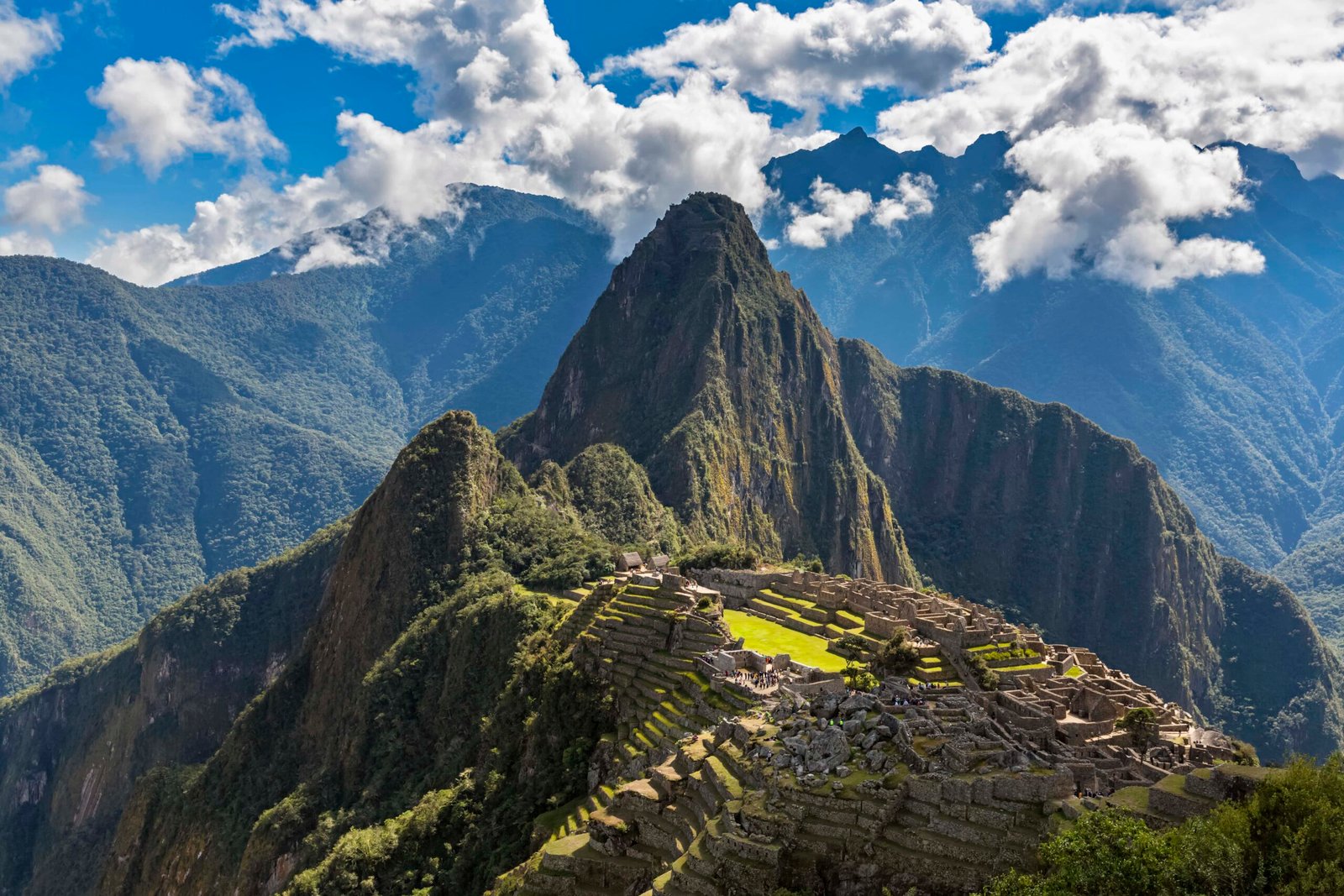
Peru stops people in their tracks. Machu Picchu gets the headlines, but it’s the Amazon, the Andes, the food scene in Lima, and the sheer scale of it all that make people realise they need far more time than they planned.
Best places to visit in Peru


Weather in Peru
Peru’s climate is shaped almost entirely by its geography. Lima and the coast are mild and overcast for much of the year, Cusco and the Andes have warm dry days and cold nights, and the Amazon runs hot and humid year-round. The dry season from May to October is when the highlands are at their best, with clear skies and manageable temperatures around 18–22°C in Cusco.
Best time to visit Peru
May to October is the sweet spot for most of Peru: dry conditions make Machu Picchu, the Inca Trail, and the Sacred Valley far more accessible, and the views are clearest. The wet season from November to April brings heavy rain to the highlands, though the Amazon is actually more navigable by boat during these months.
🇵🇪
Best time to visit Peru:
Jan–Dec
⏳
Faq’s
What time is it in Peru?
Peru follows Peru Time (PET, UTC−5) and does not observe daylight saving time, so the time stays consistent year-round.
How many types of potatoes are in Peru?
Peru is home to over 3,000 varieties of potato. The country is where the potato was first domesticated thousands of years ago, and you’ll find colours, textures, and flavours here that don’t exist anywhere else.
What is the national dish of Peru?
Ceviche is Peru’s national dish, fresh raw fish cured in lime juice and mixed with chilli, onion, and coriander. It’s eaten for lunch across the country and Lima has some of the best ceviche restaurants in the world.
What are the best places to visit in Peru?
Machu Picchu and the Sacred Valley for Inca history; Cusco as a base and a destination in its own right; Lima for food and coastal culture; Lake Titicaca for something unlike anywhere else; and the Amazon for anyone willing to venture further off the trail.
What is the culture of Peru?
Peruvian culture runs deep: Quechua and Aymara traditions still shape daily life in the highlands, festivals like Inti Raymi draw thousands every June, and the food scene in Lima has put Peru on the map as one of the world’s great culinary destinations. The mix of Indigenous and Spanish heritage plays out differently in every region.
Can you drink tap water in Peru?
No, stick to bottled or filtered water throughout Peru, including in cities. Most restaurants use purified water for cooking, but tap water is not safe to drink directly.
What are the best things to do in Peru?
Hiking the Inca Trail to Machu Picchu is the classic bucket list experience, but Peru is worth going further, the floating islands of Lake Titicaca, the Colca Canyon (one of the deepest in the world), the food markets of Cusco, and a river journey into the Amazon are all worth building a trip around.
What are some interesting facts about Peru?
Machu Picchu is one of the New Seven Wonders of the World, but Peru also contains around 60% of the Amazon rainforest, has over 3,000 potato varieties, and Lima is consistently ranked among the top food cities in the world. The Nazca Lines, enormous geoglyphs etched into the desert floor, are still not fully understood.
Where are the airports in Peru?
The main international airport is Lima’s Jorge Chávez International Airport (LIM), with regional airports in Cusco (CUZ), Arequipa (AQP), and Juliaca (JUL) for onward travel to Lake Titicaca.
Is it safe to travel to Peru?
Peru is generally safe in popular tourist destinations like Lima, Cusco, and Machu Picchu. Petty theft is the most common issue, keep bags close in markets and on public transport, and avoid walking alone at night in unfamiliar areas. Check current advice for regions outside the main tourist trail before you go.
Get Ready For Your Trip
Book popular activities in Peru




Be prepared for Peru
Language
Spanish is the official language, with Quechua and Aymara still widely spoken in highland communities. English is less common outside tourist areas, so a few basic Spanish phrases will go a long way, particularly once you're off the main trail.
Currency + How to Pay
The currency is the Peruvian sol (PEN), and cash is essential for markets, taxis, and smaller towns. Cards are accepted in cities and larger restaurants, but don't rely on them outside the main tourist areas.
Visa
Most travelers from the EU, US, UK, and Canada can enter Peru visa-free for up to 90 days. Carry a valid passport and proof of onward travel, as both can be requested on arrival.
Plugs
Peru uses type A and C plugs with a standard voltage of 220V. Depending on where you're traveling from, you may need both a plug adapter and a voltage converter for certain devices.
Safety
Peru is generally safe in popular tourist areas like Cusco, Lima, and the Sacred Valley. Petty theft is the main thing to watch for, keep bags close in markets and on public transport, and avoid walking alone at night in unfamiliar areas.
Driving & Fuel
Driving in Peru is possible but not recommended for most travelers, city traffic is chaotic, mountain roads are demanding, and the distances between key sites are significant. Most people use buses or domestic flights to get around, which is often cheaper and less stressful. Fuel sits around $1.10u2013$1.40 per litre if you do rent a car.