Welcome to:
French Polynesia
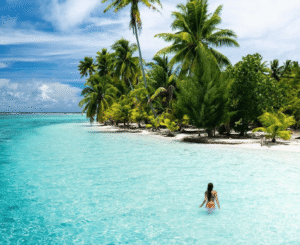
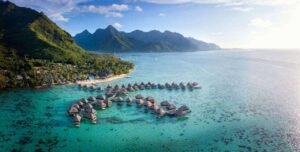
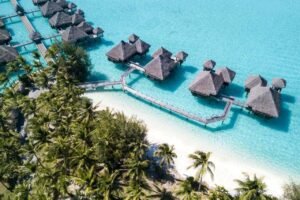
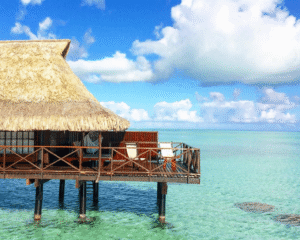
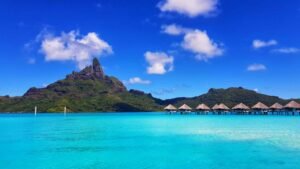
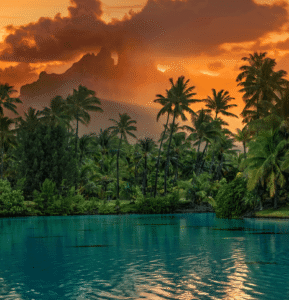
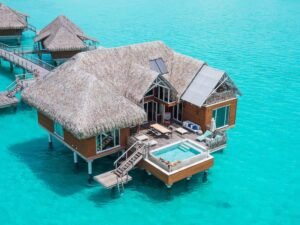
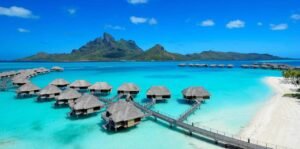
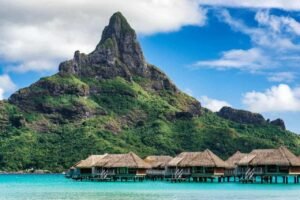
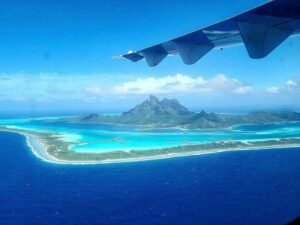
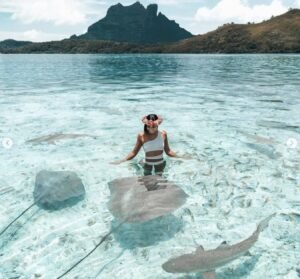
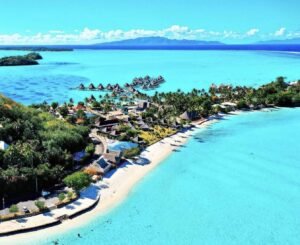
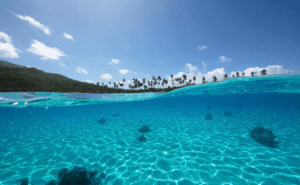
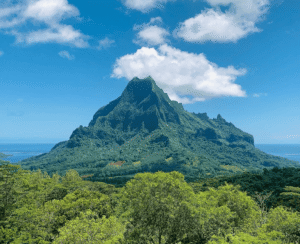
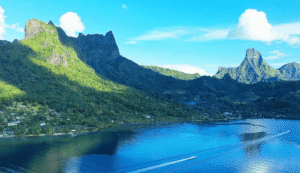
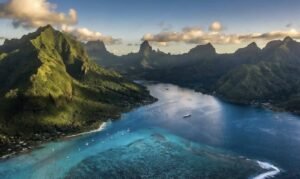
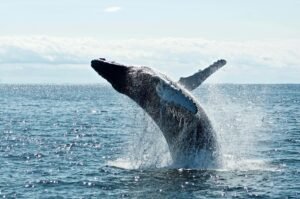
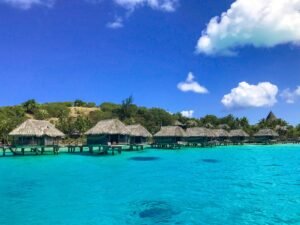
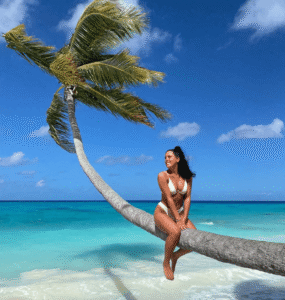
Few places on Earth genuinely live up to the fantasy. French Polynesia is one of them, and once you visit the country, you won’t want to leave. Imagine overwater bungalows, swimming with sharks and whales, sipping a cocktail on a perfect white-sand beach…
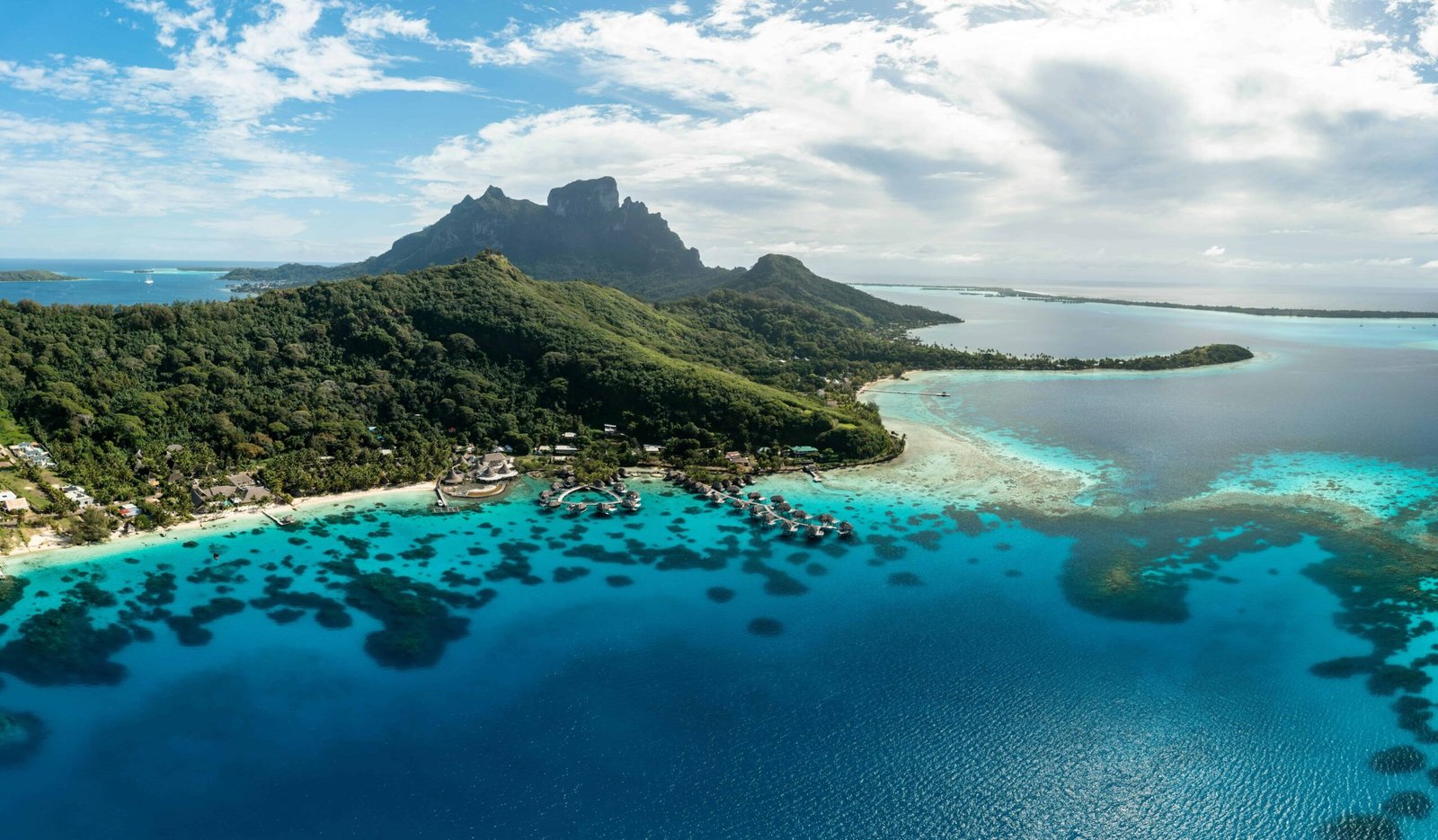
Best places to visit in French Polynesia
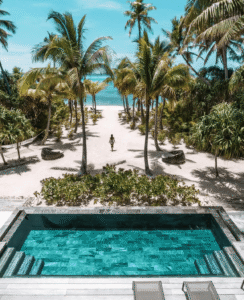
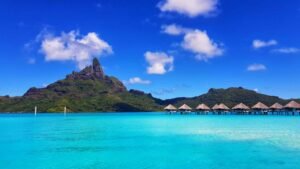
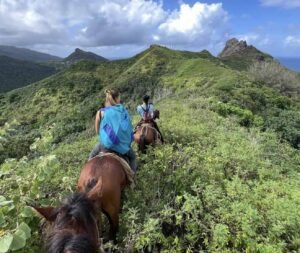
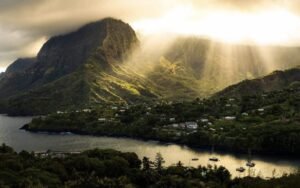

Weather in French Polynesia
French Polynesia is warm year-round, with temperatures sitting between 27–30°C across the islands. The dry season runs from May to October, with lower humidity and calmer seas, the wet season from November to April brings heavier rain and occasional cyclones, though showers tend to pass quickly.
Best time to visit French Polynesia
May to October is the sweet spot, drier, slightly cooler, and with better visibility in the water for snorkelling and diving. July and August are the busiest months, so book accommodation early if that’s when you’re heading out.
🇵🇫
Best time to visit French Polynesia:
Jan–Dec
⏳
Faq’s
What time is it in French Polynesia?
French Polynesia follows Tahiti Time (TAHT, UTC−10). It’s 11 to 12 hours behind European time and 6 hours behind New York time.
How many islands are in French Polynesia?
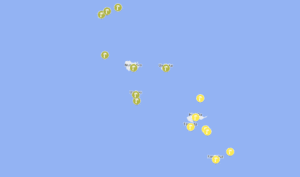
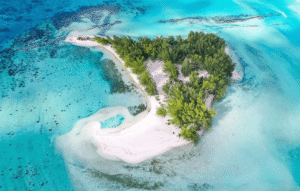
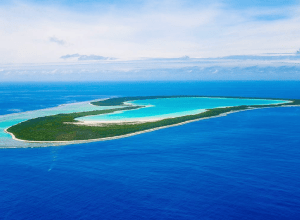
French Polynesia consists of 118 islands and atolls spread across five archipelagos in the South Pacific.
Is French Polynesia expensive?
Yes, it is an expensive destination due to its remote location, with high costs for (luxury) accommodation, food, and transport.
How long do you need in French Polynesia?
We recommend to stay at least 7 to 10 days to explore one or two islands, but 10 to 14 days is ideal for island hopping (Tahiti, Bora Bora, Moorea, and Maupiti).
Is French Polynesia safe?
Yes, French Polynesia is very safe for travelers. We never felt unsafe and crime rates are also very low.
What are the best activities in French Polynesia?
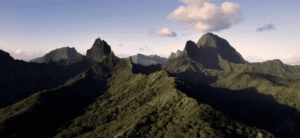
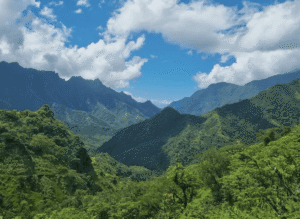
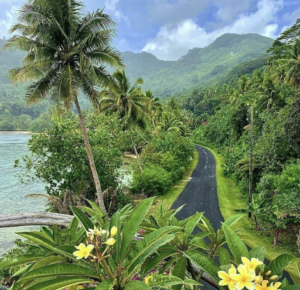
Top activities include snorkelling and diving in the lagoons are hard to beat, but lagoon tours, hiking the interior of Moorea, and simply spending time on the water are equally worth your time. The overwater bungalow experience is in a category of its own.
Do I need vaccinations to travel to French Polynesia?
No specific vaccinations are required for most travelers, but routine vaccines should be up to date. It’s always worth checking with your doctor before travelling to a remote destination.
What is the tipping etiquette in French Polynesia?
Tipping is not expected, service charges are typically included in prices. That said, it’s always welcome for genuinely good service.
Is tap water safe to drink in French Polynesia?
Tap water is generally safe on main islands like Tahiti and Bora Bora, but stick to bottled water on smaller or more remote islands to be safe.
What are the traditional dishes of French Polynesia?
The standout dish is poisson cru (raw fish marinated in lime and coconut milk) which you’ll find everywhere and for good reason. Fresh seafood, tropical fruits, and French-influenced cooking round out the food scene.
Get Ready For Your Trip
Book popular activities in French Polynesia


Be prepared for French Polynesia
Language
French is the official language, but Tahitian is also widely spoken, and youu2019ll find that English is commonly understood in tourist areas. Basic French phrases can still be helpful, especially outside resorts.
Currency + How to pay
The currency is the CFP franc (XPF), and cards are accepted in hotels and larger restaurants, but cash is essential on smaller islands and local spots. ATMs are available on main islands like Tahiti and Bora Bora.
Visa
Most travelers from the EU, US, UK, and Canada can enter visa-free for up to 90 days. A valid passport and proof of onward travel may be required.
Plugs
French Polynesia uses type C and E plugs with a standard voltage of 220V, similar to mainland Europe. Travelers from Europe usually won't need an adapter.
Safety
French Polynesia is one of the safest destinations in the Pacific, with very low crime rates. The main thing to watch for is ocean safety, currents and coral reefs can be hazardous, so always check conditions before swimming or snorkelling.
Driving & Fuel
Driving is easy on islands like Tahiti and Moorea, but distances are short and many travelers get around by bike or tour instead. Fuel prices sit around $1.50u2013$2.00 per litre, though prices fluctuate so check current rates before your trip.