
When to Travel to Bora Bora for Good Weather in 2026?
Hey there, just a heads up — This post has affiliate links. We earn a small commission, which helps us create better content and share amazing destinations with you at no extra cost.
On this page
Travel essentials we use
On this page
So, when to travel to Bora Bora, you ask?
By the end of this article, you’ll know the answer!
The first part of your answer lies in understanding the island’s climate.
KEY TAKEAWAYS:
- Dry season for perfect weather: From May to October, the dry season provides sunny skies, warm temperatures, and low humidity. This is the best time to experience Bora Bora.
- Low season: avoid! The wet season, November to March, brings storms and rain, making it less ideal for outdoor adventures.
- Best season for snorkeling and whale watching: For underwater life and calm waters, the dry season is the ideal time for snorkeling and scuba diving.

Dreaming of a French Polynesian vacation?
Fill in our SHORT FORM, and we will match you with trusted local tour operators who can build a personalized itinerary based on your STYLE, BUDGET, and TRAVEL DATES.
Our local partners create every itinerary with care. We kindly ask that you submit a request only if you’re considering traveling.
What is Bora Bora’s Climate?
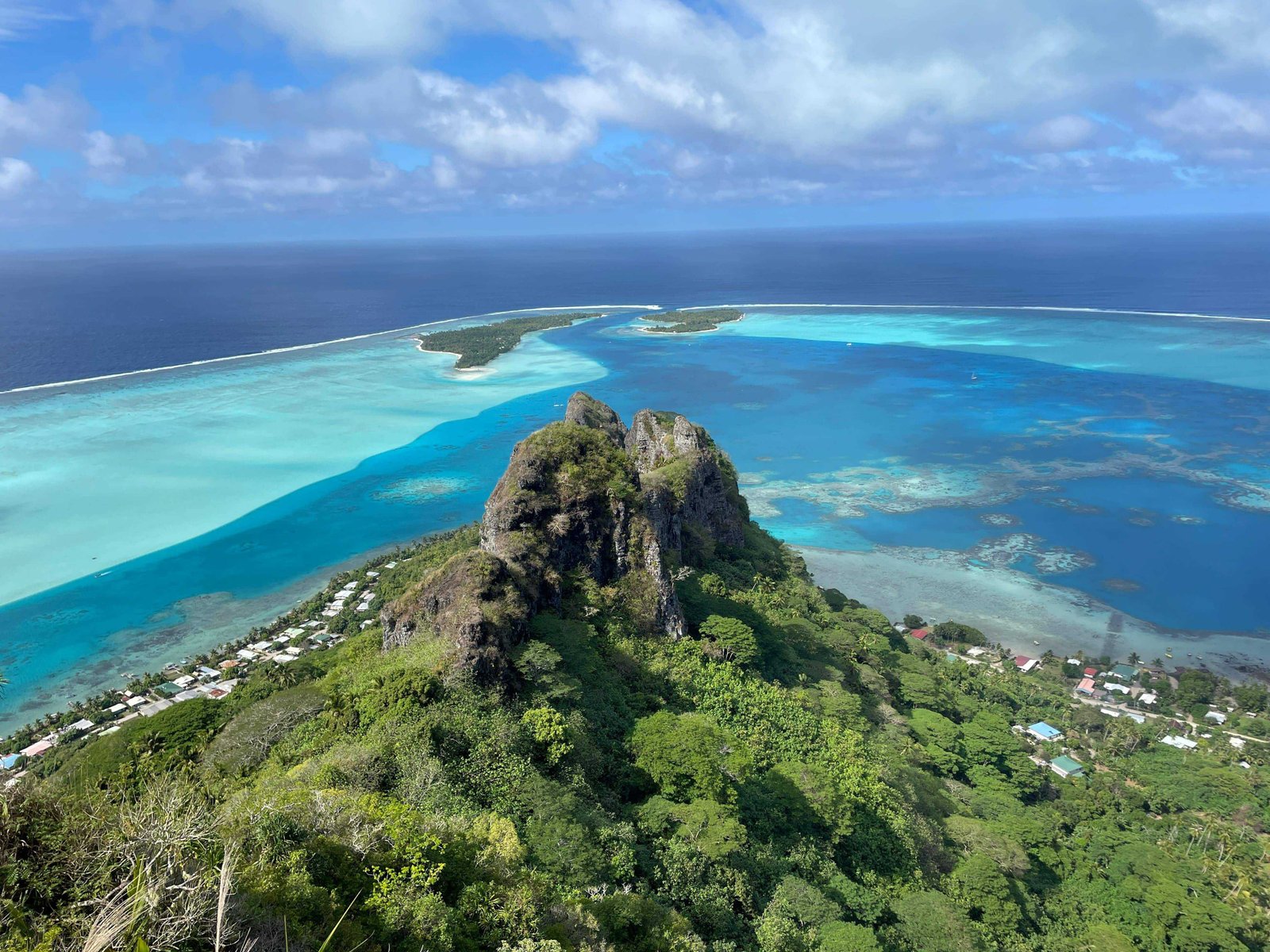
Bora Bora has a tropical climate, meaning that it has two seasons: the wet and dry season.
HOWEVER: Bora Bora is a South Pacific island located in the southern hemisphere, meaning that winter in Bora Bora is in the northern hemisphere’s summer months (America, Europe, and Asia).
But don’t worry, even during July and August, the temperature is still very pleasant (see below)!
During the wet season, you can expect a lot of heavy but short rain showers, often in tropical storms, especially between December and February.
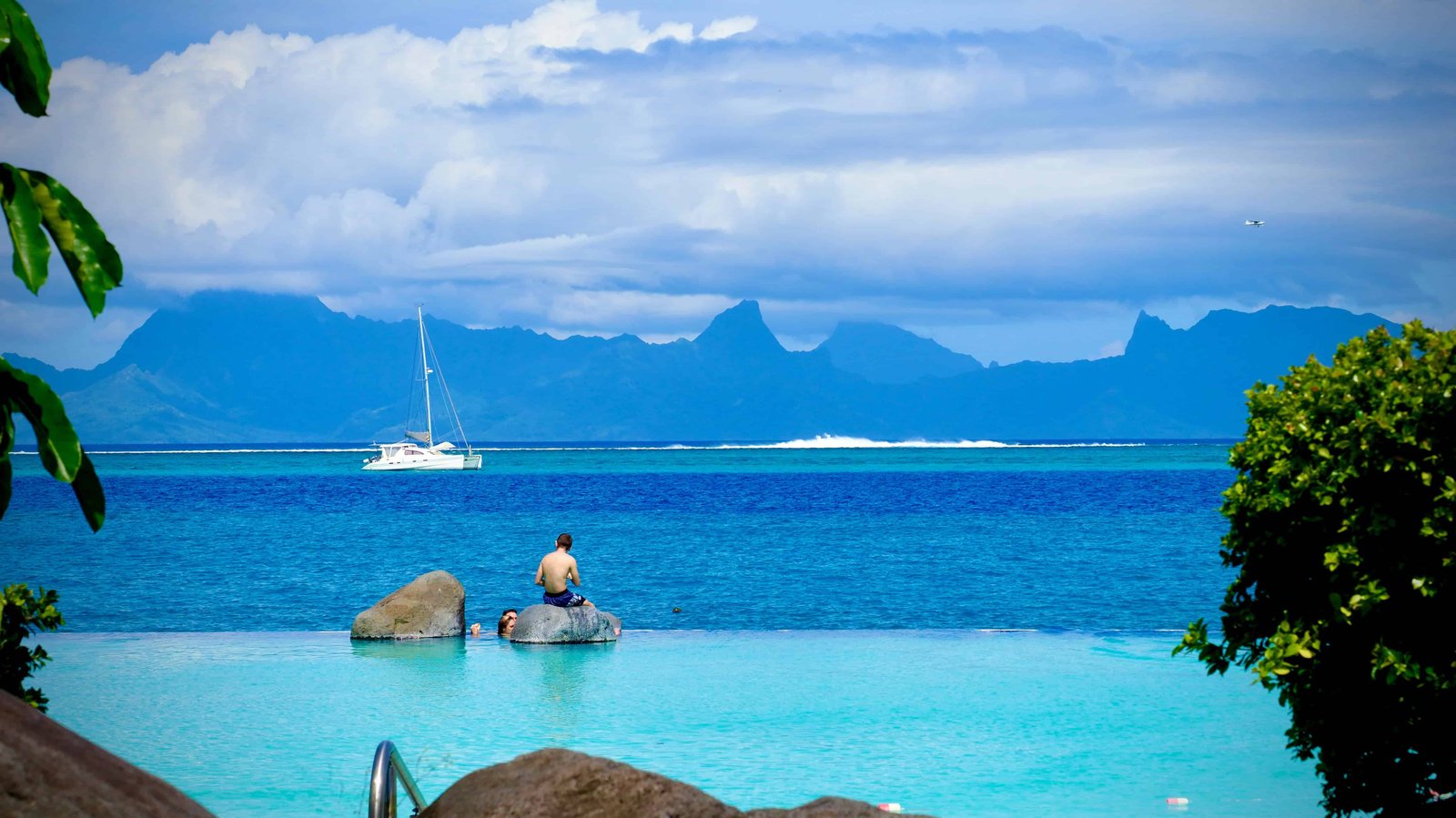
The dry season will give you blue skies, low humidity, and a LOT of sunshine, making it the perfect time to visit Bora Bora for many different activities
Through AccuWeather, you can check the weather live!
Let’s look in more detail as both seasons have (dis)advantages!
Best Time to Visit Bora Bora
High Season: May to October
We are not going to lie; high season answers your question ‘when to travel to Bora Bora’.
WHY?
ADVANTAGES
The high season in Bora Bora, from May to October has IDEAL WEATHER CONDITIONS.
The month May is the beginning of the dry season and also the start of the peak season. The temperatures rise slightly to an average of 81°F (27.5°C).
During these months, RAINFALL IS RARE, with an average of 3 to 5 rainy days per month. When we say rainy days, we mean 3-5 days where it rains in a burst before you have the sunny skies again (a bit like British weather).
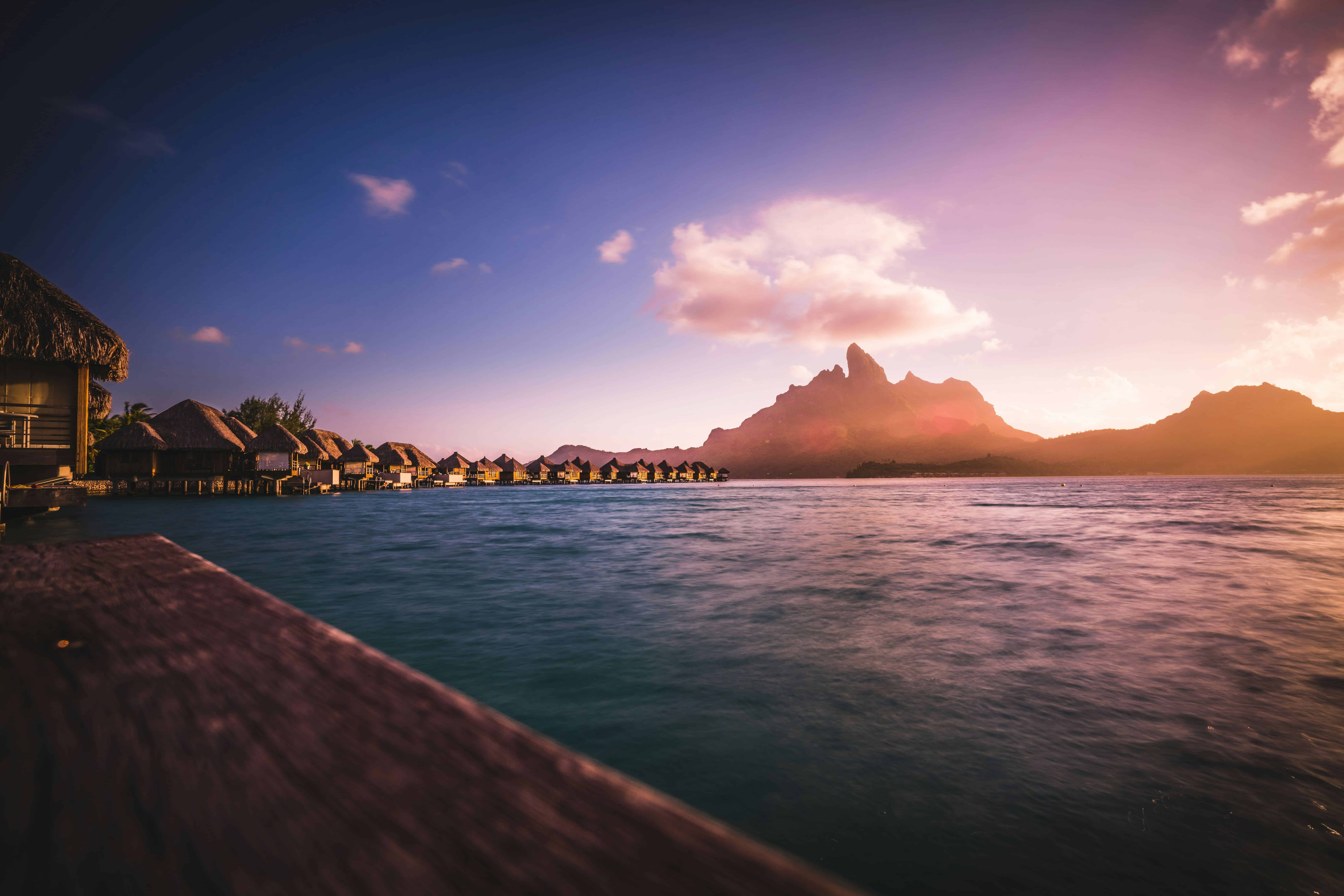
You can expect DAILY temperatures around 21°C to 28°C (70°F to 82°F), so it’s warm but not too hot for physical activities.
This is because of the trade winds that make the heat less intense.
At night, temperatures decrease slightly to 17 degrees (65 °F), perfect if you want a cool breeze for evening walks or beachside dinners.
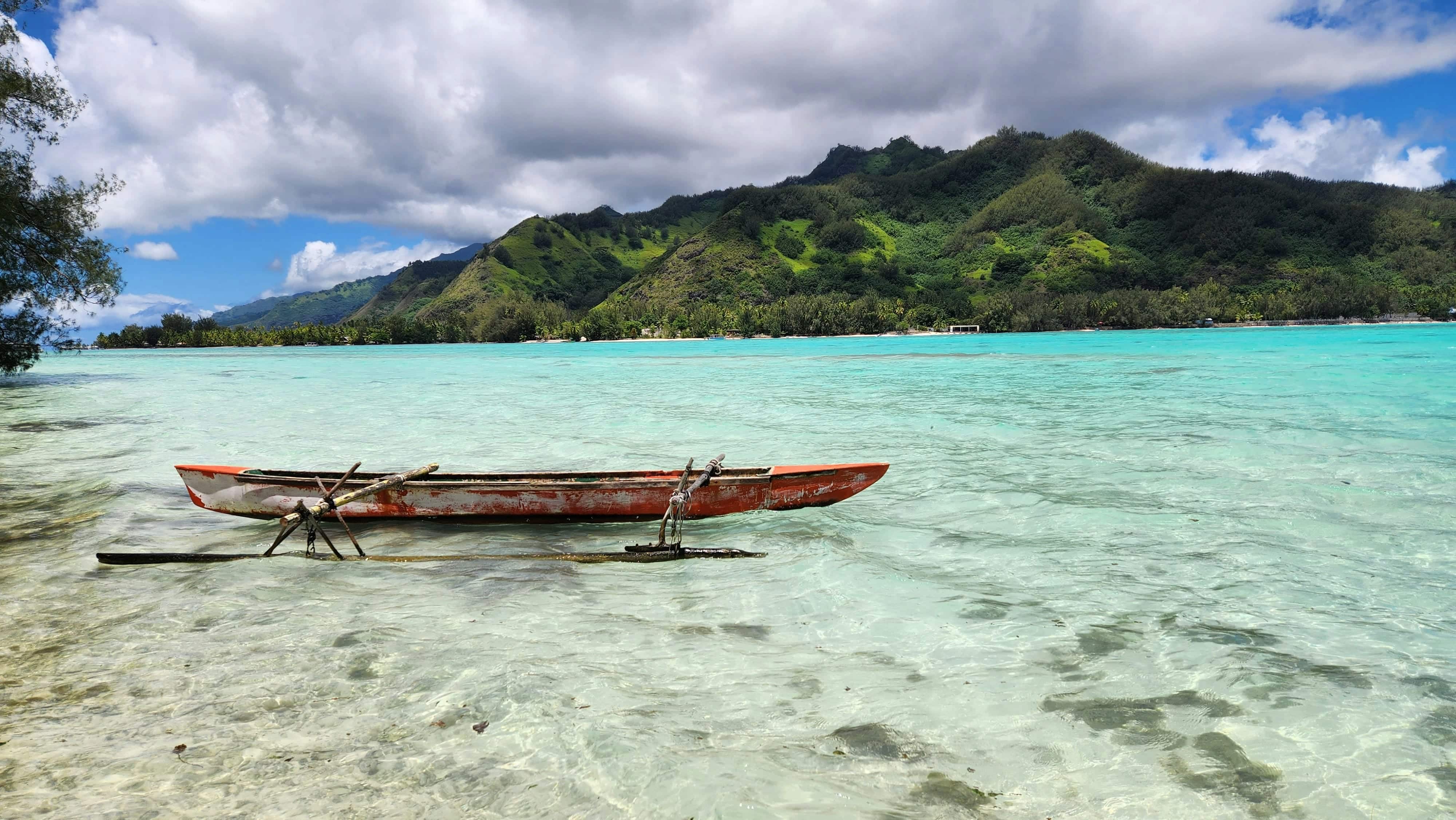
During high season, the SUN is at its strongest, with more than 8 hours of sunshine EACH DAY!
This gives you perfect conditions for amazing water sports, adventure sports, and cultural tours.
The SEA TEMPERATURE during this time is around 26°C to 28°C (79°F to 82°F), making the water ideal for swimming.
Use our interactive widget below to discover the best places to stay in Bora Bora!
Simply fill in the form below to get a FREE QUOTE from trusted local travel specialists who know the islands inside out.
It only takes 60 seconds, and you’ll receive custom itineraries and pricing directly in your inbox or WhatsApp within
48 hours.
Free of charge. No pressure. No obligation.
*Our trusted local partners create every itinerary with care. We kindly ask that you submit a request only if you’re considering traveling.
DISADVANTAGES
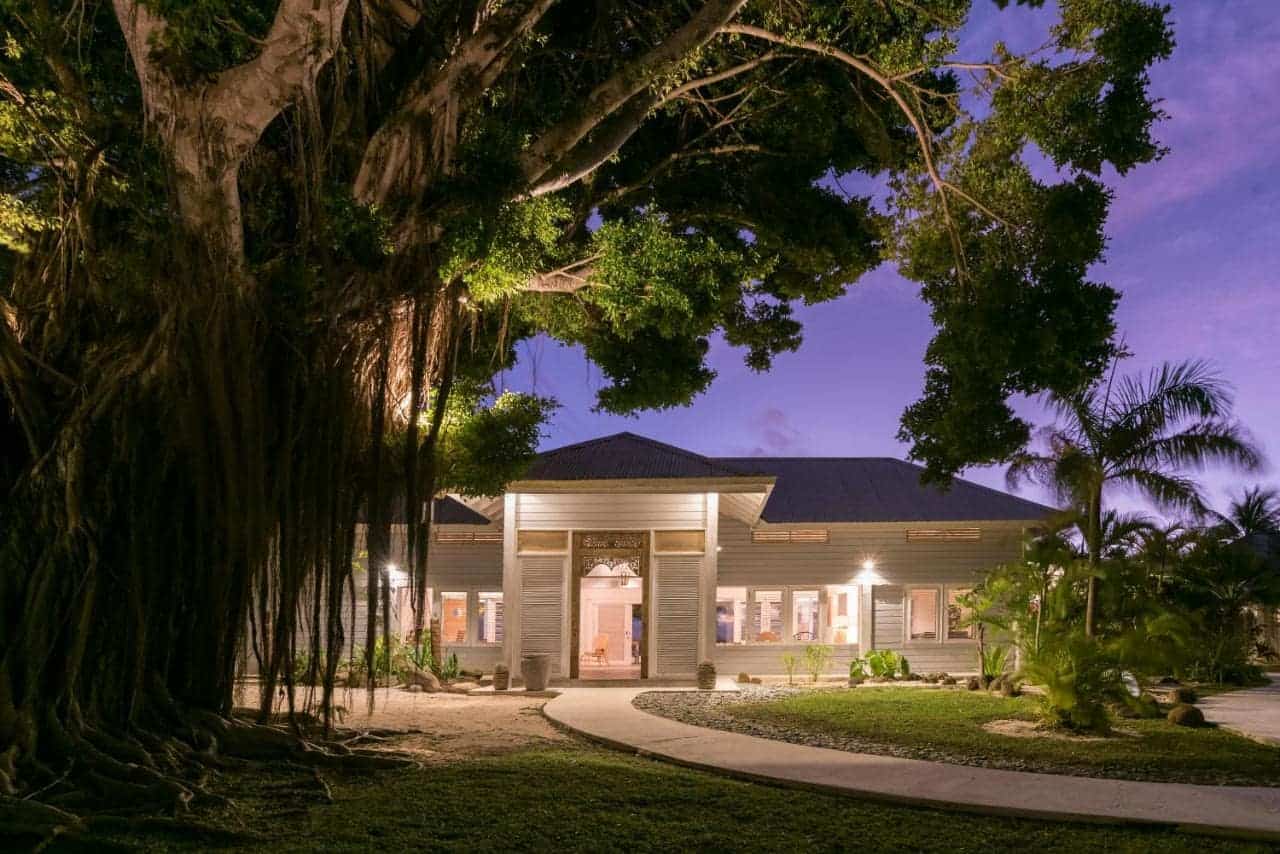
However, and we have to be honest here, there are also a few disadvantages to visiting Bora Bora in high season (summer months).
MONEY is the item. Bora Bora is never cheap, but the prices for hotels and resorts peak during high season, easily hundreds of USD more expensive than in shoulder and low seasons.
You will also have to make a reservation for most activities. If you want a tour in a helicopter, wakeboarding or even certain hikes will not be possible due to high demand. Keep this in mind to know when to travel to Bora Bora!
Shoulder Season: April and November
Shoulder seasons are a very interesting period if you are still wondering when to travel to Bora Bora.
The shoulder season in Bora Bora, around the months of April and November, offers the best experiences for pleasant weather and more affordable prices.
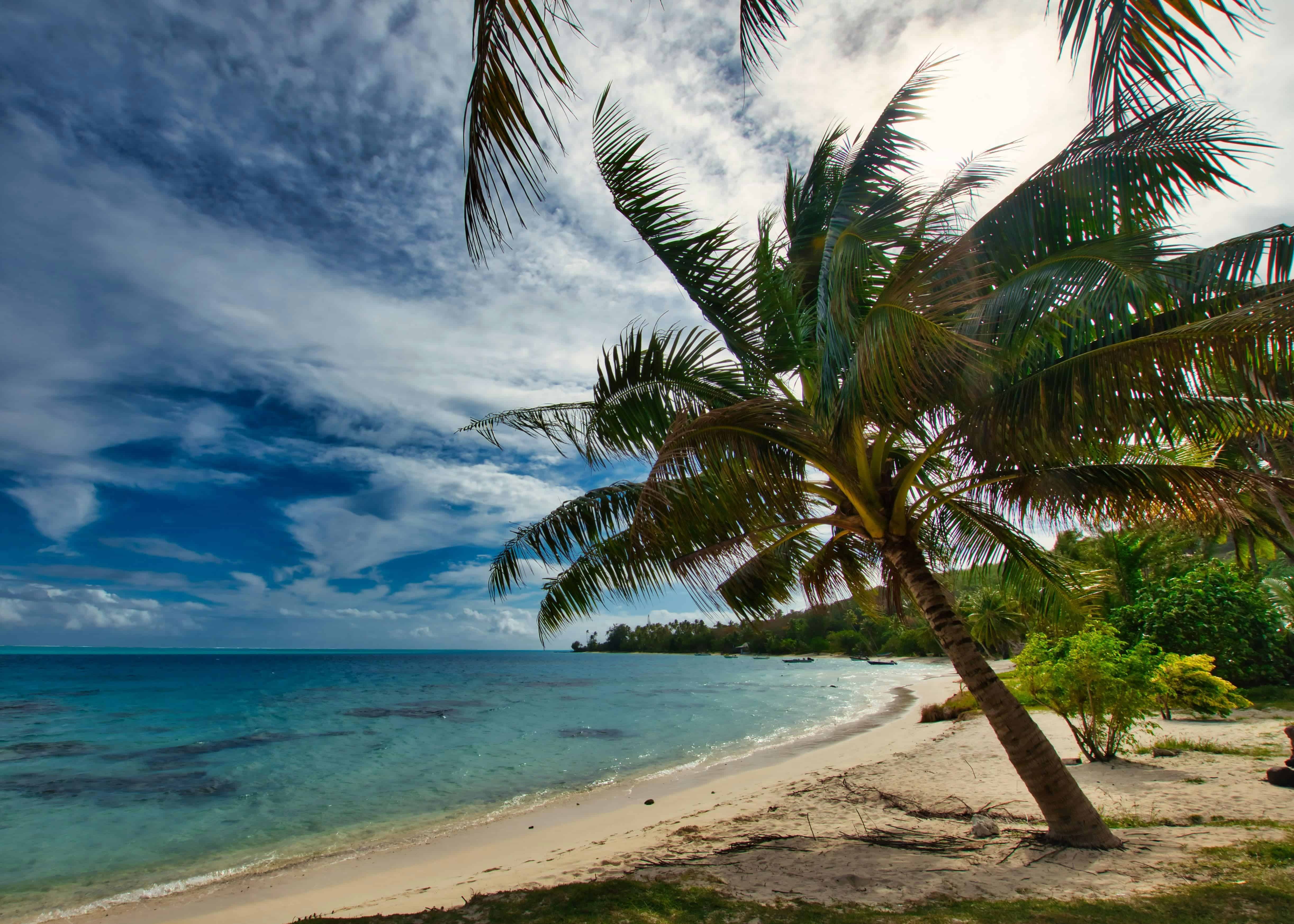
During these months, the weather is still beautiful, with temperatures ranging between 21°C to 29°C (70°F to 85°F).
In April and November, the sea temperature is still perfect for diving and snorkeling in Bora Bora, hovering around an average temperature of 26°C to 28°C (79°F to 82°F).
One of the biggest advantages of when to travel to Bora Bora during the shoulder season is the LOWER COST of accommodations.
With fewer people visiting the island, hotel and resort prices drop.

TRIPADVISOR REVIEW: “In 19 days, we only had 2 days of rain. The prices are also a little less then. There is a rainy season, so I suggest you google this, and you will see that the rainy season can be October to March, and it is more humid then, but the weather is weather, so you may get lucky any time of the year.”
INSIDER TIP: You can often find great deals to save money on overwater bungalows and beachside resorts during the shoulder months!
Avoiding the Rainy Season: November to March
The wet season, from November to March is the worst time when to travel to Bora Bora, due to the high levels of rainfall and humidity.
This period, not for nothing called the LOW SEASON season, is famous for its storms, grey skies, rain showers, and high humidity levels.
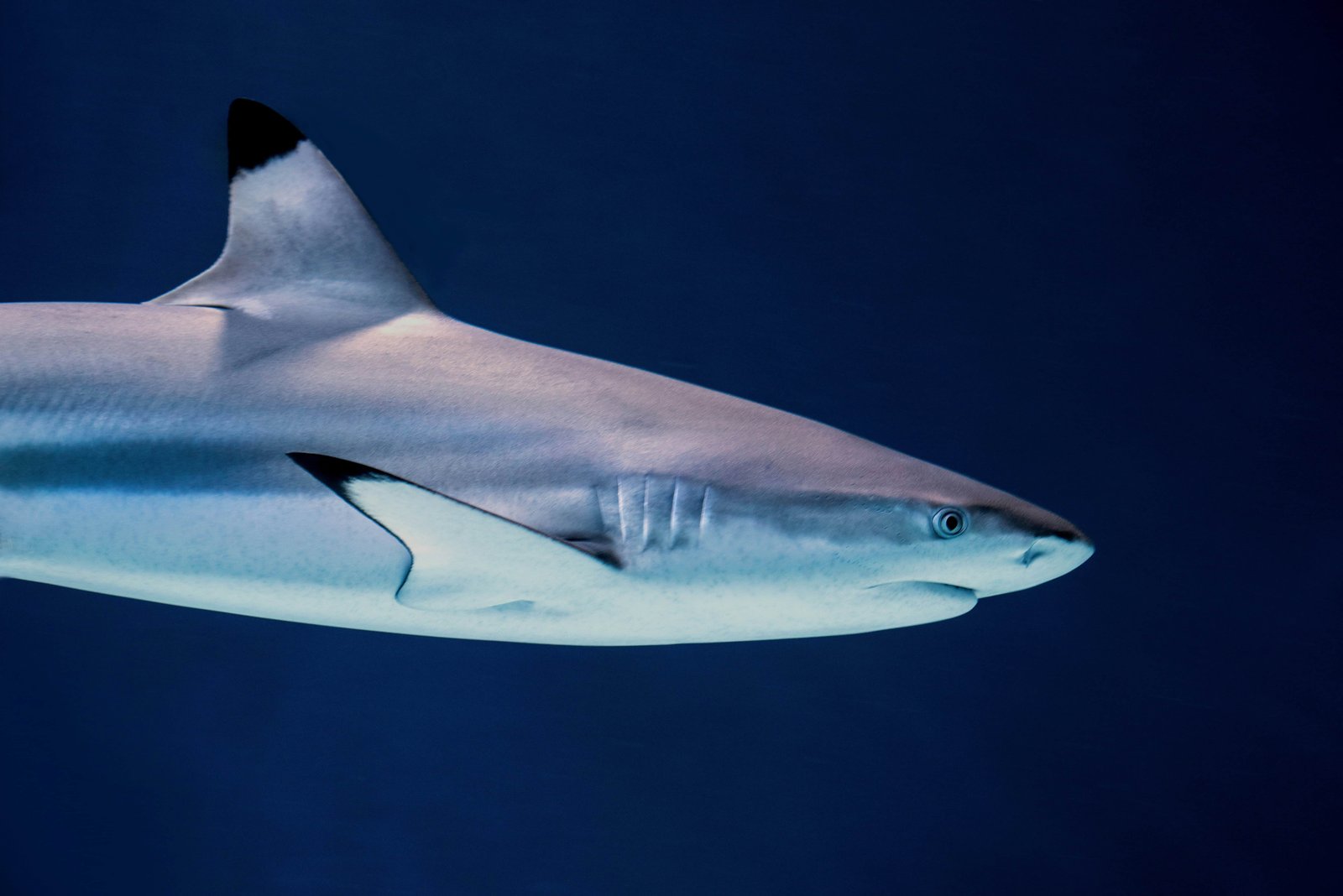
It often rains heavily for days. Even though the islands are very green during this period, you cannot really do any activities like hiking, sunbathing, or exploring the lagoon.
Humidity during the wet season is high, ranging from 80% to 85% (same as in Singapore), making the air feel thick and muggy.
Due to the humidity, a normal hike feels like one of the hardest hikes you have ever done.
Temperatures also remain warm (same as during high season), between 24°C to 31°C (75°F and 88°F).
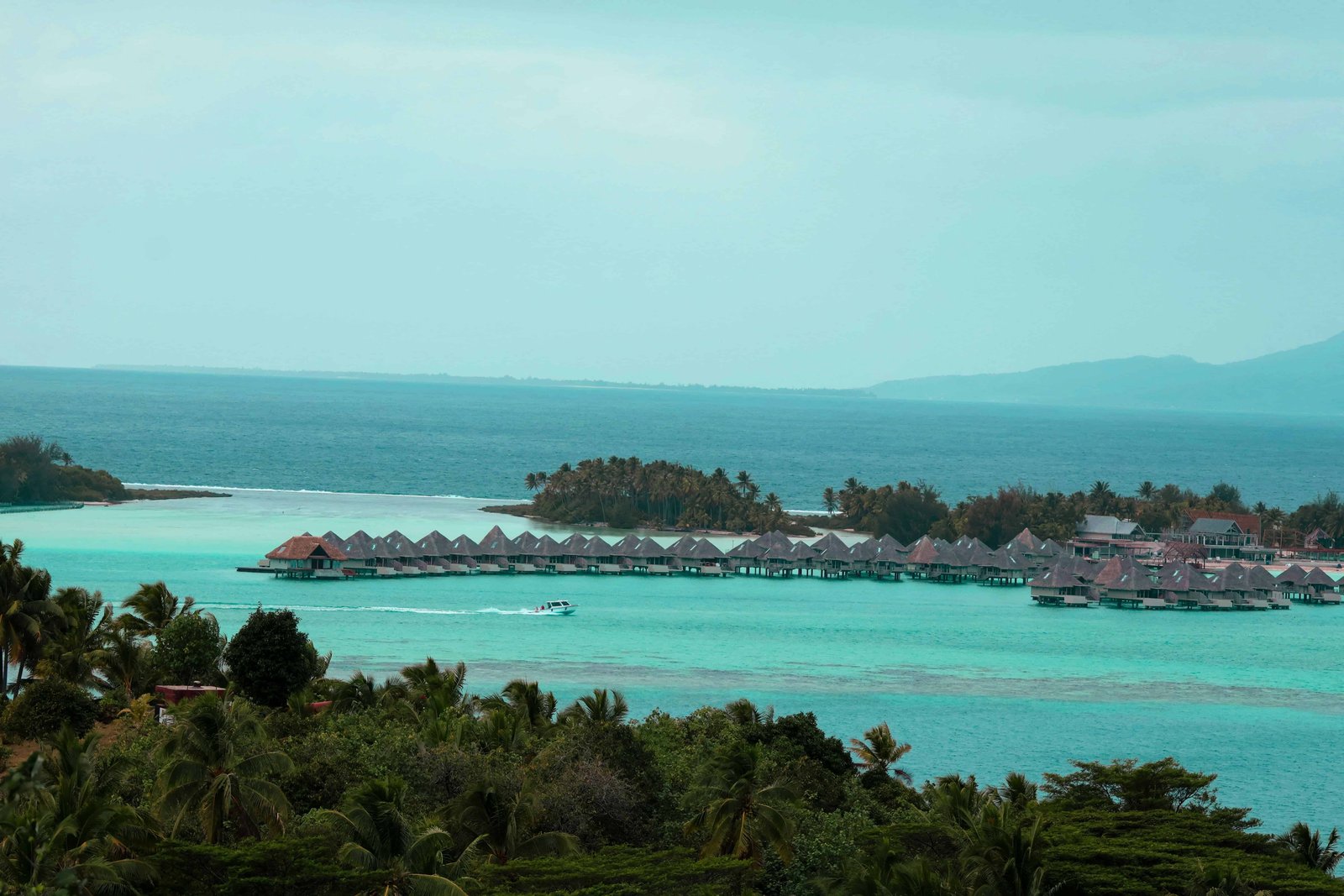
The combination of heat and humidity often leads to afternoon THUNDERSTORMS, especially in December and January.
KEEP IN MIND: Tourist numbers always rise again over December due to festivities and events being held across the islands during Christmas season.
Now that we have covered the wet and dry seasons, we’ll focus on the best season for snorkeling!
Simply fill in the form below to get a FREE QUOTE from trusted local travel specialists who know the islands inside out.
It only takes 60 seconds, and you’ll receive custom itineraries and pricing directly in your inbox or WhatsApp within
48 hours.
Free of charge. No pressure. No obligation.
*Our trusted local partners create every itinerary with care. We kindly ask that you submit a request only if you’re considering traveling.
Best season for snorkeling
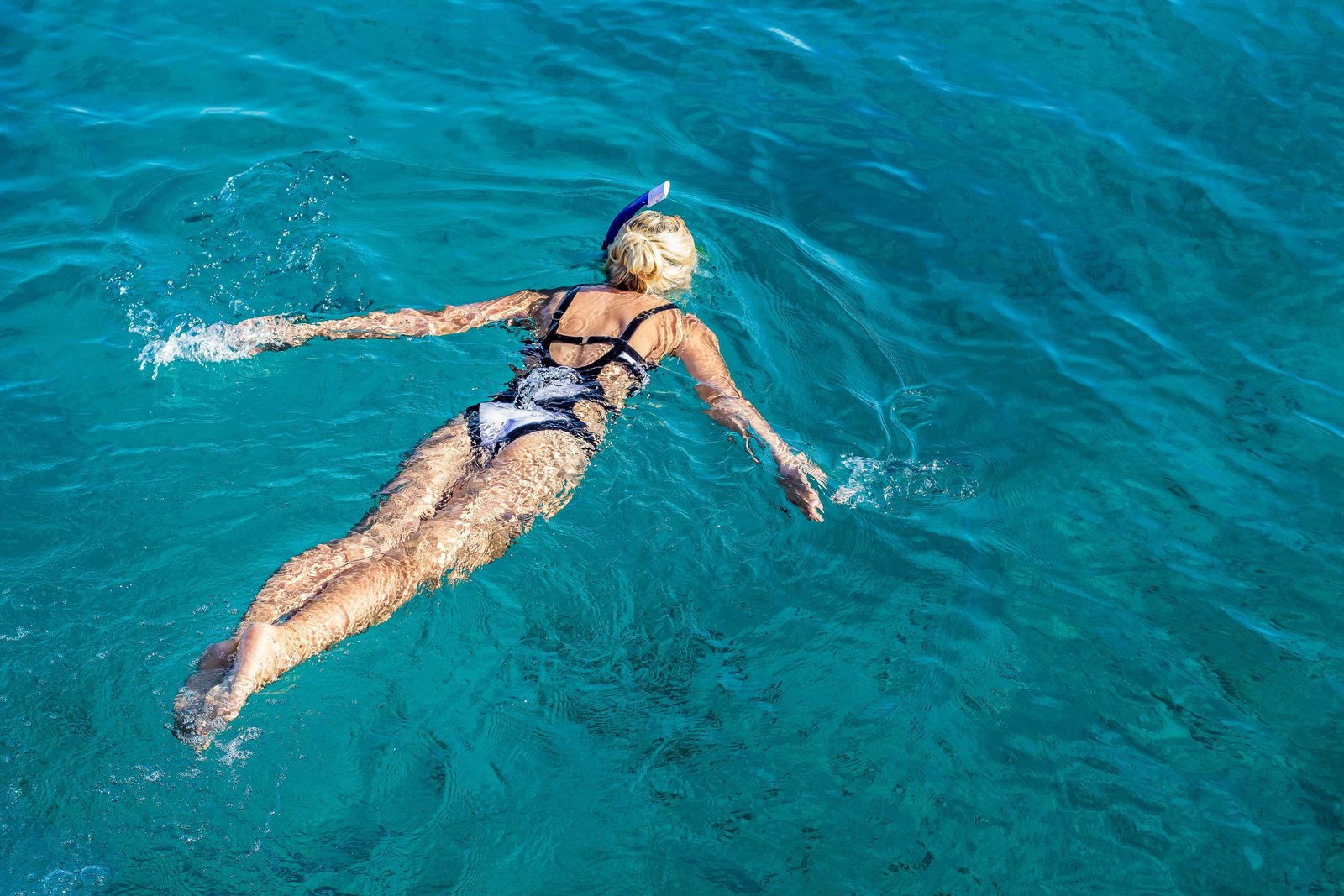
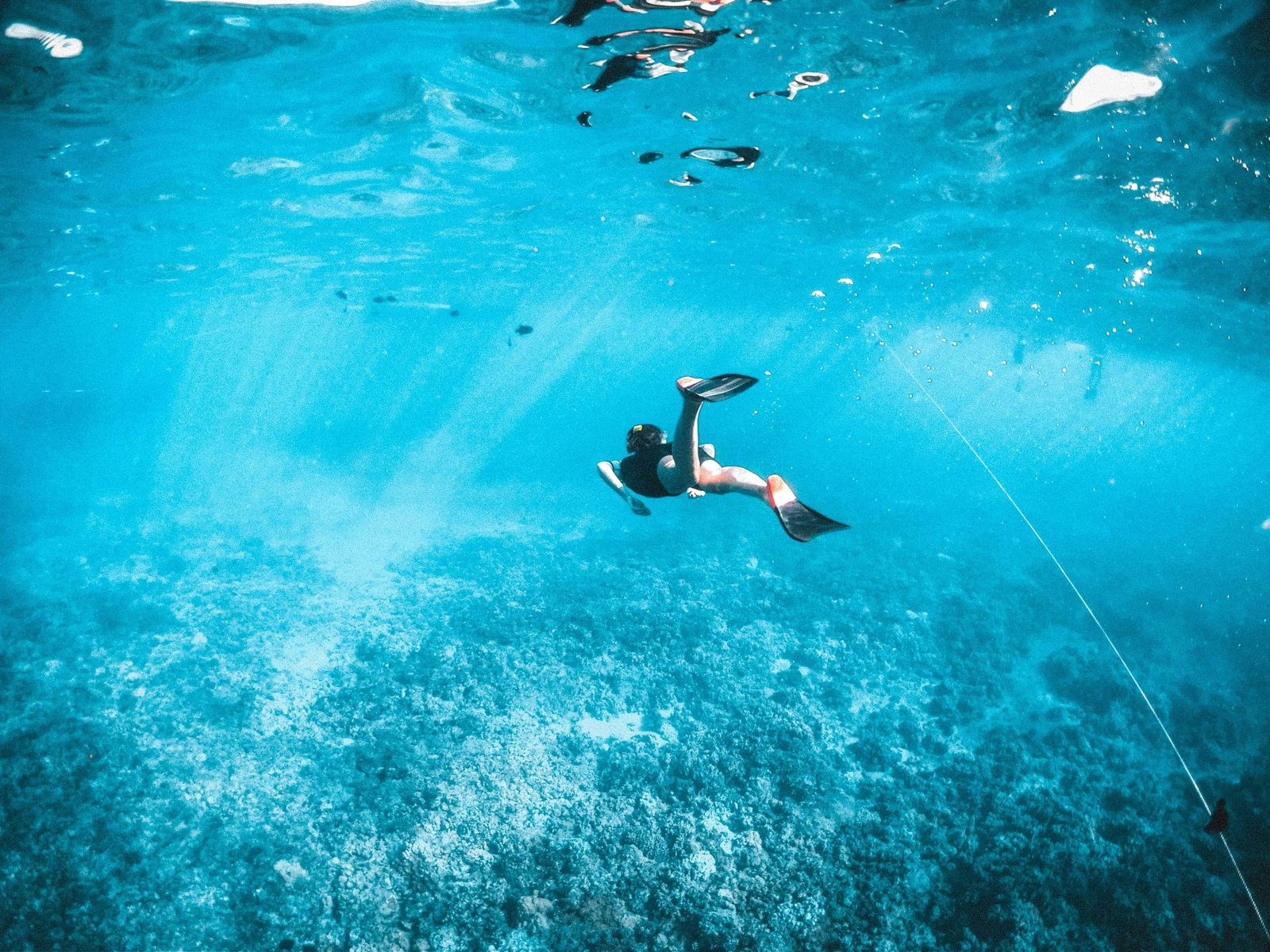
The best season for snorkeling in Bora Bora is during the dry season.
For snorkeling and diving in Bora Bora, you need good conditions; you want to have sunny weather, calm and warm waters, less wind, and nice visibility underwater.
So why is this the case in dry and high season but not in low season?
Well:
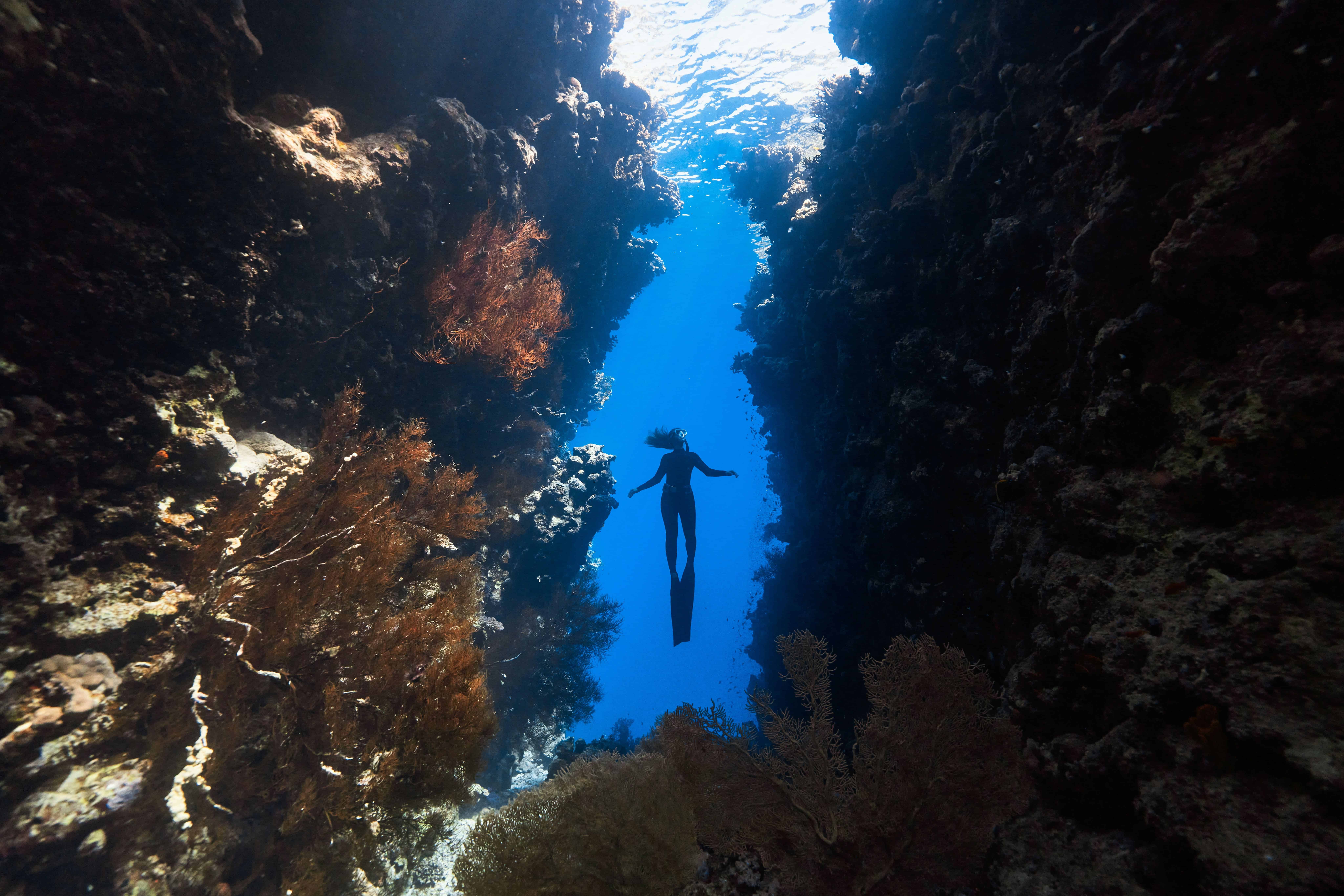
During the dry season, the water temperature stays warm, around 26°C and 28°C (79°F and 82°F), making it perfect for snorkeling without the need for a wetsuit.
Because there’s almost no rainfall during this season, the ocean is calm, and the lack of runoff from the land ensures that the water stays crystal clear.
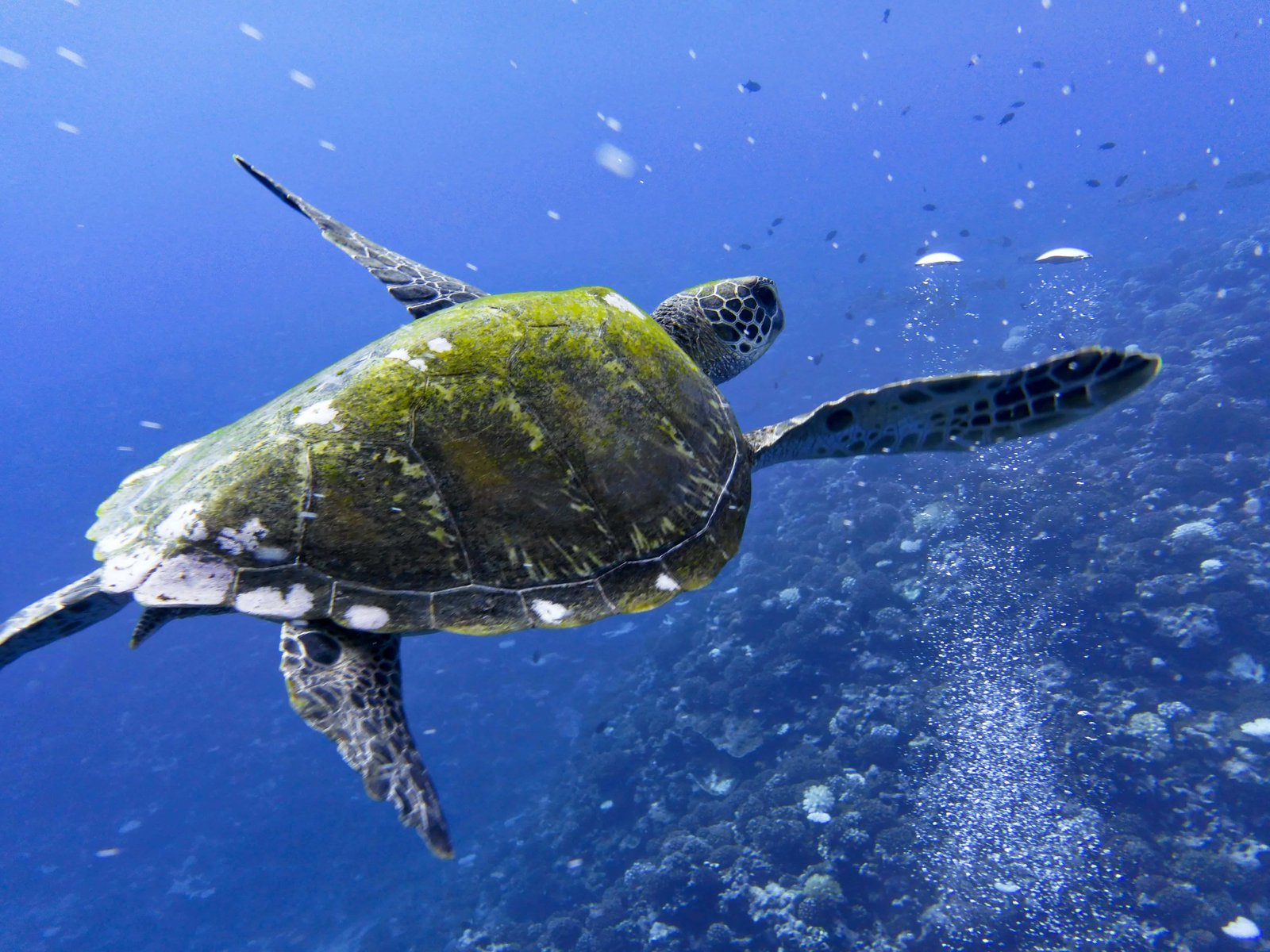
So, the dry season also provides better visibility underwater, often up to 30 meters (!) (100 feet), allowing you to see corals, tropical fish, and even stingrays, reef sharks, and manta rays at certain snorkeling and diving locations in Bora Bora.
We recommend going snorkeling at one of the best Bora Bora snorkeling spots: Coral Garden or Lagoonarium.
INSIDER TIP: For the best snorkeling and scuba diving experience, go out early in the morning when the waters are calmest and marine life is most active (fish mostly sleep during the day).
Whale watching: July to October
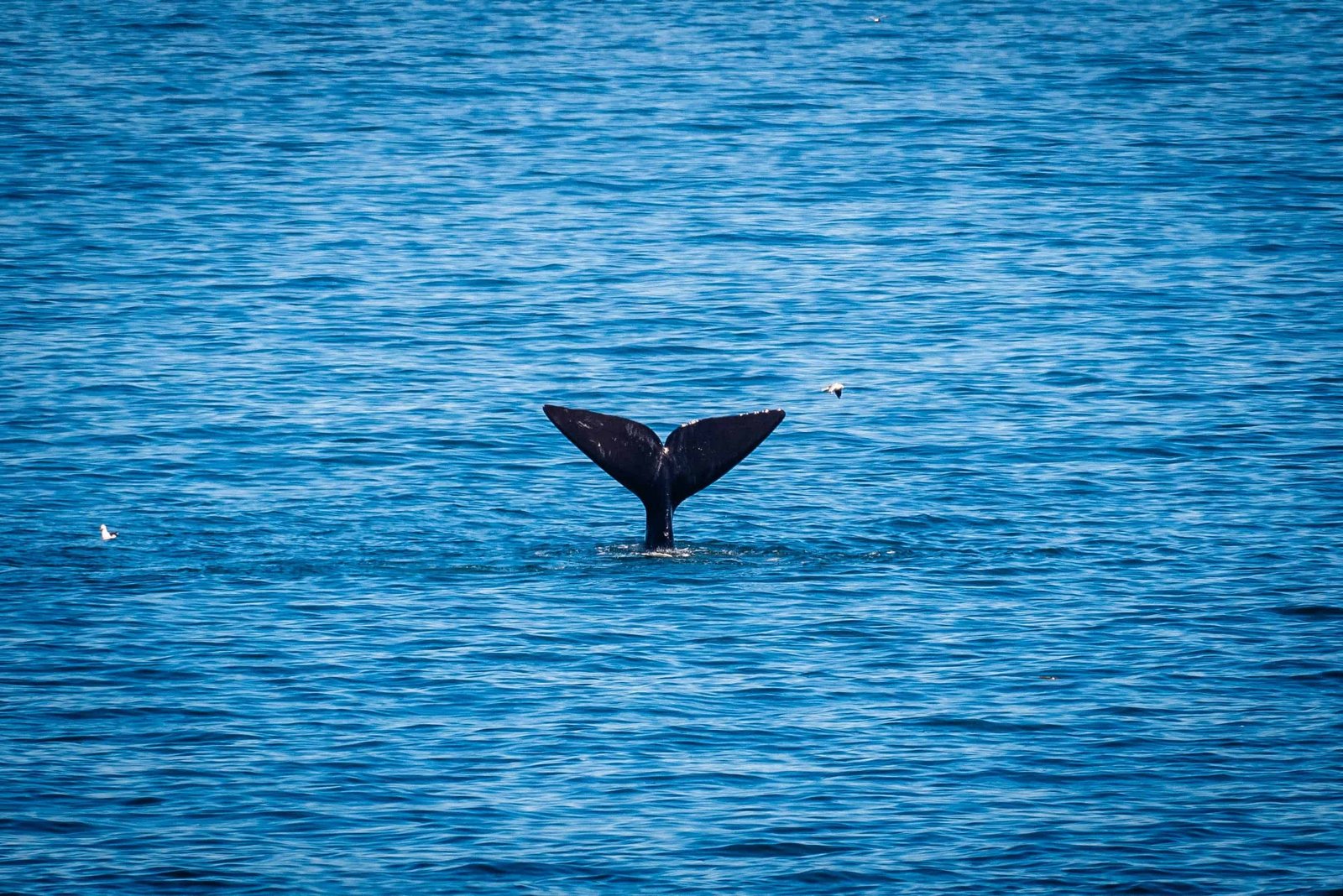
Another reasons when to travel to Bora Bora is whale watching!
The humpback whale season, from July to October, is one of the best experiences in Bora Bora!
During July and October, humpback whales migrate to the Bora Bora’s warm waters.
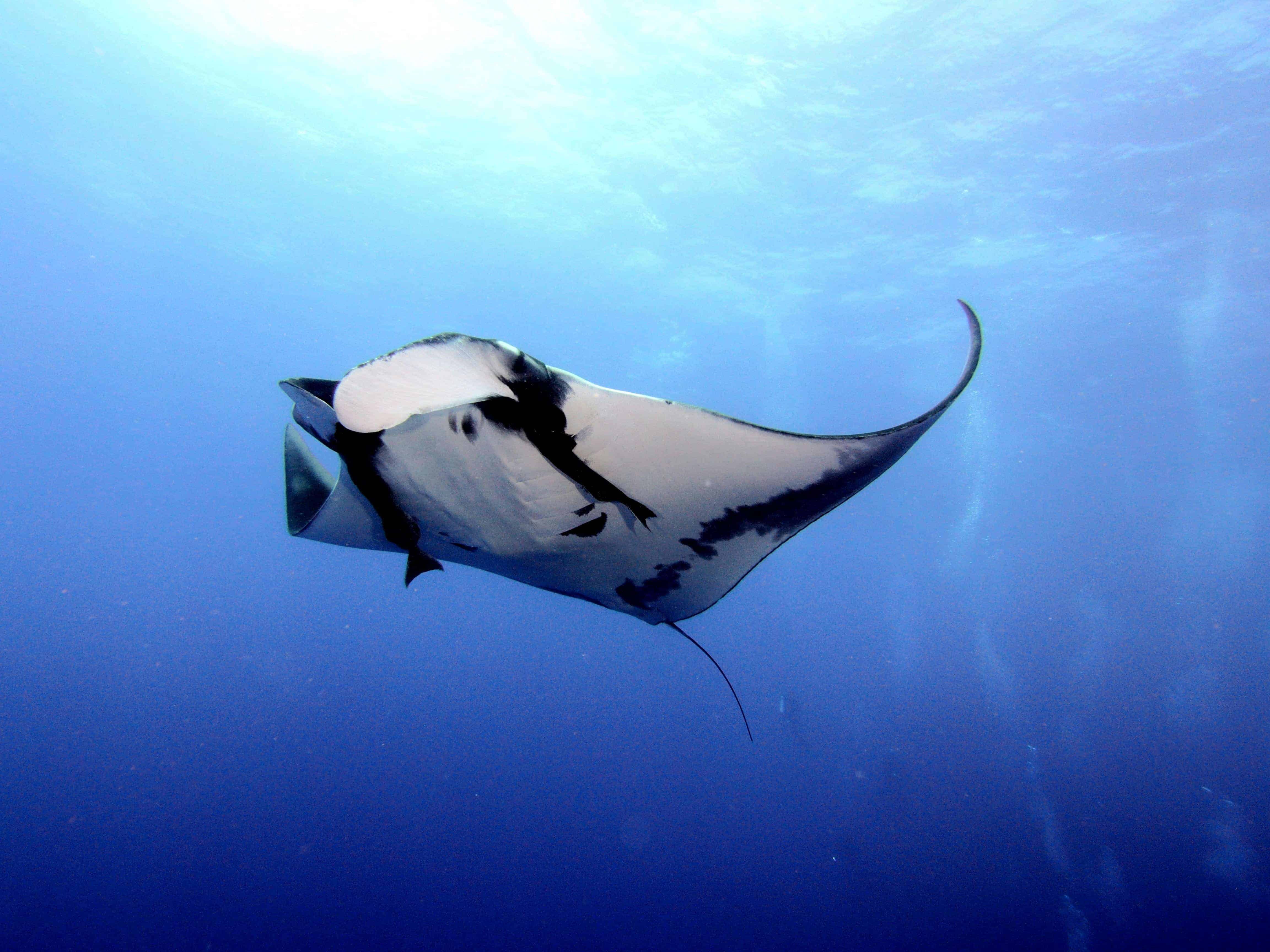
Guided whale-watching tours are, of course, available throughout the summer.
These guided tours are half-day excursions, often including the opportunity to also swim with dolphins and manta rays on top of the whales!
In terms of pricing, you should expect to pay around €100 to €150 ($110 to $165 USD) per person for a half-day whale watching tour.
These prices include transportation from your hotel or resort, snorkel gear if a swimming option is offered, and a guide who can share insights about the whales and the local marine ecosystem.
For a private tour, prices increase to around €250 to €400 ($275 to $440 USD) per person.
Simply fill in the form below to get a FREE QUOTE from trusted local travel specialists who know the islands inside out.
It only takes 60 seconds, and you’ll receive custom itineraries and pricing directly in your inbox or WhatsApp within
48 hours.
Free of charge. No pressure. No obligation.
*Our trusted local partners create every itinerary with care. We kindly ask that you submit a request only if you’re considering traveling.
Recommendations for honeymooners
Bora Bora is ultimate honeymoon destination in the WORLD, and for good reason.
The island’s beaches, luxury overwater bungalows, and romantic atmosphere create the perfect setting for couples on their honeymoon.
1. Stay in an overwater bungalow
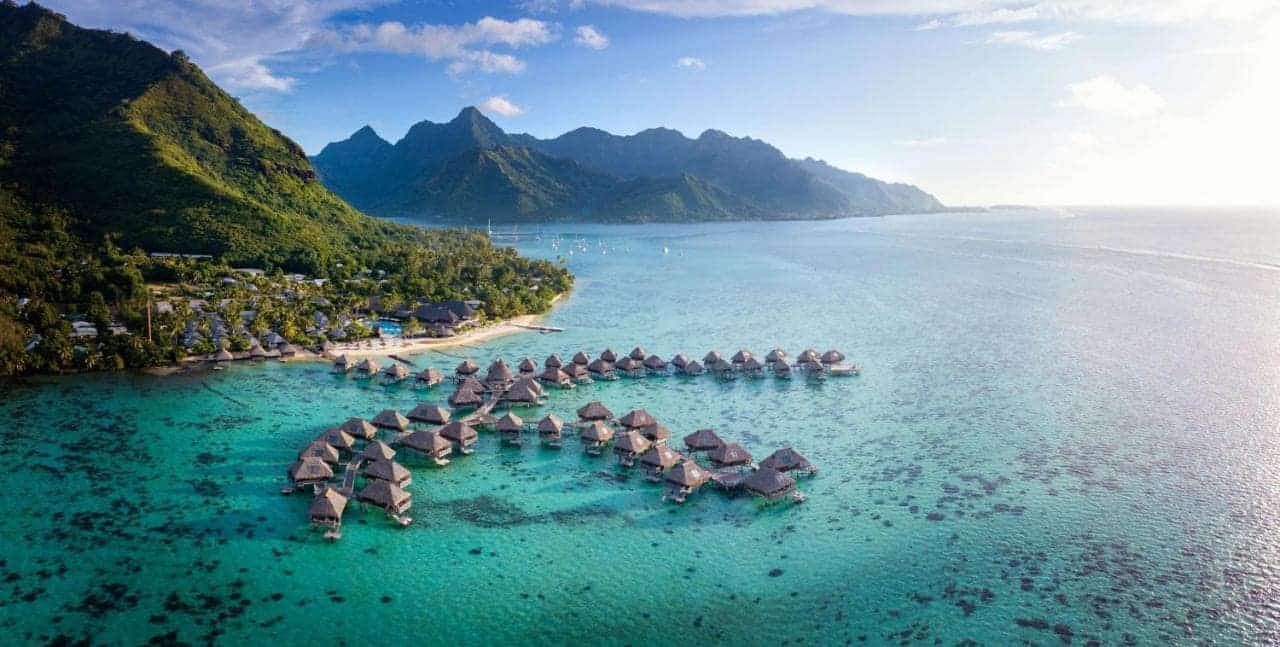
For a real Bora Bora honeymoon experience, you can’t miss staying in a luxurious overwater bungalow.
These bungalows offer complete privacy, with direct access to the lagoon and stunning views of Mount Otemanu or the endless blue horizon.
Many of these accommodations come with special honeymoon packages, offering perks like private dinners, champagne on arrival, and couples’ massages.
Prices for these bungalows range from €800 to €1,500 ($880 to $1,650 USD) per night.
2. Book a private dinner on the beach
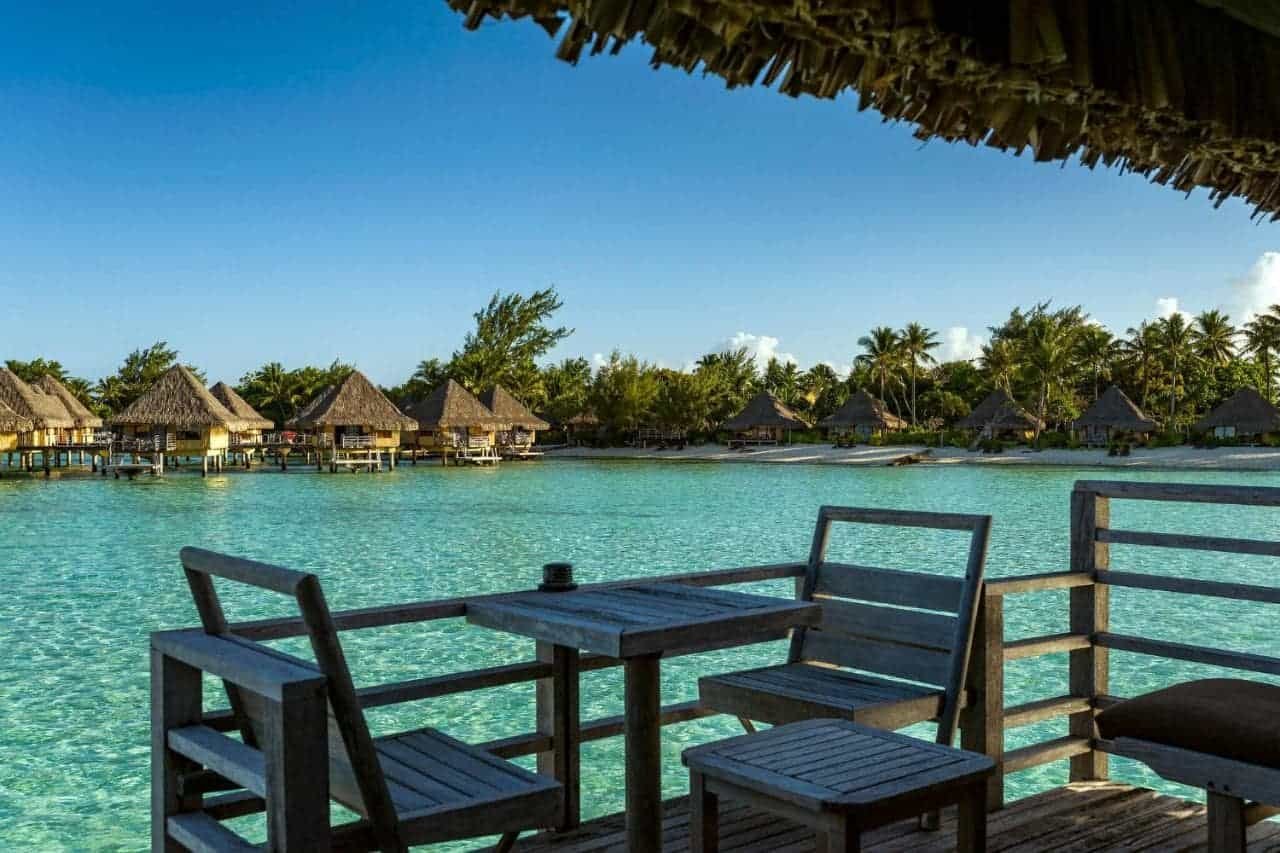
For an unforgettable romantic evening, you can have a private dinner on the beach.
Many resorts offer candlelit dinners on the sand, with the waves lapping in the background.
It’s a serene, intimate way to celebrate your honeymoon while enjoying world-class Polynesian dishes.
Prices range from €150 to €300 ($165 to $330 USD) per couple for a full-course private dining experience.
3. Explore the lagoon by private boat
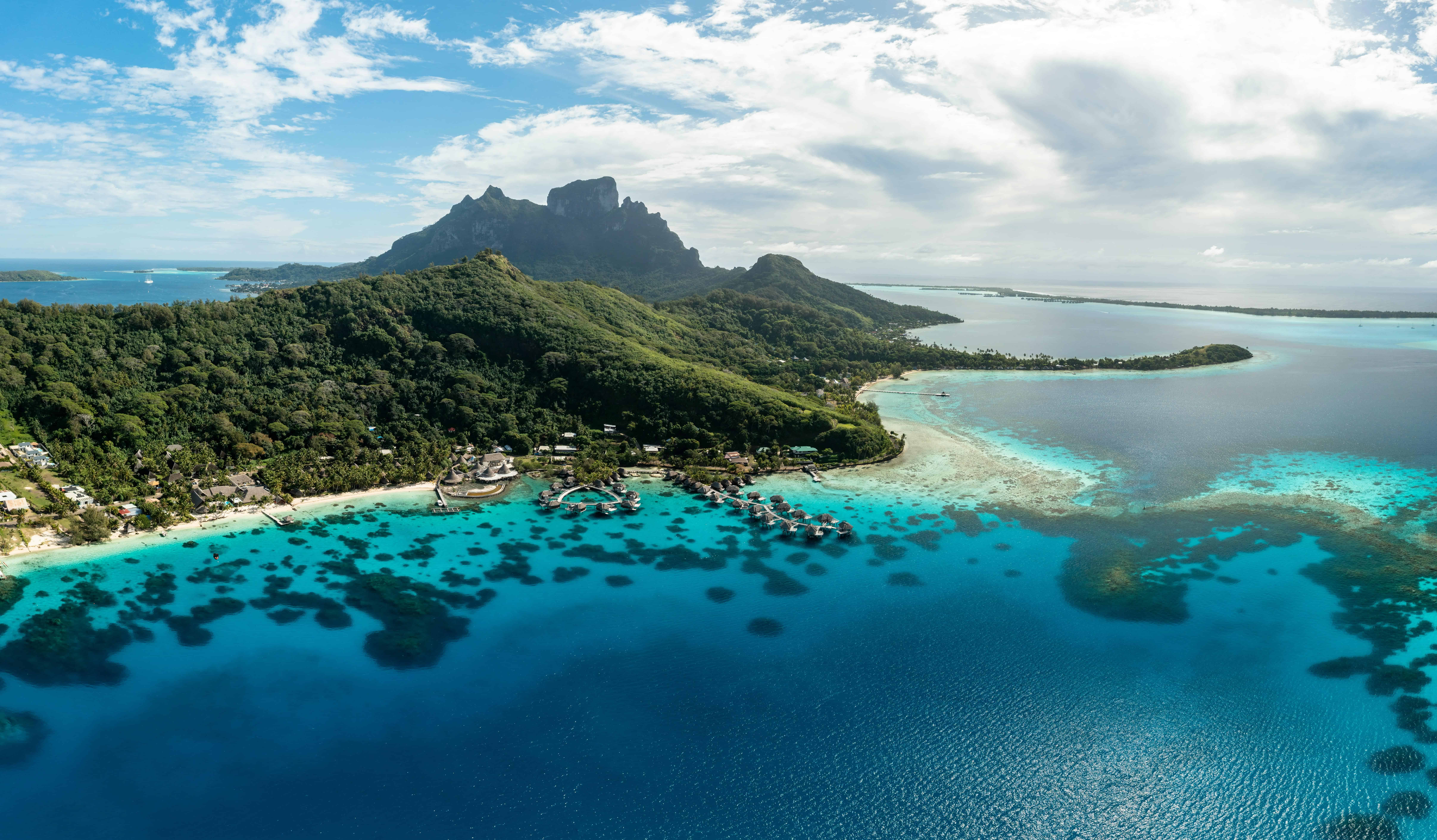
Another must-do is a private lagoon tour.
You can spend your day swimming, snorkeling, and relaxing with your partner.
Many tours offer a champagne toast at sunset.
Prices for private lagoon tours start at €300 ($330 USD) for a few hours, with luxury catamaran tours reaching up to €1,000 ($1,100 USD).
4. Couples’ spa day
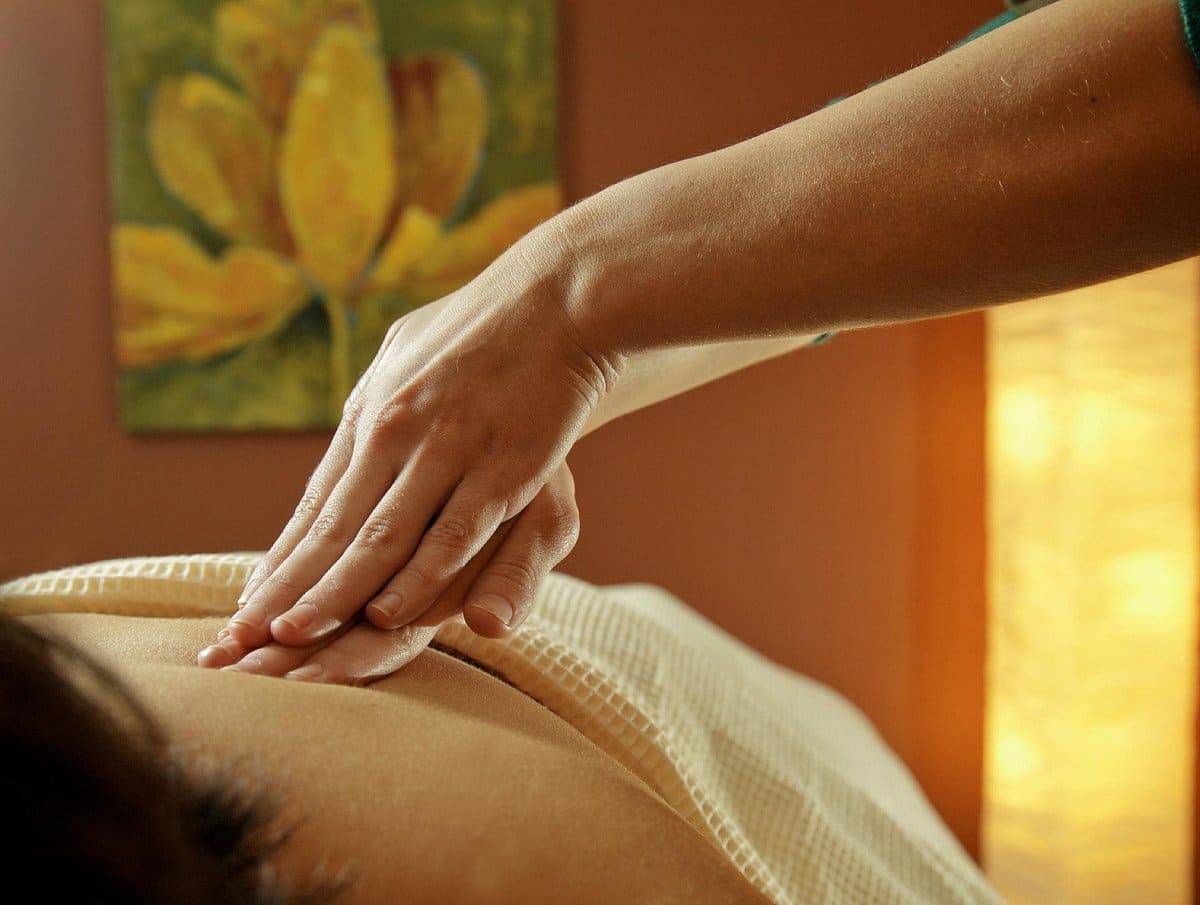
Many resorts offer couples’ treatments in open-air bungalows surrounded by gardens or with lagoon views.
A popular choice is the Polynesian massage, which uses natural oils.
Expect to pay around €150 to €300 ($165 to $330 USD) for a couple’s massage.
5. Take a helicopter or small plane tour
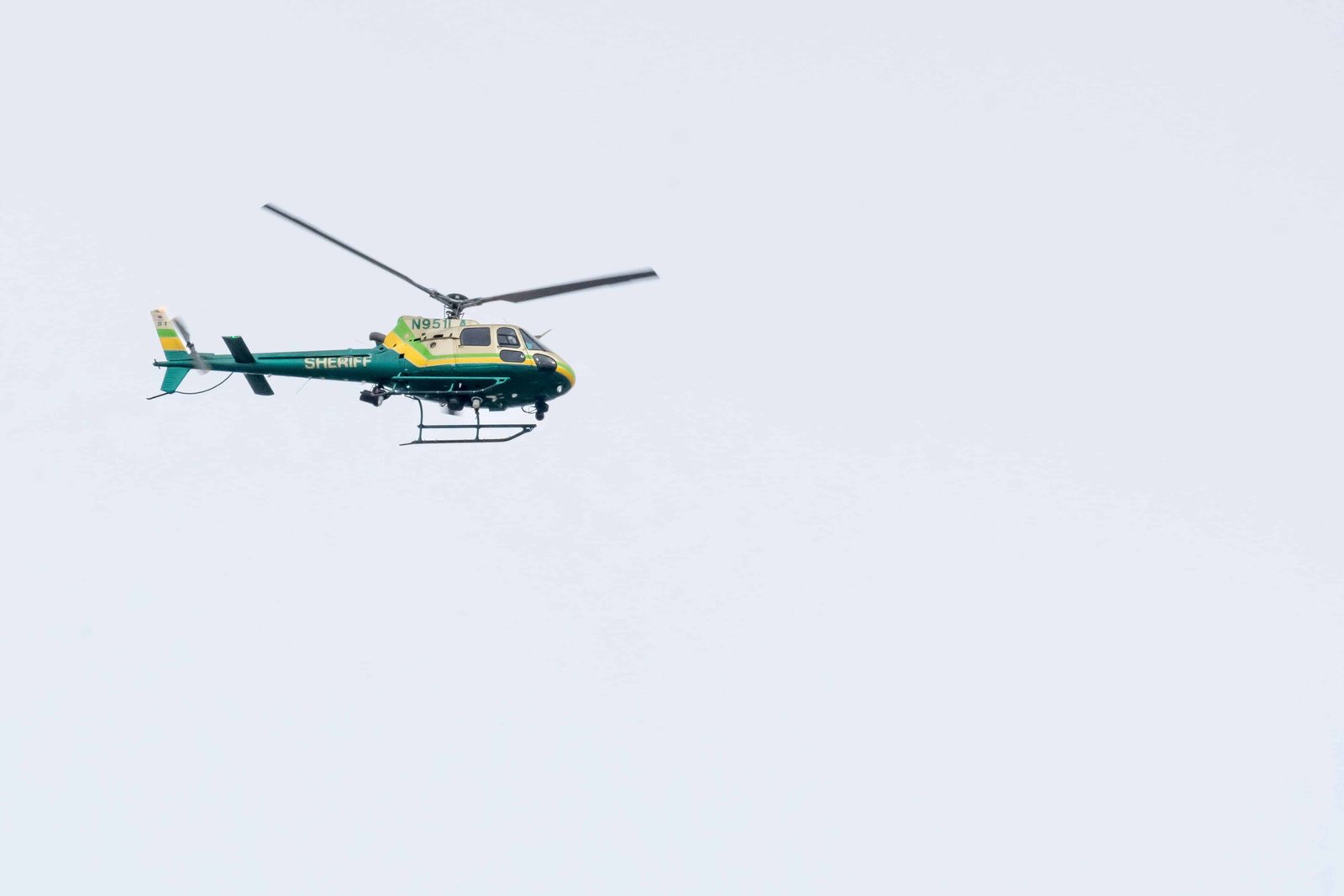
For a once-in-a-lifetime experience, take a helicopter or small plane tour over Bora Bora.
Seeing the island from above is a once-in-a-lifetime experience, with views of the coral reefs, Mount Otemanu, and the heart-shaped Motu Tapu.
This is a truly amazing and romantic experience that you will never forget. Prices for helicopter and plane tours start at €300 to €500 ($330 to $550 USD) per person for a 15-30 minute flight.
Now, let’s look at some of the unique events to know when to travel to Bora Bora!
Unique events (Heiva festival)
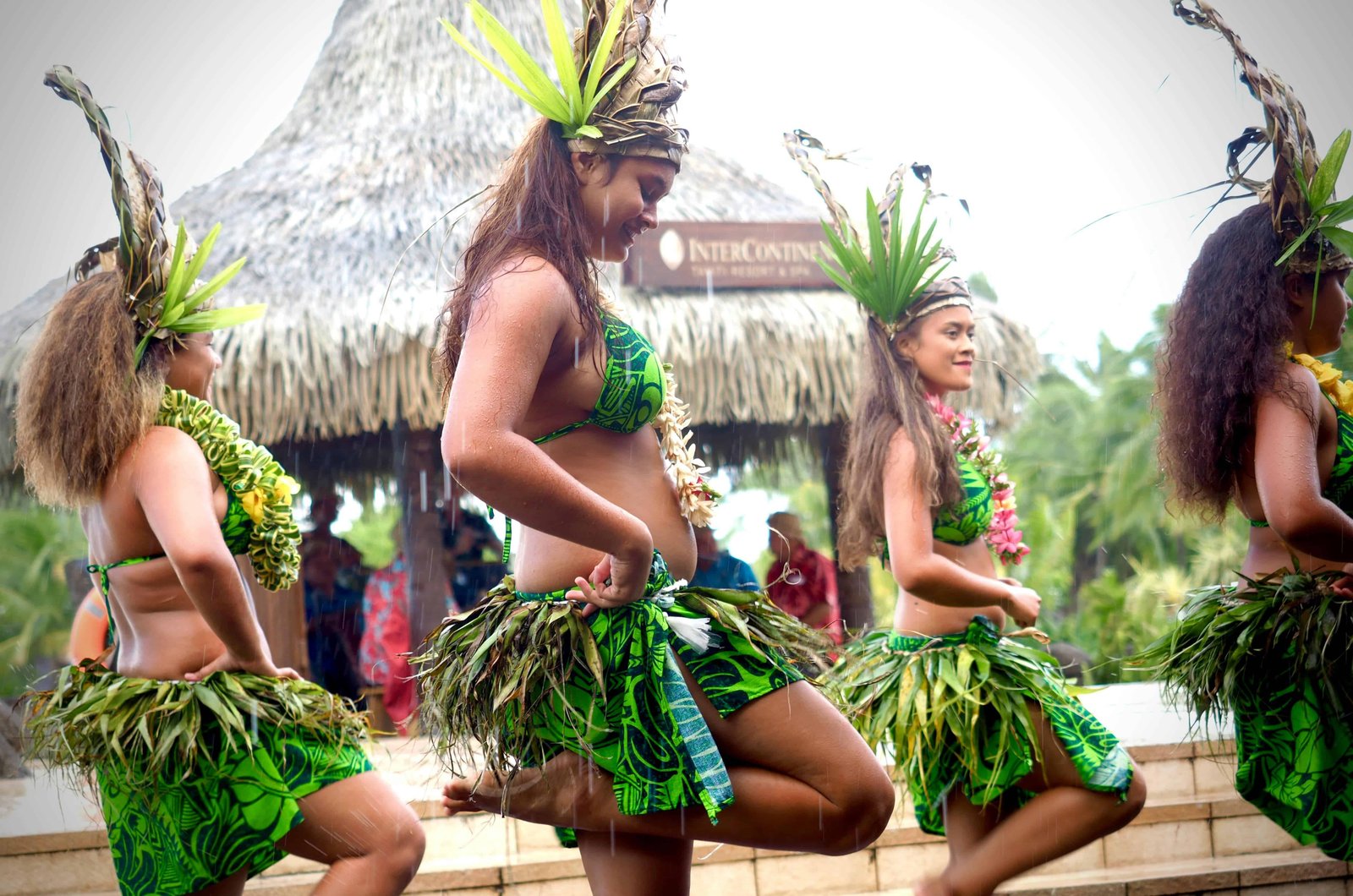
One of the most vibrant and culturally significant events in Bora Bora is the Heiva Festival, a month-long celebration held every year in July.
The Heiva i Bora Bora is part of the larger Heiva i Tahiti festival, celebrated across French Polynesia, but the events on Bora Bora have their own special charm.
The festival is held every July, during dry season when the weather is perfect for outdoor festivities.
The island comes alive with traditional dances, singing, sports competitions, and handicraft exhibitions.
During the Heiva Festival, locals perform ori tahiti (traditional Tahitian dance) in costumes, accompanied by drumming and singing.
Sports are also a big part of the celebration, with competitions in outrigger canoe racing, stone lifting, and javelin throwing—all rooted in Polynesian tradition.
Simply fill in the form below to get a FREE QUOTE from trusted local travel specialists who know the islands inside out.
It only takes 60 seconds, and you’ll receive custom itineraries and pricing directly in your inbox or WhatsApp within
48 hours.
Free of charge. No pressure. No obligation.
*Our trusted local partners create every itinerary with care. We kindly ask that you submit a request only if you’re considering traveling.
Conclusion
So, when to travel to Bora Bora?
If you’re planning to travel to Bora Bora, the best time for perfect weather is the dry season from May to October. You’ll have the consistent sunny days, perfect for outdoor activities like snorkeling, diving, and whale watching.
You can also travel to bora bora during shoulder season in April and November. These months offer a balance of good weather and fewer crowds, with lower accommodation rates. It’s an excellent choice if you’re looking to save on luxury stays and still enjoy pleasant temperatures.
We recommend you avoid the wet season. From November to March, Bora Bora sees high humidity, heavy rain, and frequent storms.
Romantic highlights for honeymooners: Bora Bora’s overwater bungalows, private beach dinners, and luxury spa treatments make it an unforgettable honeymoon destination.
Unique cultural events: when you are visiting Bora Bora in July, you’ll also get to enjoy the Heiva Festival. It is a lively celebration of Polynesian culture with dance, music, and traditional sports, set against the island’s breathtaking scenery.
Let us know in the comments about your experience ‘when to travel to bora bora’!
FAQ
What is the best month to visit Bora Bora?
The best time to visit Bora Bora is in May, when the island’s dry season begins. May offers warm weather, low humidity, and clear skies, creating ideal conditions for scuba diving, hiking, helicopter tours…
What is the rainiest month in Bora Bora?
The rainiest month in Bora Bora is January. During January, heavy tropical rain showers and high humidity are common, marking the peak of Bora Bora’s wet season.
What month did the Kardashians go to Bora Bora?
The Kardashians and their film crew visited Bora Bora in April 2011 for a 7-day family vacation. This trip brought the island even more fame and showcased it as a luxurious getaway.
When not to go to Bora Bora?
The worst time to visit Bora Bora is typically from November to March during the wet season. These months bring heavy rainfall, high humidity, and increased storm activity, which can limit outdoor activities.
What is hurricane season in Bora Bora?
While Bora Bora is rarely hit by hurricanes, the hurricane season runs from November to April. Although direct hits are uncommon, these months still see heavy rain and occasional storms due to the island’s tropical climate.
Related Posts


*Disclosure: Please note that some of the links on our site are affiliate links, and at no additional cost to you, we may earn a commission of you decide to make a purchase after clicking through the link.
We only recommend products and services that we use and love ourselves, so we know you’ll be in good hands. The commission we receive helps us to maintain our website and continue to provide high quality content for our readers.
Please check our affiliate disclosure policy for more details.
Your suppport is appreciated!
We share travel guides for couples who want a little luxury, a lot of heart and lifelong stories to tell!
Laura and Alexander
Founders of Lost Between Oceans

Reviews
Lost Between Oceans gave me and my husband the perfect tips and destinations to plan our dream honeymoon in French Polynesia, making the experience stress-free.

I never thought I’d dare to go diving in a cenote and surfing in Mexico. Their travel guides made me more confident and adventurous, overcoming my travel fear of the unknown. Thank you!
I looked up Lost Between Oceans for last-minute tips about my roadtrip in the Amalfi Coast. They showed me the best cliffside villages and hidden beaches. This saved me a lot of time researching everything myself!



Related Posts
Leave a Reply