

Welcome to Zion National Park.
In this guide, we’ll take you through EVERYTHING you need to know about what Zion National Park caves are worth exploring. In the end, you’ll have a pretty good idea of which of the 7 caves is right for you!
Let’s get started.
KEY TAKEAWAYS:
- Top Caves to Visit: Moqui Cave, The Narrows, and Mammoth Cave are highly recommended. Moqui Cave is famous for its historical significance and Instagrammable views, while The Narrows offers a unique hiking experience through shallow water. Mammoth Cave is famous for being the longest lava tube in Utah.
- Caves to AVOID: Birch Hollow Slot Canyon and Upper Red Cave are not recommended for most visitors due to their challenging terrain and technical requirements. These hikes are suitable only for advanced adventurers with the necessary skills and equipment.
- Preparation and Safety: When you explore Zion National Park caves, always bring appropriate gear such as helmets, headlamps, sturdy shoes, and plenty of water. Adhere to Leave No Trace principles, respect local wildlife, and be mindful of potential dangers such as flash floods and extreme temperatures.
The Best Caves in Zion National Park
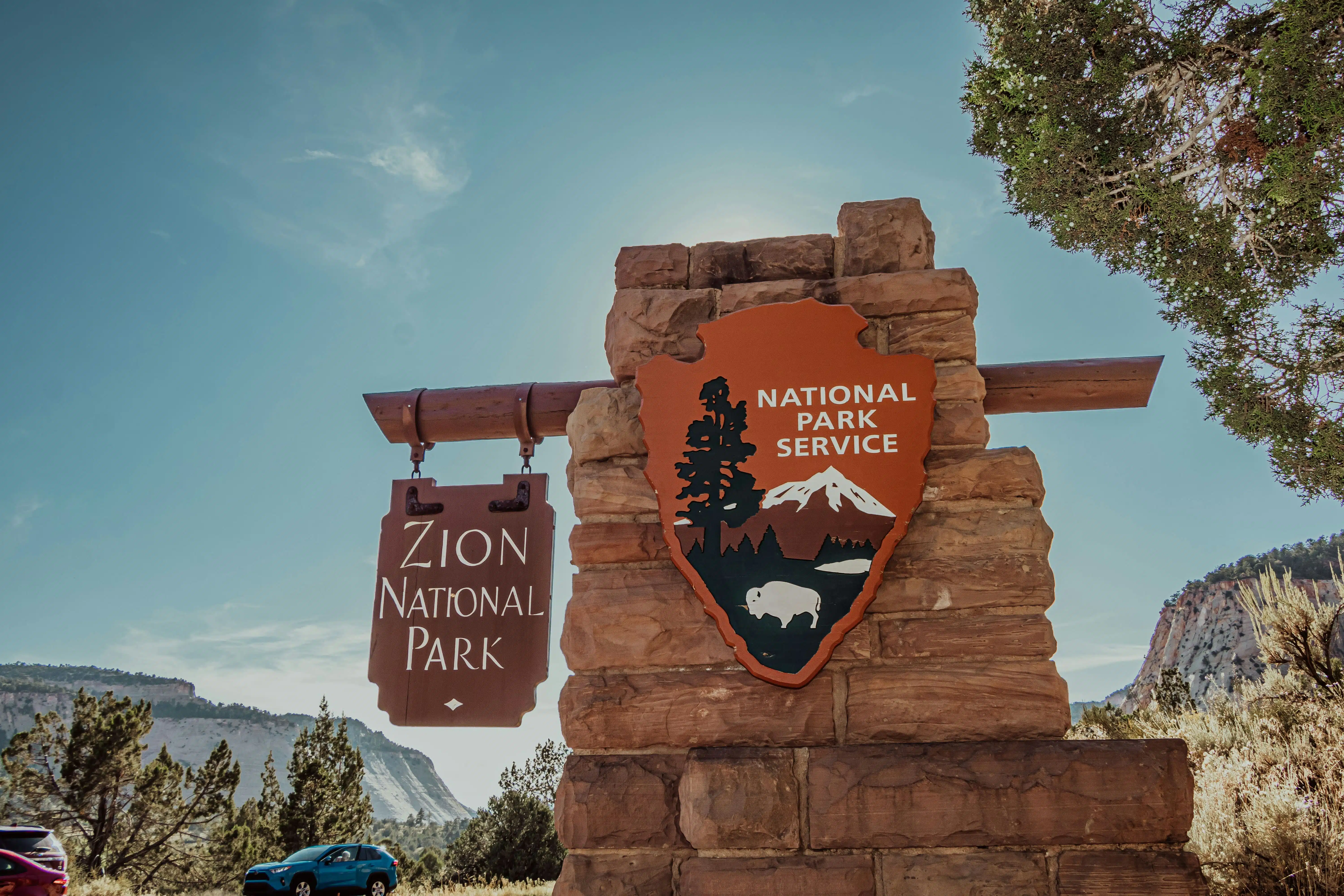
Zion National Park is a wonderful place for hiking and walking. The park, in southwestern Utah, has plenty to offer nature lovers, but Zion Canyon is the most important. The 24-kilometer-long and 800-meter-deep canyon was carved out by the Virgin River, which still drags through it all kinds of eroding material trapped among the mountains’ melted snow in the spring.
What 9 caves are worth exploring (and which are definitely not worth your time)? Let’s take a look.
1) Moqui Cave (recommended)
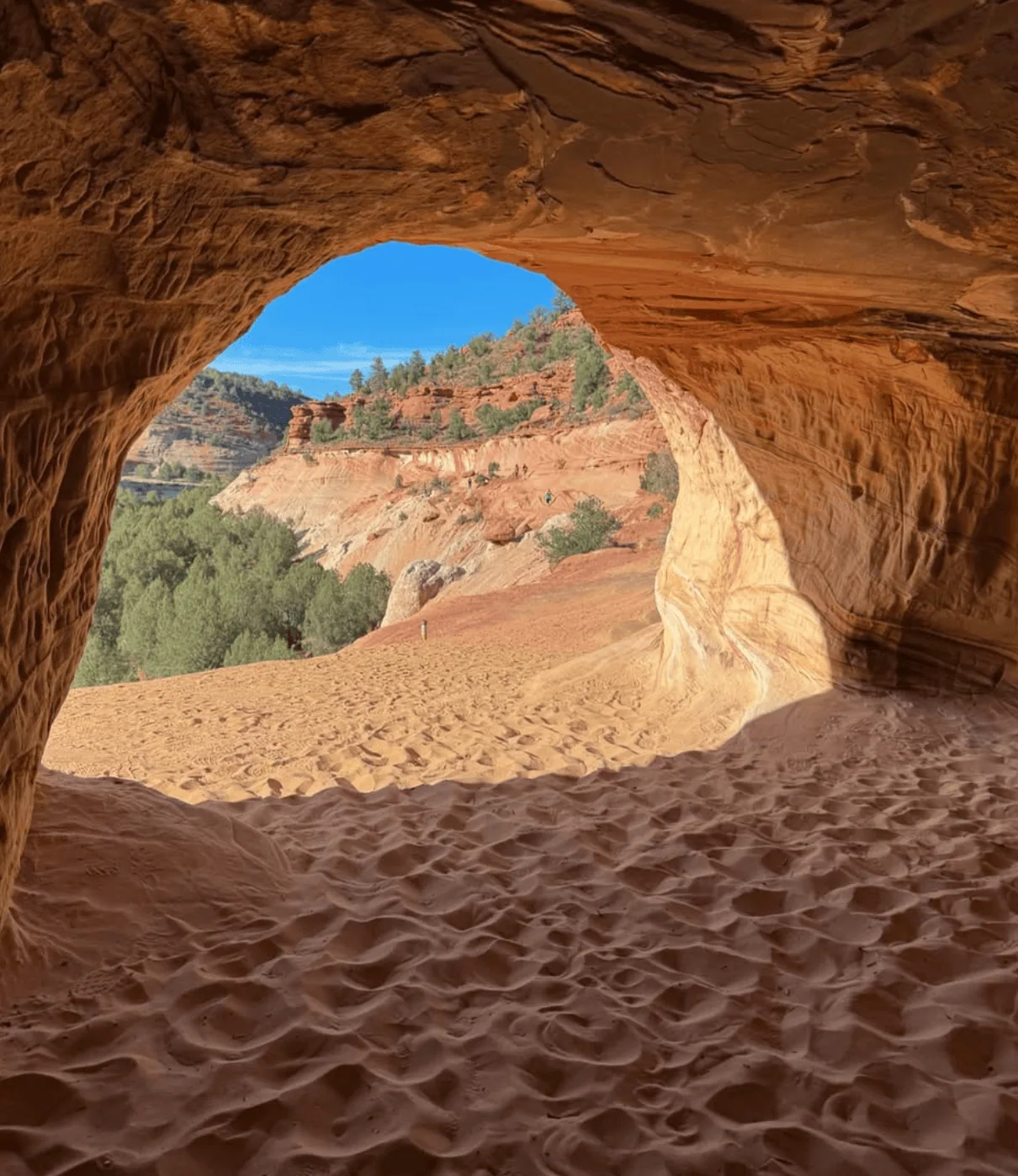
One of the most famous Zion National Park caves is the Kanab Sand Cave or ‘Moqui Cave’. You’ve probably seen these caves on Instagram.
These KNAB SAND CAVES were once used to harvest sand for glass production back in the 1970s. Thus, this cave is not natural but man-made.
This dry cave is home to ancient drawings and the remnants of Anasazi habitation. The artifacts within the cave, such as handprints left on the walls and fire-blackened roofs, connect you with the indigenous peoples who once lived within these sandstone walls.
Kanab Sand Caves Trail
- Distance: 1.2 miles
- Time: 45 minutes
- Level: Easy
- Special gear needed: No
You can DOWNLOAD the Moqui Cave Trail for FREE!
This is such a unique place, right off the main highway that leads to Bryce Canyon or Zion National Park, just five miles outside of Kanab!
Highlights
- This hike was very short and easy! You only need ONE HOUR or so to enjoy the caves.
- It’s free to park and take the hike!
- It was not too crowded at all inside the caves.
- The views were amazing!
Things to Know
- Location: US-89, Kanab, UT 84741. You’ll see a sign for Best Friends Animal Sanctuary and the parking lot is nearby!
- There is a semi-steep climb up to the caves and back down. For us, it was easy, but we did notice some people struggling on the way down.
- Always bring water & snacks when hiking.
- Keep close watch on your kids; the caves are open to steep ledges and drop-offs.
- Don’t forget your camera!
- Follow Leave No Trace Principles so we can continue to enjoy this amazing site for years!
Staying connected to the internet is now possible with AIRALOs TRAVEL E SIM. Wherever you are in the world, download the app and choose the United States to have mobile data. Then, you are ready to show the world your Instagrammable pictures!
2) The Narrows (recommended)
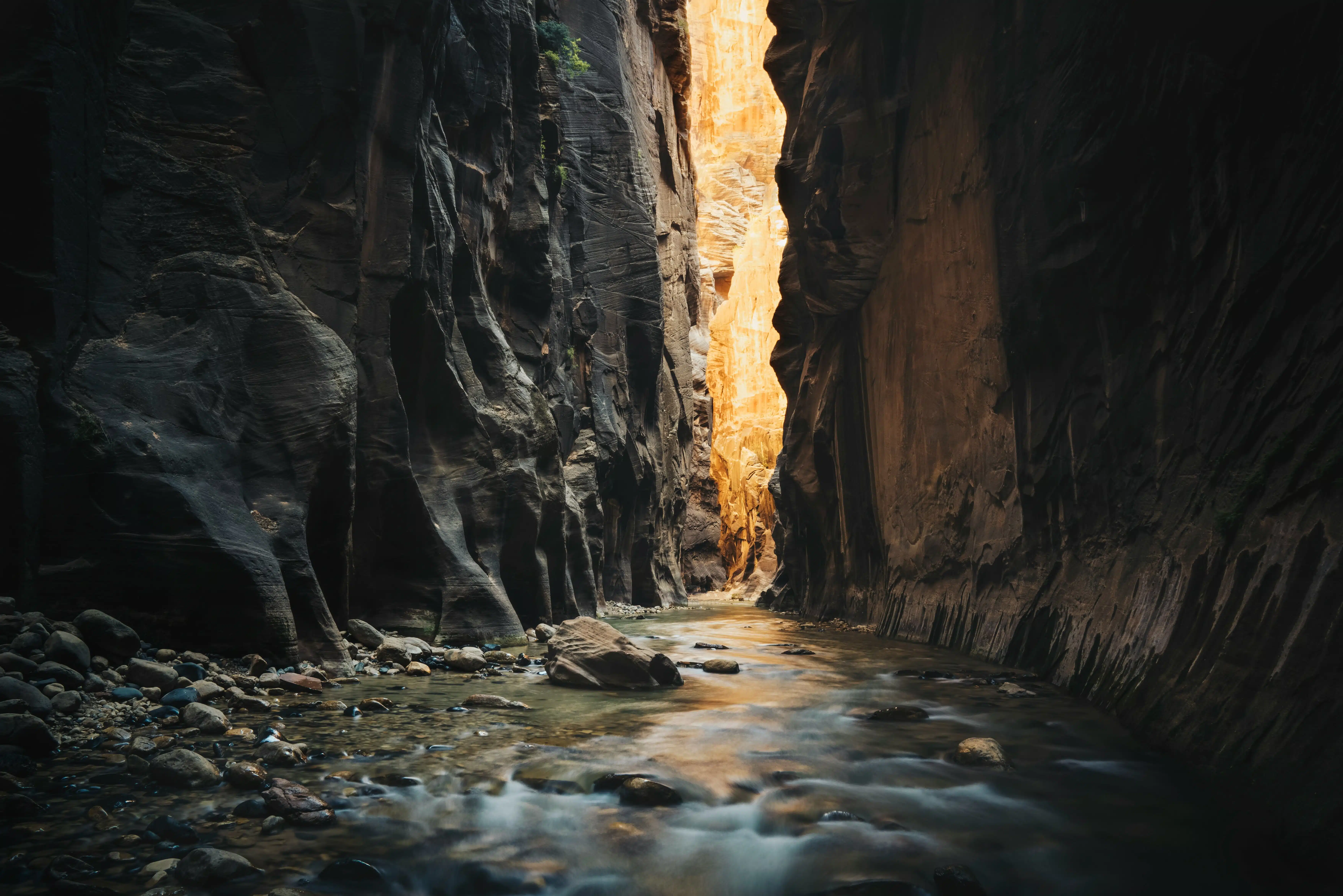
Like Angels Landing, the Narrows is one of the most famous hikes in Zion National Park.
That’s because erosion in the canyon at the point where the Narrows begin has gone deep, but not wide. That causes you to simply hike through the shallow water in the left fork of this slot canyon. The depth varies, but assume that in some cases you will be up to your WAIST in water.
The Narrows hike is not the easiest. Not only do you spend the entire time walking through water ranging from up to your ankles to your waist, you also go against the CURRENT!

BEWARE: The Narrows is closed at most times of the year because accessing the hike is entirely dependent on the water levels in the Virgin River.
You can start the trail at the Temple of Sinawava, and if you wish to see more, you can wade down the Virgin River.
The Narrows Trail
- Distance: 16 miles or 25.7 km
- Time: 7h30mins
- Level: Though
- Special gear needed: Sturdy shoes that can get wet.
- Permit: Yes and no. It depends on which tour you take. More information is available on the government website.
You can DOWNLOAD The Narrows Trail for FREE!
Generally speaking, the Virgin River is only low enough and warm enough during the mid-summer and early fall months.
How to get there: Hop on the shuttle at the Zion National Park Visitors Center and take it to stop #9, the Temple of Sinawava. From there, hike the paved, wheelchair-accessible trail to the start of The Narrows.
Make sure you have travel insurance to avoid the burden of EXPENSIVE medical bills in case of an injury! You can check out below how expensive it would be for your holiday! Lucky for you, we partner with VisitorsCoverage who offer the lowest medical insurance!
3) Birch Hollow Slot Canyon (NOT recommended)
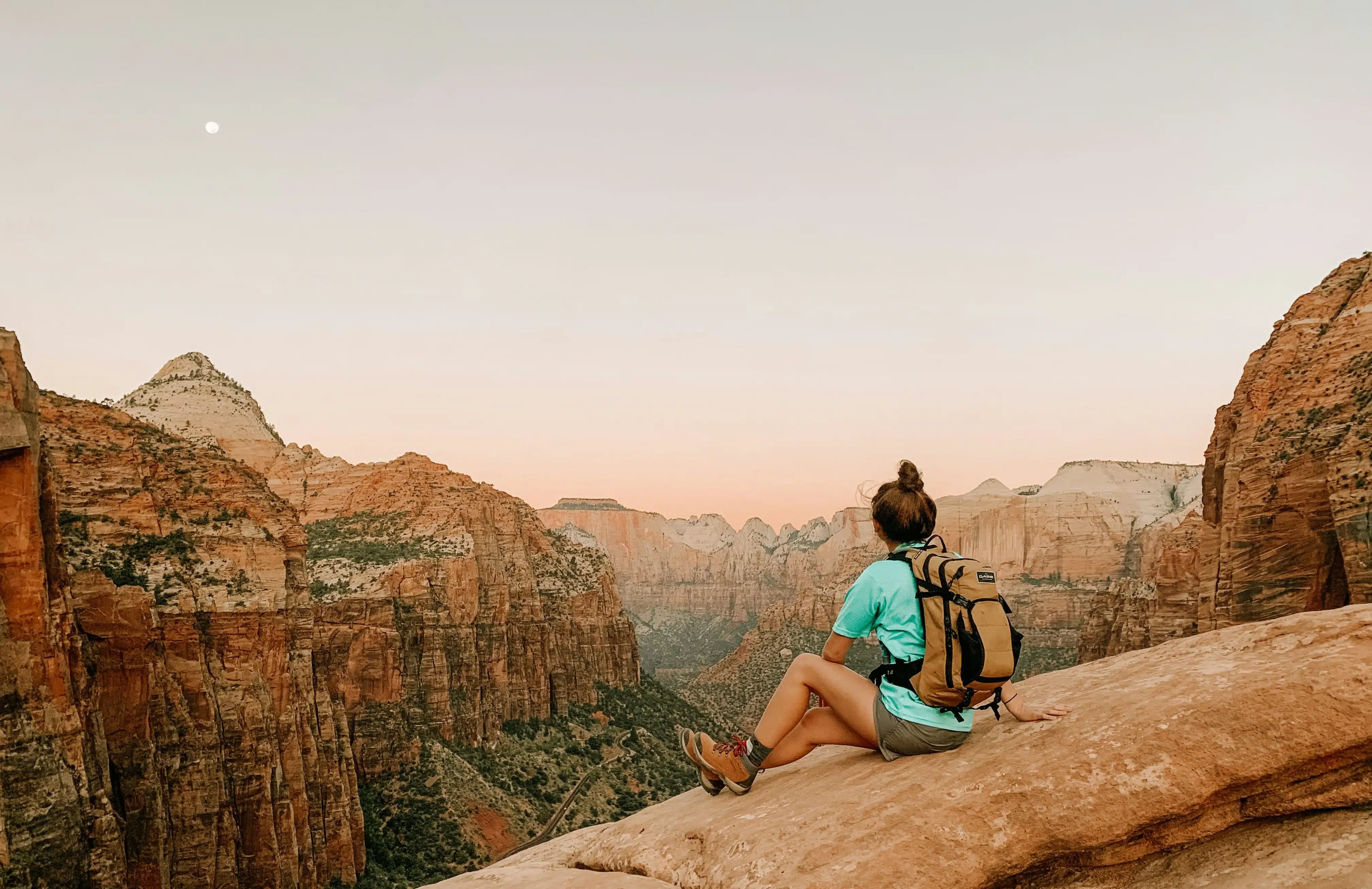
If you’re looking for a technical and less crowded but equally stunning slot canyon experience, Birch Hollow is the perfect choice for an advanced loop hike.
Located in the Grand Staircase-Escalante National Monument, this hidden gem will take you through narrow sandstone walls and a series of natural arches.
Birch Hollow is loved by locals, and we get why. The trail starts with a steep descent into the canyon, followed by a hike through ankle-deep WATER.
Then, the trail follows a sandy wash with minimal elevation gain, and the view is amazing due to the towering walls of the two red cliffs of Navajos you’ll get to see.
The Birch Hollow Trail
- Distance: 2 miles in Birch Hollow, then 3.5 miles up to the Orderville Canyon Trailhead or 9 miles down to the Temple of Sinawava.
- Time: 3-5 hours
- Level: Though
- Special gear needed: technical canyoneering skills and equipment. Enough rope for a 100′ rappel (preferably two 100+’ ropes), a climbing harness and rap device, a climbing helmet, webbing and rapid links, GPS, and slings.
- Permit: Yes and no. It depends on which tour you take. More information is available on the government website.
Want more information on Zion National Park Caves? Lonely Planet made a Zion National Park Guide!
4) Mammoth Cave (recommended)
At the entrance of Mammoth Cave, we truly felt the enormity of the place. This happens to be the longest lava tube in the state of Utah.
In fact, it’s the closest thing to a real cave you’ll find near Zion National Park Caves! It has more than 2100 (!) feet of explorable passageways, numerous chambers, and five entrances.
The majority of the passageways are wide enough to explore without crawling. However, you should bring a helmet and a headlamp to have the safest and most enjoyable experience possible.
The Mammoth Cave Trail
- Distance: 5 miles (3,7 km)
- Time: 1h30mins
- Level: Moderate
- Special gear needed: headlamp and helmet
- Permit: no
You can DOWNLOAD The Mammoth Cave trail for FREE!
An important point to note is that there are two entrances to the cave, and they are close to the parking area. You should explore both entrances, as they lead to different routes.
5) Belly of the Dragon (recommended)
The Belly of the Dragon Cave trail is a must-see for anyone visiting Zion National Park Caves. Originally a water culvert under Highway 89, it’s just 20 miles east side of Zion National Park and super accessible.
This one-mile loop takes you through a stunning slot canyon with towering walls and unique rock formations.
As you make your way through the cave, keep an eye out for petroglyphs on the walls. These ancient drawings offer a glimpse into the history of the area and add to the overall experience of exploring this natural wonder.
Throughout the years, drainage from the road above has created beautiful sandstone walls in a “rippling” effect that casts a fiery glow of sun rays at certain times of the day.
The tunnel is relatively long, but you can immediately see the light at the other end. We used the lights on our phones about halfway through, but bringing a flashlight wouldn’t be a bad idea.
The Belly of the Dragon
- Distance: 1,5 miles (2,9 km)
- Time: 1hour
- Level: Easy
- Special gear needed: no
- Permit: no
You can DOWNLOAD The Belly of the Dragon Trail for FREE!
6) Peekaboo Slot Canyon (recommended)
Peekaboo Slot Canyon, also known as Red Canyon Zion National Park Caves, is one of the more gorgeous slot canyons in the south of the area.
Unlike many other slot canyons in this region, Peek-a-boo Slot Canyon requires absolutely no technical gear. Many visitors choose to explore the canyon in the early afternoon for the best light and a magnificent spectacle of color.
Embark on an exciting 4×4 adventure through a desert landscape filled with junipers, pinions, yuccas, and cacti. Your journey leads to a stunning slot canyon displaying warm reds, cool browns, and hot oranges in rippled sandstone formations.
Slot canyons begin as small cracks in the earth and evolve over time due to water erosion, forming deep, narrow sandstone slots.
Luckily, some slot canyons like Red Canyon, known as Peek-a-boo, offer access without extensive hiking or technical climbing. Just bring your 4WD vehicle for this memorable experience in the upper canyon, distinct from the Peek-a-Boo slot canyon in Escalante.
Peekaboo Slot Canyon
- Distance: 9 miles (14 km)
- Time: 5 – 7 hours
- Level: Moderate
- Special gear needed: no
- Permit: no
You can DOWNLOAD Peekaboo Slot Canyon for FREE!
7) Upper Red Cave (NOT recommended)
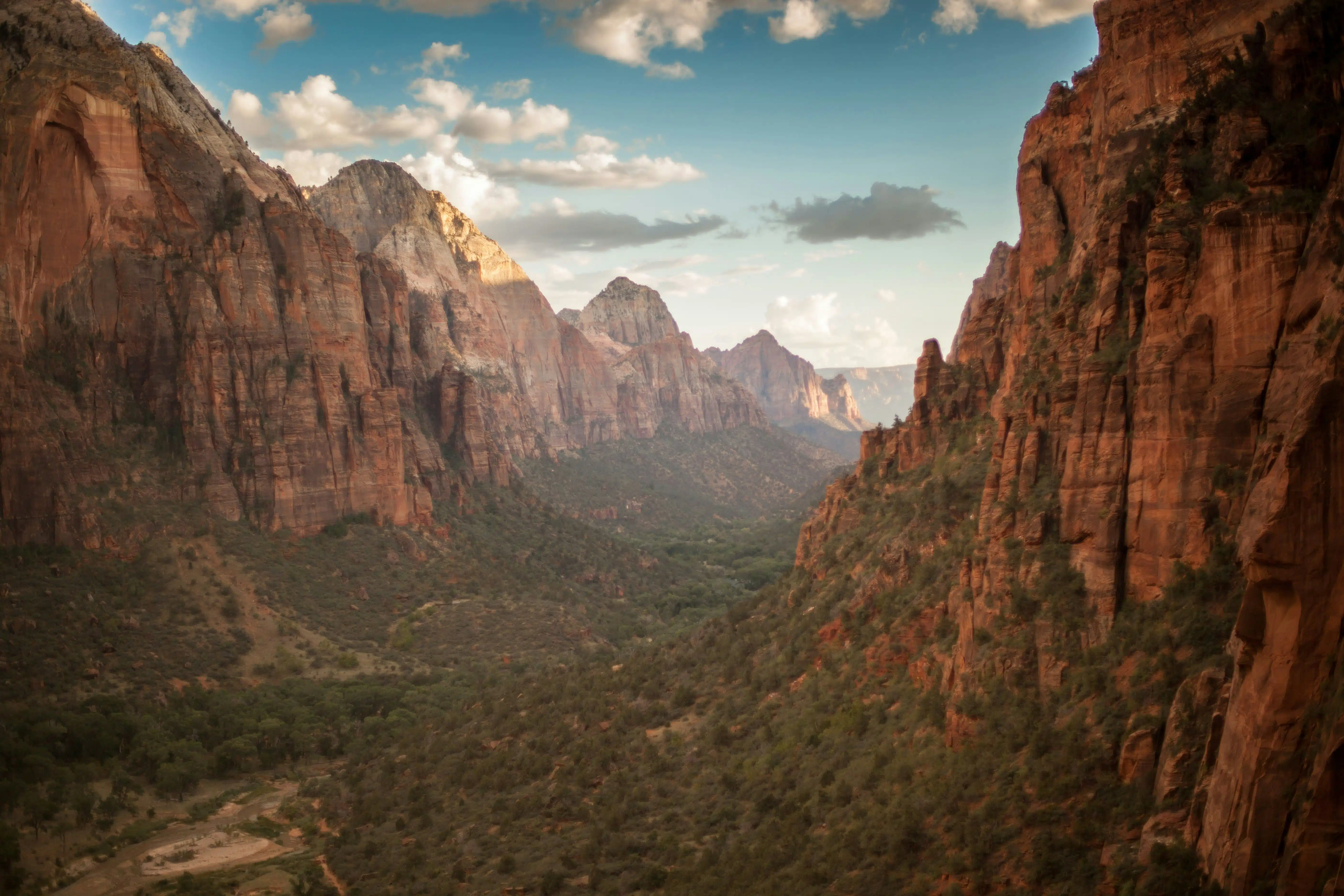
If you’re feeling adventurous and looking for a challenge, Upper Red Cave may be the slot canyon for you. However, it should be noted that this slot canyon is not recommended for inexperienced hikers.
Located in Dixie National Forest, Upper Red Cave is a difficult 6-mile hike with steep drop-offs and narrow passages. The upper and lower red caves each require advanced navigational skills and rappelling equipment to safely navigate through their twists and turns.

But for those up for the challenge, Upper Red Cave offers breathtaking views of natural arches, waterfalls, and cascading pools tucked away within its deep red walls. Along the upper red cave itself, you may even encounter unique rock formations like “The Wave” or “Hoodoo Alley.”
Beginning about half a mile from the designated parking area near Carmel Junction, the small vertical entrance to the cave can be slippery when wet, The upper cave itself offers a straightforward route that features fascinating rock formations, including flowstone and cave bacon.
Peekaboo Slot Canyon
- Distance: 6 miles (11 km)
- Time: 2h30mins
- Level: Moderate
- Special gear needed: no
- Permit: yes
You can DOWNLOAD the Upper Red Cave trail FOR FREE!
Formation of Zion National Park caves
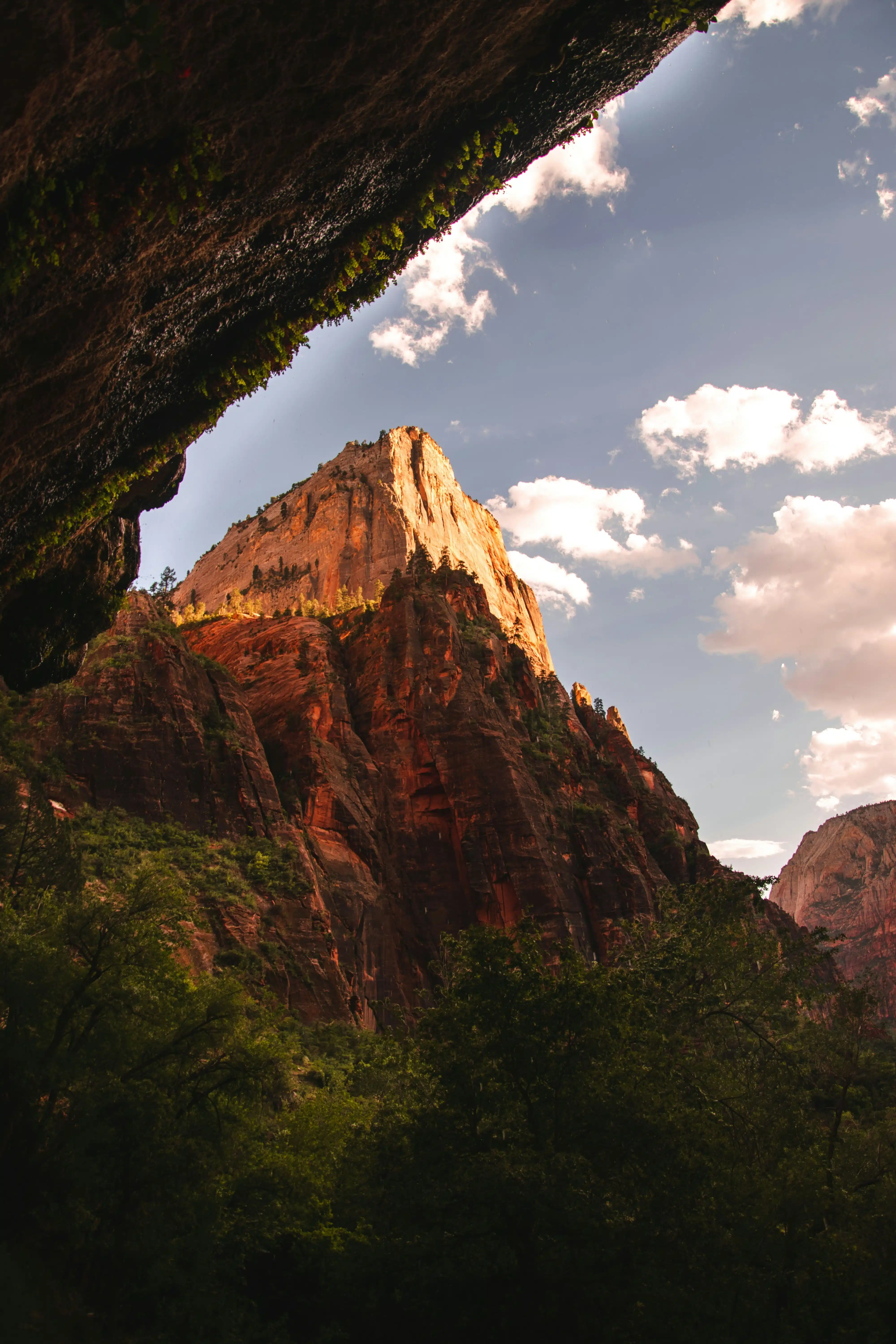
The formation of these caves is a story written over millions of years. The primary architect behind these natural formations is water, which has been relentlessly shaping Zion’s landscape since its inception.
Zion’s sandstone formations, sculpted by the relentless forces of water through the sand wash, including areas known as Upper Sand Wash and Lower Sand Wash, are porous and permeable, allowing water to seep into the rock’s cracks and crevices. Over time, running water and changing temperatures lower sand wash and cause these tiny fissures and sand wash to expand, gradually creating hollow spaces within the rock.
This process, known as physical weathering or erosion, has led to the formation of some of Zion’s most intriguing caves.
In addition to physical weathering, chemical weathering also plays a crucial role in cave formation.
Rainwater, mixed with carbon dioxide from the atmosphere or soil, creates a weak carbonic acid.
This acid can dissolve the calcite that binds the sand grains together in the sandstone, leading to the formation of solution sand caves below.
Caving and Slot Canyons Activities and Tours
Self-Guided Caving in Zion National Park
For those who prefer a more independent adventure, self-guided caving is also an option in Zion National Park. However, it’s essential to note that certain areas may require permits, especially for canyoneering routes that involve sections of caves.
Before you start your trip out, make sure you have the appropriate equipment, such as helmets, headlamps or torches, suitable footwear, and gloves. Always let someone know where you’re going and when you expect to return!
Always respect local regulations and be mindful that some caves may border private property or have private land itself, ensuring you avoid trespassing during your adventures.
One of the best ways to explore the different caves is by hiring a campervan. This gives you the freedom to stay in the park for multiple days and discover everything at your own pace!
Guidelines for Responsible Cave Exploration
Remember that Utah caves and slot canyons can become extremely dangerous landscapes. From early July to mid-April, flash floods are very possible. Heavy rainfall can also loosen rocks within the canyons and result in dangerous footing.
During the summer months, temperatures can reach intense levels, making dehydration a serious possibility. Regardless of the season, track weather patterns in the days leading up to your trip to plan accordingly.
Here are some guidelines you should follow:
- Stay on the paths and avoid touching cave formations. Even small disturbances can cause damage that takes centuries to repair.
- Do not disturb wildlife. Many cave-dwelling creatures rely on very specific conditions to survive.
- Leave no trace. Carry out all trash and belongings, and don’t leave any markings or graffiti.
- Respect closures. Some areas may be closed to protect sensitive habitats or for safety reasons.
Role of the National Park Service in Protecting Caves
The National Park Service (NPS) plays a significant role in protecting the caves at Zion National Park.
The NPS enforces regulations designed to preserve these spaces, such as requiring permits for certain activities and restricting access to sensitive areas.
They also conduct ongoing research to monitor cave conditions and track populations of cave-dwelling species. Educational programs and ranger-led tours are provided to teach visitors about the importance of cave conservation and how to explore responsibly.
Emergency Procedures and Contacts
In case of an emergency, dial 911. For non-emergency situations in Zion National Park caves, contact the park dispatch at +1-435-772-3322.
Accommodation Options
When you plan a visit to Zion National Park Caves, there are several accommodation and camping options to consider that cater to different budgets. CHECK THEM OUT BELOW!
To book all our accommodations when we travel, we always use Booking.com. They have the best prices and very flexible cancellation policies, depending on the accommodation you choose.
1. Luxury Option: Zion Lodge
- Located inside the park, it provides easy access to the caves and other attractions
- Offers luxurious rooms and suites with modern amenities such as flat-screen TVs and plush bedding
- On-site restaurant serving local dishes and a bar for drinks and snacks
- Prices starting at $265 per night
2. Mid Budget Option: Holiday Inn Express Springdale – Zion National Park Area
- Situated just outside of the park, it offers scenic views of the surrounding mountains
- Comfortable rooms with free Wi-Fi, mini-fridges, and microwaves
- Complimentary breakfast buffet served daily
- Prices start at $145 per night
3. Budget Option: Zion Canyon Campground & RV Resort
- Located just a mile from the entrance of Zion National Park
- Offers tent and RV sites, as well as cabins for rent
- On-site amenities include a pool, hot tub, and convenience store
- Prices start at $35 per night for tent sites and $60 per night for RV sites
Related activities
If you’re exploring Zion National Park and want to add another breathtaking adventure to your trip, consider a visit to Antelope Canyon. Located about 2.5 hours from Zion in Page, Arizona, this world-famous slot canyon is known for its surreal, wave-like rock formations and mesmerizing beams of light that filter through the narrow sandstone walls.
Antelope Canyon is divided into Upper and Lower Antelope Canyon, each offering a unique experience. Upper Antelope Canyon is the more popular choice, featuring wider pathways and incredible light shafts, while Lower Antelope Canyon is narrower and requires some climbing but offers a more adventurous feel.
Conclusion
Visiting the Zion national Park Caves is a must-do during your life!
This ULTIMATE TRAVEL GUIDE will help make your trip to the caves an unforgettable experience.
Plan your trip accordingly, enjoy the scenic views and caves and luxury accommodations, and make memories that will last a lifetime.
Let us know in the comments how your trip went!




2 Responses