

Welcome to the complete guide for camping tips for beginners.
If you’re new to outdoor adventures, camping feels exciting but also overwhelming.
Let’s take a look at EVERYTHING you need to know BEFORE you go camping!
KEY TAKEAWAYS:
-
⛺ Planning is everything: Booking early, checking the weather, and making your packing list prevent 90% of beginner mistakes. A little prep goes a long way.
-
🧳 Pack smart, not heavy: Stick to the essentials: a reliable tent, sleeping bag, headlamp, layers, and simple cookware. Overpacking leads to clutter and stress.
-
🔥 Comfort comes from the little things: Small hacks (like pre-frozen meals or a headlamp-lantern combo) dramatically improve your camping experience. Focus on ease, not effort.
Importance of planning and preparation
Planning might not sound like the most exciting part of camping, but it’s absolutely essential.
Skipping this step is the fastest way to turn a camping retreat into a stressful situation (especially when it’s dark and cold).
Start by choosing your destination based on your comfort level. A campground with toilets and running water is ideal for beginners.
Make sure to reserve your campsite early, especially if you’re camping during peak seasons like summer or national holidays.
Sites in places like Yosemite National Park or Banff can be booked out months in advance, according to Recreation.gov.

Once you’ve locked in your location, here are the next steps:
- Check the weather forecast and plan accordingly.
- Make a packing list at least a week in advance and run through it the night before you leave.
- Plan your meals and snacks.
👉 INSIDER TIP: Download the offline map of your campsite area on Google Maps in case your phone loses signal.
Benefits of camping for beginners
There are countless physical, mental, and social benefits to camping, even if you’re just getting started.
- Stress relief: Multiple studies, including one from the University of Michigan, show that spending time in nature can reduce cortisol levels and boost your mood.
- Better sleep: The natural light-dark cycle of camping helps reset your circadian rhythm. After a couple of nights away from screens and artificial light, many people report falling asleep faster and waking up feeling more refreshed.
- Skill building: From learning how to build a fire to cooking with minimal tools, every camping trip adds to your confidence.
👉 INSIDER TIP: Start with just one night out and camp close to home, within 30 miles (48 km), so you can bail if needed without stress.
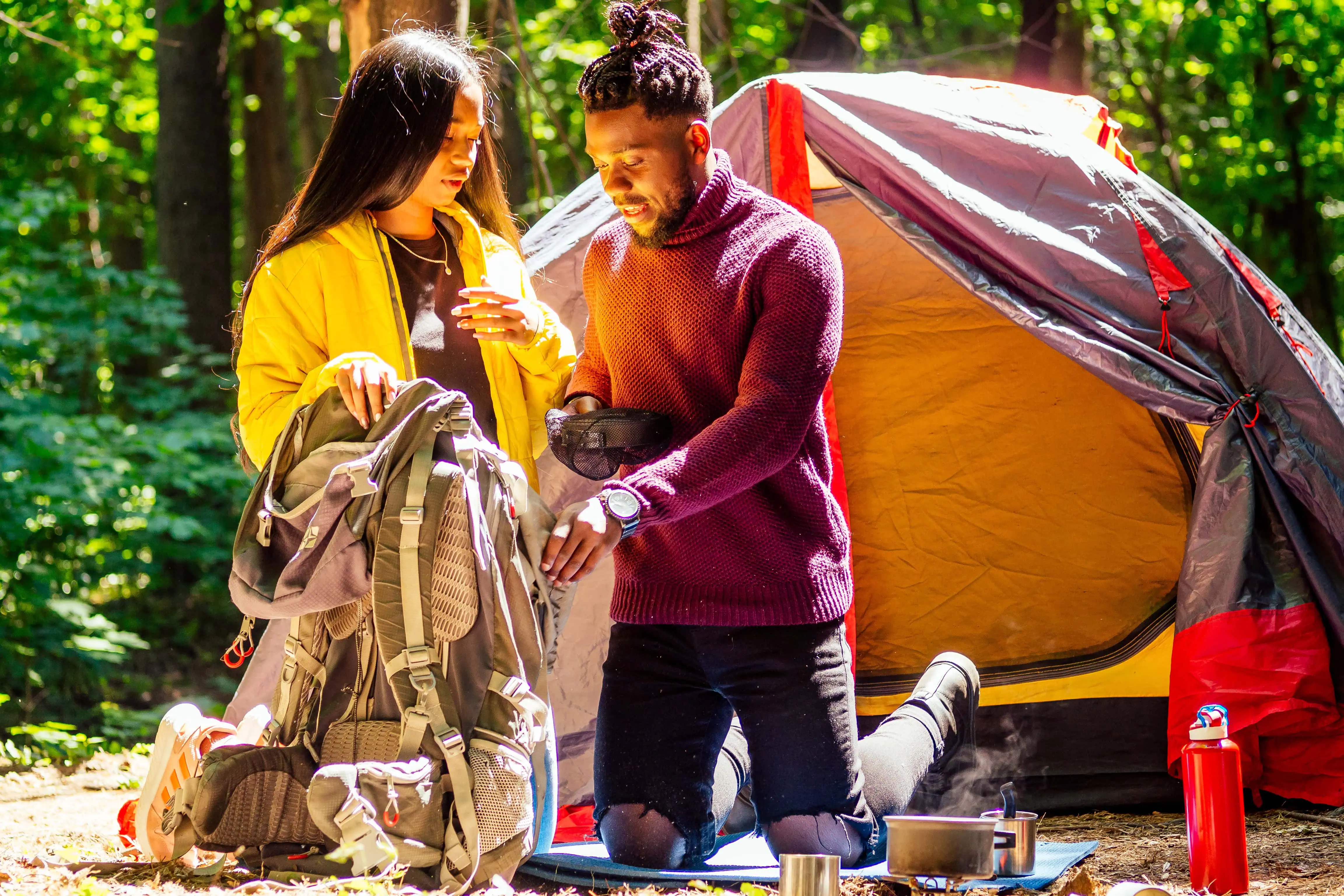
Essential camping gear
When it comes to camping tips for beginners, having the right gear can make or break your experience.
Choosing the right tent
Your tent is your shelter, so choosing the right one is crucial.
- Capacity: Go one size up. If you’re two people, get a 3-person tent for extra space.
- Weather rating: Look for a three-season tent that is perfect for spring through fall.
- Ease of setup: For beginners, a freestanding tent with color-coded poles simplifies setup and takedown.

Brands like REI, Coleman, and MSR offer excellent entry-level options.
A reliable beginner tent typically costs between $100–$250 (95–235 EUR).
👉 INSIDER TIP: Set up your tent at home before your trip. Practice staking it out and using the rainfly.
Sleeping bag selection
Sleeping well outdoors starts with the right sleeping bag. Don’t skimp here.
- Temperature rating: Choose a bag rated for 10°F (5°C) colder than the forecasted night temperatures. A 30°F (-1°C) bag is a safe choice for most three-season campers.
- Shape: Mummy bags are warmer but snug. Rectangular bags give you more room to move.
- Material: Synthetic bags are cheaper and still insulate when wet. Downbags are lighter and more compressible but cost more and lose insulation when damp.
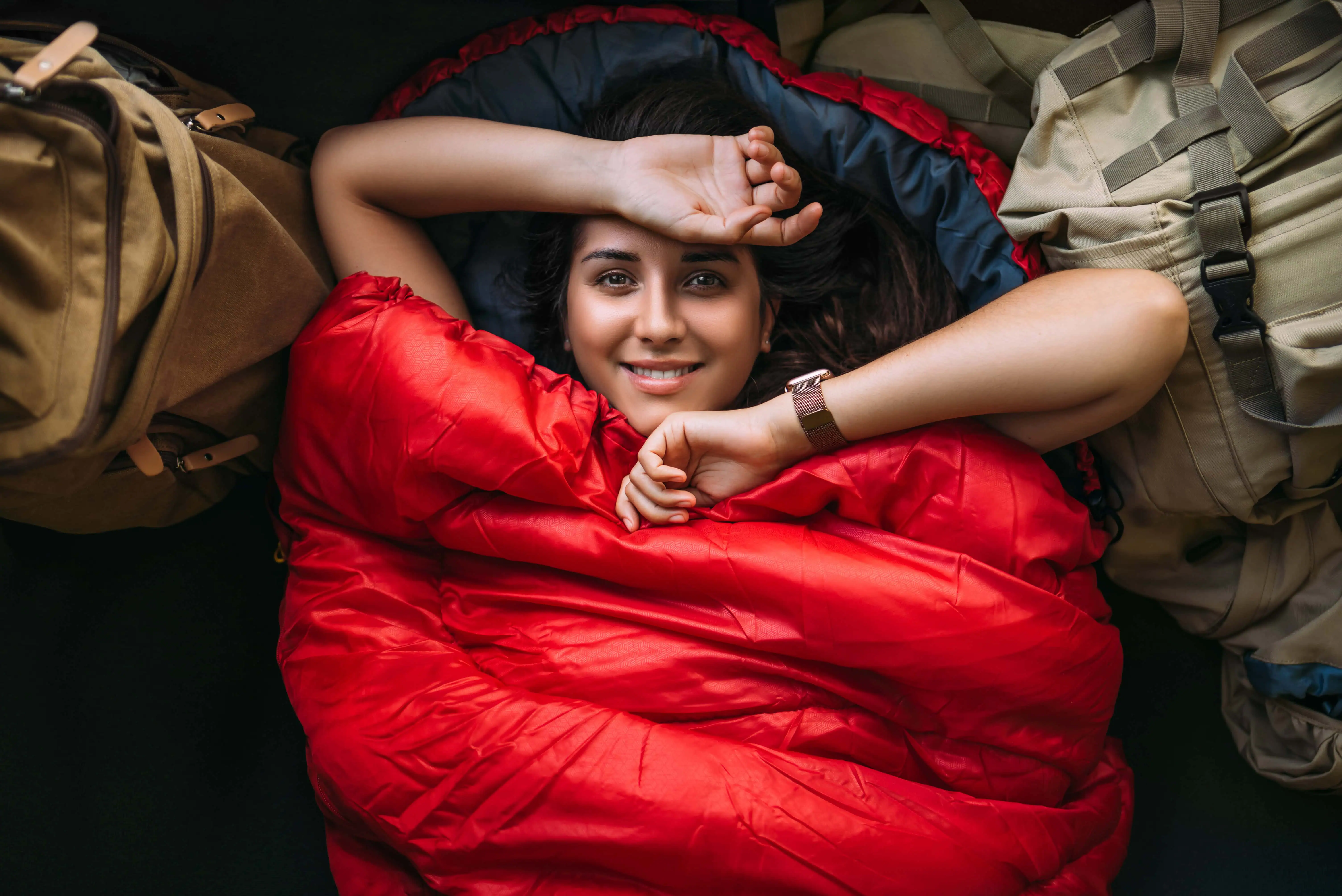
A good sleeping bag for beginners costs $60–150 (USD 55–140 EUR).
👉 INSIDER TIP: Use a sleeping pad underneath for insulation and comfort. Even a high-end bag won’t keep you warm if you’re sleeping directly on the cold ground.
Lighting: headlamps and lanterns

Once the sun sets, you’ll need reliable lighting, as your phone flashlight won’t cut it.
- Headlamps: Essential for hands-free use while cooking, setting up camp, or walking to the toilet at night. Go for LED headlamps with a minimum of 100 lumens.
- Lanterns: Useful for lighting up shared spaces like your tent or picnic table. Choose battery-powered or rechargeable models with dimmable settings.
Prices range from $15–50 (USD 14–45 EUR).
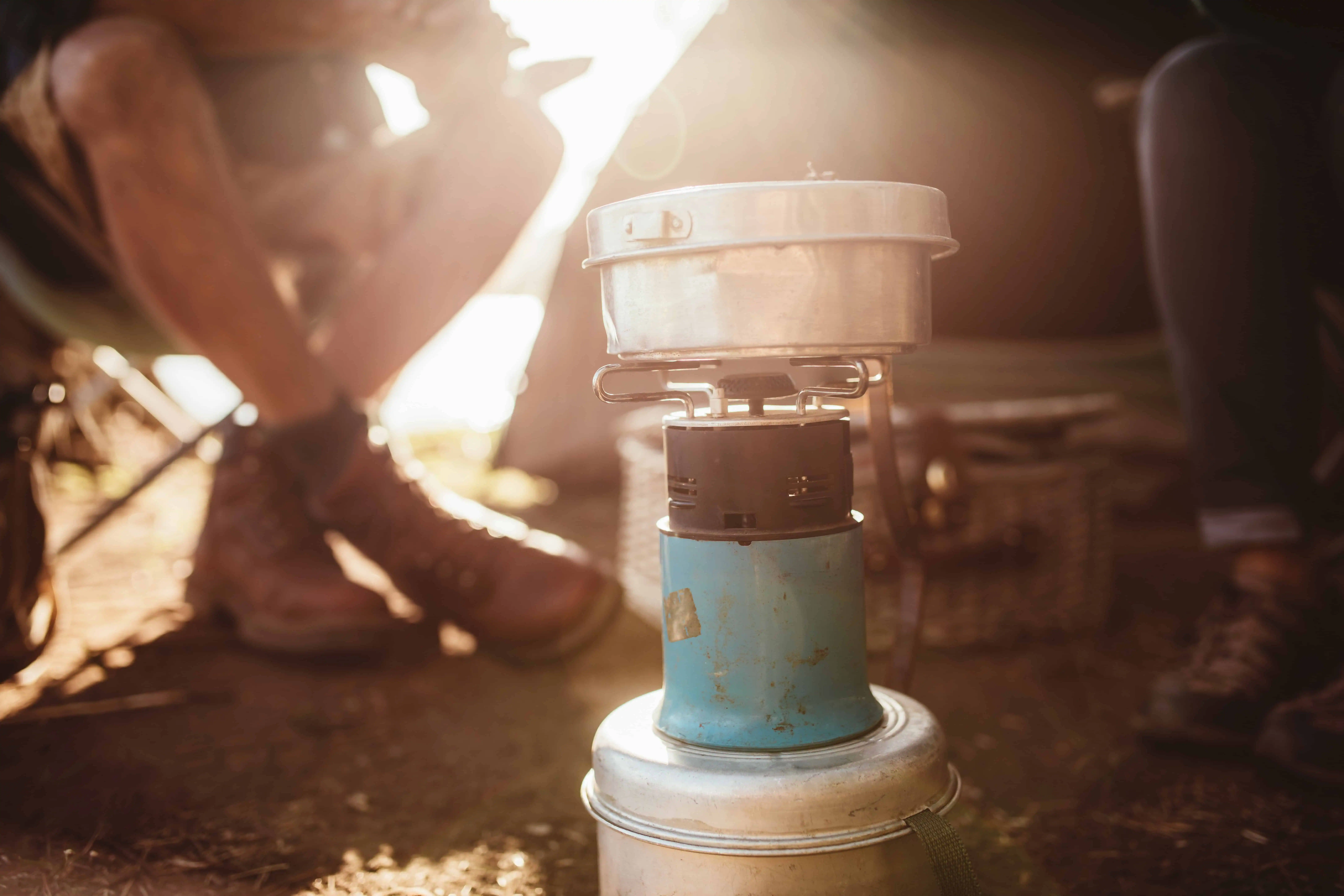
Cooking and food supplies
Forget gourmet meals for your first trip; keep it simple and focus on safety and convenience.
Here’s what you’ll need:
- Camp stove: A basic two-burner propane stove (like the Coleman Classic) costs about $50 (USD 47 EUR) and works well for beginners.
- Cookware: One pot, one pan, and a heat-resistant utensil set are enough. Choose lightweight, stackable gear.
- Cooler: A hard-sided cooler will keep perishables safe for 1–2 days. Add frozen water bottles instead of ice to reduce mess.
- Food: Stick to easy-to-prepare meals like pasta, rice packs, pre-marinated meats, or foil-wrapped veggies.
- Water: While most campgrounds have drinking water, it’s always a good idea to bring your own water source as a backup.
Don’t forget these extras:
- Biodegradable soap and sponge
- Lighter and waterproof matches
- Trash bags (leave no trace!)
👉 INSIDER TIP: Freeze your first night’s meal and let it defrost during the drive. It doubles as an ice pack and guarantees a no-fuss dinner on arrival.
Clothing and personal gear
Packing the right clothing and personal gear is a key part of any camping tips for beginners guide.
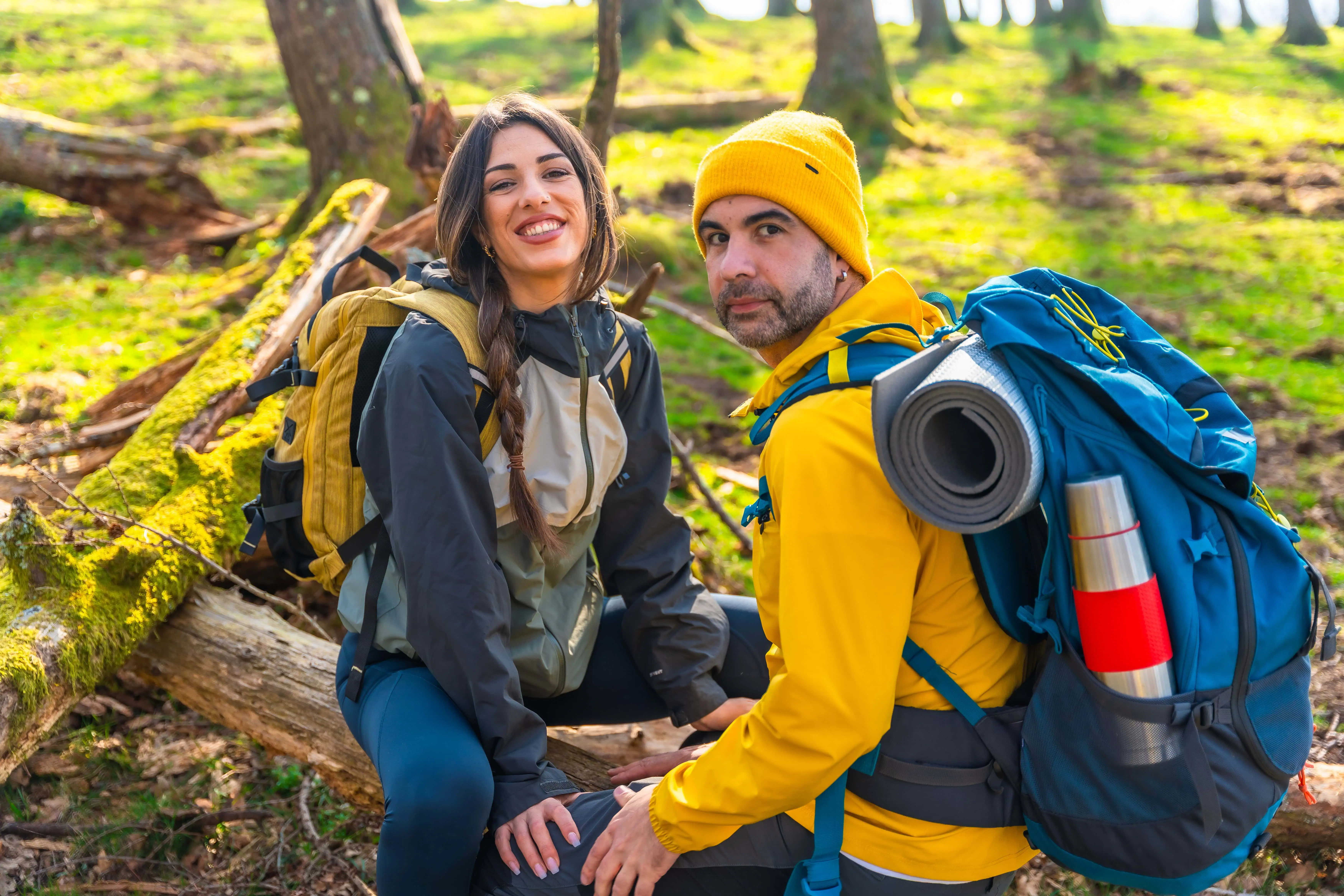
Your goal is to stay dry, warm, and comfortable.
If you’re really worried about getting cold, fill up a water bottle with hot water and toss it in your sleeping bag with you for a makeshift space heater. You can also cover your tent with the rain fly and zip it up entirely, trapping in your body heat and reducing airflow.
Dressing for weather variability
Weather can shift quickly, especially in mountainous or coastal areas.
Use the layering system:
- Base layer: Moisture-wicking shirt (no cotton)
- Mid-layer: Fleece or insulated jacket
- Outer layer: Waterproof, breathable shell
Always pack extra socks and a hat for cold nights, even in summer. This is especially important for activities like multiday hiking trips.
👉 INSIDER TIP: Bring gloves and a beanie, even if it’s warm during the day. Nights drop fast in temperature once the sun sets.
Footwear considerations
Footwear depends on your planned activities.
For casual camping, trail shoes or hiking boots work well.
Personal hygiene essentials
Just because you’re camping doesn’t mean you have to skip hygiene:
- Biodegradable soap
- Toothbrush + toothpaste
- Quick-dry towel
- Baby wipes (great for quick cleanups)
- Hand sanitizer
- Toilet paper (campgrounds often run out)
👉 INSIDER TIP: Use a small hanging toiletry bag to keep things organized and off the ground.
Planning your camping trip
Selecting a suitable campground
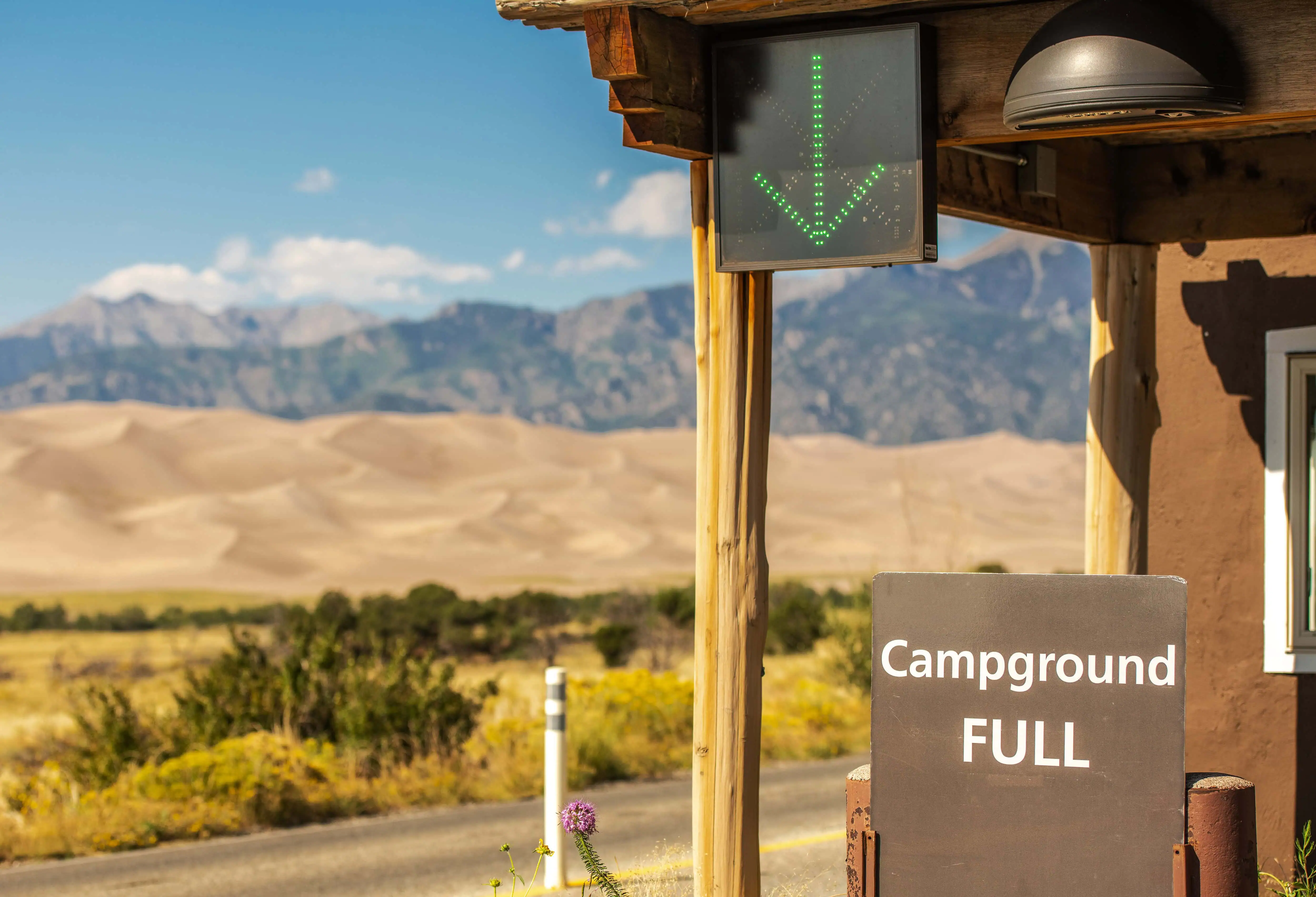
As a beginner, start with official campgrounds. These areas are:
- Legal and safe
- Equipped with bathrooms, water access, and trash disposal
- Often staffed with park rangers or hosts who can assist if needed
If you’re using an RV or camper van, official campgrounds and RV camping offer flat parking, electricity hookups, and security for your vehicle.
Timing your trip to avoid adverse weather
Weather plays a huge role in how enjoyable your trip will be.
Aim for mild, dry seasons, around late spring to early fall.
Check weather data using reliable sources like:
Avoid rainy seasons or extreme heat, especially if you’re not confident with gear setup.
👉 INSIDER TIP: Plan your arrival well before sunset. Setting up a tent in the dark is not the ideal way to start your first night out.

Understanding campground regulations
Every campground, such as Ross Hill RV Park, comes with its own rules, and ignoring them can lead to fines.
Common regulations include:
- Quiet hours (usually 10 p.m. to 6 a.m.)
- Campfire restrictions: especially in wildfire-prone areas
- Trash policies: many require pack-it-in, pack-it-out
- Pet rules: some sites allow dogs only on leashes, others not at all
👉 INSIDER TIP: Bring cash or coins; some campgrounds use self-pay envelopes with exact change required.
Safety and health considerations
Your safety should always come first when camping.
These camping tips for beginners cover the essentials to help you confidently handle unexpected situations.
Emergency supplies checklist
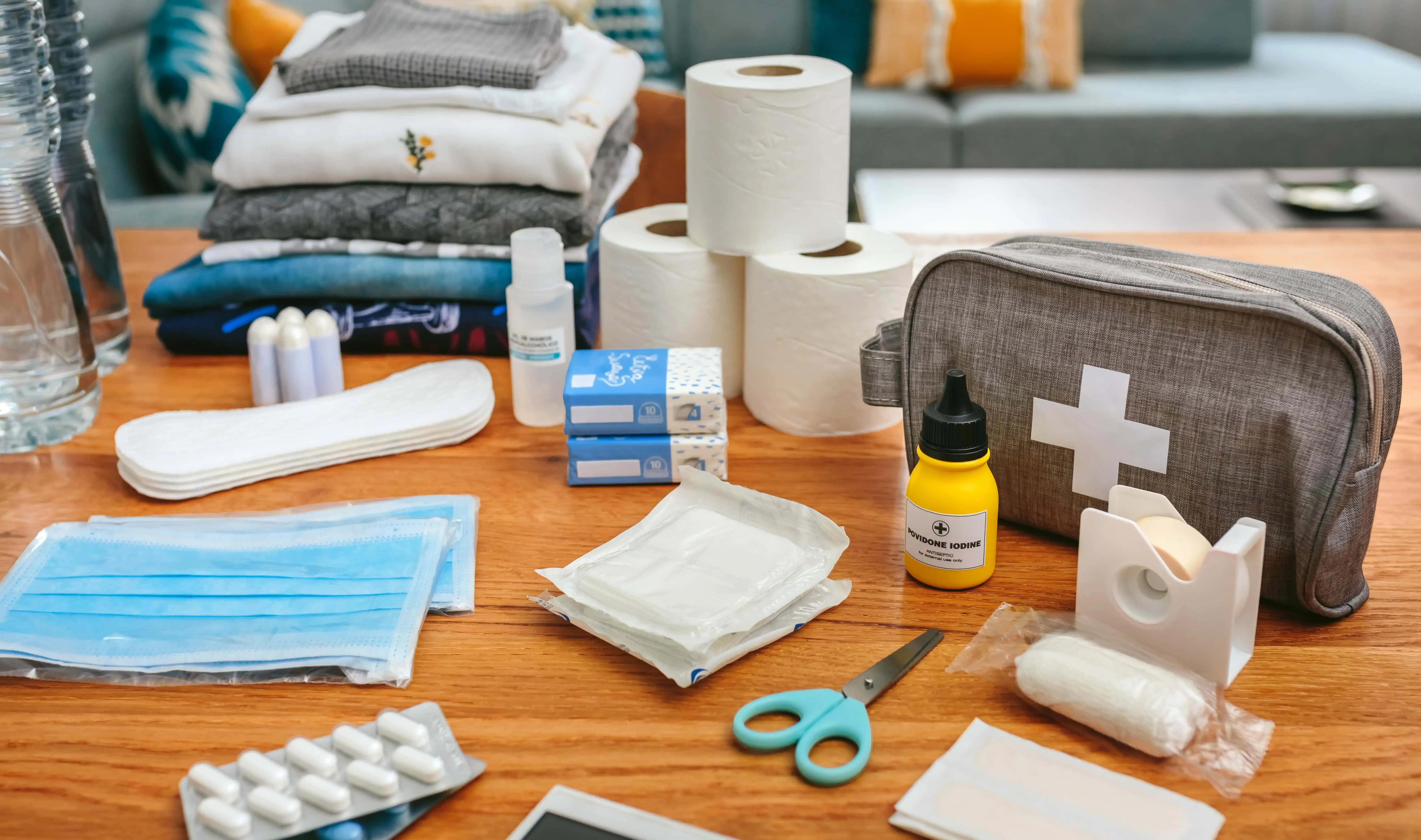
Always pack a basic emergency kit, including:
- Flashlight + extra batteries
- Whistle
- Multi-tool or pocketknife
- Duct tape (for quick gear repairs)
- Backup phone charger or power bank
- Emergency blanket
👉 INSIDER TIP: Store your emergency gear in a separate, easy-to-reach dry bag; don’t bury it under clothes or food.
Shelter and navigation tools
Even if you’re car camping or at a marked site, you should bring basic navigation tools:
- Physical map + compass (don’t rely solely on GPS)
- Tent repair kit
- Paracord (for tying tarps or repairs)
- Small tarp or emergency bivy
First aid basics for campers
You don’t need to be a medic, but a good first aid kit should include:
- Adhesive bandages (multiple sizes)
- Antiseptic wipes
- Blister treatment (like moleskin)
- Tweezers and scissors
- Pain relievers (ibuprofen or acetaminophen)
- Allergy medication (especially antihistamines)
👉 INSIDER TIP: Take 15 minutes before your trip to learn how to treat a sprain, cut, and insect sting.
Organizing your gear
A common mistake among beginners is either overpacking or forgetting key items.
These camping tips for beginners focus on packing efficiently, staying organized, and extending the life of gear.
Efficient packing techniques
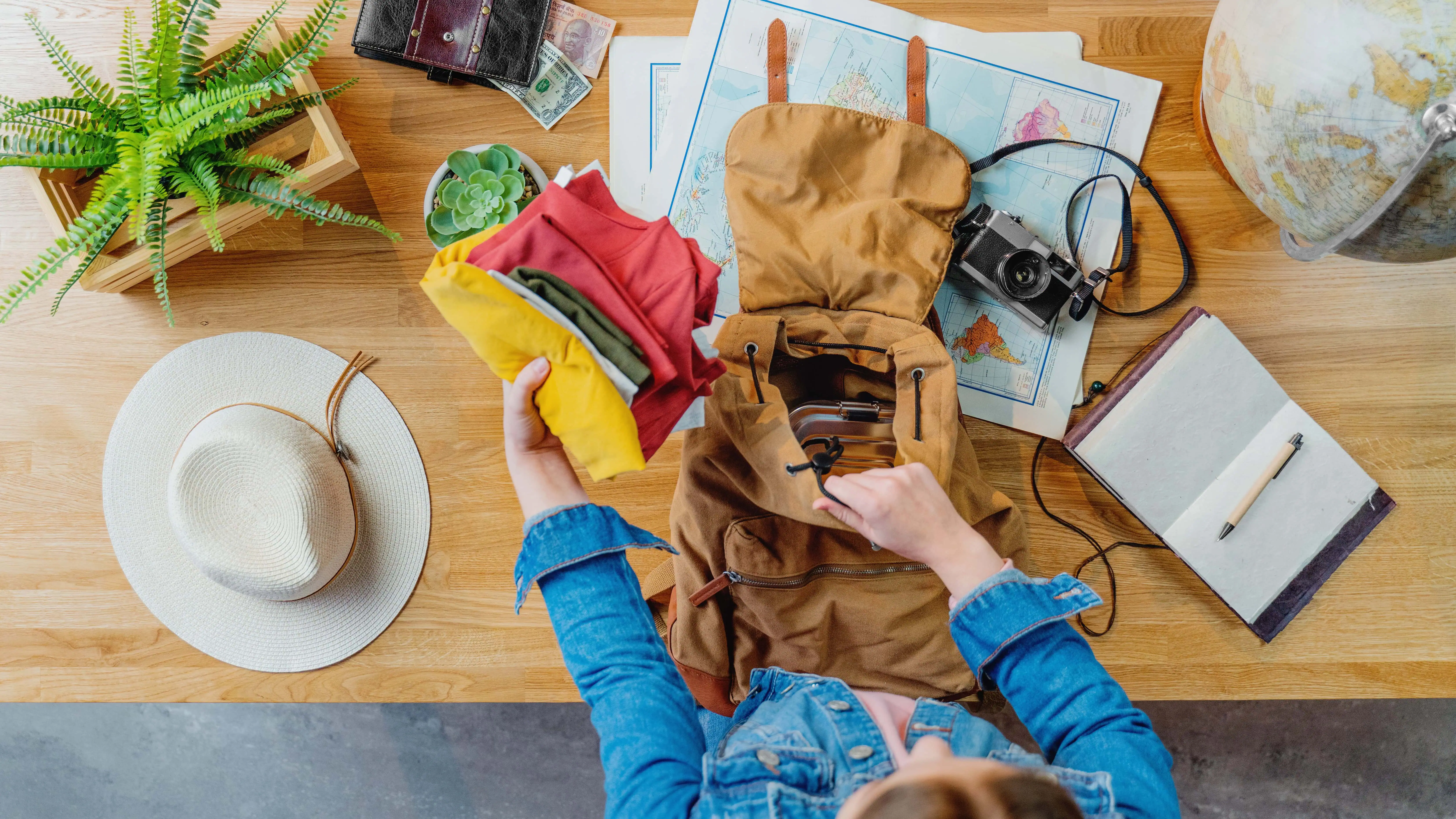
Think in categories: sleeping, cooking, clothing, safety.
Use clear bins or color-coded dry bags to separate gear.
Helpful tips:
- Pack heavy items low and centered if using a backpack
- Use a checklist and lay everything out before packing
- Store items you’ll need first (like tent and headlamp) near the top or outer pockets
Gear maintenance and care
Taking care of your gear is super important.
After each trip:
- Air out and clean your tent, especially if it’s damp (this will take time but is very necessary)
- Shake out and store sleeping bags loosely in a dry space
- Scrub cookware with biodegradable soap and dry it completely
- Check headlamps and lanterns for battery corrosion
👉 INSIDER TIP: Keep silica gel packs (like the ones from shoeboxes) in your gear bins to absorb moisture and prevent mildew.
Meal planning and prep
One of the most underestimated parts of camping is meal planning, but it’s also one of the most rewarding when done right.
Simple, efficient meal ideas
For beginners, avoid complicated recipes or anything that requires long cooking times.
Focus on meals that are:
- Prepped at home
- Easy to cook on a single burner or campfire
- High in energy and easy to clean up
- Be sure to give yourself plenty of time to cook and wash dishes before it gets dark!
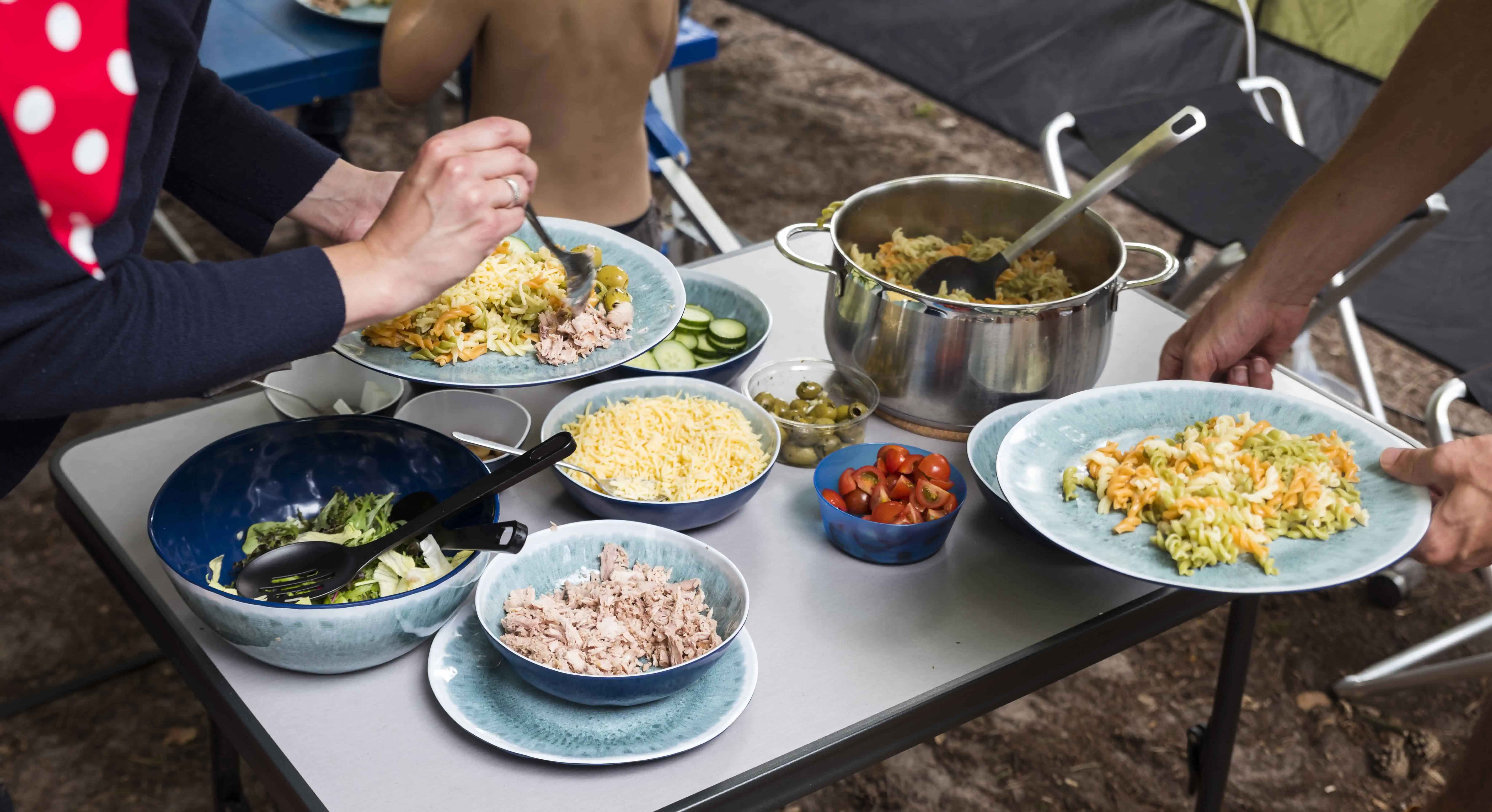
Great beginner-friendly meal ideas:
- Foil packs with chopped veggies and pre-marinated meat
- Instant oatmeal with dried fruit
- Pasta with canned sauce and parmesan
- Quesadillas (just cheese and tortillas in a pan)
- No-cook options like wraps or couscous salad
👉 INSIDER TIP: To save time at camp, prep the ingredients at home (chop veggies, mix marinades) and store them in reusable silicone bags.
Food storage and safety
Food safety is non-negotiable, especially when camping in warmer weather or areas with wildlife.
Tips to keep your meals safe:
- Store perishables in a hard-sided cooler with ice packs or frozen water bottles. The downside is that a soft-sided cooler is less insulated and doesn’t keep food cold for as long.
- Keep raw meat in leak-proof containers and cook it within the first day.
- If you are camping in bear country, never store food in your tent, use bear-proof lockers, or hang food bags.
- Wash hands and surfaces with biodegradable soap.
- Follow the 2-hour rule: don’t leave cooked food out for more than two hours.