Welcome to:
Kenya
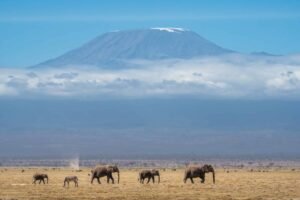
Kenya is where many people fall in love with Africa. The Maasai Mara at dawn, elephants crossing the savannah, the Indian Ocean coast an hour’s flight away. It’s a country that delivers on the big moments and then surprises you with everything in between. It holds a special place in our hearts, as Laura grew up there!


Weather in Kenya
Kenya sits on the equator but altitude keeps things cooler than you’d expect. Nairobi sits at 1,800 metres and rarely gets above 26°C, while the coast around Mombasa is hot and humid year-round at around 30°C. The main thing to plan around is the two rainy seasons: the long rains from March to May, and shorter rains in November and December.
Best time to visit Kenya
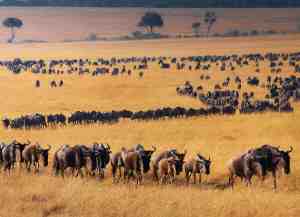
June to October is the sweet spot: dry, sunny, and the peak of the wildebeest migration through the Maasai Mara, which is one of the most spectacular wildlife events on Earth. January and February are also excellent for game viewing with fewer crowds, while March to May is best avoided if you’re planning a safari. because of the rains.
🇰🇪
Best time to visit Kenya:
Jan–Mar, Jul–Sep, Dec
⏳
Faq’s
What time is it in Kenya?
Kenya follows East Africa Time (EAT, UTC+3) and does not observe daylight saving time.
What is Kenya best known for?
Kenya is best known for its wildlife safaris and the Great Migration, one of the largest animal movements on Earth, when over a million wildebeest cross the Maasai Mara between July and October. The country also has a coastline, mountain trekking, and Maasai culture that most people don’t expect.
Is Kenya worth visiting?
Kenya is one of the best wildlife destinations in the world, and the safari parks alone make the trip worthwhile. Add the coast, the food, and the people, and it’s a country that tends to exceed expectations, particularly for first-time visitors to Africa.
Is Kenya safe to travel?
Kenya is generally safe in well-travelled tourist areas like Nairobi’s main districts, the Maasai Mara, Amboseli, and the Mombasa coast. It’s worth checking current advice for border regions and checking in with your accommodation on local conditions before moving between areas.
Can you drink tap water in Kenya?
Tap water is not recommended for drinking in Kenya. Stick to bottled or filtered water, and be cautious with food vendors on the side of the road.
What are the national dishes of Kenya?
Some national dishes are: Ugali a dense maize flour staple is eaten with almost everything, from stewed vegetables to nyama choma (grilled meat). Other dishes worth trying include githeri (beans and maize), pilau rice on the coast, and mandazi (a lightly sweet fried dough).
Is Kenya expensive?
Kenya safaris range widely depending on how you travel: group camping tours start from around $150-$250 per person per day, mid-range private safaris run $400-$600, and luxury camps start at $600 and climb well beyond that. It’s not a cheap destination, but there’s a level for most budgets.
Where are the main airports in Kenya?
The main international airports are Nairobi’s Jomo Kenyatta International Airport (NBO) and Mombasa’s Moi International Airport (MBA), with smaller airstrips serving safari regions like the Maasai Mara directly.
What is the culture like in Kenya?
Kenya has over 40 ethnic groups, each with its own language and traditions. The Maasai are the most internationally recognised, but Kikuyu, Luo, and Swahili coastal culture are equally distinctive. Despite the diversity, Swahili and English tie the country together and are spoken almost everywhere.
What makes Kenya stand out as a destination?
The combination of safari and coast in one trip is hard to match anywhere else. You can spend four days tracking lions in the Maasai Mara and two days on a white sand beach in Diani and the contrast between the two is part of what makes Kenya so memorable. The people in Kenya are also so welcoming, you feel at home straight away.
Get Ready For Your Trip
Book popular activities in Kenya




Be prepared for Kenya

Language
English and Swahili are both official languages, and English is widely spoken across tourist areas, lodges, and cities. Communication is generally straightforward for English-speaking travelers.
Currency + How to Pay
The currency is the Kenyan shilling (KES), and cash is still widely used outside cities. Cards are accepted at hotels and lodges, and M-Pesa mobile payments are everywhere locally. We recommend using Wise or Revolut to avoid hefty exchange fees on your day-to-day card payments.
Visa
Most travelers need an electronic travel authorization (eTA) before entering Kenya, which costs $30 and must be applied for online before you travel. Check the latest requirements and apply at least a few days in advance, as the system can be slow.
Plugs
Kenya uses type G plugs, the same as the UK, with a standard voltage of 240V. Travelers from Europe will need a plug adapter.
Safety
Kenya is generally safe in safari areas and tourist regions. In cities like Nairobi, stick to well-known areas, avoid walking alone at night, and keep your belongings close in busy spots. Your lodge or guide will always be the best source of current local advice.
Driving & Fuel
Self-driving is possible but uncommon for safaris, most travelers use guided tours or hired drivers, and for good reason. Fuel sits around $1.20u2013$1.50 per litre, but road conditions vary significantly outside main routes, particularly in rural and park areas.