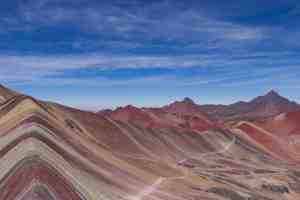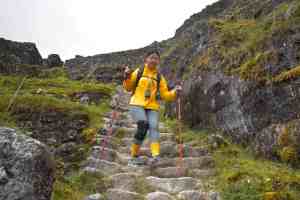
Last summer, we did the Classic Inca Trail. It was a tiring but amazing experience!
Let us guide you through this 4-day trail, so you do not make the mistakes that we did!
Let’s get started.
KEY TAKEAWAYS from the Classic Inca trail hike
- 🏞️ Unforgettable locations: The Classic Inca Trail leads you through iconic landmarks like Dead Woman’s Pass, and Wiñay Wayna, and ends with a breathtaking sunrise at the Sun Gate, overlooking Machu Picchu in the early morning light.
- 🏛️ Rich Inca history: Originally built by the Inca Empire as part of the Qhapaq Ñan network, the trail was a sacred ceremonial route reserved for nobility, pilgrims, and messengers.
- ⛰️ High altitude challenges: The trek reaches elevations up to 13,828 feet (4,215 meters) at Dead Woman’s Pass, making altitude sickness a real risk.
History and culture of the Inca trail
Before we dive into our hike, there are a few things you should know about the trail that will make you understand and appreciate it even more!
It helped us to push through the pain after 600 meters of elevation at a high altitude!
The origin of the Inca Trail
The Classic Inca Trail is part of an extensive network of ancient roads known as the Qhapaq Ñan, built by the Inca Empire, which once spanned more than 18,600 miles (30,000 kilometers) across six modern-day countries.
This particular trail, which stretches for approximately 26 miles (42 kilometers), was a ROYAL ROAD reserved for Inka warriors, Inca nobility, pilgrims, and messengers of the Inca Empire.
Built-in the 15th century under the reign of Emperor Pachacuti, the same ruler credited with constructing Machu Picchu, the Classic Inca Trail was more than just a logistical route.
It was a SACRED CEREMONIAL PATH, deliberately designed to pass through Inca archaeological sites such as Runkurakay, Sayacmarca, and Wiñay Wayna before culminating at the Intipunku (Sun Gate).
Take a look at our widget below to discover the timing and pricing of a 4-day classic inca trail hike!
👉 INSIDER TIP: The stonework you see along the Classic Inca Trail is original in many places. Your guides will often point out how the Incas designed the trail to align with mountain peaks and celestial events.
Importance of Machu Picchu
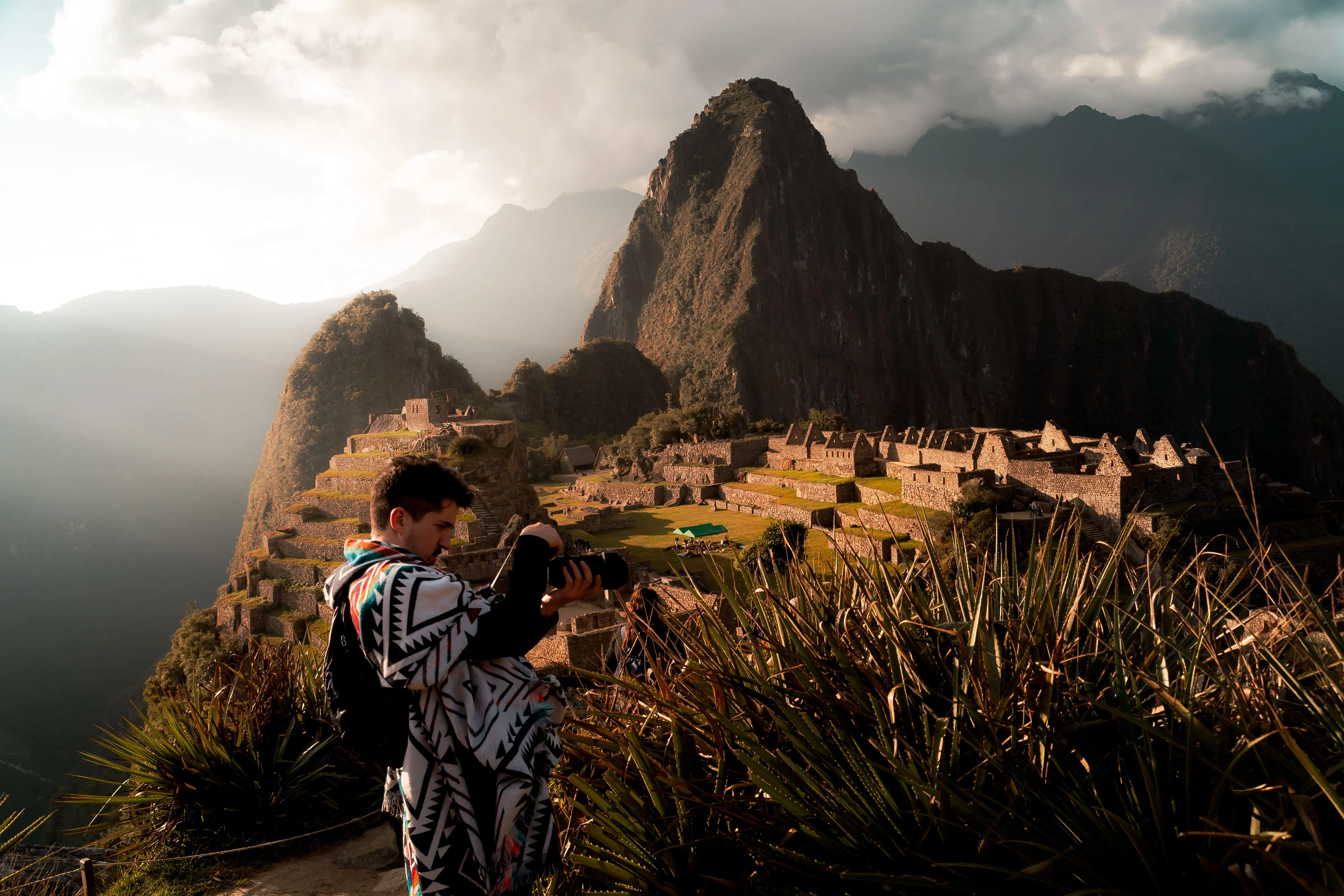
Machu Picchu is the CROWN JEWEL of the Inca civilization and the endpoint of the Classic Inca Trail.
Hidden in the cloud forest at 7,972 feet (2,430 meters), this 15th-century citadel remained unknown to the outside world until American explorer Hiram Bingham publicized it in 1911.
It’s now a UNESCO World Heritage Centre and one of the NEW SEVEN WONDERS OF THE WORLD.
Because the Spanish never found it, its Inca ruins, like the polished terraces, water channels, and temples, remain NEARLY INTACT, offering an authentic glimpse into 15th-century engineering.
For those hiking the Classic Inca Trail, the experience of reaching Machu Picchu on foot is far more powerful than arriving by train or bus.
You enter through the Sun Gate at sunrise, witnessing the city emerge from the mist, exactly as Inca pilgrims would have centuries ago.
👉 INSIDER TIP: Hiking the Classic Inca Trail gives you exclusive access to Machu Picchu through the original entrance, which is no longer used by general visitors. This makes the moment you see the citadel from Intipunku not only magical but also unique.
Classic Inca Trail permits
The Peruvian government ONLY ISSUES 500 Inca Trail permits per day (including porters and guides), so you must book through a certified tour operator MONTHS IN ADVANCE (yes, we mean that!).
Key points to remember:
- You must book through an authorized Inca Trail tour operator
- Permits are non-transferable and linked to your passport
- Book at least 6 months in advance for high-season departures
- A separate permit is required to climb Huayna Picchu Mountain or Machu Picchu Mountain
Typical group sizes range from eight to sixteen hikers, each led by a tour guide.
Porters carry a regulated Duffel Bag of up to 15 pounds (7 kilograms); anything heavier stays in Cusco City luggage storage or travels by Inca Rail to Aguas Calientes.
Prices for the trip vary between 600 to 1000 USD for the 4-day Classic Inca trail hike!
👉 INSIDER TIP: If permits are sold out, consider alternative treks like the Salkantay trek, the Inca Quarry Trail, or the Huchuy Qosqo trek, some of which offer equally stunning views of the Andes Mountains and remote Incan archaeological sites.
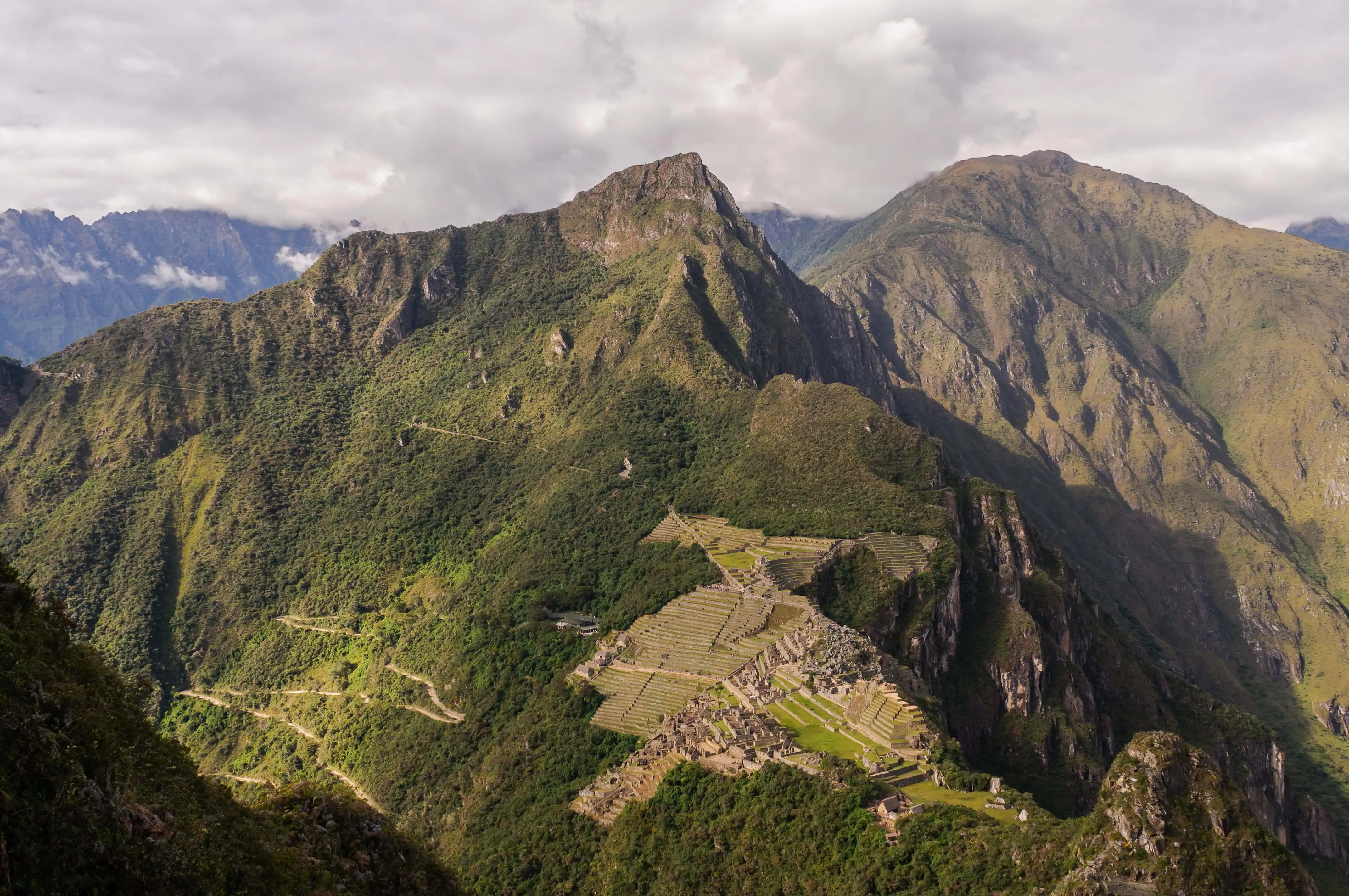
The 4-Day Classic Inca Trail Route
Day 1: Cusco to Wayllabamba
The first day of the Classic Inca Trail begins early, but trust us, it’s worth it!
Our tour guide picked us up at 4:30 AM (!) from our hotel in Cusco City, and we set off by van toward the trailhead at Km 82, where the real adventure begins.
Once we arrived, our Inca Trail tour operator handled check-ins, permit verifications, and final bag adjustments.
Porters distributed our Duffel Bags and checked we had essentials like water bottles, snacks, and trekking poles.

The day’s trek covered about 8.7 miles (14 kilometers), gradually ascending into the highlands.
The initial stretch was a mix of dusty paths and gentle climbs, offering views of the Andes Mountains and the Vilcabamba mountain range.
Our guide brought the trail to life, pointing out ancient Inca ruins and explaining how this section fits into the broader Inca road system.
We stopped at Willka Raqay and overlooked the Inca site of Patallacta, learning how these outposts functioned centuries ago.
👉 INSIDER TIP: Pack trekking poles and sip coca tea at camp, both help against altitude sickness above 10,000 feet (3,048 meters). Most licensed tour operators provide the poles, but bringing your collapsible pair saves rental fees. Don’t forget to ask your trekking cook what’s on the menu each evening. Ours served warm quinoa soup followed by grilled trout with Andean herbs.
Day 2: Dead Woman’s Pass
Day 2 of the Classic Inca Trail is infamous for a reason, it’s the MOST CHALLENGING STRETCH of the entire trek.
The day begins with a steep ascent through cloud forests and high-altitude grasslands, ending at Dead Woman’s Pass (Warmiwañusqa), the trail’s highest point at 13,828 feet (4,215 meters).
You will ascend almost 1000 meters during the day.
The climb is tough, especially with the thinner air.
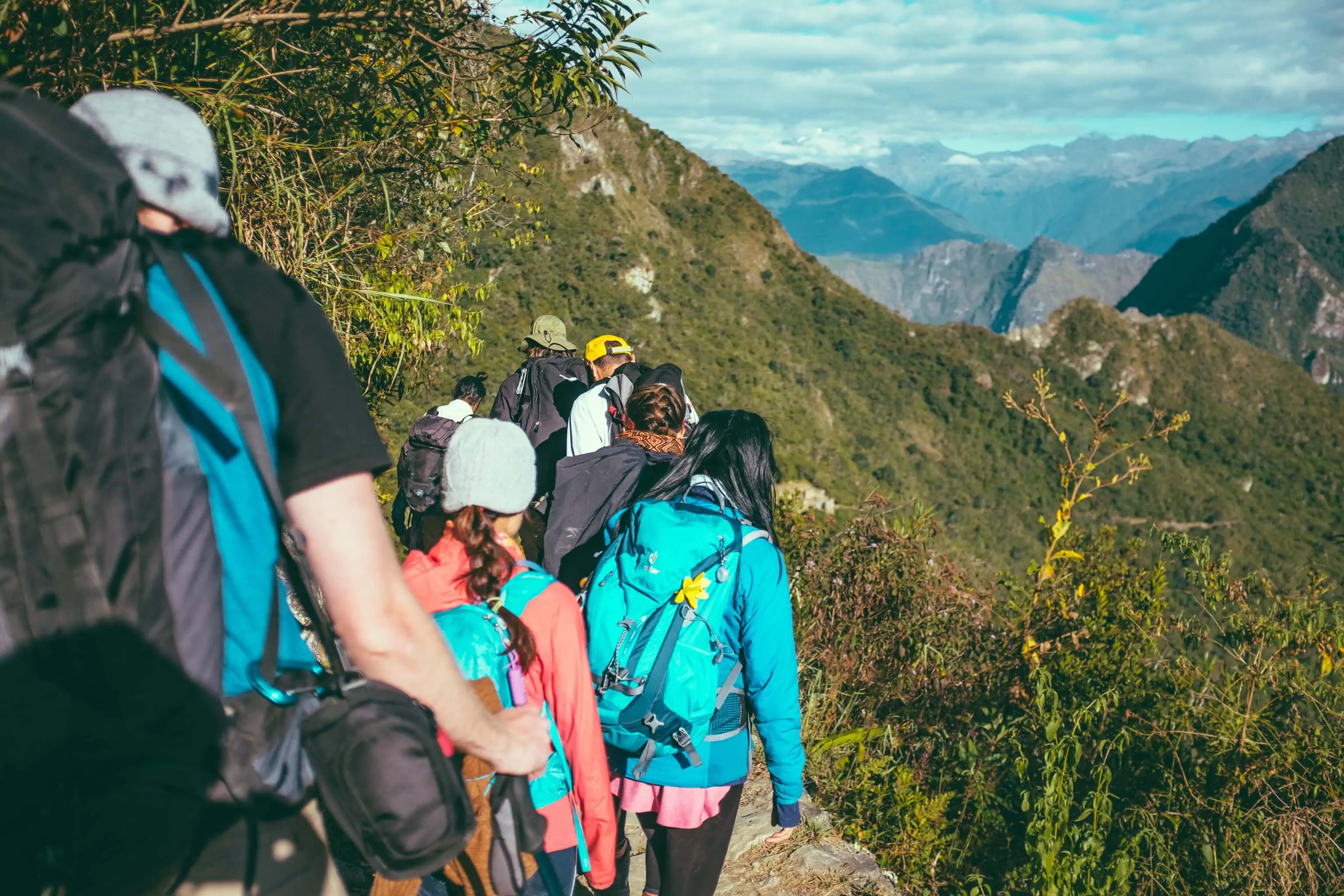
This is where altitude sickness starts to show up for some hikers (like us), so it’s crucial to pace yourself, drink coca tea, and chew coca leaves if needed.
Don’t forget to meet the other people in the group. A few of them had already met on other treks, like the Salkantay Trekking route or the Huchuy Qosqo trek, and were continuing their adventures through the Sacred Valley of the Incas.
We reached the second night’s campsite just after the descent.
Set in a remote mountain hollow, it felt like a hidden refuge carved out of the Peruvian Andes.
👉 INSIDER TIP: Always be insured when you’re traveling! There’s a company called SafetyWing that we swear by, especially when going on a tough Inca trail hike. SafetyWing’s insurance is designed with digital nomads in mind. It covers you in over 180 countries, and it’s quite affordable, starting at $56.28 (ages 18-39) per month. It covers not just emergencies, but you can, for example, visit a doctor if you have the flu, and it also includes the prescribed drugs.
Day 3: Runkurakay, Sayaqmarka, and the road to Wiñay Wayna
After the intense day of the Dead Woman’s Pass, Day 3 of the Classic Inca Trail felt like a gift.
We kicked off the day with a relaxed pace across what guides affectionately call “Inca flat”. It’s a mix of gentle ups and downs, with views of Salkantay Mountain and the Vilcabamba mountain range.

Runkurakay and Sayaqmarka
The trail first led us to the circular ruins of Runkurakay, a former Inca fortress believed to be a rest stop or watchtower for messengers traveling the Classic Inca Trail route.
Shortly after, we reached Sayaqmarka, a breathtaking complex on a cliffside.
Its steep stairs, terraces, and ceremonial niches offered some of the best views of Incan archaeological sites on the trail.
Unlike the larger cities of the Inca Empire, this felt like a hidden retreat for Inka warriors or priests making sacred journeys.
👉 INSIDER TIP: These less-frequented ruins are some of the best places to take photos without the crowds. Make sure your tour guide explains the ceremonial significance of these sites as too many groups just rush past them and today is one of the days when you have the time to stop and rest.
The first glimpse of Machu Picchu Mountain
We continued climbing toward Phuyupatamarka at 11,800 feet (3,600 meters).
The name means “Place Above the Clouds,” and it lived up to its title.
From there, the Urubamba River came into view, winding far below in the jungle.
More importantly, we caught our first glimpse of Machu Picchu Mountain.
From the summit, the trail descended for about 3 hours, winding through moss-covered stone steps known as the Inca Trail stairs.
Along the way, we passed the agricultural terraces of Intipata, a lesser-known but fascinating part of the Classic Inca Trail trek.
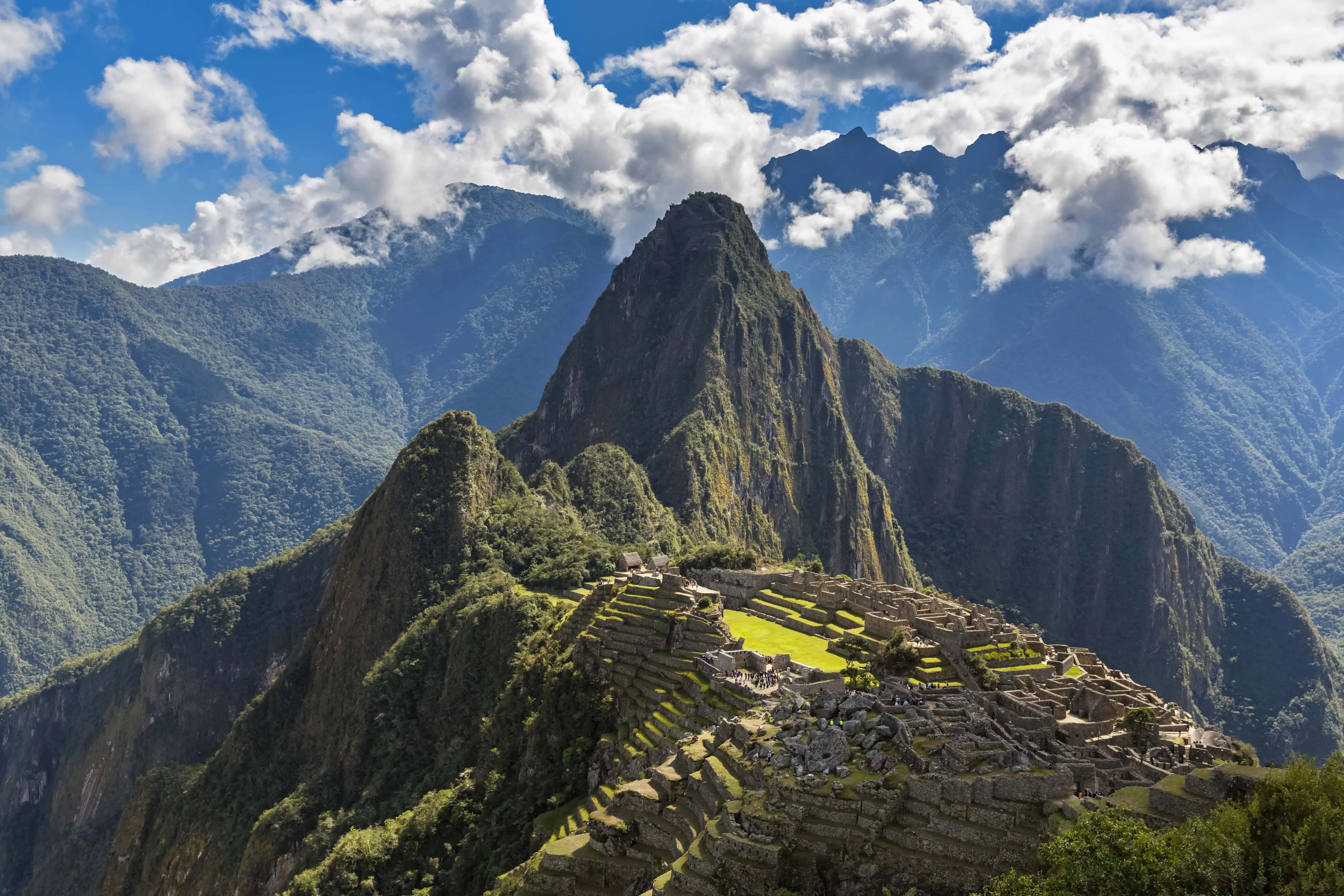
Arrival at Wiñay Wayna
By early afternoon, we reached our final campsite near Wiñay Wayna, a complex of Inca terraces and fountains built into the mountainside.
Just a short walk from the campsite, it’s one of the most impressive Inca sites you’ll see outside of Machu Picchu.
We sat down to lunch around 1:00 PM with a view that rivaled any luxury lodge.
The sense of accomplishment, the familiar buzz of the group, and the knowledge that we were just hours from Inti Punku (the Sun Gate) made this stop feel special.
Compared to the day before, Day 3 was gentler and more reflective. Less about physical demands, and more about immersion in history, nature, and the enjoyment that comes from walking in the footsteps of the Inca Civilization.
Day 4: Arrival at the Sun Gate and entering Machu Picchu
The final stretch of the Classic Inca Trail delivers the emotional peak of the journey, the arrival at Inti Punku, the iconic Sun Gate overlooking Machu Picchu.
Thanks to the timing of our local tour operator, we left Wiñay Wayna at 6:30 AM and reached the gate just as the first golden light spilled over the Andes Mountains.
There were no crowds, no distractions, just our group, the rising sun, and the first glimpse of the Incan terraces and temples below, partially veiled by soft mist.
👉 INSIDER TIP: If you’re with a reputable Inca Trail tour operator, they’ll adjust departure times based on cloud forecasts to give you the best shot at clear views from the Sun Gate. It pays to go with experienced guides who understand the nuances of the trail.
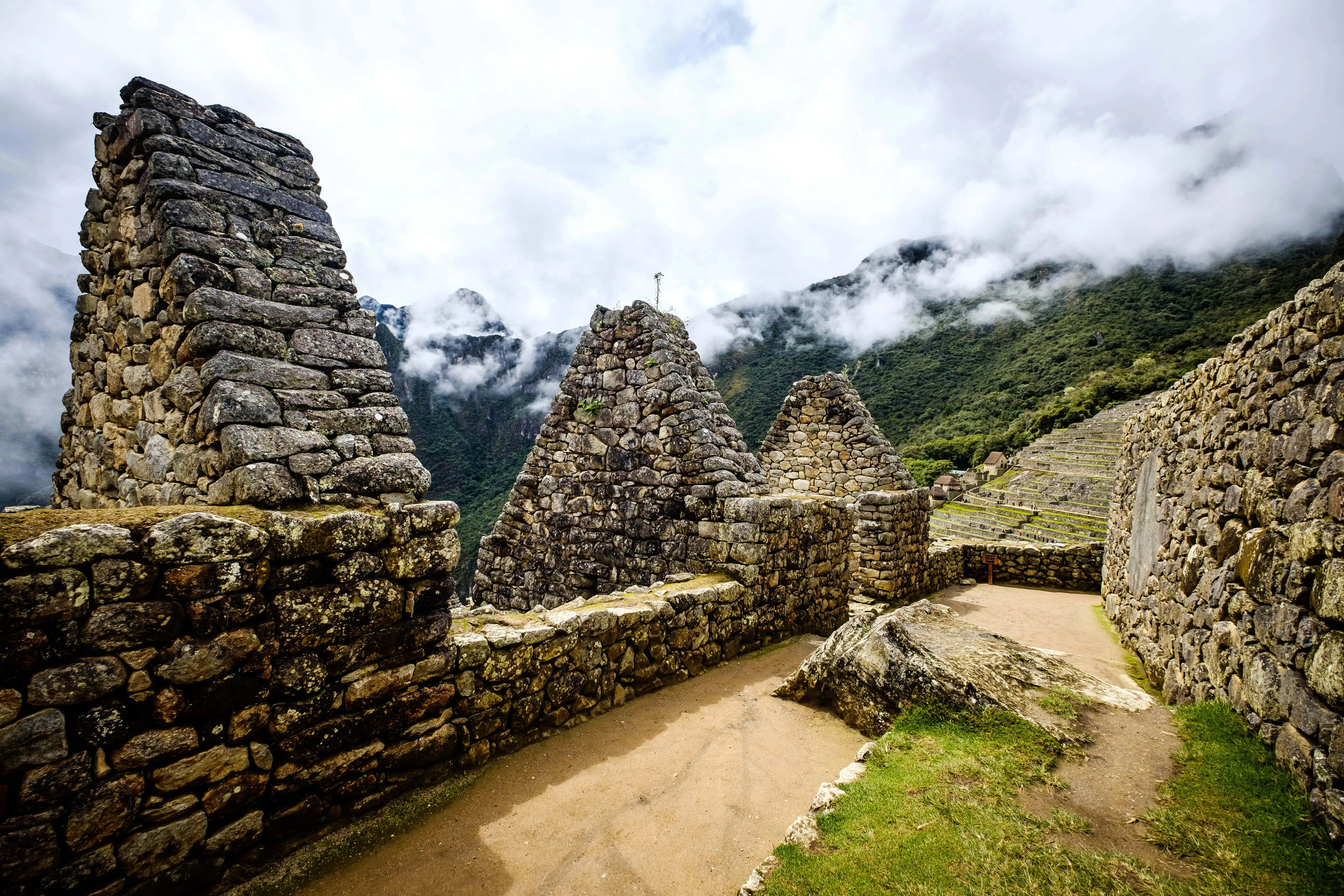
Stepping into Machu Picchu
Crossing through the Sun Gate, we began the final descent into the sacred city.
Our tour guide brought the ruins to life with insight into the celestial alignments, construction techniques, and theories behind the Inca Empire’s most iconic city.
He explained how structures like the Temple of the Sun and Intihuatana stone may have functioned as astronomical calendars and spiritual focal points.
Each turn revealed new perspectives: agricultural terraces carved with purpose, drainage systems still intact, and Incan archaeological sites layered with mystery.
Preparation and planning for the Classic Inca Trail
Hiking the Classic Inca Trail is not something you want to jump into unprepared.
Before starting the Inca Trail trek, it’s essential to spend at least two full days in Cusco City to adjust to the altitude.
Cusco sits at 11,152 feet (3,399 meters), which is higher than Machu Picchu, and altitude-related issues like headaches, nausea, and fatigue are common if you don’t give your body time to adjust.
During this period, prioritize Acclimatization Activities:
- Stay hydrated and drink plenty of coca tea
- Walk slowly around historical neighborhoods and markets
- Book easy Cusco day trips to nearby Inca sites like Sacsayhuamán or the Sacred Valley
👉 INSIDER TIP: Many tour operators offer pre-hike orientation sessions and gear checks during this time. Don’t skip them.
Essential packing list for hikers
Here’s a smart, no-fluff packing list tailored for the Classic Inca Trail Route:
🎒 Gear
- Duffel Bag (usually provided by your Inca Trail tour operator)
- Daypack with hydration sleeve or water bottle storage
- Lightweight Trekking poles (collapsible and labeled with your name)
🧤 Clothing
- 2 moisture-wicking shirts
- 1 warm fleece or down jacket
- Waterproof outer shell
- Convertible hiking pants
- Base layers for cold nights
- Comfortable sleepwear
Throwing yourself into the wilderness with no equipment is not recommended unless you’re a seasoned survival expert. Look online for sites that sell top outdoor and tactical gear apparel.
🦶 Footwear
- Broken-in waterproof hiking boots
- Lightweight camp shoes or sandals
🧼 Essentials
- Camping equipment (if not included in your booking)
- Sunscreen and bug spray
- Headlamp with extra batteries
- Reusable water bottles or filtration system
- Quick-dry towels and travel-size toiletries
🧪 Health and Safety
- Small oxygen bottle (optional but useful for altitude)
- Electrolyte tablets
- Personal medication and basic first aid kit
- Altitude sickness tablets (consult your doctor)
👉 INSIDER TIP: Bring small Peruvian soles for tipping porters and buying snacks along the Hiking route. Change can be hard to come by in remote areas.

Best time to hike the Classic Inca Trail
Timing is everything when it comes to hiking the Classic Inca Trail.
The trail is open 11 months a year (closed every February for maintenance), but choosing the right season can make or break your experience.
Dry season (May to September): Best overall experience
This is the peak trekking season for a reason.
The dry season brings clear skies, crisp mornings, and the lowest chance of rain, offering ideal conditions for hiking and Instagram-worthy pictures.
You’ll get panoramic views of the Andes Mountains, the Vilcabamba mountain range, and the Incan terraces of Machu Picchu Mountain without weather disruptions.
- Pros: Stable weather, incredible sunrises at Inti Punku (Sun Gate), safer Inca Trail stairs, easier-to-manage Camping Equipment
- Cons: High demand means you must book permits and Huayna Picchu Mountain add-ons 6+ months in advance
- Crowds: Expect full group sizes and busy campsites, especially near Wiñay Wayna
Shoulder season (April and October): Balanced option
If you’re looking to avoid the heaviest crowds but still want decent trail conditions, April and October are ideal.
The landscapes are lush from the rain, and the air is clearer, giving extra vibrance to the Andean landscape.
- Pros: Fewer tourists, more permit availability, pleasant mix of dry weather and greenery
- Cons: Some risk of brief afternoon showers, especially in April
- Highlights: Perfect time for slower trekking experiences, stunning photos at lesser-known sites like Runkurakay and Sayaqmarka
Make sure to stay before and after your trip in Cusco! You can find our recommended accommodations below!
Rainy season (November to January): Not recommended
These months see frequent downpours, muddy paths, and slippery Inca Trail stairs, which make for a more physically demanding trek.
February: Trail closed
Every February, the Peruvian government closes the Inca Trail Route for annual maintenance and trail restoration.
Alternative treks like the Salkantay trek or Inca Jungle are still accessible during this time, but the Classic Inca Trail is off-limits. Summary: Best months by priority
FAQ
What is the Classic Inca Trail?
The Classic Inca Trail is a 4-day, 26-mile (42-kilometer) stone path that links Km 82 near Cusco to Machu Picchu via Dead Woman’s Pass, Wiñay Wayna, and the Sun Gate. Built in the 15th century, it forms part of the Qhapaq Ñan royal road network.
What is the difference between the Classic Inca Trail and the Short Inca Trail?
The Classic Inca Trail spans four days with high-altitude climbs and two nights of camping before reaching Machu Picchu. The Short Inca Trail is a two-day, 7.5-mile (12-kilometer) hike that starts at Km 104, includes a train ride to Aguas Calientes, skips Dead Woman’s Pass, and involves one night in a hotel.
What is the best Inca Trail trek?
For most hikers, the Classic Inca Trail is the best choice because it offers the full historic route and a sunrise arrival at the Sun Gate. Travelers who want a shorter, less strenuous option can choose the Short Inca Trail, while those seeking fewer permits may prefer alternative treks like Salkantay.
How long does it take to do the Inca Trail?
Hiking the Classic Inca Trail takes four days and three nights on the trail, plus two acclimatization days in Cusco for altitude safety. The Short Inca Trail requires two days, with one full day of hiking and an overnight stay in Aguas Calientes.