Welcome to the Costa Rican coffee paradise!
In this blog post, we will share our personal experience of the Doka Estate Costa Rica Coffee Tour & Plantation.
We will share everything about Doka Estate, the coffee tour, the process, and how to plan your trip.
Let’s jump right in!
The History of Doka Estate
The Vargas family has been growing quality coffee in Costa Rica since 1940, initially focusing on growing and later expanding into coffee processing and international export. Their brand, TRES GENERACIONES, established in 1996, represents their commitment to producing top-quality coffee by selecting and roasting the finest beans.
Doka Estate has won the SINTERCAFE award for Best Coffee in the World twice and is considered the best plantation in Latin America.
Since 1999, it has offered the “El Verdadero Tour de Café” or DOKA ESTATE COFFEE TOUR to both locals and foreigners, aiming to involve visitors in the coffee production process.
Additionally, Doka has the oldest Wet Coffee Storage in the country, powered by water without electricity, and is designated as a Historical and Architectural Heritage site by the Costa Rican government.

Doka Estate Costa Rica Coffee Tour & Plantation
The coffee tour experience takes you through the entire process of making coffee, from the plants to our cups.
We started the tour with a welcome drink, in Doka’s coffee. Shop, it was a coffee!
Our guide gave us a brief introduction before we jumped straight into the process.

The Coffee Process: From Bean to Cup
Step 1: growing coffee plants
Our guide briefly explained to us the growing process of coffee plants, at Doka Estate the beans they process are all from arabica beans, the secret to their different flavors is how they are roasted.
We didn’t realize this before but, growing coffee plants take a LONG TIME! They are planted when one year old although you can only start harvesting coffee beans when the tree is four years old.
Step 2: The coffee bean process
During your Doka Estate Costa Rica Coffee Tour & Plantation, you will visit the oldest wet mill in the country. This is where they separate the freshly picked cherries by using water to define the quality, the beans that sink are THE BEST TO USE.
With the pressure of the water, the coffee beans are taken to the next room of the machine where they are washed and peeled.
Before removing them from the water, the beans stay 24 hours in the water to ferment. This is an important step because it breaks down the sugars in the bean.
Step 3: Drying
The beans are then spread on the ground outside to dry in the sun. Our guide explained to us that they prefer to dry the beans in the sun because, firstly, it saves electricity, but most importantly, the sun enriches the taste of the coffee!
Alternatively, during the rainy season, they have a machine at the dedicated station to ensure the weather doesn’t stop production.
Step 4: Roasting
This is where the magic happens!
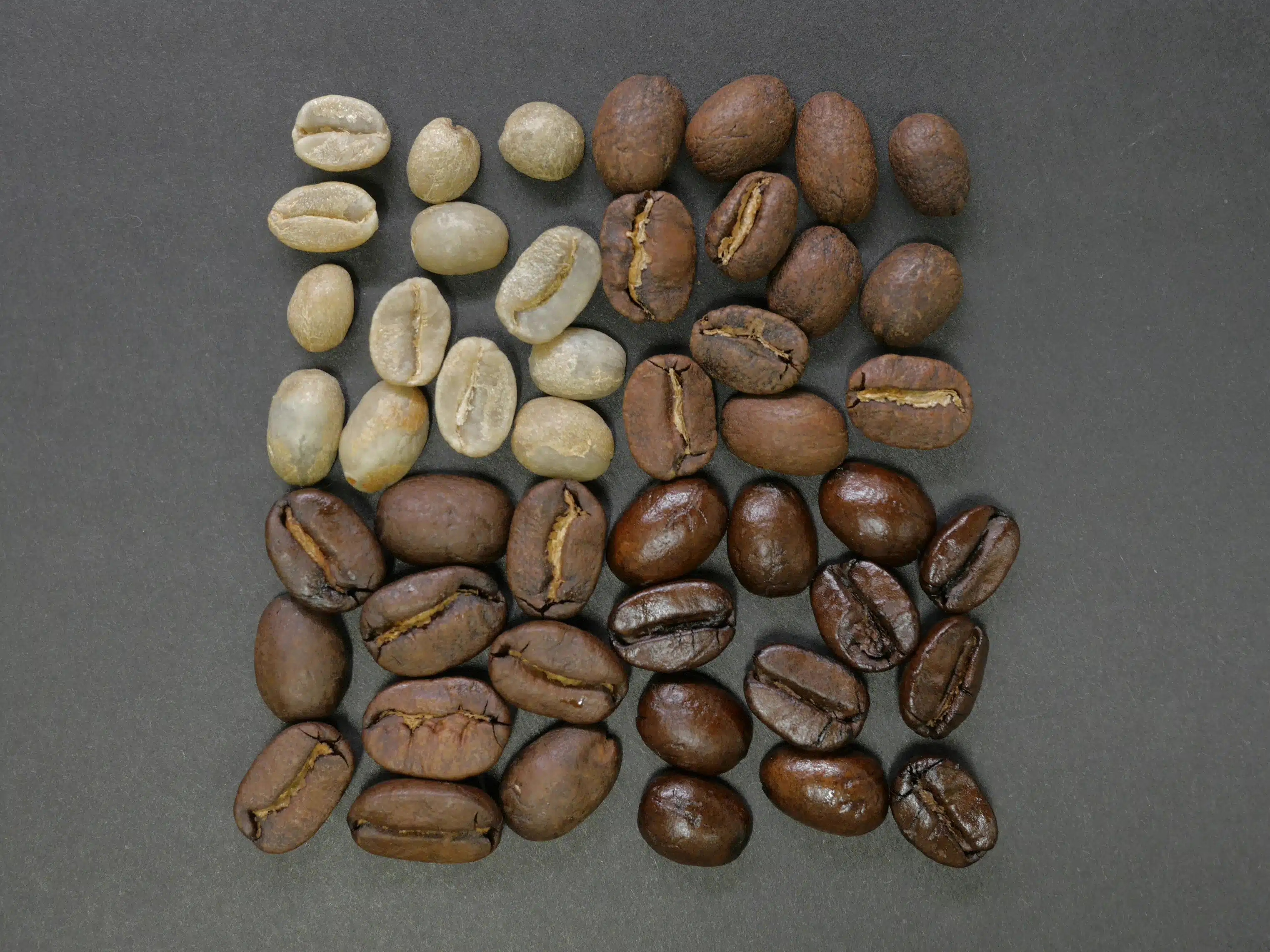
The secret to good coffee is HOW IS GETS ROASTED. First, you need to define what kind of coffee you would like to make. The lightest roast gives the strongest caffeine dosage and taste.
Buying Doka Estate’s Coffee Varieties
The best part if you are a coffee lover, BUYING the coffee as a souvenir!
Doka Estate has different kinds of flavors you can choose from, so it all depends on your taste. We highly recommend buying your coffee there because you will support the Estate and snag the best price.
Planning Your Visit
Best Time to Visit
Season: The best time to visit Doka Estate is during the coffee harvest season, which typically runs from October to March. This period offers the most dynamic insight into coffee production, from picking to processing.
Weather: Costa Rica has a tropical climate with a dry season (December to April) and a rainy season (May to November). Mornings are usually clearer and dryer, making them an ideal time for tours.
Tour Schedules
Operating Hours: Doka Estate is open for tours from Monday to Sunday. Tours often start early in the morning and continue until the early afternoon to avoid the rainier parts of the day.
Frequency: Tours are usually conducted in small groups and run several times a day. It’s recommended to check the official Doka Estate website or contact them directly for the most current schedule and availability.
Ticket Information
Pricing: Tour prices can vary depending on the type of tour and any additional experiences included, such as a full coffee tasting or a visit to the butterfly garden. Discounts may be available for children, students, or large groups.
Booking Your Tour: Booking is recommended, especially during peak tourist seasons. You can book online through the Doka Estate website or various tour operators in Costa Rica.
What to Bring and Wear
- Comfortable Clothing: Opt for light, breathable fabrics suitable for Costa Rica’s warm climate. Long sleeves and pants can offer protection from the sun and insects.
- Sturdy Footwear: The plantation terrain can be uneven and sometimes slippery, especially after rain. Closed-toe, comfortable shoes with good grip are essential.
- Sun Protection: A hat, sunglasses, and sunscreen will protect you from the tropical sun.
- Water and Snacks: While the tour might include a coffee tasting, it’s a good idea to bring your water and perhaps a small snack, especially if you have specific dietary needs.
- Camera: The plantation offers stunning scenic views and photo opportunities, from the lush coffee fields to the traditional processing equipment.
Doka Coffee Tours from San Jose: A Journey to Poas Volcano
Take a day trip from San José and see the best of Costa Rican coffee and Poas Volcano. Start at Doka Estate, where you’ll walk through green coffee fields and learn how coffee is made. You’ll get to smell fresh coffee and try some of the best coffee there.
Then, head over to Poás Volcano, close to the coffee farm. It’s amazing to see how different it is from the coffee farm. At Poás, you can see a huge crater with a blue-green lake inside. All around, there’s a forest full of different plants and animals. It’s a great way to see two cool places in Costa Rica in just one day.
Where to stay in San Jose
Conclusion
We loved our Doka Estate Costa Rica Coffee Tour & Plantation visit, if you are a coffee lover and you are traveling in the region, you should definitely add this tour to your itinerary!
We found this activity unique and educational, our guide gave us a lot of insight about the process and cultural significance in Costa Rica.
If you do this tour, let us know in the comments below how your experience was!