Welcome to Fatu Hiva Island in French Polynesia!
What is this island all about, why is its ‘bay of penises’ so famous, and how to enjoy the island?
By the end, you’ll be a Fatu Hiva Island expert, ready for your trip!
Let’s get started!
KEY TAKEAWAYS
- Location: Fatu Hiva, in the southern Marquesas Islands, is a remote paradise famous for its natural beauty and rich Polynesian culture.
- The Cruise: The Aranui 5 cruise offers a 12-day trip to Fatu Hiva, mixing luxury with the chance to explore the Marquesas’ hidden islands.
- Activities: Enjoy hiking, nature walks, and exploring the island’s waterfalls and the stunning Bay of the Virgins.
Dreaming of a French Polynesian vacation?
Fill in our SHORT FORM, and we will match you with trusted local tour operators who can build a personalized itinerary based on your STYLE, BUDGET, and TRAVEL DATES.
Our local partners create every itinerary with care. We kindly ask that you submit a request only if you’re considering traveling.
Location and access
Located 1,100 kilometers (700 miles) northeast of Tahiti, Fatu Hiva island is the southernmost island of the Marquesas archipelago.
It can feel worlds away from the more populated islands of French Polynesia, such as Tahiti, Bora Bora, and Huahine.
The island spans an area of just over 84 square kilometers (32 square miles), making it the fourth largest of the Marquesas Islands after Nuku Hiva, Hiva Oa, and Ua Pou.
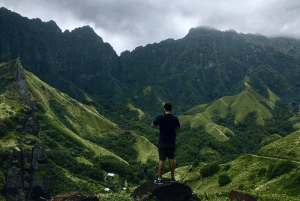
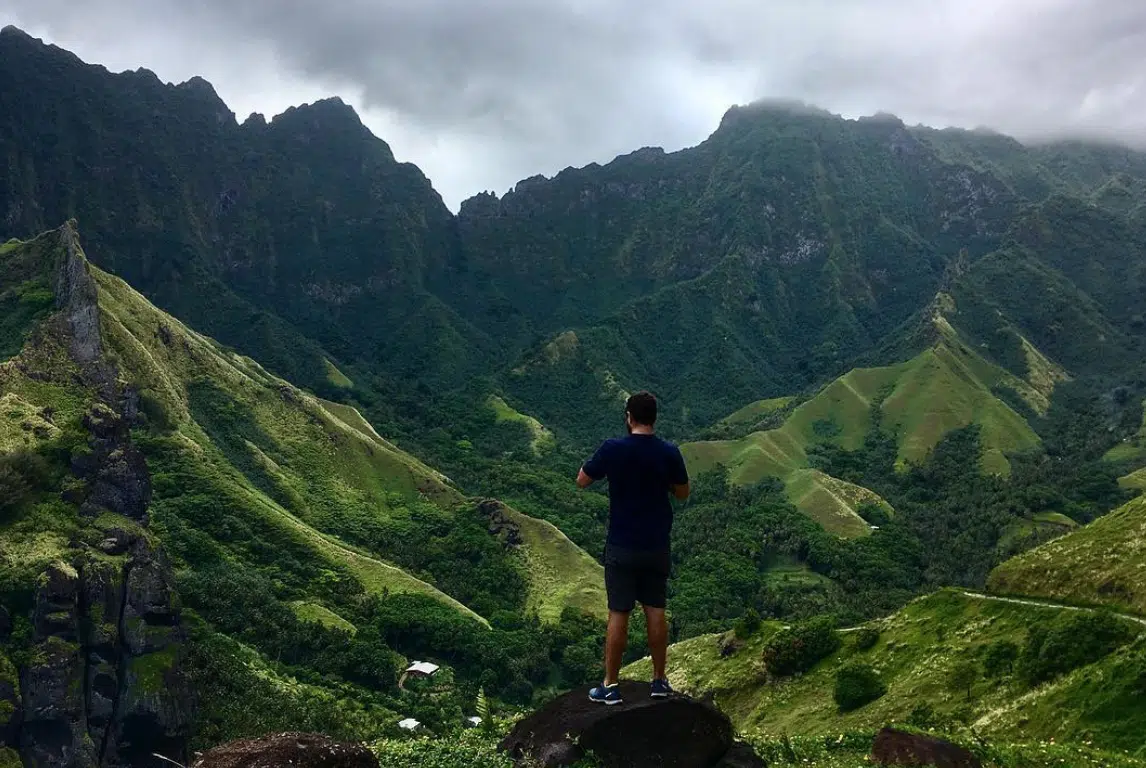
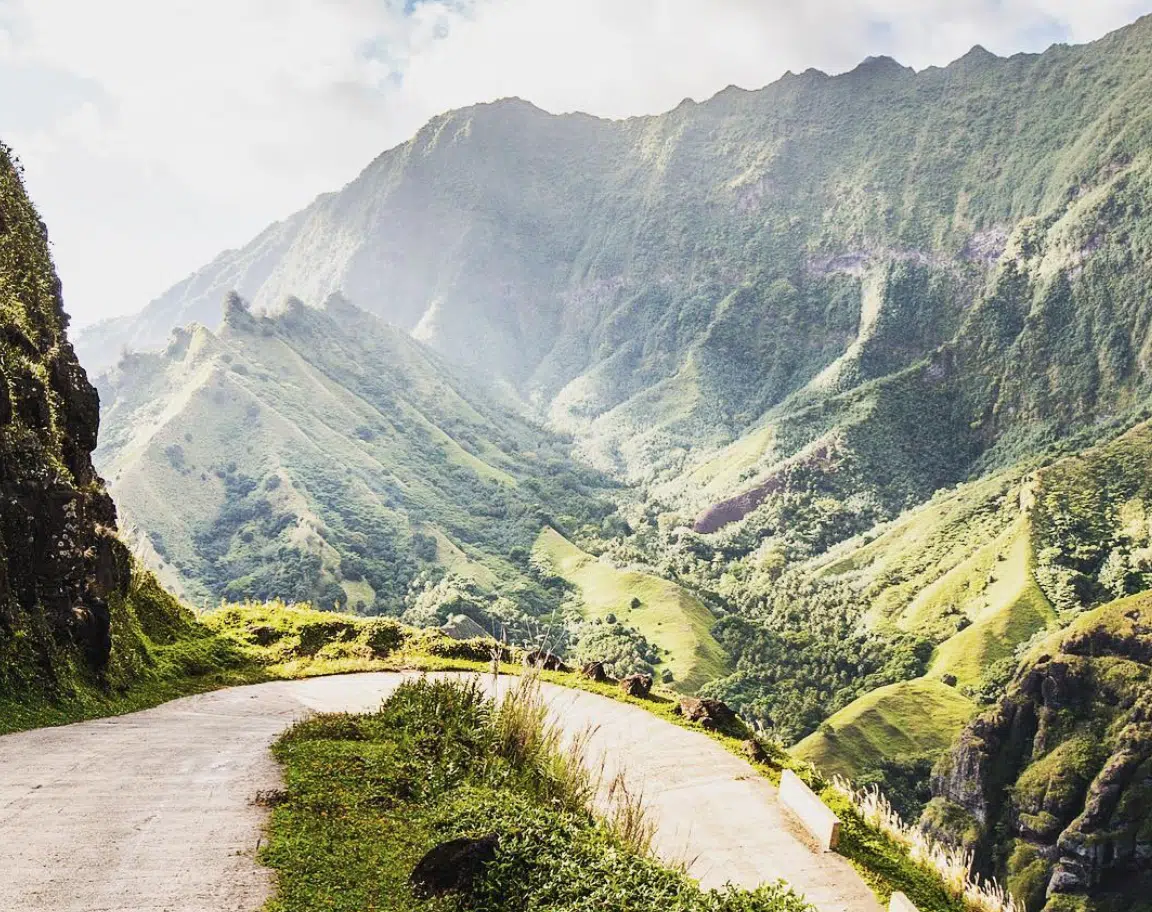
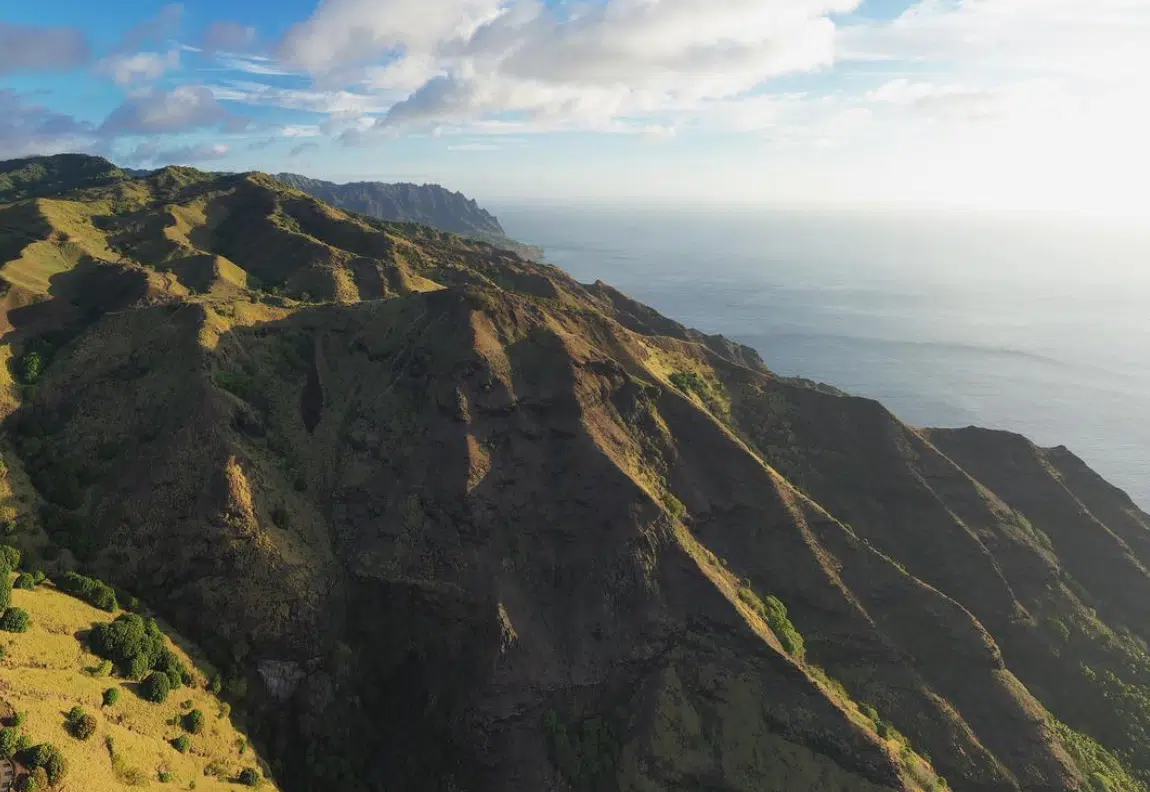
Yet, with its cliffs and densely forested mountains, it is among the most famous and visually striking French Polynesia islands.
Villages of Omoa and Hanavave
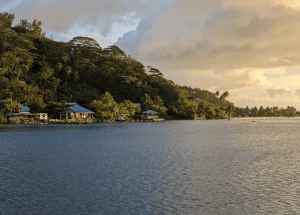
Fatu Hiva has two main villages, Omoa and Hanavave, on the west coast, connected by a single, narrow road.
This 17-kilometer (10.5 miles) route can only be traveled by 4×4 vehicles, horseback, or on foot.
Omoa, the largest of the two villages, is home to most of Fatu Hiva’s 600 residents.
Here, you can find a small agriculture, fishing, and tourism community.
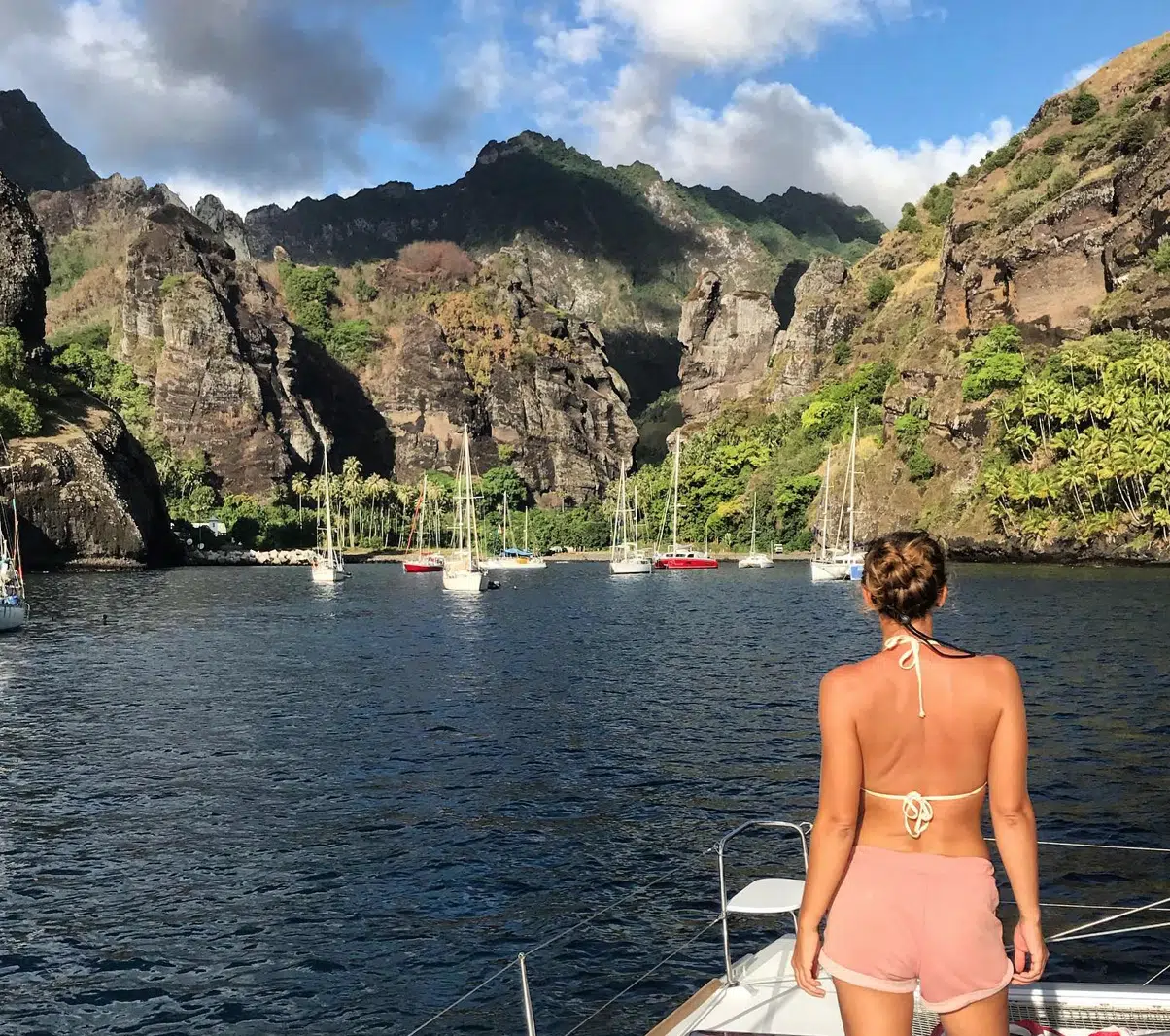
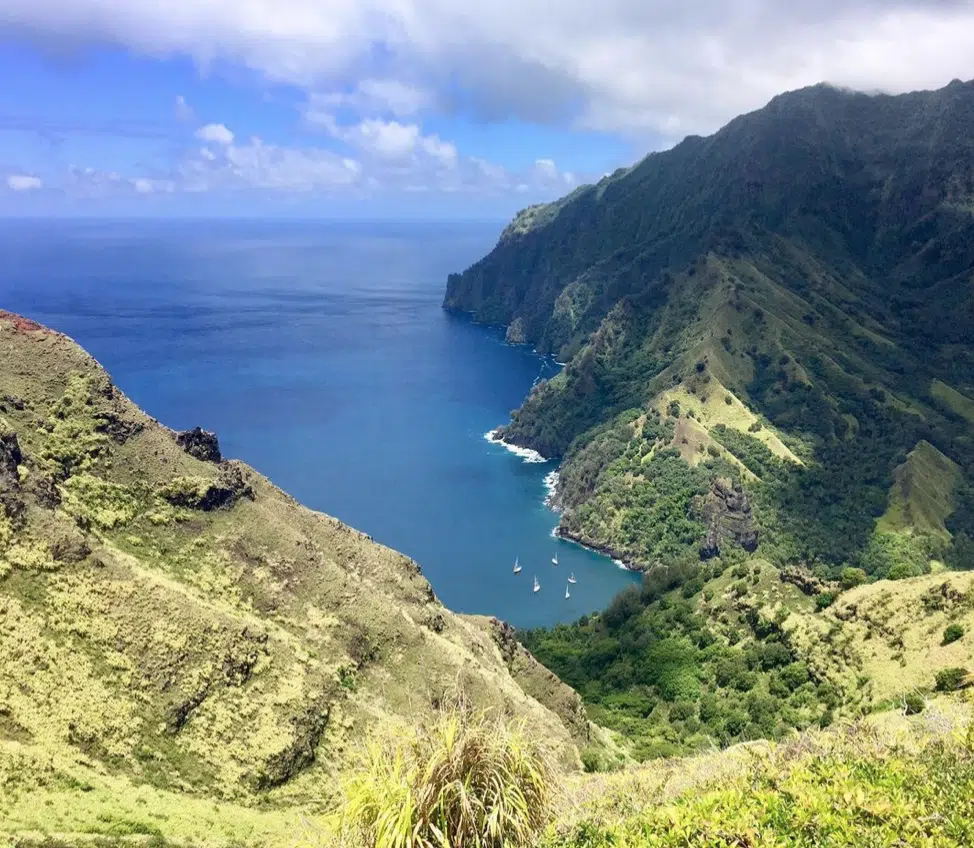
Hanavave, on the other hand, lies in the famous Bay of Virgins (Baie des Vierges), one of the most photographed spots (and a trending spot on Instagram) in the Marquesas.
Hanavave Bay is famous for its natural beauty, featuring basalt rock and challenging access for hikers. It is a popular destination for sailors (see our video at the top of the article).
Simply fill in the form below to get a FREE QUOTE from trusted local travel specialists who know the islands inside out.
It only takes 60 seconds, and you’ll receive custom itineraries and pricing directly in your inbox or WhatsApp within
48 hours.
Free of charge. No pressure. No obligation.
*Our trusted local partners create every itinerary with care. We kindly ask that you submit a request only if you’re considering traveling.
Bay of the Virgins in Fatu Hiva
The legend of the Bay of the Virgins
The bay’s name, “Baie des Vierges” (Bay of the Virgins), was originally “Baie des Verges,” meaning “Bay of PENISES” in French.
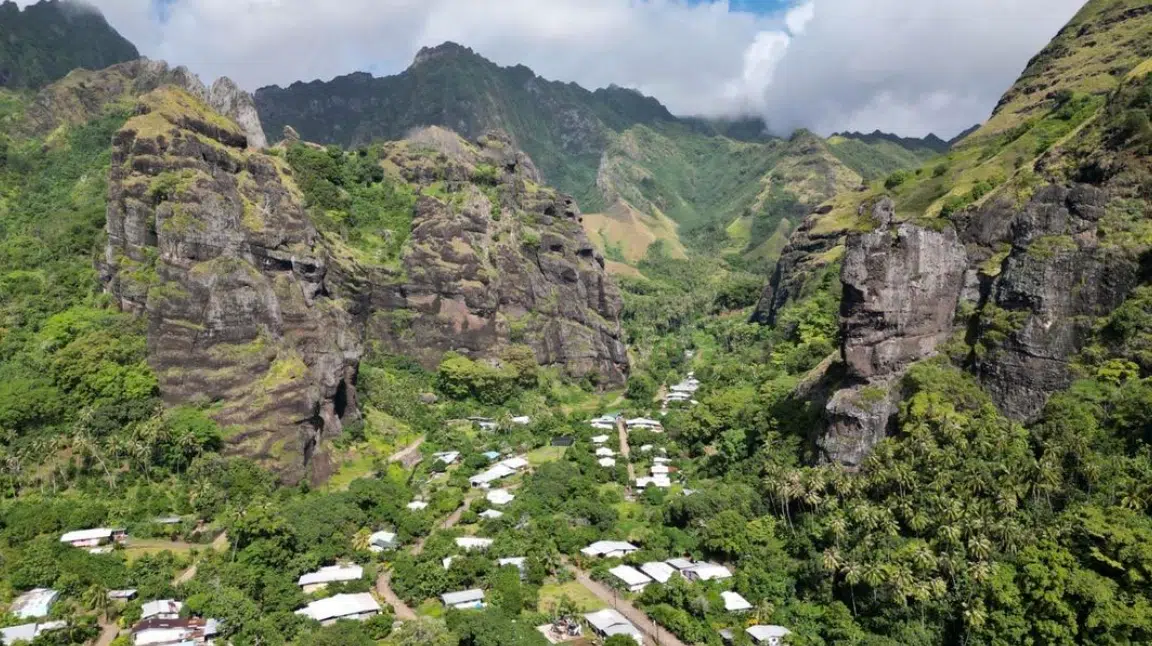
This name reflected the shapes of the rock spires that resemble phallic symbols.
Missionaries later changed the name to the Bay of the Virgins, lending the area an air of innocence.
The Bay of Virgins is cited as one of the most beautiful bays on Earth; it is a place of incredible natural beauty.
A UNESCO-recognized natural wonder
The Bay is recognized as a UNESCO World Heritage Site for its amazing landscape.
The towering rock spires that line the bay and that emerge from the volcanic landscape like natural sculptures gave it UNESCO recognition.
These basalt formations are believed to be millions of years old, shaped by the island’s volcanic history and centuries of erosion.
Best Time to Visit the Bay of Virgins
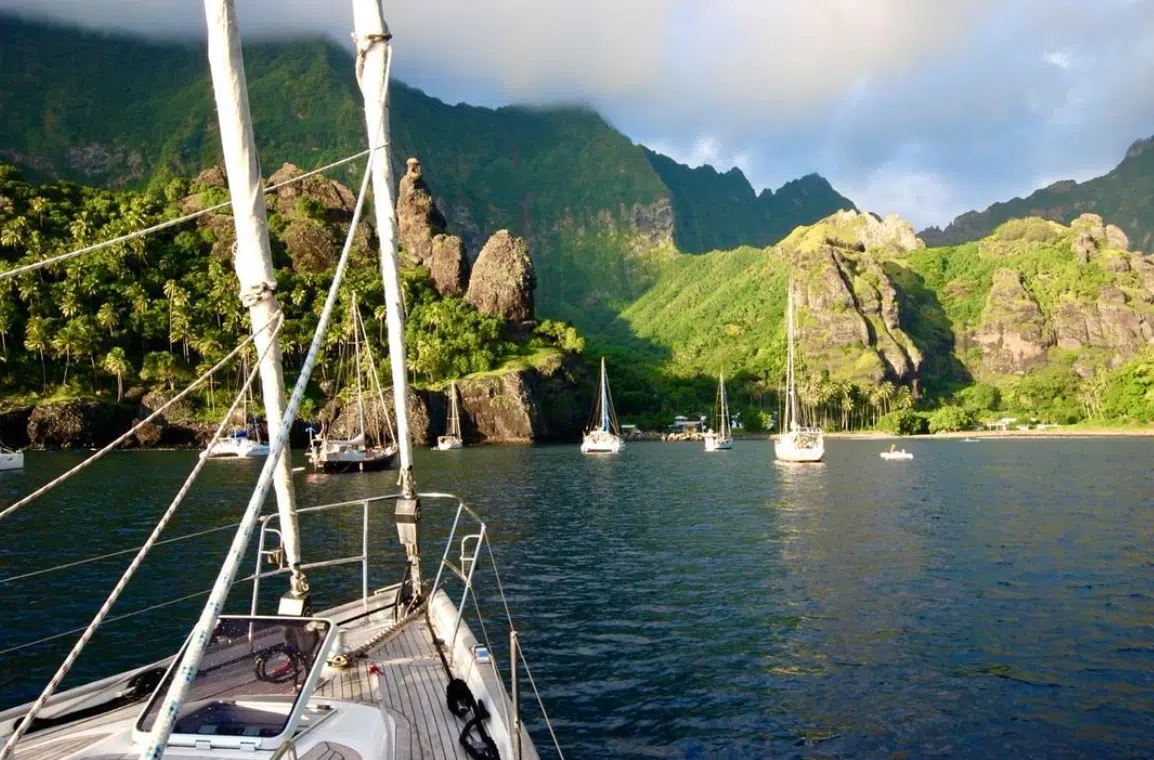
The most beautiful and best time to visit the bay is at sunset.
As the sun sets, it gives a warm light across the water and the cliffs, creating a mystical glow.
This effect is one of the reasons why the Bay of the Virgins is a MUST-SEE on your visit to Fatu Hiva Island.
INSIDER TIP: For the best views of the sunset, take a short hike up the hillside above Hanavave. The elevated vantage point offers a wide view of the bay.
Simply fill in the form below to get a FREE QUOTE from trusted local travel specialists who know the islands inside out.
It only takes 60 seconds, and you’ll receive custom itineraries and pricing directly in your inbox or WhatsApp within
48 hours.
Free of charge. No pressure. No obligation.
*Our trusted local partners create every itinerary with care. We kindly ask that you submit a request only if you’re considering traveling.
Activities on Fatu Hiva
Below, you can find our recommended list of the best activities on Fatu Hiva Island, including hiking, nature walks, and a waterfall.
Hiking the Omoa-Hanavave Trail
- Cost: €50-60 ($55-65 USD) for a guided tour; free for self-guided hikers.
- Details: This 17-kilometer (10.5-mile) hike connects the villages of Omoa and Hanavave, offering spectacular views of the island’s cliffs, dense rainforest, and ocean views. Despite the often clear blue sky visible in photographs, you should be prepared for sudden changes in weather, including heavy rain at higher altitudes. Expect a challenging route with steep ascents and rocky paths, especially in the first half.
- Booking: Guided hikes can be arranged at local guesthouses or with tour operators in Omoa and Hanavave.
- Duration: 6-7 hours.
- Download the Omoa-Hanavave Trail here!
Nature Walks in Omoa Valley
- Cost: €30 ($32 USD) per person for a 2-hour guided walk.
- Details: This nature walk offers an opportunity to explore the valleys around Omoa. You’ll be guided through dense tropical forests, learn about native plants, and visit small vanilla farms and banana plantations.
- Booking: Contact a guesthouse in Omoa or book directly through Fatu Hiva’s tourism office.
- Duration: 2-3 hours.
Exploring Vaiea Waterfall
- Cost: €40 ($43 USD) for a guided tour.
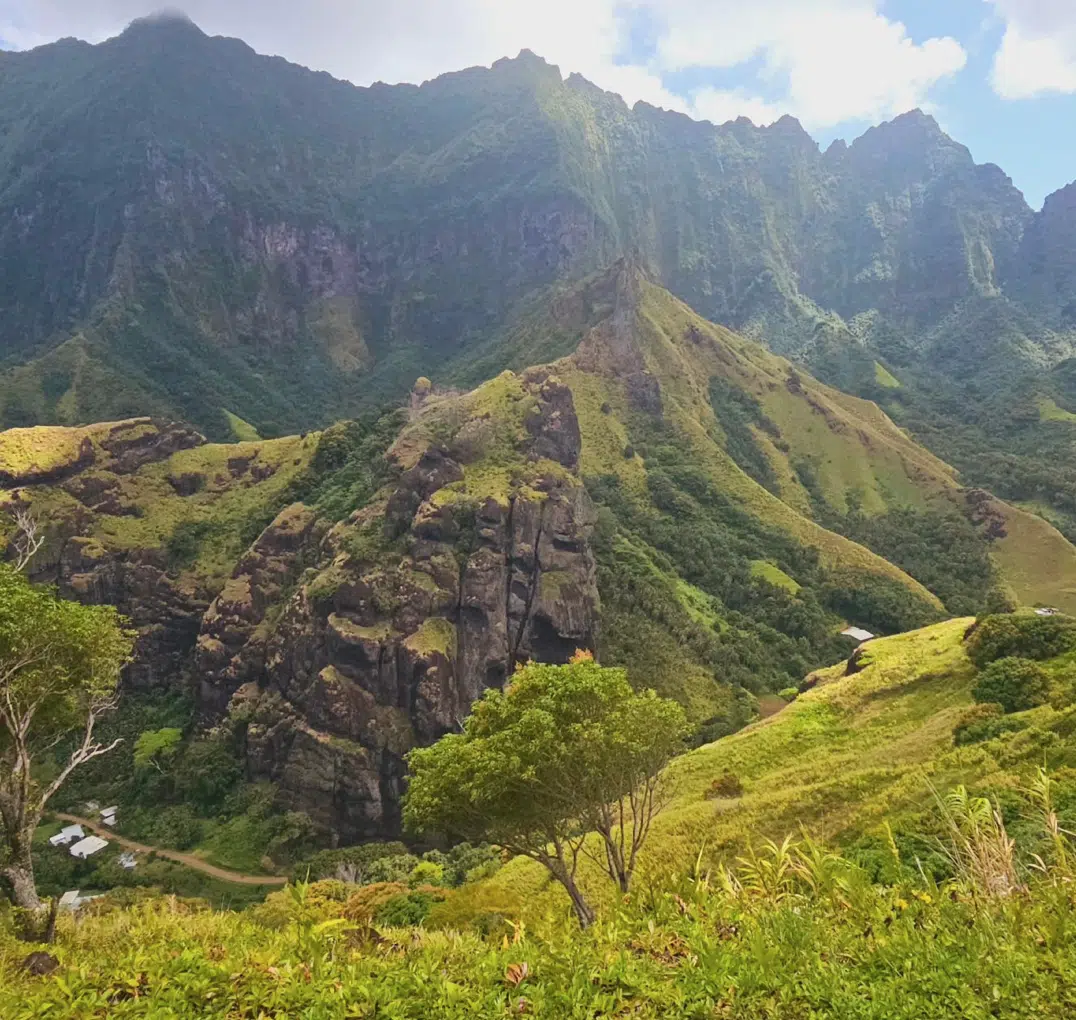
- Details: Visit the Vaiea Waterfall (also known as Cascade de Vaiea), where you can take a refreshing swim in the natural pool below. The walk to the waterfall takes you through scenic forested areas and up narrow trails, making a guide highly recommended.
- Booking: Book a guide through Hanavave guesthouses or local guides in the village.
- Duration: 3 hours round-trip.
- Insider Tip: Bring water shoes, as the rocks near the waterfall are slippery.
Cultural Tour in Omoa
- Cost: €20 ($22 USD) per person.
- Details: Visit Omoa Village’s handicraft centers to learn about traditional tapa cloth-making and wood carving. This tour offers an intimate look at Marquesan art and craftsmanship, with artisans sharing their knowledge and stories.
- Booking: Available through the main guesthouses in Omoa.
- Duration: 1-2 hours.
Tips for getting to Fatu Hiva
Reaching Fatu Hiva is neither easy nor cheap, just as difficult as for Ua Pou.
Here’s what you need to know about flights and the cruise option for getting to Fatu Hiva Island.
Flights to the Marquesas
There is no airport in Fatu Hiva, but you can reach the nearby island of Hiva Oa by air.
Air Tahiti operates regular flights from Tahiti (Papeete) to Hiva Oa, with a travel time of about 3 hours.
From Hiva Oa, you can take a boat or organize a private transfer to Fatu Hiva, though it’s worth noting that boat transfers can be sporadic and should be planned well in advance.
Flight prices from Tahiti to Hiva Oa typically range from €350-500 ($370-530 USD) for a round trip.
INSIDER TIP: Book your flights with Air Tahiti as far in advance as possible, especially if you’re traveling during peak season (June to August), when flights sell out quickly.
The Aranui 5 Cruise: A journey to paradise

One of the most unique and unforgettable ways to reach Fatu Hiva is by taking a cruise aboard the Aranui 5, often called the “FREIGHTER TO PARADISE.”
This 12-day trip offers a one-of-a-kind experience, combining luxury with the adventure of a cargo ship.
Route and Highlights: Aranui 5 visits all six inhabited islands of the Marquesas archipelago, with Fatu Hiva Island as the highlight destination.
Cost: Prices for the 12-day cruise start at €3,000 ($3,200 USD) per person for a standard cabin.
Booking: Reservations can be made at the Aranui website aranui.com.
INSIDER TIP: For the best views of the islands, request a cabin on the port side of the vessel. This side of the ship offers the most scenic views as the Aranui 5 approaches each island, allowing you to capture amazing Instagram pictures from your cabin.
Simply fill in the form below to get a FREE QUOTE from trusted local travel specialists who know the islands inside out.
It only takes 60 seconds, and you’ll receive custom itineraries and pricing directly in your inbox or WhatsApp within
48 hours.
Free of charge. No pressure. No obligation.
*Our trusted local partners create every itinerary with care. We kindly ask that you submit a request only if you’re considering traveling.
Guesthouses and small hotels in Omoa
The village of Omoa offers a small selection of guesthouses, where you can spend the night.
These accommodations are family-run and only provide basic amenities, such as a bed, shared bathroom facilities, and meals featuring local cuisine.
Prices range from €60-80 ($65-85 USD) per night.
Booking: These guesthouses do not have an online presence, so it’s best to book through local contacts, by calling the guesthouse.
History and Culture of Fatu Hiva
When you go to Fatu Iva, you should know its history to appreciate the remoteness and nature of the west and east coast) even more!
Early Polynesian Settlers
Fatu Hiva has a long history rooted in Polynesian culture, with its first inhabitants arriving from Western Polynesia.
These early settlers brought unique customs, art, and skills, influencing the island’s culture for centuries.
DID YOU KNOW: Inhabitants of Fatu Hiva Island fled to the Tuamotu archipelago due to tribal rivalries even before European colonial forces and missionaries arrived?
Thor Heyerdahl’s Year on Fatu Hiva
In 1937, Norwegian explorer Thor Heyerdahl and his wife Liv made Fatu Hiva their temporary home, living on the island for a year and a half to experience the traditional Polynesian way of life.
Thor Heyerdahl later documented his time in the book Fatu Hiva: Back to Nature.
However, because of the outbreak of World War II, it was never translated and was forgotten.
Heyerdahl will always be famous for his Kon-Tiki expedition, where he sailed 4,300 miles (8,000 km) by raft from South America to the Tuamotu Islands.
Isla Magdalena: A Name from Spanish Explorers
In the 16th century, Spanish explorers reached Fatu Hiva and named it Isla Magdalena (“Magdalene Island”).
While this name is not anymore used today, it marks a period in colonialism when European exploration discovered islands in the South Pacific.
Despite these outside influences, Fatu Hiva has maintained much of its original culture, especially in art and traditional crafts.
Tapa Cloth: An Ancient Art Form
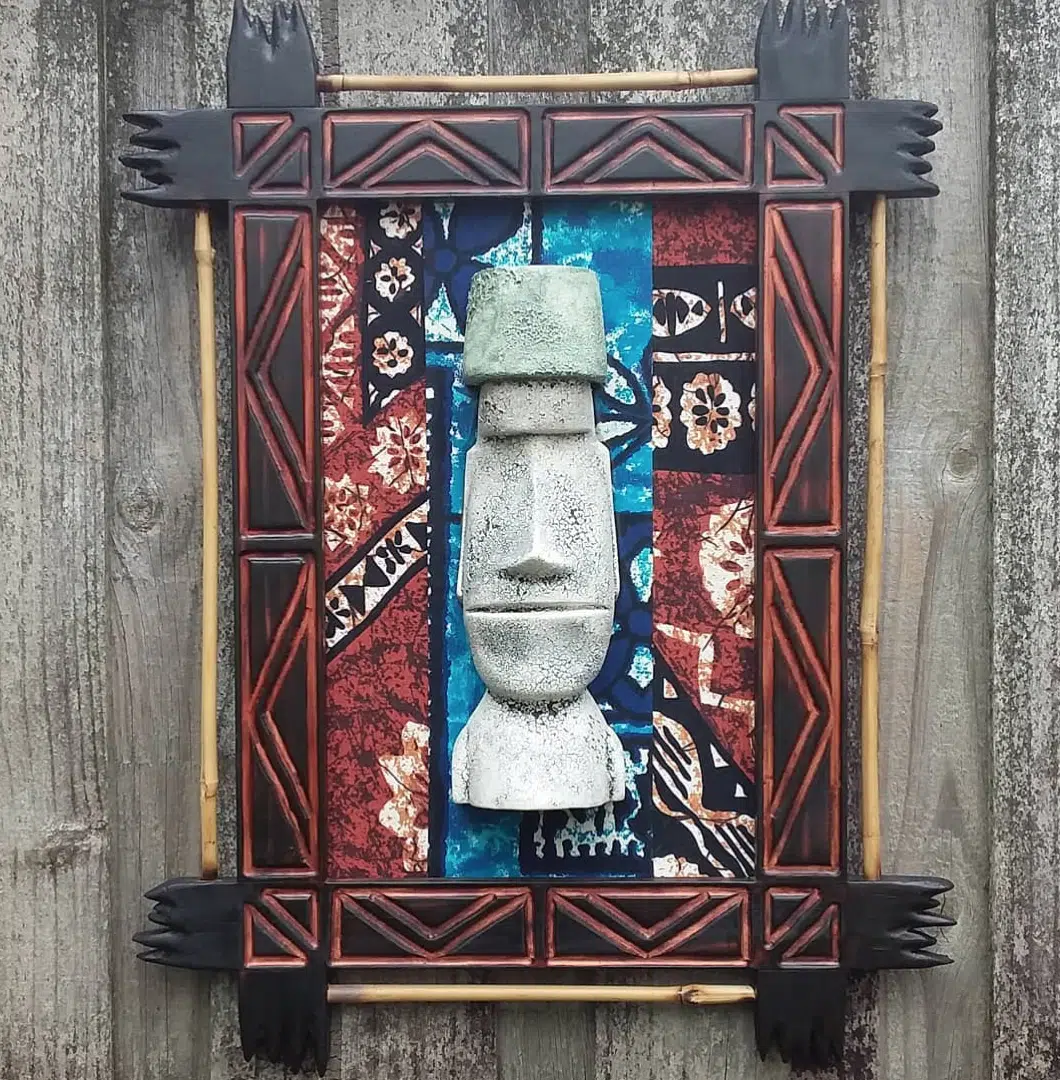
Fatu Hiva is known as the island of TAPA CLOTH, where local artisans practice the ancient art of tapa-making—a skill that has largely been forgotten on many other islands in the Marquesas.
This involves transforming bark fibers into cloth with designs.
Tapa cloth is typically made by “mamas” (the women of the community), who not only process the plant fibers but also paint designs, often inspired by ancestral Marquesan tattoos.
INSIDER TIP: Tapa cloth from Fatu Hiva is one of the most authentic souvenirs you can bring back from the Marquesas.
Umuhei and Monoi: The Fragrances of Fatu Hiva
Beyond tapa, the women of Fatu Hiva also create umuhei—floral crowns and garlands infused with aromatic flowers.
These are believed to have aphrodisiac qualities and are prized for their scents that linger in the hair.
Another product from the island is monoi, a fragrant oil crafted from sandalwood and coconut. Known for its moisturizing properties, monoi is a traditional Polynesian beauty product that’s highly valued for its soothing, luxurious aroma.
Cultural Significance of Tattoos
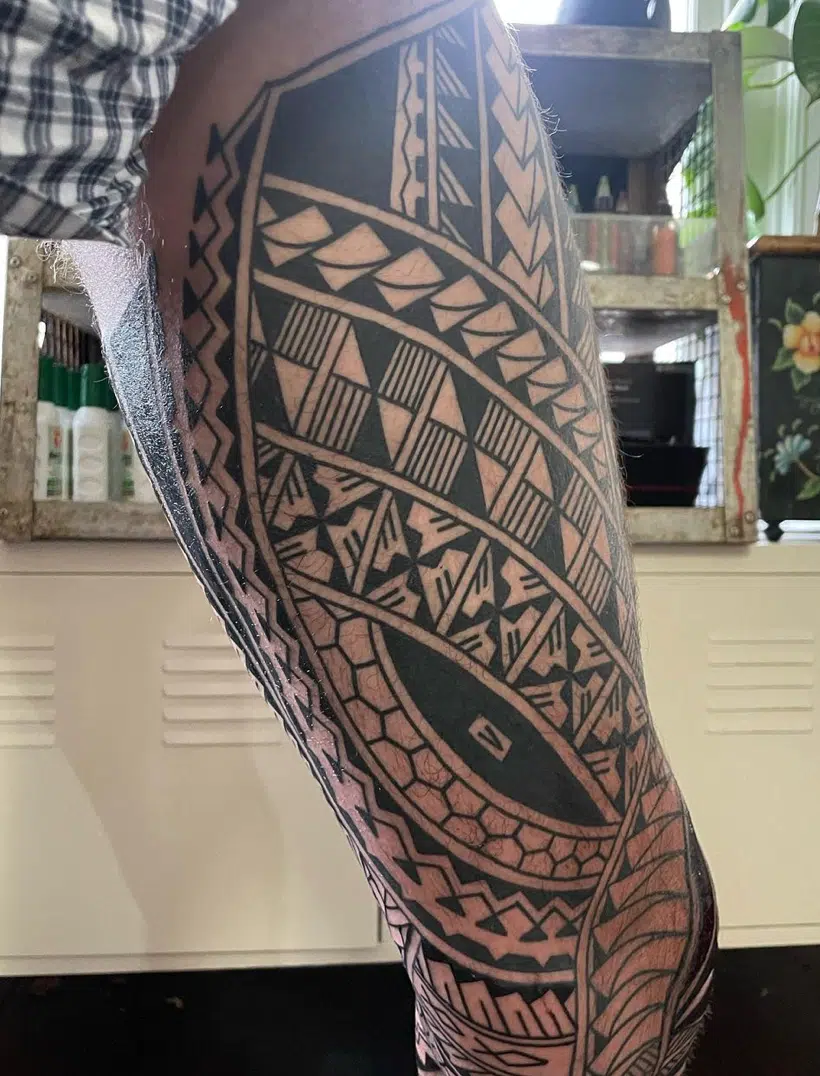
The designs on Fatu Hiva’s tapa cloth often draw inspiration from Marquesan tattoos.
Marquesan tattoos are rich in symbolism, with patterns that reflect family lineage, island landscapes, and spiritual beliefs.
Natural beauty of Fatu Hiva Island
Fatu Hiva Island is famous for its unspoiled natural beauty.
One of the most picturesque spots on the island is Hana Vave, a bay on the west coast known for its stunning natural beauty and dramatic rock formations.
The island’s rainforests are alive with species like the Red-tailed Phaeton, the Marquesas Monarch, and the endangered Hawaiian Duck.
Underwater, the reefs are filled with corals and fish, such as dolphins, whales, and sea turtles.
Best time to visit Fatu Iva
The best time to visit Fatu Hiva is from May to December, which is a high season for travel in the Marquesas Islands.
During this period, the weather is dry with almost no rainfall, making it the perfect time for a visit.
Temperatures: The average maximum temperature during high season is around 28°C (82°F), with daytime highs reaching up to 29°C (84°F) in December and slightly cooler lows at night, around 23°C (73°F).
While the Southern Marquesas, including Fatu Hiva Island, tend to be more humid, the Northern Marquesas experience a slightly drier climate.
Humidity: The humidity is moderate to high during the high season, averaging 70% to 80%.
While the humidity is more comfortable than the wet season, but it still feels warmer, especially in the Southern Marquesas, including Fatu Hiva.
Simply fill in the form below to get a FREE QUOTE from trusted local travel specialists who know the islands inside out.
It only takes 60 seconds, and you’ll receive custom itineraries and pricing directly in your inbox or WhatsApp within
48 hours.
Free of charge. No pressure. No obligation.
*Our trusted local partners create every itinerary with care. We kindly ask that you submit a request only if you’re considering traveling.
Conclusion
There you have it—all you need to know about Fatu Hiva Island to enjoy your stay!
Let us know about your stay in the comments!