

Welcome to Lake Worth Inlet in Florida.
Famous for being a wide and deep channel and a dive spot at the Blue Heron Bridge, the question remains: how can you navigate the inlet safely?
Let’s take a look.
Lake Worth Inlet: What’s in a name?
Lake Worth Inlet is now known as the Palm Beach Inlet in north Palm Beach, Florida.
It is an artificial channel through a barrier island that connects Lake Worth Lagoon with the Atlantic Ocean.
Historically, the name “Lake Worth” referred not only to the lagoon itself but also to the communities surrounding it.
In the 1800s, Lake Worth was a FRESHWATER LAKE.
It’s a famous place where vacationers have an extra holiday house. Lake Worth Inlet is even been visited by people staying in an RV park a few hours away!
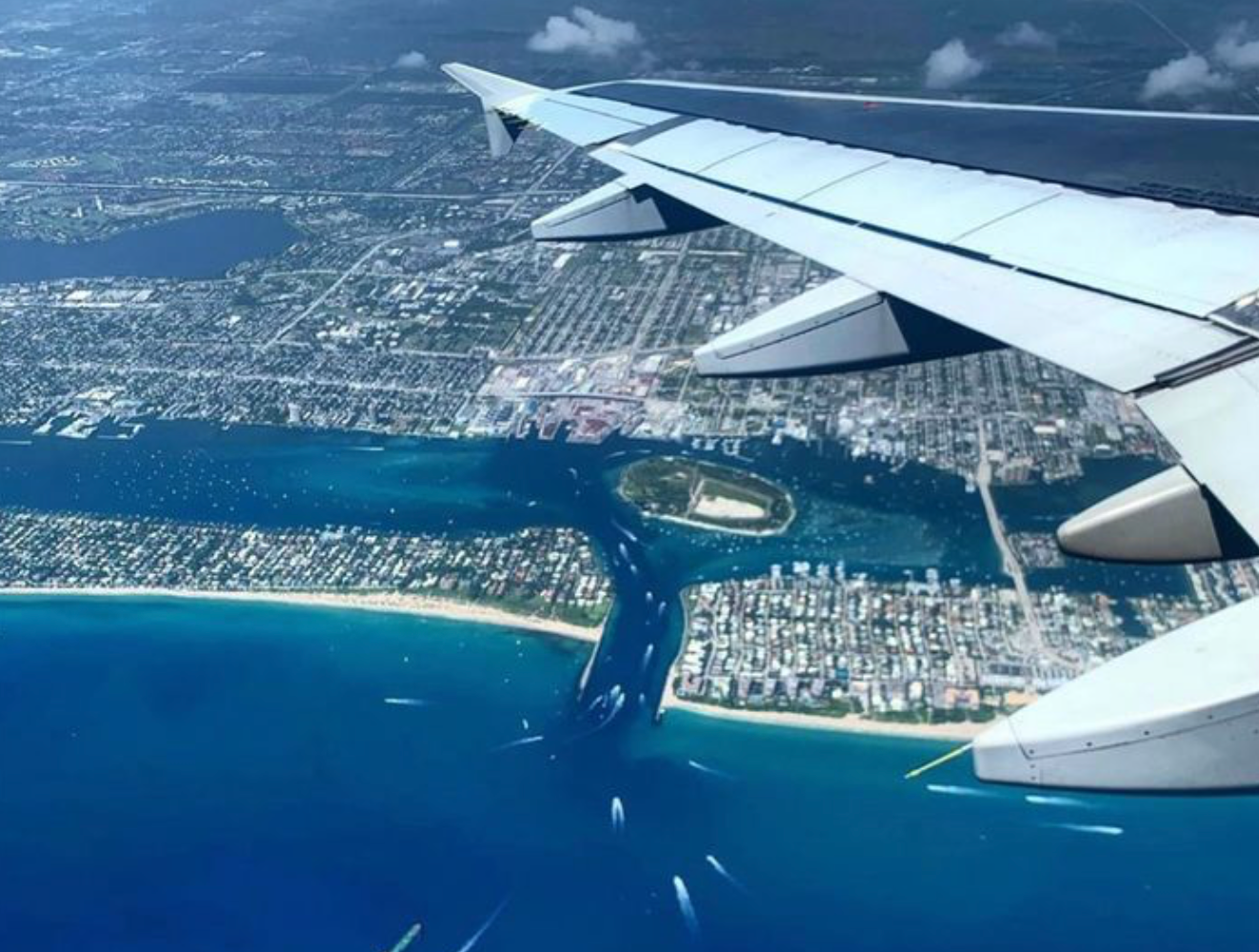
By the end of the century, settlers began creating small inlets to connect it with the ocean, transforming it into a tidal lagoon.
In 1894, Henry Flagler, a key figure in Florida’s development, funded the expansion of this inlet.
Palm Beach County has since played a significant role in its development and maintenance, including constructing a sand transfer plant that pumps sand to maintain the natural coastal dynamics.
The Lake Worth Inlet has long been known for its challenging navigation.
In historical accounts, the expedition party aboard the schooner “Margaret” faced high winds, making entry difficult. Today, it remains a vital passage for commercial and recreational vessels, but its navigation has been much easier (more on this below).
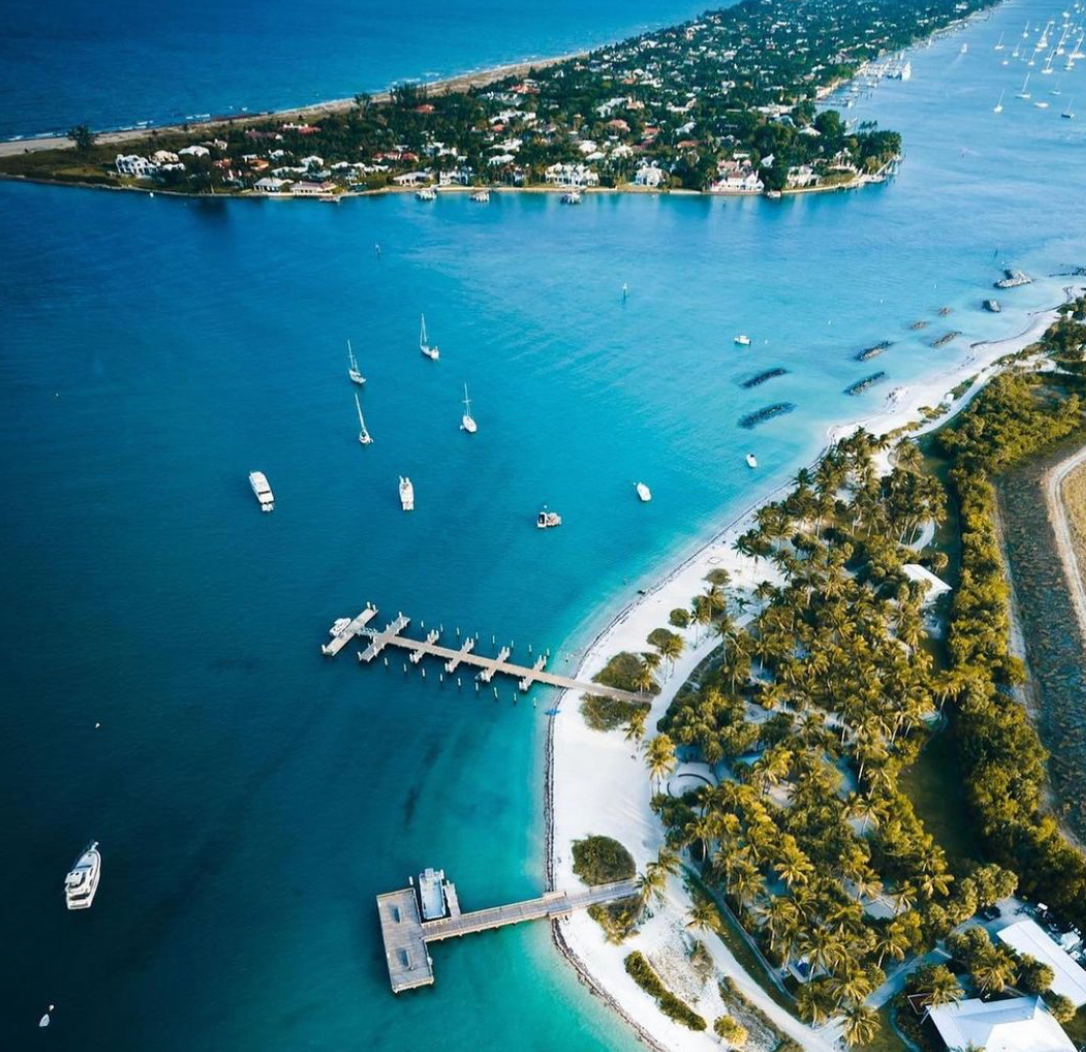
Overview of Lake Worth Inlet
1. Key features of the inlet
Lake Worth Inlet has one of the most straightforward entries on the Atlantic coast.
The inlet’s strategic location is roughly midway between Fort Pierce Inlet (85 km / 53 miles to the north) and Port Everglades (64 km / 40 miles to the south), making it a popular stop for commercial and recreational vessels.
The nearby Gulf Stream, a central ocean current, is closer to this point on the U.S. coast than anywhere else, sometimes just 1 mile (1.6 km) offshore, but usually about 8 to 12 miles (13 to 19 km) out.
2. Approach to Lake Worth Inlet Fl
Use NOAA Chart 11472.
The Lake Worth Lighted Buoy “LW” is at latitude N 26° 46.355′ and longitude W 080° 00.602′, approximately 2 kilometers (1.1 nautical miles) east of the inlet’s jetties.
For vessels approaching from the Intracoastal Waterway (ICW), continue around the west side of Peanut Island to the Turning Basin.
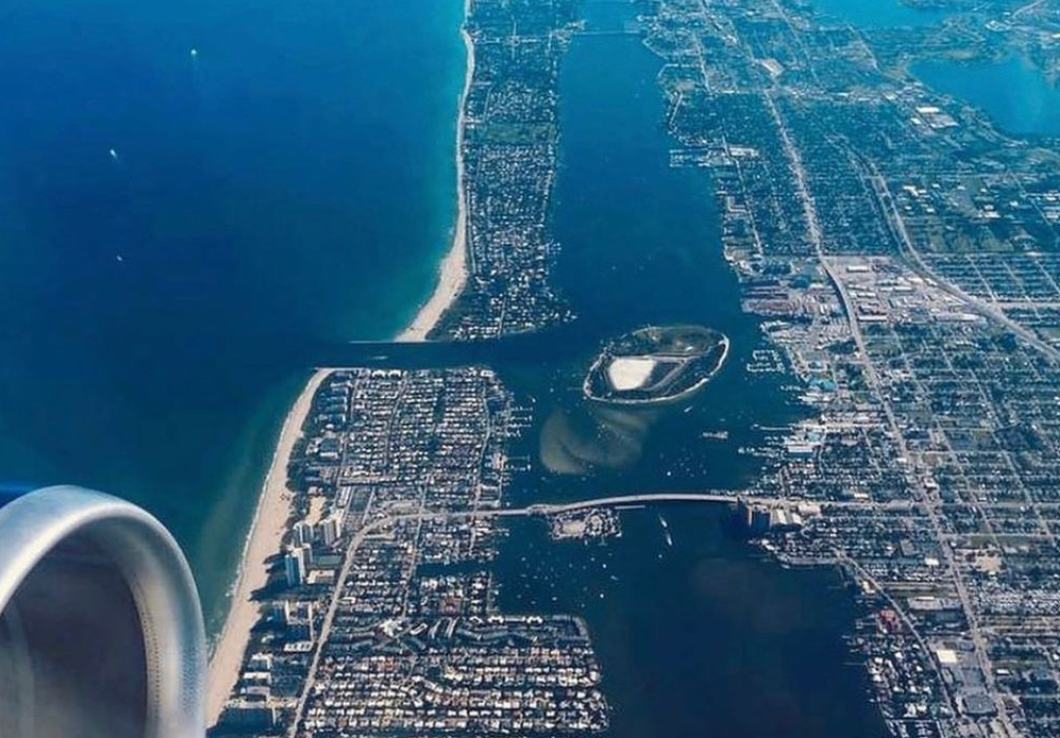
From there, red and green buoys mark the channel, and with a range positioned on Peanut Island to bring you in on the centerline, the channel is wide enough to accommodate large ships and deep-draft vessels.
Insider Tip: The channel depth can vary due to currents and sediment. Check local NOTAMs (Notice to Mariners) or contact the Port of Palm Beach for the most up-to-date depth information.
Local Notices to Mariners are available online from the U.S. Coast Guard.
To exit the port, proceed along the Intracoastal Waterway (ICW) around the western side of Peanut Island until you reach the Turning Basin.
From there, enter the main channel of the Lake Worth Inlet and follow it out to the Atlantic Ocean. The channel is deep and clearly marked for safe navigation.
3. Navigation and hazards
Lake Worth Inlet is directly connected to the ICW at Mile 1027, making it an ideal choice for vessels navigating inland and ocean routes.
The U.S. Coast Guard designates both fixed and moving security zones around the Port of Palm Beach to ensure the safety of passenger vessels, such as cruise ships, as well as ships transporting hazardous materials or dangerous cargo.
These zones are established to prevent unauthorized access and maintain a secure perimeter around these vessels while docked or in transit.
However, it is essential to be aware of the Coast Guard’s security zones, which are frequently activated to protect passenger ships, hazardous cargo vessels, and other giant crafts.
These zones include a 100-yard (91-meter) restricted area around such vessels.
When entering the port, monitor VHF Channel 16 to stay informed about any moving security zones that may temporarily restrict passage.
4. Customs and immigration
For vessels returning from the Bahamas, Lake Worth Inlet offers a Customs and Immigration checkpoint.
This convenience makes it one of the few inlets in the area equipped to handle international arrivals.
Boaters are advised to check with the U.S. Customs and Border Protection (official site here) for hours of operation and required documentation.
5. Live monitoring and updates
For real-time conditions, visit the Lake Worth Inlet Webcam.
This live feed gives you visual updates on the inlet, helping mariners assess traffic, visibility, and weather before entry.
6. Cautions for boaters
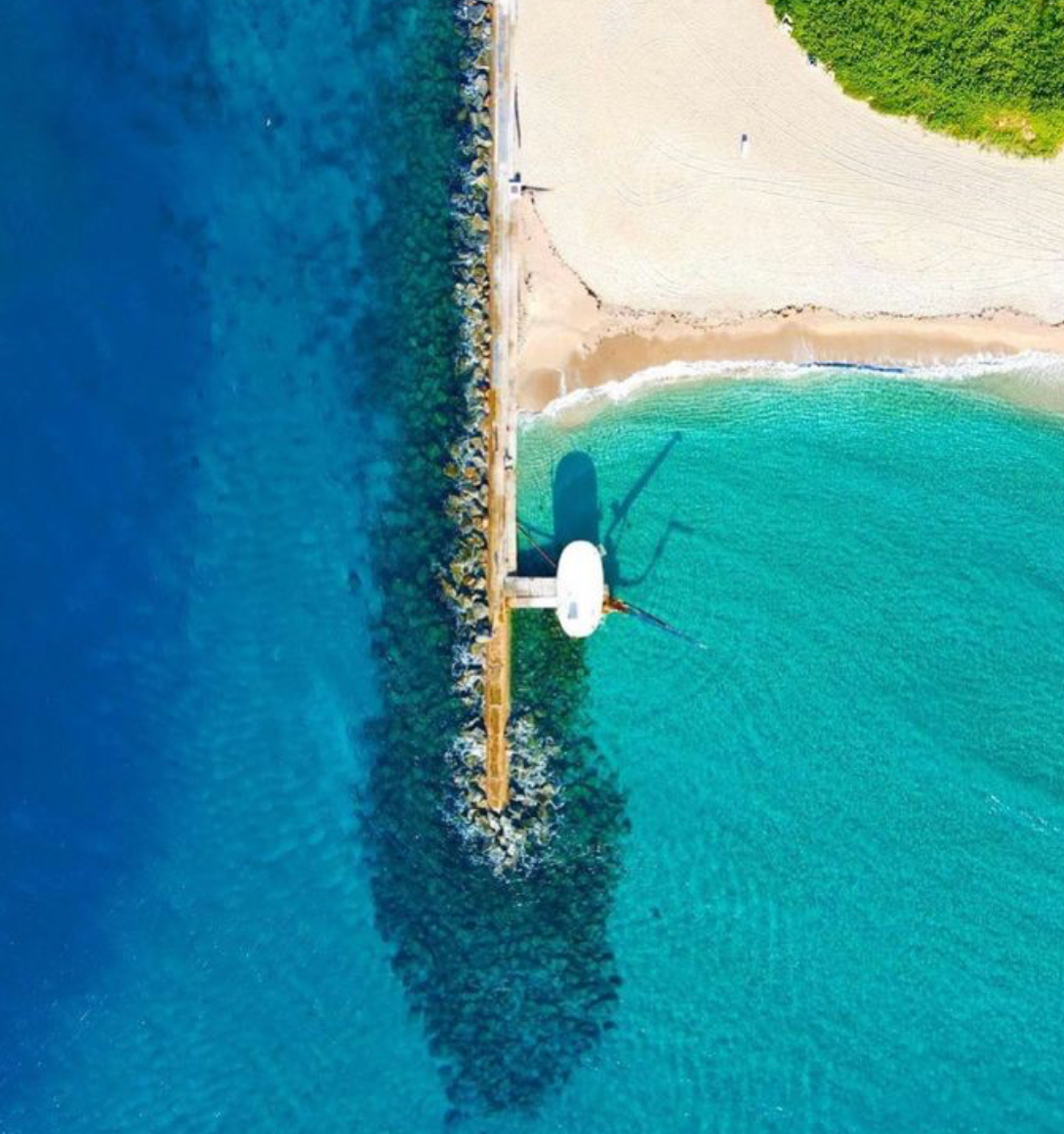
If you are a boater, you should be careful around the inlet, as strong currents and changing tides can create turbulent conditions, especially near the jetties.
Maintain communication on VHF Channel 16 and stay updated on security restrictions when navigating near the Port of Palm Beach.
7. Travel Tips for Boaters
Navigating Lake Worth Inlet requires a keen eye and adherence to marked navigation buoys.
These buoys guide you through the entrance channel, helping you avoid potential hazards.
The inlet is a haven for marine life, including manatees and sea turtles, especially around Blue Heron Bridge.
Speed limits within the inlet are enforced to ensure safety.
The speed limits inside Lake Worth Inlet are regulated by the Florida Department of Transportation (FDOT).
For detailed information on local speed limits and regulations, you can refer to the FDOT Speed Limit FAQ page.
Marinas and Fuel Stations
The Lake Worth Inlet is well-equipped with several marinas and fuel stations.
On the south side of the inlet, Palm Beach Marina provides fuel, dockage, and repair services.
Lake Worth Marina offers similar services on the west side, including fuel, dockage, and storage options.
Further on, you also have Boynton Inlet Marina with fuel, dockage, and repair services.
GOOD TO KNOW: The Boynton Inlet gives you fast access to the Atlantic Ocean and nearby dive locations!
Conclusion
Lake Worth Inlet, now known as the Palm Beach Inlet, evolved from a small, manually dug opening in the 1800s into a strategic maritime passage connecting the Lake Worth Lagoon to the Atlantic Ocean. Initially widened and deepened through efforts by local settlers and Henry Flagler, the inlet has since undergone numerous modifications to support its role as a vital commercial and recreational waterway.
Today, it is characterised by its broad, well-marked, and deep channel, providing a safe entry point for vessels travelling along the Florida coast. With proximity to the Gulf Stream, direct access to the ICW at Mile Marker 1019, and the convenience of a Customs and Immigration checkpoint, it is a crucial stop for boaters returning from the Bahamas.
Despite Palm Beach Inlet’s ease of entry, swift currents and the traffic mix require careful navigation, especially during weekends and tide changes. The addition of security zones for large commercial vessels and cruise ships further highlights the need for vigilance when transiting this busy port.
For its historical significance, strategic location, and modern infrastructure, Lake Worth Inlet remains an essential gateway to Florida’s waterways and a fascinating piece of coastal history.