
As digital nomads who love exploring, we love admiring untouched nature. Sadly, we often find plastic or leftover foods on hiking trails.
Let’s take a look at the Leave no Trace Principle!
What is the meaning of “leave no trace”?

“Leave No Trace” means that you have respect for the natural environment and recognize that nature needs to remain untouched. The principle is quite famous and is being promoted by the Leave No Trace Center for Outdoor Ethics. You can always take a look at their website!
Essentially, it is a call to action for all who venture into the outdoors to conduct themselves in a manner that minimizes their impact on the land.
By adhering to the Seven Principles of Leave No Trace, we not only enrich our own outdoor experiences but also contribute to the preservation of these environments.
Leave No Trace Seven Principles
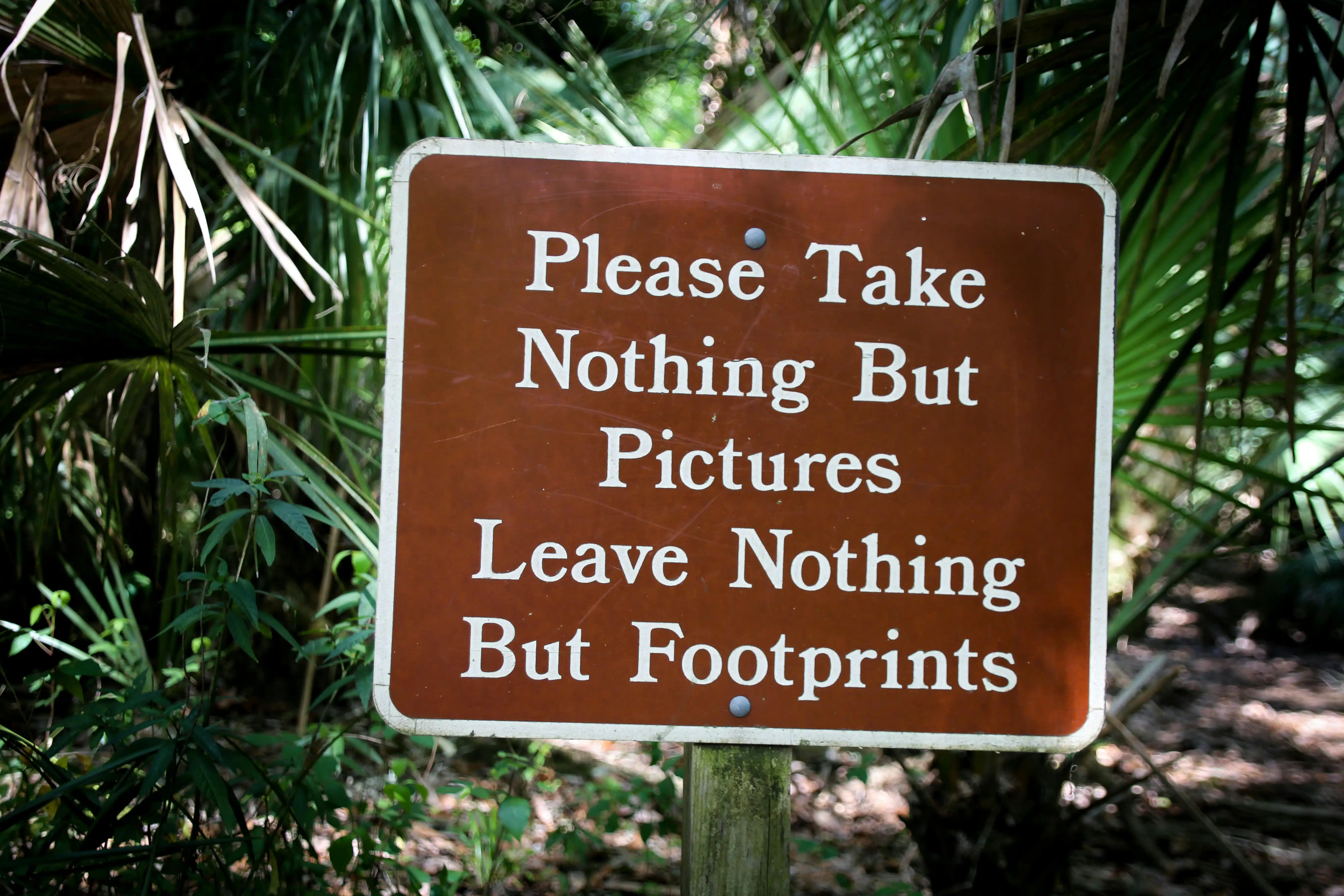
The leave no trace principle is quite straightforward, let’s take a look.
1. Plan Ahead and Prepare
 When you’re going on a hike, you should always plan ahead and prepare for your trip.
Important to know:
- Know the regulations and special concerns for the area you’ll visit.
- Prepare for extreme weather, hazards, and emergencies.
- Schedule your trip to avoid times of high use.
- Visit in small groups. Split larger parties into smaller groups.
- Repackage food to minimize waste.
- Use a map and compass to eliminate the use of rock cairns, flagging, or marking paint.
2. Travel and Camp on Durable Surfaces
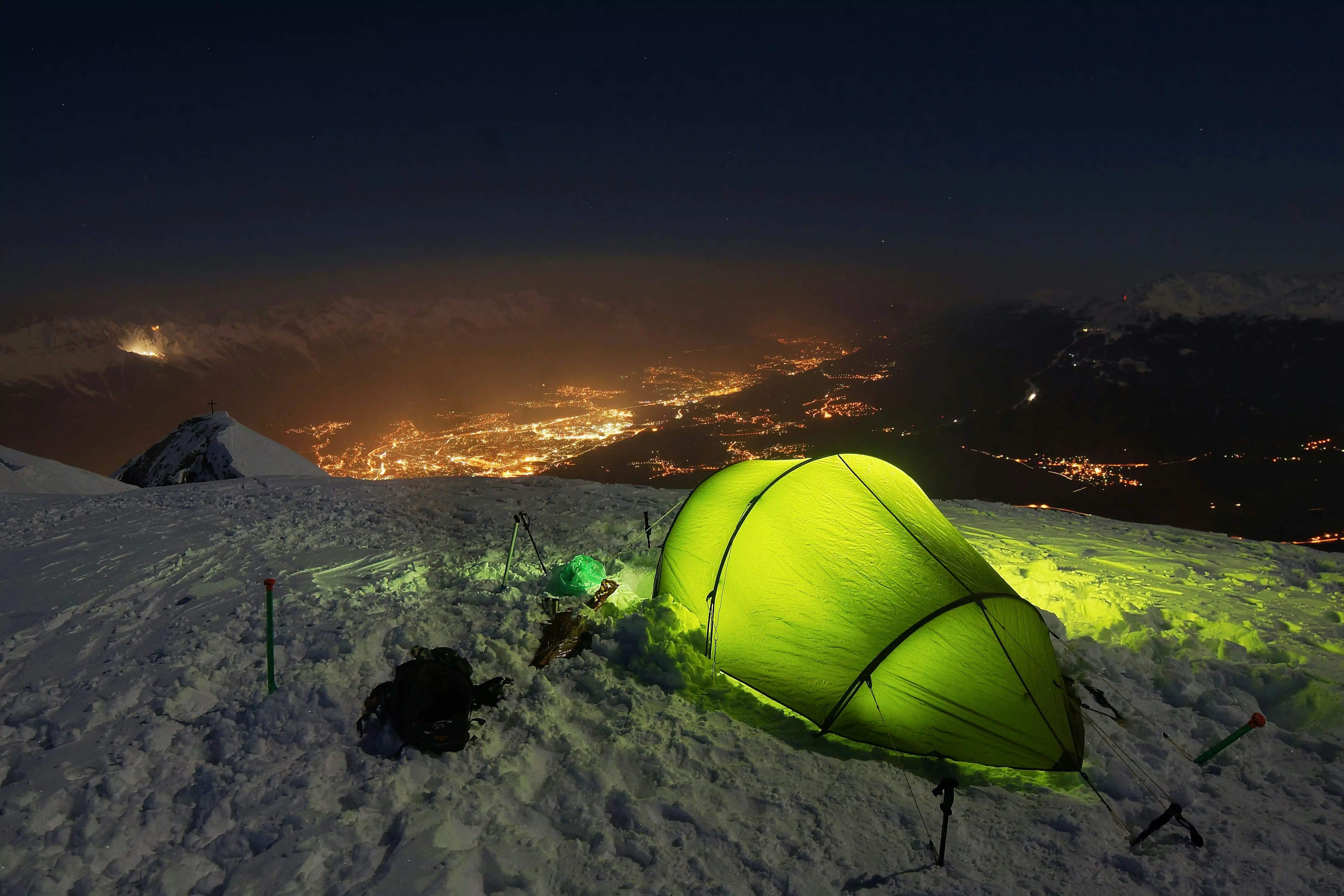
The goal is to minimize the impact on land by sticking to trails and camping at sites where there is waste disposal availavble.
You can minimize resource damage by using existing trails and selecting existing campsites or even sites designed for vehicles, such as RVs and big motorhomes.
Damage often occurs when surface vegetation or communities of organisms are trampled.
Important to know:
- Durable surfaces include paths, designated camping areas, rock formations, gravel beds, as well as parched grasslands or snow-covered terrain.
- Protect riparian areas by camping at least 200 feet from lakes and streams.
- Good campsites are found, not made. Altering a site is not necessary.
3. Dispose of Waste Properly
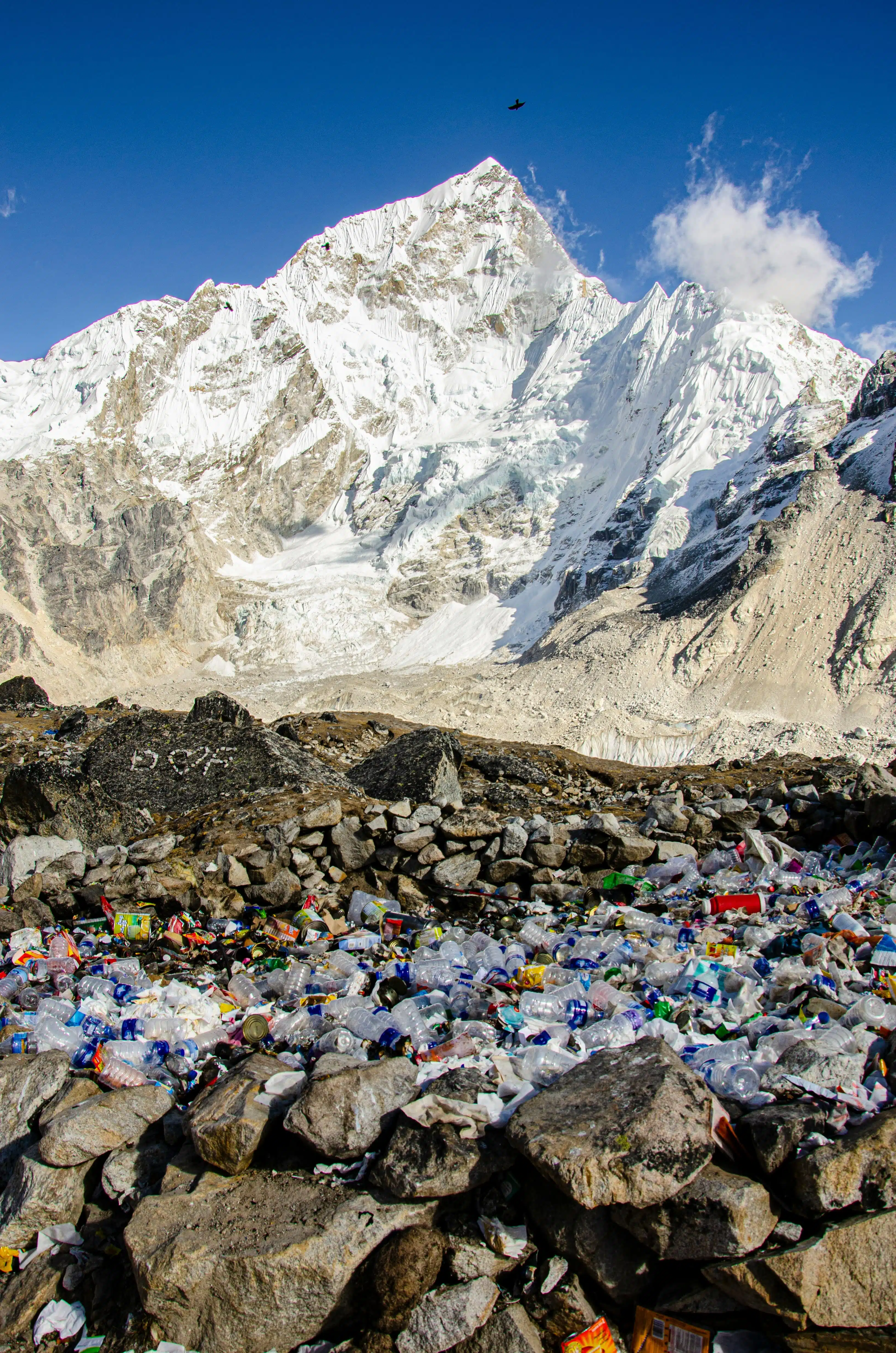
“Pack it in, pack it out.” This principle emphasizes the importance of removing all waste, including food scraps and litter, from natural areas.
In areas without facilities, we recommend bringing your own proper equipment for the disposal of human waste to prevent contamination of water sources and minimize the impact on wildlife. Please inspect your campsite for trash or spilled foods.
Important to know:
- Always adhere to the “pack it in, pack it out” principle. Thoroughly check your campsite and resting spots for any trash or spilled foods. Ensure all garbage, leftover food, and litter are taken with you. Do not burn trash.
- Dispose of human waste responsibly by using catholes. These should be dug 6-8 inches deep and located at least 200 feet away from any water sources, campsites, and trails. After use, cover the cathole carefully, deposit solid human waste and make it blend in with the surroundings.
- Toilet paper should be buried deep within a cathole or carried out with you, along with any personal hygiene products.
- When cleaning yourself or dishes, do so at a minimum distance of 200 feet from any streams or lakes. Opt for biodegradable soap and use it sparingly. Ensure dishwater is strained and scattered far from water sources.
4. Leave What You Find
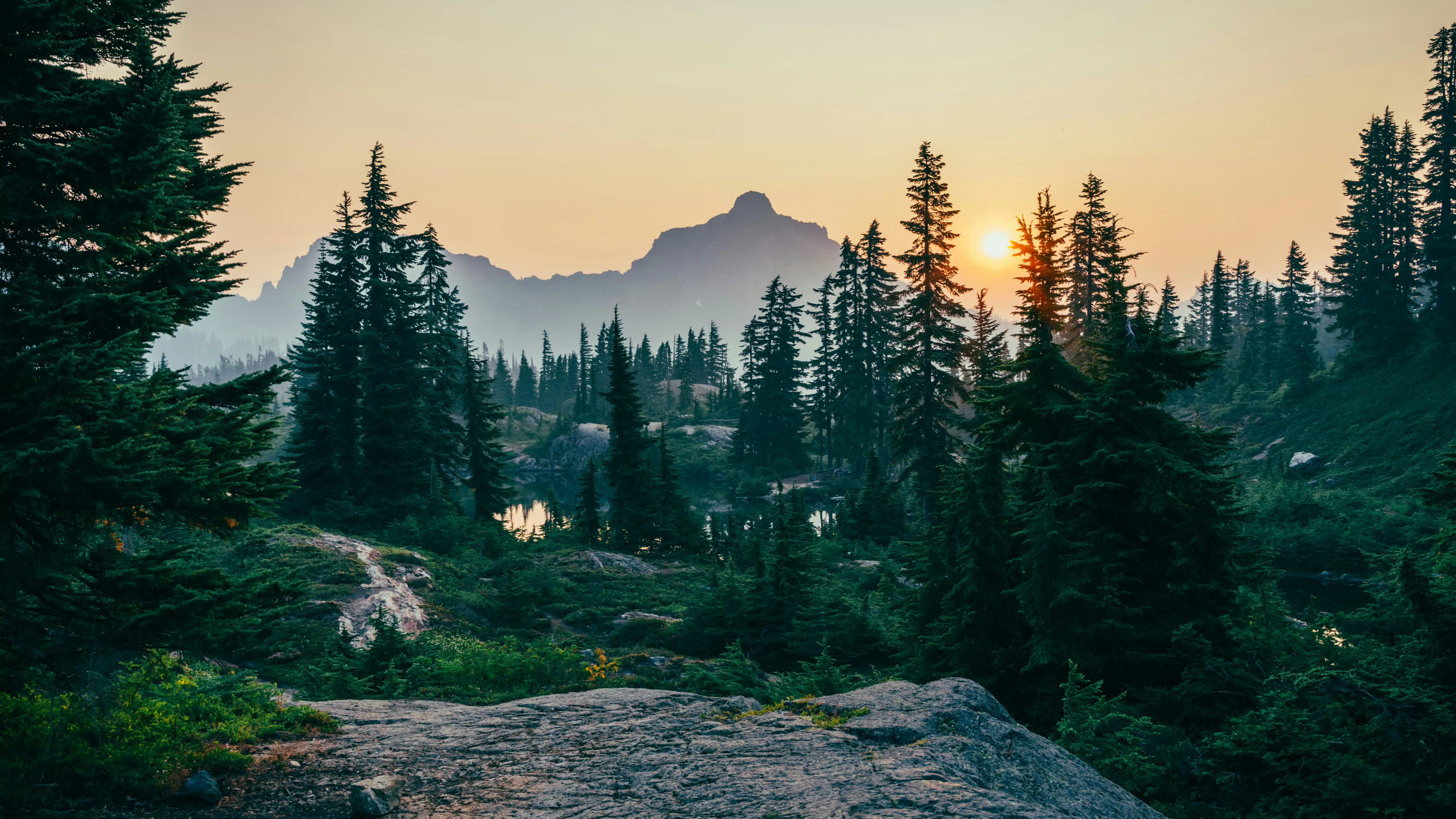
This principle encourages outdoor enthusiasts to preserve the natural state of wilderness areas by not taking plants, rocks, and historical artifacts. It also discourages campers from building structures or creating new campfires completely on sites with other natural objects.
Important to know:
- Preserve the past: observe cultural or historic structures and artifacts, but do not touch them.
- Leave rocks, plants, and other natural objects as you find them.
- Avoid introducing or transporting non-native species.
- Do not build structures, furniture, or dig trenches.
5. Minimize Campfire Impacts

Campfires, once essential for cooking and warmth, are deeply rooted in history and tradition.
Many campers can’t imagine camping without one.
Knowing how to build a campfire is crucial. However, excessive use of campfires and the growing need for firewood have harmed the natural beauty of many areas.
Important to know:
- Campfires can leave a lasting mark on nature. Opt for a lightweight stove for cooking and a candle lantern for illumination.
- Where fires are allowed, use established fire rings, and pans, or create mound fires.
- Maintain small fire sizes, using only hand-breakable sticks gathered from the ground.
- Ensure all wood and coals are burned to ash, thoroughly extinguish campfires, and then disperse the cool ashes.
6. Respect Wildlife

To further protect wildlife, it’s crucial to observe animals from a safe distance, secure your food and trash, and control pets, especially during sensitive times like mating, nesting, and raising young.
Moreover, it is also important to let nature’s sounds prevail. Keep your music boxes at home and enjoy the sound of nature.
7. Be Considerate of Other Visitors
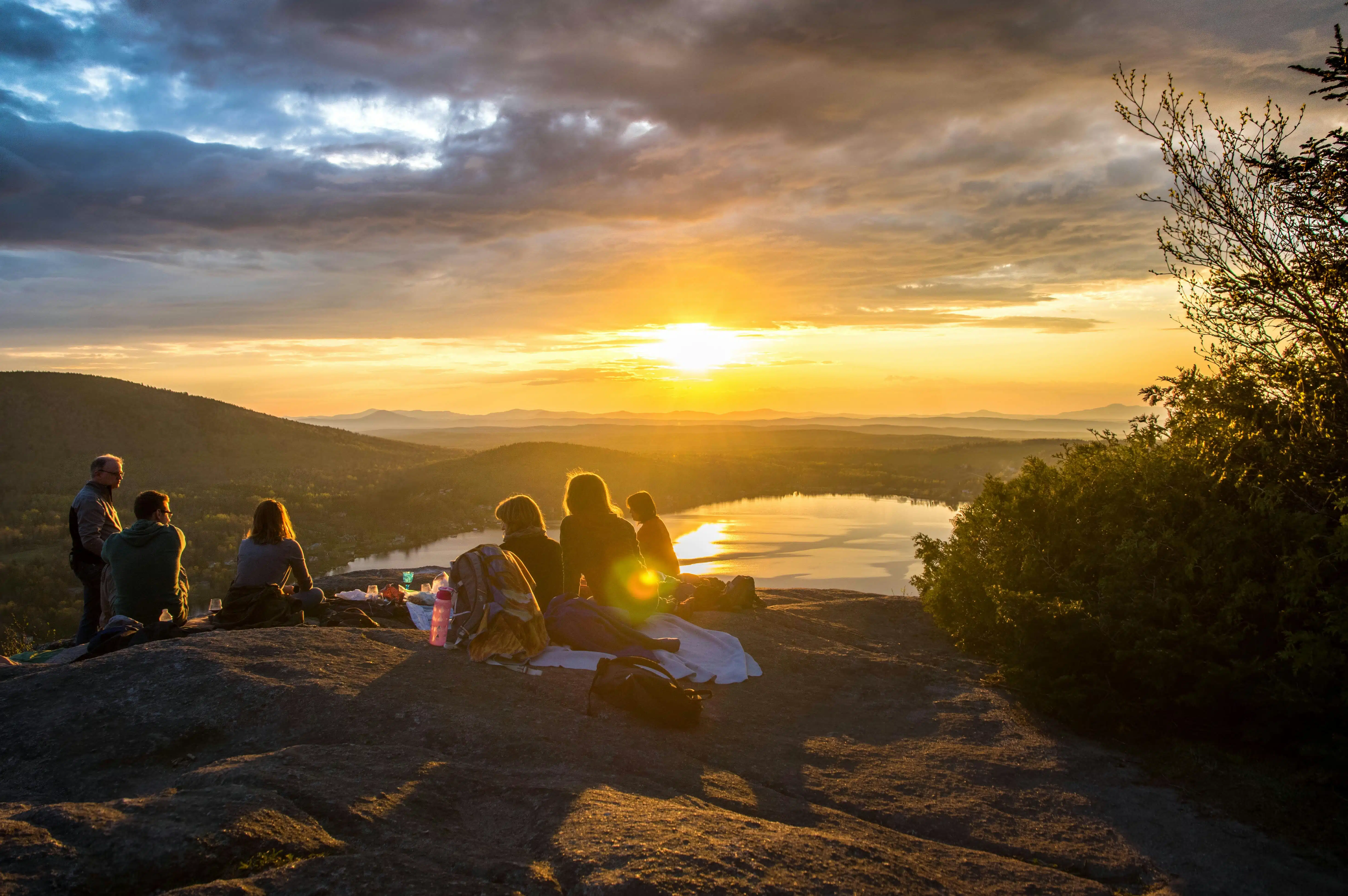
Leave no trace seven means that you should respect other visitors and protect the quality of their experience.
Travel and camp in small groups (no more than the group size prescribed by land managers).
Let nature and nature’s sounds prevail. Keep the noise down, letting nature’s sounds prevail, and leave radios, tape players, and pets at home.
Important to know:
- Observe wildlife from a distance. Do not follow or approach them.
- Do not feed animals. Providing food to wildlife alters natural behaviors, making them vulnerable to predators and various hazards.
- Control pets at all times, or leave them at home.
- Avoid wildlife during sensitive times: mating, nesting, raising young, or winter.
What is an example of the Leave No Trace policy?

An example of applying the Leave No Trace principle can be seen when hiking Mount Otemanu in French Polynesia.
Before setting out, you thoroughly plan your trip, researching the local ecological considerations and ensuring they’re prepared for the tropical climate and terrain.
You stay on the established trails under the protection of a guide to protect the island’s delicate ecosystem, avoiding the creation of new paths that could damage the flora and lead to erosion.
You carry all your rubbish with you, including organic waste such as fruit peels, to leave the environment as pristine as you found it.
You admire the unique tropical plants, wildlife, and historical artifacts without disturbing or removing them, preserving the island’s rich natural and cultural heritage.
Conscious of the tropical environment, you opt for portable stoves rather than making campfires, thus preventing the risk of forest fires and preserving the natural landscape.
Observing wildlife from a respectful distance, you avoid feeding animals to prevent altering their natural behaviors.
You keep noise levels down, enabling everyone to enjoy the sounds of the tropical wilderness.
Conclusion
There you have it, the seven leave no trace principles.
We hope you will adhere to them!