Welcome to Lousã, a beautiful mountain range in central Portugal.
Lousã is home to 27 schist (stone) villages, each with its own unique feature, but what is there to do?
By the end of this article, you’ll know if Lousã is worth visiting!
KEY TAKEAWAYS:
- Serra da Lousã Mountain Range: The Serra da Lousã is a mountain range that has stunning hiking trails, dense forests, and panoramic viewpoints like the Alto do Trevim.
- Schist Villages: Lousã is famous for its Schist Villages, such as Talasnal and Candal. They are known for their unique stone architecture, historic charm, and surroundings.
- Local Food: Lousã’s gastronomy is defined by hearty dishes like Chanfana (goat stew), with locally-sourced herbs and ingredients.
History of Lousã
Early origins
Lousã has quite a rich history, even dating back to the ROMAN era.
Archaeological evidence suggests that the region served for settlements due to its strategic position along trade routes.
The name “Lousã” comes from the Latin term ‘Lausana’, which means ‘forested region’.
Medieval heritage
Lousã was also an important region during the Middle Ages. Many of its medieval roots are still reflected in its castles and churches.
For example, you have the famous Castelo da Lousã (Lousã Castle), constructed around the 11th century to defend against Moorish incursions. Over centuries, it transformed into a symbol of Christian Reconquest (more on this below)
Schist villages
Lousã’s history is closely linked to its SCHIST VILLAGES (look below).
These settlements, built with LOCAL SLATE, became thriving communities during the Middle Ages.
Each village has a unique story, showing rural life and ancient agricultural practices. We list the most important ones for you below!
Modern developments
Lastly, by the 19th century, Lousã flourished as a center of TEXTILE PRODUCTION.
Today, Lousã is famous for its eco-tourism, nature trails and nature conservation effots.
For more on Lousã’s history, visit the Lousã Municipality Website.
Now, let’s take a look at why Lousã is so famous worldwide!
Best schist villages to visit
The Schist Villages of the Serra da Lousã are a must-visit for you if you come to Central Portugal! I’m sorry but you have to see these charming little villages.
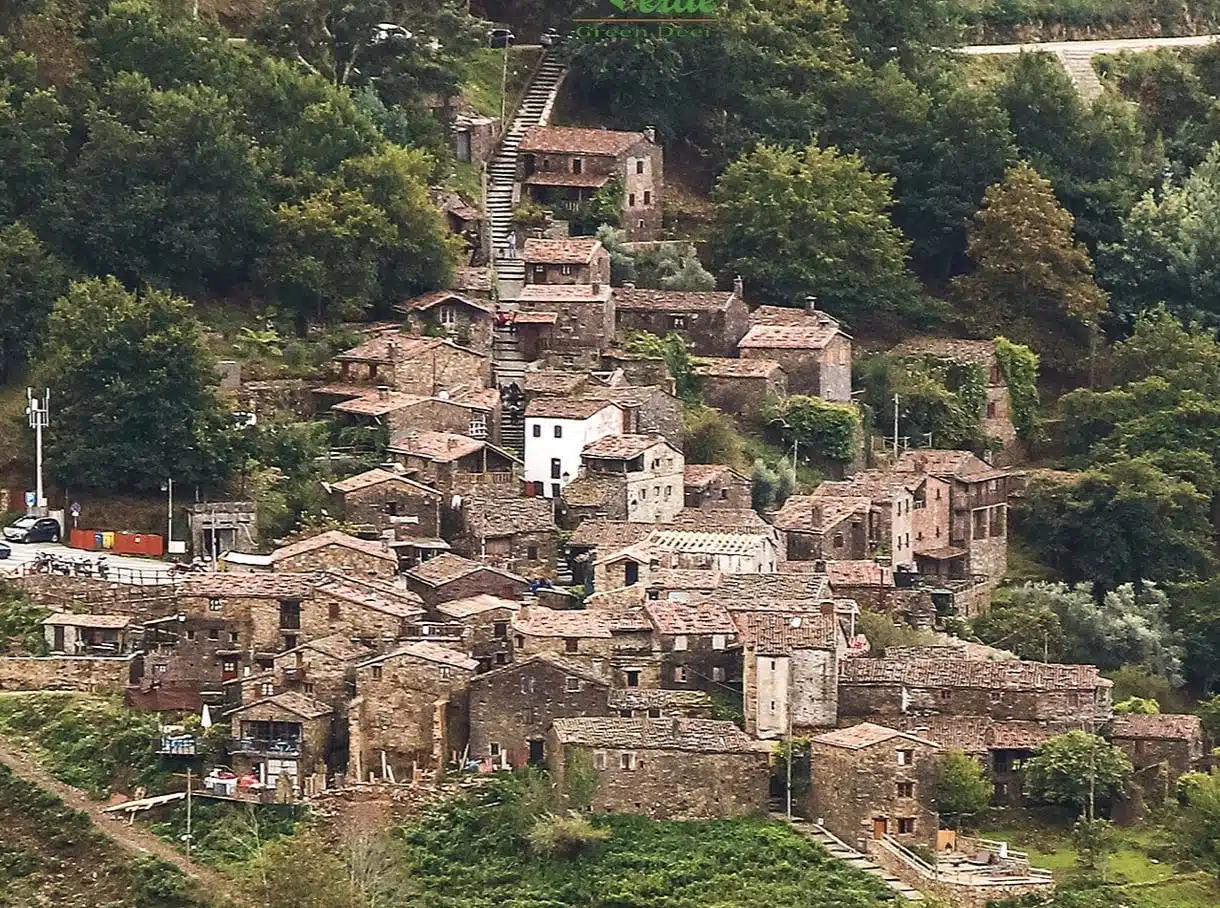
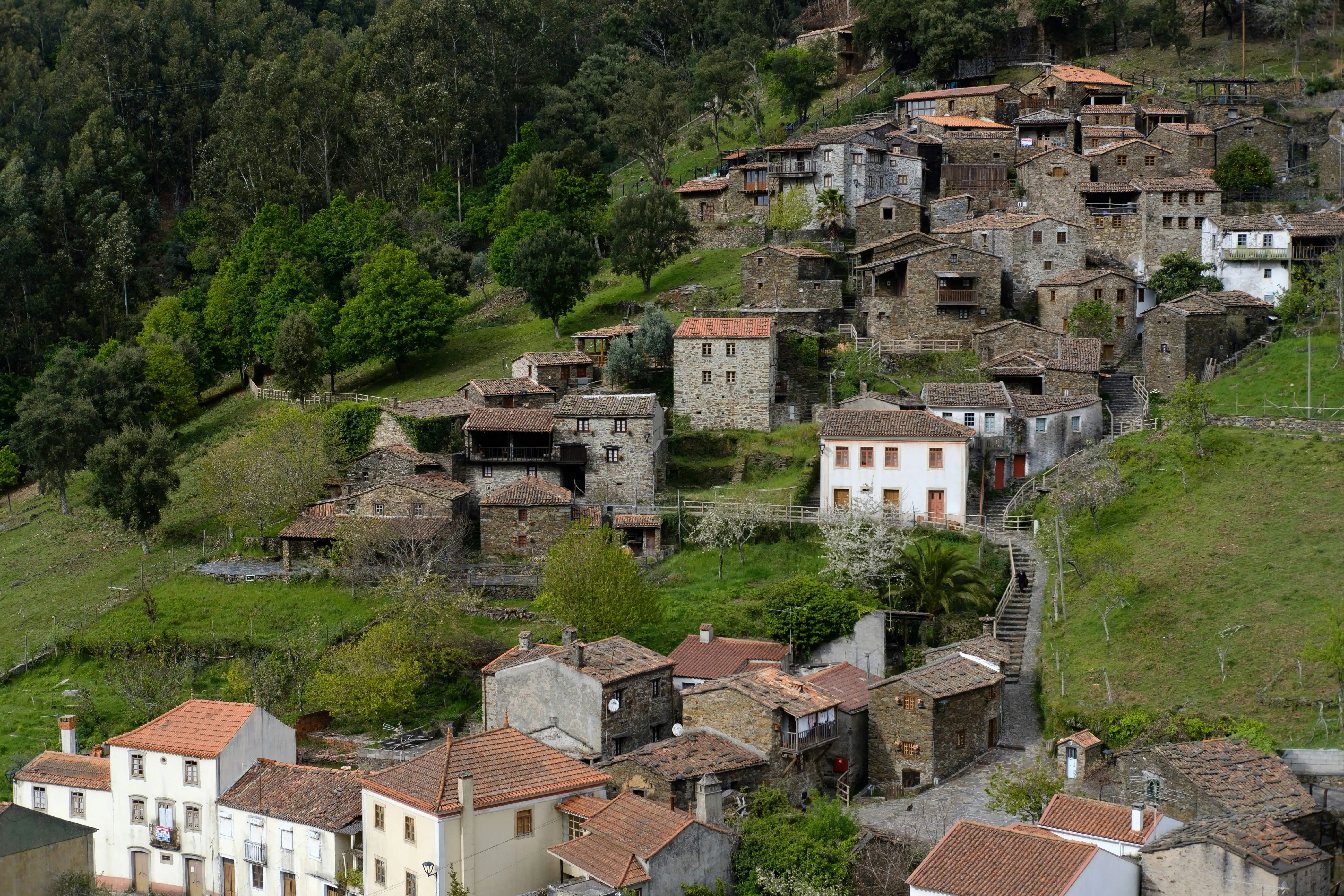
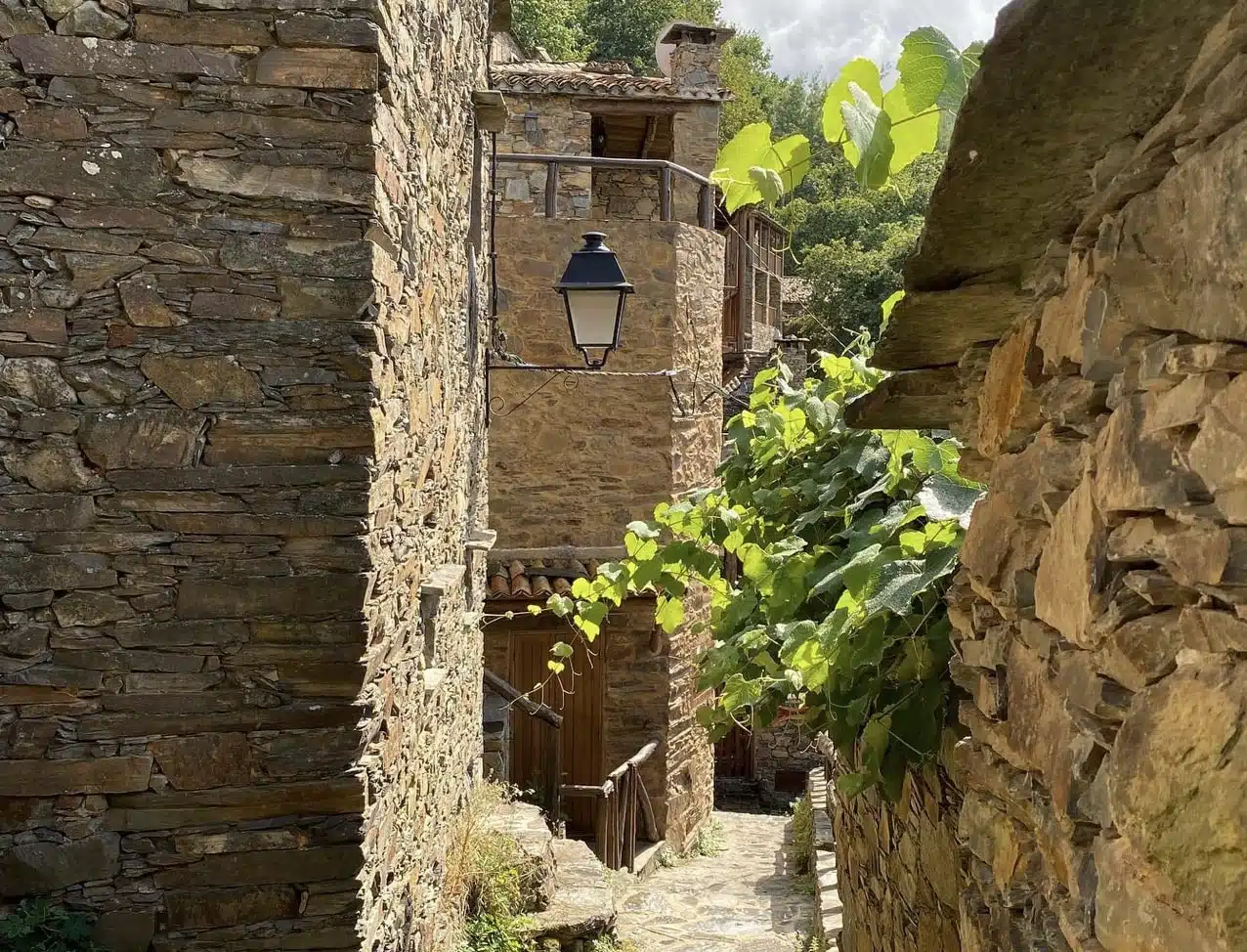
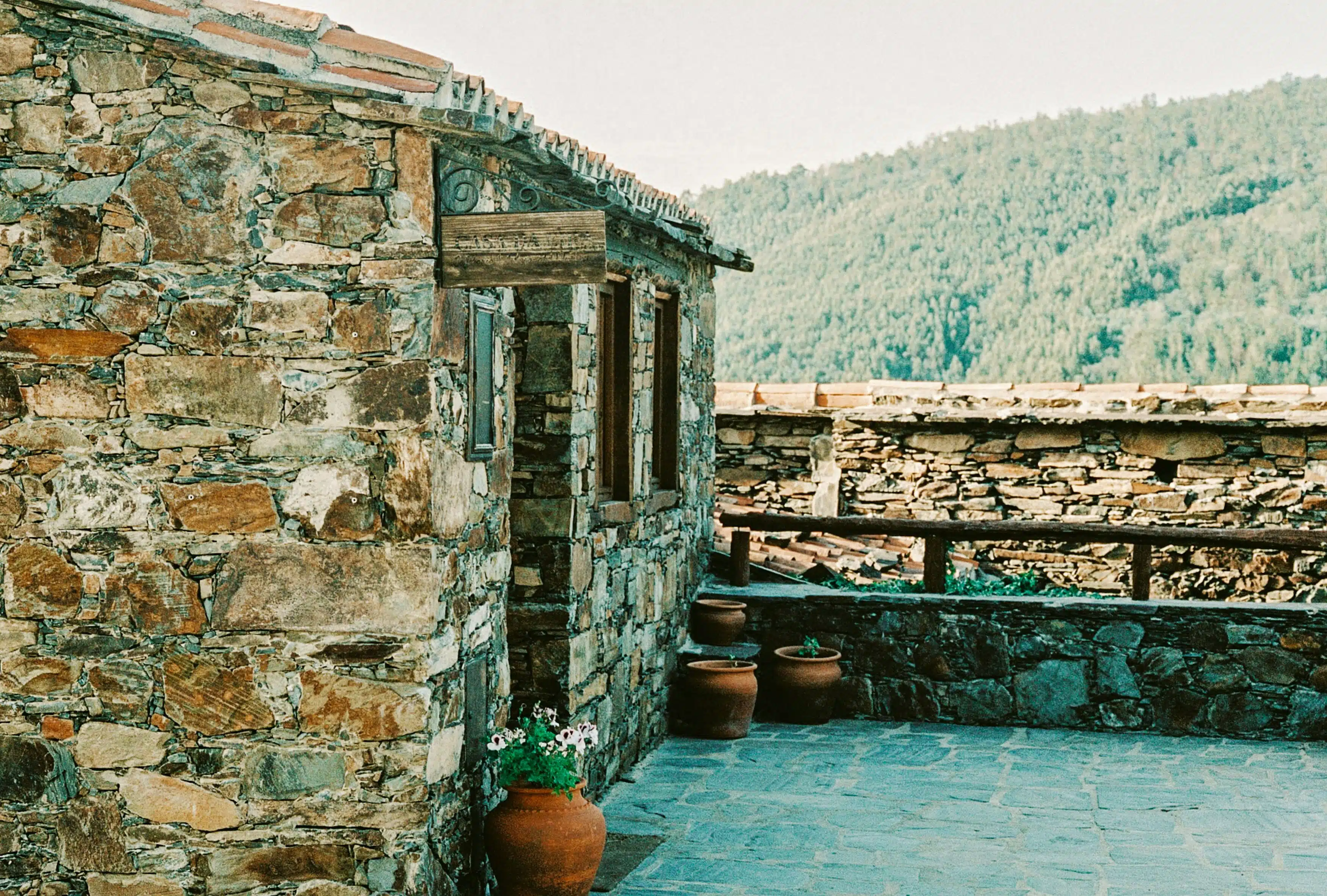
Each village has narrow streets, traditional stone houses, and breathtaking views over forests and mountains.
The cool thing about these villages is that each house has been made with local schist stone.
You’re probably wondering, how can they build a house from stone? This isn’t a fairy tale…
However, building houses with schist stone is very possible, given the stone’s natural DURABILITY and layered STRUCTURE, which makes it easy to split into flat slabs.
These slabs are then stacked and fitted together. The stones are typically used for thick walls, which provide thermal insulation and stability.
FULL DISCLOSURE: Many houses have been restored and transformed into cafes, restaurants, and small shops.
There are 27 Schist villages in the Lousã region, mentioning all of them would be too much, instead we’ll focus on the five most famous and visit-worthy ones!
INSIDER TIP: Each of the villages also has an information board at the entrance, showing the layout of the village with points of interest mapped out!
1) Talasnal
Schist Villages Talasnal is one of 27 schist villages in central Portugal. It is considered to be the most beautiful one! If you want to buy a postcard of a schist village, this will be the city that is on there!
Talasnal is high up in the Serra da Lousã mountains. During your walk in the city you’ll have to do some climbing so don’t wear flip flops, sneakers are best!
The drive is along a narrow, steep road that was filled with lots of signs leading you up the mountain. You must park your car at the entrance of the village.
You can enjoy a meal in the best restaurant in town: Ti Lena. It is a cozy restaurant serving traditional Portuguese dishes. Watch out, they only serve 28 people max! Expect to pay around 40 USD for meal + wine for two people.
THE BEST BAR is ‘O Curral’. With its tiny entrance door, the building looks as if it was made for hobbits.
Originally, it was a corral for livestock, which explains the low doorway. Inside, the decor is rustic, featuring wooden furniture and vintage tools on the walls.
The ceiling is covered in PAPER NOTES left behind by visitors, adding a unique touch to the cozy atmosphere.
INSIDER TIP: Try the local honey produced in the area, as it’s a specialty unique to Talasnal.
2) Casal Novo
Casal Novo is another visit-worthy small Schist village in Lousã.
Casal Novo has kept its medieval charm, with traditional stone houses and cobblestone streets.
The word “Casal” historically referred to a small rural settlement in Portugal, typically consisting of a few houses grouped together in the countryside.

The term “Novo” means “new” in Portuguese, meaning that this village was established more recently than nearby settlements like Chiqueiro and Talasnal.
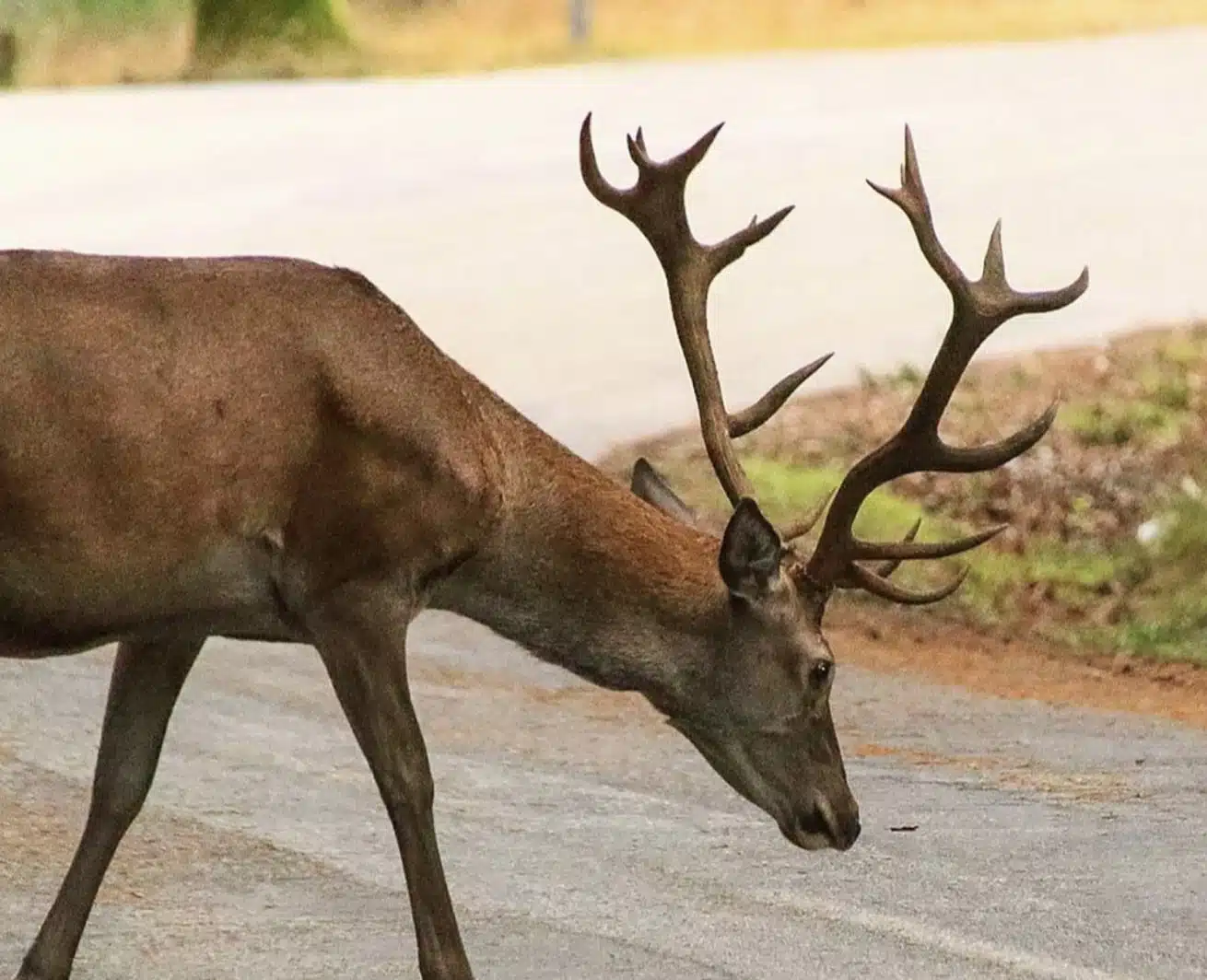
FUN FACT: Casal Novo is part of the Natura 2000 Network due to its ecological significance in the Lousã Mountain area. The forest is home to deer, so watch out during your hike!
Walking through Casal Novo felt like stepping back in time for us, offering a glimpse of Portugal’s past.
You can learn about the history and architecture of the region in the local museum. The museum is housed in a renovated schist building, blending the old with the new.
The Ribeira das Hortas stream is a must-visit in Casal Novo as the river begins at about 900 meters and descends rapidly to 200 meters, carving through the valley before joining the Ribeira de São João.
Its waters flow swiftly, barely touching the village, ultimately merging with the Ceira and Mondego Rivers further downstream.
3) Candal
Located along the Ribeira da Candal stream, which shares the same name as the village, Candal is one of the most accessible Schist Villages.
It offers a mix of traditional architecture and modern amenities, with small boutiques, handicraft shops, and a cafe overlooking the valley.
Upon entering the village, you cross a wooden bridge over a small stream. The Ribeira da Cerdeira flows through the valley, creating a natural amphitheater around Cerdeira.
This stream channels water from the higher slopes of the Serra da Lousã, giving the village its unique layout.
The village is known for its Schist Museum, where visitors can explore the intricacies of the schist stone construction techniques that have shaped the region.
INSIDER TIP: From Candal, take a short hiking trail leading to the Candal viewpoint for some of the best waterfall views in the region.
FUN FACT: During the 1950s and 1960s, many residents of Candal migrated to Brazil. In 1958, the village celebrated the installation of its first telephone, which was battery-powered, marking a milestone in its development.
4) Gondramaz
Gondramaz is the “Artist’s Village” as you’ll see many artistic renovations to the houses. Walking around in the village feels like a dream.
The schist houses here are decorated with sculptures, giving the village a unique identity.
Gondramaz is also a popular starting point for the 12 km (7,5 miles) “PR2 LSA Schist Trail“, a loop hiking route offering amazing views of the Serra da Lousã region.
INSIDER TIP: Visit Casa das Artes, a small workshop where local artists create and display their works made from schist and wood.

5) Chiqueiro
Chiqueiro is the smallest and least visited of the Schist Villages,
The village has just a handful of schist houses, set amidst lush forested hills.
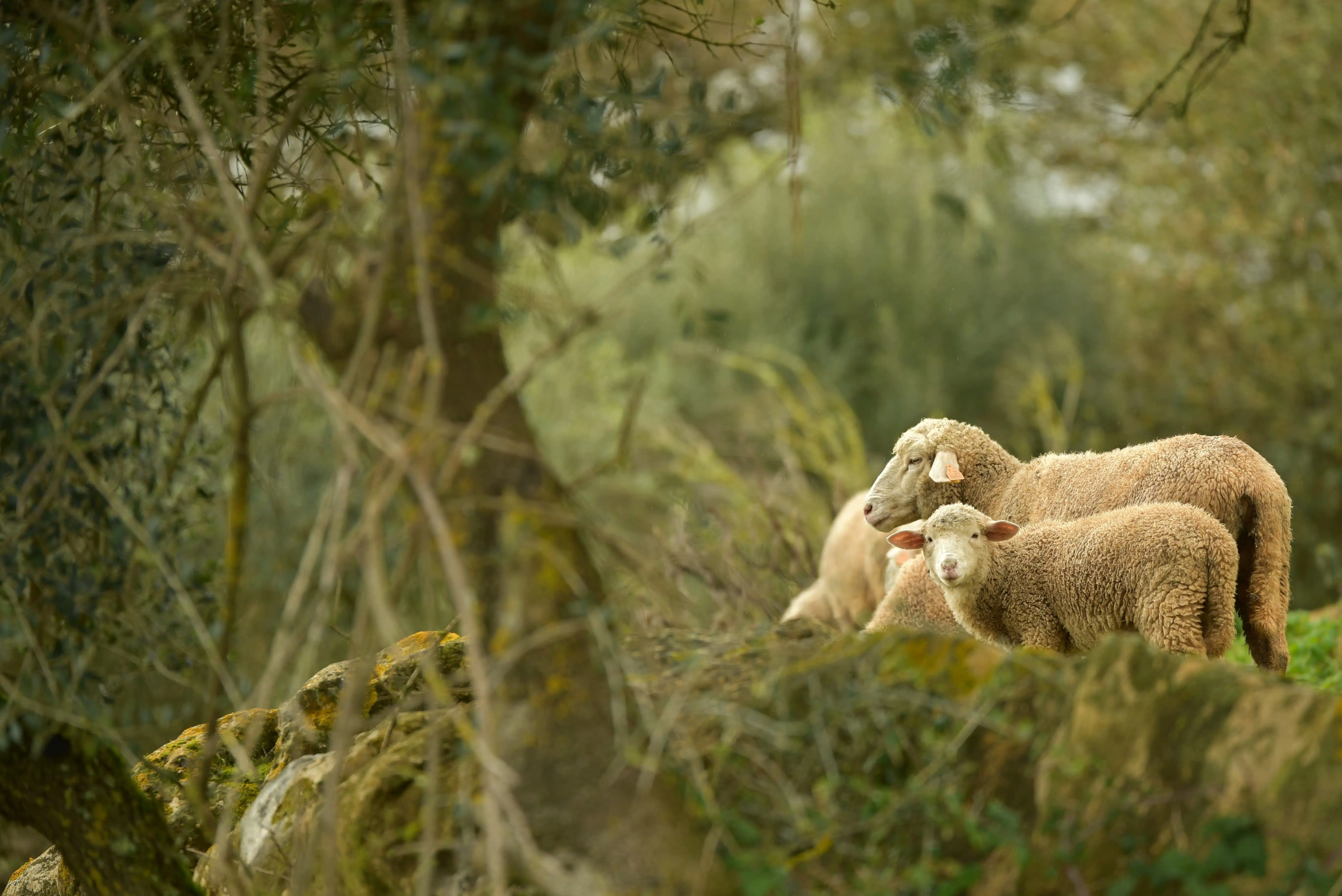
You can wander through the chapel, fountain, and schist houses of the village. Small herds of goats often pass through, adding to its charm.
The village is part of a triangle with Casal Novo and Talasnal, making it ideal to explore all three villages in one day in Serra da Lousã.
If you are looking for a hike connecting these villages, then you can do the GR 22 Schist Villages Trail, which connects the castle with the Schist Villages.
Castelo da Lousã

Next to visiting the schist villages, you must visit the Lousã castle!
Let us explain you why!
History and origins
The Castelo da Lousã, also known as Castelo de Arouce, is a medieval castle just outside the town of Lousã.
Arouce Castle was originally part of a defensive network to secure access to Coimbra, established in the 11th century.
The castle served as a defensive fortress for the region, marking the SOUTHERN BOUNDARY of the Christian kingdom and protecting the area from invading forces.
A local legend claims that Emir Arunce built the castle to protect his daughter and treasures. Recently, restoration work was completed, making it accessible to visitors, along with a new Interpretation Center.
In 2019, the castle’s renovation was finished. For a detailed history of the castle, visit the Lousã Municipality Website.
Architectural features
The castle’s quadrangular layout is also constructed from the schist stone.
It features four corner towers, high walls, and a central keep. The site also includes a small chapel, Nossa Senhora da Piedade, built later in the 13th century, an important pilgrimage site.
The Serra da Lousã‘s natural terrain offers the castle a strategic position overlooking the surrounding valleys and rivers.
Visiting castelo da lousã
The castle is free to visit and it is easily accessible by a short hiking trail from the town.
Visit Turismo do Centro de Portugal for more details.
INSIDER TIP: Visit the castle in the late afternoon to see the sunset over the mountains.
Location and getting to Lousã
Where is Lousã located?
Lousã is situated in Central Portugal, 30 km (18 miles) southeast of Coimbra.
How to reach Lousã from COIMBRA
The easiest way to reach Lousã from Coimbra is by car or bus via the HIGHWAY.
You only have to follow the N17 road.
You can also take a bus from Coimbra Central Station, taking 45 minutes. Check schedules on Omio!
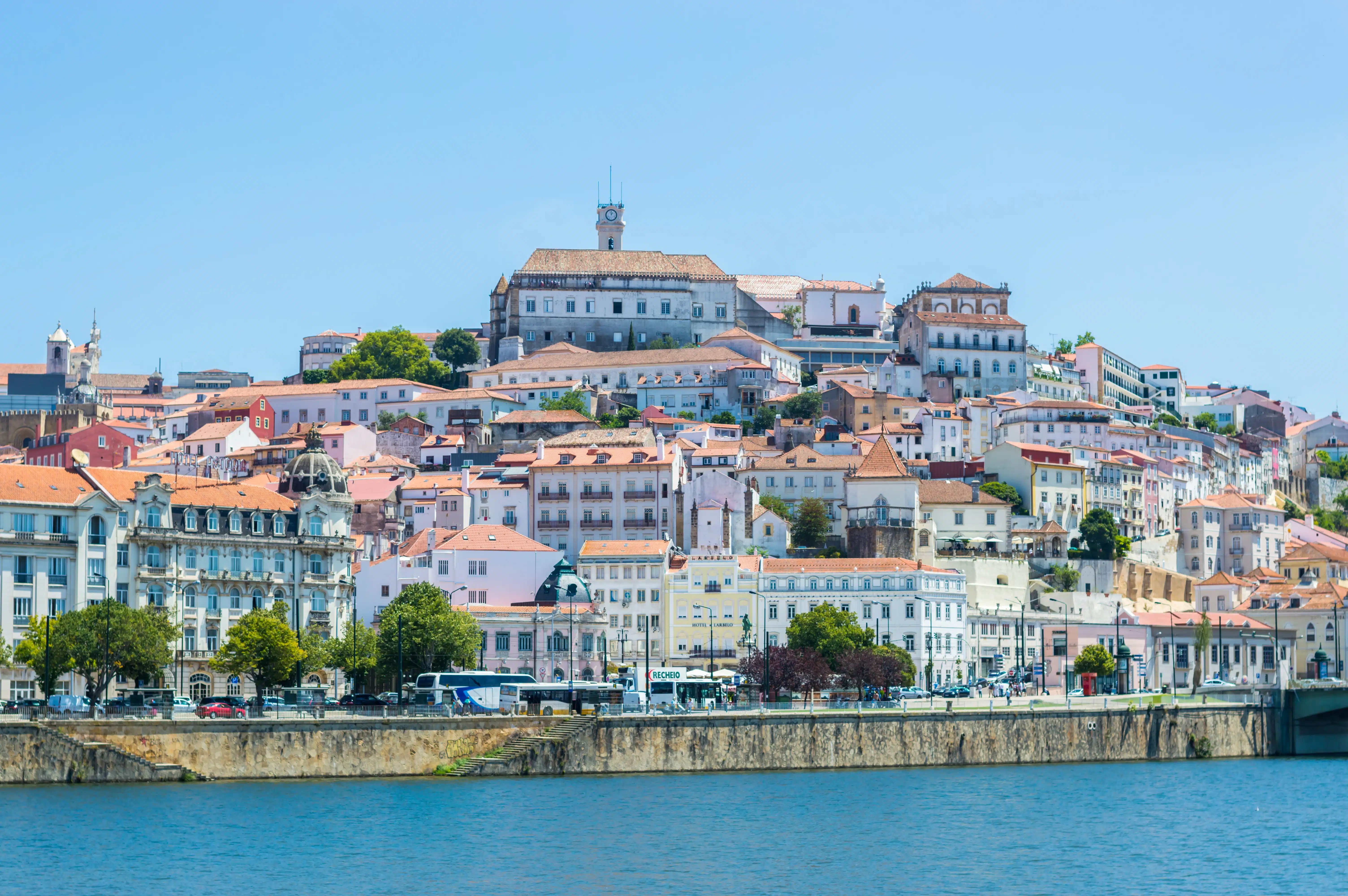
All roads connecting big cities in Portugal are in good condition! There’s no need to worry about their highways.
HOWEVER: you should be aware that Portugal has toll systems on their highways. More information is on their official toll website.
Train services
Lousã’s train services are temporarily suspended due to upgrades as part of the Metro Mondego project, a regional rail network aimed at connecting Coimbra and Lousã.
Arriving from LISBON or PORTO
From Lisbon to Lousa it is 200 km or 124 miles. You will drive along the A1 motorway, then switch to A13 and there you go.
If you’re starting your journey in Porto, the drive to Lousã is around 150 km (93 miles) and takes roughly 2 hours via the A1 and A13.
For those spending 2 days in Porto before heading to Coimbra, this scenic route is a great way to transition from Porto’s vibrant streets to Coimbra’s historic charm.
Renting a car
The best way to explore Lousã and the Schist Villages is by renting a car.
Local agencies like Europcar and Sixt all have offices in Coimbra and Lisbon.
You can use our widget below to discover the best and cheapest deals for a car rental.
Local Transportation in Lousa
As Lousa is a small village so we recommend you rent a bike to visit Lousa and two schist villages (or more).
The town is very bike-friendly and has many beautiful cycling routes around the Serra da Lousã mountain range.
Our recommendation for bike rentals is:
- Lousã Bikes: Located at Quinta do Areal in Lousã, Lousã Bikes has many electric mountain bikes, ideal for exploring the Serra da Lousã mountain trails and the river valleys. They have flexible pickup and drop-off times, making it quite convenient and easy for day trips or longer stays. Check out their services and availability at Lousã Bikes.
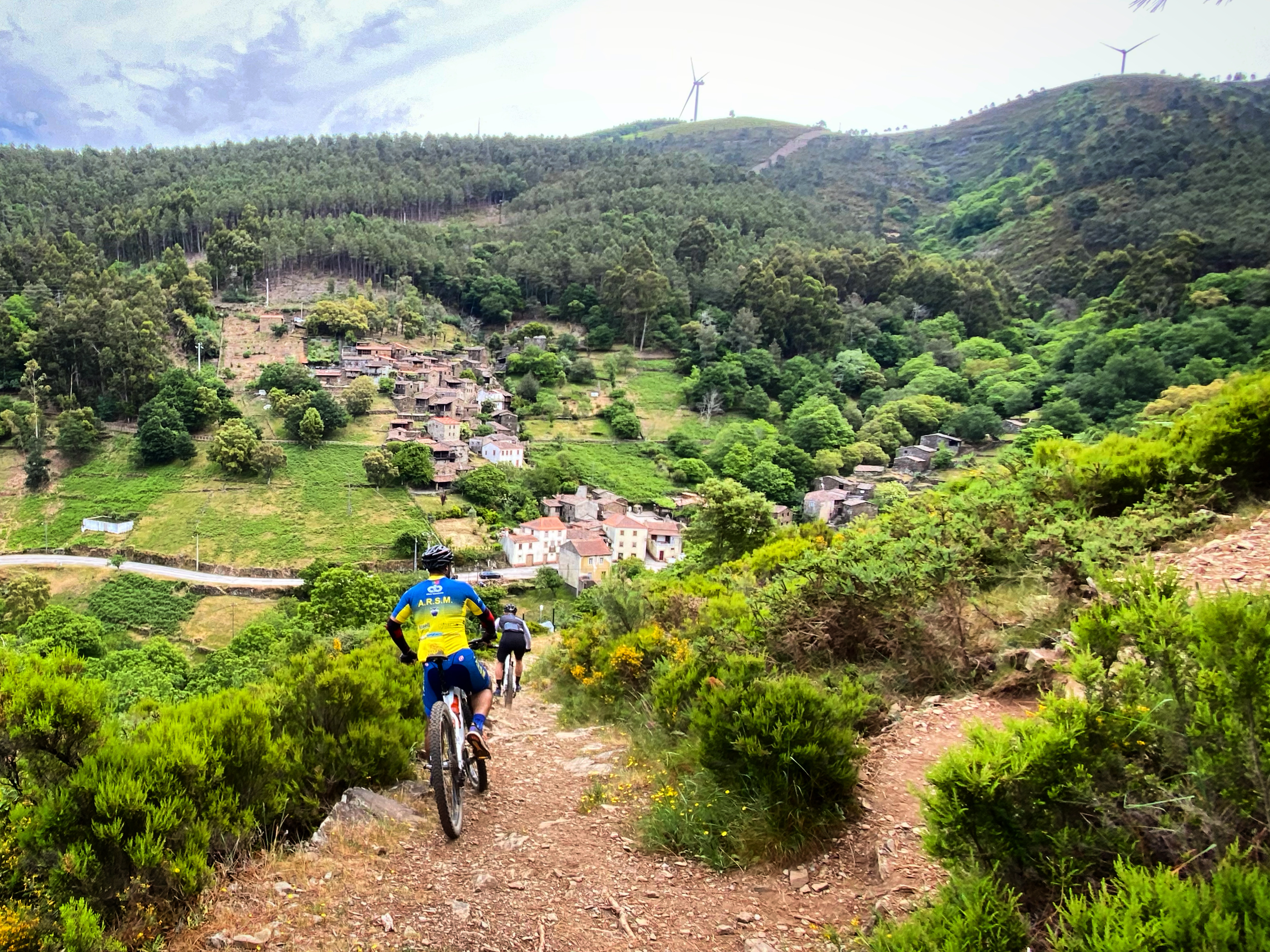
- goRide Portugal: They offer enduro and electric bike rentals, and guiding services for mountain biking. With packages like “Holiday Packs” that include multiple days of riding, food, and accommodation, goRide Portugal is perfect for those looking for an all-inclusive experience. Prices start from €60 per day for rentals. Find more details on their offerings at goRide Portugal.
Biological Park of Lousã Mountain
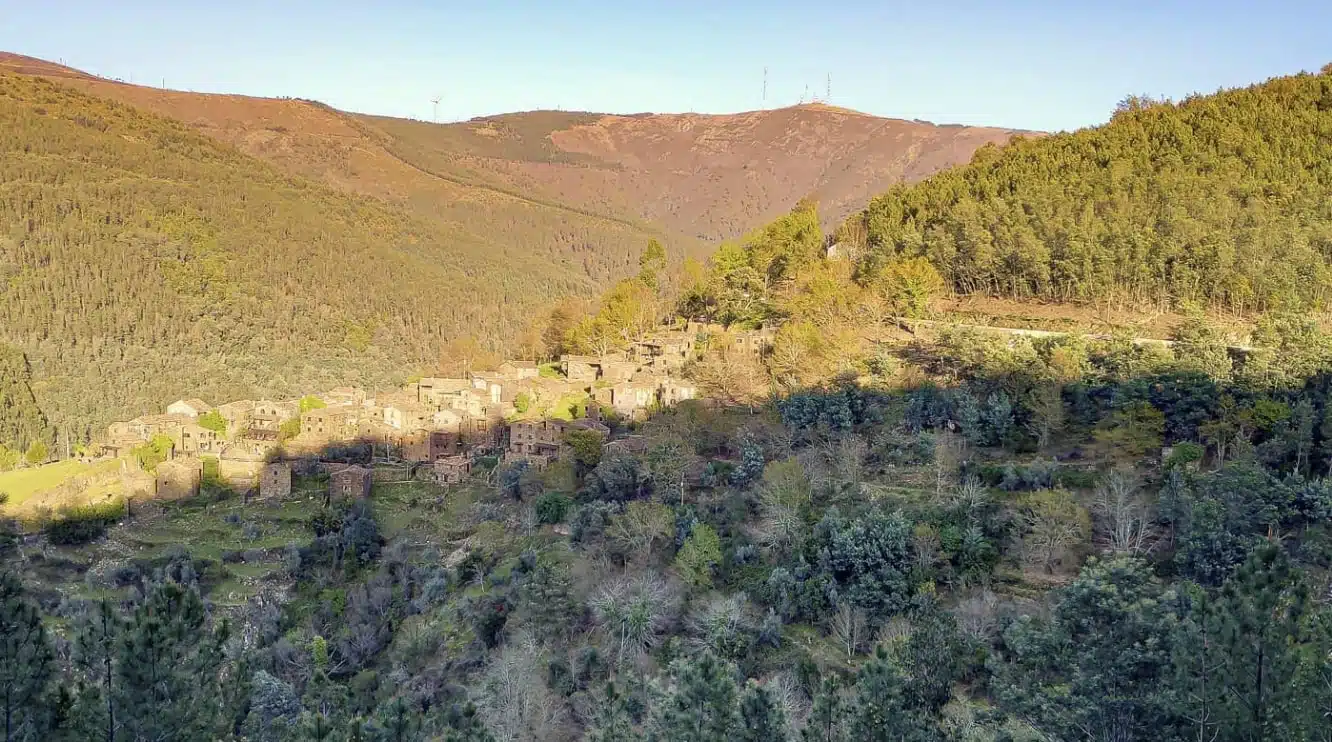
Another visit-worthy destination in Lousa is the Biological Park of Lousã Mountain.
The park is also called the Miranda do Corvo wildlife park, which preserves Portuguese fauna and flora.
The Miranda do Corvo park covers an area of 33,000 square meters.
Inside Portugal, the park provides a natural habitat for many endangered or almost-extinct animals in the wild, like the Iberian wolf, lynxes, and brown bears.
Visiting the Miranda do Corvo park
The park is open year-round, with different hours depending on the season.
During the summer months (June to August), it’s open from 9:00 AM to 8:00 PM, while in the winter (October to April), it closes earlier at 6:00 PM.
For more details on the park, check out the official page on Center of Portugal.
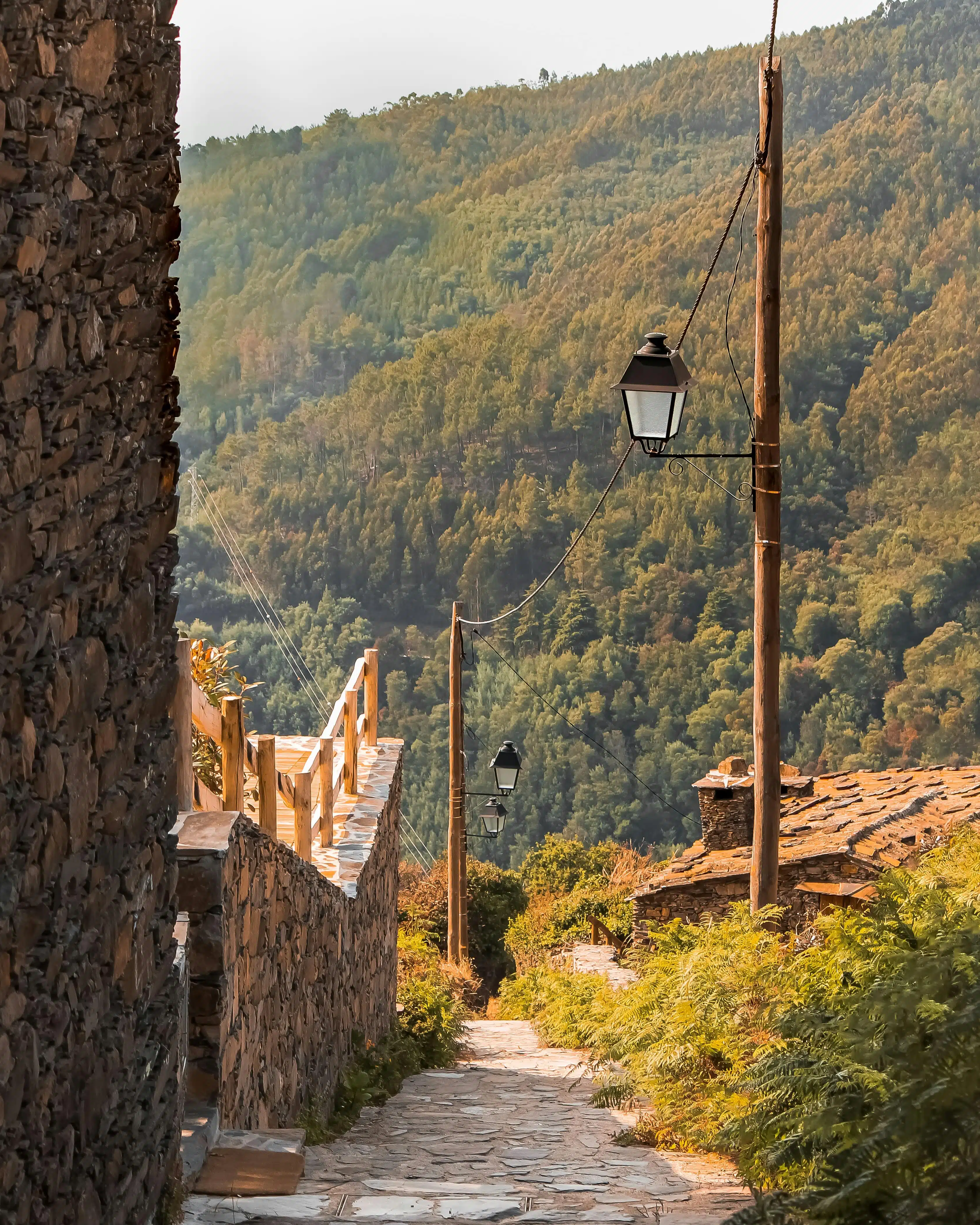
Senhora da Piedade River Beach
The last Instagrammable destination in Lousa is the Senhora da Piedade River Beach.
It is just below the Castle of Lousã and a hidden gem perfect if you want a mix of history and nature.
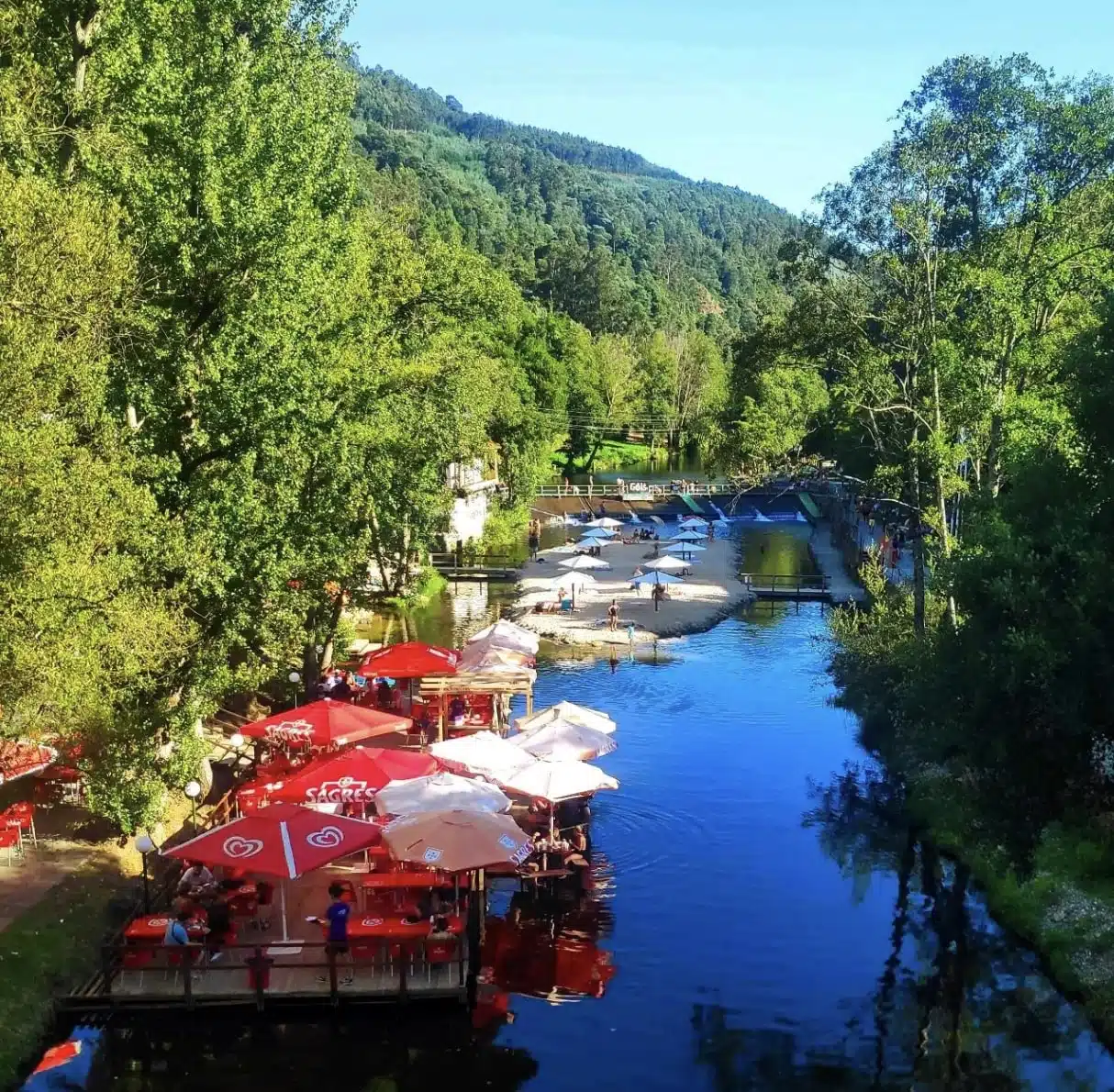
Named after the Nossa Senhora da Piedade Chapel nearby, this river beach is a beloved spot for locals during the summer months for some bathing.
Facilities and amenities at Senhora da Piedade River Beach
The river beach features two natural pools, including a shallow pool for children, making it perfect for family visits.
There is also a bar with a terrace overlooking the water, where you can enjoy a snack or a drink while enjoying the view of the mountains and the medieval castle.
During the peak summer season, the beach is supervised by a lifeguard, and a first aid post is available for safety.
Changing rooms with showers and bathrooms are available for you.
If you want a nice meal, the nearby O Burgo Restaurant has traditional Portuguese dishes with a panoramic view of the surrounding area.
KEEP IN MIND: The beach is also the starting point for hiking trails that lead to the Schist villages in the region, including Casal Novo, Candal, and Cerdeira.
INSIDER TIP: For a relaxed experience, visit the beach early in the morning or on weekdays, as weekends tend to be busier with locals.
Bring a picnic to enjoy in the shaded areas around the beach, where you’ll find plenty of spots to sit and take in the serene atmosphere;
Local Gastronomy and Traditional Dishes of Lousã
Lousã’s kitchen is home to traditional Portuguese dishes with a strong focus on local ingredients.
The region is very famous for its MEAT DISHES, like goat and pork, and its use of wild herbs and forest mushrooms from the Serra da Lousã mountains.
1) Must-try dishes in Lousã!
- Chanfana: A slow-cooked goat stew with red wine, garlic, and bay leaves, traditionally served in clay pots.
- Negalhos: A dish made from goat or lamb intestines filled with rice and herbs.
- Maranhos: similar to Negalhos but featuring a stuffing of rice, mint, and meat.
- Serrabulho: A traditional blood stew made with pork, served with rice or bread.
- Bucho Recheado: A stuffed pork stomach dish packed with rice, pork meat, etc.
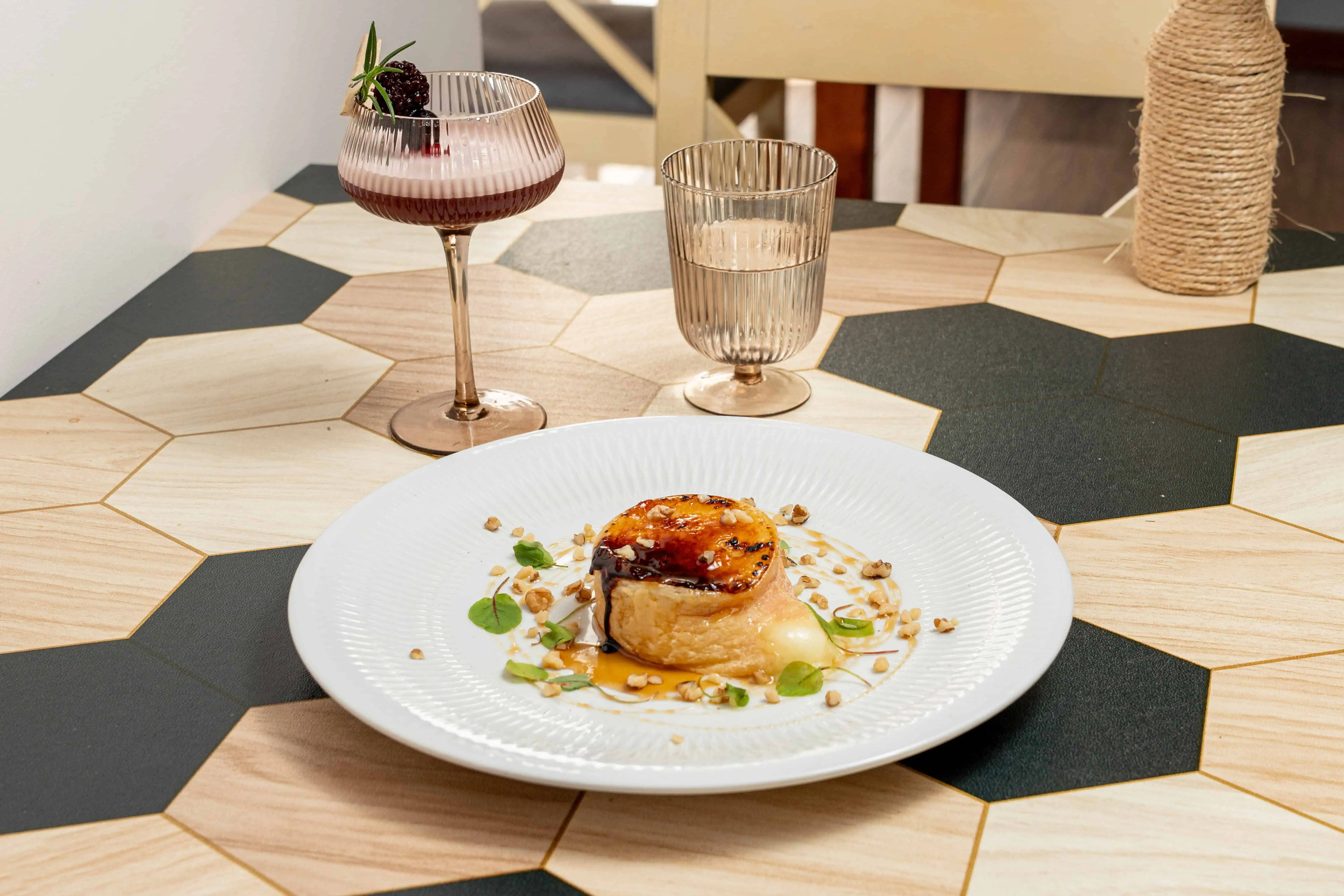
- Tigelada: A dessert made from milk, eggs, and cinnamon, baked in clay pots, giving it a creamy texture and caramelized flavor.
2) Recommended restaurants in Lousã
We went to a few restaurants during our visit to Lousa Portugal, these are our recommendations!
O Burgo Restaurant
- Located near the Senhora da Piedade River Beach, O Burgo is famous for its Chanfana and stunning views over the river.
- Insider Tip: Try their homemade HONEY CAKE for dessert.
Casa Velha
- A charming restaurant famous for its Negalhos and wild boar stew.
- Located in the town center of Lousã, this restaurant is perfect for a quiet, traditional meal.
- Address: Rua General Humberto Delgado, 3200-242 Lousã.
Villa Lausana
- This elegant restaurant combines traditional flavors with a modern twist. Their specialties include marinated goat and unique interpretations of classic dishes.
- Ideal for a fine dining experience in Lousã.
- Their menu is deeply rooted in the traditions of the region.
- Their signature dishes include local delicacies such as Chanfana, Migas (a savory bread and greens-based dish), and a hearty Wild Boar stew with Wild Mushrooms and Chestnuts. They are especially proud that their Migas and Wild Boar stew were both awarded GOLD DIPLOMAS (!) in 2022 and 2024 at Portugal’s prestigious Tejo Gourmet food and wine contest.
- Their sommelier has curated a wine list that focuses on exceptional vintages from all over Portugal and from our local region, offering a truly authentic pairing for our food.

Where to stay near Lousa?
We’ll give you some explanations of the hotels. You can also use our interactive widget below to discover other accommodations yourself!
Luxury option: Octant hotel lousã
Description: This luxury boutique hotel, which actually used to be the Palácio da Lousã, is an 18th-century palace. The Octant Hotel Lousã blends historical charm and modern luxury. The hotel has an outdoor pool, a fine-dining restaurant, and panoramic views of the Serra da Lousã mountains.
Price Range: From €150 per night.
Address: Rua Viscondessa do Espinhal, 3200-257 Lousã.
Luxury option: Quinta do Areal
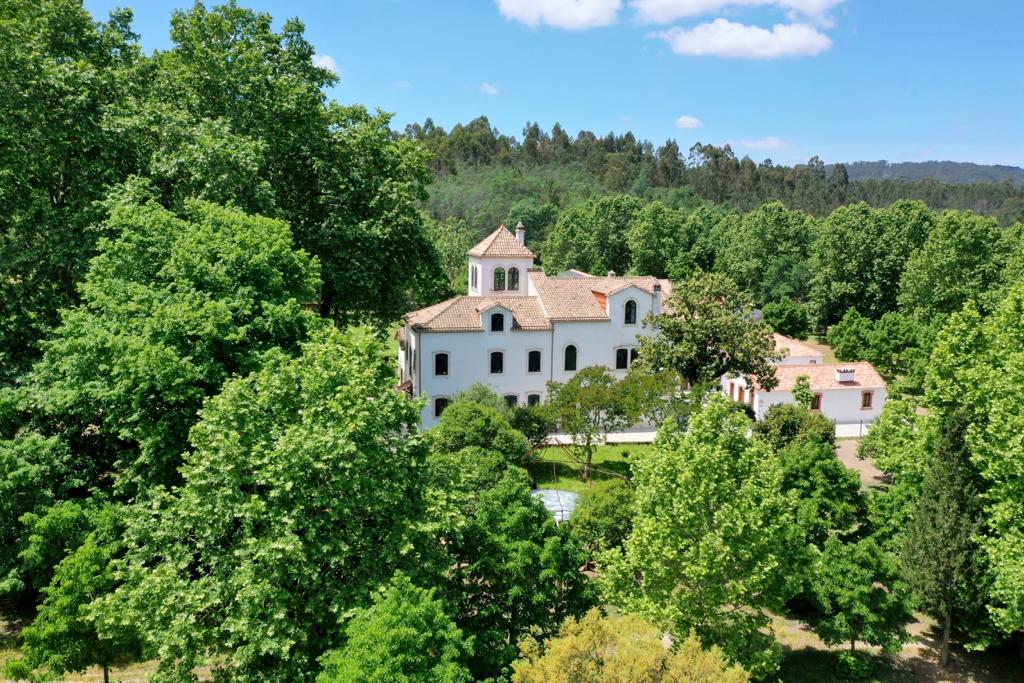
Address: Rua da Quinta do Areal, 22 Vale de Pereira 3200-129, Lousã
Mid-budget option: Talasnal Montanhas de Amor
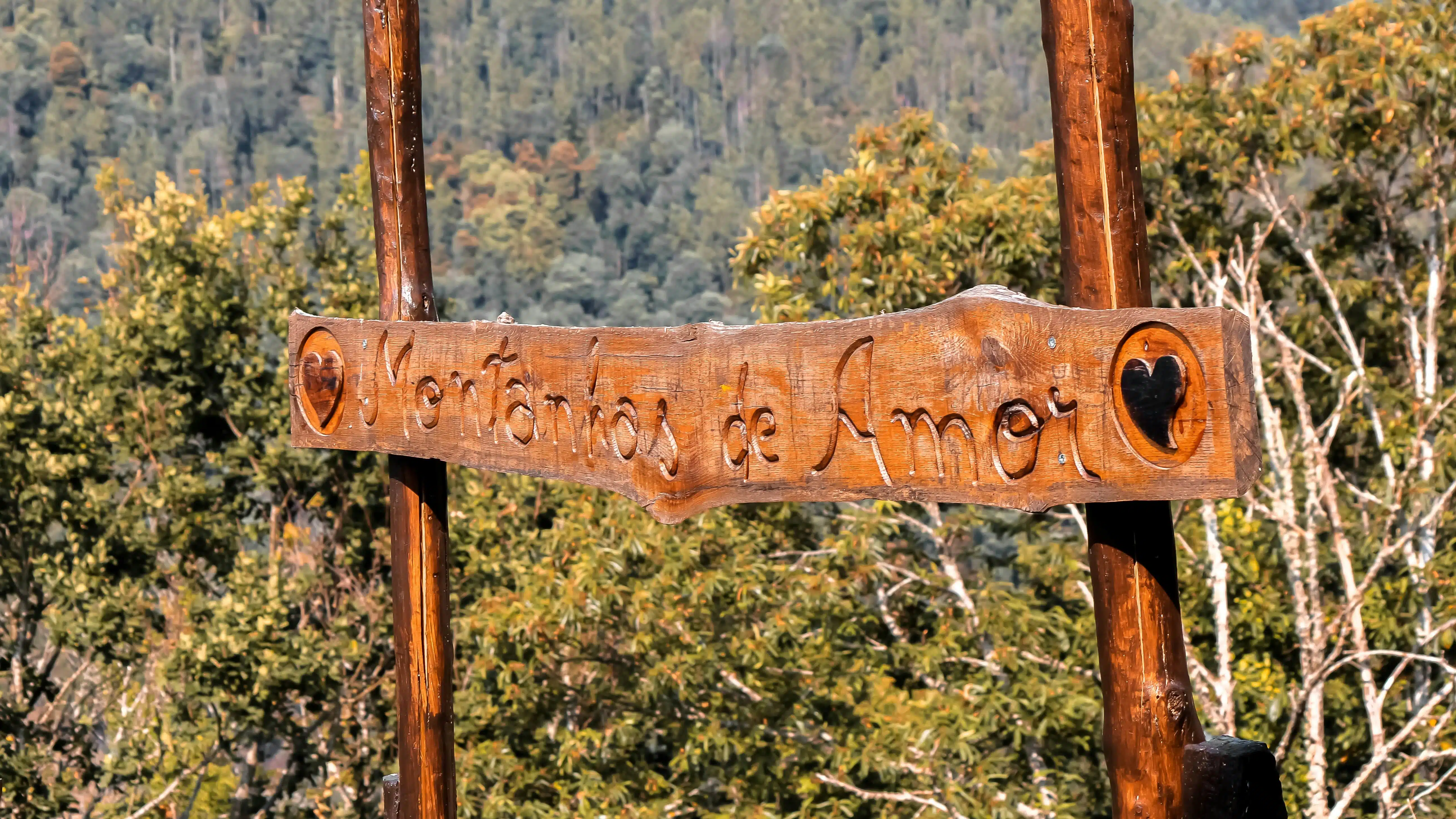
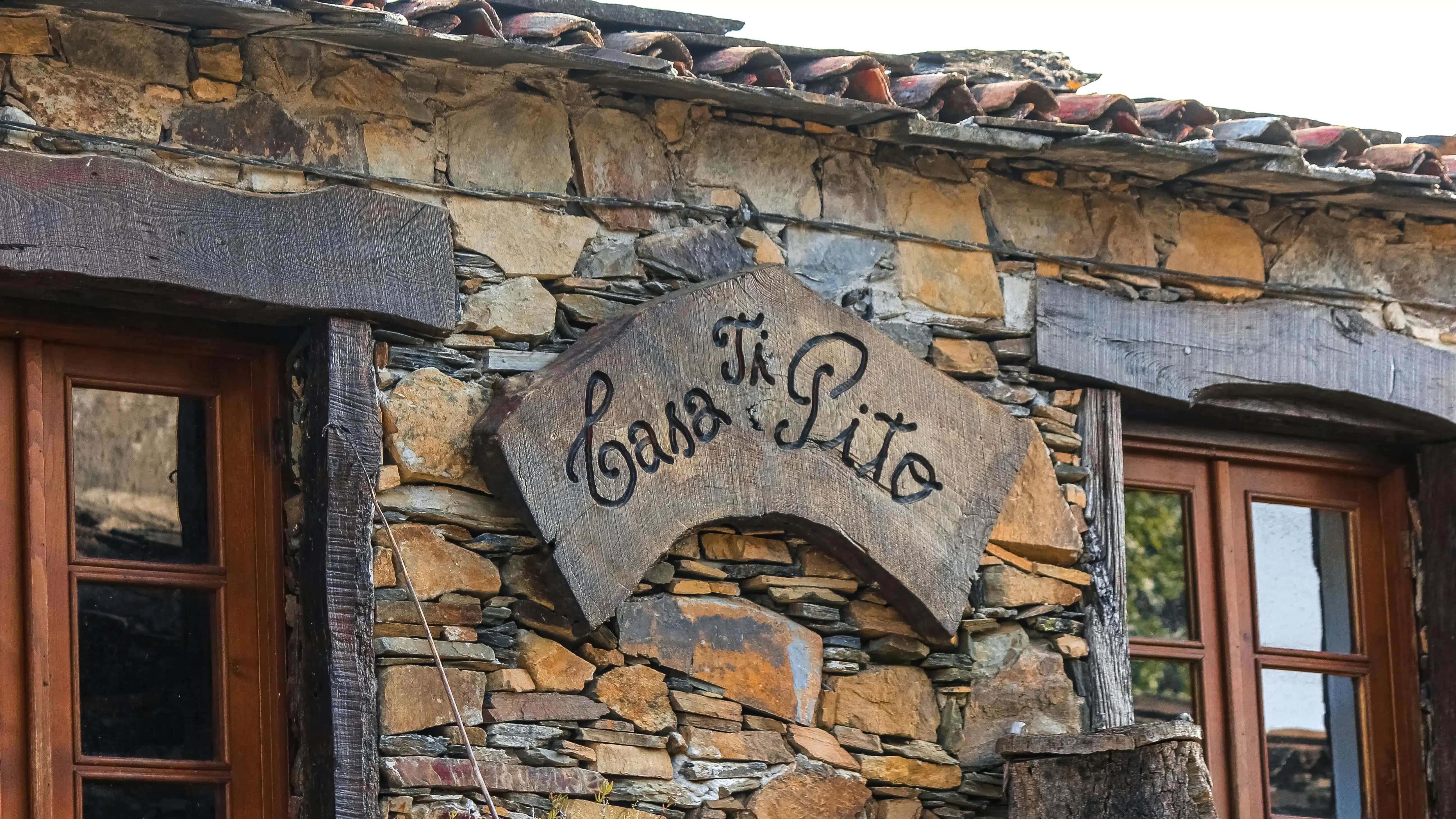
Description: Located in the schist villages of Talasnal, Talasnal Montanhas de Amor is a charming guesthouse with stone-walled rooms and wooden furnishings. It offers a cosy, authentic experience of the Swiss village lifestyle.
Price Range: From €70 per night.
Address: Rua do Caminho, Talasnal, 3200-075 Lousã.
Casa do Caminho Listing on Booking.com.
Budget option – hi lousã – pousada de juventude
Description: The Youth Hostel of Lousã is a great budget-friendly option for backpackers and solo travellers. The hostel offers dormitory-style rooms as well as private rooms. It has a shared kitchen, a common lounge, and an outdoor area for socialising.
Price Range: From €20 per night.
Address: Rua Professor Álvaro Viana de Lemos, 3200-231 Lousã.
Best Time to Visit Lousã
The best time to visit Lousã is during the LATE SPRING to EARLY AUTUMN months, specifically from May to September, when the weather is warm and pleasant.
This period is perfect for hiking along the Schist Villages, and enjoying the Senhora da Piedade River Beach.
During these months, temperatures range between 22°C and 28°C (72°F to 82°F).
High season (June to September)
The summer months of June, July, and August are the most popular for tourism in Lousã, with temperatures peaking around 28°C (82°F) in August.
During this period, the town is filled with tourists exploring the Serra da Lousã and its hiking trails.
The Schist Villages are also in full bloom, and many local festivals occur. Note that accommodation prices are highest in August, so booking in advance is much needed.
Shoulder season (May and October)
May and October are the shoulder seasons in Lousã, with mild temperatures and fewer crowds.
Average temperatures in May hover around 22°C (72°F), while in October, they remain pleasant at 22°C (76°F).
This is a great time to visit to avoid the summer rush while still enjoying the outdoor activities.
Natural landmarks and trails
There are a few hiking trails that we can definitely recommend. Let’s take a closer look.
Top trails to explore
Distance: 7.8 km or 4 miles
Difficulty: Easy
Description: This scenic trail starts at the Parish Church of Lousã, leading past the Lousã Castle and several historic water mills.
Distance: 8.4 km or 4,5 miles
Difficulty: Difficult
Description: A more challenging route, this trail takes you through forests and offers views of the Serra da Lousã’s hilly landscape.
Distance: 7.6 km or 3,5 miles
Difficulty: Easy
Description: A walk through Mediterranean forests, ideal for seeing local flora and fauna.
Natural landmarks nearby
Mata da Margaraça Nature Reserve
It is a biodiversity hotspot with pristine woodlands, crystal-clear streams, and rare plant species. Perfect for peaceful walks and nature observation.
Best visited in spring when the area blooms with wildflowers.
Alto do Trevim Viewpoint
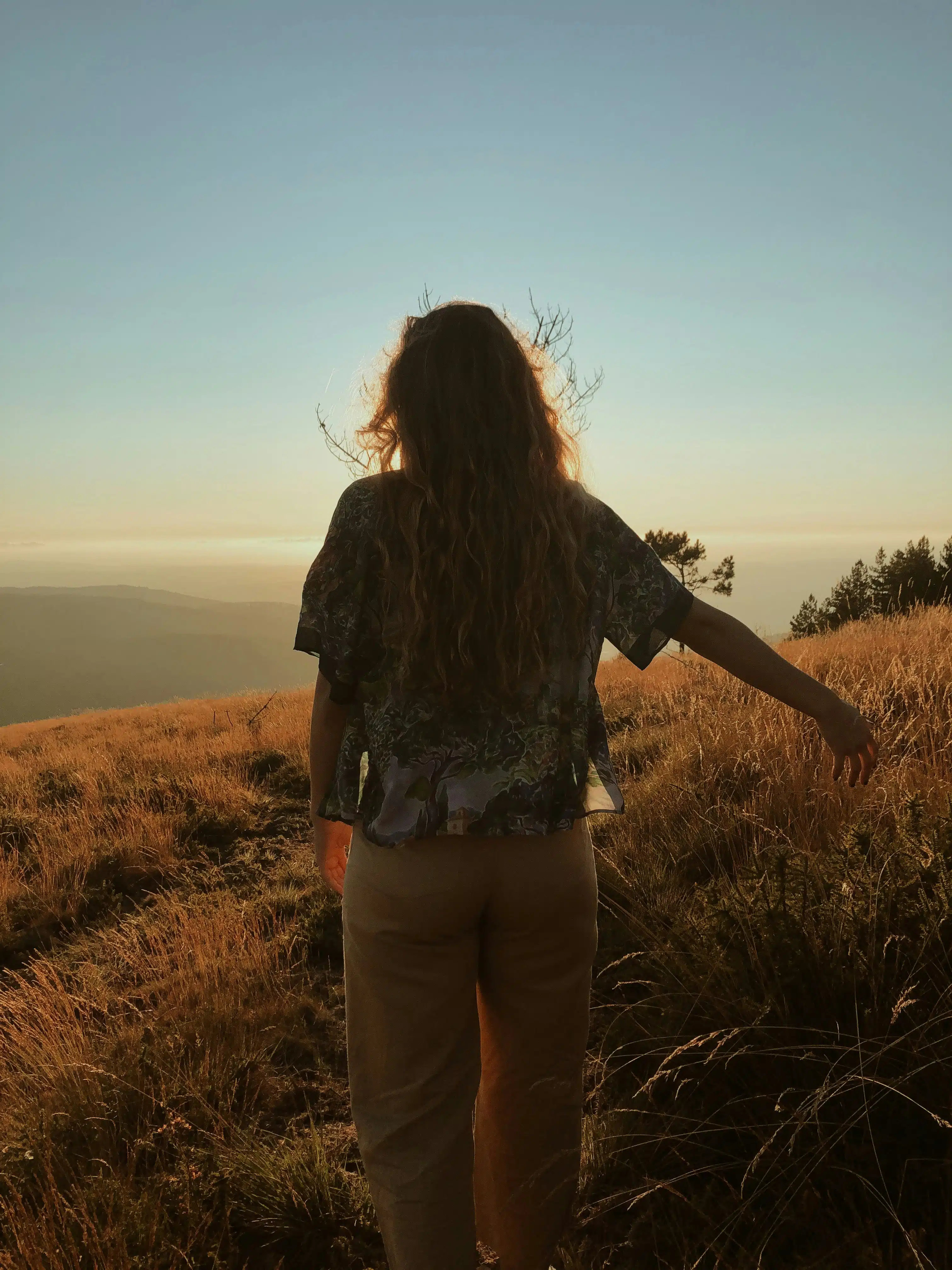
Alto do Trevim is actually one of the most famous viewpoints in Serra da Lousã. It offers a 360-degree view over the mountains and valleys below.
Photography TIPS
There are a few photography tips and tricks for when you are in Lousa. Below we give you our best locations, how to take your pictures, etc. Enjoy!
- Talasnal Village: Capture stone houses, winding streets, and panoramic views of the Serra da Lousã.
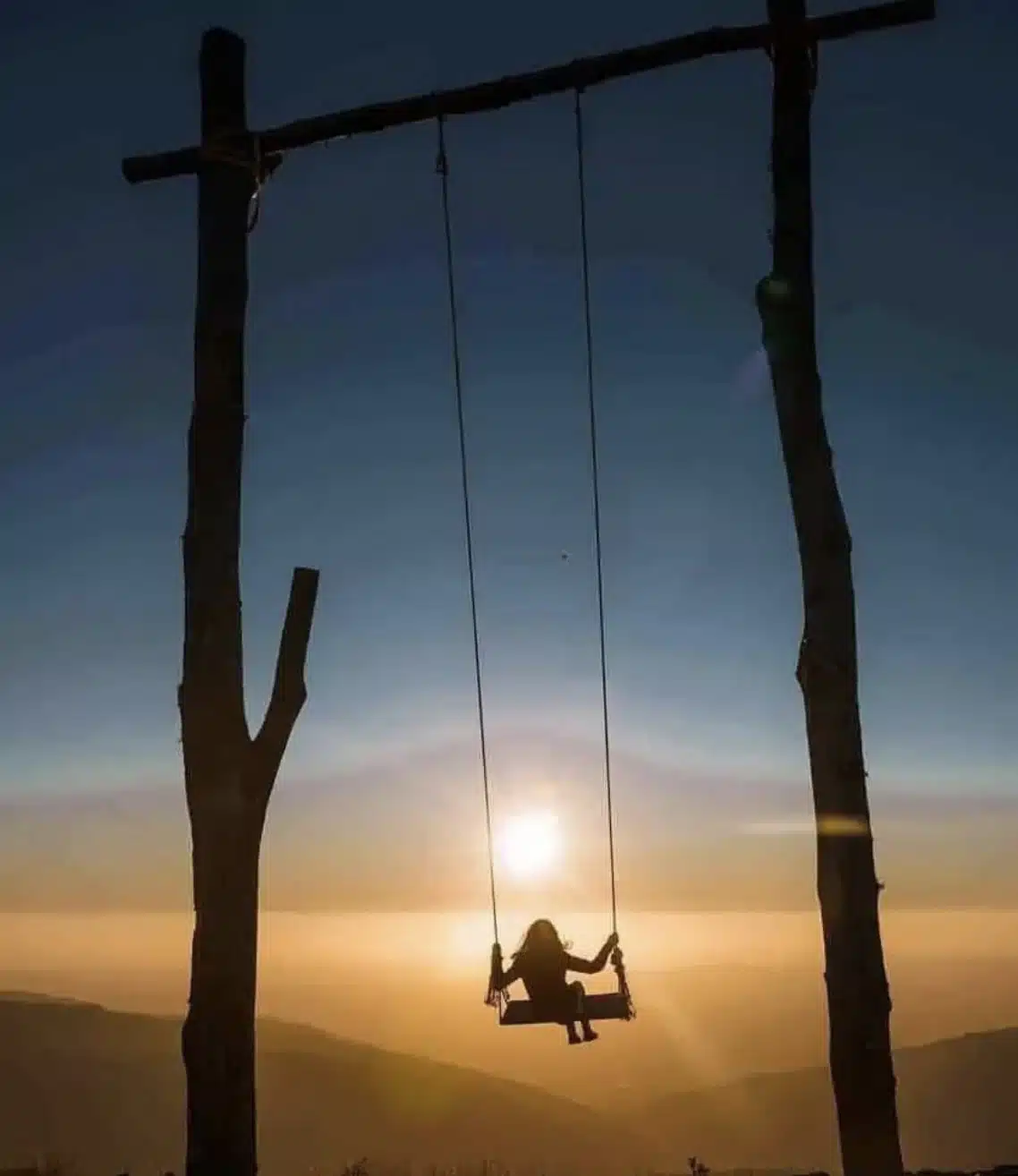
- Alto do Trevim Viewpoint: Best for sunset photography and the famous Trevim Swing.
- Lousã Castle: Perfect for night photography and historical shots.
- Nossa Senhora da Piedade Complex: Combine natural pools, a chapel, and the river beach for serene compositions.
- Cerdeira Village: Ideal for rustic details and Schist Village architecture.
- Casal Novo Viewpoint: Get aerial-like views of the surrounding forested valleys.
Family-Friendly Activities
- Lousa has certain activities and destinations that are family-friendly!
- Senhora da Piedade River Beach: shallow natural pools and picnic areas, ideal for kids.
- Biological Park of Lousã Mountain: Home to native animals, a fruit tree labyrinth, and an eco-museum.
- Talasnal Schist Village: Safe for exploring narrow streets and rustic houses; great for storytelling adventures.
Recommended itinerary for a weekend trip
Last but not least, we would like to give you our itinerary for 2 days in Lousã.
Day 1: Explore History & Culture
- Morning: Start with a visit to Lousã Castle and the Nossa Senhora da Piedade River Beach.
- Afternoon: Explore Talasnal Schist Village. Have lunch at Talasnal Montanhas de Amor.
- Evening: Hike up to the Alto do Trevim Viewpoint for sunset views.
Day 2: Nature & Family Fun
- Morning: Visit the Biological Park of Lousã Mountain.
- Afternoon: Take a walk through other schist villages and Casal Novo.
- Evening: Relax at O Burgo Restaurant for a traditional dinner.
Conclusion
Lousã, with its historic Schist Villages, medieval castle, and breathtaking mountain landscapes, is a hidden gem in Central Portugal that offers a perfect blend of nature, adventure, and history.
You can immerse yourself in the unique charm of villages like Talasnal and Casal Novo, hike the Serra da Lousã trails, and enjoy family-friendly spots like the Biological Park and Senhora da Piedade River Beach.
With its activities and rich cultural heritage, Lousã provides an authentic experience of rural Portuguese life, making it a must-visit destination for you!
Let us know about your experience in the comments!
FAQ
Where are the Schist Villages?
The Schist Villages are located in the Serra da Lousã mountains in Central Portugal, mainly within the districts of Coimbra and Leiria. Some of the most well-known villages include Talasnal, Candal, Cerdeira, Casal Novo, and Gondramaz.
How Old Are the Schist Villages?
The Schist Villages date back to the 12th century, making them over 800 years old. They were traditionally inhabited by local farmers and craftsmen.
Is Lousã, Portugal Worth Visiting?
Yes, Lousã is worth visiting for its rich history, medieval castle, Schist Villages, and beautiful natural landscapes. It’s ideal for hiking, photography, and cultural immersion.
How Far Are the Schist Villages From Coimbra?
The Schist Villages are approximately 30 km (18 miles) from Coimbra. The drive takes around 40 minutes by car, making it a convenient day trip destination.