
Welcome to Peru!
In this blog post, we are going to cover EVERYTHING you need to know to have the BEST HIKING experience at Machu Picchu Mountain.
Let’s get started!
Location
Machu Picchu Mountain is located in Peru, South America. It’s situated in the Andes mountain range.
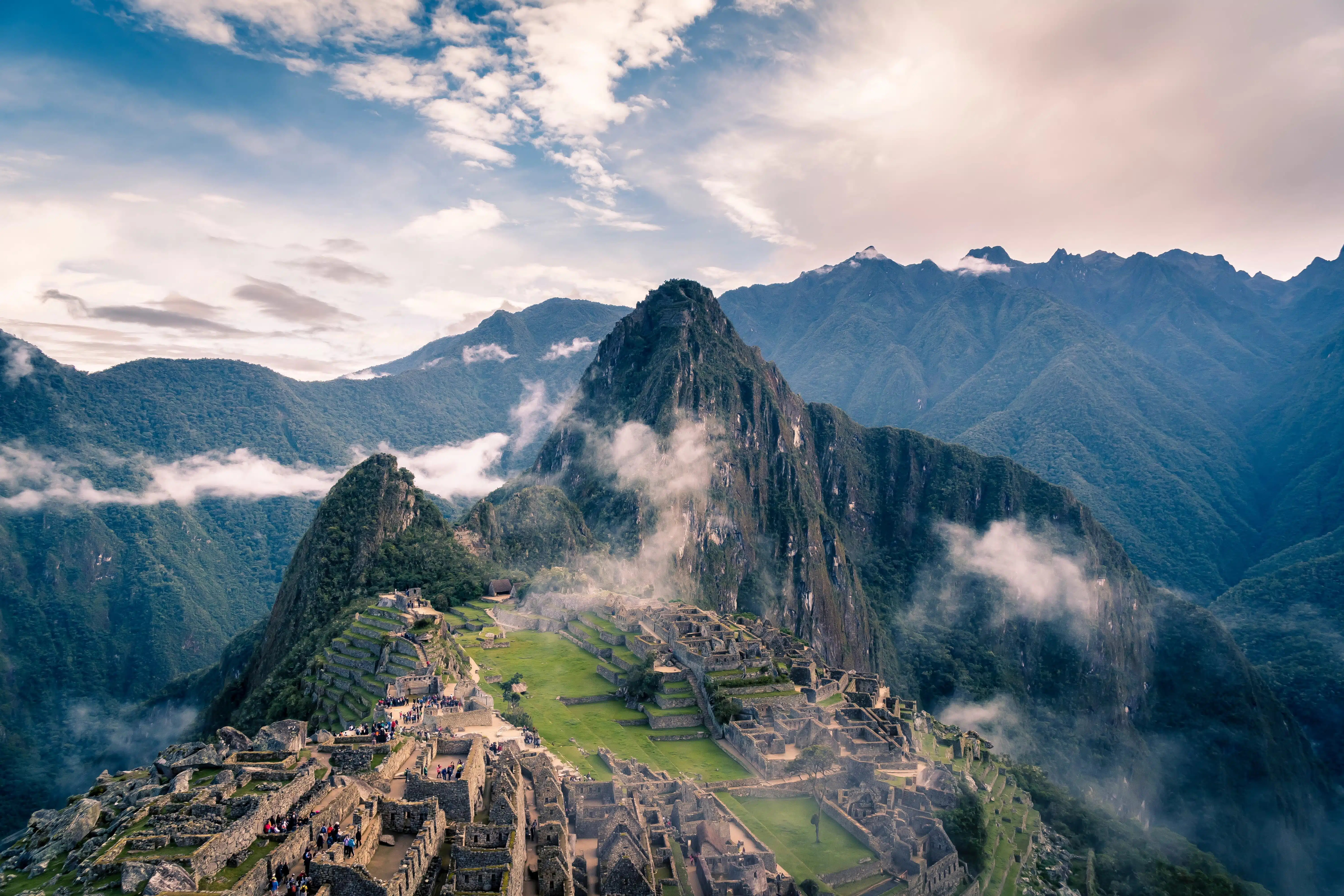
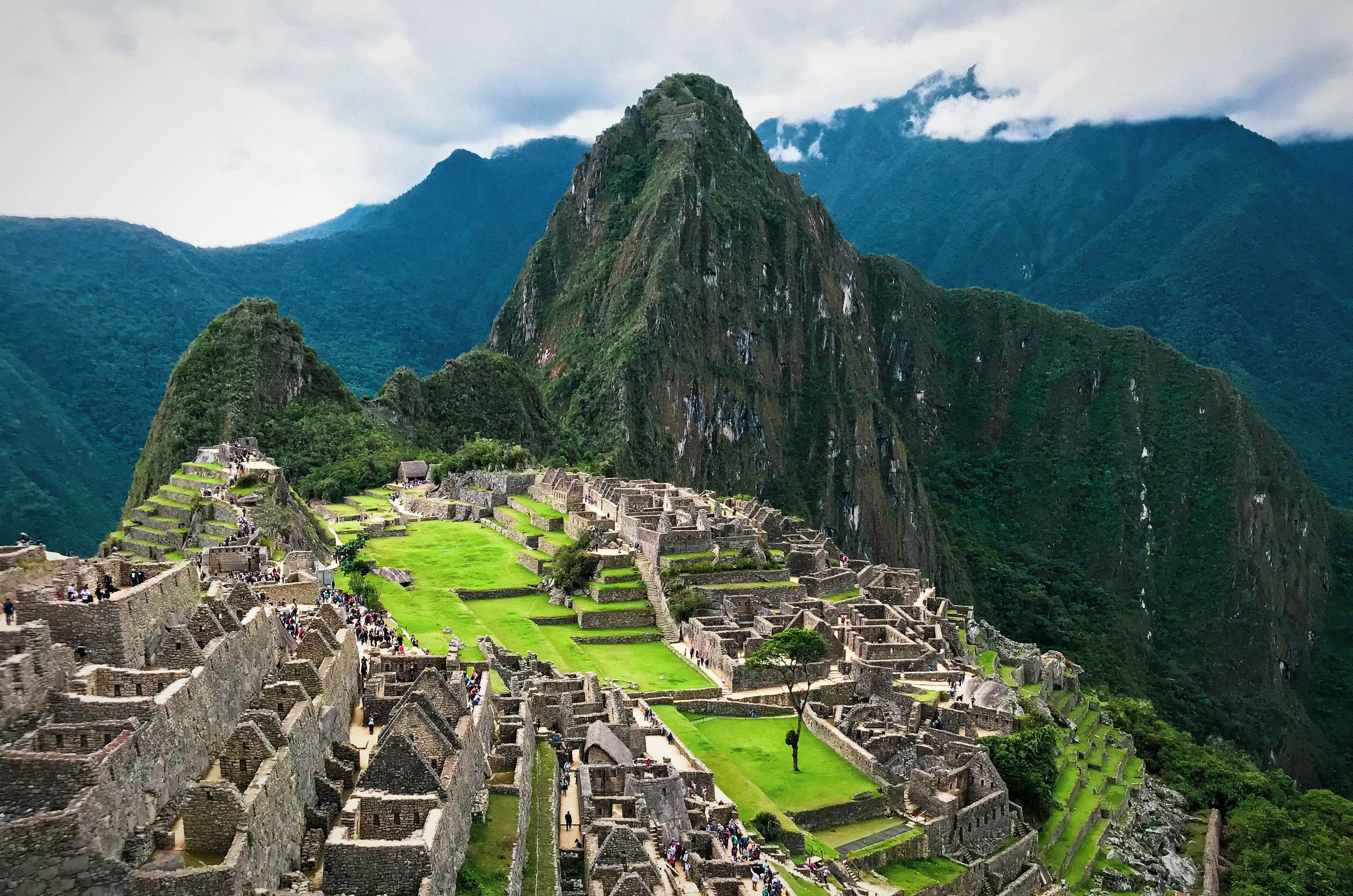
The impressive Machu Picchu Mountain is about 2438m above sea level and is today considered a UNESCO World Heritage Site. This means that it’s one of the most beautiful places in the world!
The significance of Machu Picchu Mountain to the Incas
Machu Picchu Mountain is known to be ONE OF THE SEVEN WONDERS OF THE WORLD.
For the Incas, it was much more than just a wonder. The mountain was an important hub for cosmology and studying natural cycles.
It’s assumed that Pachacuti, the Inca monarch, used it as a place of spiritual solace. The peak may have also been used to watch astronomical and religious activities.
Do you want to know how it works?
The temples, altars, and Intihuatana stone were among the buildings on the mountain that were planned to coincide with significant celestial occasions. The Incas utilized the Intihuatana, in particular, as an astronomical clock or calendar to help them keep track of time depending on the location of the sun.

Things To Do
Other than hiking the majestic mountain, there are a few other things you can experience during your visit.
Another mountain worth hiking is Huayna Picchu, located at the back of Machu Picchu Mountain.
We created a separate blog post about Huyana Picchu, check it out here!
For those who want to take it slow, there are plenty of walks around Machu Picchu Mountain to explore the ruins and local Peruvian life.
One site worth visiting while you are hiking Machu Picchu is the Temple of the Moon. This temple is located in a cave under the peak and holds important religious secrets from the Incas.
Last, but not least!
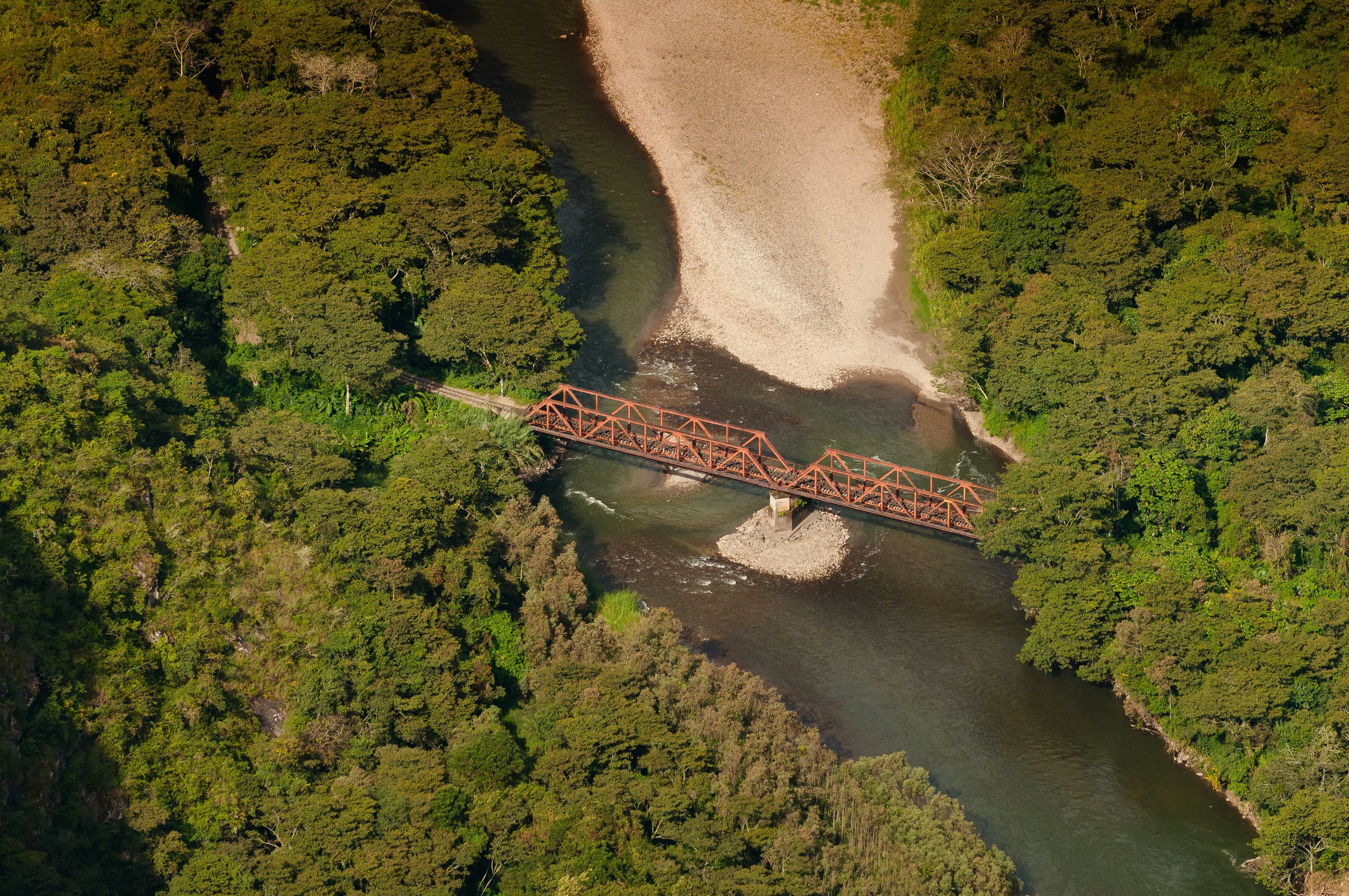
The Inca Bridge is a must-visit while you are there. The bridge was important for the Incas because it was their way of crossing the canyons.
INSIDER TIP: never forget to enjoy one of the 17 typical Peruvian foods when you’re in the country!
Transport Options to get there
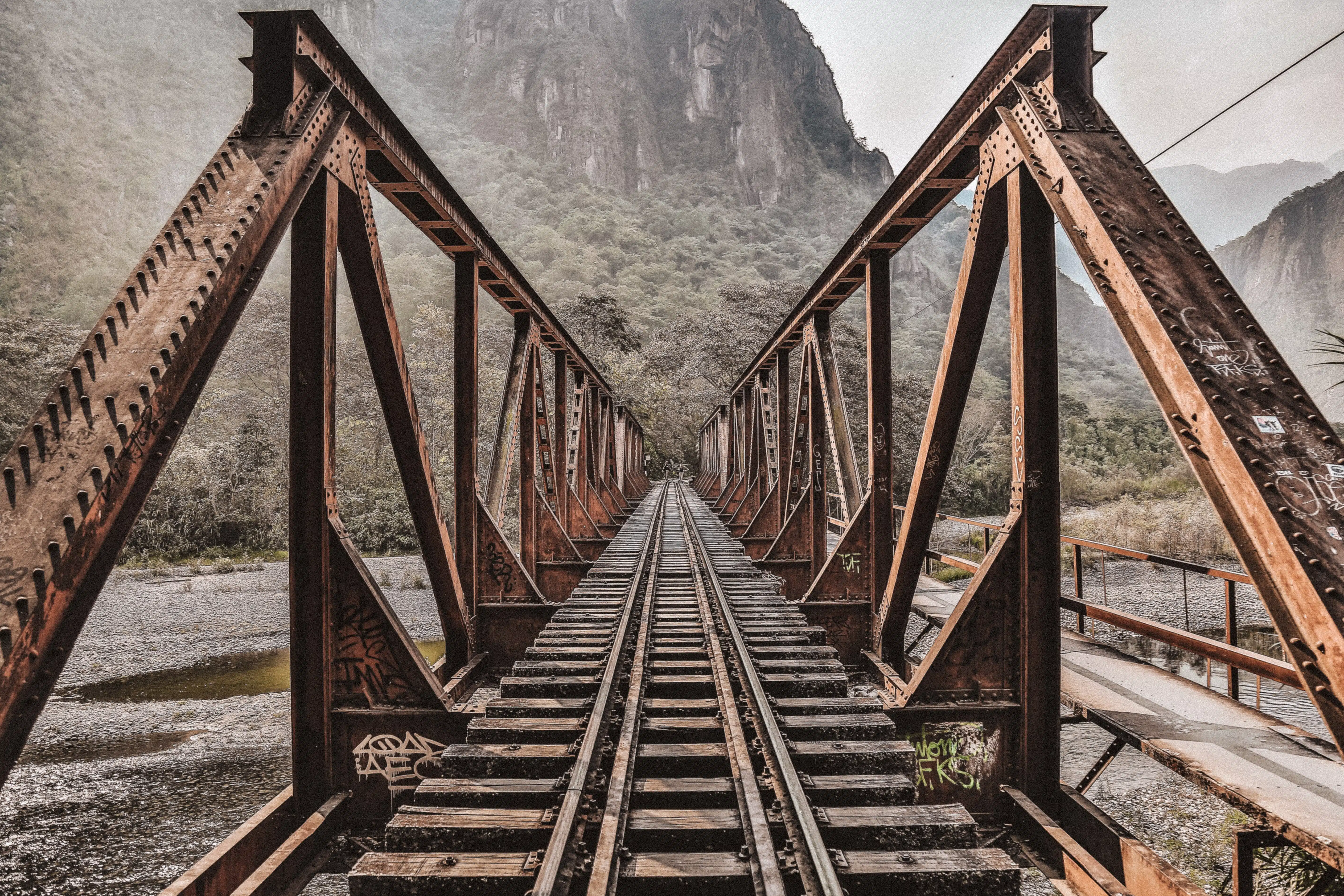
The most popular way of getting to Machu Picchu Mountain is the Inca Trail. This 4-day trek starts in Cusco and finishes at Machu Picchu Mountain, but of course, there are other options if you don’t want to do the full hike (the second option is our favorite).
By Train and Bus
The easiest way to organise transport yourself is by taking the Inca Rail and bus combi ticket from Cusco to Machu Picchu, this will cost approximately $150 for the round trip.
The best time to visit Machu Picchu Mountain
Machu Picchu Mountain can be visited year-round, but the best times to visit are April and October. During this period, you will have great chances of seeing clear skies with fewer crowds around than usual.
The rainy season in Peru is from November to March, so if you plan on visiting during these months, make sure you take appropriate rainwear and walking shoes.
Check out this blog post for a full guide to the rainy season in Peru.
Entrance Fees
Visiting Machu Picchu Mountain requires an entrance ticket.
The available tickets and prices are:
- General Machu Picchu Tickets: $60
- Ticket Machu Picchu and Huayna Picchu: 78$
- General Machu Pichu Tickets for Students: 35$
- Ticket Machu Picchu and Huayna Picchu for Students: 54$
The ticket is valid from 6:00 a.m. to 4:00 p.m., and you have to be back on the bus before 5:30 p.m. or you will not be allowed to enter again.
We recommend getting your tickets in advance, as the number is limited and they might be sold out.
You can book your permit online on the official government website or through tour operators that offer the service.
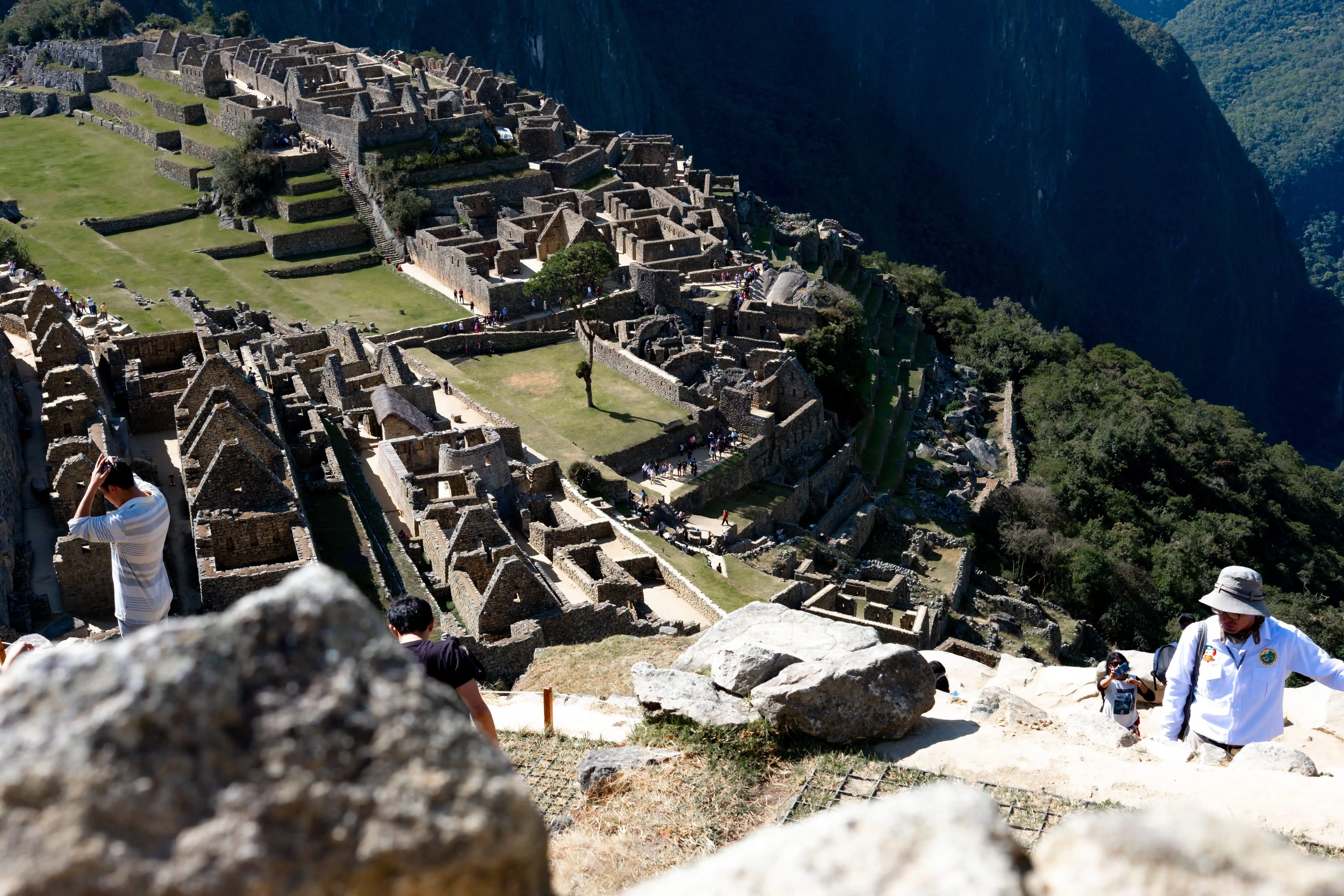
Recommended gear for hiking Machu Picchu Mountain
To have the most comfortable and safe experience at Machu Picchu, we recommend these travel accessories:
- Comfortable shoes with good grip (hiking boots are recommended)
- Rain jacket or poncho
- Hiking backpacks (we like those with rain cover)
- Water bottle/Hydration bladder
- Sunscreen and sunglasses
- Hat/cap
- Insect repellent
- Snacks
Make sure to check the weather before you leave for Machu Picchu Mountain so that you can dress appropriately. It can get cold, even in the summer months, so pack an extra layer of clothing just in case. Also, don’t forget to drink plenty of water throughout your hike!
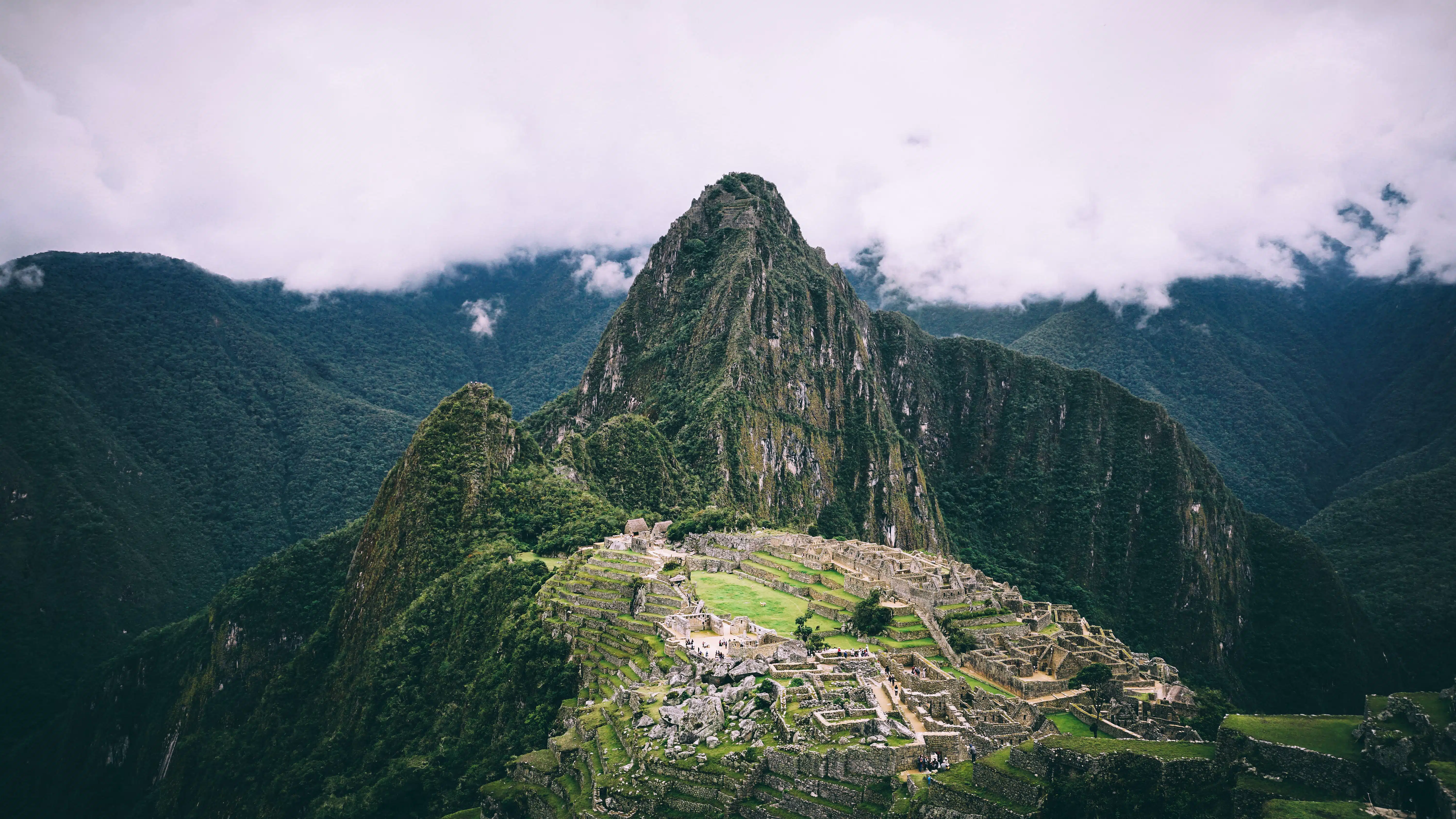
Overview of the 4-day hike
The 4-day hike is a great way to explore Machu Picchu Mountain and the surrounding area. The trek will take you through lush rainforest, ruins, and, of course, stunning mountain views.
Day 1: Cusco, Km. 82, Wayllabamba
On the first day of your hike, you will start in Cusco and hike to Km 82. From here, you will continue hiking for around 4 hours until you reach the campsite in Wayllabamba.
Day 2: Wayllabamba – Llulluchapampa
On the second day of your hike, you will ascend to a maximum altitude of 4200 meters. This can be quite challenging, but take your time and enjoy the scenery. After 3-4 hours of hiking you will reach the campsite in Llulluchapampa.
Day 3: Llulluchapampa, Machu Picchu Mountain
On day three, you will make your way to Inti Punku (Sun Gate), where you will have your first glimpse of Machu Picchu Mountain. After 8–10 hours of hiking, you will reach the mountain and spend the night camping there.
Day 4: Machu Picchu – Cusco
On the last day, you will get to explore the ruins and take in the stunning views from Machu Picchu Mountain. After that, you will take a bus down to Aguas Calientes, and from there, catch your train back to Cusco.
Overall, the 4-day hike allows you to fully appreciate and explore the stunning surroundings of Machu Picchu Mountain in a unique way. We highly recommend it!
Tour agencies to book with
1) Get Your Guide
If you are like us and prefer to get the full experience from your visit when you are visiting such a majestic place without worrying about how to get there and all the logistics, then booking a guided tour is the best option!
We booked a tour via Get Your Guide, the platform is very reliable for finding the right tour that matches what you are looking for in an experience.
The tour we booked was a full-day tour with all the transportation and lunch included.
What is included in this tour?
- Round-trip transportation from Cusco hotels to Ollantaytambo station
- Round-trip train ticket from Ollantaytambo to Aguas Calientes
- Round-trip bus ticket from Agua Calientes to Machu Picchu
- Admission to Machu Picchu (LLaqta Machu Picchu)
- 2.5-hour guided tour of Machu Picchu
- Professional tour guide (English, Spanish and Portuguese)
Overall, our experience was amazing! The pick-up time they had communicated to us was respected, the food was great, and the tour was really interesting. We got a lot of insight from our tour guide; it felt like a fun and educational experience.
2) TreXperience
Do you only want to spend one day exploring Machu Picchu Mountain? Then consider booking with the expert local travel agency, TreXperience. They offer one-day tours from Cuzco! You’ll do it in style as you’ll go by train and bus with a professional tour guide! Check out the amazing tour here!
Tour details
- Duration: Full day
- Distance: 50 miles (80 km).
- Travel time: 3.5 hours each way.
- Altitude: 7,970 feet (2,430 meters)
- Best season: Dry season (April to October)
- Transportation: Train, bus, walking
Highlights
- Start and Finish the tour at the door of your hotel
- Visit one of the New 7 Wonders of the World in one day
- Admire the stunning scenery on the train journey to Machu Picchu
3) View Peru Travel Agency
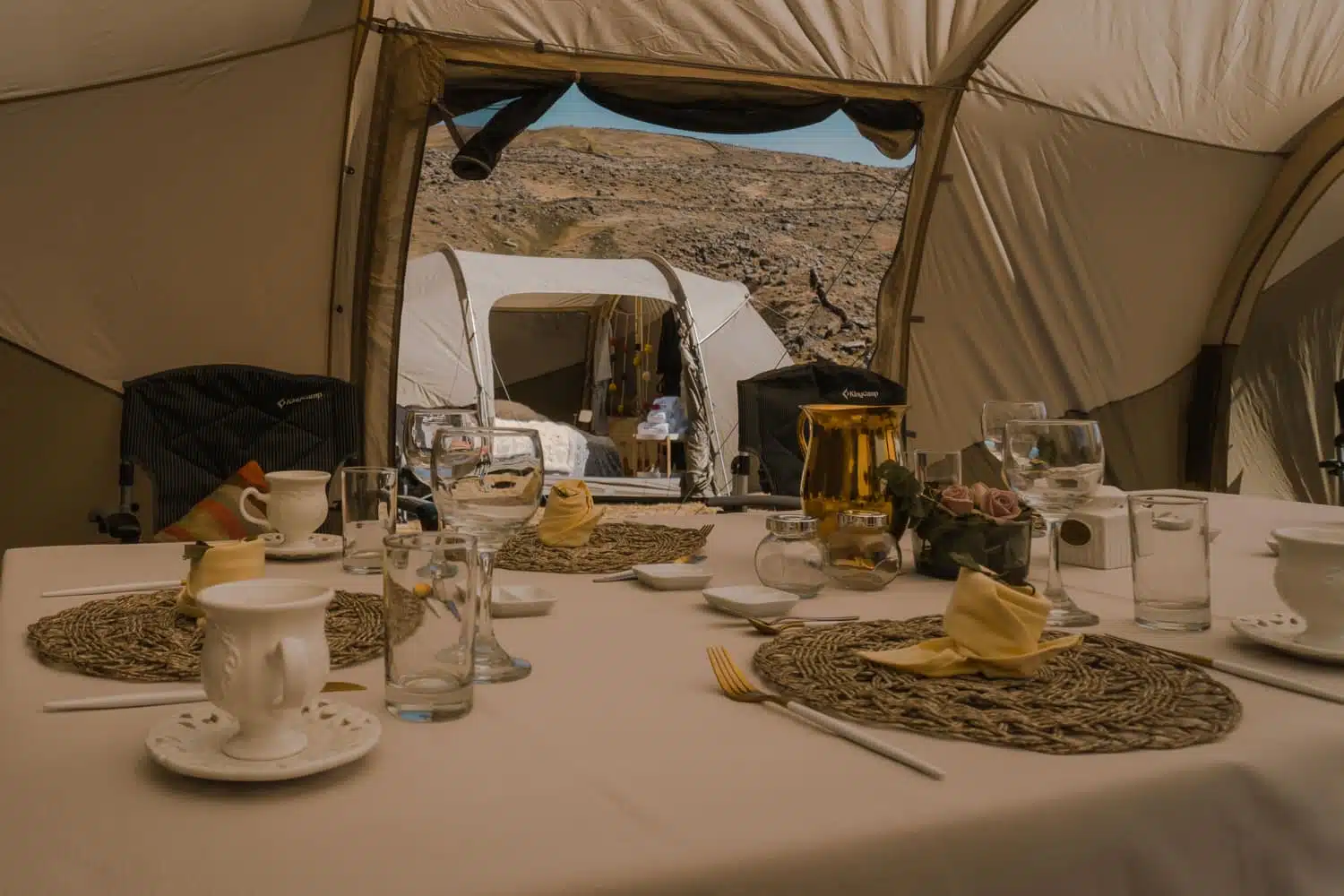
View Peru is a local travel company. They organize amazing 5-day hikes to Machu Picchu. Not just any hikes, but luxury hikes with glamping! With them, you’ll be climbing the mountain in style. Check out their hike here!

What’s included?
- Transportation from and to Cuzco
- Luxury Lares Trek + Short Inca Trail to Machu Picchu
- Professional English-speaking tour guide
- Specialized massage therapists for every camping night (1 for every 4 customers)
- 2 nights of ultra-luxury camping
- 1 night at the hotel of your choice in the Sacred Valley
- 1 night at the hotel of your choice in Aguas Calientes town
- 1 yoga session very early in the morning of the third day. (Only at Luxury Grade)
- All meals are cooked on the spot by our well-trained chef with fresh ingredients (B: Breakfast, L: Lunch, D: Dinner)
- Private Chef, chef assistant, and waiter
4) Surtrek
Another great local company is Surtrek. They offer many Machu Picchu tours in Cuzco, including 1 or 2-day tours but also 3- to 5-day treks. They promise you a full-on Prevuvian experience!
The highlights of their activities include:
- A once-in-a-lifetime pilgrimage to the “Lost City”
- Go Black Friday crazy in the color-filled indigenous handicrafts bazaar in Pisco
- Ride by rail through the mystical, storybook landscapes of Sacred Valley
- Hike the classic Inca Trail, arriving as the sun sets behind the citadel
- Sip delicious cocktails on a romantic locomotive journey as Peru’s magnificent rural landscape passes by
- Sample Peru’s famed “fusion food” in colonial Cusco
- Keep your camera ready for rich wildlife sightings of llamas, alpacas, and the impressive Andean condor
You can check out the full tours here!
5) Alpaca Expeditions
The last tour company that we fully recommend you book with is Alpaca Expeditions.
They offer a 4-day Inca trail for 800 USD. The best thing is that they take care of everything! They will prepare all the meals, carry your backpack, provide you with the best equipment, set up tents, etc.; everything is included! You can check out their page here.
Where To Stay
Luxury
Belmond Sanctuary Lodge: This is the only hotel located just steps away from the entrance of Machu Picchu Mountain. It has a bar and restaurant, as well as spa services.
Mid range
Tierra Viva Machu Picchu: This hotel is located near the entrance and it offers great views of Machu Picchu. It also has a bar, restaurant, and spa services.
Budget
Gringo Bill’s Hotel: This hotel is located in the city of Aguas Calientes, just a few minutes away from Machu Picchu. It offers free breakfast and Wi-Fi, as well as an outdoor pool and a restaurant.
We use Booking.com for all our accommodations everywhere in the world. They have the best prices and very flexible cancellation policies depending on the accommodation you choose.

Conclusion
This is everything for this blog post.
We hope you were able to plan your Machu Picchu experience.
Let us know in the comments below, how your experience was!
FAQ
Which mountain is Machu Picchu on?
Machu Picchu is located on a mountain ridge in the Eastern Cordillera of the Andes mountain range in southern Peru. The citadel sits between two prominent peaks: Machu Picchu Mountain (also known as “Old Mountain”) and Huayna Picchu (meaning “Young Mountain”). The archaeological site itself is often associated with Machu Picchu Mountain, from which it derives its name.
How hard is it Machu Picchu mountain to hike?
The Machu Picchu Mountain hike is considered moderately challenging, primarily due to the steep ascent, uneven terrain, and high altitude. The hike takes about 3-4 hours round trip, starting from the Machu Picchu citadel. The trail consists of numerous stone steps and switchbacks, with an elevation gain of approximately 650 meters (2,132 feet) from the base to the summit.
The difficulty of the hike can be further increased by the effects of high altitude, which may cause shortness of breath, fatigue, and in some cases, altitude sickness. It is essential to acclimatize to the altitude, stay well-hydrated, and pace yourself during the hike to ensure a safe and enjoyable experience.
What are the mountains around Machu Picchu called?
Machu Picchu is surrounded by several prominent mountains in the Eastern Cordillera of the Andes mountain range. The most well-known mountains around Machu Picchu are:
1. Machu Picchu Mountain (Old Mountain): This is the mountain on which the citadel is situated and from which it derives its name.
2. Huayna Picchu (Young Mountain): This peak is located directly behind the citadel and is often seen in the classic photos of Machu Picchu. It’s a popular hike among visitors for its panoramic views of the site.
Other nearby peaks include Putucusi, Salkantay, and Veronica, which are also part of the Andes mountain range in the region.
Where do you sleep when hiking Machu Picchu Mountain?
Where you sleep while hiking Machu Picchu depends on the trek you choose. Here are some popular treks and their sleeping arrangements:
1. Classic Inca Trail (4 days/3 nights): On this trek, you’ll typically sleep in tents at designated campsites along the trail. Tour operators provide camping equipment, and porters carry most of the gear, allowing you to focus on the hike.
2. Salkantay Trek (5 days/4 nights): Similar to the Inca Trail, you’ll sleep in tents at campsites during this trek. Some tour operators may also offer upgraded lodging options like eco-domes or lodges, depending on the itinerary.
3. Lares Trek (4 days/3 nights): This trek involves camping in tents at designated campsites. The Lares Trek is known for providing a more immersive cultural experience, as it passes through several traditional Andean villages.
4. Inca Jungle Trek (4 days/3 nights): This adventurous route combines hiking, biking, and optional rafting or zip-lining. Accommodations on this trek vary and may include a mix of camping, hostels, or basic lodges.
5. Train to Aguas Calientes: If you opt for a less strenuous approach by taking the train to Aguas Calientes, the town closest to Machu Picchu, you’ll have a wide range of accommodation options, from budget hostels to luxury hotels.
Remember to book your trek and accommodations well in advance, especially during the peak season (May to October), to ensure availability.
How bad is altitude sickness in Peru?
The severity of altitude sickness in Peru can vary greatly among individuals, depending on factors such as personal health, fitness level, and how quickly one ascends to high altitudes. Symptoms of altitude sickness can range from mild to severe and may include headache, dizziness, shortness of breath, nausea, loss of appetite, and difficulty sleeping.
Machu Picchu Mountain is at an elevation of 2,430 meters (7,970 feet), where the risk of altitude sickness is relatively lower compared to other high-altitude destinations in Peru, such as Cusco (3,399 meters / 11,152 feet) or Puno (3,830 meters / 12,556 feet).
To minimize the risk of altitude sickness, follow these tips:
- Acclimatize gradually by spending a few days in a high-altitude location like Cusco before heading to Machu Picchu Mountain.
- Stay well-hydrated by drinking plenty of water.
- Avoid alcohol and smoking, as they can worsen symptoms.
- Eat light, easily digestible meals, and avoid heavy or high-sodium foods.
- Consider taking over-the-counter altitude sickness medication, such as acetazolamide (Diamox), after consulting with your doctor.
- Ascend slowly and take breaks as needed during your hikes.
If you experience severe or persistent symptoms of altitude sickness, it’s crucial to descend to a lower altitude and seek medical attention if necessary. Remember that everyone reacts differently to high altitudes, and it’s essential to listen to your body and take precautions to ensure a safe and enjoyable trip.
How much does it cost to climb Machu Picchu?
The cost of climbing Machu Picchu Mountain can vary depending on several factors, including the type of trek, transportation, accommodations, and additional expenses. Here’s a rough breakdown of costs:
Entrance ticket: A standard entrance ticket to Machu Picchu costs around $47 USD for adults. If you wish to hike Huayna Picchu or Machu Picchu Mountain in addition to visiting the citadel, the combined entrance fees range from $60 to $62 USD.
Trekking tours: The cost of organized treks, such as the Classic Inca Trail, Salkantay Trek, or Lares Trek, can range from $500 to $1,500 USD or more, depending on the tour operator, group size, and services included. These packages typically cover permits, guides, porters, meals, and camping equipment.
Train tickets: If you choose to take the train to Aguas Calientes, round-trip train tickets from Cusco or Ollantaytambo can range from $80 to $400 USD or more, depending on the class of service and time of booking.
Accommodations: Hotel prices in Aguas Calientes vary widely, from budget hostels at around $20 USD per night to luxury hotels that can cost several hundred dollars per night.
Additional expenses: You’ll also need to consider costs for meals not included in your trek package, local transportation (such as buses to/from Machu Picchu), tips for guides and porters, and any personal expenses like souvenirs or snacks.
In total, the cost of climbing Machu Picchu Mountain can range from a few hundred to several thousand dollars, depending on your chosen itinerary and preferences. It’s essential to plan and budget accordingly to make the most of your adventure.
What are the stairs of death Incas?
The “Stairs of Death” is a nickname given to a particularly steep and narrow section of stone steps on the Huayna Picchu hike, located within the Machu Picchu Mountain archaeological site in Peru. These stairs are part of the trail that leads to the summit of Huayna Picchu Mountain, which offers stunning panoramic views of the Machu Picchu citadel and surrounding landscape.
The Stairs of Death are so named because of their steep incline and the sheer drop-offs on either side, which can be quite intimidating for some hikers. The steps were built by the Incas and are a testament to their remarkable engineering skills. While the ascent can be challenging, it is generally safe if hikers take their time, use caution, and follow the guidance of their tour guides or the signage along the trail.
How do I get to Machu Picchu Mountain?
There are no specific age restrictions for hiking Machu Picchu Mountain, but the hike is considered to be challenging and may not be suitable for young children or individuals with certain health conditions.
How many people are allowed to hike Machu Picchu Mountain each day?
As of 2021, the daily limit for hikers on Machu Picchu Mountain is 800 people.




One Response
Thank you for sharing that fascinating blog post about the Machu Picchu Mountain hike! 🏔️ It’s always exciting to learn about hidden gems and lesser-known trails.