With its remote location, amazing landscapes, and rich history, Rapa French Polynesia offers an amazing escape to one of the most secluded islands in the Austral Archipelago.
Let us be your guide as you discover everything Rapa Iti has to offer!
KEY TAKEAWAYS
- Rapa Iti: 1,240 km (770 miles) southeast of Tahiti, this volcanic island has lush valleys, rugged peaks, and pristine coral reefs.
- Why visit Rapa Iti: Discover ancient Polynesian pa fortifications, hike Mount Perau for panoramic views, and kayak through crystal-clear lagoons.
- Plan your journey: Rapa Iti can only be reached by boat via the Tuhaa Pae II cargo ship, offering a special adventure.
Dreaming of a French Polynesian vacation?
Fill in our SHORT FORM, and we will match you with trusted local tour operators who can build a personalized itinerary based on your STYLE, BUDGET, and TRAVEL DATES.
Our local partners create every itinerary with care. We kindly ask that you submit a request only if you’re considering traveling.
Some statistics about Rapa French Polynesia
- Population: 500 inhabitants
- Surface area: 40 sq. km (24.8 sq. miles)
- Highest point: Mount Perau (650 m or 2,133 ft)
- Main village: Haurei
- Travel time from Tahiti: Accessible only by boat (Tuhaa Pae II cargo ship)
- Distance from Tahiti: 1,240 kilometers (770 miles)
What is Rapa Iti?
Rapa Iti translates to “Little Rapa” in the Polynesian language.
The island is called Rapa Iti to distinguish it from Rapa Nui (Easter Island), located further east in the Pacific Ocean.
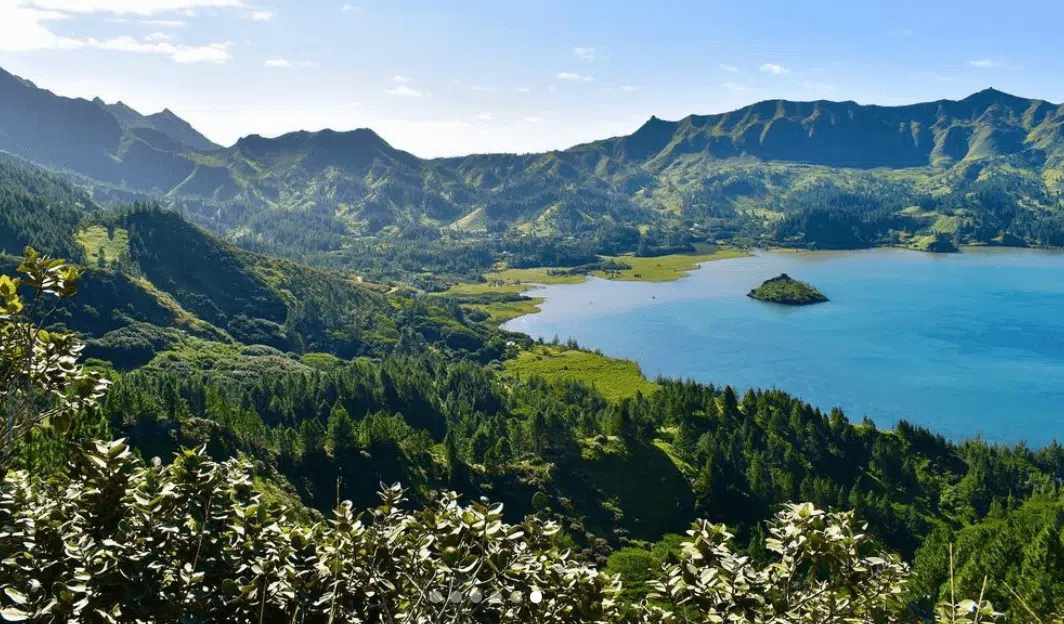
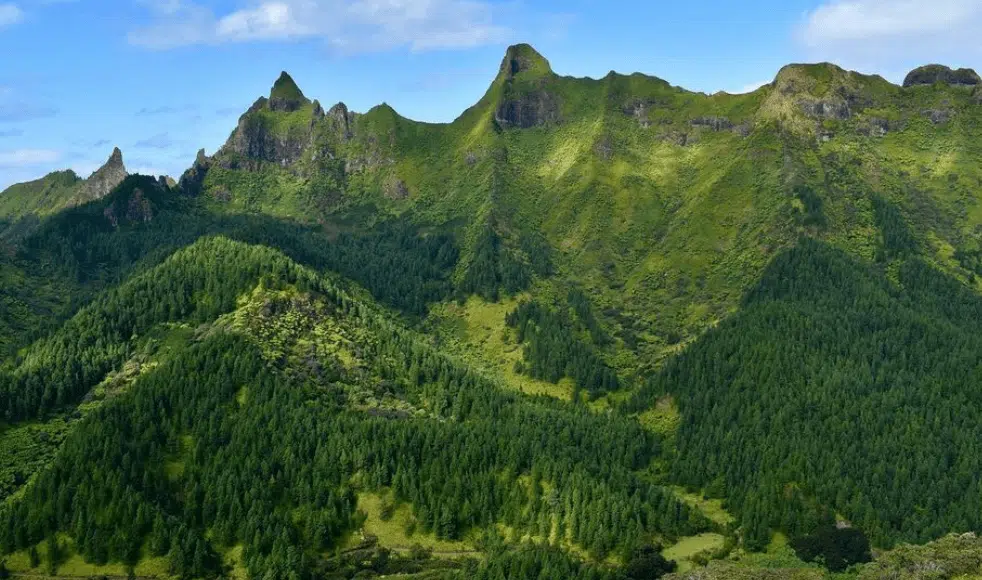
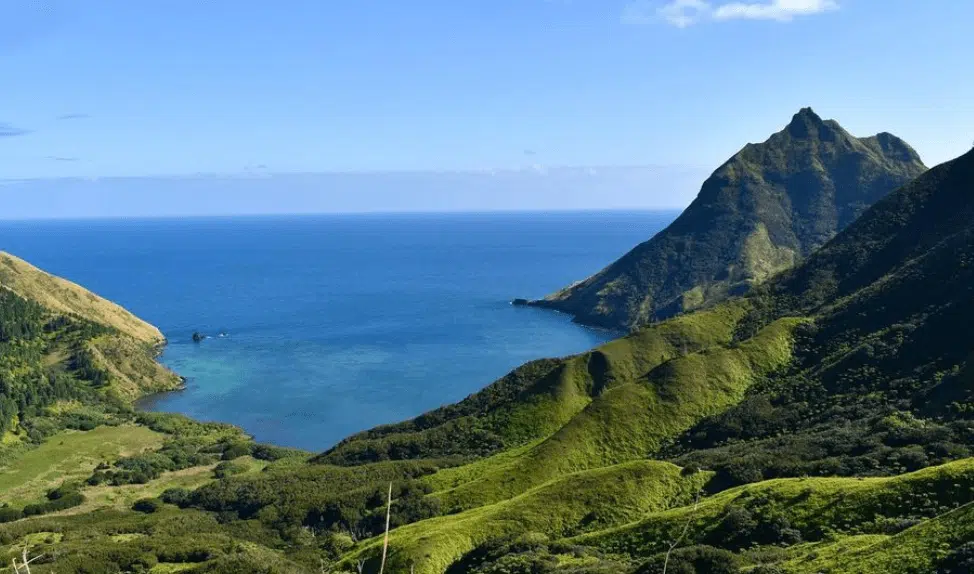
Rapa French Polynesia is a volcanic island surrounded by cliffs and lush valleys. With a population of 500 people, Rapa Iti preserves a traditional way of life far removed from the modern world.
More information on the official tourism website of Tahiti.
Simply fill in the form below to get a FREE QUOTE from trusted local travel specialists who know the islands inside out.
It only takes 60 seconds, and you’ll receive custom itineraries and pricing directly in your inbox or WhatsApp within
48 hours.
Free of charge. No pressure. No obligation.
*Our trusted local partners create every itinerary with care. We kindly ask that you submit a request only if you’re considering traveling.
Location of Rapa French Polynesia
Rapa Iti is the southernmost inhabited island of the Austral Archipelago in French Polynesia, situated in the South Pacific Ocean.
It is such an unknown destination that it only has a mini-Tripadvisor page.
It lies more than 1,200 km (770 miles) southeast of Tahiti, making it one of the most isolated and untouched islands in the region.
Its nearest neighbor, Raivavae (of the Austral Islands), is located 500 km (310 miles) away.
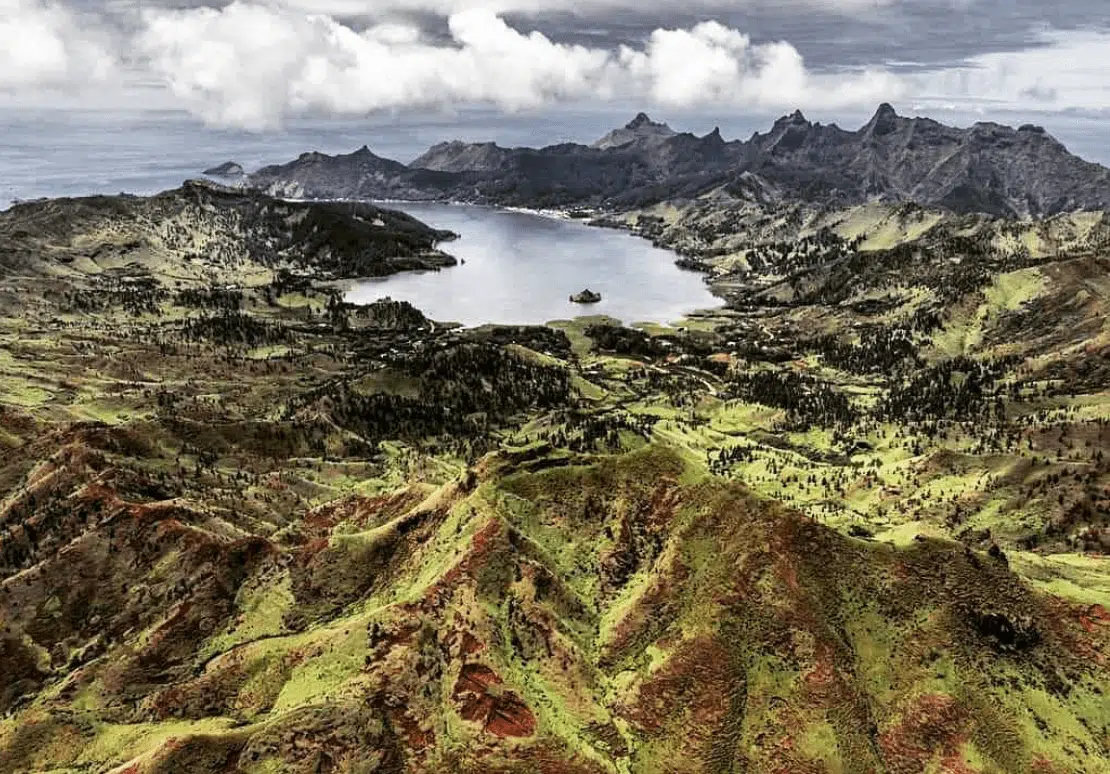
The island covers a land area of 40 square kilometers (15.6 square miles) and is surrounded by ten smaller islets, ranging in size from two to 64 acres. These islets encircle the main island, creating a natural harbor from harsh waves.
DID YOU KNOW: Rapa French Polynesia is unique among the islands of French Polynesia. It experiences a SPECIAL WINTER SEASON, from May to October, with temperatures dropping to 3°C (37°F).
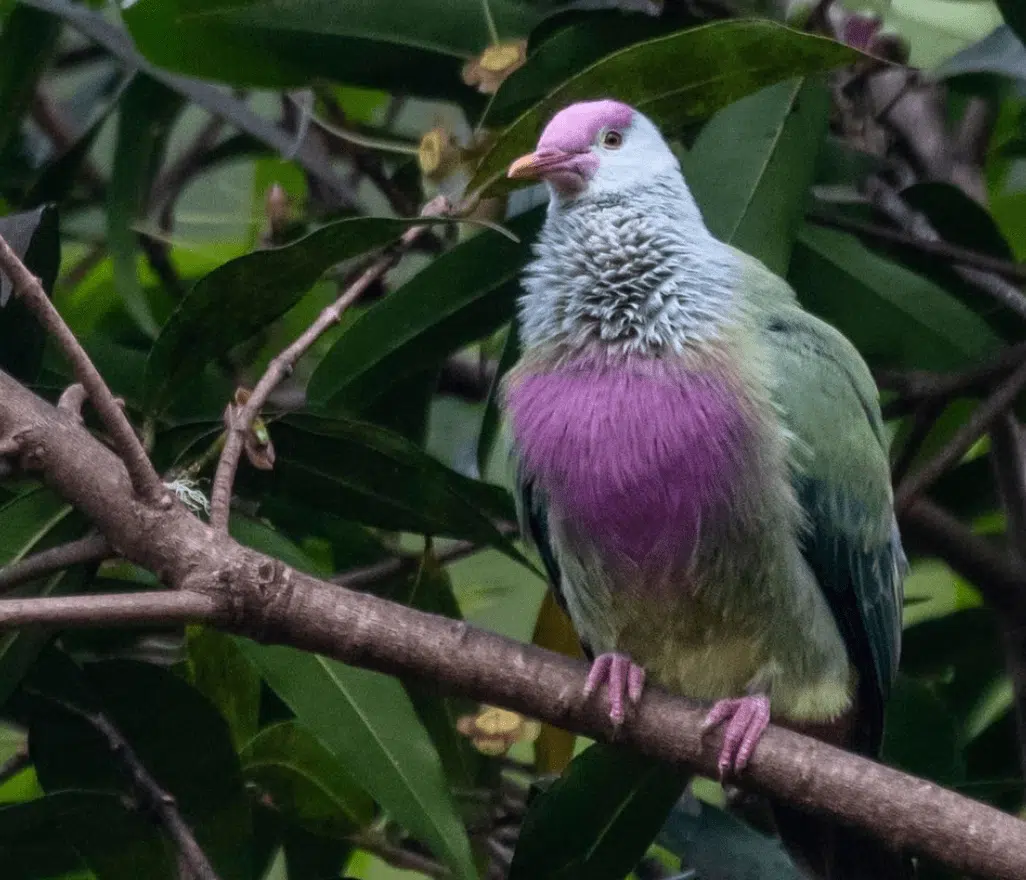
This cooler climate supports a variety of seabirds and plant species that are not found elsewhere in French Polynesia.
Villages and Population of Rapa French Polynesia
Rapa French Polynesia has a population of 507 people, who live in only two villages:
- Ahurei: The largest village, located along the central bay on the northern shore, has 400 residents. That’s where the primary school, the medical center, post office, and town hall are located.
- Area: A traditional village tucked within the island’s valleys with 100 residents.
The community continues to uphold Polynesian traditions, and the local population speaks their own Polynesian language called the Rapa language, a dialect unique to the island.
How to get to Rapa French Polynesia
Rapa Iti is one of the few islands in French Polynesia without an airfield.
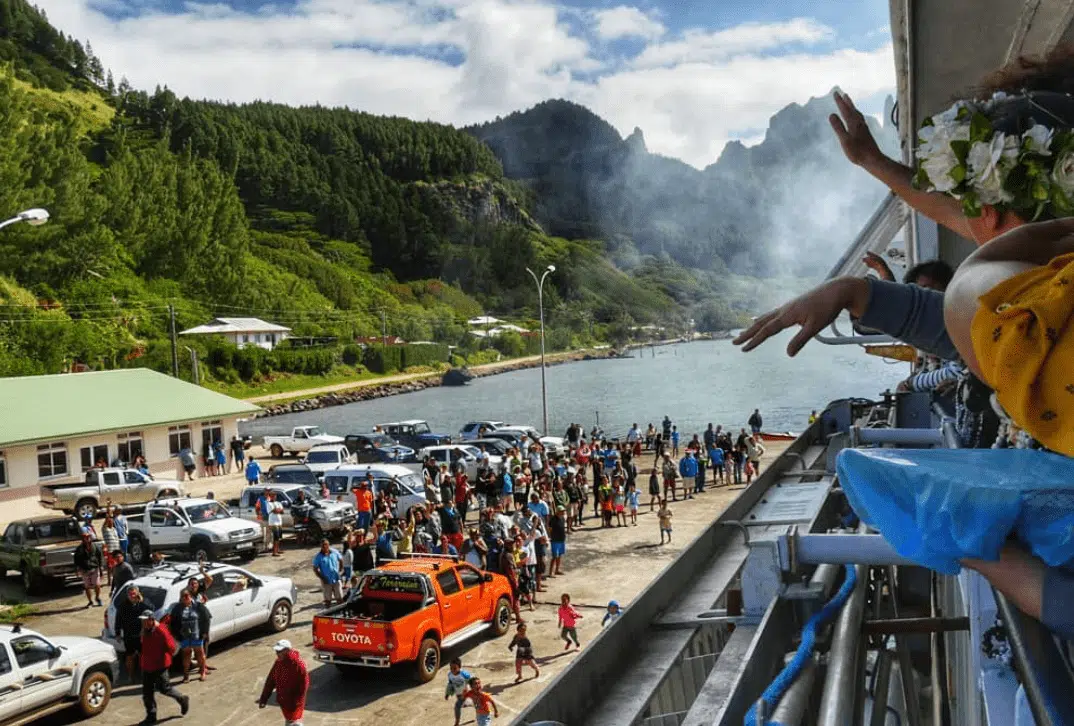
It is accessible only by boat, with the Tuhaa Pae II cargo ship connecting the island to Papeete roughly once every TWO MONTHS. The journey takes more than 50 hours, according to EU Reporter.
This limited connectivity reinforces its sense of remoteness and contributes to its unspoiled beauty and traditional way of life.
History and culture of Rapa French Polynesia
1) Early settlement and Polynesian roots
Rapa Iti was first settled by Polynesians, likely in the 13th century.
These people developed their own unique dialect, now known as the Rapa language, which remains in use today.
Over time, the depletion of natural resources on the island resulted in warfare among the population.
To defend themselves, the islanders built up to 14 fortified settlements (known as pa or pare) on the island’s peaks and cliffs (you can still visit them today).
These structures, similar to the Māori pā of New Zealand, are a hallmark of Rapa Iti’s ancient history and ingenuity.
DID YOU KNOW: Rapa Iti was once an independent island kingdom before becoming a French protectorate.
2) Contact with Europeans and its aftermath
The arrival of Europeans in the early 19th century brought dramatic changes to Rapa French Polynesia.
Between 1824 and 1830, Europeans brought liquor, disease, and slavery, which decimated the local population.
Peruvian slavers raided the island, taking many of its inhabitants. When a few survivors were returned, they brought smallpox, triggering a devastating epidemic.
The island’s population plummeted from nearly 2,000 in 1826 to fewer than 120 by the 1860s.
In 1867, the island became a French protectorate, and in 1881, it was formally annexed by France. The local monarchy was abolished, and French governance was introduced.
Despite these changes, the community retained its traditional ways, blending Polynesian customs with modern governance structures.
Simply fill in the form below to get a FREE QUOTE from trusted local travel specialists who know the islands inside out.
It only takes 60 seconds, and you’ll receive custom itineraries and pricing directly in your inbox or WhatsApp within
48 hours.
Free of charge. No pressure. No obligation.
*Our trusted local partners create every itinerary with care. We kindly ask that you submit a request only if you’re considering traveling.
3) Unique community structure
Rapa French Polynesia operates under a communal land ownership system, where land is collectively owned by the community and their descendants. External people are not allowed to purchase land.
- Tohitu (Council of Elders): This council determines land usage and allocation. If land remains unused for more than two years, it is redistributed to others in need.
- Tomite Rahi (Council of Leaders): This group, composed of representatives from various community factions (such as fishermen, taro farmers, and teachers), oversees the island’s rahui system. Rahui are protected marine areas where fishing is prohibited to ensure longterm sustainability of food resources.
These governance systems are not officially recognized by the French or French Polynesian governments, but on the island, their decisions are treated as law and strictly followed.
KEEP IN MIND: Rapa Iti lacks banking facilities and ATMs. Therefore, it’s essential to bring enough local currency in Pacific Francs (XPF) to cover your expenses, including accommodation, meals, and any activities.
Best things to do on Rapa French Polynesia
Below are the best activities on Rapa island in French Polynesia!
- 🏰 Ancient Forts: Hike to the pa fortifications for history and stunning views.
- 🌋 Peak Adventure: Scale Mount Perau, the island’s highest point, for panoramic views.
- 🛶 Lagoon Exploration: Kayak through the crystal-clear central lagoon, surrounded by islets.
- 🌊 Marine Conservation: Learn about the rahui system and sustainable fishing practices.
- 🎨 Cultural Immersion: Visit the villages of Haurei and Area to experience local crafts and traditions.
- 🌴 Remote Beaches: Relax on pristine, uncrowded beaches surrounded by untouched nature.
- 🦜 Wildlife Spotting: Explore islets that are sanctuaries for endemic bird species.
Now, let’s look at each activity individually:
1. Visit the ancient pa fortifications
The island is famous for its pa, ancient hilltop fortresses built by the island’s early Polynesian settlers.
These structures served as defensive strongholds during intertribal conflicts. Remember, you can hike to these sites for a glimpse into the island’s history and breathtaking views.
2. Hike Mount Perau
As the highest point on the island at 650 meters (2,133 feet), Mount Perau gives you panoramic views of Rapa Iti’s rugged volcanic terrain, lush green valleys, and the surrounding ocean.
This hike is a must-do!
3. Explore the central lagoon by kayak
The central lagoon is surrounded by the island’s ten smaller islets, creating a stunning and serene environment for kayaking.
These offshore islets are ecologically significant as critical habitats for endemic species, making them vital areas for conservation efforts.
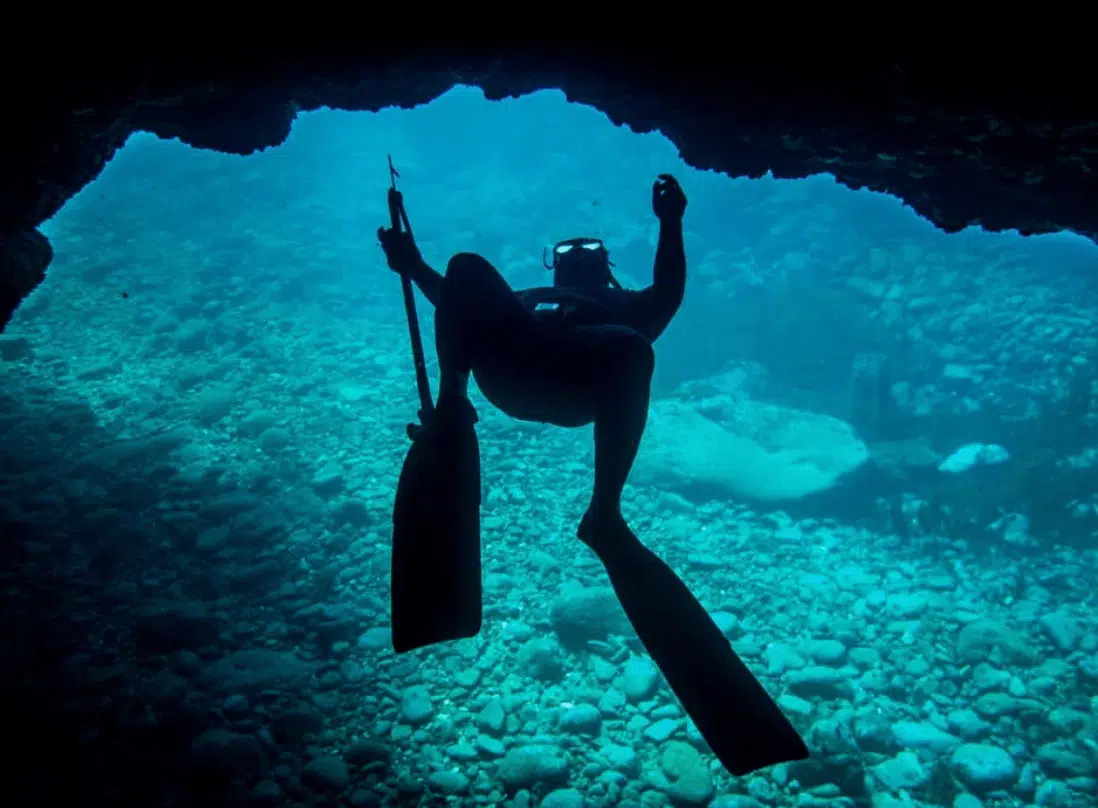
Paddle through the crystal-clear waters, enjoy the tranquility, and spot diverse marine life along the way.
4. Immerse yourself in traditional Polynesian culture
Visit the island’s two main villages—Ahurei and Area—to experience the daily life of the local community.
Learn about traditional crafts, participate in communal activities, and sample authentic Polynesian cuisine through workshops.
5. Marine conservation efforts
Learn about the island’s rahui system, where marine areas are sometimes temporarily closed to fishing to preserve food resources for future generations.
Guided tours provide insights into this sustainable practice and its impact on local life.
On top of that, in recent years, local environmental organizations have collaborated with BirdLife International to protect endemic and endangered bird species on Rapa Iti and the surrounding islets.
BirdLife International implements restoration projects to reverse ecological damage caused by invasive species.
6. Enjoy the remote and tranquil beaches
The island’s remote location makes sure that its beaches are majestic and uncrowded.
Relax on the soft sands, explore tide pools, or simply enjoy the solitude surrounded by breathtaking natural beauty.
Simply fill in the form below to get a FREE QUOTE from trusted local travel specialists who know the islands inside out.
It only takes 60 seconds, and you’ll receive custom itineraries and pricing directly in your inbox or WhatsApp within
48 hours.
Free of charge. No pressure. No obligation.
*Our trusted local partners create every itinerary with care. We kindly ask that you submit a request only if you’re considering traveling.
FAQs About Rapa Iti French Polynesia
Who lives in Rapa Iti?
Rapa Iti is home to around 500 people who live in small villages like Haurei and Area. The locals maintain a traditional Polynesian lifestyle, blending communal land management with modern governance.
How do you get to Rapa Iti?
Rapa Iti is only accessible by the Tuhaa Pae II cargo ship, which sails from Papeete, Tahiti, approximately once every two months. There is no airport on the island.
What is the Rapa Iti culture?
Rapa Iti’s culture is deeply rooted in Polynesian traditions. The island has communal land ownership, local councils like the Tohitu (Council of Elders), and the rahui system for protecting marine resources. The unique Rapa language and traditional crafts are also integral to their heritage.
Where is Rapa?
Rapa is located in the South Pacific Ocean, over 1,200 km (770 miles) southeast of Tahiti. It is part of the Austral Islands in French Polynesia.
Where is Rapa Iti?
Rapa Iti, meaning "Little Rapa," is the southernmost inhabited island of the Austral Islands, surrounded by volcanic cliffs and lush valleys.
What does Rapa mean in Polynesian?
In Polynesian, "Rapa" is believed to refer to an oar or paddle, symbolizing the seafaring heritage of Polynesian culture.
Is Tahiti Rapa Nui?
No, Tahiti and Rapa Nui (Easter Island) are different places. Tahiti is the largest island in French Polynesia, while Rapa Nui is a Chilean territory in the southeastern Pacific Ocean.
Who owns Rapa?
Rapa Iti is part of French Polynesia, an overseas territory of France. However, the island operates with traditional land ownership, managed by local councils, where land is communally owned by residents and their descendants.
How do you say hello in Rapa Nui?
In Rapa Nui, the greeting is “Iorana” (similar to Tahitian). However, this is distinct from the language spoken on Rapa Iti.
Are Rapa Nui people Polynesian?
Yes, the Rapa Nui people of Easter Island are part of the Polynesian cultural and ethnic group, sharing similar traditions, languages, and ancestry with other Polynesians.
What is Rapa in English?
In English, Rapa is simply the name of the island, but in Polynesian contexts, it can symbolize a paddle or seafaring tool.
What language is spoken in Old Rapa?
The language spoken in Old Rapa is the Rapa language, a unique Polynesian dialect that is still used on Rapa Iti today.
How to visit Rapa Iti?
To visit Rapa Iti, plan your trip around the Tuhaa Pae II cargo ship schedule. Book accommodations in advance, bring enough cash (no ATMs are available), and prepare for limited modern conveniences, making it a truly off-the-grid experience.