
Welcome to your RV road trip guide!
Discover everything from planning, and renting the RV van to going on amazing road trips!
Let’s get started.
Planning your RV road trip
A successful RV (Recreational Vehicle) road trip starts well before you hit the road.
It does not matter whether you’re heading to national parks, exploring Route 66, or chasing scenic views on the West Coast, you will always need to plan your RV road trip to prevent getting overwhelmed.
Here’s how to prepare like a pro:

1. Decide your travel duration and destinations
Are you planning for a couple of weeks or a longer adventure?
Knowing this helps narrow down routes (short vs long) and must-see stops like Zion National Park, Monument Valley, or Jenny Lake in Grand Teton National Park.
- For shorter trips (7–10 days), focus on regional loops (like a West Coast RV road trip from San Francisco to Joshua Tree National Park).
- For longer adventures (2–3 weeks), visit the famous spots like Yellowstone, Mount Rushmore, or Lake Powell.
👉 INSIDER TIP: The 2-week Alaska RV road trip itinerary is also a growing favorite among road trippers. Make sure to book campgrounds early, especially near Wildlife Refuges and national wonders.
2. Reserve in advance
Summer and spring trips often overlap with peak tourist season, especially at RV parks near major destinations.
Find campgrounds or rest areas designed specifically to support RV travel, and don’t forget your road trip essentials!
Make campground and RV resort reservations 2–3 months in advance, especially for Rocky Mountain National Park or Bryce Canyon.
3. Get your documents in order
Buy a National Park Pass (America the Beautiful at $80 USD / €74) for unlimited access to over 2,000 federal sites.
Also, check if you’re eligible for Passport America or other camping memberships to reduce daily expenses.
Renting vs. buying an RV
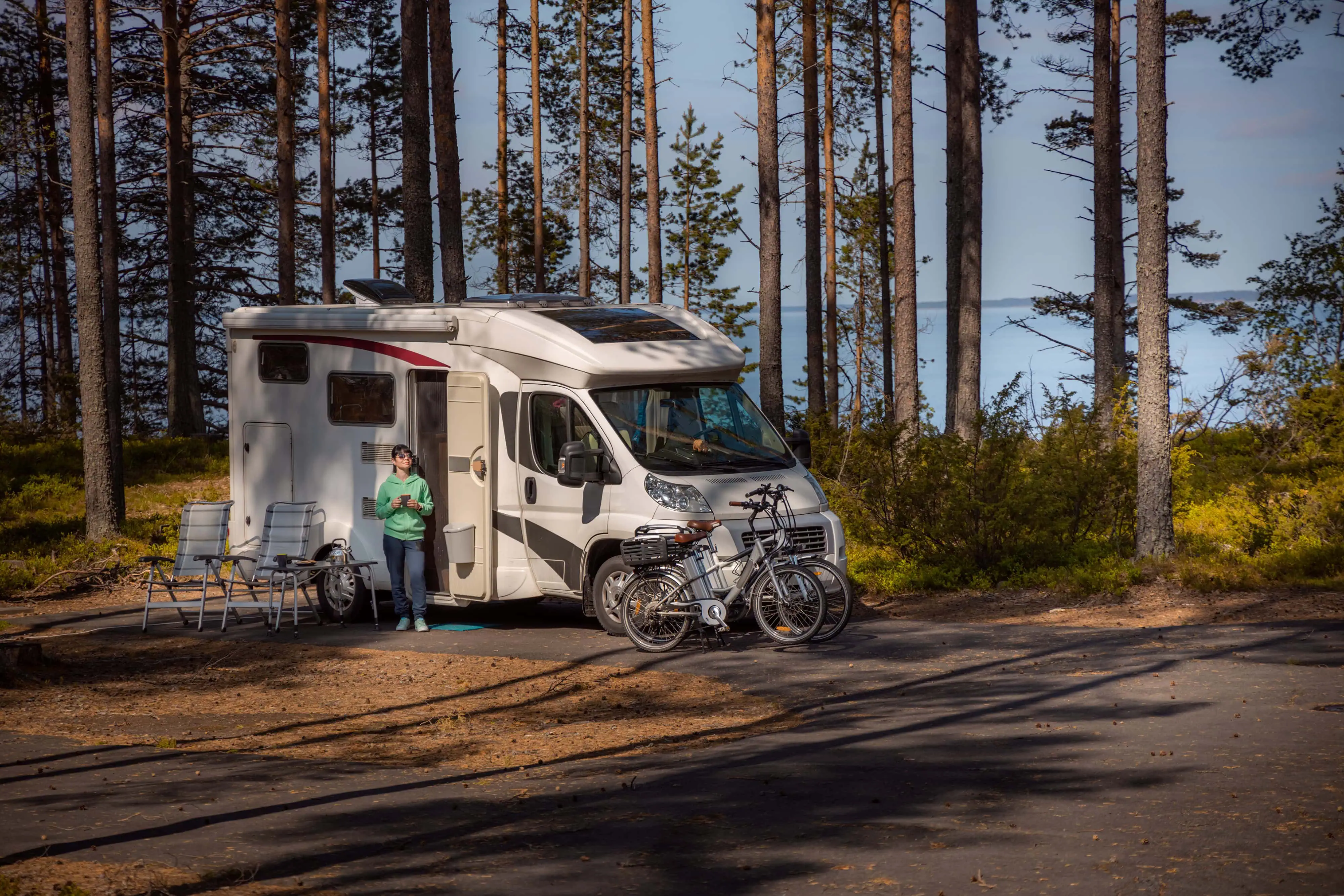
The choice between renting and buying depends on your lifestyle, budget, and travel goals.
Renting an RV
If it’s your first time or you’re testing the waters, then we definitely recommend to RENT an RV.
Companies like Cruise America and IndieCampers offer everything from truck campers to Class C models, with pick-up points in Salt Lake City, San Francisco, Santa Fe, and many many other videos.
Estimated rental prices (peak season):
- Small RV (2 people): $140 USD/day (€130)
- Medium RV (4 people): $170 USD/day (€158)
- Large RV (6 people): $200 USD/day (€185)
💡 Fuel prices are your biggest variable cost. Expect to spend $500–$900 USD (€460–€830) on fuel for a 2-week RV road trip, depending on route and average fuel economy.
Buying an RV
If you plan to travel multiple times a year or dream of becoming a full-time RVer, buying is more economical and comfortable over time.
The base cost for new RVs varies:
- Slide-in campers: from $10,000 USD (€9,200)
- Cab-over campers: from $25,000 USD (€23,000)
- Hard-side truck campers: from $30,000 USD (€27,700)
📌 Drawback: You’ll need to manage dump stations, black water tanks, and ongoing maintenance.
Understanding different types of RVs
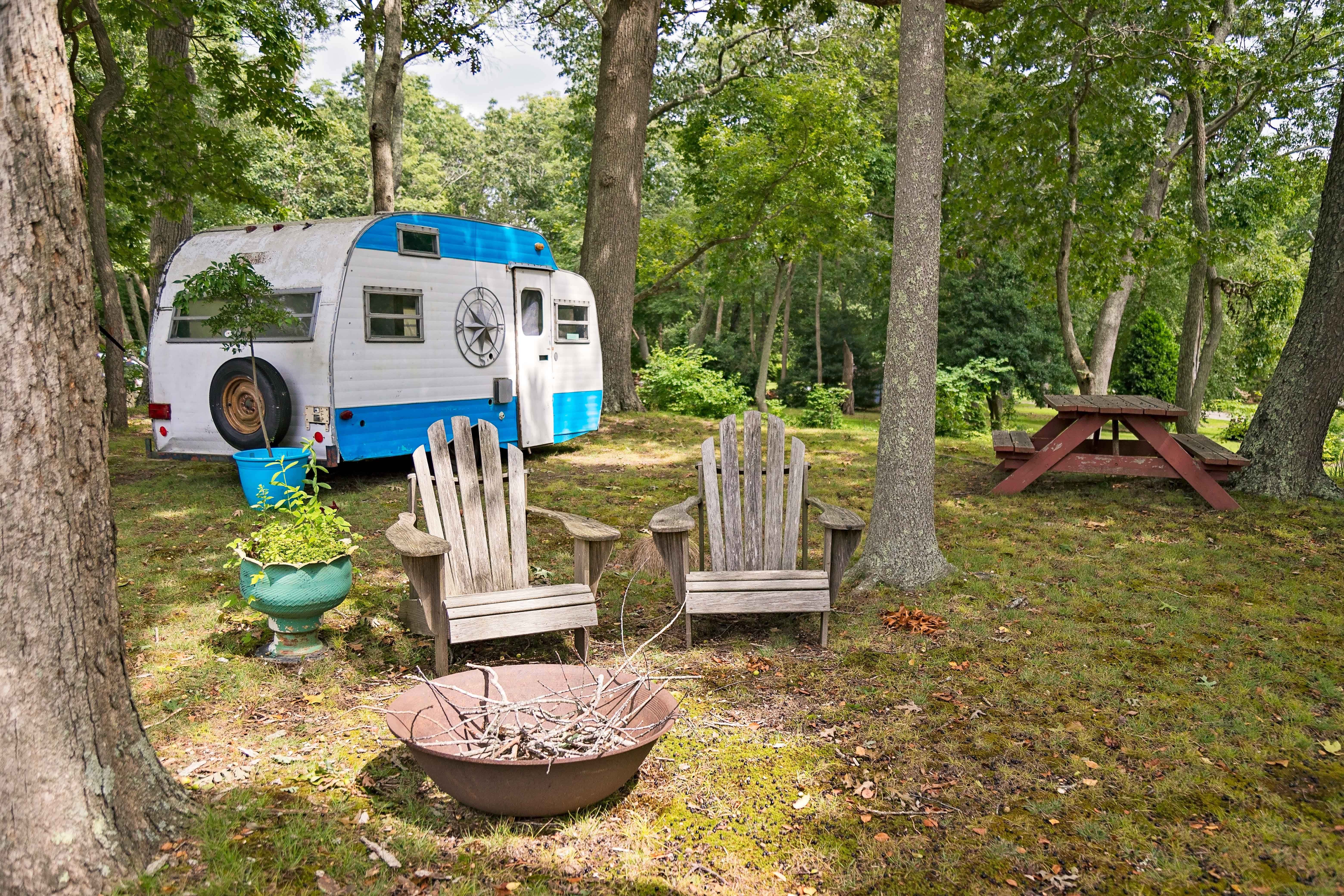
Choosing the right RV makes or breaks your experience.
Here’s a breakdown:
|
RV Type |
Best For |
Pros |
Cons |
|---|---|---|---|
|
Truck campers |
Adventurous couples |
Compact, great for narrow scenic roads |
Limited interior space |
|
Cab-over campers |
Families or small groups |
Overhead sleeping, good storage |
Poor fuel economy |
|
Hard-side campers |
Long-term travelers |
Durable, insulated, all-season |
Heavier and pricier |
|
Slide-in campers |
Solo or couples |
Easy to detach from truck |
Can feel cramped |
Packing essentials for RV travel
Packing for an RV road trip is balancing comfort and space.
Here’s what you shouldn’t forget in terms of road trip accessories:
🧰 Practical gear
- Leveling blocks
- Drinking water hose (for fresh water refills)
- Black water and gray water hoses
- Surge protector and RV extension cords
- National Park Pass, ID, insurance docs
🛏️ Comfort and cooking
- Sheets, blankets, and pillows (temps drop in places like Niagara Falls)
- Portable grill and non-stick cookware
- Grocery Store essentials
- Water filter pitcher (great for Grocery shopping stops)
🧯 Safety gear
- Fire extinguisher
- First-aid kit
- Flashlights and headlamps
- Carbon monoxide detector
🛑 Safety recommendations: Check tire pressure, tread condition, and tightness of all lug nuts, brakes, lights, and turn signals. Inspect engine fluid levels such as oil, coolant, and transmission fluid. Also, perform an underbody check for leaks or worn parts. Having regular professional maintenance visits done will keep your RV road-ready.
👉 INSIDER TIP: Use Google Maps offline in remote areas like Bend Ranch State Park or Horseshoe Bend, where the signal is weak and signs are minimal.
We have written a dedicated post about road trip accessories you should not forget!
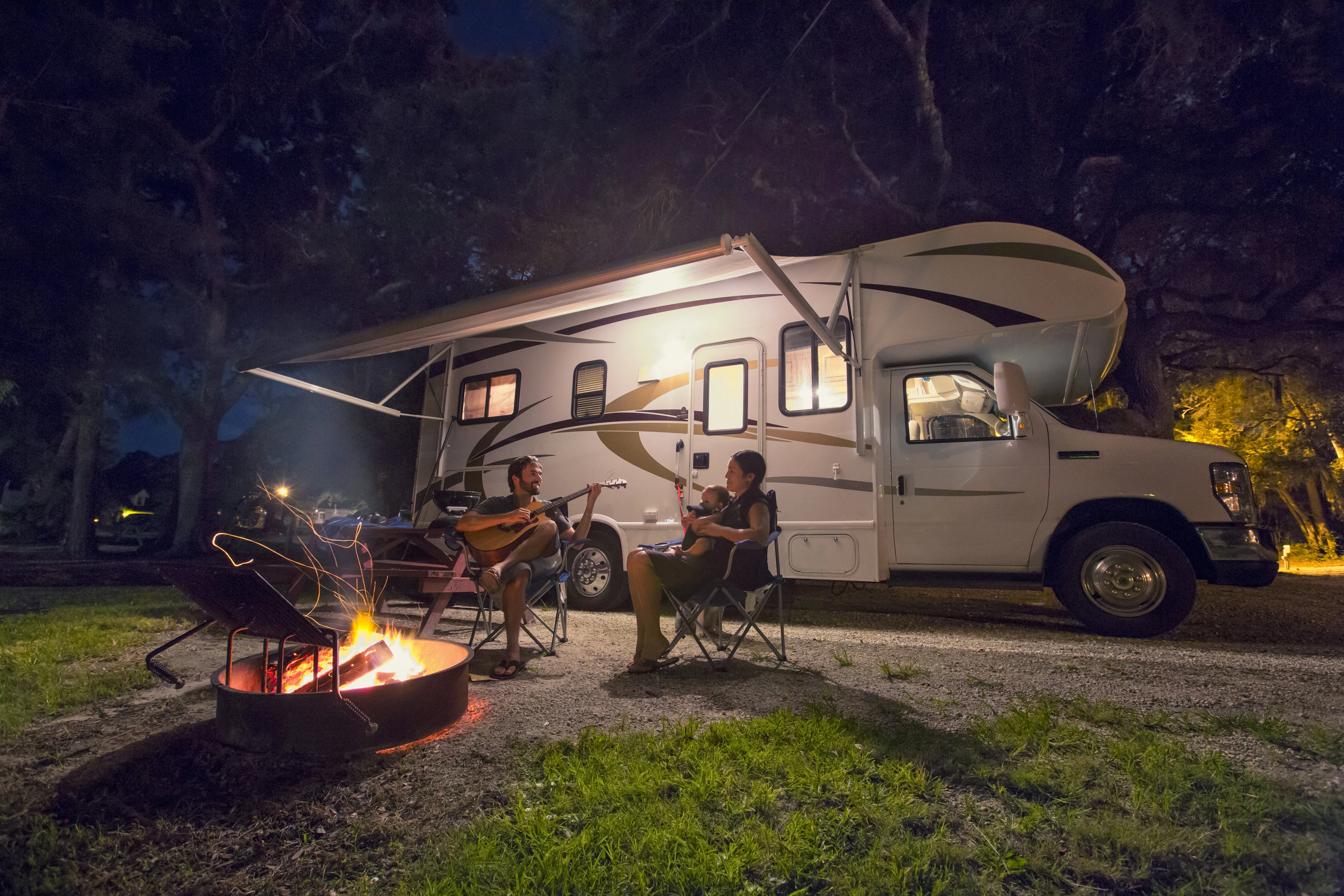
Preparing your travel route and budget
The magic of an RV road trip lies in its flexibility, but that doesn’t mean you should wing it entirely.
A well-planned route and budget let you stay spontaneous while avoiding costly mistakes.
Let’s break it down step by step.
Mapping out your route
When planning your RV road trip, you’ll want to strike a balance between bucket-list stops and realistic drive times.
Long hauls can be exhausting, especially if you’re navigating unfamiliar roads in a larger vehicle.
Step-by-step route planning:
- Set your start and end points: Choose locations that are RV-friendly with good infrastructure. This also helps when renting your vehicle. KEEP IN MIND that companies charge extra for one-way drop-offs.
- Break the trip into segments: Limit drive days to 200–250 miles (320–400 km) to allow time for breaks, setup, and unplanned detours. Use Google Maps or Roadtrippers to plot your overnight stops and sightseeing.
- Mix remote and urban stops: Avoid planning only city or only nature stops. A varied route adds comfort and access to services between wilderness stretches.
- Reserve the first and last nights: Especially on your first RV road trip, it’s wise to reserve your first and last campgrounds in advance. This reduces arrival stress and gives you a buffer if anything goes wrong.
👉 INSIDER TIP: Always build in 1–2 “flex days” to foresee delays, changes in weather, etc.

Budget considerations
Many first-time RV travelers underestimate how quickly expenses add up.
While an RV road trip gives you freedom and avoids nightly hotel costs, there are unique budget factors to consider.
Fixed costs
These are your baseline expenses before you even start driving.
- RV rental or payment: Expect $140–$200 USD (€130–€185) per day for rentals.
- Campsite fees: Range from $30–$80 USD (€28–€74) per night depending on location and amenities.
- Insurance: Most rental platforms offer collision coverage add-ons for $10–$30 USD (€9–€28) per day.
Variable costs
These depend on your route, travel pace, and style.
- Fuel: For a standard Class C RV, plan for 8–10 miles per gallon (13–16 liters per 100 km). A 1,500-mile (2,400 km) trip may cost $500–$900 USD (€460–€830) in gas alone.
- Groceries: $75–$125 USD (€70–€115) per week per person, if cooking onboard.
- Attractions and passes: From museums to scenic drives, allow at least $100 USD (€92) per week for activities.
- Tolls and parking: Some RV parks and city centers charge extra for oversized vehicles. Research in advance to avoid surprises.
Hidden or surprise expenses
- Dump station fees (if not included at your campground)
- Propane refills
- Wi-Fi or mobile data upgrades
- Repairs or RV service calls.
Must-visit RV road trip destinations in the United States
One of the best parts of an RV road trip is the ability to chase views, history, and peace, all on your own terms.
National parks of the western U.S.
The American West is made for RV exploration.
With wide-open roads, abundant campgrounds, and world-class scenery, it’s no surprise that this region tops most RV road trip wishlists.
Top national park picks for RV travelers:
- Yellowstone (Wyoming, Montana, Idaho): Geysers, wildlife, and full-hookup RV campgrounds inside the park.
- Zion (Utah): Narrow canyons, shuttle access, and dramatic red cliffs. Book the Watchman Campground early.
- Joshua Tree (California): Best for dry camping under the stars—minimal light pollution, maximum beauty.
- Rocky Mountain (Colorado): Alpine lakes, scenic switchbacks, and good access via Estes Park.
👉 INSIDER TIP: The best shoulder season for national park travel is late April to early June or mid-September to mid-October. You’ll skip the worst crowds without sacrificing the weather.
Exploring historic Route 66
If your RV road trip goal is nostalgia, Route 66 delivers exactly that.
This iconic highway runs from Chicago to Santa Monica, taking you through quirky towns, vintage diners, and classic Americana.
Why RV travelers love Route 66:
- Dozens of RV-friendly motels and retro-themed campgrounds
- Photo-worthy stops like Cadillac Ranch (Texas) and Wigwam Motel (Arizona)
- Cultural gems in cities like Tulsa, Albuquerque, and Flagstaff
📍 Best segment for a one-week RV road trip: Oklahoma City to Albuquerque. It’s scenic, historic, and packed with oddball attractions.
Tennessee state
Expect to drive through smoky mountains, riverside sites in Chattanooga, or the culture of Nashville and Memphis.
Tennessee is built for road travelers.
RV parks are plentiful, such as Made In The Shade RV Park and the RV park in Kentucky near Kentucky Lake bordering Tennessee and Kentucky.
All these RV parks often come with scenic views, think mountain backdrops, lakeside hookups, and wooded campsites.
With a mix of nature, music, and comfort, Tennessee offers everything you want in an RV destination, without ever feeling overcrowded.
The serene Blue Ridge Parkway
Running through Virginia and North Carolina, the Blue Ridge Parkway is perfect for travelers seeking tranquility, mountain views, and cultural richness.
What makes it ideal for an RV road trip:
- 469 miles (755 km) of uninterrupted scenic driving
- Dozens of pull-offs, picnic areas, and campgrounds
- Peak foliage in early to mid-October
🎶 Bonus: This route is known for roadside bluegrass performances and Appalachian craft markets.
👉 INSIDER TIP: Campgrounds like Julian Price or Mount Pisgah offer easy access to trails without needing to unhitch your rig.
Scenic byways and lesser-known gems
The beauty of an RV road trip is how it reveals unexpected gems.
These lesser-known routes are peaceful, photogenic, and often crowd-free.
Underrated scenic drives worth adding to your route:
- Highway 12, Utah: A dramatic route linking Bryce Canyon and Capitol Reef, with panoramic pull-offs and boondocking spots.
- North Cascades Highway, Washington: Towering peaks, alpine lakes, and uncrowded campgrounds.
- Kancamagus Highway, New Hampshire: A fall foliage favorite, with rustic campgrounds and covered bridges.
👉 INSIDER TIP: Download the app “America’s Scenic Byways” to discover nearby drives as you travel.
Embracing the RV lifestyle
The beauty of an RV road trip isn’t just the destinations, it’s learning to love the rhythm of the road.
Managing day-to-day routines
Life on an RV road trip runs smoother with structure.
Mornings often start with leveling checks, coffee by the door, and a quick plan for fuel and supplies. Afternoons might be for hikes, city exploring, or relaxing at camp.
🧽 Keep cleaning supplies handy, dump tanks regularly, and make time for grocery stops every 3–4 days.
👉 INSIDER TIP: Use the “Settle, Explore, Move” rule, and stay at least two nights per stop to balance driving with rest.
Making campsite reservations
Not all campgrounds operate on a first-come basis.
For popular RV sites and city-adjacent stays, book at least 4–6 weeks ahead, longer during holidays.
🛎️ Use tools like Campendium, Recreation.gov, and Hipcamp to compare availability, size limits, and hookups.
👉 INSIDER TIP: If you’re unsure where you’ll land, reserve a refundable site and cancel 48 hours out if plans change.
Exploring boondocking opportunities
Boondocking, which is free, off-grid camping, is a great way to cut costs and experience raw beauty during your RV road trip.
Look for sites on BLM land, national forests, or apps like iOverlander. You’ll need to manage your power, water, and waste carefully, but the peace and views often beat any resort.
🛑 Check local regulations first—some states require permits or restrict overnight stays on public land.
👉 INSIDER TIP: Arrive before sunset to scout a safe, level spot. Keep your gray and black tanks closed unless legally allowed to be dumped.
FAQ
What is the 2 2 2 rule for RV travel?
The 2-2-2 rule is a travel guideline many RVers follow to create a comfortable and sustainable pace while on the road. It stands for driving no more than 200 miles per day, arriving at your next destination by 2:00 PM, and staying at each location for at least 2 nights. This approach prevents exhaustion, especially on longer stretches of an RV road trip, and allows time to set up camp, explore nearby attractions, and unwind without feeling rushed. It’s especially useful for those new to RV life or traveling with kids or pets, where slower transitions can make the experience more enjoyable. Many full-time RVers stick to this rule to preserve energy and maximize flexibility.
What is the best RV trip planner?
RV LIFE Trip Wizard is one of the most trusted tools among serious RV travelers. It offers RV-safe routing, campground reviews, real-time fuel cost estimates, and clear driving directions tailored to the size of your rig. Roadtrippers Plus is another great option if you enjoy finding scenic or quirky stops along your route—it’s visually intuitive and ideal for discovering offbeat attractions. For campground research, Campendium is widely used thanks to its detailed reviews, boondocking site information, and user-uploaded photos. Most experienced travelers use a combination of these tools to plan and adjust their RV road trips based on personal preferences, weather, and real-time feedback.
What is the 10-year rule for RV?
The 10-year rule is a campground policy that restricts RVs older than 10 years from staying at certain parks or resorts unless approved in advance. This rule is most commonly enforced by upscale RV parks that want to maintain a polished appearance or avoid maintenance issues that can come with older rigs. However, enforcement varies, and many parks apply the rule loosely or not at all. If you're renting an RV or traveling in a well-maintained vehicle that's over 10 years old, a quick phone call or sending a few recent photos of your RV is often enough to get approved. It’s not something that should deter you from planning an RV road trip, but it’s smart to check the campground's policy in advance to avoid surprises on arrival.