Looking for a guide to diving in Rangiroa, French Polynesia? Then you have come to the right address!
We’ll show you all the locations with INSIDER and PRACTICAL tips.
By the end, you’ll be a Rangiroa scuba diving expert!
KEY TAKEAWAYS:
- Marine life: Rangiroa is famous for its gray reef sharks, silvertip sharks, dolphins, barracudas, manta rays, and sightings of hammerhead and tiger sharks.
- Drift diving at its best: Drift diving in Rangiroa, especially in the Tiputa and Avatoru Passes, where strong currents create exhilarating underwater journeys.
- Practical considerations: Most dives range from 5–50 meters (16–165 feet). Safety is critical in this remote location, so Nitrox diving is commonly used to reduce the risk of decompression sickness.
Dreaming of a French Polynesian vacation?
Fill in our SHORT FORM, and we will match you with trusted local tour operators who can build a personalized itinerary based on your STYLE, BUDGET, and TRAVEL DATES.
Our local partners create every itinerary with care. We kindly ask that you submit a request only if you’re considering traveling.
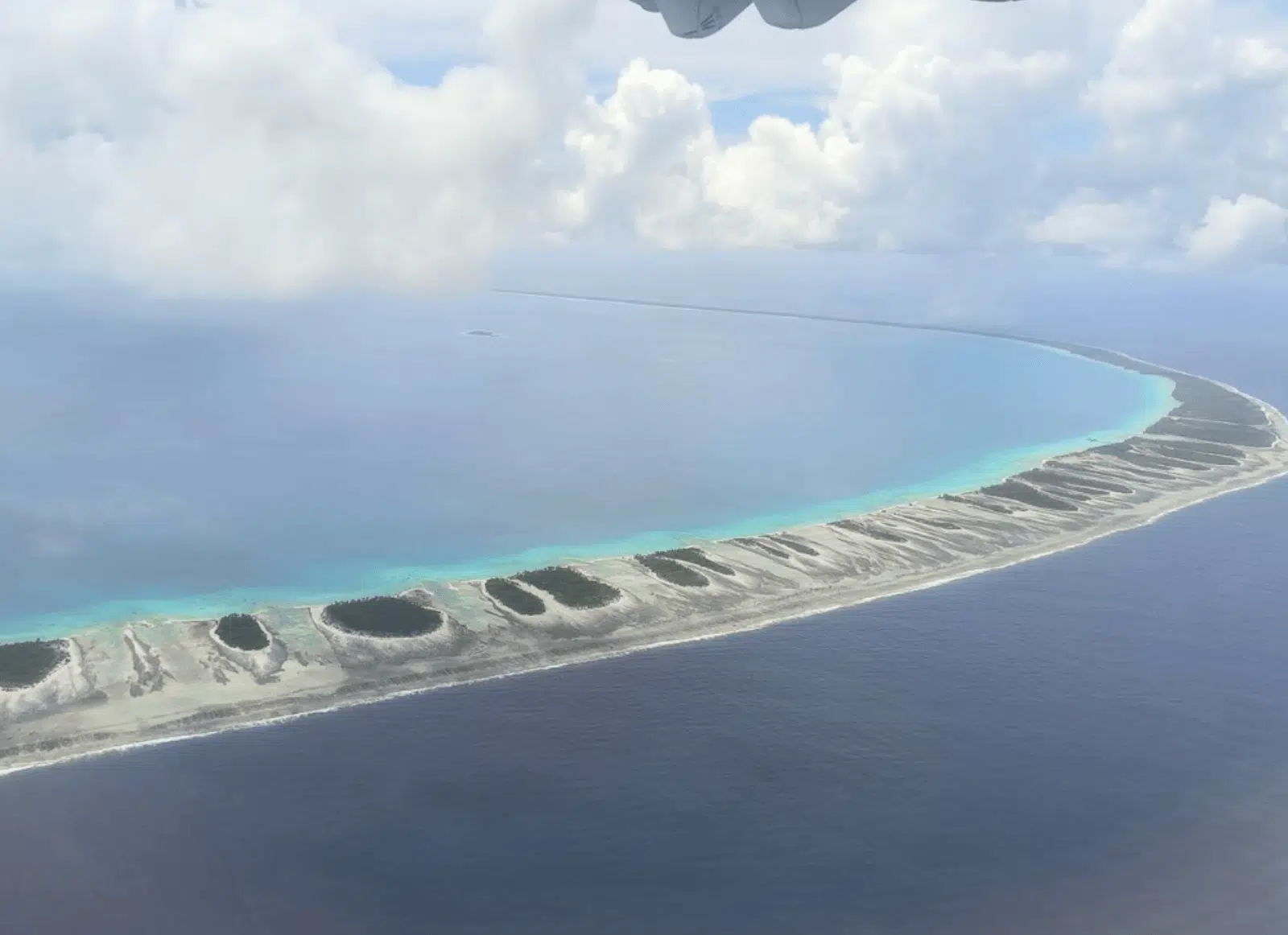
Location of Rangiroa
Rangiroa, is located in the heart of the Tuamotu Archipelago, a group of around 76 islands in French Polynesia.
Rangiroa is the WORLD’S SECOND LARGEST ATOLL (island) and is home to 2,500 people.
The atoll’s lagoon and unique geography make it a hotspot for divers.
Even Time Magazine and National Geographic called Rangiroa ‘a world-class scuba diving destination.’
You can expect to dive with hundreds of dolphins, gray reef sharks, and silvertip sharks.
Diving in Rangiroa promises one of your best underwater adventures.

Best Rangiroa diving areas
Rangiroa’s lagoon, encircled by 240 islets stretching over 177 kilometers (110 miles), has many top-class diving spots.
However, there are four you will not want to miss when you go diving in Rangiroa:
- 🐠 Marine playground: Tiputa Pass
- 🦈 Shark haven: Avatoru Pass
- 🌊 Underwater maze: Tiputa Canyons
- 🌅 Natural aquarium: The Blue Lagoon
Now, let’s look at them one by one.
1) Avatoru Pass
Located on the EAST coast of the atoll, Avatoru Pass is a diving site tailor-made for advanced open-water divers.
This narrow pass, with strong currents, attracts thousands of fish, creating a vibrant underwater spectacle.
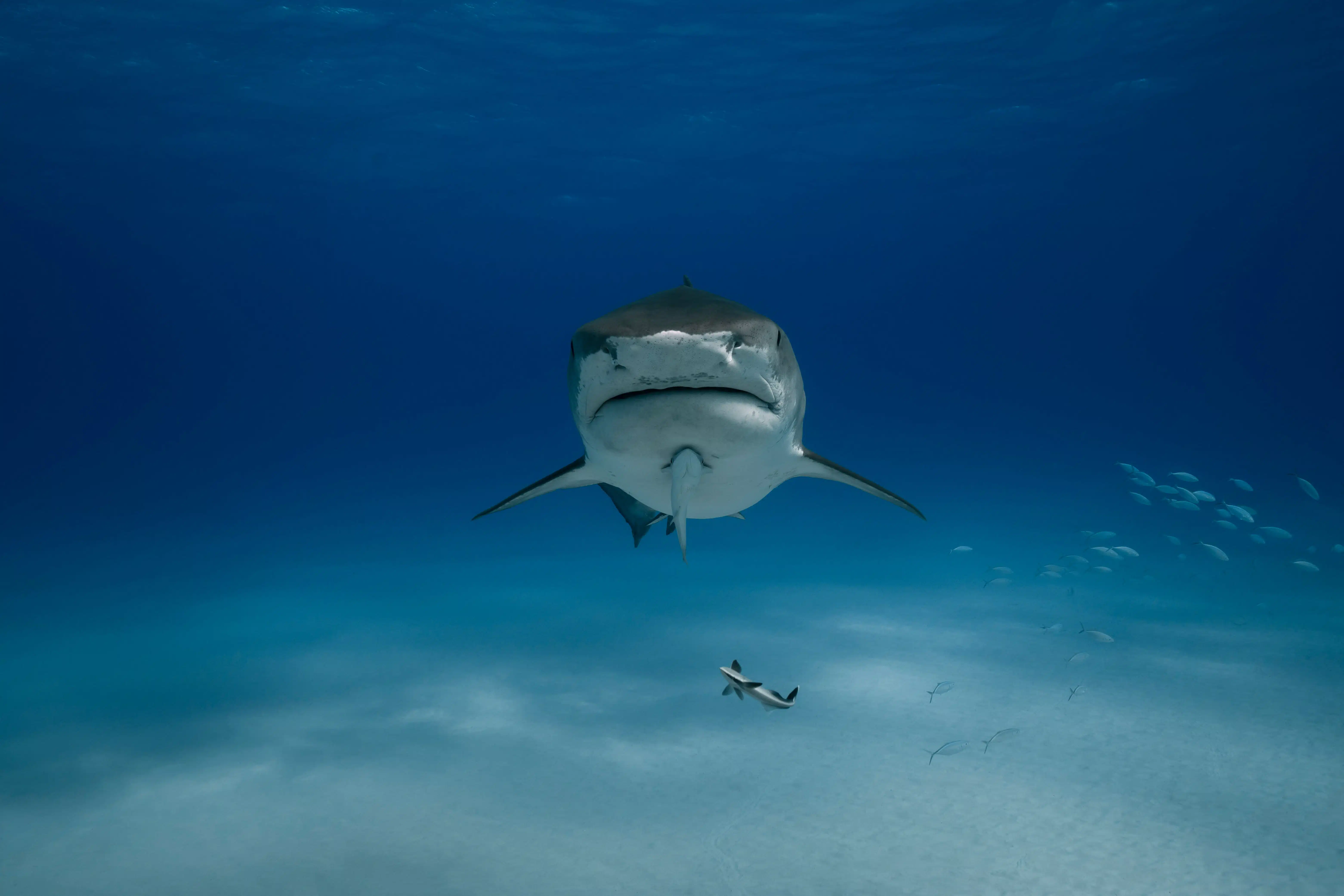
The pass is habited by manta rays, silvertip reef sharks, and schools of tropical fish. You’ll also see lots of:
- Raira (gray sharks) patrolling the waters.
- Tapete (whitetip sharks).
- Fa’i (stingrays) searching the seabed for prey.
Diving conditions and what to expect
You can explore Avatoru Pass best during both incoming and outgoing tides, but be aware that the incoming tide is reserved for advanced open-water divers due to the strength of the currents.
Most dive operators schedule trips to Avatoru Pass once or twice a week.
INSIDER TIP: Aim to dive Avatoru Pass during the incoming tide for the best visibility and shark encounters.

Simply fill in the form below to get a FREE QUOTE from trusted local travel specialists who know the islands inside out.
It only takes 60 seconds, and you’ll receive custom itineraries and pricing directly in your inbox or WhatsApp within
48 hours.
Free of charge. No pressure. No obligation.
*Our trusted local partners create every itinerary with care. We kindly ask that you submit a request only if you’re considering traveling.
2) Tiputa Pass
Situated on the WEST coast of the atoll, Tiputa Pass is the crown jewel of diving in Rangiroa.
Marine life and diversity
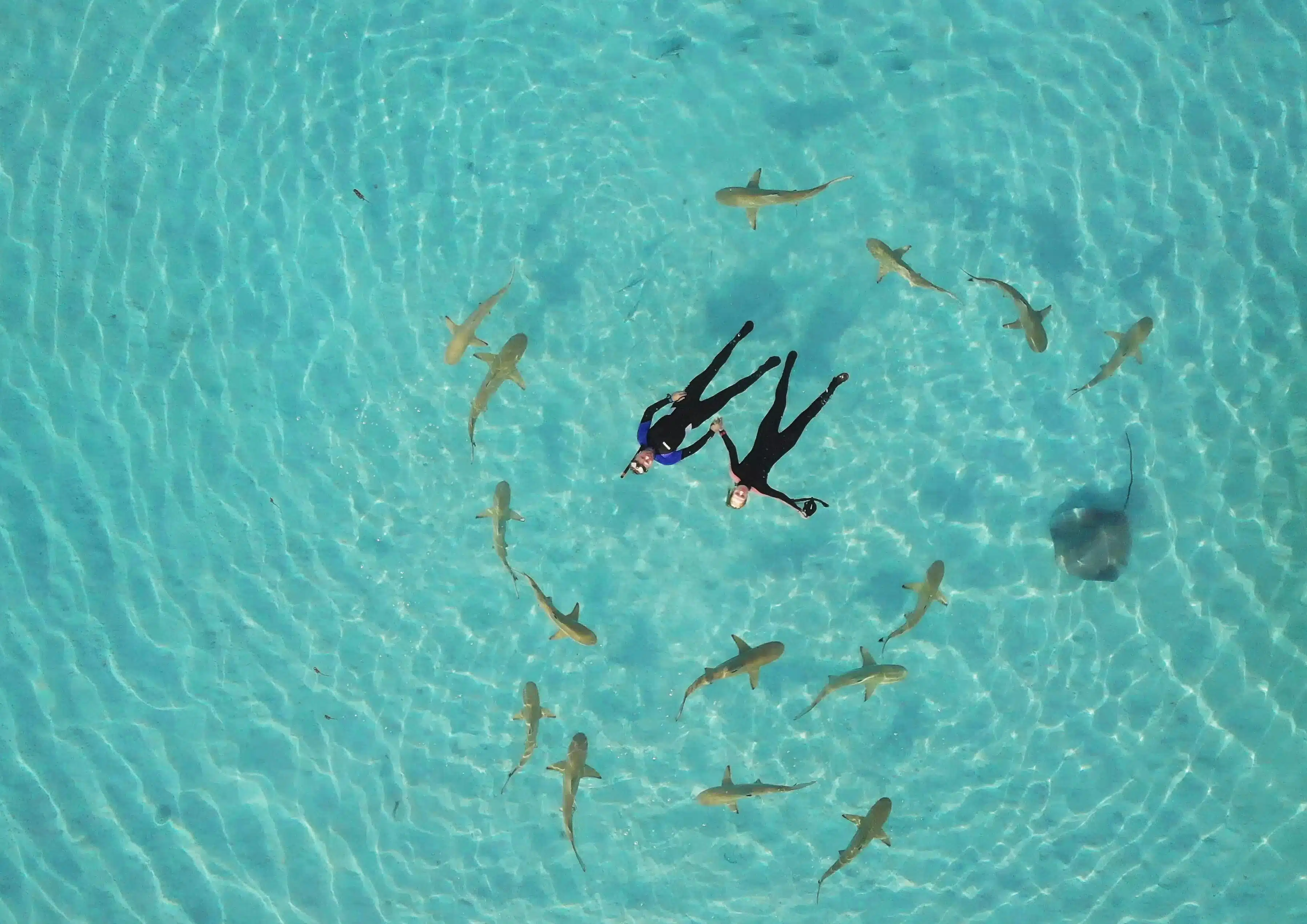
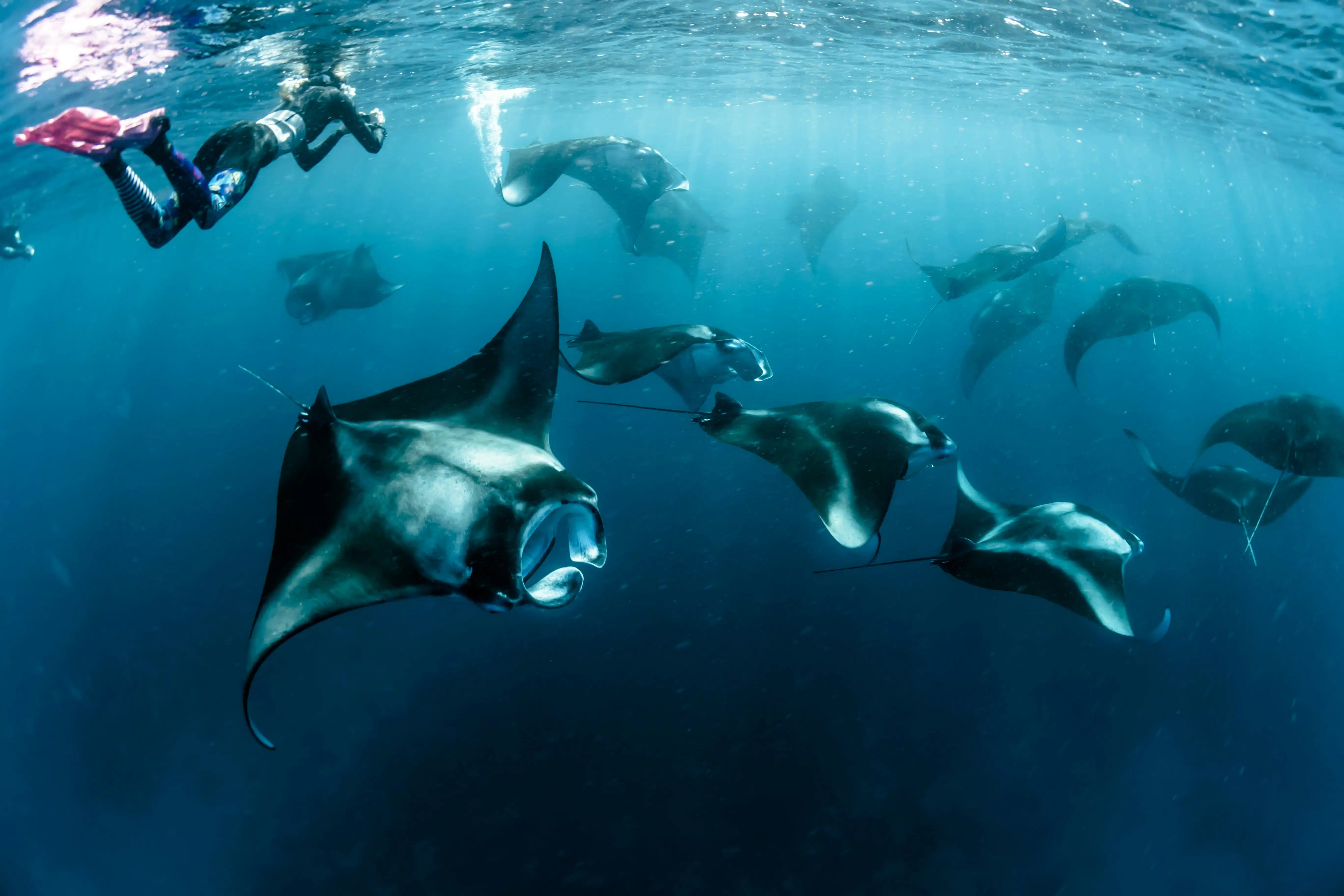
What sets Tiputa Pass apart is the variety of species and the volume. Seeing one shark is fantastic, but here, you will see hundreds.
Among the species you can expect to see are:
- Grey sharks, blacktip reef sharks, whitetip reef sharks, and lemon sharks.
- Manta rays, leopard rays, and schools of barracudas.
- Seasonal sightings of great hammerhead sharks and even tiger sharks during deeper dives.
- Tuna, trevallies, and the majestic Napoleon wrasse.
- Dolphins.

Drift diving at Tiputa Pass
Diving in Tiputa Pass is often done as a drift dive, with the powerful currents helping you through the channel.
Just as for the Avatoru Pass, the incoming current is preferred, as it draws in schools of fish and provides better visibility.
INSIDER TIP: For the best chance to see great hammerhead sharks or tiger sharks, consider booking a deep dive with a certified dive operator.
Accessibility and convenience
One of the features of Tiputa Pass is its easy accessibility. Located between the Ohotu Wharf and Tiputa Village, the pass is only a 10-minute boat ride from most dive shops (see below).
Tiputa Pass is also a fantastic spot for non-diving in Rangiroa activities, such as watching dolphins playing in the surf at sunset.
TRIPADVISOR REVIEW: We saw so much marine life (dolphin, barracudas, sharks [great hammerheads, black tip, white tip, reef], wrasse [napoleon, bird], rays [stingray, spotted eagle rays], turtles, etc.). We even got the chance to dive into Tiputa Pass.

3) Tiputa Canyons
Located inside the Tiputa Pass, Tiputa Canyons offers a unique diving in Rangiroa experience.
The site’s canyons are natural faults carved through the pass, creating a labyrinthine underwater landscape.
What to expect during your dive
The dive begins with the incoming current, making it another drift dive in Rangiroa.
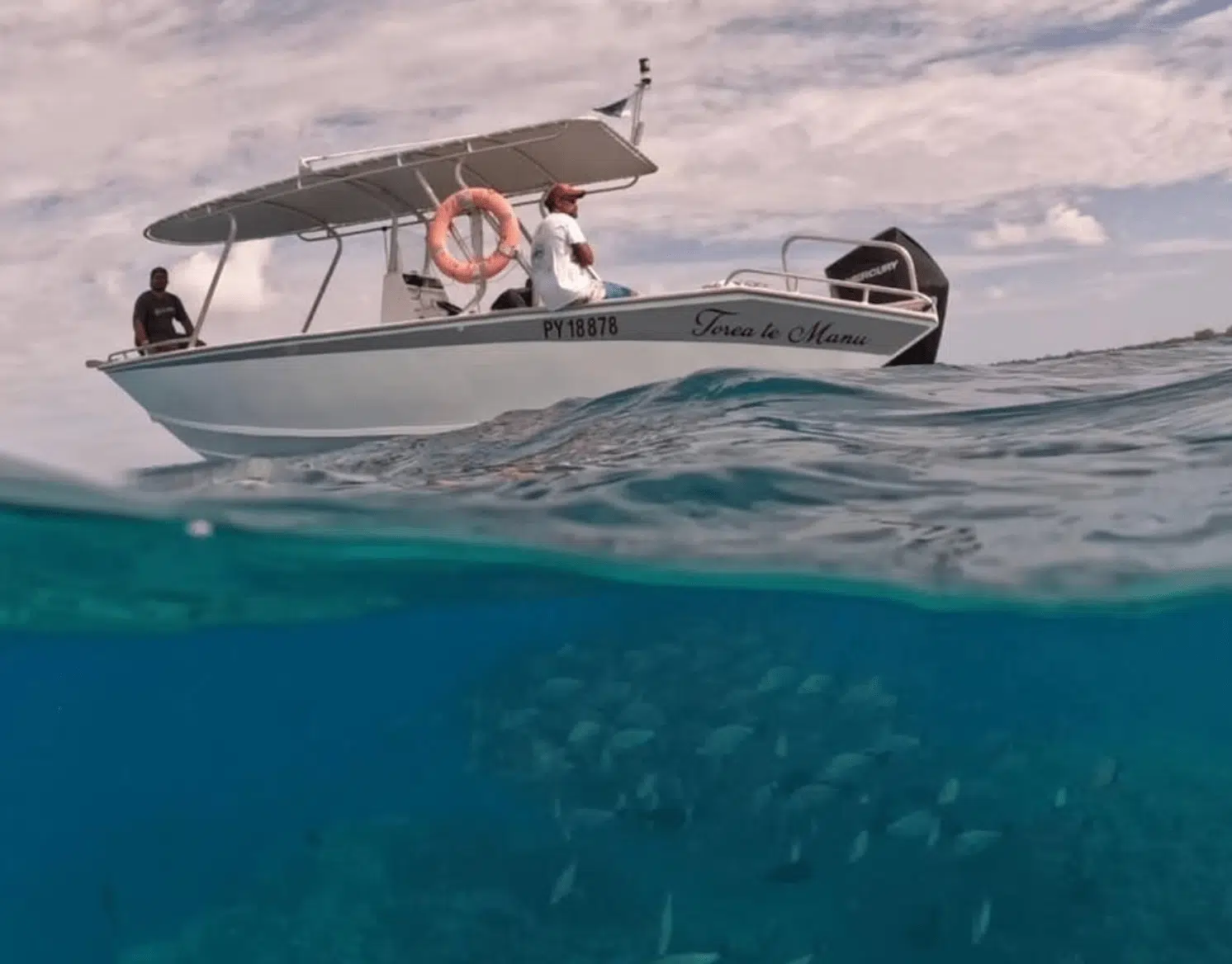
As you glide through the canyons, you’ll see thousands of fish navigating the same underwater pathways:
- Schools of parai (surgeonfish).
- The majestic Napoleon wrasse.
- Various sharks, including grey reef sharks.
Simply fill in the form below to get a FREE QUOTE from trusted local travel specialists who know the islands inside out.
It only takes 60 seconds, and you’ll receive custom itineraries and pricing directly in your inbox or WhatsApp within
48 hours.
Free of charge. No pressure. No obligation.
*Our trusted local partners create every itinerary with care. We kindly ask that you submit a request only if you’re considering traveling.
Diving conditions and tips
The canyons provide some natural shelter from the stronger currents in the main pass, making it a slightly more relaxed drift dive compared to the Tiputa Pass itself.
INSIDER TIP: Bring an underwater flashlight to shine at the canyon walls and spot hidden fish such as moray eels or camouflaged scorpionfish hiding in small crevasses.
4) The Blue Lagoon
Lastly, situated on the WESTERN side of Rangiroa, the Blue Lagoon is a shallow lagoon lagoon, carved into the reef within the larger central lagoon.
The blue lagoon forms a natural aquarium filled with marine life.
With a depth of just 5 meters (16 feet), it’s ideal for snorkeling, swimming, and scuba diving in Rangiroa.

What makes the Blue Lagoon special
The Blue Lagoon’s crystal-clear waters are home to many tropical fish. Its shallow depth and calm conditions provide an intimate opportunity to observe marine life up close without requiring specialized equipment.
Deep-sea fishing in Rangiroa
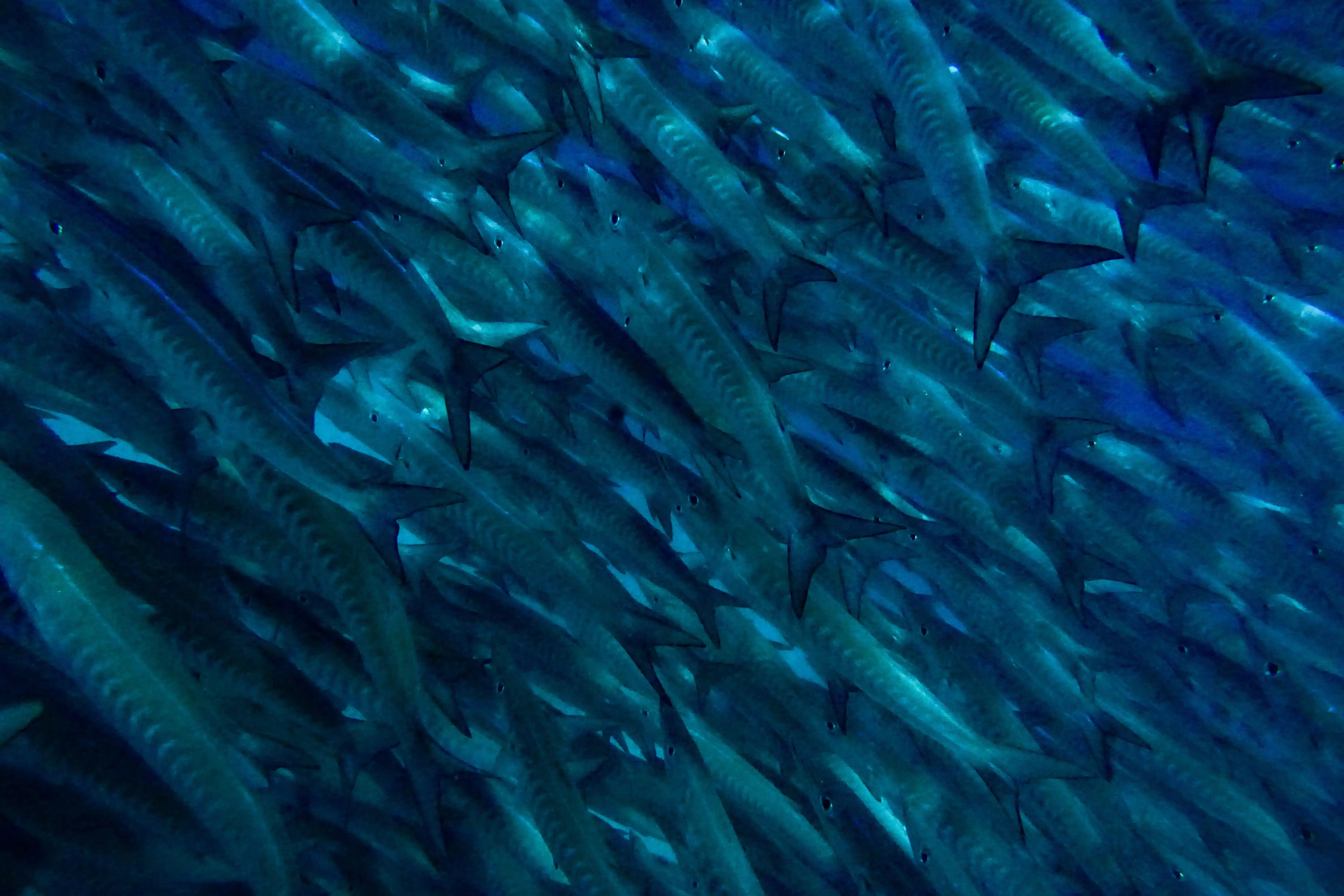
Beyond snorkeling, the Blue Lagoon is a gateway to Rangiroa’s most popular water activities: deep-sea fishing.
The continuous supply of fish in and around the lagoon attracts locals who come to catch species like tuna, mahimahi, and barracuda.
Local tour operators often combine fishing trips with visits to the Blue Lagoon, allowing you to enjoy the best of both worlds.
Diving conditions in Rangiroa
Below, we highlight some of the most important diving conditions, such as water temperature, visibility, and the difficulty of diving in Rangiroa.
These conditions are similar to the ones you experience in Motu One, Bora Bora, and Moorea when you go scuba diving in Rangiroa.
1) Water temperature
Water temperature: The temperature is pleasant year-round, ranging from 29°C (84°F) in the summer to 26°C (79°F) in the winter. A 3mm wetsuit is sufficient for most divers (for deeper dives a 5mm is recommended).
2) Visibility
Visibility in Rangiroa’s waters is exceptional year-round, between 15 meters (50 feet) and 40 meters (130 feet).
3) Diving difficulty
Rangiroa offers something for every skill level, from beginners to experienced divers:
- Beginner-friendly dives: The blue lagoon provides calm and shallow conditions, ideal for beginners or open-water divers.
- Advanced dives: Drift dives in Tiputa Pass and Avatoru Pass, along with deep dives to encounter larger sharks, require an advanced license or higher. Sometimes, the local diving clubs (see below) will make an exception of they see that you are a trained scuba diver.

Best time for diving in Rangiroa
Scuba diving in Rangiroa is a year-round activity, but the marine life, weather, and conditions vary depending on the season.
1) Seasonal highlights for marine life
- Late August to mid-October: This period is ideal for spotting manta rays and humpback whales. These creatures are a highlight of the season.
- January to March: For divers looking to encounter hammerhead sharks and squadrons of eagle rays, this is the best time to visit to go diving in Rangiroa.
2) Weather considerations
Rangiroa experiences two main seasons:
- The rainy season (November to April): While diving in Rangiroa is still amazing, you should expect tropical rain showers and increased humidity.
- Dry season (May to October): This period brings cooler, more stable weather, making it a popular choice for divers. However, the Maramu wind—a southeastern breeze that can bring rain and rougher seas—typically occurs between June and August. This may affect diving conditions, especially on the open ocean side.
3) Best times of day for diving in Rangiroa
- Morning: Take advantage of the incoming current for your first dive. This is the prime time for spotting active marine life as the current pulls nutrient-rich water into the lagoon, attracting schools of fish and sharks.
- Afternoon: Save your second dive for sites where dolphins are commonly spotted, such as Tiputa Pass.
Simply fill in the form below to get a FREE QUOTE from trusted local travel specialists who know the islands inside out.
It only takes 60 seconds, and you’ll receive custom itineraries and pricing directly in your inbox or WhatsApp within
48 hours.
Free of charge. No pressure. No obligation.
*Our trusted local partners create every itinerary with care. We kindly ask that you submit a request only if you’re considering traveling.
Safety considerations for diving in Rangiroa
The nearest hyperbaric chamber is located in Tahiti, a 75-minute flight away.
This makes it crucial to only dive with operators who prioritize safety and follow strict protocols.
Dive with Nitrox: Most dive operators in Rangiroa offer Nitrox as the preferred option for regular dives. Nitrox reduces the risk of decompression sickness, which is important given the remote location and non-existent medical facilities.
INSIDER TIP: Do not plan flights or travel to higher altitudes within 24 hours of your last dive to reduce the risk of decompression sickness.
TRIPADVISOR REVIEW: The team of Rangiroa Plongée was always professional and safety-oriented, helpful, and friendly. They took safety briefings, equipment checks, boat safety, and water safety seriously.
Dive centers in Rangiroa
There are eight diving clubs present in Rangiroa.
- Rangiroa Diving Center
- Mataiva Plongée
- Raie Manta Club
- Y Aka Plongée Rangiroa
- Archimede Expeditions
- Topdive
- The Six Passengers
- Rangiroa Plongée
TRIPADVISOR REVIEW: The divemasters and boat captains are very good. Both of us learned better breathing techniques and with a fin recommendation we were able to improve our efficiency diving in current by 20%.
How to get to Rangiroa
Traveling to Rangiroa is quite easy.
Frequent air service connects this remote paradise to Tahiti and other popular islands in French Polynesia.
Flights to Rangiroa Airport (RGI)
The easiest way to reach Rangiroa is by flying to Rangiroa Airport (RGI).
Here’s what you need to know:
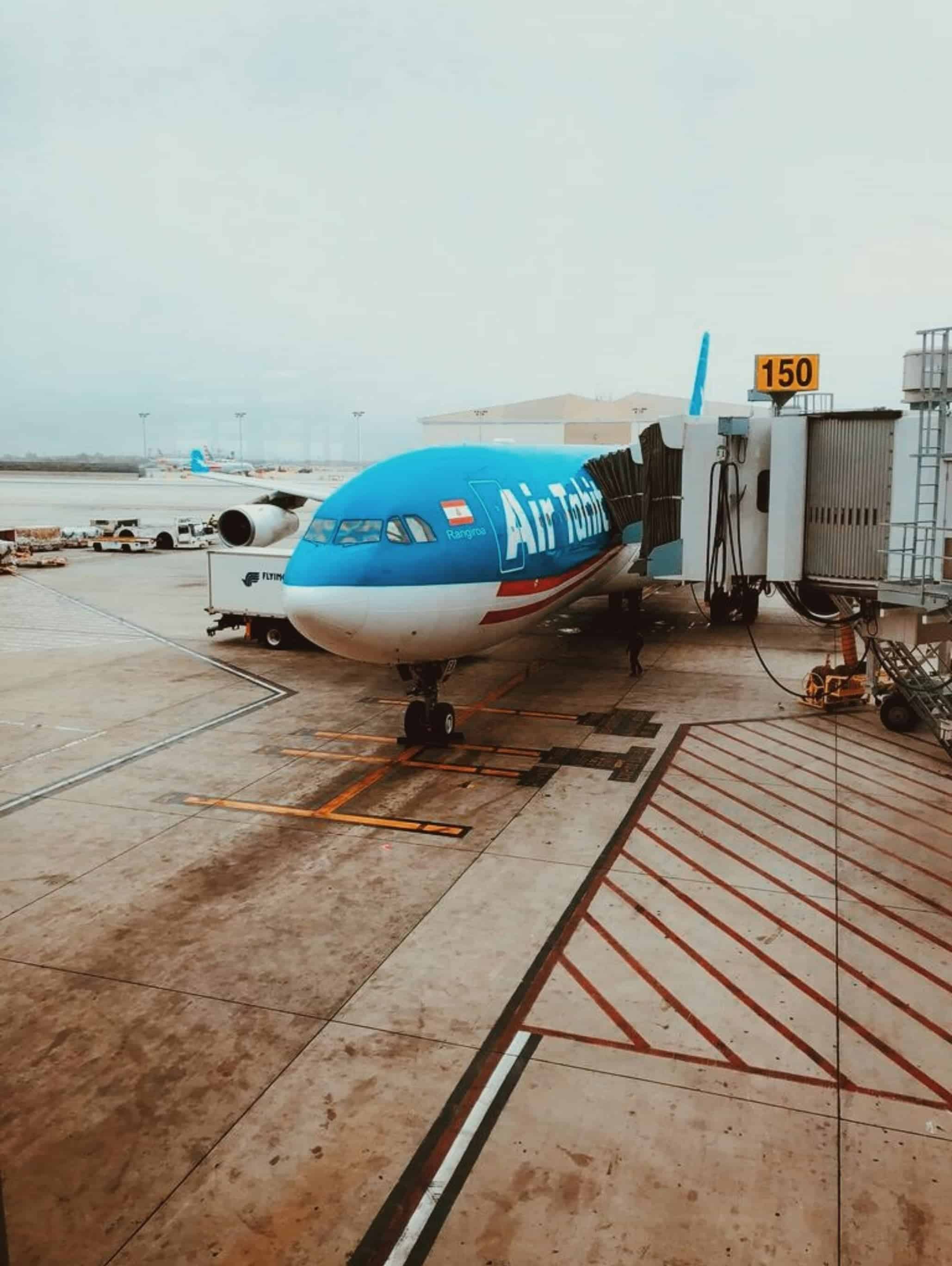
- From Tahiti (Papeete): Flights from Tahiti take approximately 50 minutes. Multiple daily flights are offered by domestic airlines, such as Air Tahiti.
You can use our widget below to discover the price for the flights from Tahiti to Rangiroa.
INSIDER TIP: Book your flights well in advance to secure the best fares, especially during the peak travel season (May–October). Use the official Air Tahiti website for reliable scheduling and ticketing.
Accommodations in Rangiroa
You can use our widget below to discover the best accommodations on the atoll!
Luxury accommodations in Rangiroa: Hotel Kia Ora Resort & Spa

For a luxurious stay, the Hotel Kia Ora Resort & Spa is an excellent choice. This beachfront property features luxurious overwater bungalows and beach villas with private plunge pools, ideal for those seeking indulgence and comfort.
We are sure you will appreciate the on-site TOPDIVE shop, with boats conveniently departing from the hotel’s jetty.
Highlights:
- Prime lagoon-front location with great snorkeling opportunities.
- Free use of kayaks and outrigger canoes.
- Beach bungalows with hot tubs start at approximately $375 (352 EUR / 44,460 CFP) per night.
- Breakfast option: American breakfast costs around $31 (29 EUR / 3,706 CFP) per person per day.
More information: Hotel Kia Ora Resort & Spa.
Authentic and budget-friendly stays: Va’a i Te Moana
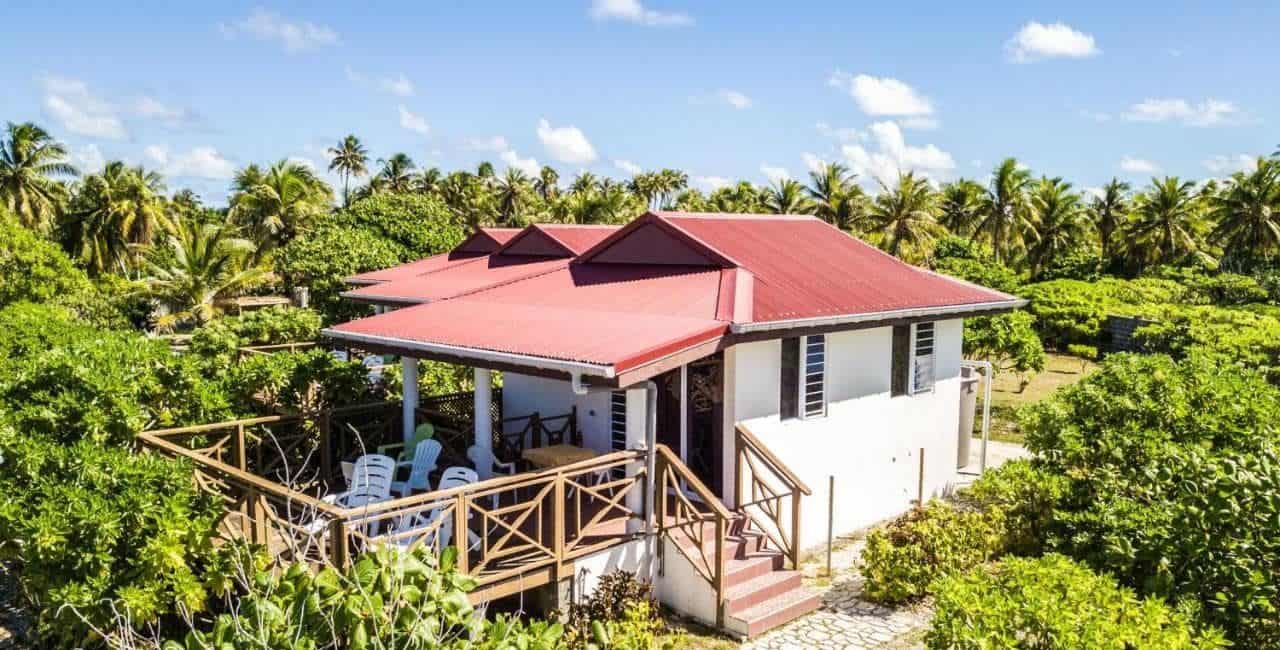
This family-operated guesthouse offers a relaxed and personalized experience. Run by Cynthia, a local, and her Italian husband Andrea, Va’a i Te Moana is a charming base for exploring Rangiroa and nearby attractions.
Key features:
- Accommodation options include private cottages or dormitory-style rooms.
- Hosts offer guided tours to introduce guests to the island’s key sights.
- Free bikes for exploring the island, with Tiputa Pass a short walk away.
- Half-board meals featuring delicious home-cooked food.
- A unique cultural experience: Learn about pearl cultivation from Cynthia’s mother, who runs the local pearl school.
Cost:
- Double rooms start at $160 (150 EUR / 19,000 CFP) per night, including breakfast.
Visit their website for details: Va’a i Te Moana.
How deep can you dive in Rangiroa?
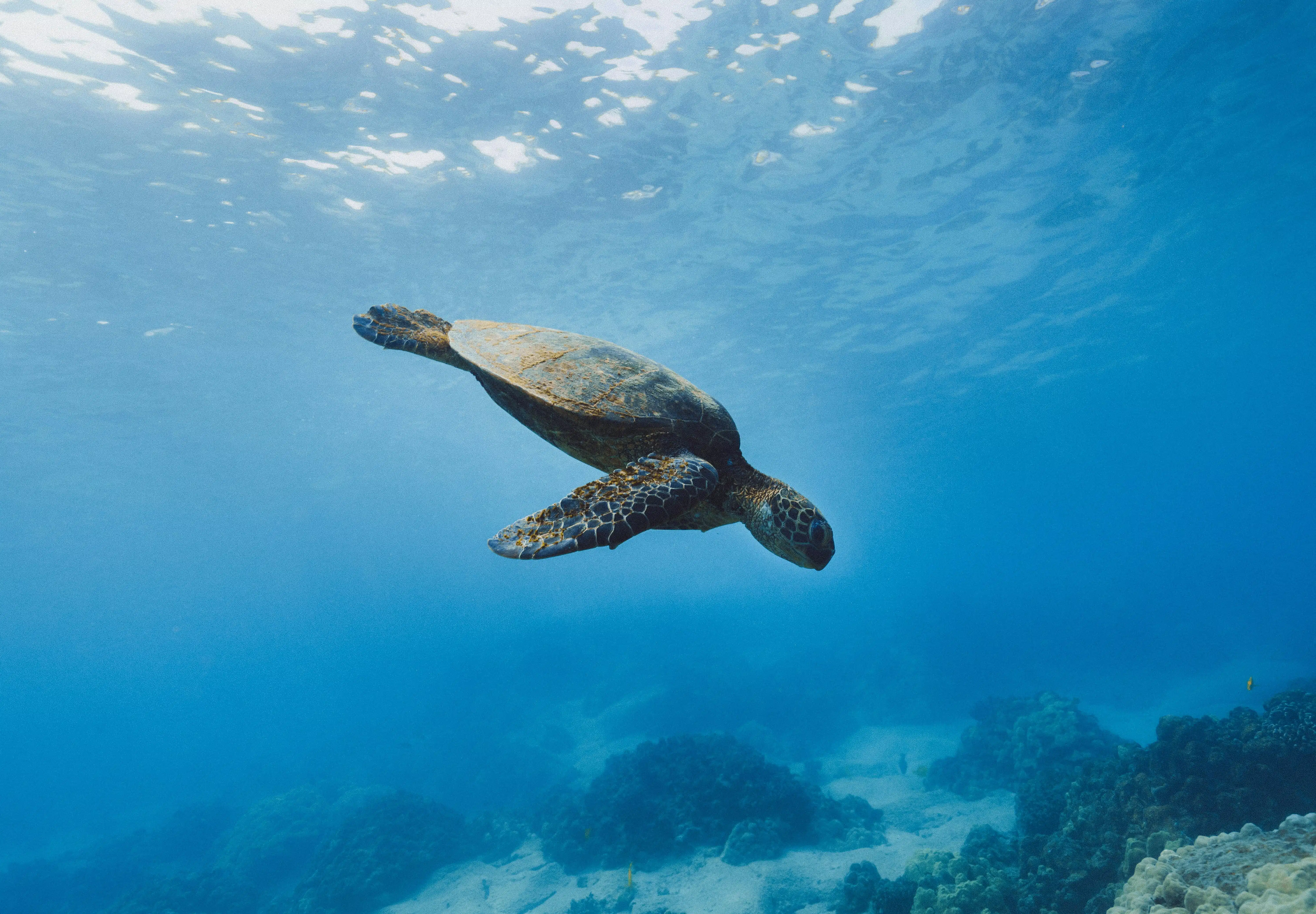
Diving depths in Rangiroa depend on the site and your experience level.
- Lagoon dives: Shallow dives at 5–15 meters (16–50 feet), ideal for beginners.
- Pass dives (Tiputa Pass and Avatoru Pass): Typically range from 10–35 meters (33–115 feet), perfect for drift diving and sharks and dolphins.
- Deep dives: Advanced dives go down to 35–50 meters (115–165 feet), where you can encounter great hammerhead sharks, tiger sharks, and silvertip sharks.
Most dives are within the recreational limit of 40 meters (130 feet). Deeper dives may require technical diving certification.
Many operators also recommend using Nitrox to maximize safety and bottom time.
Simply fill in the form below to get a FREE QUOTE from trusted local travel specialists who know the islands inside out.
It only takes 60 seconds, and you’ll receive custom itineraries and pricing directly in your inbox or WhatsApp within
48 hours.
Free of charge. No pressure. No obligation.
*Our trusted local partners create every itinerary with care. We kindly ask that you submit a request only if you’re considering traveling.