Welcome to Costa Rica.
If you are curious about the 10 best things to do in La Pavona, where to stay, the best time to visit and so many inside tips, this guide will help you.
The best part?
We provide you with SECRET hidden gems and Instagram-worthy locations!
Let’s get started.
Want to know what to expect from a boat tour in the mangroves? Watch the video below!
Location of La Pavona
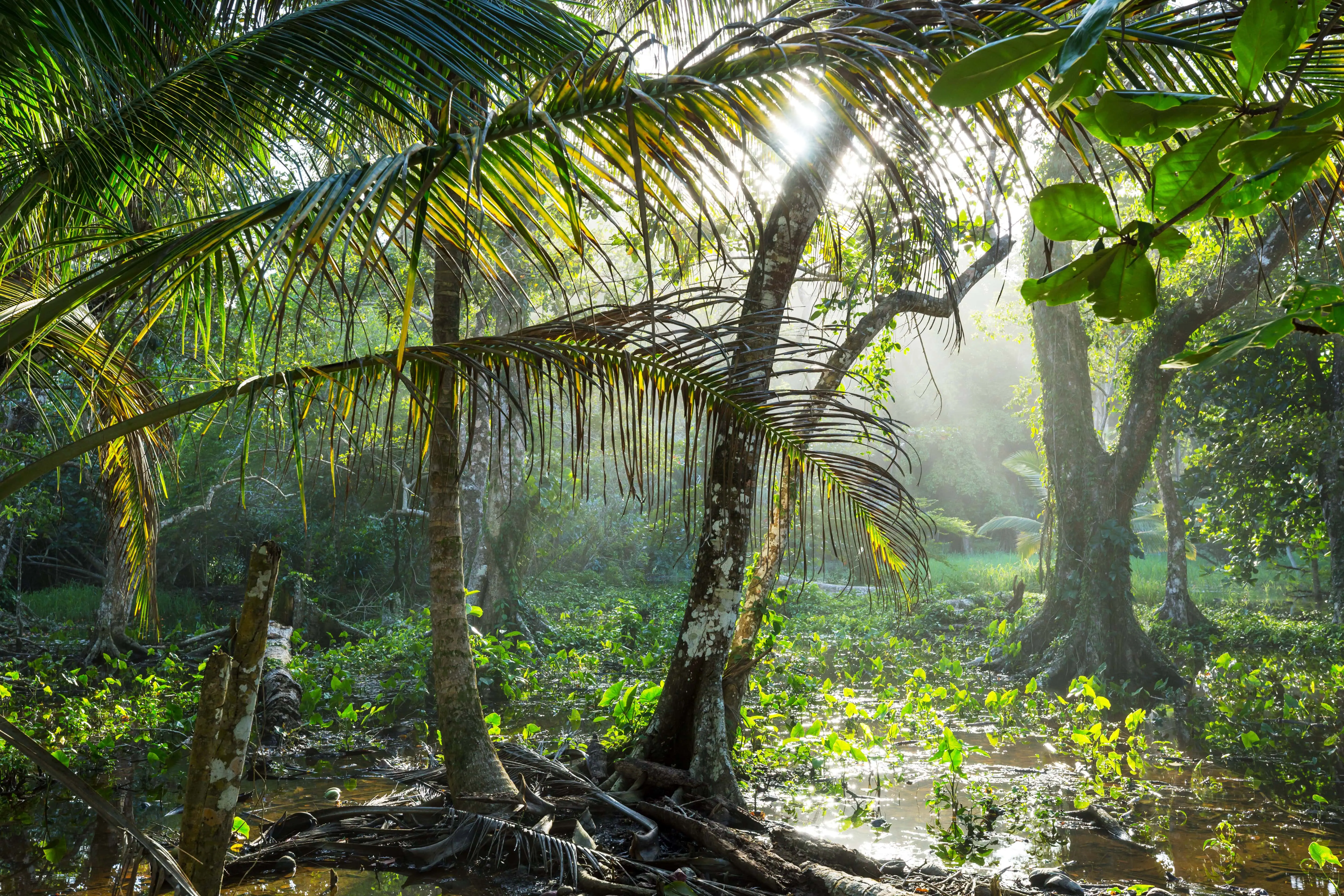
La Pavona is a rainforest located in Costa Rica, specifically in the region of the Tortuguero National Park.
However, La Pavona is absolutely NOT your normal adventure spot.
The area is one of the leading ecotourism destinations in Costa Rica, with long canals, trees up to 60 METRES high, long beaches, and a lush rainforest attracting visitors from all over the world.
Best Things To Do in La Pavona
Below we’ll give you our top 10 recommendations for La Pavona.
We highly recommend booking a 3-day tour departing from San José so you can visit all the highlights in La Pavona.
Visit to the Tortuguero National Park
First, let’s talk about the MOST POPULAR ACTIVITY in the area, Tortuguero National Park.
This is a protected wilderness area on Costa Rica’s Caribbean coast.
The key nature features you can expect during your trip are navigable rivers, lagoons, and canals.
And the best part.
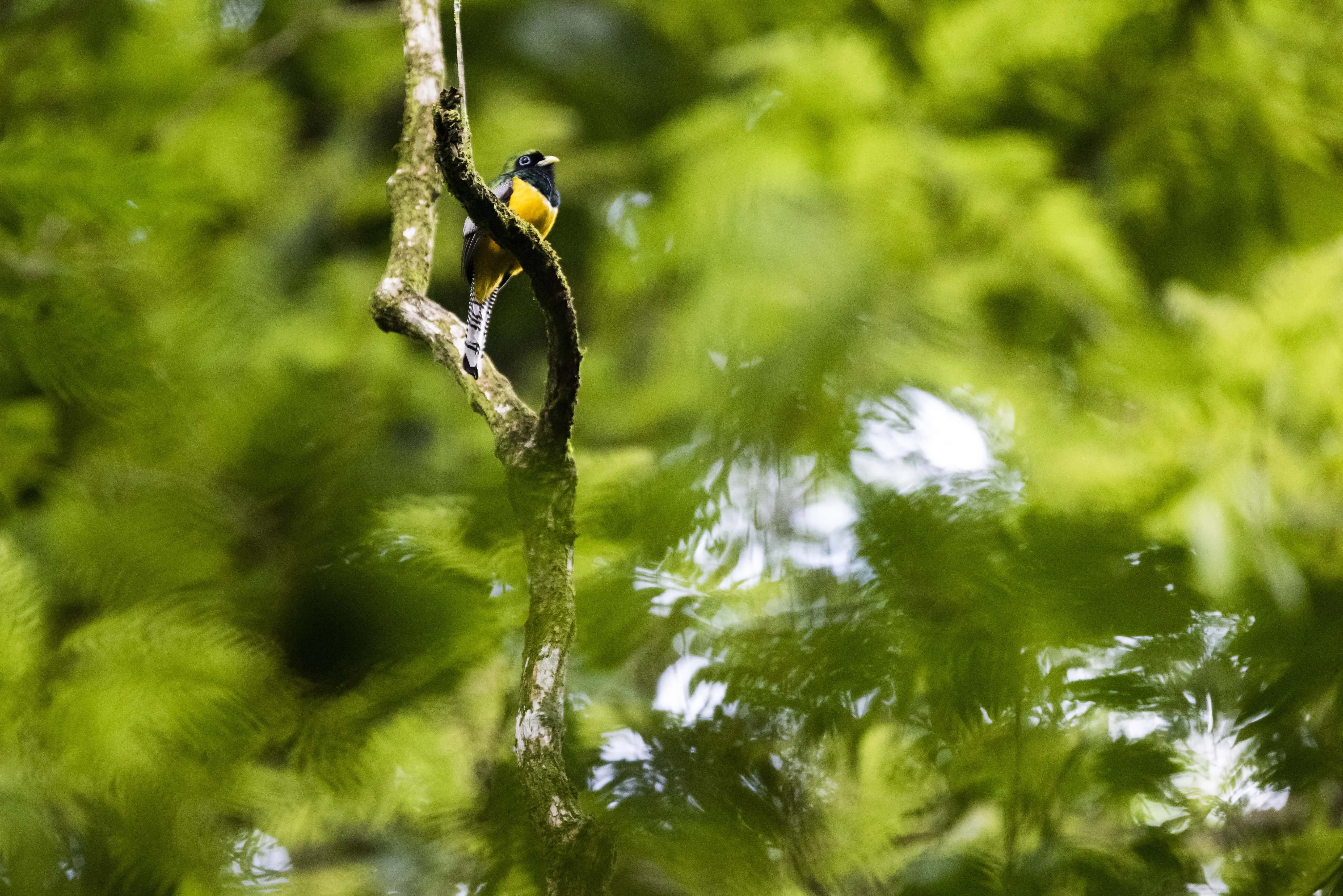
Tortuguero National Park is home to MORE THAN 400 species of trees and approximately 2200 different species of plants!
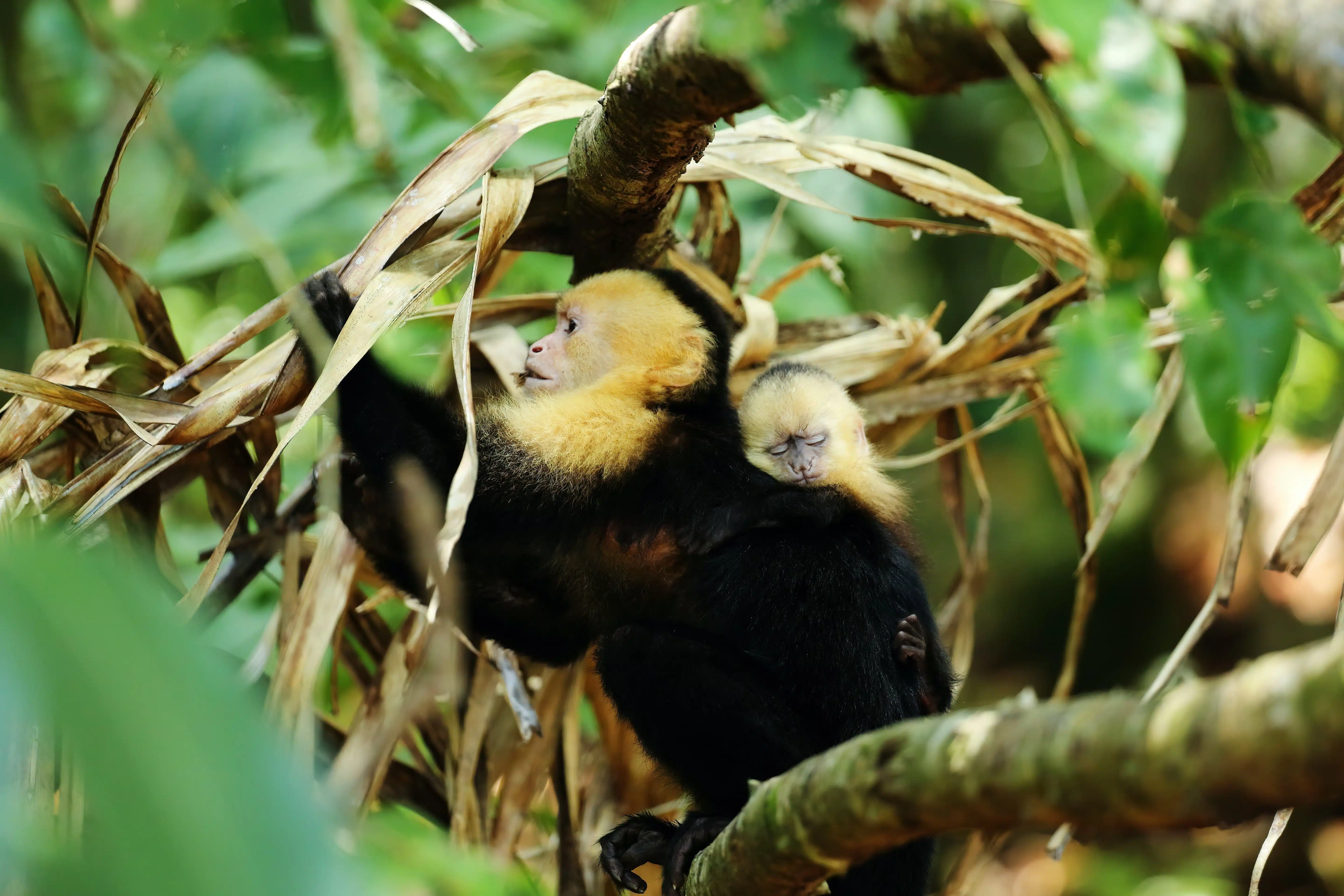
The park is also home to around 60 mammal species such as sloths, jaguars, otters, monkeys swinging from tree to tree, and over 300 bird species.
Last but not least, as the name suggests (tortuguero means TURTLE NEST) the park is home to four species of sea turtles: the green turtle, the leatherback, the hawksbill, and the loggerhead.
You must be wondering when exactly is the yearly turtle nesting season?
The best time to see nesting turtles is between June and October. We had an amazing experience watching turtles nesting, it is an activity you absolutely cannot miss during your visit!
But it’s not just the wildlife and landscapes that leave an impression. The park’s rangers and guides, with their wealth of knowledge and passion for conservation, make sure you leave the park with a deeper understanding and respect for nature.
We find it important to educate ourselves about the place we are traveling to, the knowledge you gain from locals makes you think from a different perspective sometimes.
A visit to Tortuguero National Park will be truly UNFORGETTABLE.
Take a boat to Tortuguero

The most convenient way to reach Tortuguero is by boat ride, the only other option available is by plane, although this is less common because it is more expensive and less convenient.
There are a few options available to Tortuguero by boat, here are your options:
Public Boat: taking a ferry is the cheapest option to reach Tortuguero village by boat. You can catch a ferry either from La Pavona or from the Moin dock.
We travelled from La Pavona, but if you are coming from Caribbean destinations like Puerto Viejo or Cahuita then Moin could be a better option for you.
The fixed schedule for the ferries are as followed: 6:00am, 7:00am, 9:00am, 11:00am, 1:00pm, 3:00pm and 4:00pm. Be sure to be there 15 minutes in advance to have enough time to buy the tickets and get organised.
We came to with a rental car from San Jose and left it at La Pavona parking lot at the dock before the tour.
Private Boat: if you want to have your taxi boat organised beforehand without having to wait for other travellers then this might be the best option for you.
Boat Tours: to get the most out of your experience, we recommend taking a boat tour! Tour guides will share a lot of information about the area and you get to travel hassle-free. There are tours that are a couple of hours long, or you can choose a package inclusive with a stay overnight.
With Get Your Guide, you can pre-book your activities, skipping the hassle of long queues or sold-out experiences. Additionally, their flexible cancellation policy offers peace of mind, allowing you to cancel your booking up to 24 hours before the activity begins.
If you want to book private boats, we definitely recommend using this platform.
Whitewater rafting in one of La Pavona’s world-class rivers

Whitewater rafting in La Pavona is an adventure that includes navigating the rapid Pacuare River with beautiful tropical jungles, cliffs, and gorges.
The PACUARE RIVER is famous for its rafting adventures. Both beginners and experienced rafters will be satisfied!
It gets even better:
All the rafting trips include stops at secret (Instagram-worthy) lagoons where you can relax and enjoy nature.
You can book your experience via Viator.
Next up:
Hiking Cerro Chirripó
Hiking the Cerro Chirripó, the tallest mountain in Costa Rica (at 12,533 feet / 3,820 meters), is a challenging but rewarding adventure.
The most popular route for this climb is the PASO DE LOS INDIOS. The hike is around 12 miles / 20 km long. You can download the map via All Trails here.
The hike takes you over 6,000 feet of elevation gain. It’s generally best to plan the hike over TWO days.
Remember: the summit offers a 360° panorama VIEW over the surrounding mountains.
The hike itself is considered a challenging one, but trust us, the reward at the end is WELL WORTH THE EFFORT.
Experience Costa Rica’s coffee culture

Ever wondered where that cup of coffee in your hand came from?
There’s a big chance it came from COSTA RICA!
Ever since the 1700s Costa Rica has been producing HIGH-QUALITY coffee beans due to its ideal soil (volcanic, slightly acidic, and extremely fertile) and climate conditions.
You can visit any coffee plantation, and take your pick as you pass them on the road.
TIP: If you are going to visit Poas Volcano, another great location to visit a coffee plantation is Doka Estate. Many tour agencies organise day trips from San José, combining Poas Volcano with the coffee farm.
Take a boat tour around La Pavona’s mangrove estuaries
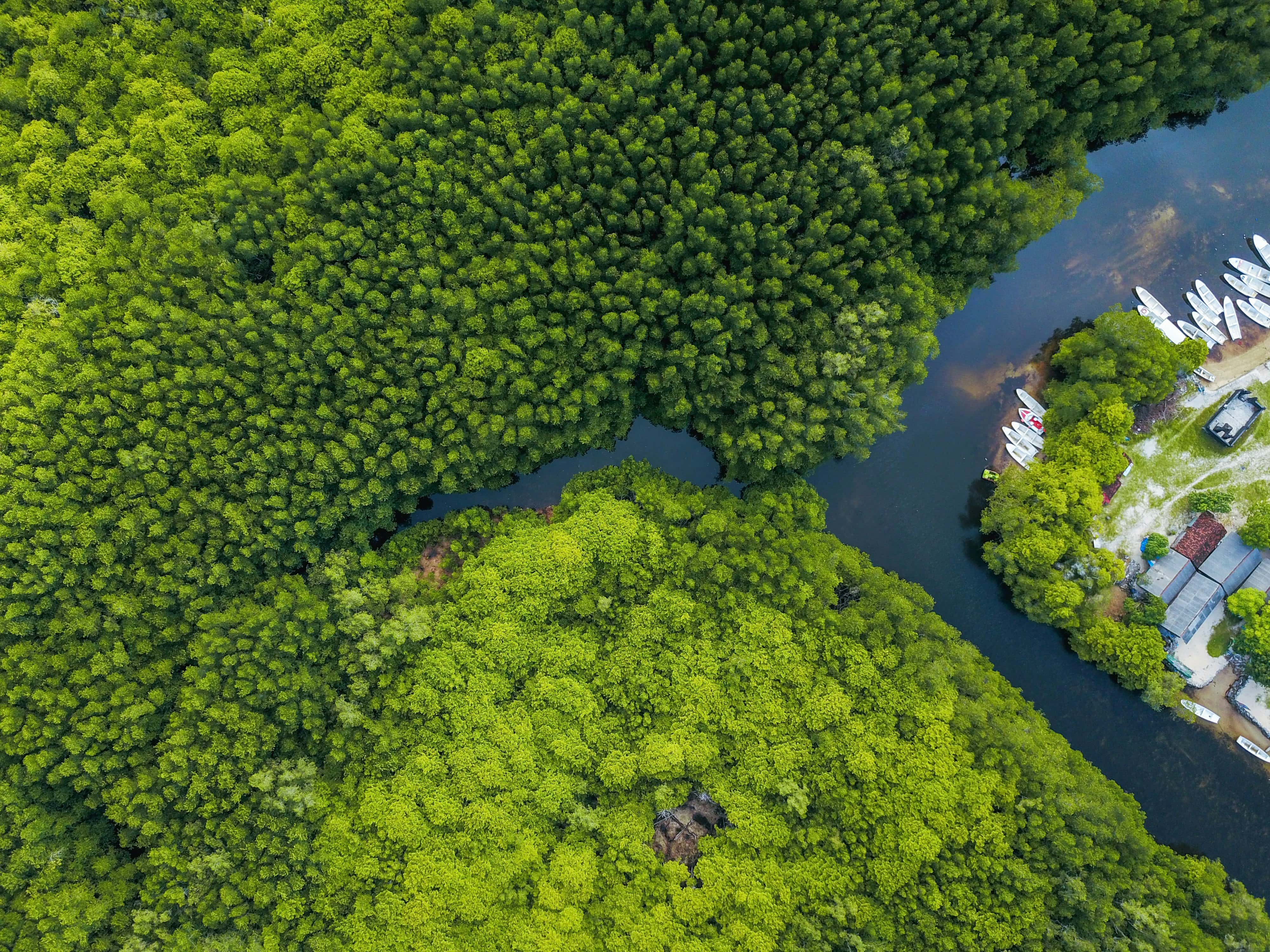
Are you ready to see monkeys, crocodiles, and many bird species… in La PAVONA?
Then you want to take a BOAT TOUR on the waters of the Tortuguero Canals.
We recommend booking it with a certified GUIDE.
Why?
It’s easy, the guide can point out all there is to see about the animals and the unique ecosystem.
Some good organizations are Viator.
The TO DO list gets even better:
Canopy tour above the rainforest
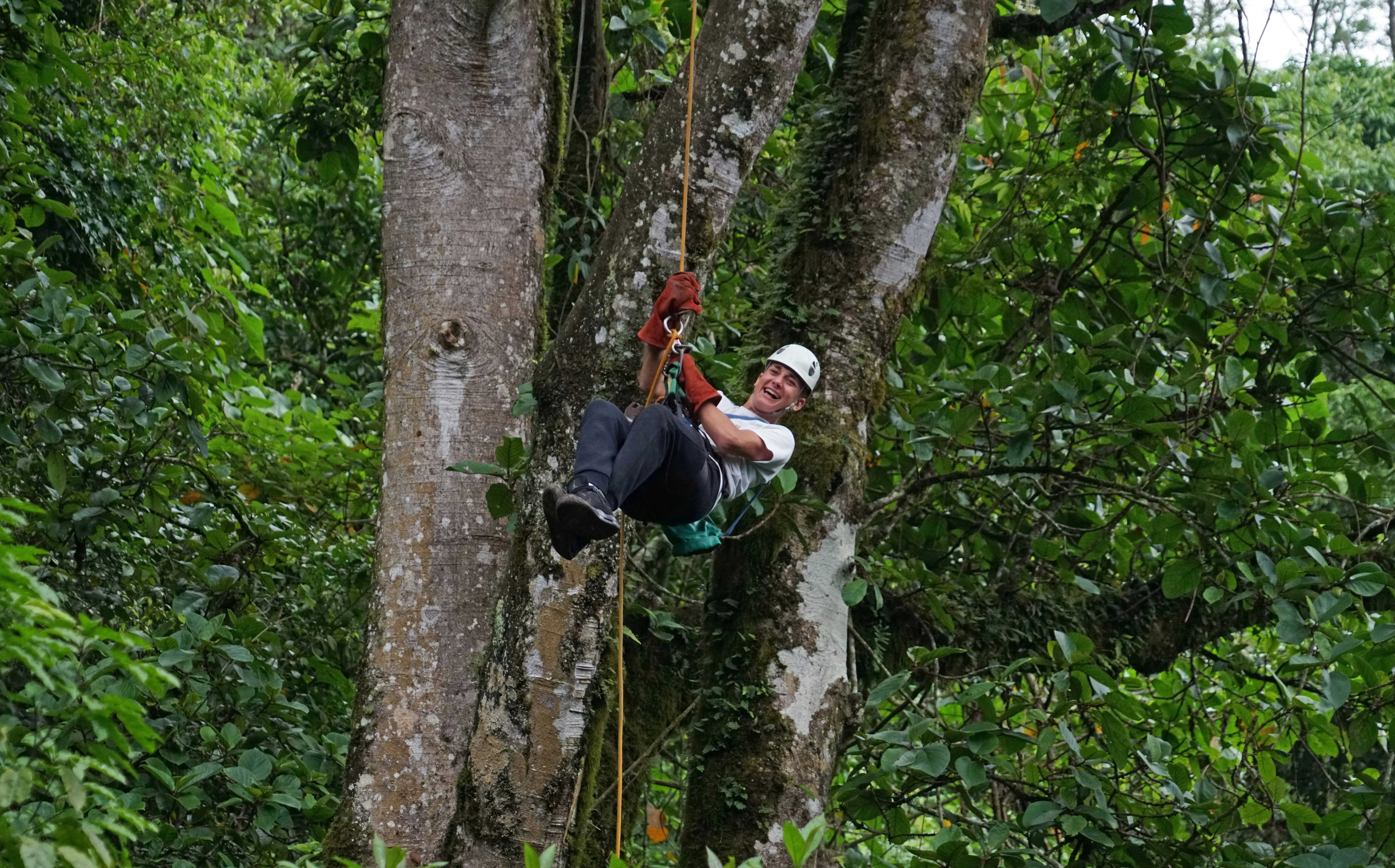
Imagine this:
You’re standing at the EDGE OF A PLATFORM, high above the ground.
As you step off the platform, the rush of adrenaline kicks in.
You’re soaring through the air, but it’s NOT JUST about the thrill.
These zipline tours are also a fantastic way to explore Costa Rica’s rich biodiversity. You can see MONKEYS and BIRDS from above the trees!
IS IT SAFE you might be wondering?
YES!
Each participant is always fitted with a harness and a helmet and trained guides are always on hand to ensure everyone has a safe experience.
These are some professional tour operators and organizations to book the experience with Tortuguero Canopy Tour and CostaRica.com.
Recharge with a yoga session on the beach

To end our TO DO LIST, we want to let you relax after all the hiking, water rafting, visiting the waterfall…
The only thing you need to do:
Find a spot on the SAND and listen to the sound of the WAVES.
Enjoy the beautiful ocean view.
WE PROMISE, you will feel renewed!
For those of you wanting to take it up a notch, you can book a YOGA RETREAT. Take a look at this in-depth blog post.
Visit Cariari
Have you ever heard of Cariari?
Probably not…
This small town is most of the time OVERLOOKED by travelers.
But trust us, you should definitely use Cariari as a stop-over town. The town is very peaceful compared to other well-known cities in Costa Rica.
Even though this is a small town, Cariari is known as a place for relaxation. So, if you are looking to unwind before continuing your Costa Rica adventure, you should definitely stop here!
And, don’t worry.
If you are looking for a nice place to have a Costa Rican dinner and go out for some drinks, Cariara is a small town that has amazing restaurants and nightlife you can enjoy and mingle.
It is also important to note, that this is your LAST STOP in a town before heading into the jungle so if you are low on cash – this is your last chance to get it in an ATM machine.
Braulio Carrillo Nacional Park
Another national park that is worth visiting is Braulio Carrillo National Park!
If you are already going to get to Tortuguero National Park then you are in for a treat, this park is literally RIGHT NEXT TO IT.
Fun fact: this park is actually named after the 3rd president of Costa Rica, President Braulio Carrillo Colina.
What we loved about this park was the extensive amount of hiking trails. It’s really up to you and how long of a hike you would like to do, you could either hike to the San Fernando waterfall or hike the crater of Brava volcano.
For the birdwatchers, the park is a paradise boasting over 500 species of birds!
If you are heading to the eastern side of the park, you should definitely take the Aerial Tram!
These tram tours take you to different levels of the jungle, it’s a very unique way to visit the park. We did a tour there and loved every moment of it. It gives you the chance to visit the park from a completely different perspective.
Transport

To get to La Pavona there are THREE OPTIONS.
OUR FAVORITE:
1) By boat.
You can choose to leave from the public dock 150 meters south of Casa Marbella at 5:30am, 9:00am, 11:00am, and 2:45pm every day all year!
OR:
The TORTUGUERO – PAVONA ferry is another convenient option.
With services running from 6:00 AM to 4:00 PM ( 3-hour journey ).
But there’s more than one transport option (especially from San Jose):
2) Bus.
The most common way to get to La Pavona is by taking a bus from San Jose to Cariari, followed by another bus to arrive at La Pavona parking at the dock.
The buses are economical (approximately $2.30 from San Jose to Cariari) and provide an opportunity to soak in the local culture and scenic landscapes.
3) Shared Shuttle
If you’re looking for a more comfortable and direct bus route, consider taking a shared shuttle from San Jose Airport to La Pavona Dock. We also recommend booking your transportation Services in Costa Rica through Costa Rica Trip Guide.
While this option might be a bit pricier, it does provide you with door-to-door service and allows you to avoid the hassle of multiple transfers.
How to get from La Pavona to Tortuguero?
We rented a rental car, when we went to Costa Rica.
We love the freedom we get from having our own car. Imagine seeing an amazing view while you are on the main road and not being able to stop, or if you want to change your plans while you are in the middle of nowhere.
Renting a car makes this very stress-free.
Whether you wish to take a detour to a hidden beach, stay longer at a picturesque spot, or start your day early to avoid crowds, having your own car gives you that liberty. And, don’t worry about parking, the country has many secure parking spots everywhere you go.
When we travel, we choose Discover Cars. Their range of vehicles, competitive prices, and excellent customer service make them our go-to choice for car rentals.
Where to Stay
Luxury Accommodation
Welcome to Tortuga Lodge & Gardens by Böëna, where luxury meets nature.
This lodge is not just an accommodation; IT’S AN EXPERIENCE.
With prices starting from €219, this lodge offers you luxury in the heart of the wilderness.
Mid-Budget Accommodation
If you’re looking for a hotel with a balance between comfort and budget, then La Baula Lodge is the place for you.
Priced at €63, this lodge offers comfortable rooms, friendly service, and a location that’s close to nature.
Budget Accommodation
Chinitas Eco Lodge is the perfect budget accommodation.
Starting at €23, this eco-friendly lodge offers basic amenities, a warm atmosphere, and a chance to be one with nature.
Best Time to visit
The best time to visit depends on what you want to see.
TURTLE SEASON?
Then visit between July to September!
Then the turtles lay their eggs on the beach and go back into the sea.
Low Season?
Then visit from May through November!
Though you may encounter a few rain showers, the greenery and abundant wildlife more than make up for it.
Good Weather?
Then visit between April and September.
BABY TURTLES!
Visit between September and November.
During this time, you’ll have the chance to see baby turtles making their journey from nest to sea.
Final Tips and Tricks
Take a look at our blog post on all the must-have travel accessories you need for a trip like this!
Pack appropriately for the tropical climate – think lightweight, breathable clothing.
Don’t forget your MOSQUITO REPELLENT (those little critters can be relentless!).
And one more thing – be sure to withdraw CASH before getting to Tortuguero.
After all, no one wants to be caught short!
Conclusion
So there you have it:
Our FULL GUIDE to la Pavona in Costa Rica!
Have fun visiting and leave us your experience in the comments!
FAQ
How long is the boat ride from La Pavona to Tortuguero?
The boat ride from La Pavona to the Tortuguero village is a scenic journey that takes about an hour and a half. The route takes you along the canals of the Tortuguero National Park, a protected area known for its abundant wildlife and lush vegetation.
The boats are equipped with comfortable seats and roof covers, so you can enjoy the journey rain or shine.
How do I get from Tortuguero to La Pavona?
One of the easiest ways is to take a boat or water taxi from Tortuguero to reach La Pavona, which is a trip of approximately one hour.
Alternatively, you could also take a combination of transportation modes, such as a public bus, or private shuttle, to Cariari, followed by a taxi to La Pavona.
How much time should I spend in La Pavona?
When it comes to deciding how much time to spend in La Pavona, there are a few factors to consider.
Firstly, it depends on what your main purpose of visiting is. If you’re going purely for the stunning views and wildlife, you could probably get by with a day trip. However, if you’re interested in hiking or birdwatching, you may want to spend at least two to three days in the area to really take in all that it has to offer.
Additionally, you’ll want to factor in travel time to and from the region.
Overall, it’s important to strike a balance between maximizing your time there and avoiding overexertion.