How can you spend 3 weeks in Kenya and see as much as possible without overdoing it?
After a decade of experience, Laura and Alexander have found the perfect 3-week Kenya itinerary that combines the classics and hidden gems you must see!
Let’s get started!
KEY TAKEAWAYS:
🌍 Varied safari route: A 21-day Kenya itinerary that starts in Nairobi, tracks the Big Five in the Masai Mara and Amboseli, adds Hell’s Gate, Lake Naivasha, and Mount kenya, continues through Tsavo West and Tsavo East, and ends with beach time in Diani.
🛫 Practical guides: Day-by-day breakdowns with drive times and flight options: We include prices, our own travel times, daily activities, and suggested lodges & trendy restaurants. Look out for our 👉 INSIDER TIPS.
🦁 Wildlife encounters: This 3 week safari in Kenya is designed to maximize your chances of spotting the Big Five (lion, leopard, elephant, rhino, buffalo).
*This itinerary is based on our own safari experiences collected over the years. Laura grew up in Kenya, speaks Swahili, and has spent years exploring the country’s national parks and reserves, building trusted connections with local guides and lodges. It’s that knowledge you will find in this article.
Prices for an itinerary like ours start from $360 per person per day (all-inclusive).
Simply fill in the form below to get FREE QUOTES from trusted local tour companies that we’ve personally traveled with.
It only takes 60 seconds, and you’ll receive custom itineraries and pricing directly in your inbox within 48 hours.
Free of charge. No pressure. No obligation.
*Our trusted local partners create every itinerary with care. We kindly ask that you submit a request only if you’re considering traveling.
Why should I go on a safari in Kenya?
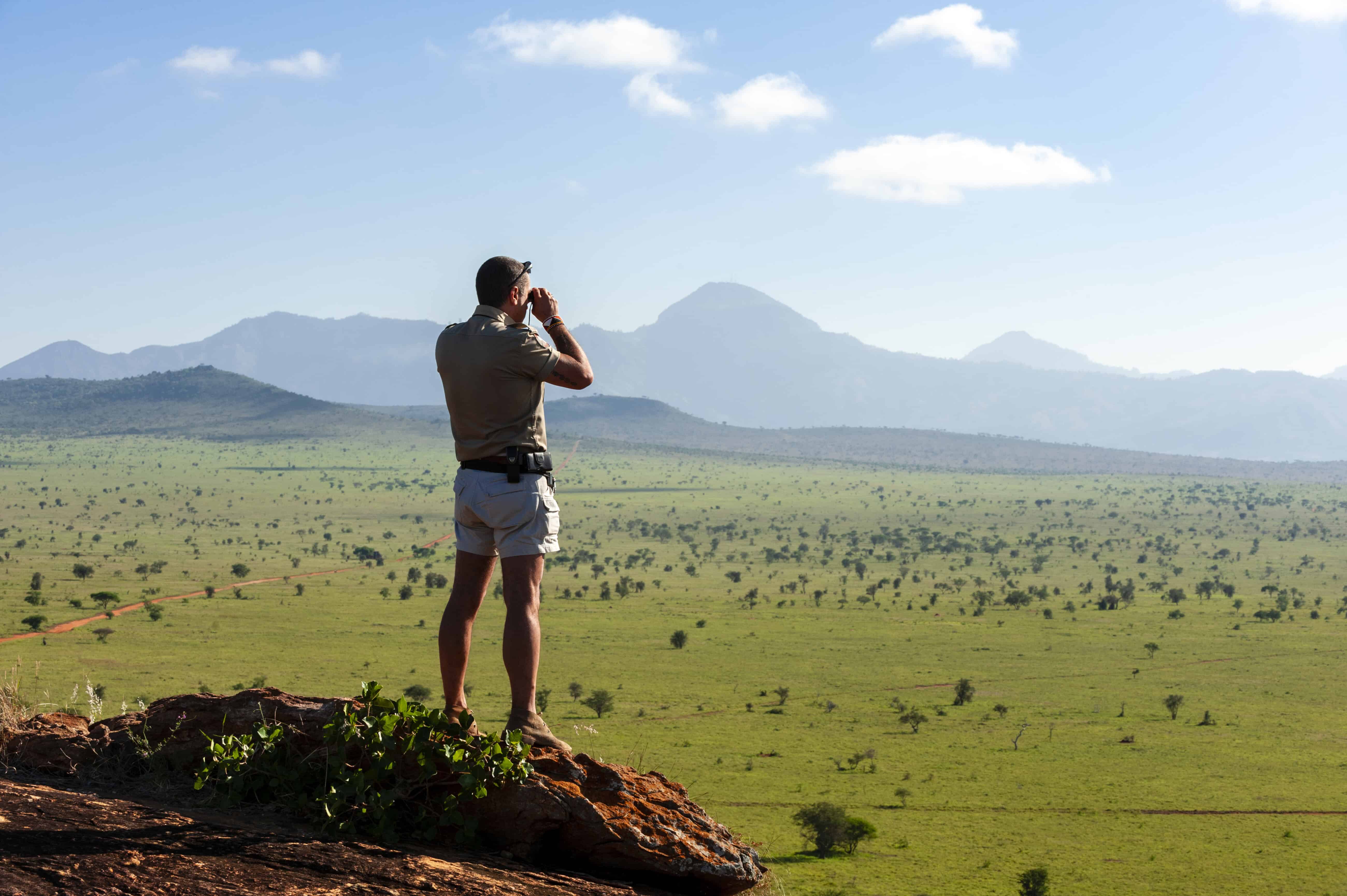
Kenya is the land of the ORIGINAL SAFARI.
👉 DID YOU KNOW: The word “safari” comes from Swahili meaning “journey.”
Here’s why your 10 days in Kenya will be AMAZING:
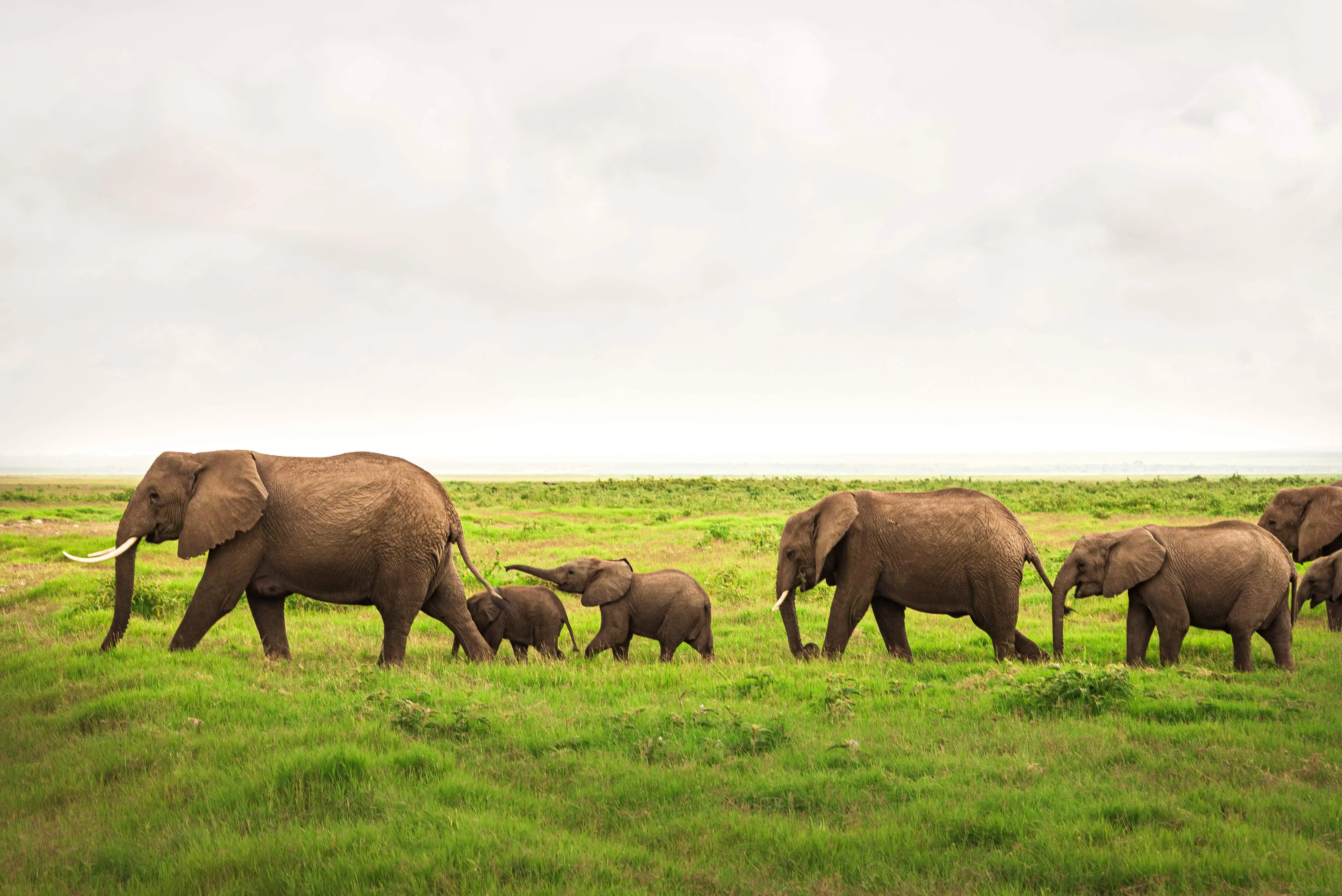
- Incredible wildlife: Kenya is famous as a Big Five country and lives up to the reputation every time (we can confirm!). Lions, leopards, elephants, rhinos, and buffalo are present in its parks in large numbers.
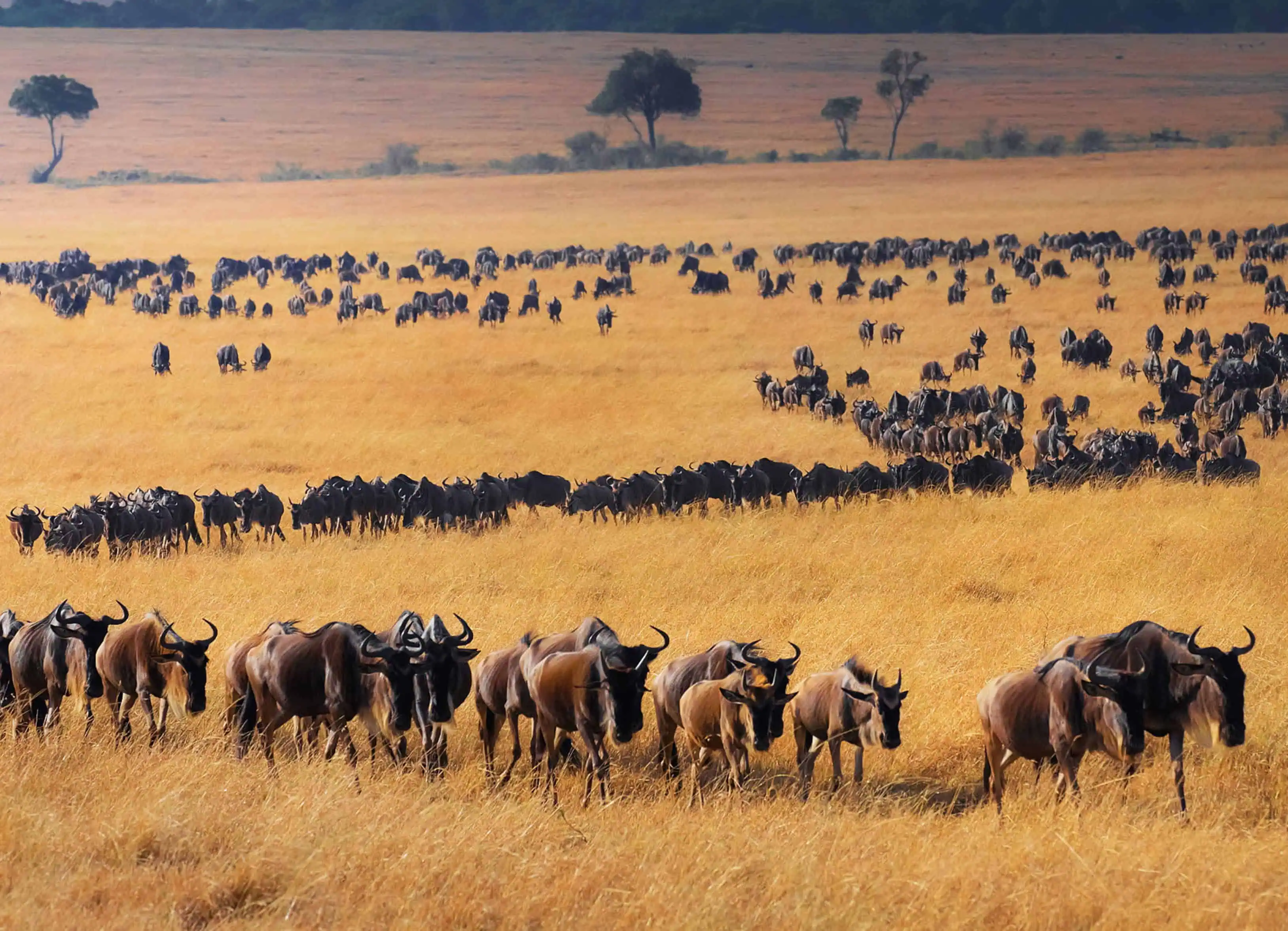
- The Great Migration: Kenya hosts what we call “THE GREATEST WILDLIFE SHOW ON EARTH.” Each year in July and August, almost 1.3 million wildebeest, zebras, and gazelles migrate from Tanzania’s Serengeti into Kenya’s Masai Mara. More information here.
- Amazing landscapes & parks: Kenya has 50+ national parks and reserves, from grassy plains to deserts and old forests.
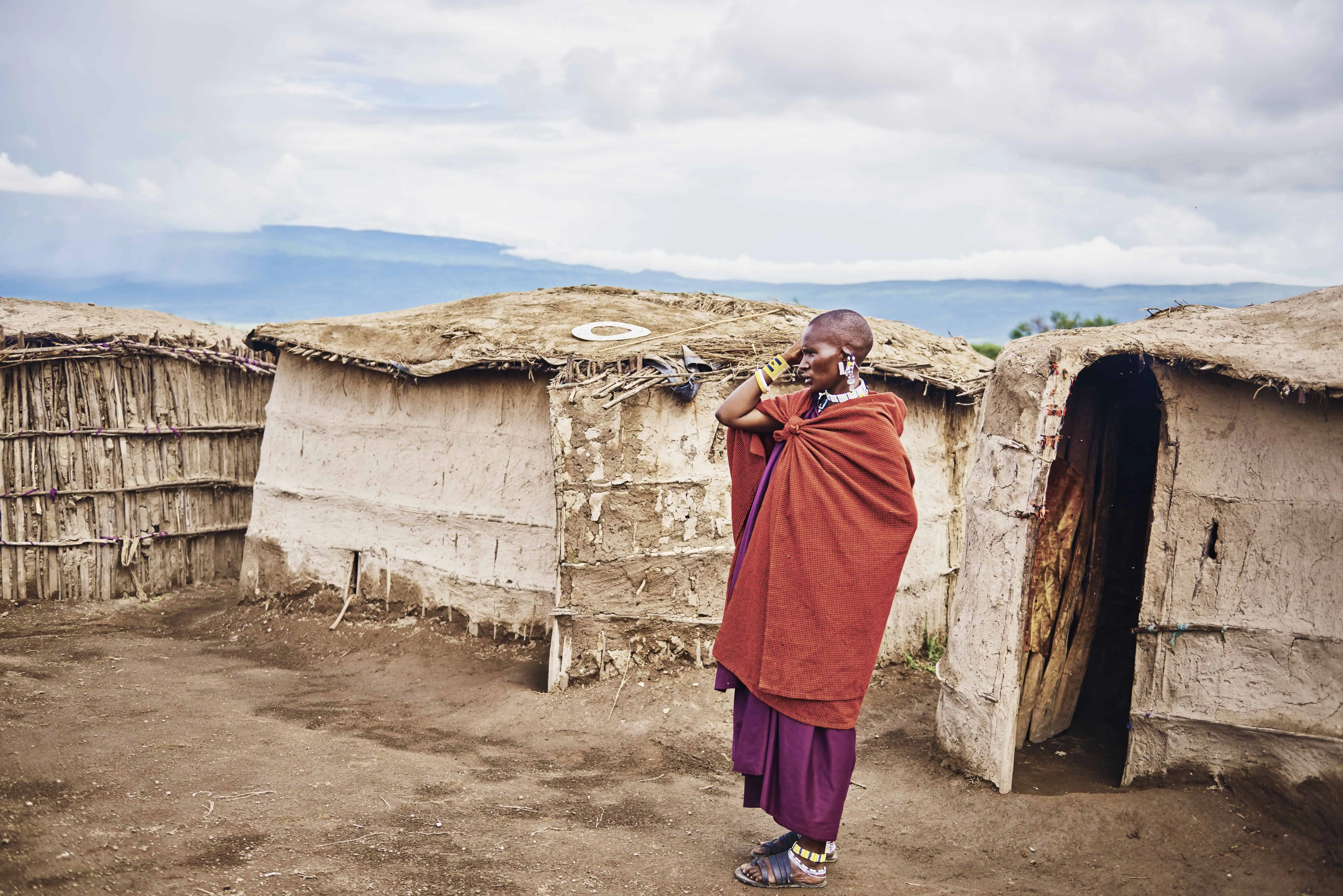
- Rich culture: Beyond the animals, Kenya has many cultural experiences. You can visit a Maasai village to learn about old traditions and see warriors dancing by a campfire. With 43+ ethnic groups, Kenya’s people are as diverse as its wildlife.
Is 3 weeks in Kenya enough?
Do you want to visit all Kenya national parks? Then no, 3 weeks in Kenya will not be enough, as the country is huge.
However, within these 3 weeks in Kenya, you can comfortably visit 8 AREAS (for example, Maasai Mara, Amboseli, Lake Naivasha, Ol Pejeta, Mount Kenya, Tsavo West, Tsavo East, and Diani).
As you’ll see in the itinerary below, a Kenya 3-week itinerary can pack in a lot more compared to a 5 day trip, a 7 day trip, a 10-day Kenya trip, or even a 2-week safari.
It’s the ideal length to visit Central, southern, and eastern Kenya!
Prices for an itinerary like ours start from $360 per person per day (all-inclusive).
Simply fill in the form below to get FREE QUOTES from trusted local tour companies that we’ve personally traveled with.
It only takes 60 seconds, and you’ll receive custom itineraries and pricing directly in your inbox within 48 hours.
Free of charge. No pressure. No obligation.
*Our trusted local partners create every itinerary with care. We kindly ask that you submit a request only if you’re considering traveling.
How much does a 3-week African safari cost?

TOTAL COST: Expect about 8,000 USD to 9,000 USD per person in high season for a MID-RANGE SAFARI. That equals 6,800 to 7,700 EUR.
For 2 people, the budget is between 16,000 and 18,000 USD total.
More information here about the cost of a Kenya safari. Discover the difference in price between a budget, mid-range, and luxury 3-week safari in Kenya!
What’s included in that price?
- ACCOMMODATION: Plan for around 20 nights in a mix of comfortable boutique hotels and mid-range safari lodges. The total comes to about 3,600 USD per person for the full trip, which works out to an average of 180 USD per night per person. This includes full board at safari lodges and half board or breakfast at beach or city hotels.
- MOUNT KENYA: A Mount Kenya climb adds about 800 to 1,100 USD per person, depending on whether you sleep in tents or lodges. This is the total cost for 5 days.
- PARK FEES: Covering Masai Mara, Mount Kenya, Samburu, Amboseli, Tsavo West, and Tsavo East, park fees total about 1,500 USD per person in high season.
- TRANSPORT AND GUIDING: A private 4×4 safari vehicle with driver-guide for the entire journey, plus short domestic flights such as Diani to Nairobi, usually comes to around 2,200 USD per person combined. This keeps the trip smooth, comfortable, and efficient.
- MEALS AND TIPS BUFFER: For drinks, tips, and extra meals not covered by your accommodations, plan a 400 USD buffer per person. This allows some flexibility for special dinners, souvenirs, or small excursions.

What is not included?
- FLIGHTS: Your international flights are often not included when booking a 2-week Kenya safari.
- VISA: Your visa costs are also not included.
- OPTIONAL EXTRAS: A Masai Mara hot air balloon is an unforgettable experience, usually 450 USD per person. Other optional activities you might like, a Lake Naivasha boat ride RECOMMENDED (about 30 to 40 USD), a guided bike at Hell’s Gate (about 20 to 30 USD), a cultural visit near the Mara or Amboseli (often 25 to 40 USD), and a snorkeling or Wasini day trip from the coast (often 60 to 120 USD).
| Recommended SAFARI ESSENTIALS we personally use and trust | ||
| 🧳 Travel duffle bag | 👕 Long shirt: Men | Women | 👕 Short shirt: Men | Women |
| 👖 Pants: Men | Women | 🧥 Light fleece: Men | Women | 🌧️ Rain jacket: Men | Women |
| 🥾 Shoes: Men | Women | 🧢 Safari sun hat | 🕶️ Sunglasses |
| 🔋 Power bank | 🔭 Binoculars | 🔌 Universal plug adapter |
| 🦟 Insect repellent (DEET) | 💧 Electrolyte tablets | 🎒 Daypack |
More information in our complete post about Kenya safari clothing.
How should I book my 3-week Kenya safari?

We recommend booking with local operators as they offer much better value, while international agents sometimes mark up safari packages by 30 – 300% over the local price.
By booking with reliable local operators in Kenya, you cut out the middle layer and pay more directly for your actual safari (and also a better experience).
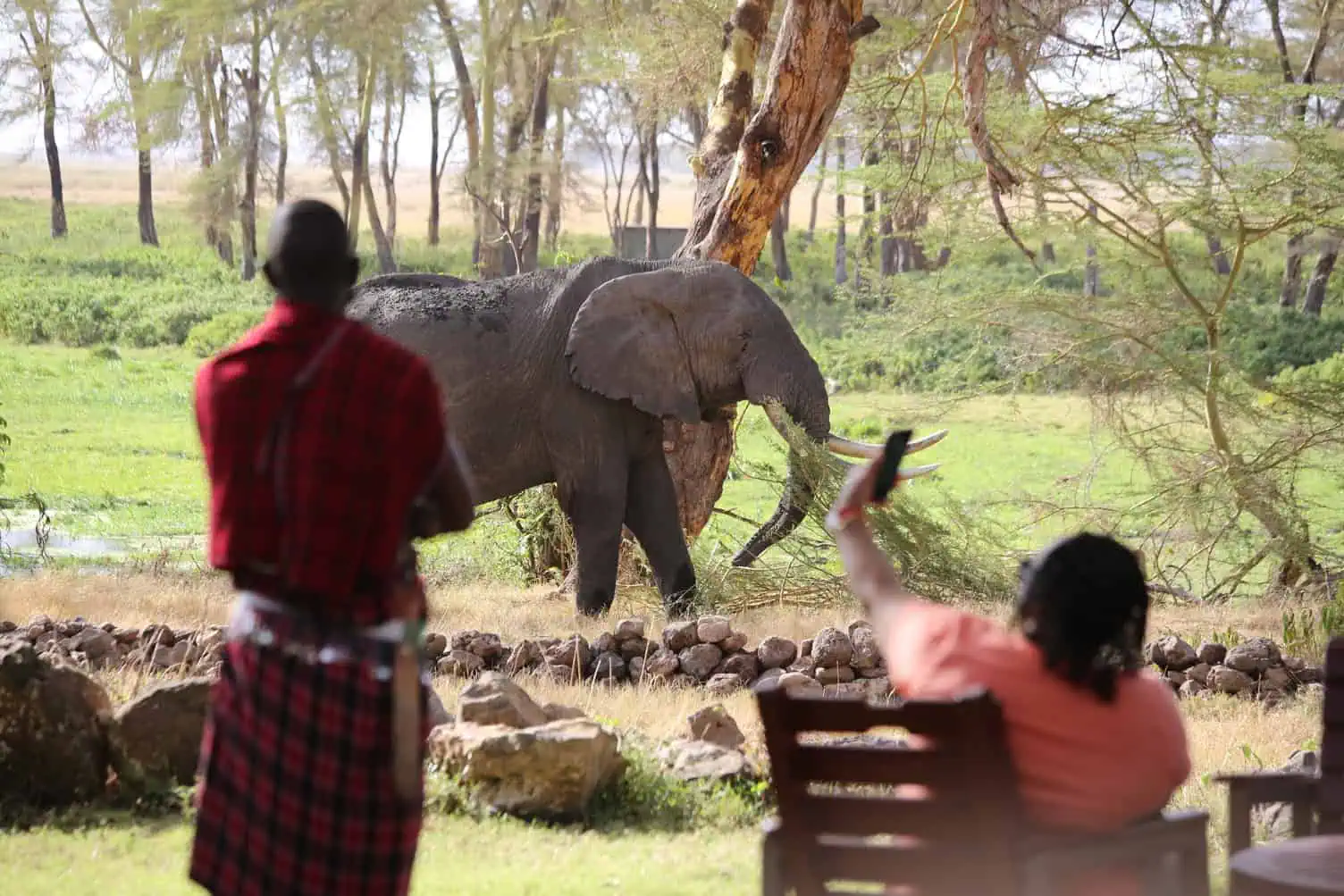
We want to share our amazing experiences with you. You can fill in this form, and our trusted local tour operators will contact you within 48 hours with a personalized itinerary based on your budget and time. No obligations.
Prices for an itinerary like ours start from $360 per person per day (all-inclusive).
Simply fill in the form below to get FREE QUOTES from trusted local tour companies that we’ve personally traveled with.
It only takes 60 seconds, and you’ll receive custom itineraries and pricing directly in your inbox within 48 hours.
Free of charge. No pressure. No obligation.
*Our trusted local partners create every itinerary with care. We kindly ask that you submit a request only if you’re considering traveling.
Visa for Kenya
As of January 2024, Kenya is the first visa-free country in the world!
WHY? Discover it in our Visa for Kenya guide!
HOWEVER, instead of a visa, you must apply for an electronic travel authorization, which is $30 USD.
You must also pay the increased fees for all national parks in Kenya. If you ask us, the ‘visa-free country’ is a PR stunt to increase the prices for tourists…
For your electronic travel authorization, you will need to provide:
-
Valid passport for at least six (6) months after your planned date of arrival in Kenya, with at least one blank page
-
Selfie or passport-type photo
-
Contact information, email address, and phone number
-
Details of your arrival and departure itinerary
-
Accommodation booking confirmation(s)
-
Credit card, debit card, Apple Pay, or other means of payment
You can apply between 3 months and 3 days before your intended arrival date.
Kenya 3 week itinerary: An overview
We’ve created our favorite Kenya 3-week itinerary based on years of traveling around the country.
This itinerary includes the classic safari destination you MUST do to see the Great Migration, Amboseli and Mount Kenya, along with hidden gems like Lake Naivasha and Diani Beach.
Below is a quick summary of our 3-week Kenya itinerary:
Travel summary:
- Day 1: Nairobi
- Day 2: Nairobi to Masai Mara
- Day 3: Masai Mara
- Day 4: Masai Mara
- Day 5: Masai Mara to Hell’s Gate National Park
- Day 6: Hell’s Gate National Park to Ol Pejeta
- Day 7: Ol Pejeta
- Day 8: Ol Pejeta to Mount Kenya (part 1)
- Day 9: Mount Kenya climb (part 2)
- Day 10: Mount Kenya acclimatization hike (part 3)
- Day 11: Mount Kenya summit & descent (part 4)
- Day 12: Mount Kenya to Nairobi (part 5)
- Day 13: Nairobi to Amboseli National Park
- Day 14: Amboseli National Park
- Day 15: Amboseli to Tsavo West National Park
- Day 16: Tsavo West to Tsavo East National Park
- Day 17: Tsavo East National Park
- Day 18: Tsavo East to Diani Beach
- Day 19: Diani Beach
- Day 20: Diani Beach or Watamu
- Day 21: Return to Nairobi

Kenya 3 week itinerary
| Recommended SAFARI ESSENTIALS we personally use and trust | ||
| 🧳 Travel duffle bag | 👕 Long shirt: Men | Women | 👕 Short shirt: Men | Women |
| 👖 Pants: Men | Women | 🧥 Light fleece: Men | Women | 🌧️ Rain jacket: Men | Women |
| 🥾 Shoes: Men | Women | 🧢 Safari sun hat | 🕶️ Sunglasses |
| 🔋 Power bank | 🔭 Binoculars | 🔌 Universal plug adapter |
| 🦟 Insect repellent (DEET) | 💧 Electrolyte tablets | 🎒 Daypack |
More information in our complete post about Kenya safari clothing.
Day 1: Nairobi
Morning: Your adventure begins as you land at Jomo Kenyatta International Airport (NBO) in Nairobi.
After completing immigration and collecting your luggage, a PRIVATE TRANSFER will bring you to your hotel for check-in.
We recommend staying in the RADISSON in Nairobi. It’s centrally located, clean, and good rooms, and mid-budget pricing.
Here you can freshen up, enjoy a coffee, and take some time to recover from your flight before stepping out into the city.
If your arrival is in the morning, you will have the perfect opportunity to begin with a visit to the David Sheldrick Wildlife Trust Elephant Orphanage.

Entrance costs 20 USD / 18 EUR per person (but you also need to pay entrance to Nairobi National Park as the orphanage is located INSIDE the park).
Open for just one hour daily, from 11:00 to 12:00, this sanctuary gives you the chance to observe baby elephants being fed with the bottle, and you can see them play in a mud bath.
We love Sheldrick as it provides an introduction to Kenya’s elephants (and conservation efforts), which you will take with you on safari.

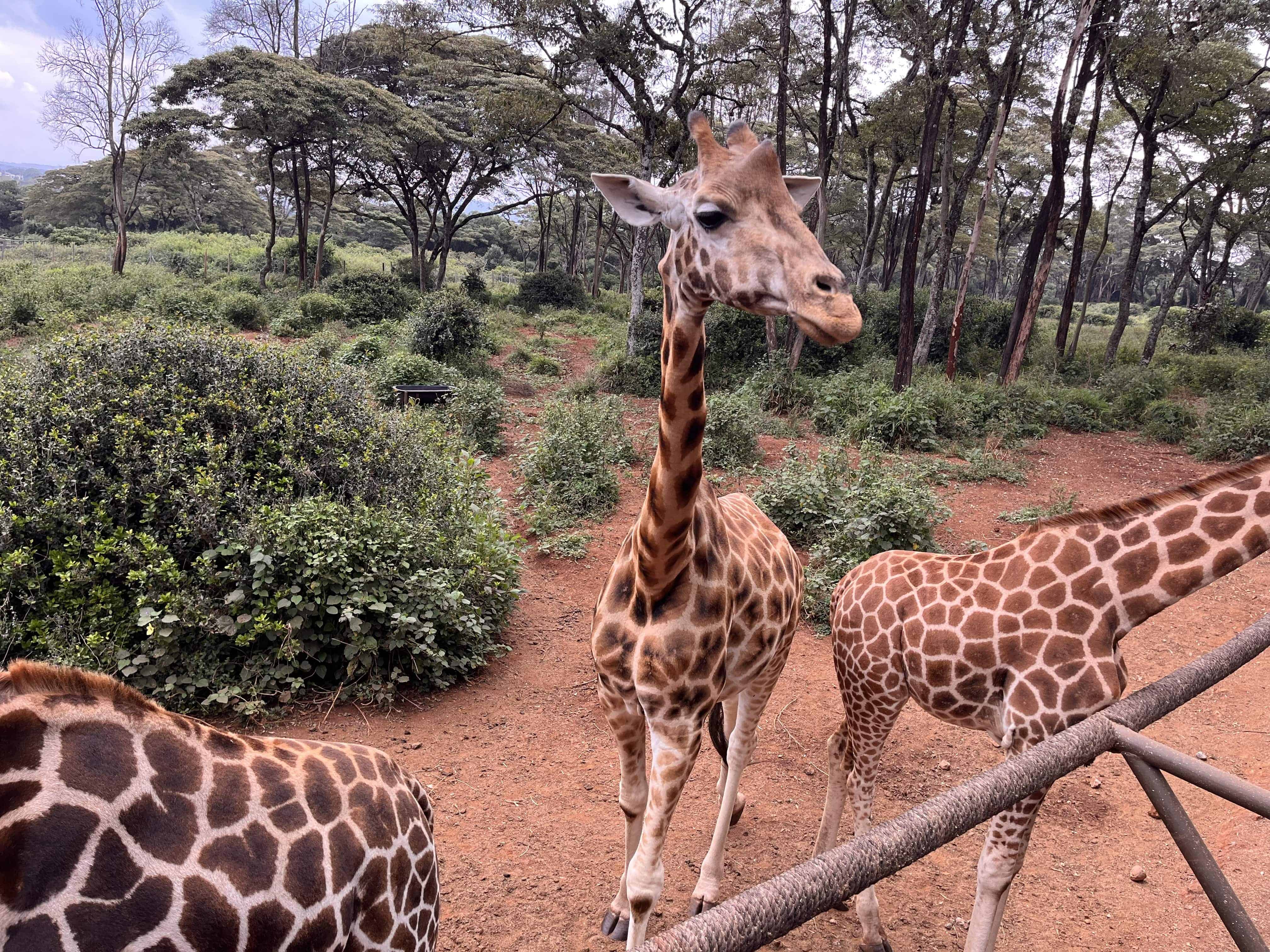
Afternoon: continue your visit to Nairobi with a stop at the GIRAFFE CENTRE (entrance 15 USD / 14 EUR per person).
Here you will meet the endangered Rothschild’s giraffes, learn about their protection, and HAND-FEED THEM from a raised wooden platform.
It is a super experience as they literally lick the food from your hand. You’ll not get to experience this during your safari.
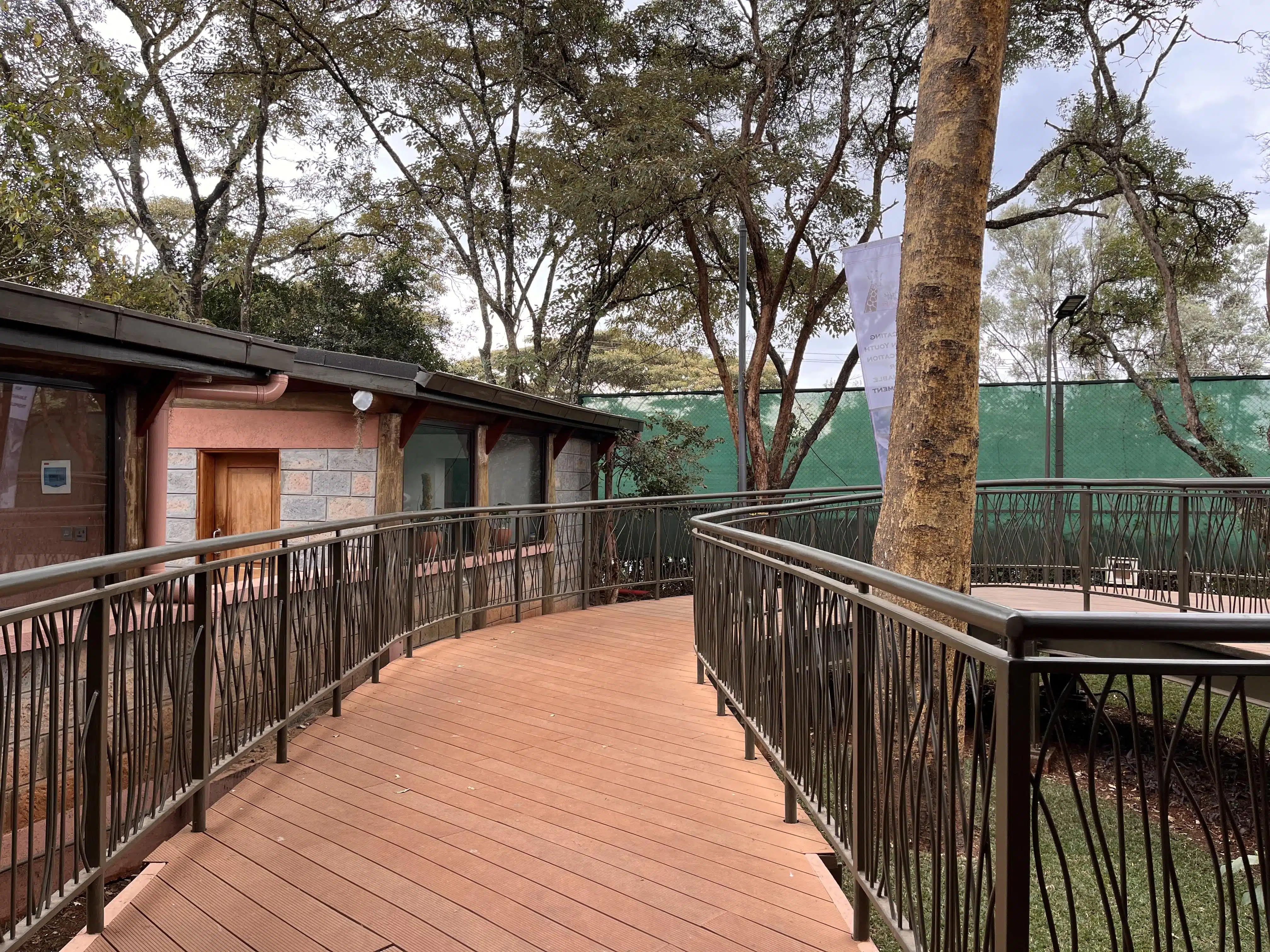
Afterward, make your way back toward the city to visit the Kenyatta International Convention Centre (KICC) ROOFTOP (entrance 5 USD / 4.50 EUR per person).
The tower provides INSTAGRAM-WORTHY VIEWS across Nairobi’s skyline, and on a clear day, you may even see the Ngong Hills in the distance (worth a hike if you have more time).
Combining the Giraffe Centre with the Convention Centre works perfectly in one afternoon.
Evening: return to your hotel to freshen up before heading out for dinner.
Nairobi is known for its cosmopolitan dining scene, and two restaurants stand out for their atmosphere and quality.
CULTIVA FARM, located in Karen, offers an unforgettable farm-to-table experience.
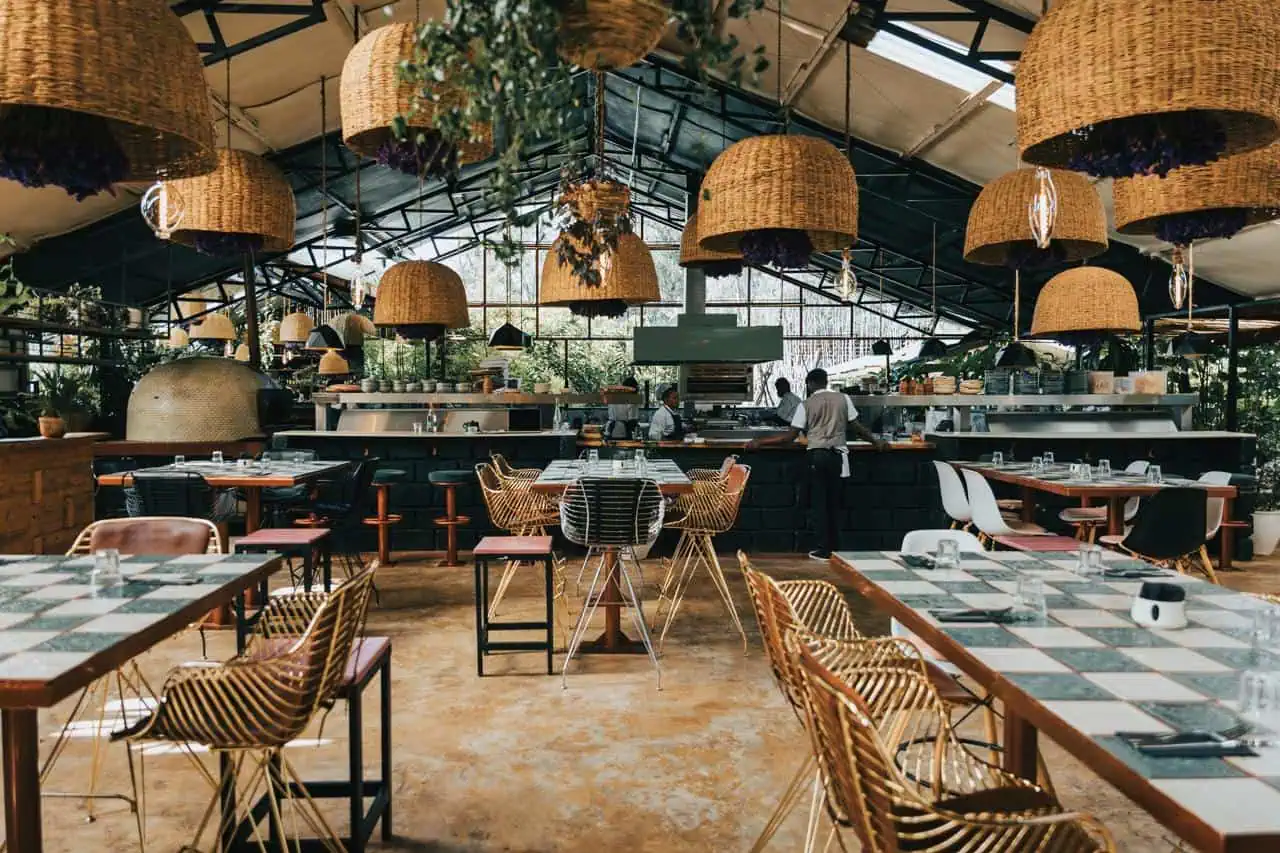
Seasonal organic produce is harvested from the property’s own farm and transformed into creative dishes.
It’s a trendy spot where Nairobi’s expats and young influencers dine, but expect European / American prices.
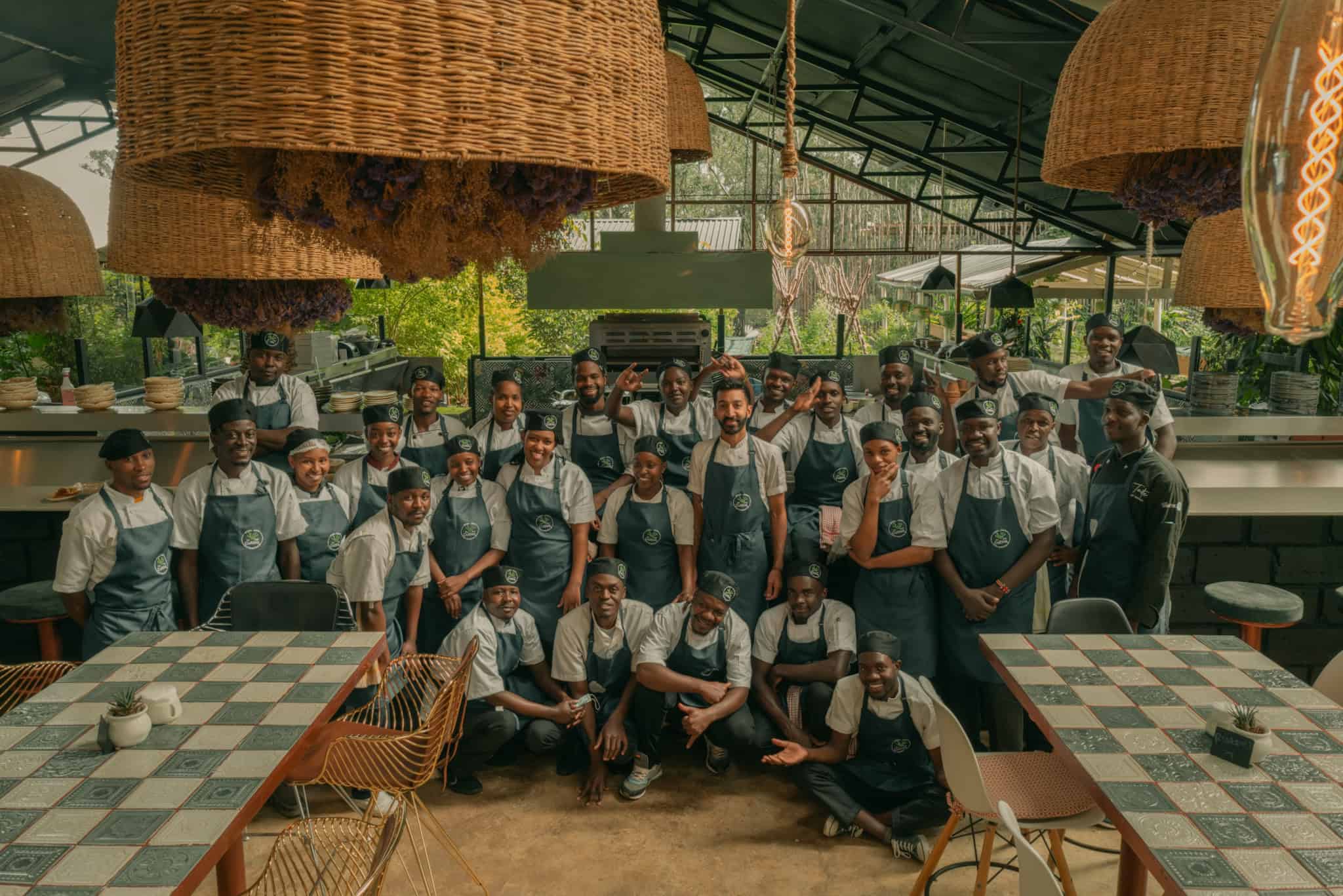
If you prefer to stay closer to the center, TALISMAN RESTAURANT is another excellent choice.
With its stylish interiors, open garden seating, and beautiful menu, it is one of Nairobi’s most beloved dining spots.
Expect to spend around 50 USD / 40 EUR per person for a three-course dinner with drinks.
A last option is the famous Carnivore Restaurant. They serve an all-you-can-eat BBQ of exotic meats (in the past, even game like OSTRICH or CROCODILE).
After dinner, return to the Radisson for a restful night.
Day 2: Nairobi to Masai Mara
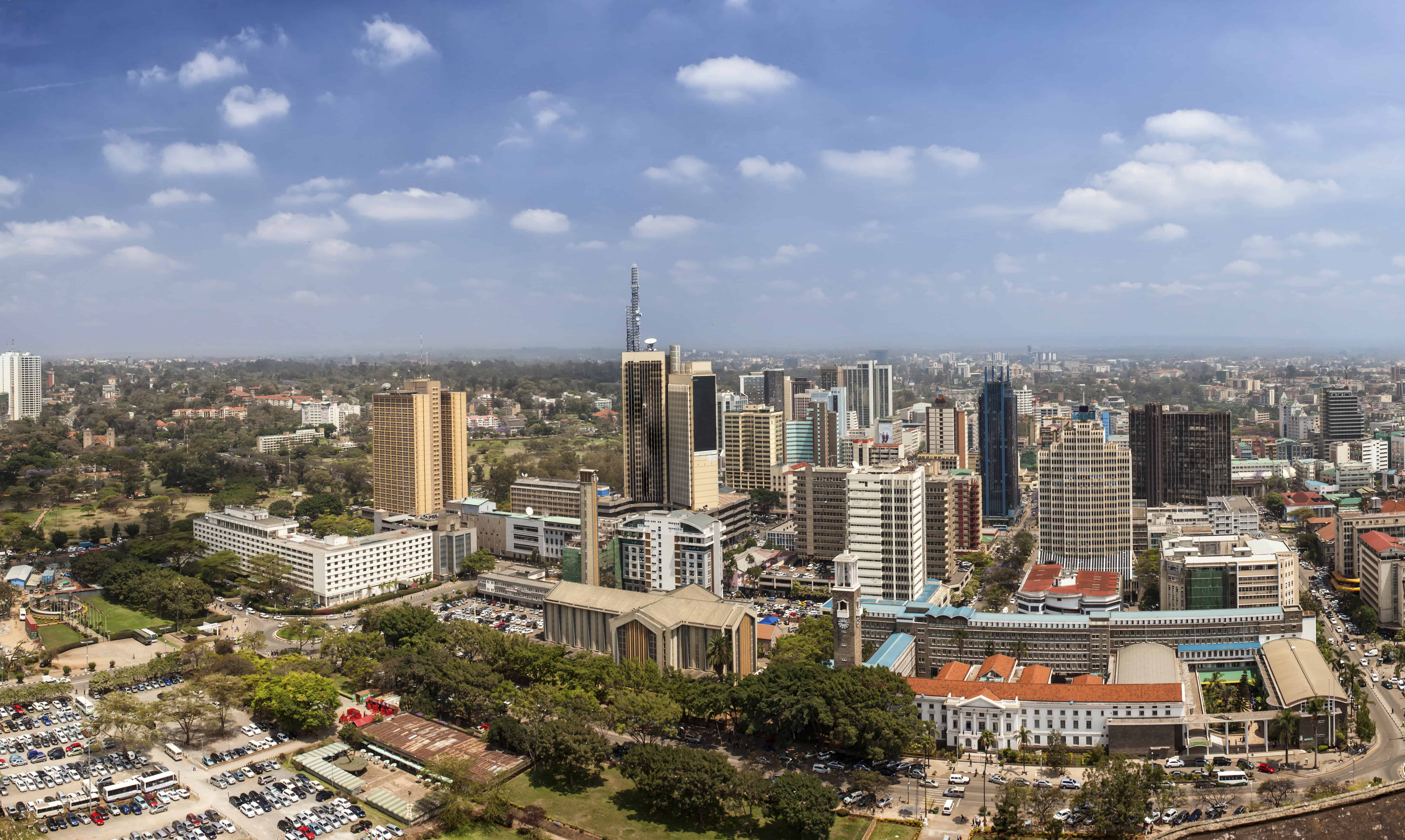
Morning: Leave Nairobi around 7 – 8 am for the Masai Mara National Reserve, Kenya’s most famous safari destination.
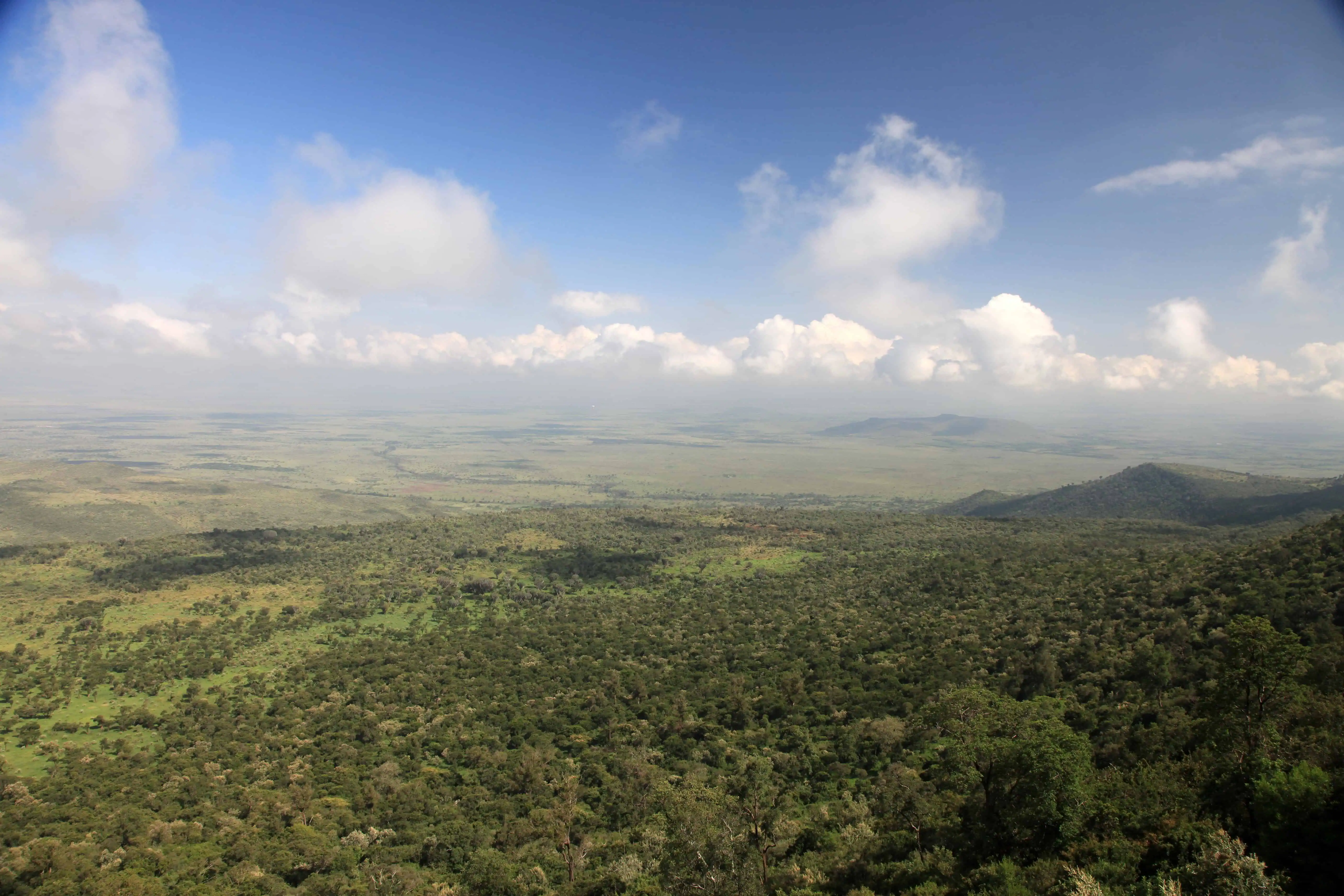
It’s about a 5 – 6 hour drive, with a possible stop at the RIFT VALLEY VIEWPOINT to enjoy the views of the Great Rift Valley.
Afternoon: Arrive at the Masai Mara in time for lunch at your lodge (around 2 pm). We recommend staying in one of the conservancies NEXT to the Mara reserve. Same wildlife, but fewer people, and much cheaper lodges for the same comfort as inside the park.
For a mid-range stay, we recommend the Jambo Mara Safari Lodge or PrideInn Mara Camp & Cottages, both of which offer comfort near the Talek Gate at $300 (€250) per night.
👉 KEEP IN MIND: Lodges will often include dinner, breakfast, and lunch, as there are not many other places.
👉 IMPORTANT: The entry fees for the Masai Mara National Reserve:
| Category | High season (per 12 hours) | Low season (per 12 hours) | Notes |
|---|---|---|---|
| Adult (Non-Resident) | USD 200 (EUR 170) | USD 100 (EUR 85) | Fee increase introduced in July 2024 to support conservation efforts |
| Child (9–17 years) | USD 50 (EUR 43) | USD 50 (EUR 43) | Flat fee, same year-round |
| Child (0–8 years) | FREE | FREE | No entry fee |
Check the Masai Mara Reserve and Mara Triangle websites for the latest fees and rules.
We recommend PRIVATE CONSERVANCIES, as they are a lot cheaper, and since the Masai Mara is NOT A GATED PARK, the animals are free to roam, meaning you can see everything from the private conservancies that are right next to the reserve.
More information in our Kenya national parks entrance fees guide!
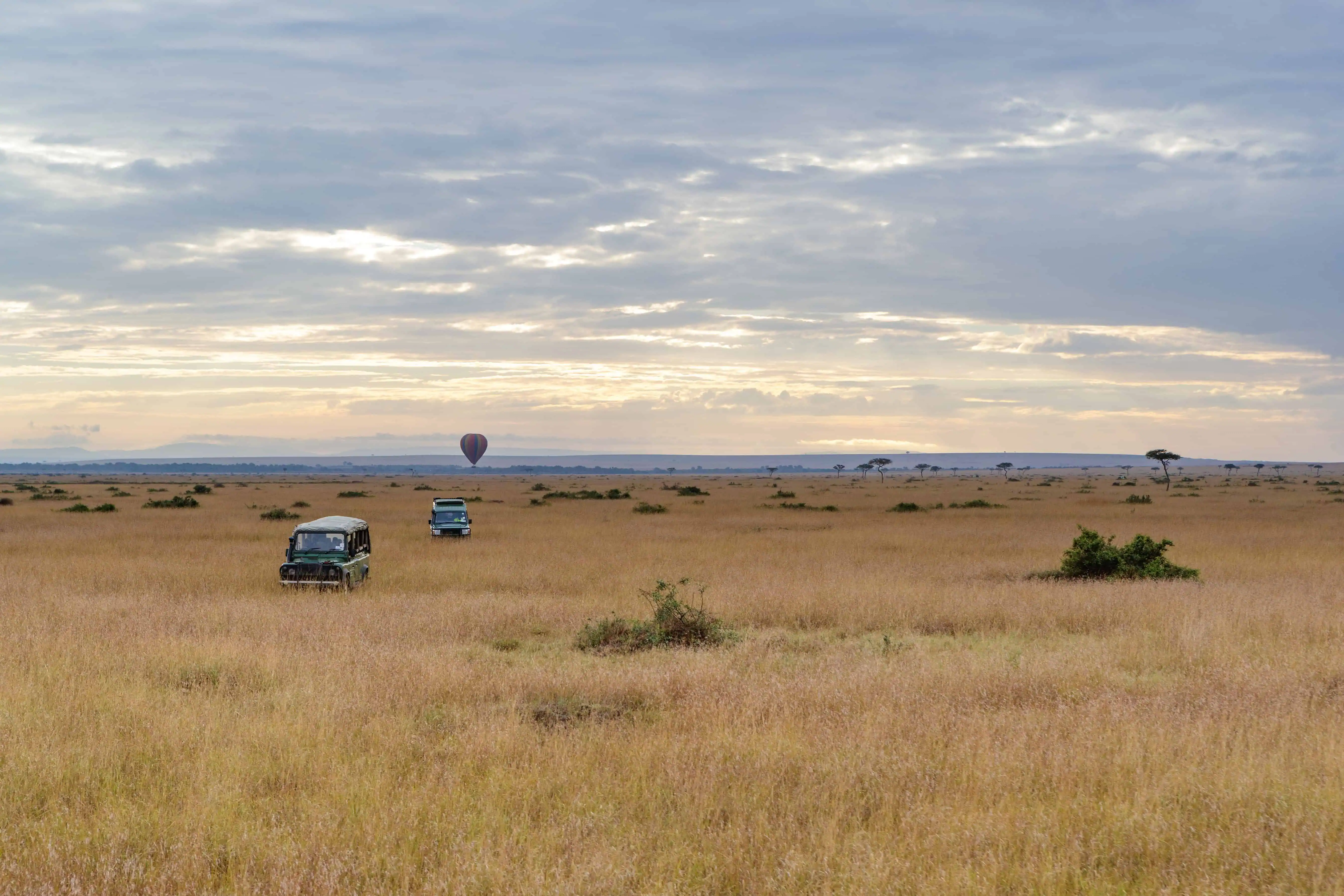
After a good lunch, enjoy the lodge for a few hours and then head out on your first game drive in the Mara by 4 pm. The late afternoon is perfect for wildlife, as temperatures cool down, making animals more active.
Drive across the savannah searching for lions in the grass, leopards in acacia branches, and herds of elephants and buffalo.
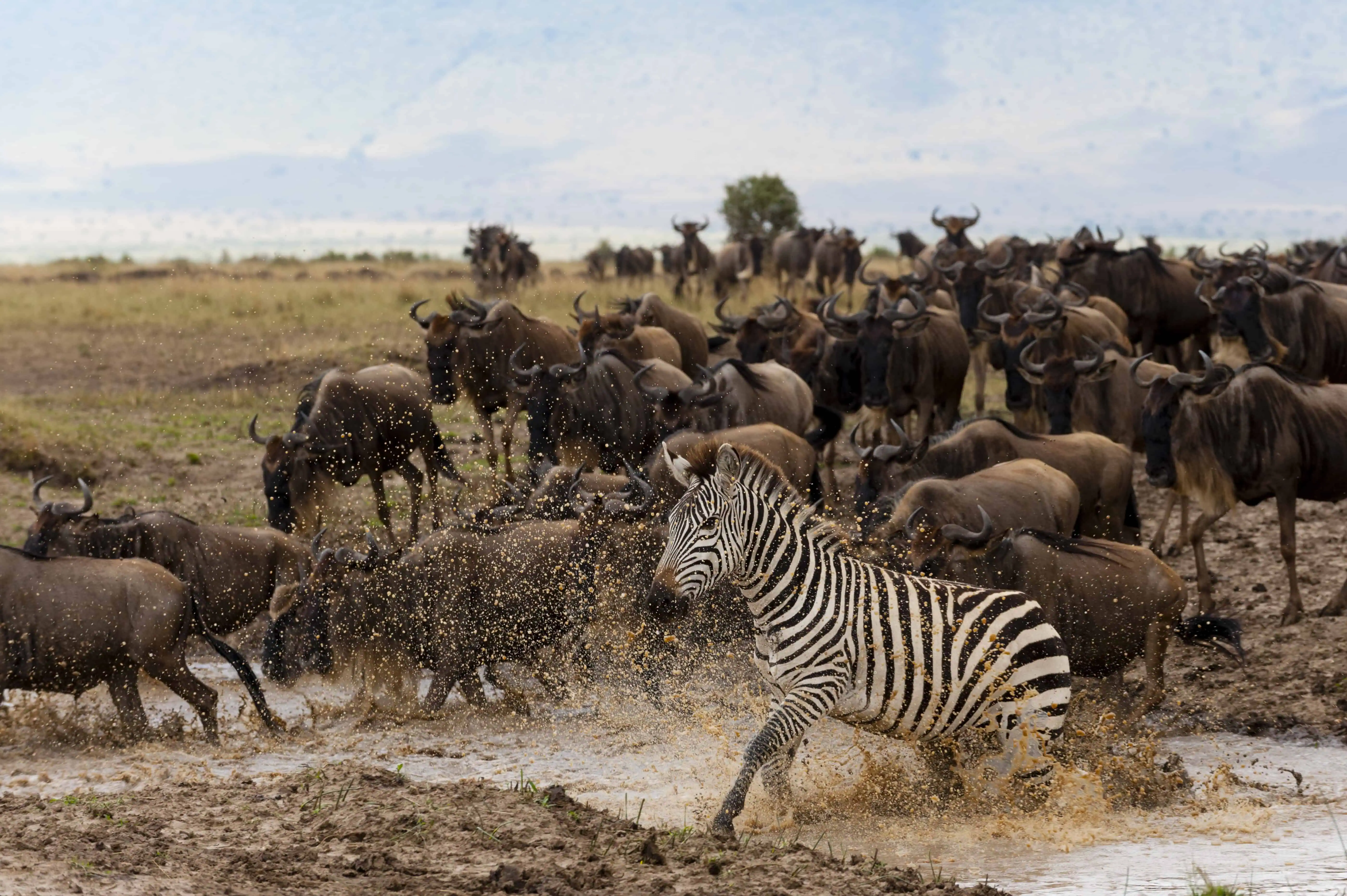
If your visit is between July and September, you may witness part of the GREAT WILDEBEEST MIGRATION, with thousands of wildebeest crossing the Mara River. More information here.
Stay out until sunset for those classic safari sundowner moments (wine and popcorn at sundown) as the sky turns orange and pink for golden hour!
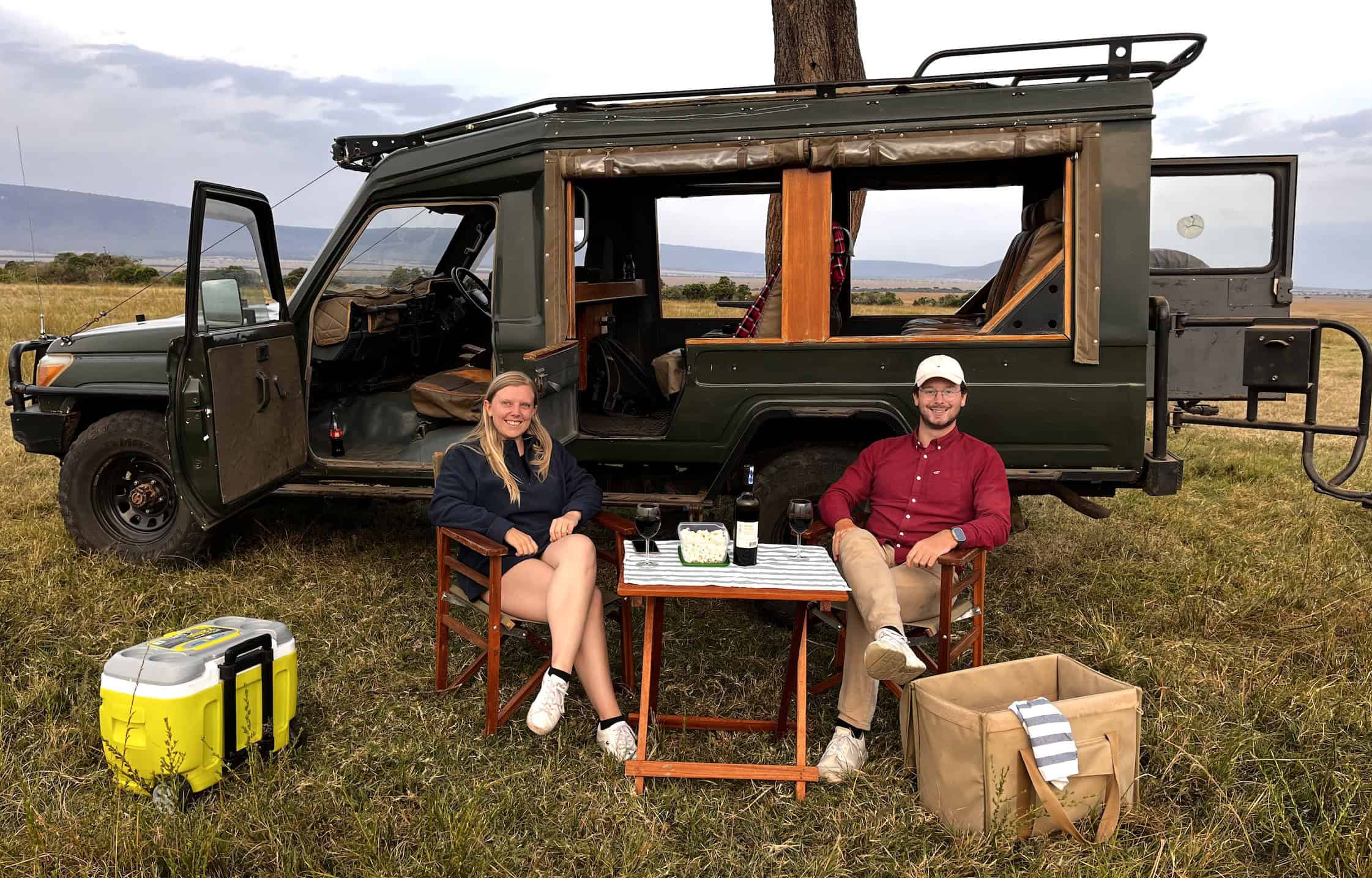
By 6 pm, exit the reserve as the PARK GATES CLOSE.
Evening: Enjoy dinner and a campfire, and enjoy your evening at your safari lodge just outside the reserve.
You can use this link or our widget below to fill in the short survey. Our trusted local tour operators will send you a personalized itinerary within 48 hours for your ultimate Kenya safari.
Prices for an itinerary like ours start from $360 per person per day (all-inclusive).
Simply fill in the form below to get FREE QUOTES from trusted local tour companies that we’ve personally traveled with.
It only takes 60 seconds, and you’ll receive custom itineraries and pricing directly in your inbox within 48 hours.
Free of charge. No pressure. No obligation.
*Our trusted local partners create every itinerary with care. We kindly ask that you submit a request only if you’re considering traveling.
Day 3: Masai Mara
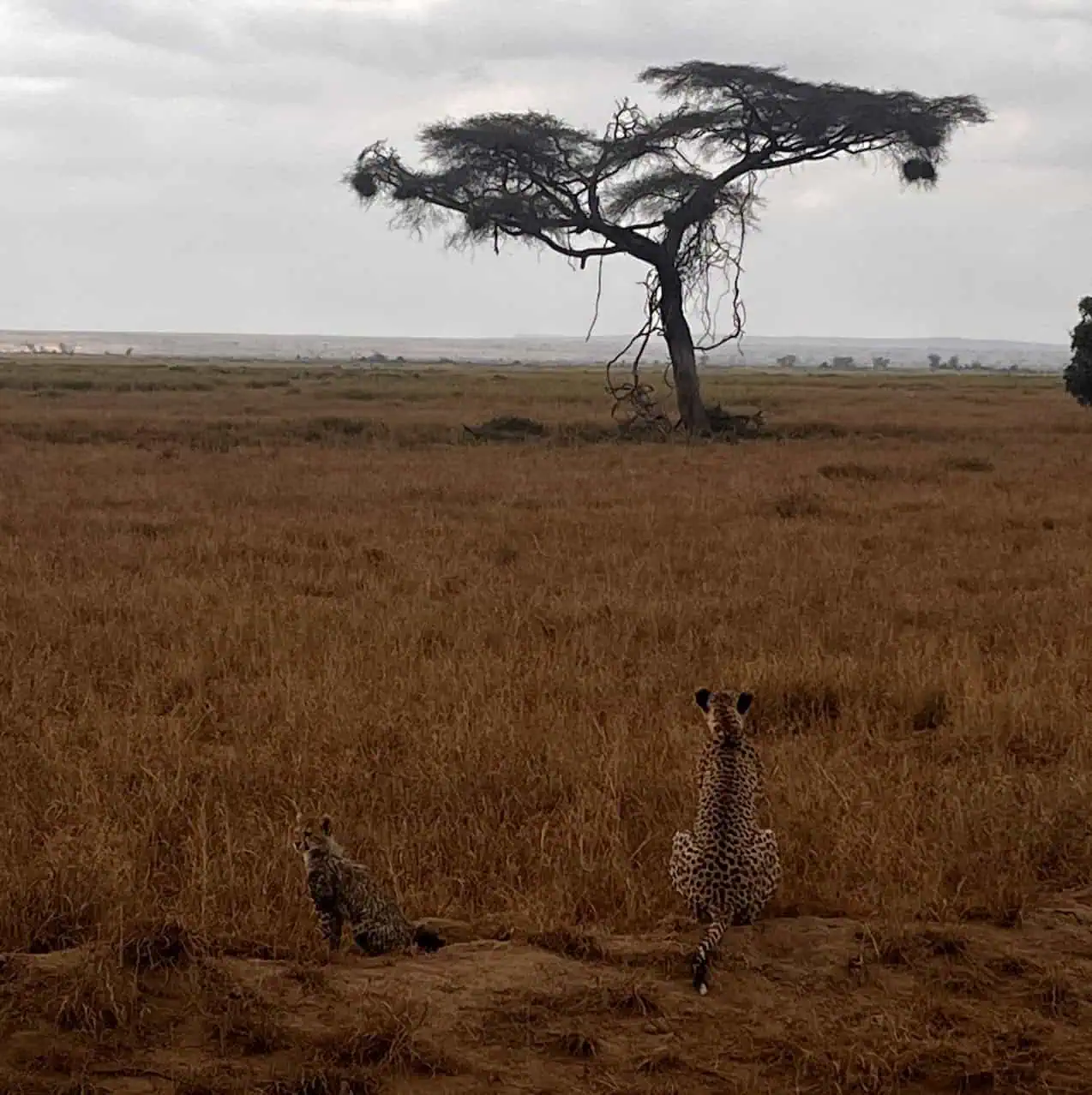
Morning: Rise before dawn for a full day of safari in the Masai Mara.
At first light, so around 6 am (yes, indeed 6 am!), set out on an early morning game drive when lions and cheetahs are still on the move after a night of hunting.
Make sure to have your breakfast packed so you can eat it in the park (this is called a BUSH BREAKFAST)!
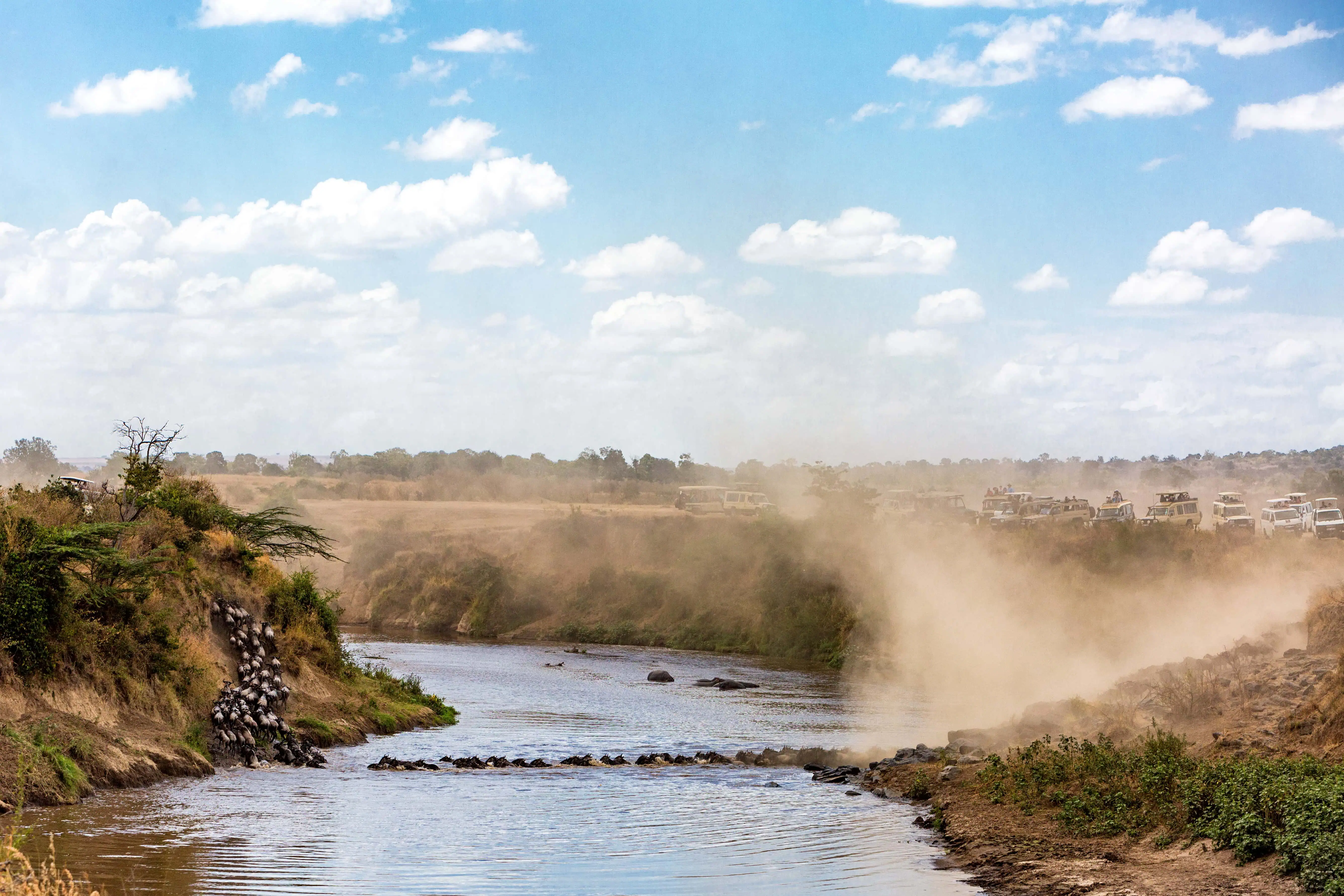
👉 KEEP IN MIND: You have to let your resort know a day in advance about your BUSH BREAKFAST so they can prepare it for you (mostly this is already included in your lodge price but make sure to check).
We recommend visiting the area of the Mara River and the Musiera Swamp in the morning!

👉 INSIDER TIP: If you want a truly special and different kind of morning safari, then the Masai Mara is the best place in Kenya for a HOT-AIR BALLOON SAFARI with a champagne breakfast, a magical sunrise we experienced, and it is worth its price. Read about our REVIEW! It’s pricey ($450 per person) but an unforgettable romantic experience!
Afternoon: Return to your lodge by late morning to relax and have lunch there.
Many people opt for an all-day game drive with a packed lunch, but we prefer a morning game drive and one evening game drive (starting at 4 pm).
Between 12h and 4 pm, many animals are resting in the shade anyway to escape the midday heat.
What we recommend doing during those midday hours is to visit a nearby MAASAI VILLAGE (many are right next to the reserve). For about $20–$30, they’ll show you their homes, how they start fires, and perform traditional dances (the jumping dance is amazing, but be prepared to jump with them).
At 4 pm, resume your game drive. Keep your camera ready for elephants near watering holes, and for giraffes nibbling treetops, and if you’re lucky, the BIG CATS (lion, leopard, cheetah) waking up from their naps.
You’ll definitely see many wildebeest, as there are hundreds of thousands (!) in the Mara ecosystem, migration aside.
By around 5 pm, the light is fantastic for photography (GOLDEN HOUR), and you might spot predators like hyenas and cheetahs becoming active again.
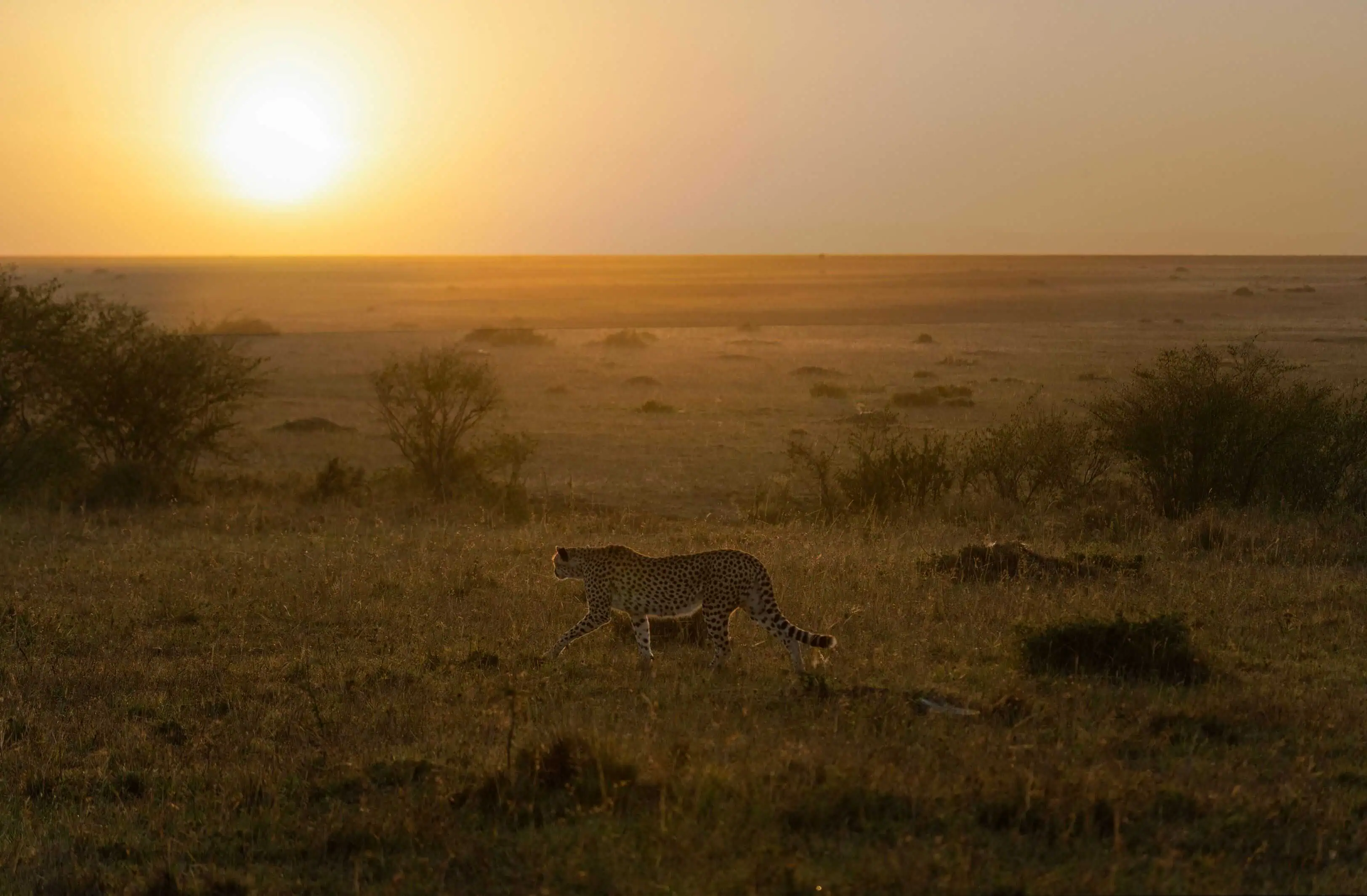
Evening: Exit the reserve by 6 pm and return to your lodge for dinner (make sure to try the chapati and the ugali).
Day 4: Masai Mara
Morning: Be on the road at first light for a sunrise drive across Paradise Plains and Topi Plains, two open areas that are perfect for scanning long distances.
Check riverine thickets along the Talek and Olare Orok for leopards slipping back to cover, then pause at a hippo pool for a picnic bush breakfast as the light gets soft for your bush breakfast.
Bird lovers, keep an eye out for lilac-breasted rollers, secretary birds, and crowned cranes along the marsh edges.
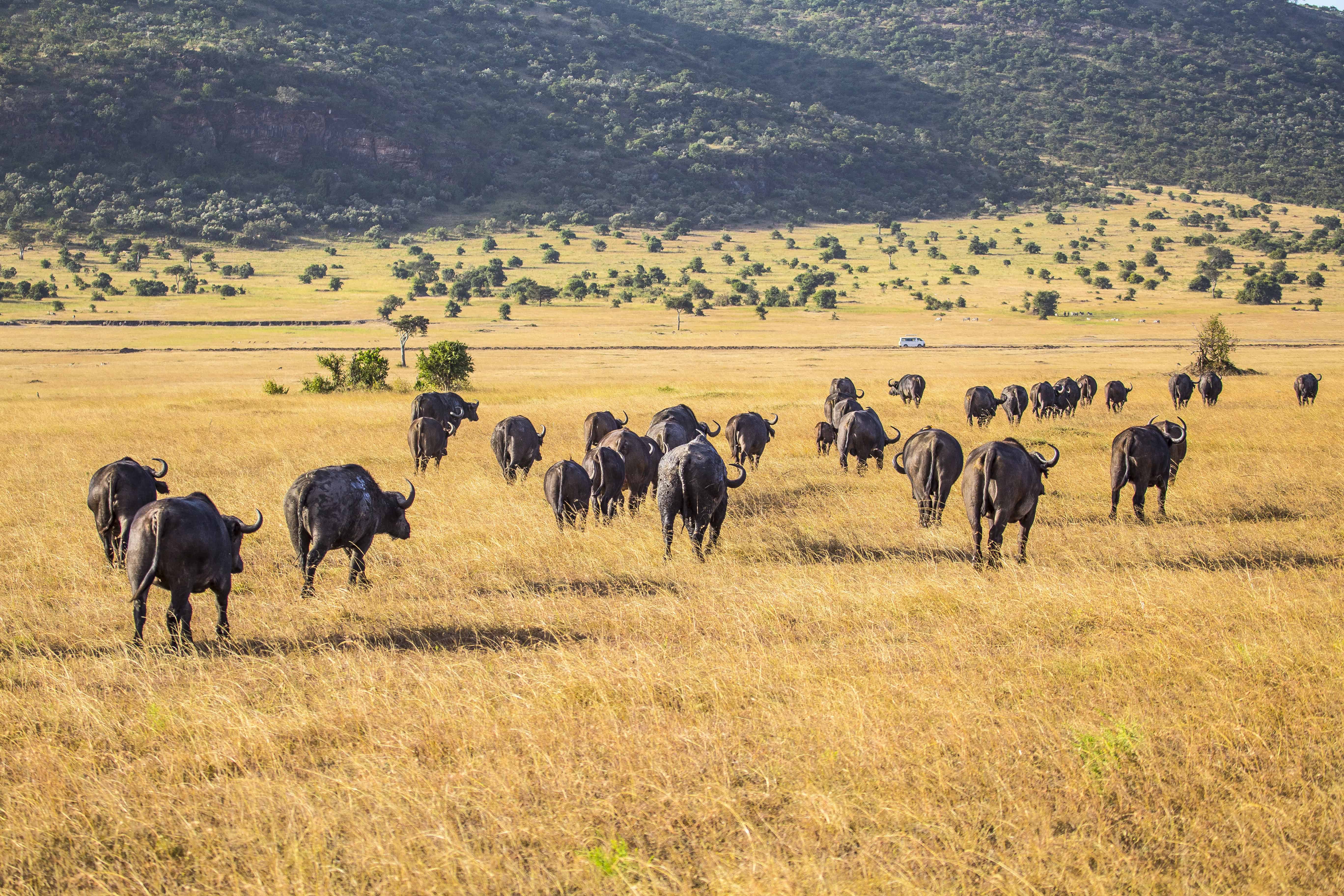
👉 INSIDER TIP: If you are in a private conservancy, ask for a short guided walk with an armed ranger after the drive. Walking is allowed in conservancies, not in the National Reserve. It is an amazing way to learn tracks, plants, and animal behavior up close.
Afternoon: Rest through the heat, then head out by 3 pm toward the Black Rock area or the Double Crossing zone, both known for big cats using termite mounds as vantage points.
If you are a photographer and have a long lens, make sure to bring a beanbag for vehicle windows, set shutter 1/1000 for action, and keep a lens cloth handy for dust on the tracks.
👉 KEEP IN MIND:Off-road driving is not allowed inside the National Reserve, but is often permitted inside conservancies under strict guidelines.
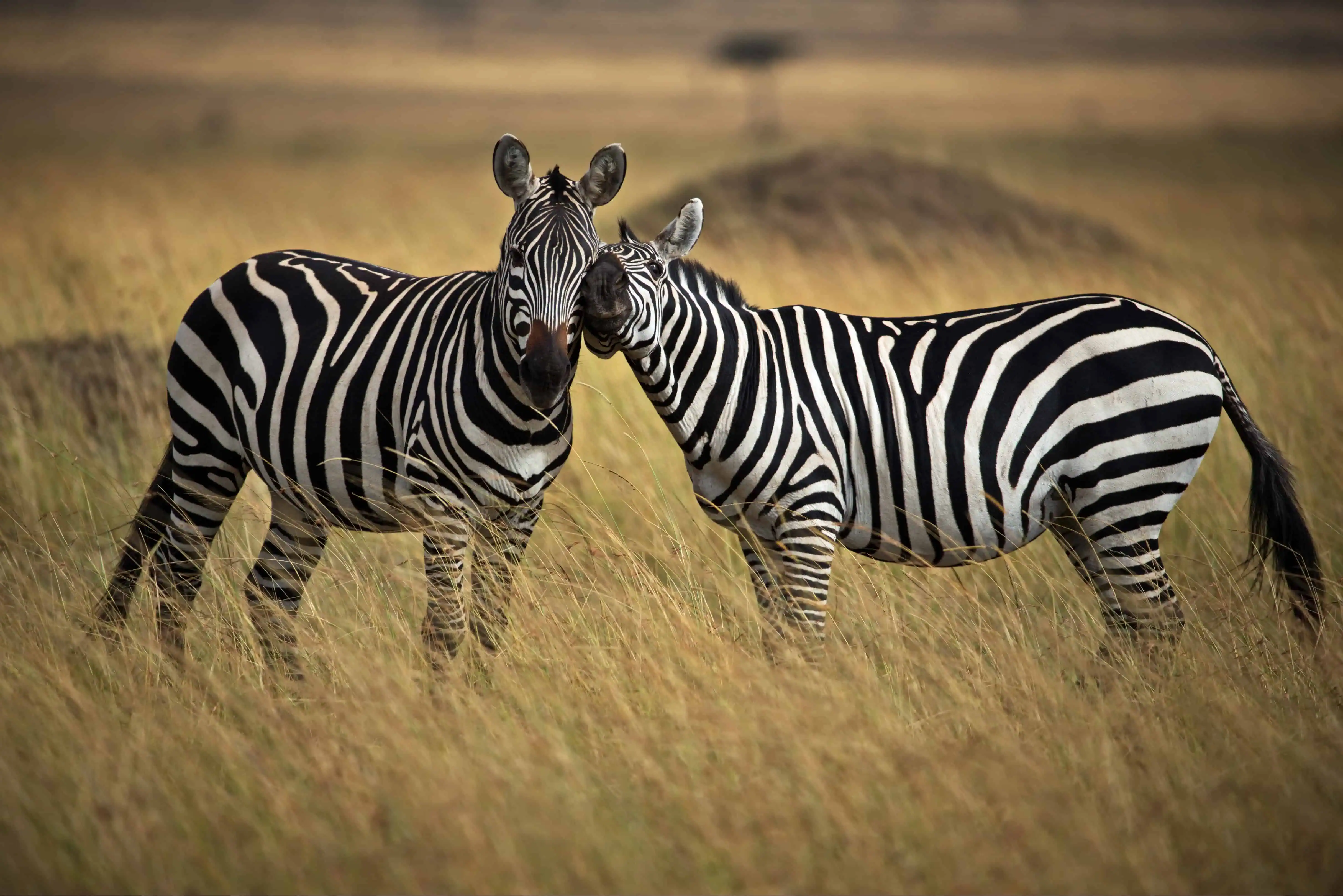
Evening: Time your route to a quiet viewpoint near the Oloololo Escarpment for a golden hour finale, then roll back to camp.
If you are in a conservancy, you can often book a night drive after dinner with a red-filter spotlight to look for aardwolves, genets, white-tailed mongooses, and porcupines.
Night drives are not allowed inside the National Reserve.
| Recommended SAFARI ESSENTIALS we personally use and trust | ||
| 🧳 Travel duffle bag | 👕 Long shirt: Men | Women | 👕 Short shirt: Men | Women |
| 👖 Pants: Men | Women | 🧥 Light fleece: Men | Women | 🌧️ Rain jacket: Men | Women |
| 🥾 Shoes: Men | Women | 🧢 Safari sun hat | 🕶️ Sunglasses |
| 🔋 Power bank | 🔭 Binoculars | 🔌 Universal plug adapter |
| 🦟 Insect repellent (DEET) | 💧 Electrolyte tablets | 🎒 Daypack |
More information in our complete post about Kenya safari clothing.
Day 5: Masai Mara to Hell’s Gate National Park
Morning: Make sure to have a last early morning GAME DRIVE in the Masai Mara before leaving.
Late Morning: Around 8 am, you will leave the Mara and drive to Lake Naivasha, a journey of about 5 – 6 hours by car, covering 155 miles (250 km).
The first stretch of the road can be BUMPY as you exit the reserve, but once you rejoin the main highway, the drive is on paved roads.
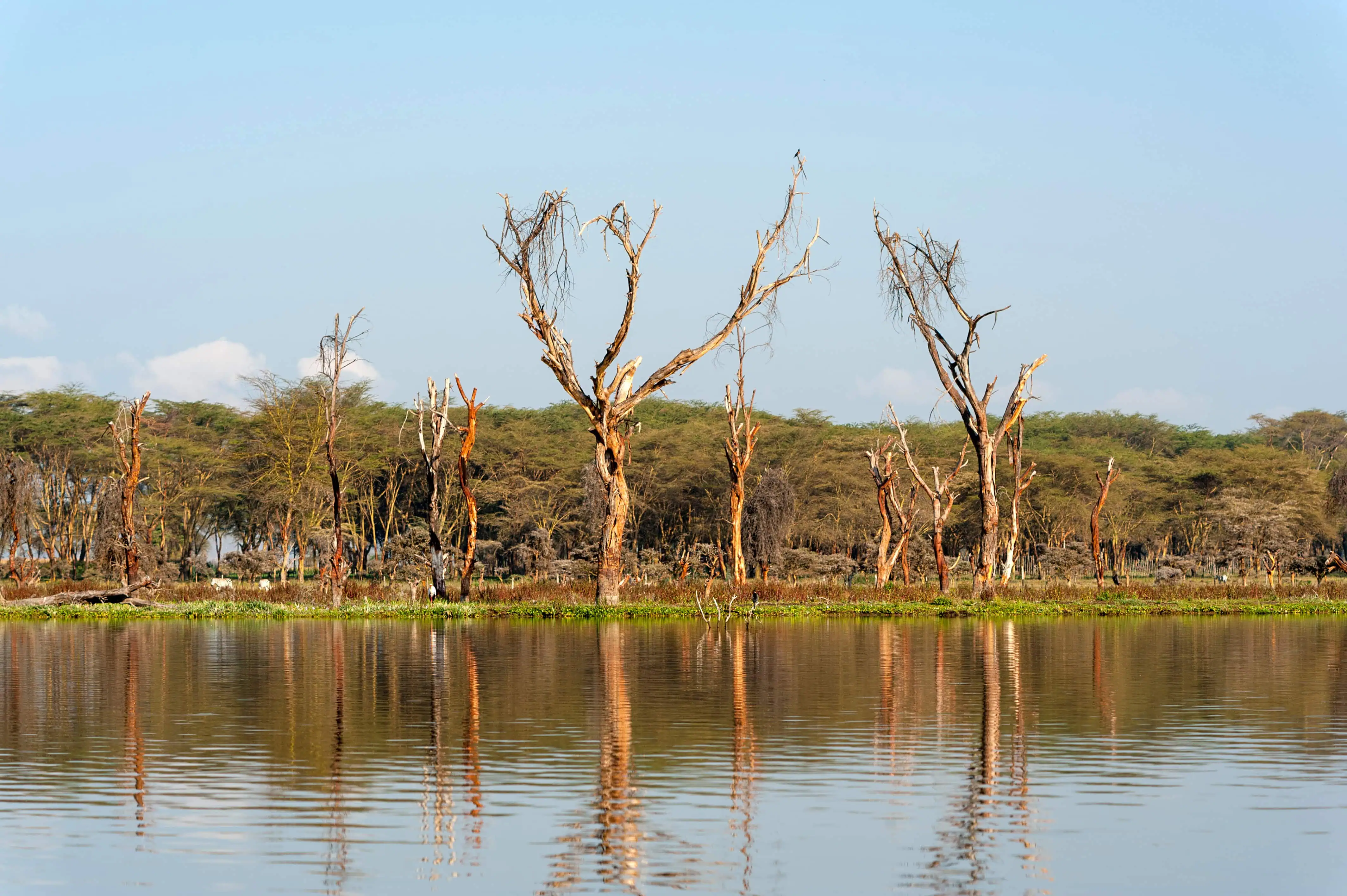
Arrive at Lake Naivasha by 2 pm.
Afternoon (Hell’s Gate National Park): After lunch in the Naivasha area at your new lodge (like Sanctuary Farm), set off for Hell’s Gate National Park, a short drive from Lake Naivasha.
👉 IMPORTANT: The entry fees for Hell’s Gate National Park:
| Category | Entry fee | Notes |
|---|---|---|
| Adult (Non-Resident) | USD 50 (EUR 43) | One of the most affordable Kenya Wildlife Service national parks, known for walking and cycling safaris. |
| Child (3–17 years) | USD 25 (EUR 21) | Flat rate year-round. |
| Child (0–2 years) | FREE | No entry fee. |
More information here about Hell’s Gate National Park entry fees.
Hell’s Gate is a small park known for its scenery. There are red cliffs, gorges, and GEOTHERMAL STEAM VENTS, and no large predators, which means you can safely explore it on foot or by bike.
Rent a bike at the park gate and cycle along the dirt roads through the savannah (for about 4 miles / 7km to the start of the gorge hike).
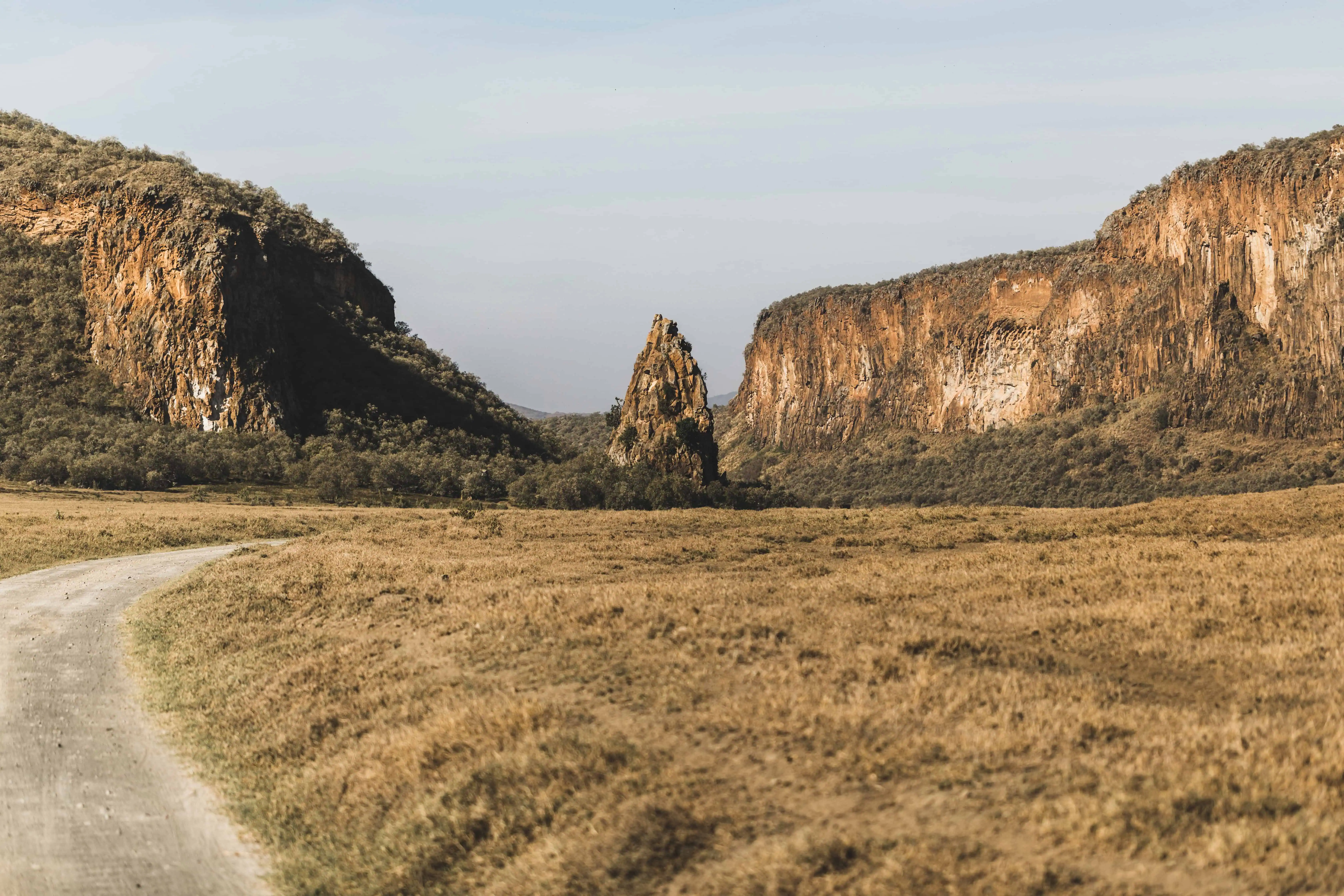
It’s an amazing experience to bike past herds of zebra, gazelle, and giraffe. You might also see warthogs and buffalo grazing (keep a distance from buffalo).
The park’s name comes from its geothermal activity; you’ll notice HOT SPRINGS AND STEAM VENTS, especially in areas like OL NJOROWA GORGE.
👉 INSIDER TIP: The Ol Njorowa Gorge has three lengths; SHORT, MIDDLE, and LONG. For short and middle, there are emergency stairs in case of a flash flood. The long part does not, hence the reason why it’s become forbidden to hike there. However, the guides will still take you there if you give them some extra cash (it’s the most beautiful part of the hike).
By around 4 – 5 pm, wrap up your Hell’s Gate adventure (the park closes by 6 pm).
Evening: Proceed to your lodge by Lake Naivasha to relax.
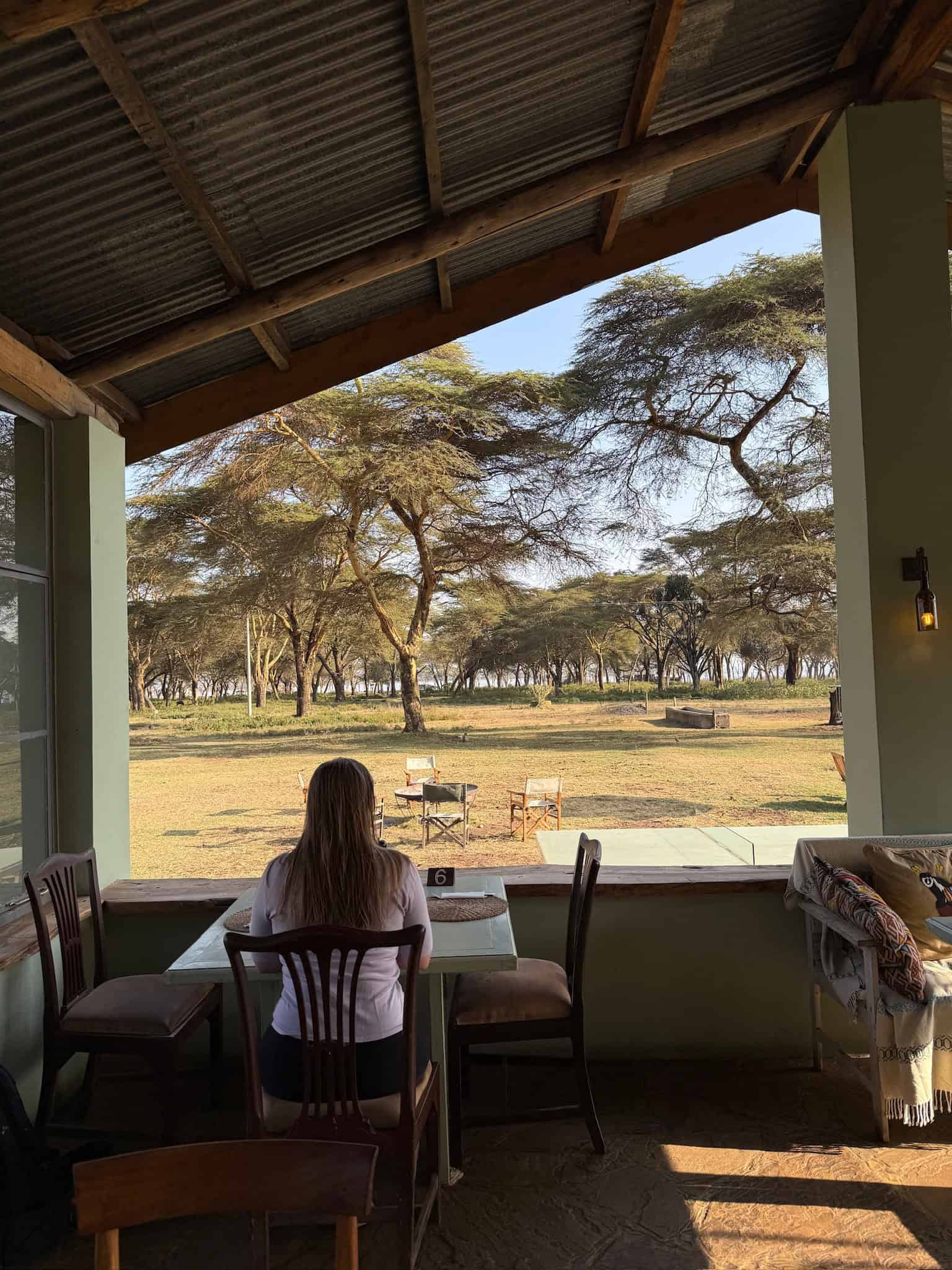
This freshwater lake is beautiful and serene, often with hippos grazing on the lawns at night.
For a comfortable mid-range stay, we stayed at and recommend Sanctuary Farm, an amazing mini national park with only a FEW ACCOMMODATIONS.
We saw hippos at night from our campfire. What an amazing experience.
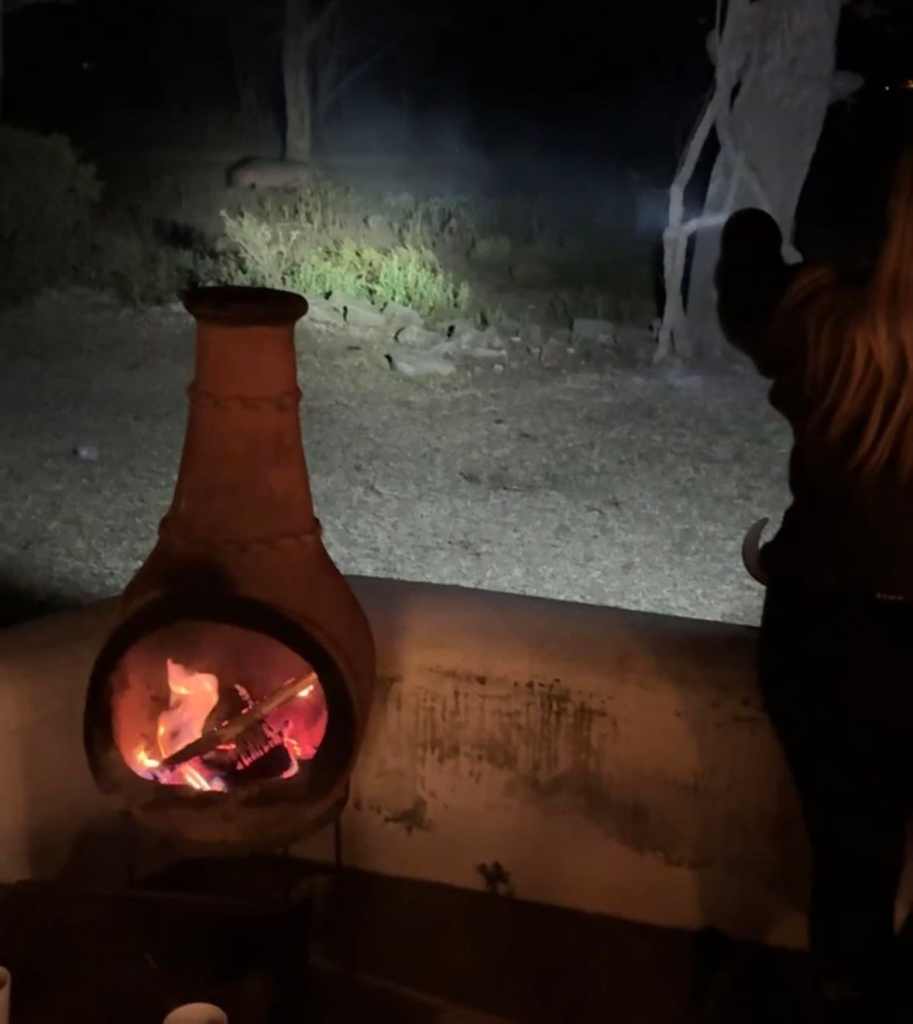
Enjoy dinner at their amazing restaurant, perhaps some grilled tilapia (a local lake fish).
As night falls, listen for the snorts of hippos; many come ashore to feed after dark.
You can use this link or our widget below to fill in the short survey. Our trusted local tour operators will send you a personalized itinerary within 48 hours for your ultimate Kenya safari.
Prices for an itinerary like ours start from $360 per person per day (all-inclusive).
Simply fill in the form below to get FREE QUOTES from trusted local tour companies that we’ve personally traveled with.
It only takes 60 seconds, and you’ll receive custom itineraries and pricing directly in your inbox within 48 hours.
Free of charge. No pressure. No obligation.
*Our trusted local partners create every itinerary with care. We kindly ask that you submit a request only if you’re considering traveling.
Day 6: Lake Naivasha to Ol Pejeta
One highly recommended activity in the morning is a boat ride on Lake Naivasha before you leave.
So, take a guided boat safari on the lake (usually about 1 hour around Crescent Island).
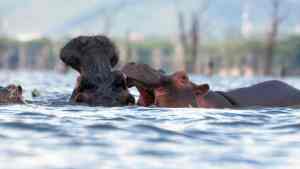
The waters of Naivasha are home to many hippos; you’ll see their ears and eyes peeking out from the water and hear their grunts.
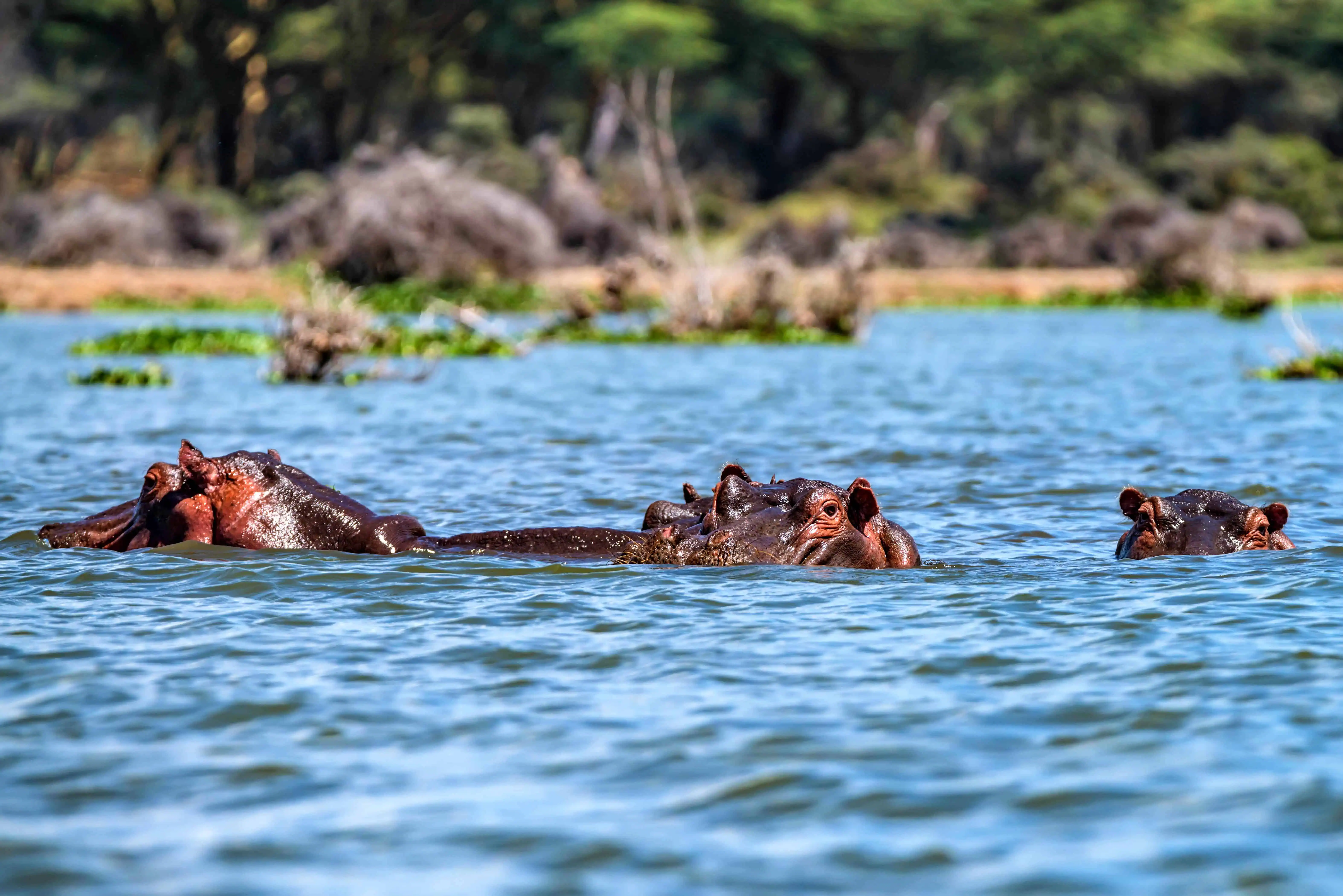
Glide past pods of hippos (at a safe distance) and watch African fish eagles swoop down to catch fish (quite cool to see!).
You’ll also see countless waterbirds: cormorants drying their wings, pelicans paddling in flotillas, kingfishers darting about, and maybe a pink-backed pelican taking flight.
If you have time and interest, you could stop at CRESCENT ISLAND (a mini island on the lake).
👉 HOWEVER, if you are doing safaris, then it’s not worth stopping at Crescent Island. We did a boat tour around it, which was more than enough, as you can see the whole island anyway!
The island used to be part of the mainland, but due to floods in 2023, the water level of Naivasha Lake has risen, creating the island.
👉 FUN FACT: There are many animals ‘stuck’ on the island, such as the giraffes and gazelles (as they cannot swim).
After breakfast and the boat ride, it’s time to leave Naivasha and go to one of the other best rhino parks in the world: Ol Pejeta in central Kenya.
It’s about a 5-hour ride (213 km / 132 miles).
Arrive in the Nanyuki area for late lunch.
Ol Pejeta Conservancy is a 360 km² private wildlife reserve and ranch that’s one of Kenya’s great conservation success stories.
Check in at the conservancy gate, where they’ll brief you on rules (this is a big 5 area with both black and white rhinos).
👉 IMPORTANT: The entry fees for the Ol Pejeta Conservancy:
| Category | Entry fee | Notes |
|---|---|---|
| Adult (Non-Resident) | USD 110 (EUR 95) | Includes access to game drives, rhino sanctuary, and chimpanzee sanctuary. |
| Child (3–17 years) | USD 55 (EUR 47) | Flat rate year-round. |
| Student* | USD 32 (EUR 28) | Valid with proof of student ID. |
| Child (0–2 years) | FREE | No entry fee. |
More information here about the Ol Pejeta Conservancy entry fees.
Afternoon: Enjoy lunch at your lodge inside Ol Pejeta (or have a packed lunch if arriving later).
Afterward, head out on an afternoon game drive in Ol Pejeta Conservancy.
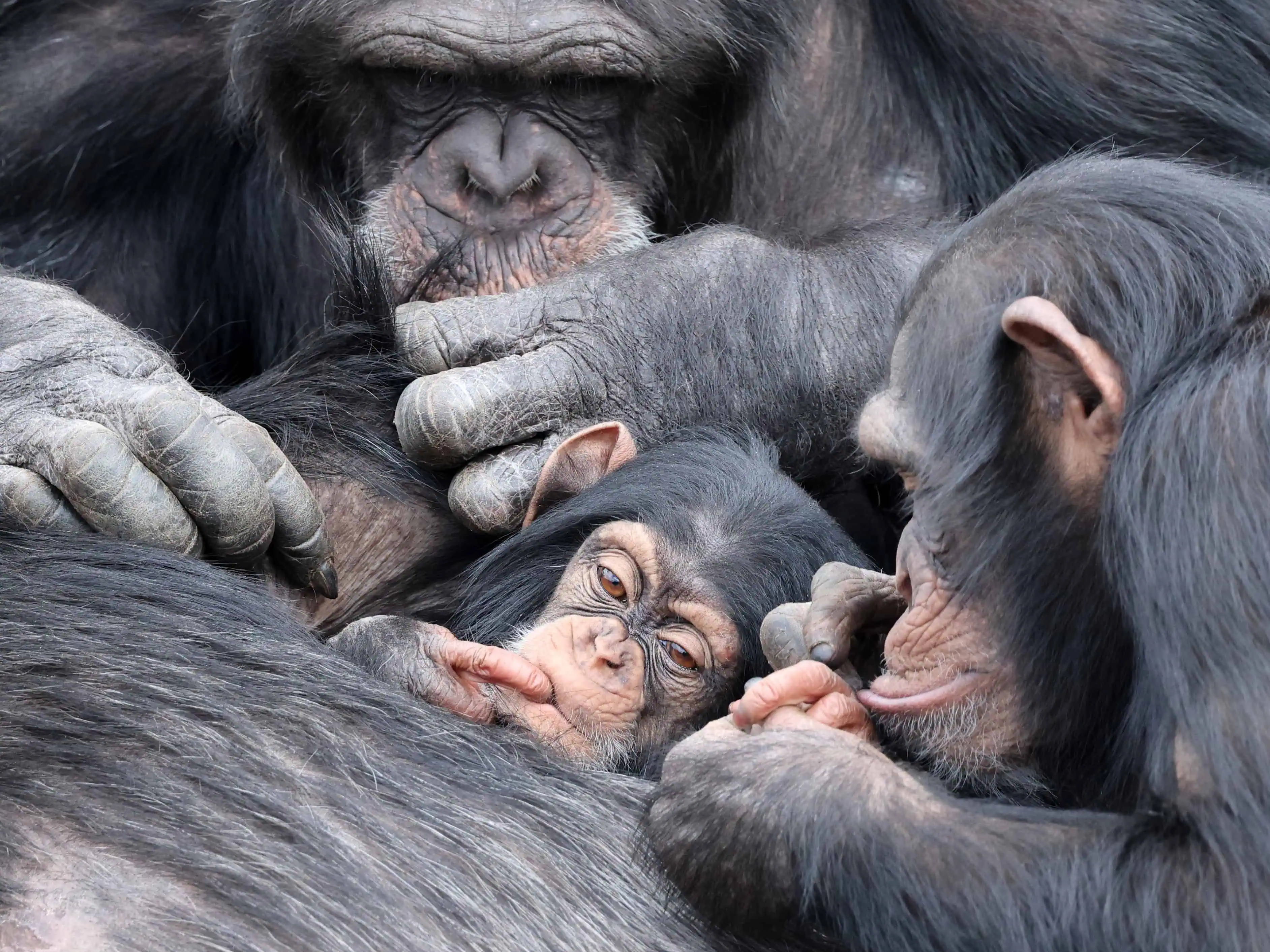
Start by visiting the Sweetwaters Chimpanzee Sanctuary, which Ol Pejeta uniquely hosts.
It’s the ONLY PLACE IN KENYA to see chimpanzees (rescued from poaching and the pet trade in West and Central Africa).
It’s a heartwarming project co-founded by the Jane Goodall Institute and a chance to see these intelligent primates up close.
Next, game drive across the open plains of Ol Pejeta.
Different from Samburu, here there are less grasslands and acacia thickets.
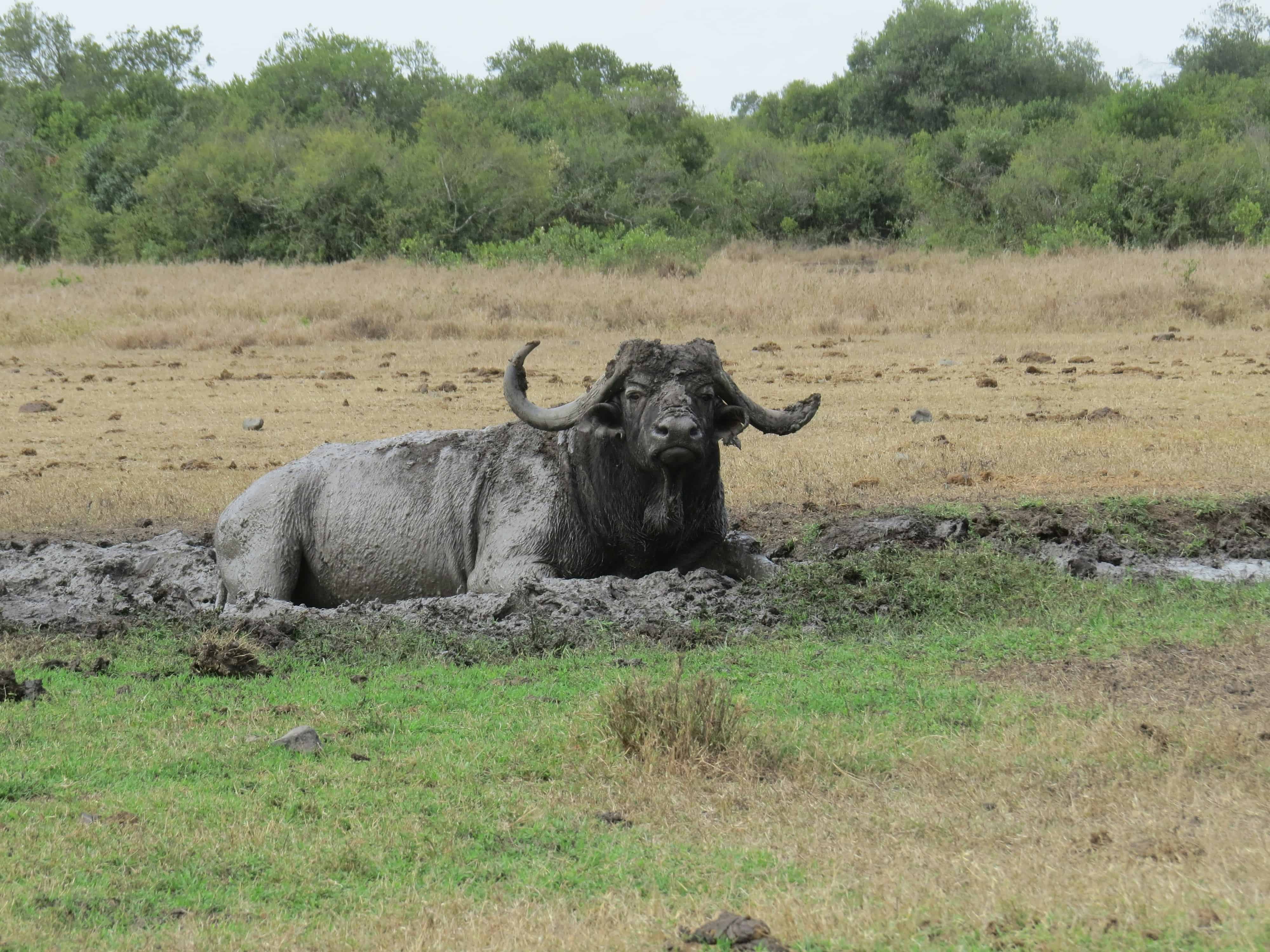
You’ll likely see plenty of plains game: zebras (common Burchell’s zebra here), Grant’s and Thomson’s gazelles, Jackson’s hartebeest, and large herds of Cape buffalo.
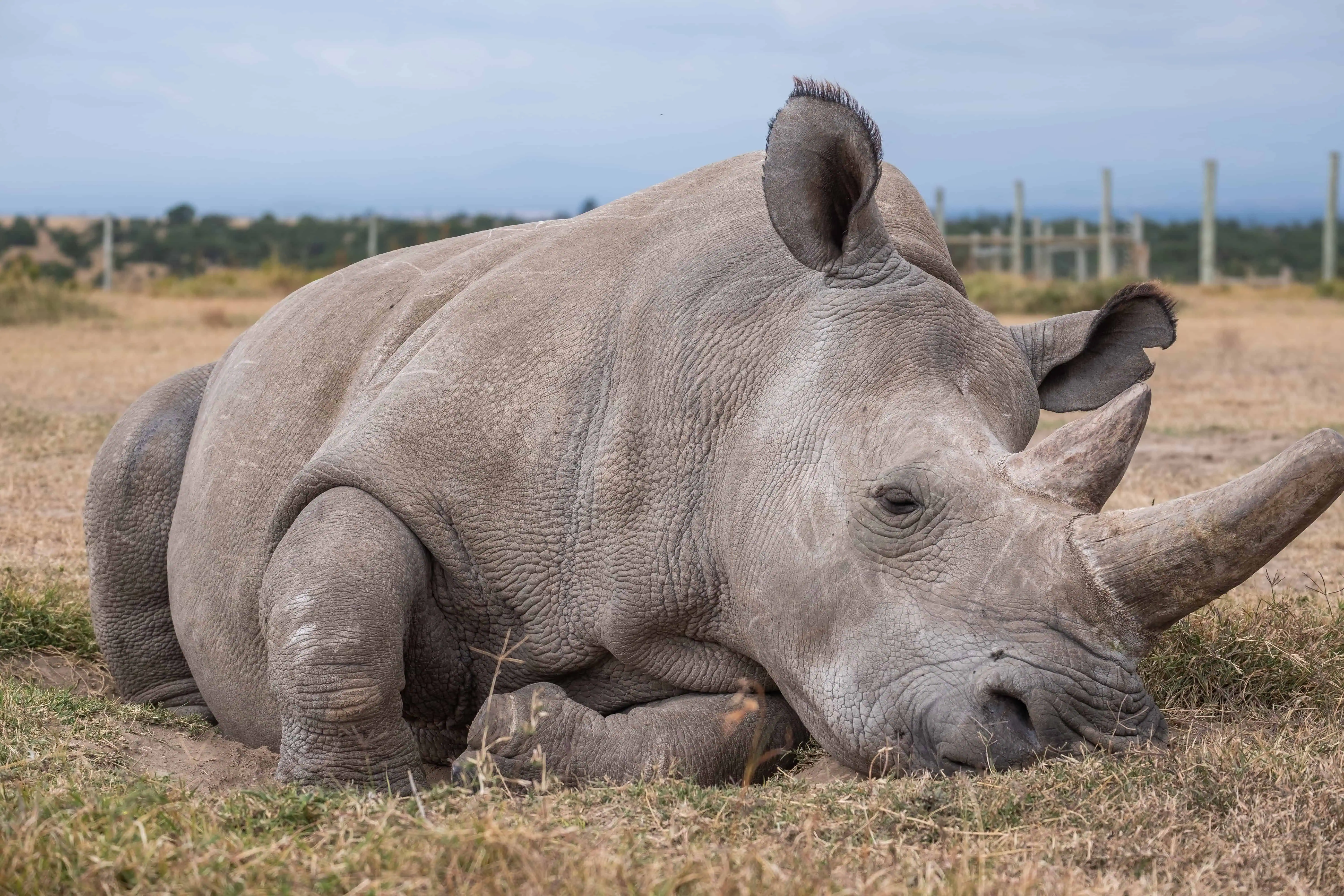
Ol Pejeta is also home to the Big Five, including a strong population of predators – you might see lions relaxing under a tree or even a pack of endangered African wild dogs if extremely lucky.
In the late afternoon, focus on Ol Pejeta’s star attraction: RHINOS.
This conservancy is East Africa’s LARGEST black rhino sanctuary (over 140 black rhinos) and also has about 40 southern white rhinos, according to the Ol Pejeta Conservancy.
White rhinos are easily spottable as they graze out in the open (black rhinos are shyer, preferring thick bush, but rangers can sometimes track them for you).
Ol Pejeta is famously home to the LAST TWO REMAINING northern white rhinos on the planet, kept in a special enclosure with 24/7 armed guards.
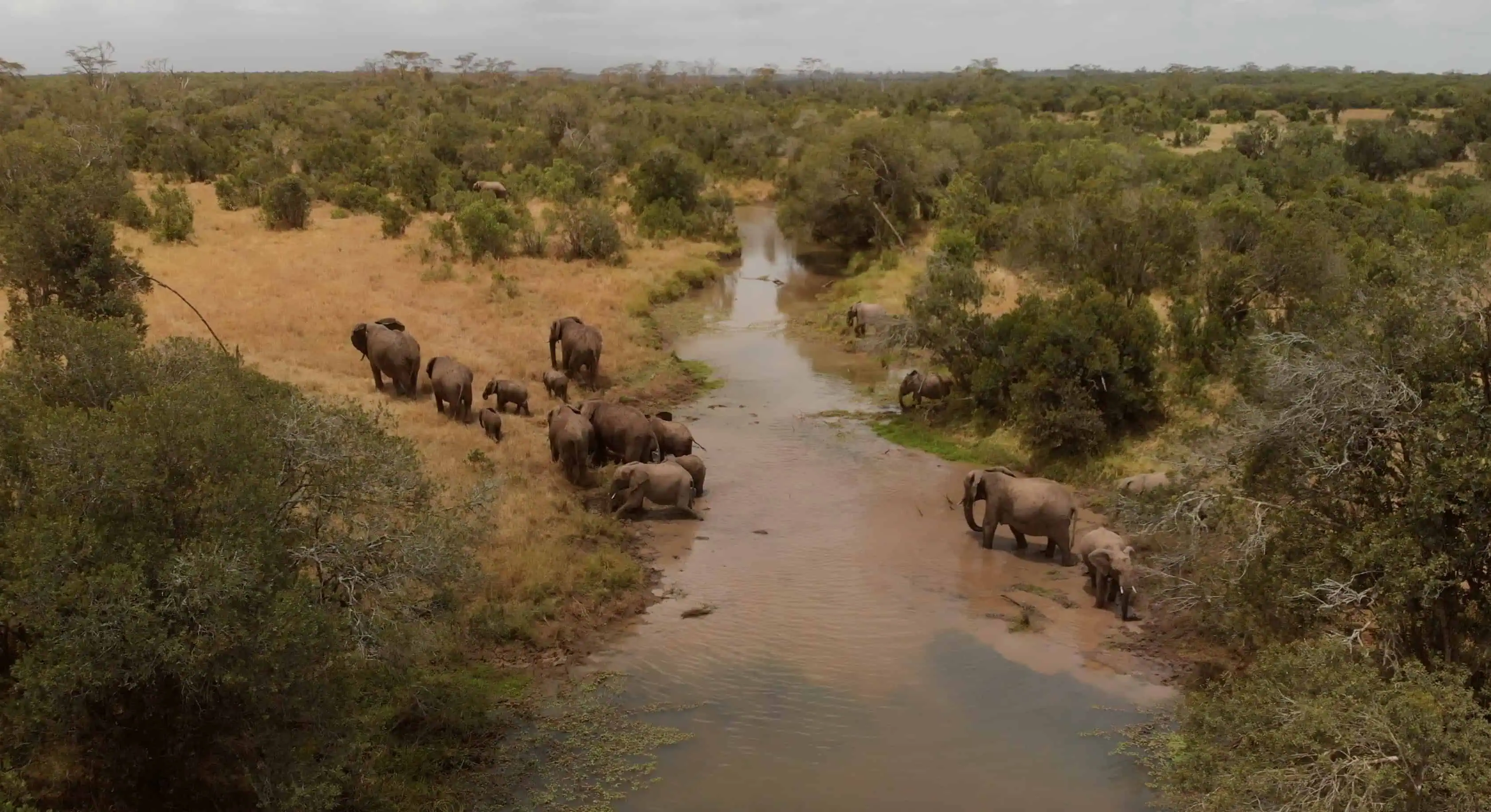
You can ask your guide about visiting their enclosure (it requires prior arrangement and an extra fee for a behind-the-scenes tour, where you can learn about efforts to save the subspecies).
As the sun sets, perhaps drive to Pelican Dam or another waterhole.
Evening: Head to your accommodation in Ol Pejeta.
A classic mid-range choice is Sweetwaters Serena Camp, a tented camp overlooking a waterhole that attracts rhinos, elephants, and giraffes (around $300 / €270 per night due to the exclusive experience).
The night skies here are also brilliant. Now that you’re near the Equator at high altitude, you can see constellations from both hemispheres.

You can use our widget below to fill in the short survey. Our trusted local tour operators will send you a personalized itinerary within 48 hours for your ultimate Kenya safari.
Prices for an itinerary like ours start from $360 per person per day (all-inclusive).
Simply fill in the form below to get FREE QUOTES from trusted local tour companies that we’ve personally traveled with.
It only takes 60 seconds, and you’ll receive custom itineraries and pricing directly in your inbox within 48 hours.
Free of charge. No pressure. No obligation.
*Our trusted local partners create every itinerary with care. We kindly ask that you submit a request only if you’re considering traveling.
Day 7: Ol Pejeta Conservancy
Morning:
Wake early in the cool highland air of Laikipia and enjoy breakfast at your lodge before setting out on your full day in Ol Pejeta Conservancy.
Ol Pejeta is more than just wildlife viewing; it is also a hub of conservation innovation.
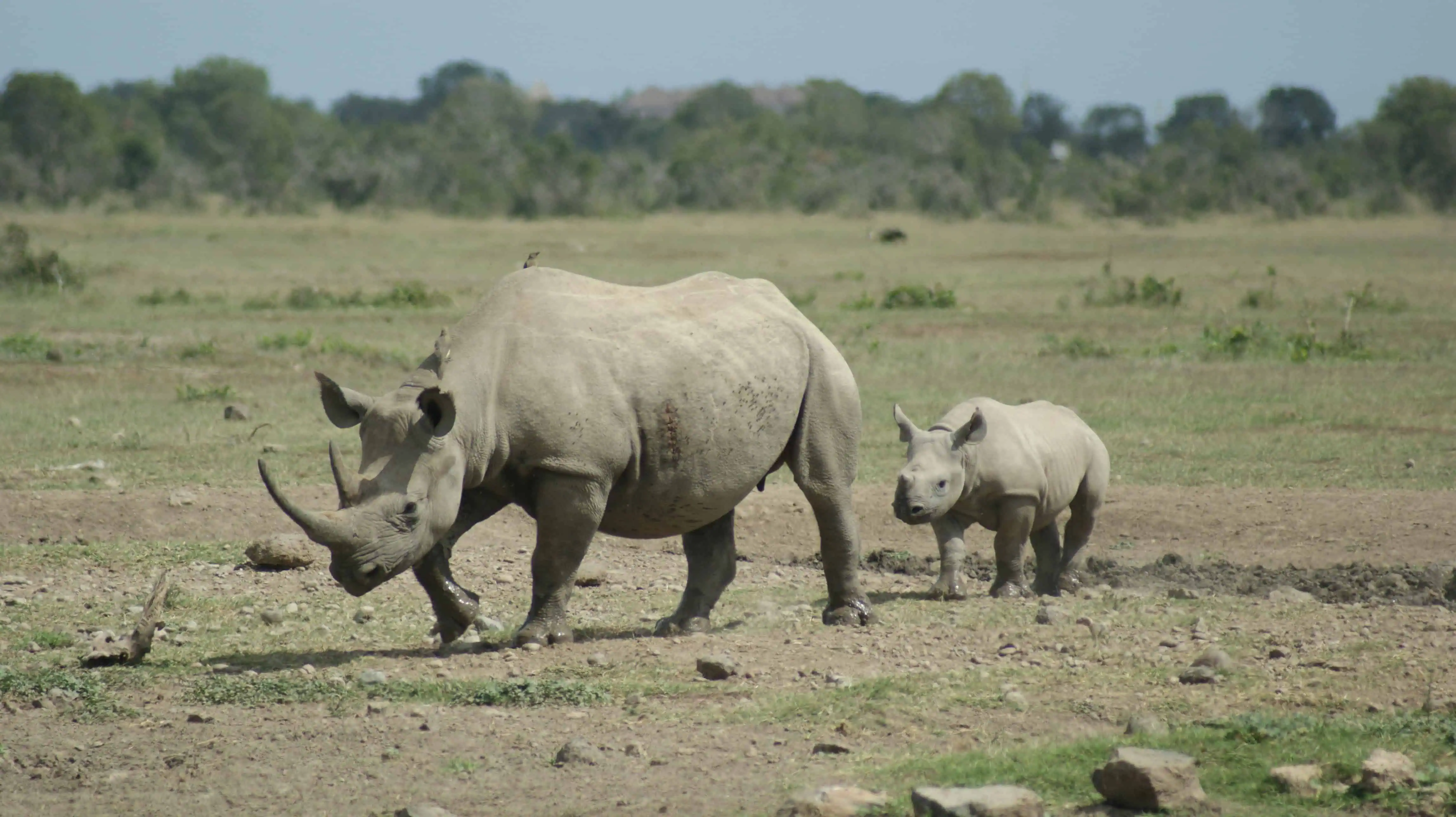
We recommend beginning the day with a behind-the-scenes rhino tracking excursion (arranged in advance, USD 60 / EUR 55 per person).
Accompanied by rangers, you’ll learn how to identify rhino tracks and signs, and if lucky, see black rhinos in their natural habitat.
Afternoon:
Return to camp for lunch and perhaps a short rest.
Afterward, set out again, this time to explore Ol Pejeta’s unique conservation projects.
Beyond its reputation as the largest black rhino sanctuary in East Africa, Ol Pejeta also runs programs that connect wildlife protection with community benefits.
You can arrange a stop at the Canine Anti-Poaching Unit (extra fee), where trained dogs demonstrate their remarkable ability to detect snares and track intruders.
Evening:
As the day cools, your guide will take you to one of the conservancy’s scenic dams or waterholes, where wildlife gathers in the fading light.
Sundowner drinks can be arranged (approx. USD 20 / EUR 18 per person) to enjoy the African sunset with views of elephants, buffalo, and antelope coming to drink.
In the evening, return to Sweetwaters Serena Camp.
Dinner is usually served under the stars, and afterward, you can sit by the campfire listening to the sounds of the African night.
Day 8: Ol Pejeta to Mount Kenya
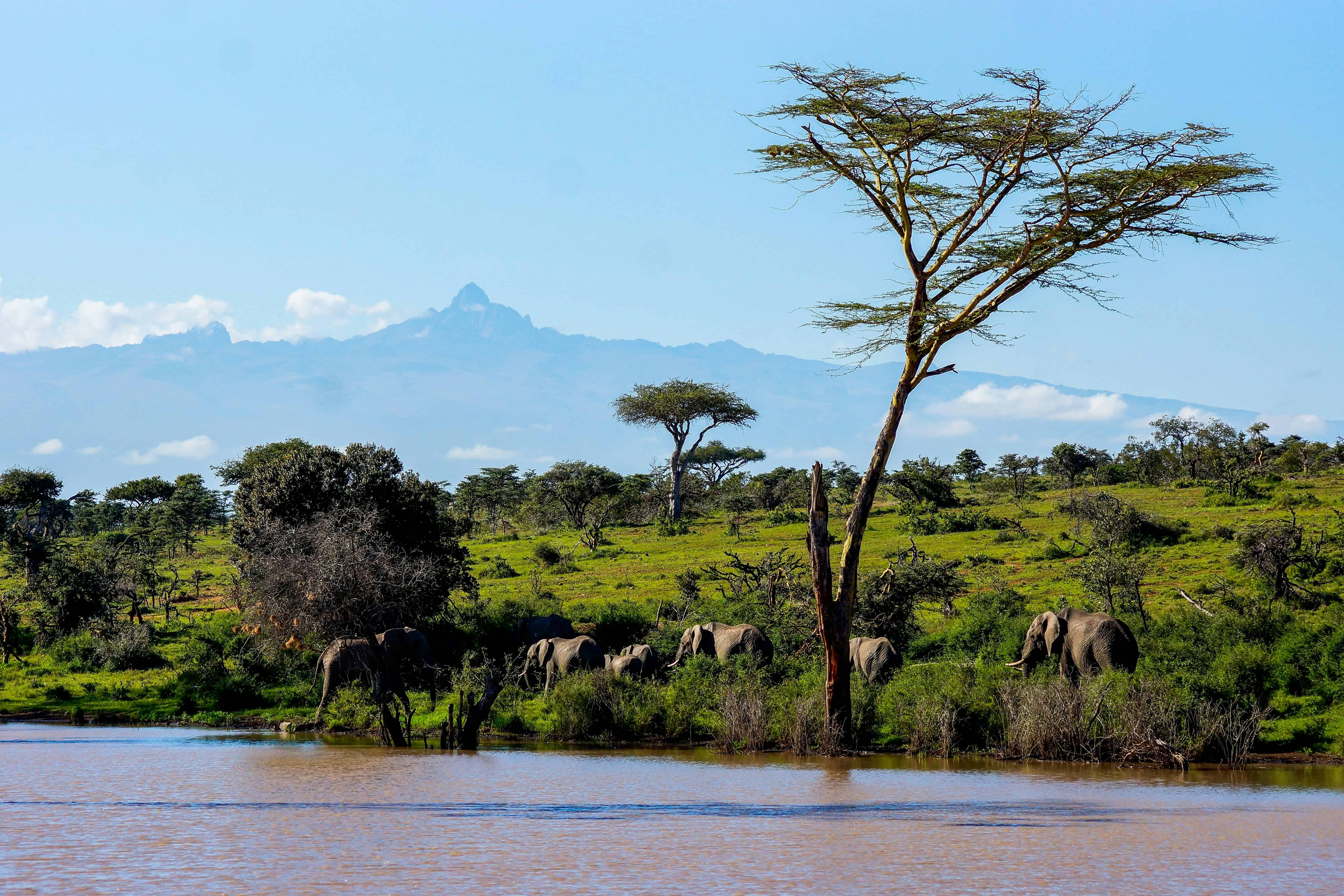
It’s time to say goodbye to Ol Pejeta and make your way to Nanyuki and then to the Sirimon Gate.
This will take around 2.5 hours by car. There, you will join the rest of your group to start your epic MOUNT KENYA HIKE!
Registration is done here by your local tour operator. Then it’s time for the first half day of hiking.
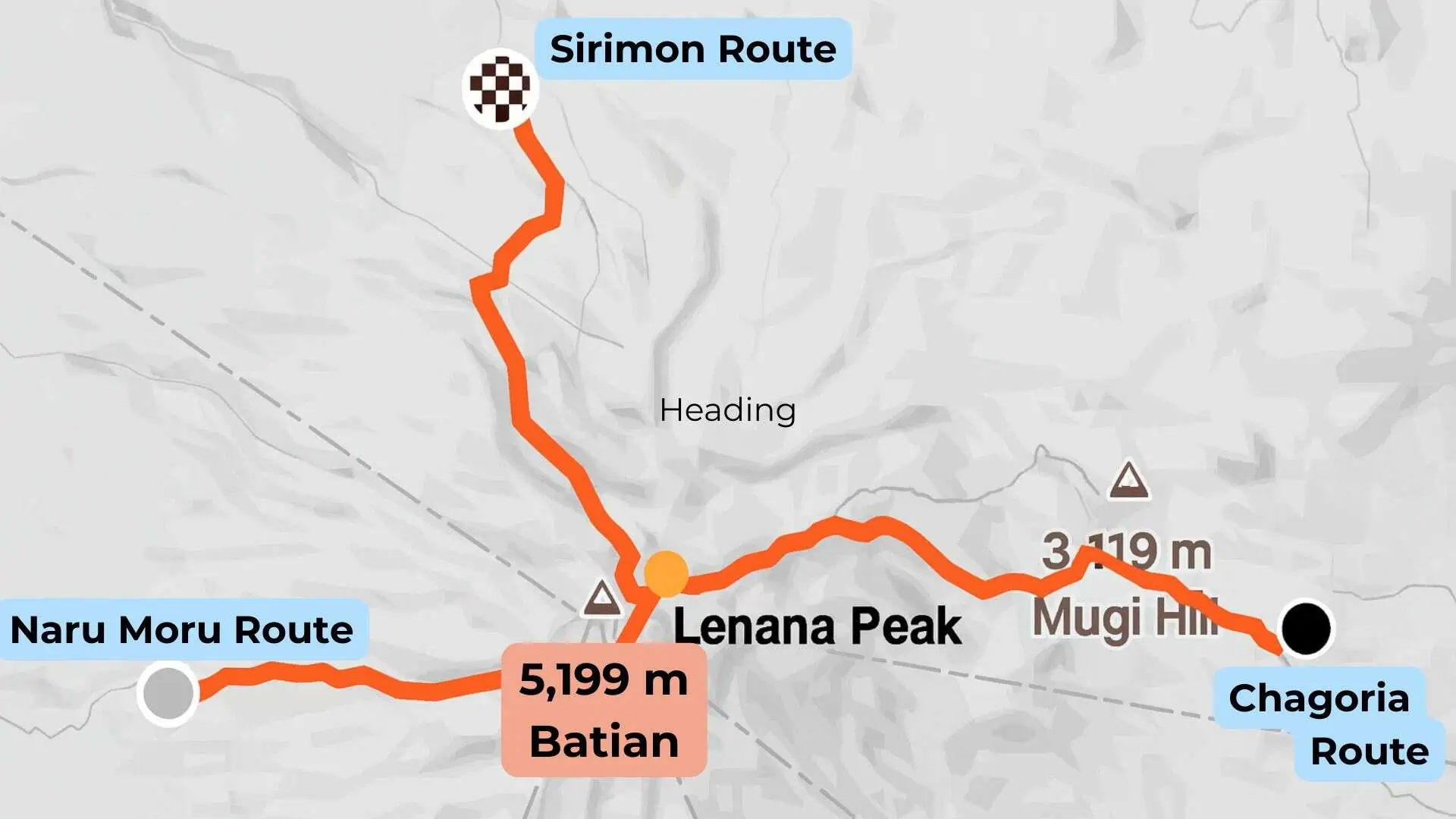
👉 DID YOU KNOW: The Sirimon route is the EASIEST approach to Point Lenana? It is famous for slow altitude gain and wide open valleys. Most teams finish in 4 days, or 5 days if you add an acclimatization day at Shipton’s. The TOTAL DISTANCE is about 31 mi (50 km) if you ascend via Sirimon and descend via Chagoria (the most popular route).
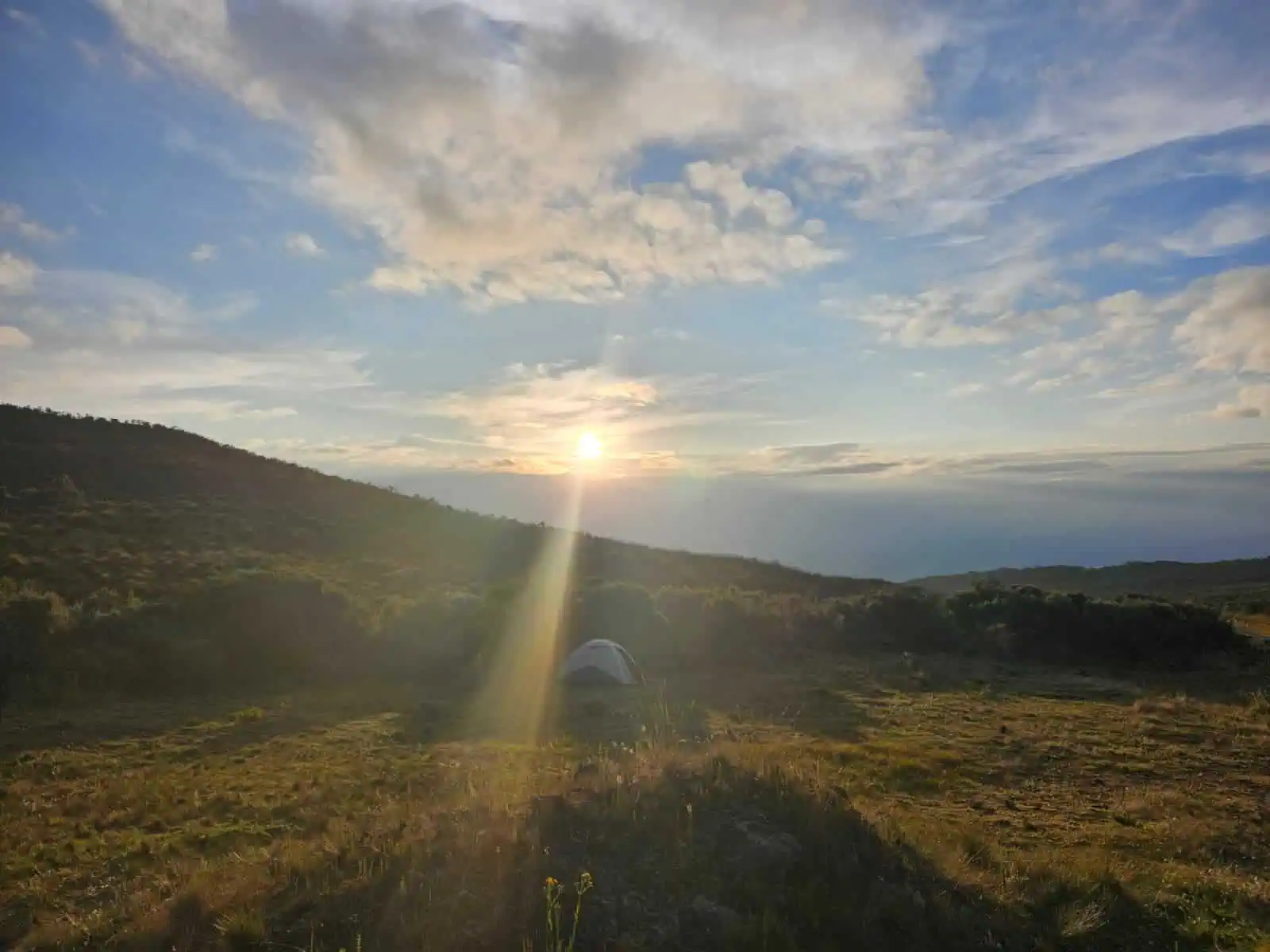
Starting at the Sirimon Park Gate, you’ll make your way all the way up to the Old Moses Hut (also called Judmaier Camp) at 10,660 ft (3,250 m).
This is a four-hour trek up a fairly steep vehicle track through the forest, where you might see elephants and buffalo and maybe even bushbucks and baboons.
WHAT CAN YOU EXPECT? The trail climbs from montane forest into heather moorland, so you skip the bamboo zone that the other routes cross.
Summary:
- Distance: 5.6 mi (9 km)
- Time on trail: 3 to 4 HOURS
- Elevation gain: about 1,970 ft (600 m)
- Difficulty: easy to moderate
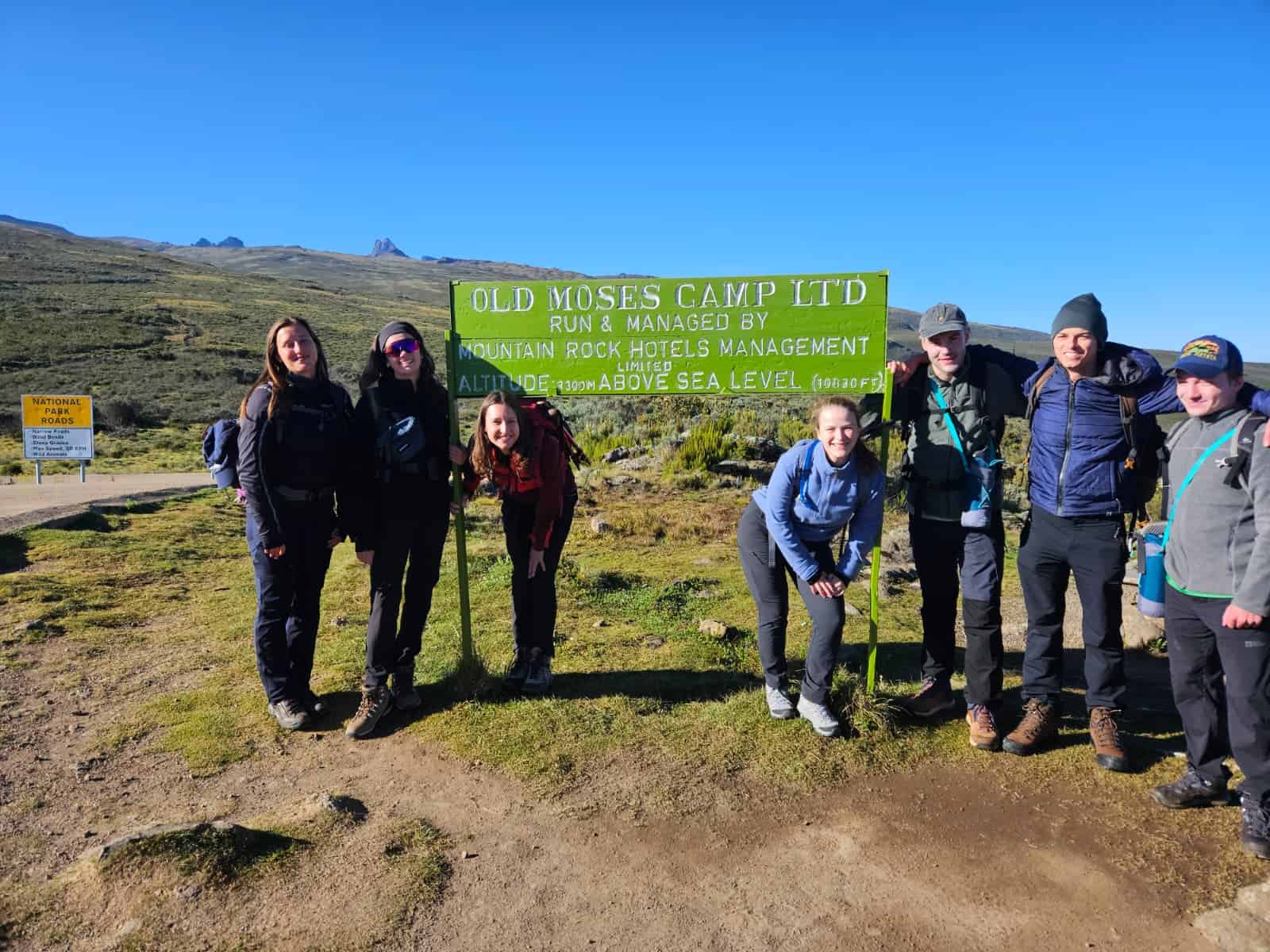
Day 9: Mount Kenya climb
On day 2, you’ll hike from the Old Moses Hut to Shipton’s Camp at 13,780 ft (4,200 m) through the Mackinder Valley.
After breakfast, you leave at around 7.30. It’s always an early start, as the weather worsens throughout the day with clouds coming in at around lunchtime.
The hike towards Shipton’s Camp is gradual. There is only one steeper part near the camp.
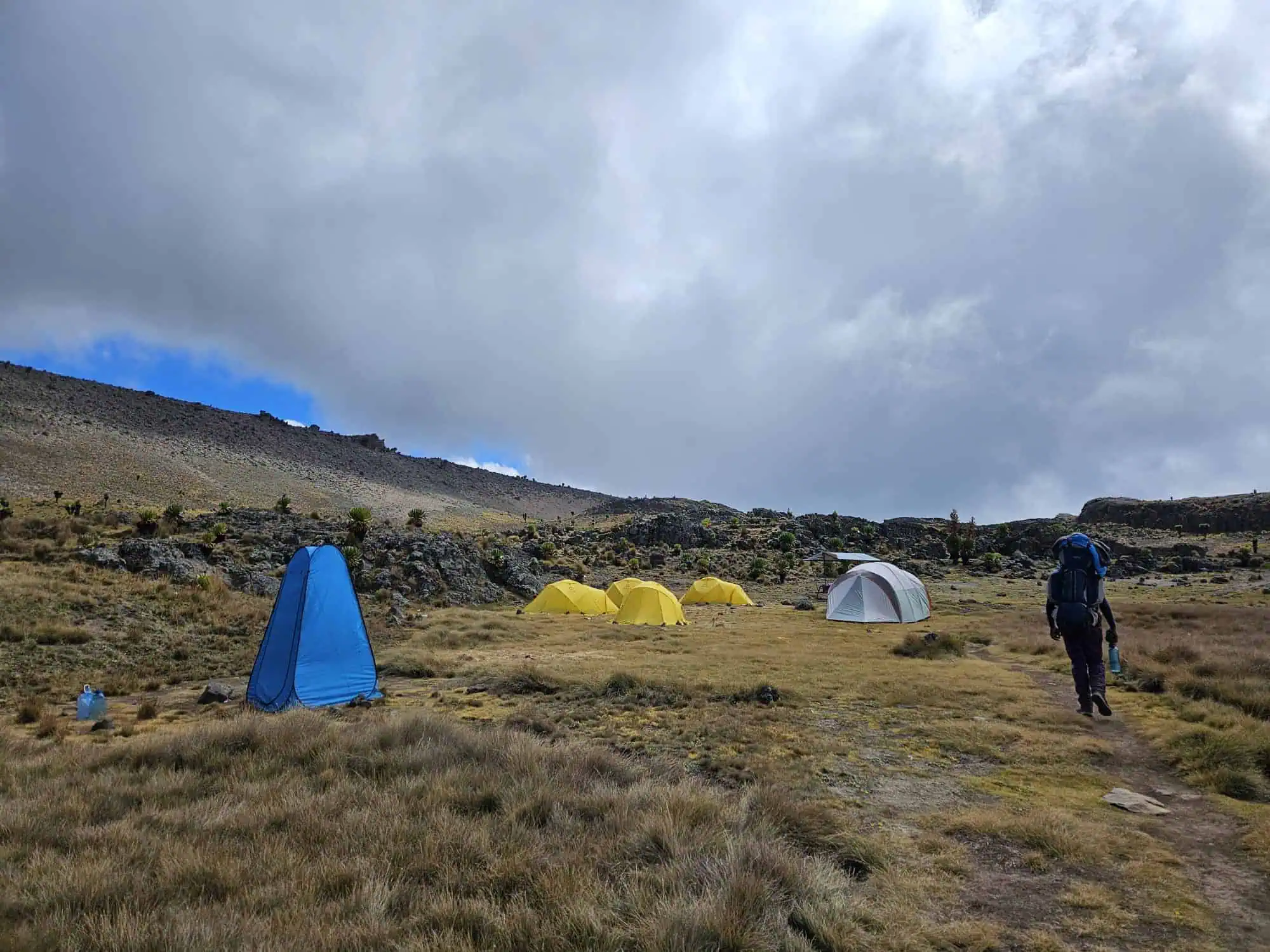
You’ll arrive by mid-afternoon.
Summary:
- Distance: 8.7 mi (14 km)
- Time on trail: 6 to 7 HOURS
- Elevation gain: about 3,120 ft (950 m)
- Difficulty: moderate

Day 10: Mount Kenya acclimatization hike
Shipton’s Camp to Hausberg Col and return to Shipton’s.
This short climb and return improve the acclimatization before the summit night.
Sometimes this day is SKIPPED, depending on how you feel and your oxygen saturation in your blood (which is measured daily).
👉 DID YOU KNOW: Oxygen saturation goes down on Mount Kenya due to the lower air pressure at high altitudes, which means there is less oxygen available to breathe.
Summary:
- Distance: 3.1 to 4.3 mi (5 to 7 km) round trip
- Time on trail: 3 to 5 HOURS
- Elevation gain: about 1,150 ft (350 m)
- Difficulty: moderate
| Recommended SAFARI ESSENTIALS we personally use and trust | ||
| 🧳 Travel duffle bag | 👕 Long shirt: Men | Women | 👕 Short shirt: Men | Women |
| 👖 Pants: Men | Women | 🧥 Light fleece: Men | Women | 🌧️ Rain jacket: Men | Women |
| 🥾 Shoes: Men | Women | 🧢 Safari sun hat | 🕶️ Sunglasses |
| 🔋 Power bank | 🔭 Binoculars | 🔌 Universal plug adapter |
| 🦟 Insect repellent (DEET) | 💧 Electrolyte tablets | 🎒 Daypack |
More information in our complete post about Kenya safari clothing.
Day 11: Mount Kenya summit & descent
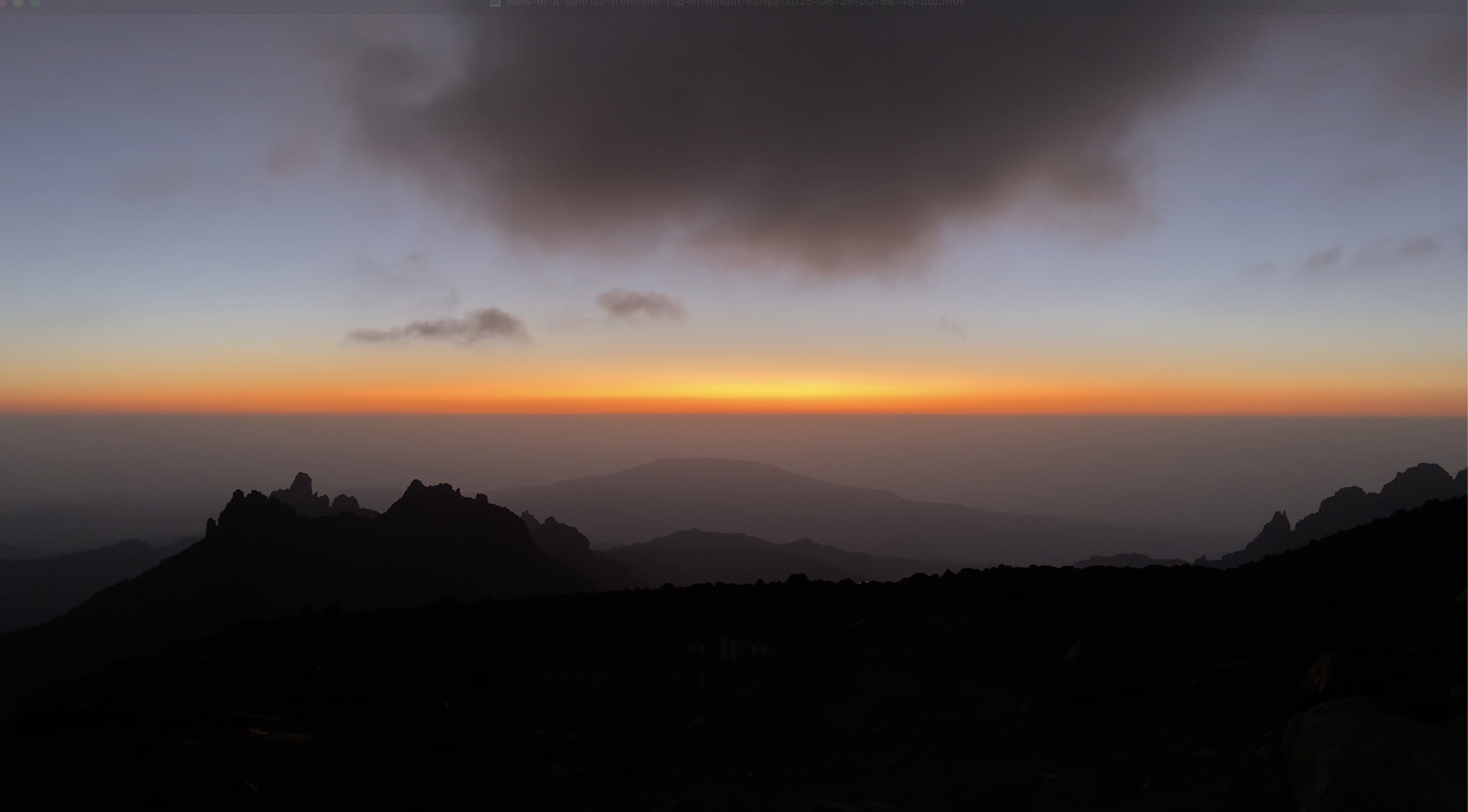
You’ll have a 2.30 am start to Point Lenana (the summit) at 16,355 ft (4,985 m).
This 4 km walk takes around 3 to 4 hours due to poor light and high altitude.
The aim is to reach the summit by sunrise.

Then it’s a steep descent down a scree slope towards the spectacular Gorges Valley.

Dotted with giant groundsel, this is the most extraordinary landscape. Breakfast is near Hall Tarns, a distance of about 3 miles / 4.5 km, then continue to the Meru Mount Kenya Lodge, a simple mountain lodge near the Chogoria Gate.

This is a long day as the walk covers 8 miles / 14 km and takes about 6 to 7 hours, but the rewards are a hot shower and supper in front of the lodge.
In total, you’ll be walking for about 10-12 hours.
Day 12: Mount Kenya to Nairobi
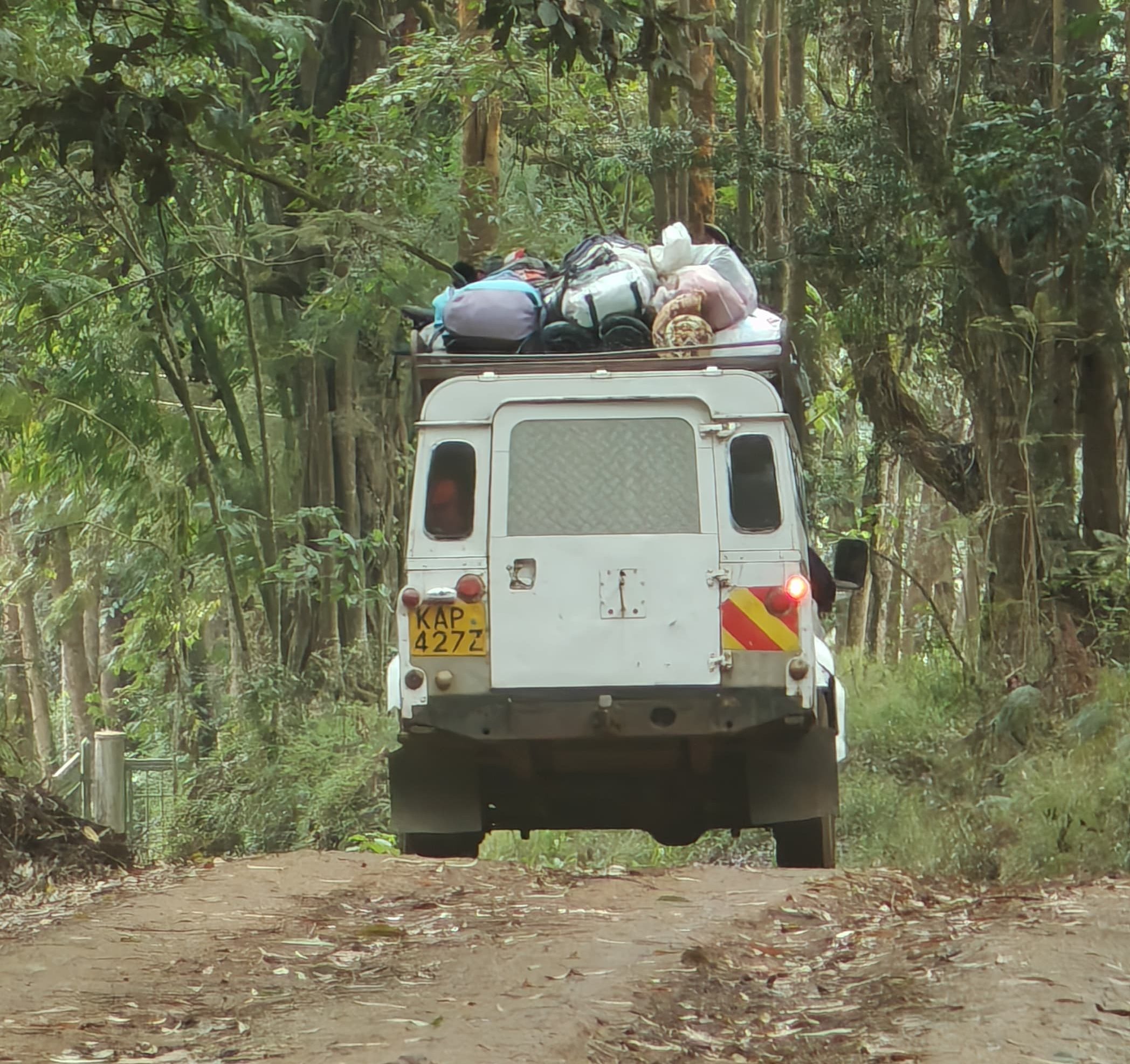
After breakfast, you walk about 6 miles / 10 km down through the forest to meet your Landrover to take you down the rest of the track and on to Chogoria town.
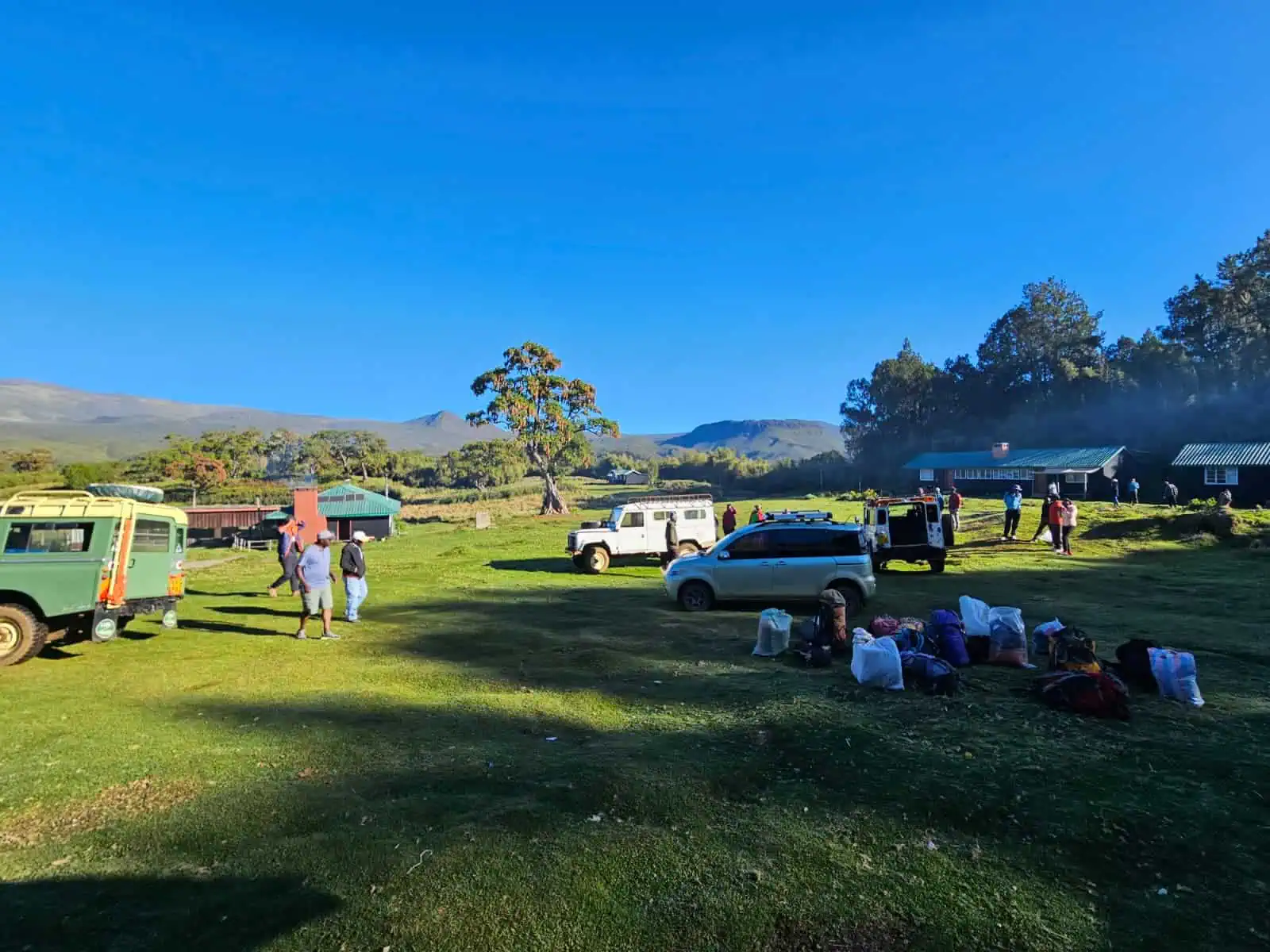
From here, you’ll take a road transfer (approx 4 hours) to Nairobi, where you will spend the night before continuing to Amboseli!
More information in our dedicated Mount Kenya hiking guide!
We recommend staying in the RADISSON in Nairobi. It’s centrally located, clean, and good rooms, and mid-budget pricing.
Looking to book your Mount Kenya trip with a trustworthy local tour operator? Fill in our form below and get their answer within 48 hours! This includes your itinerary, cost, and so much more! No obligation.
Simply fill in the form below to get FREE QUOTES from trusted Kenyan local tour companies that we’ve personally traveled with.
It only takes 60 seconds, and you’ll receive custom itineraries and pricing directly in your inbox within 48 hours.
Free of charge. No pressure. No obligation.
*Our trusted local partners create every itinerary with care. We kindly ask that you submit a request only if you’re considering traveling.
Day 13: Nairobi to Amboseli National Park
After breakfast at the Radisson, it’s time to leave Nairobi and continue your safari journey.
Next destination: the BEST ELEPHANT NATIONAL PARK IN THE WORLD i.e., Amboseli National Park in southern Kenya.
It’s around 5 hours (!) by road (240 kms or 150 miles).
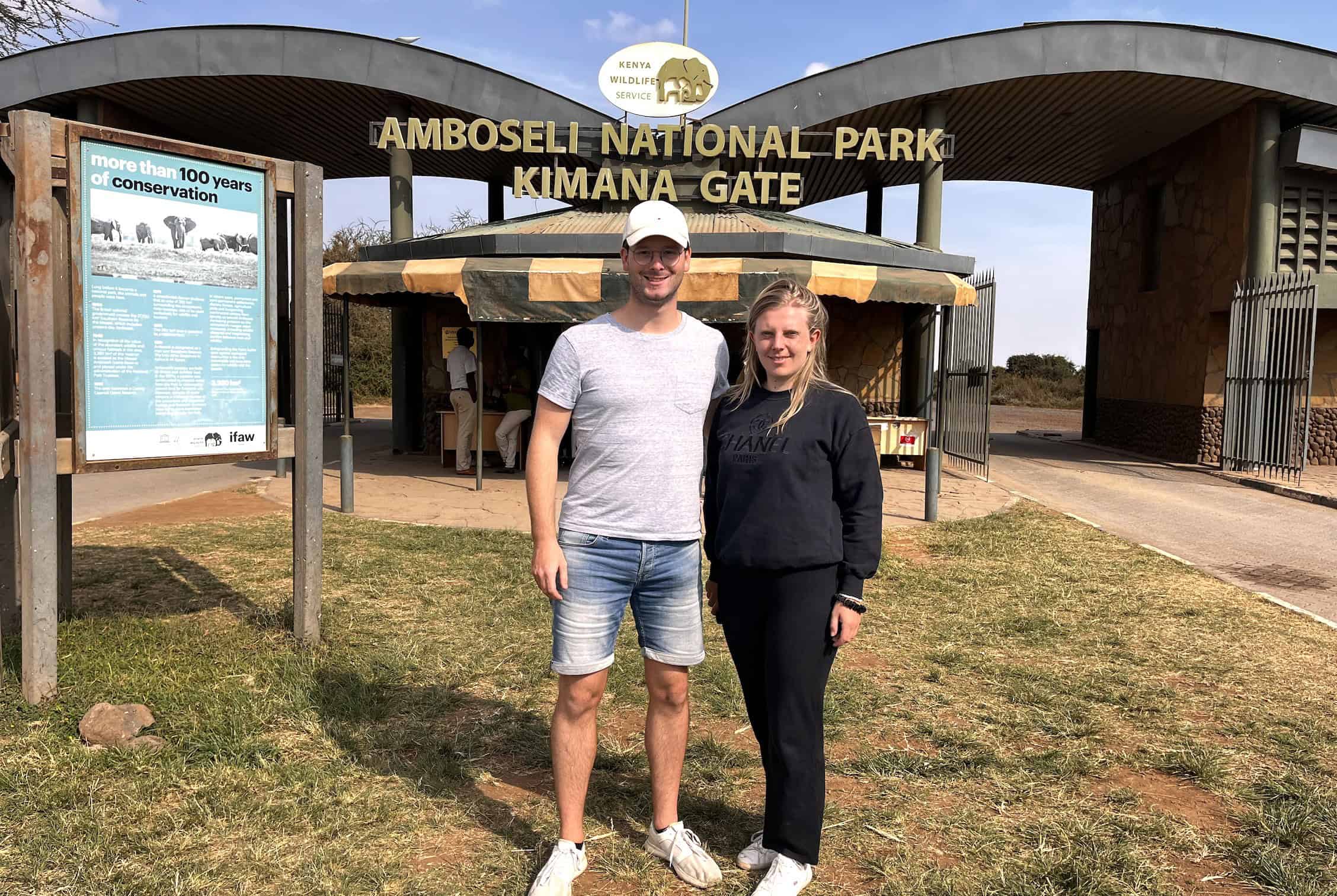
Afternoon: Arrive at Amboseli National Park by mid to late afternoon.
👉 IMPORTANT: The entry fees for Amboseli National Park
| Category | Entry fee (24hours) | Notes |
|---|---|---|
| Adult (Non-Resident) | USD 90 (EUR 77) | Amboseli is classified as a Kenya Wildlife Service “premium park,” same tier as Lake Nakuru. |
| Student / Child (3–17 years) | USD 50 (EUR 43) | Discounted child rate, flat all year long. |
| Child (0–2 years) | FREE | No entry fee. |
*Amboseli only has one entry fee all year round (no high or low season), according to the Kenya Wildlife Service. More information here about Amboseli National Park entry fees.
If time allows, you’ll go straight into the park for a short game drive.
The contrast from the Mara is amazing. Amboseli is all about open grass plains, with a view of Mount Kilimanjaro in the background.
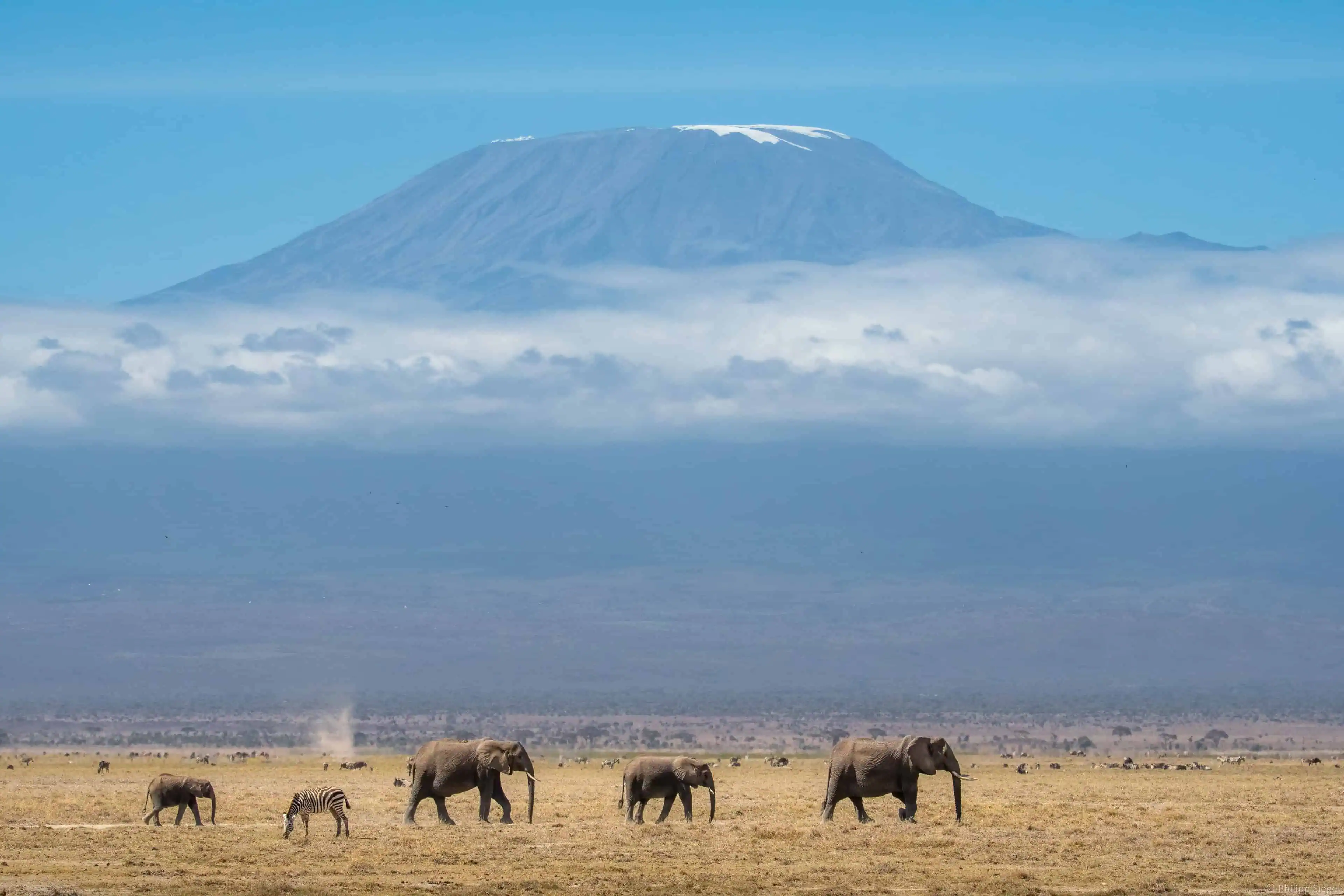
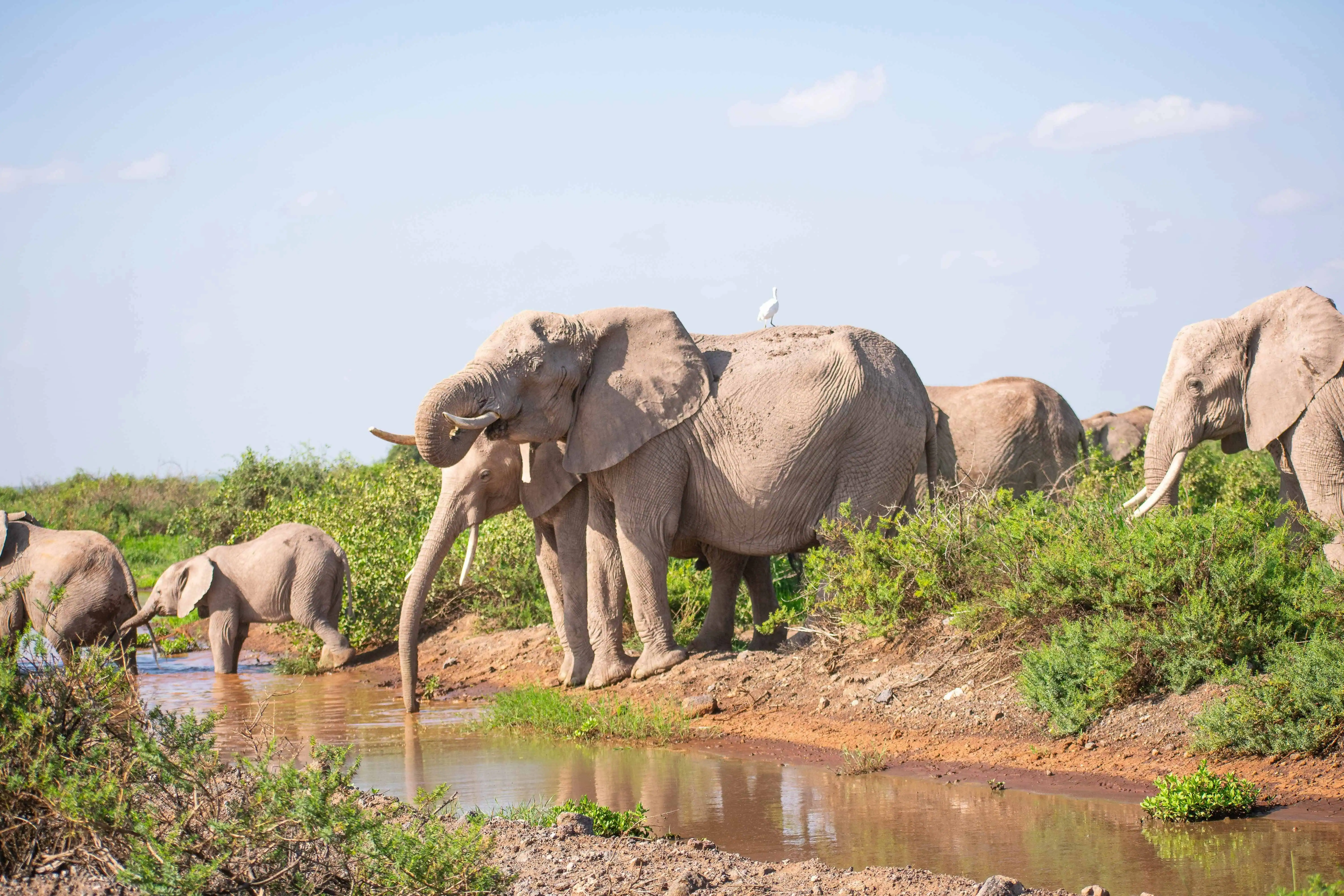
Despite the travel fatigue, you’ll be rewarded by seeing Amboseli’s famous elephant herds (there are more than 1600 elephants in the park, according to the Kenya Wildlife Service), so you will definitely see them as the park is not that big!
Around 5 pm, these elephants trek across the plains (so across the main roads in the park) from the dry interior towards the marshes at the foot of Kilimanjaro.
👉 DID YOU KNOW: Amboseli is called the “LAND OF THE GIANTS”, not only for its giant tusked elephants, but because it has Africa’s tallest mountain right next door? Although the Kilimanjaro is actually in Tanzania, the best views of it are from the Kenyan side (Amboseli).
Evening: Exit the park at sunset and check in to your Amboseli accommodation, like Kibo Safari Camp (close to the entrance of Amboseli NP), where we stayed 3 nights during our 2-week Kenya safari trip.
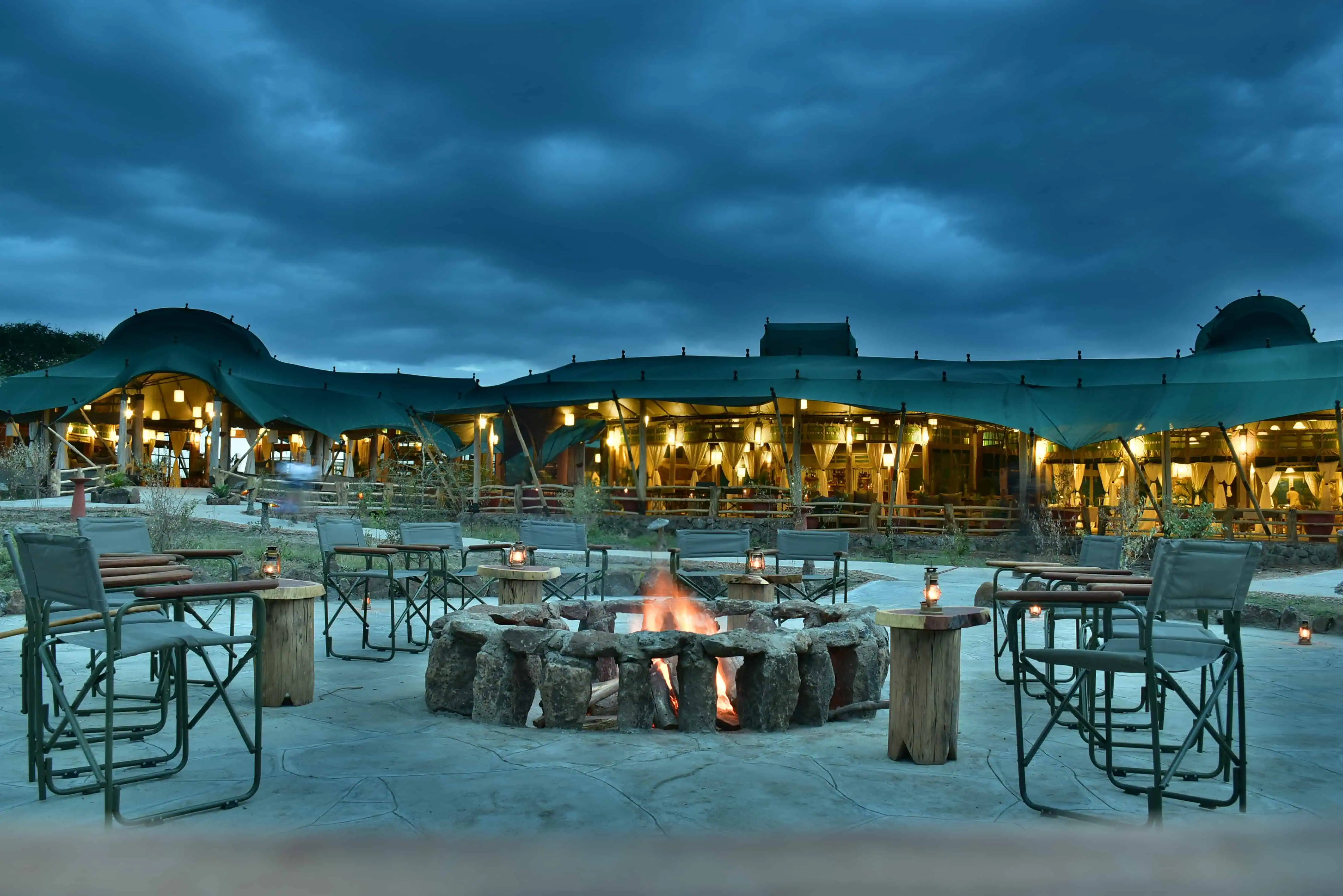
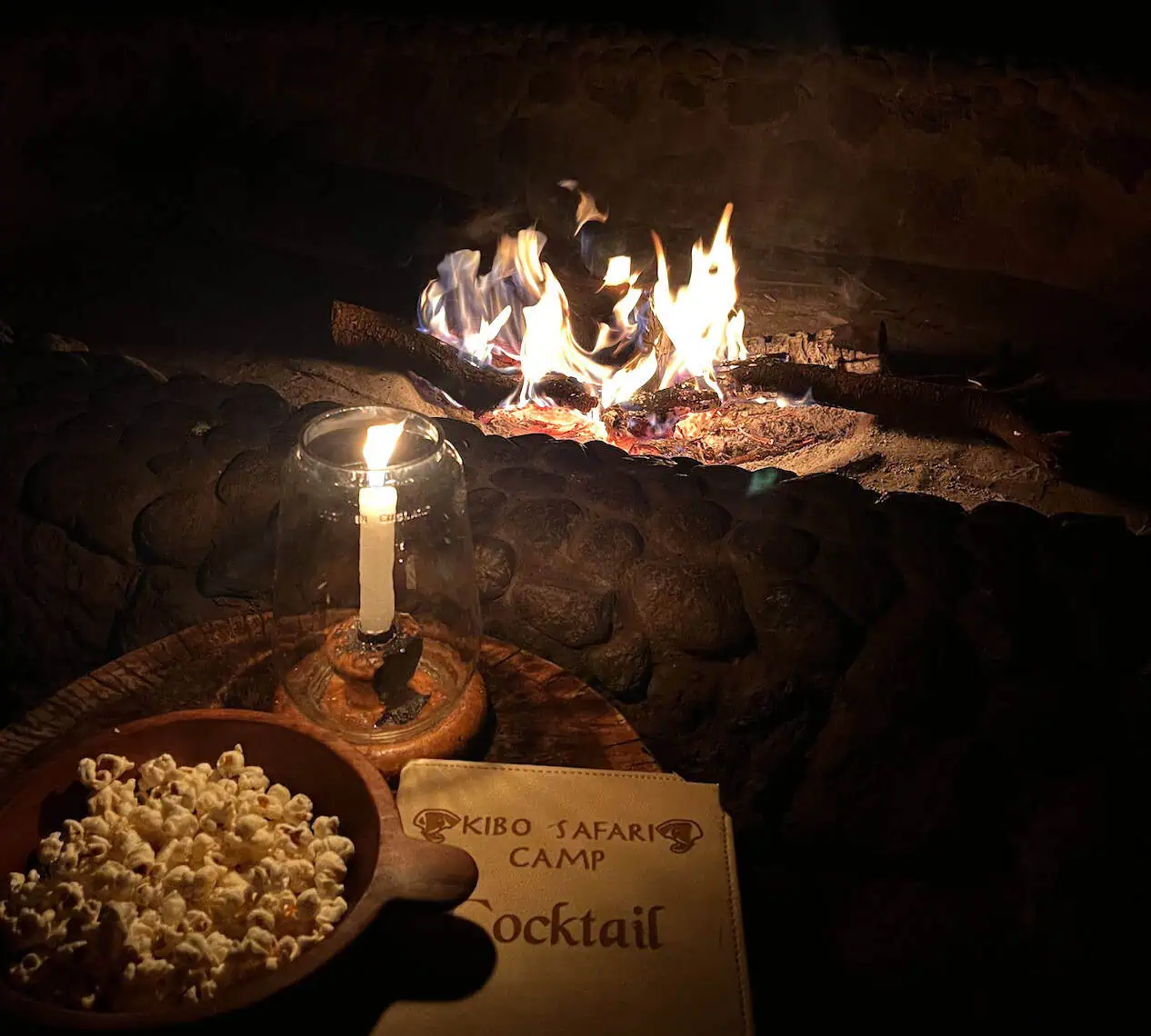
At your hotel, you can expect an extended buffet, Kibo Camp even offers you to make your own pizza. Afterward, you can sit at the fire pit with some wine and popcorn!
👉 INSIDER TIP: Always be insured when you’re traveling to Kenya! There’s a company called SafetyWing that we use for our own insurance. It covers you in over 180 countries, and it’s quite affordable, starting at $56.28 (ages 18-39) per month. It covers not just emergency situations, but you can, for example, visit a doctor if you have the flu, and it also includes the prescribed drugs. Visit their website here!

Day 14: Amboseli National Park
Morning: Wake up to the sunrise over Kilimanjaro, the sky is usually clear (Kilimanjaro is often only visible at DAWN before the clouds come), and the animals are active.
Head out by 6.30 am to catch the big elephant families on their morning move.
Amboseli’s elephants are famous for their big size and long tusks, and at this hour you can watch them socializing and bathing (these are worthy Instagram pictures).
Apart from elephants, look for plains game like impala, Grant’s gazelle, and warthogs in the grasslands.

The cool morning also offers a chance to spot predators; lions and cheetahs (we saw one!) might still be patrolling for a hunt before the heat of the day.
Afternoon: After a lunch and a siesta (or a dip in the pool) back at Kibo Safari Camp, go back on a game drive around 3 – 4 pm when the harsh sun disappears.
Visit OBSERVATION HILL, a viewpoint in the park, to stretch your legs. It’s 80 meters (260 feet above the surrounding plains).
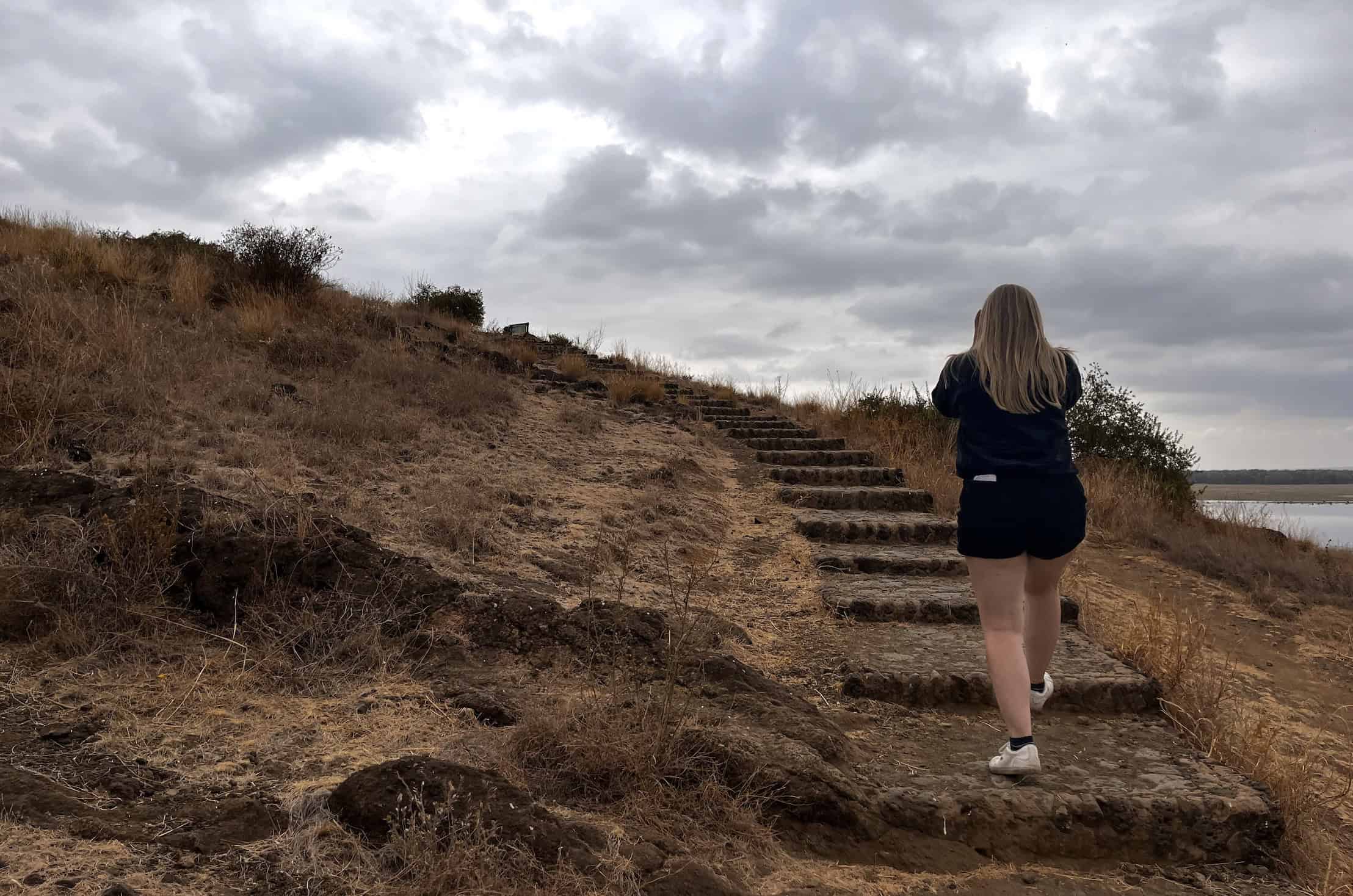
From the top, you get a panoramic overlook of Amboseli’s wetlands and plains dotted with wildlife.
It’s common to see pods of hippos wallowing in the swamps and elephants grazing in the water, with many pelicans nearby.
Evening: Enjoy your final night on safari with dinner at the lodge.
👉 INSIDER TIP: Many lodges offer an OPTIONAL NIGHT GAME DRIVE at extra cost. Since Amboseli is a national park, night game drives are not allowed, so they have to be arranged on private conservancies nearby.
Day 15: Amboseli to Tsavo West National Park
Morning: Leave Amboseli early (by 7 am) for the journey to Tsavo West National Park.
Normally, your driver (often in a Land Cruiser Jeep) will come to pick you up at your accommodation.
The drive from Amboseli to Tsavo West National Park takes about 3 hours by car, covering 95 miles (150 km) on mostly paved roads with some rougher stretches closer to the park entrance.
Arrive in the Tsavo West area around midday.
👉 IMPORTANT: The entry fees for Tsavo East & Tsavo West National Parks:
| Category | Entry fee (per 24 hours) | Notes |
|---|---|---|
| Adult (Non-Resident) | USD 80 (EUR 69) | Both Tsavo East and Tsavo West have identical pricing structures, set by the Kenya Wildlife Service. |
| Student / Child (3–17 years) | USD 40 (EUR 35) | Flat child rate, valid year-round. |
| Child (0–2 years) | FREE | No entry fee. |
*Both Tsavos only have one entry fee all year round (no high or low season), according to the Kenya Wildlife Service for Tsavo East and Tsavo West. More information here about the Tsavo’s National Parks entry fees.
Afternoon: Enter Tsavo West. The park is known for its VOLCANIC hills, dense bush, and lava fields.
After lunch at a lodge or picnic site, go on an afternoon game drive.
Start with a visit to MZIMA SPRINGS, one of the park’s highlights.
Mzima is a series of lush springs that produce millions (!) of liters of fresh water a day, feeding the Tsavo River. These crystal-clear pools are fed by underground springs and filtered through volcanic rock.
Take the short walking trail to the springs (with a ranger escort).
There’s an UNDERWATER VIEWING TANK where you can often see hippos and giant Nile crocodiles swimming! You might also see fish and turtles through the glass.
Next, drive through the Rhino Sanctuary area if time permits (the Ngulia Rhino Sanctuary is a 70 km² fenced zone in Tsavo West protecting about 80 black rhinos).
We cannot guarantee seeing any rhinos due to thick vegetation, but you might get lucky near dusk as rhinos become active.
Still, plenty of animals are here: giraffes nibbling leaves, herds of buffalo, and elephants browsing or bathing in mud.

Look out for the famous MANE-LESS LIONS of Tsavo and perhaps leopards around rocky outcrops (Tsavo West has a good leopard population).
As you cross the park, you might cross the ancient lava flows of SHETANI LAVA FLOW, a black lava field from an ERUPTION just 200 years ago, an almost lunar landscape near the road.
👉 DID YOU KNOW: The name “Shetani” means “Devil” in Swahili, as locals thought it was the devil’s work when it erupted.
By sunset, climb to a viewpoint or just enjoy the sunset from the bush.
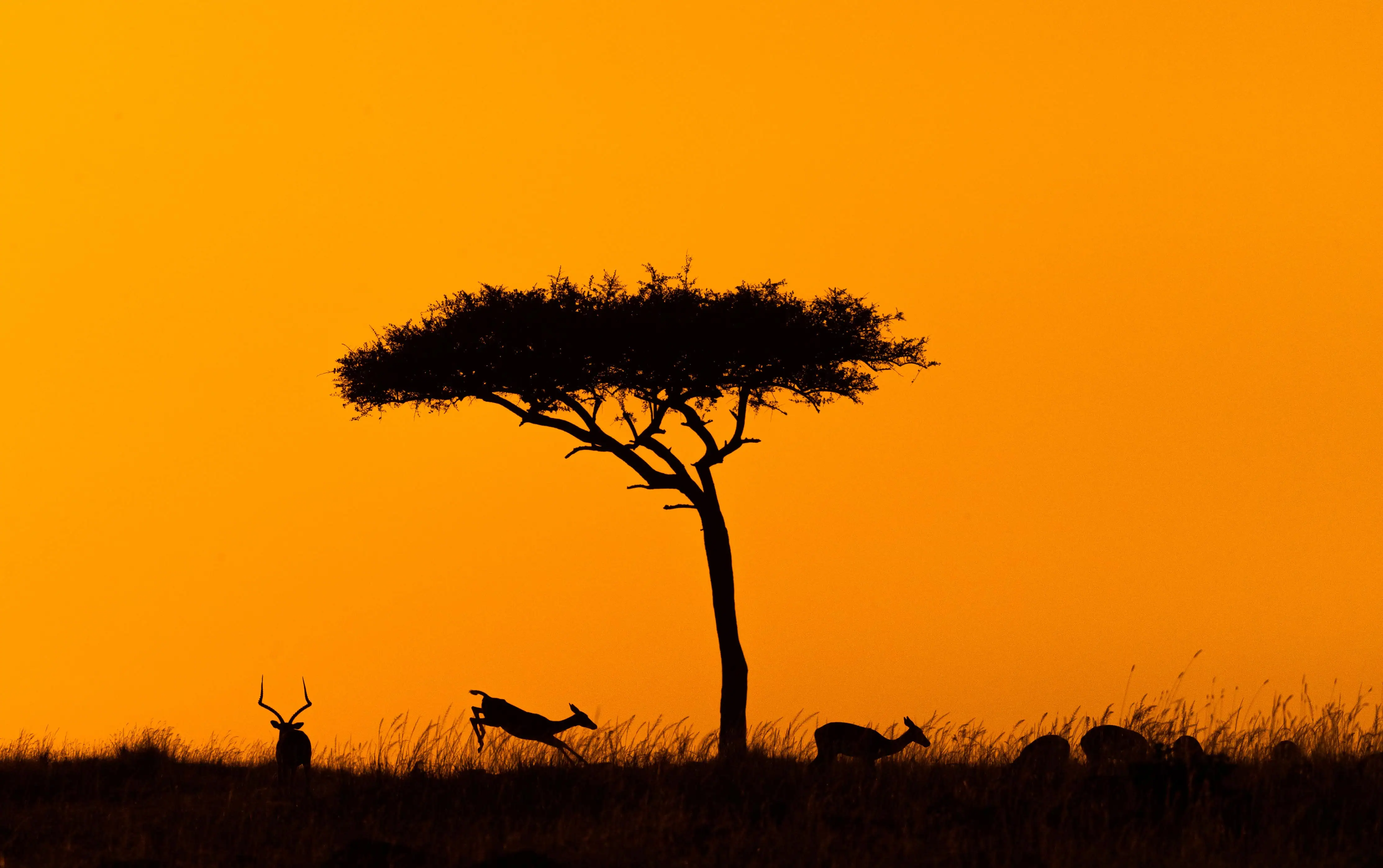
Evening: Check in to your Tsavo West lodge for dinner and overnight.
Two excellent mid-range options we can recommend: Severin Safari Camp, a tented camp with views of Mt. Kilimanjaro and a waterhole (around $200 / €180 per night), or Voyager Ziwani Camp on the park’s edge (also $200, offering tents by the dam).
Enjoy a night under Tsavo’s sky; without city lights, the Milky Way shines bright.
You can use this link or our widget below to fill in the short survey. Our trusted local tour operators will send you a personalized itinerary within 48 hours for your ultimate Kenya safari.
Prices for an itinerary like ours start from $360 per person per day (all-inclusive).
Simply fill in the form below to get FREE QUOTES from trusted local tour companies that we’ve personally traveled with.
It only takes 60 seconds, and you’ll receive custom itineraries and pricing directly in your inbox within 48 hours.
Free of charge. No pressure. No obligation.
*Our trusted local partners create every itinerary with care. We kindly ask that you submit a request only if you’re considering traveling.
| Recommended SAFARI ESSENTIALS we personally use and trust | ||
| 🧳 Travel duffle bag | 👕 Long shirt: Men | Women | 👕 Short shirt: Men | Women |
| 👖 Pants: Men | Women | 🧥 Light fleece: Men | Women | 🌧️ Rain jacket: Men | Women |
| 🥾 Shoes: Men | Women | 🧢 Safari sun hat | 🕶️ Sunglasses |
| 🔋 Power bank | 🔭 Binoculars | 🔌 Universal plug adapter |
| 🦟 Insect repellent (DEET) | 💧 Electrolyte tablets | 🎒 Daypack |
More information in our complete post about Kenya safari clothing.
Day 16: Tsavo West to Tsavo East National Park
Morning: Leave Tsavo West early (by 7 am) for the journey to Tsavo East National Park.
The drive takes about 3 hours by car, covering roughly 90 miles (144 km).
Arrive in the Tsavo East area around midday and enter through one of the main gates (Manyani or Voi Gate).
Afternoon: After a lunch break (either picnic or at a lodge near the gate), begin your first game drive inside Tsavo East, often called “THE THEATER OF THE WILD.”
Tsavo East is immense. It’s flat, open, and semi-arid, bisected by the Galana River (a must-visit stop on one of your game drives).
Another must-see: the LUGARD FALLS (more rapids than big falls) on the Galana, where water has carved bizarre shapes in the rock. If you have the time, we recommend making a quick stop here for a 5-minute break from the car.
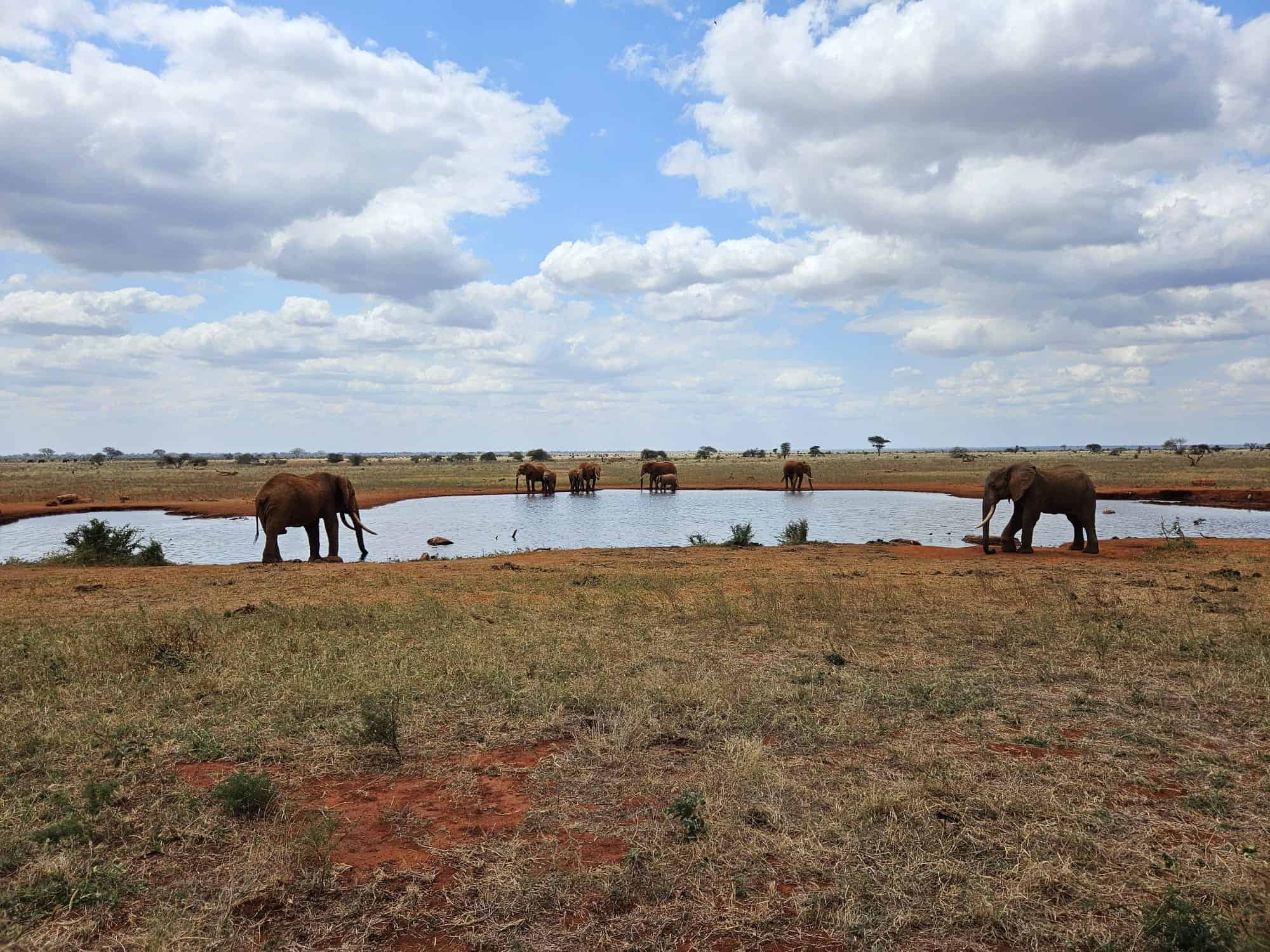
One of the first things you’ll notice is the rich REDDISH SOIL, which the elephants famously dust-bathe in, giving them a red-coated look.
WHY do they do that?
-
Natural sunscreen: Elephants spray mud and dust over their skin to protect themselves from the sun.
-
Insect repellent & skin care: The dust coating helps repel biting insects and soothes irritation.
-
Behavioral habit: Elephants just love wallowing in mud and then covering themselves in dust—it’s part of their daily routine.
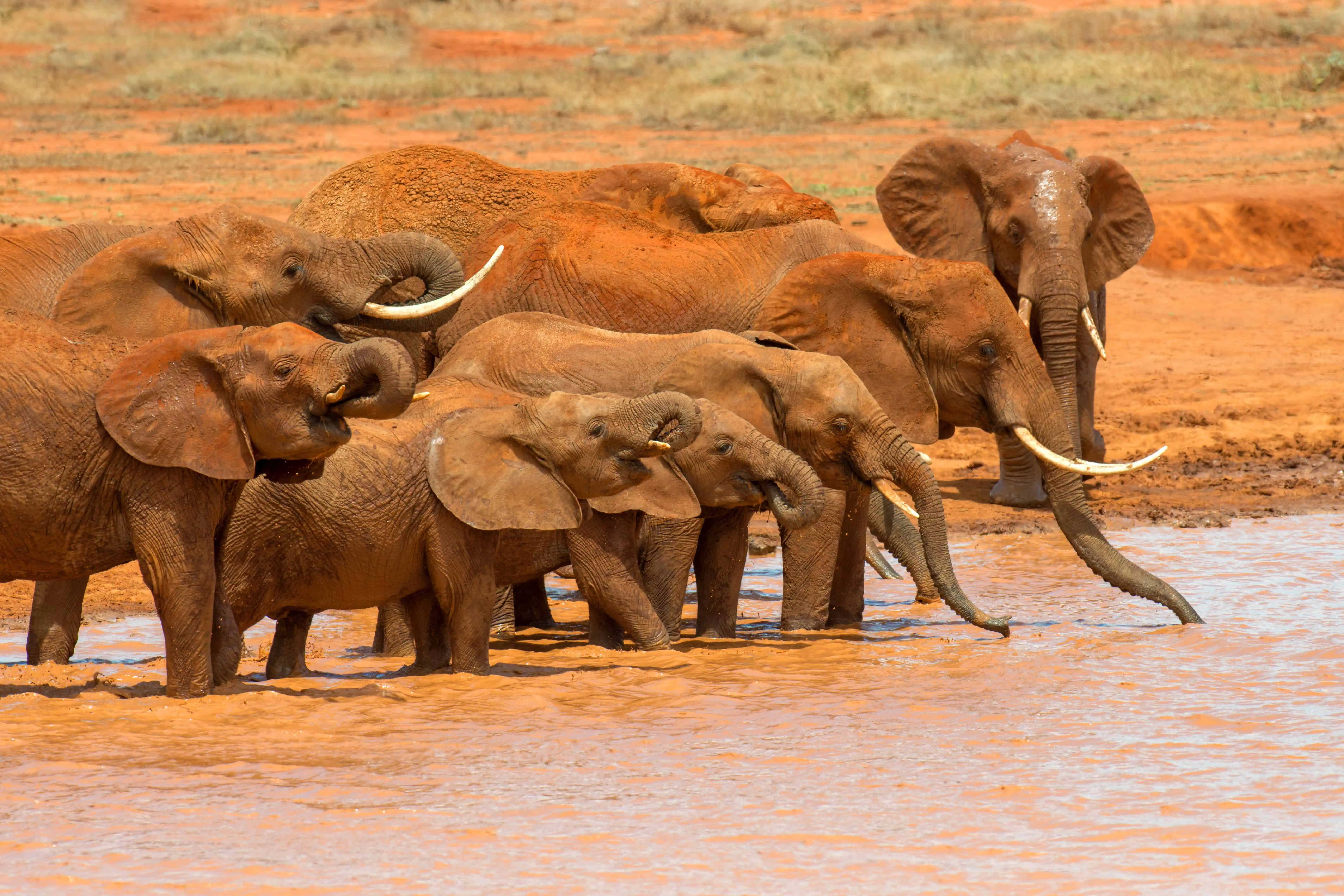
Tsavo is home to over 10,000 (!) of these “RED ELEPHANTS”, sometimes in groups of 50 or more.
You’ll also see zebras, impalas, ostriches, and giraffes crossing the plains.
Tsavo East is not as crowded with tourists, so you might not see many other vehicles. For us, it felt like true wilderness.
Visit the ARUBA DAM, a watering hole that attracts waterbucks, baboons, and thirsty elephants.
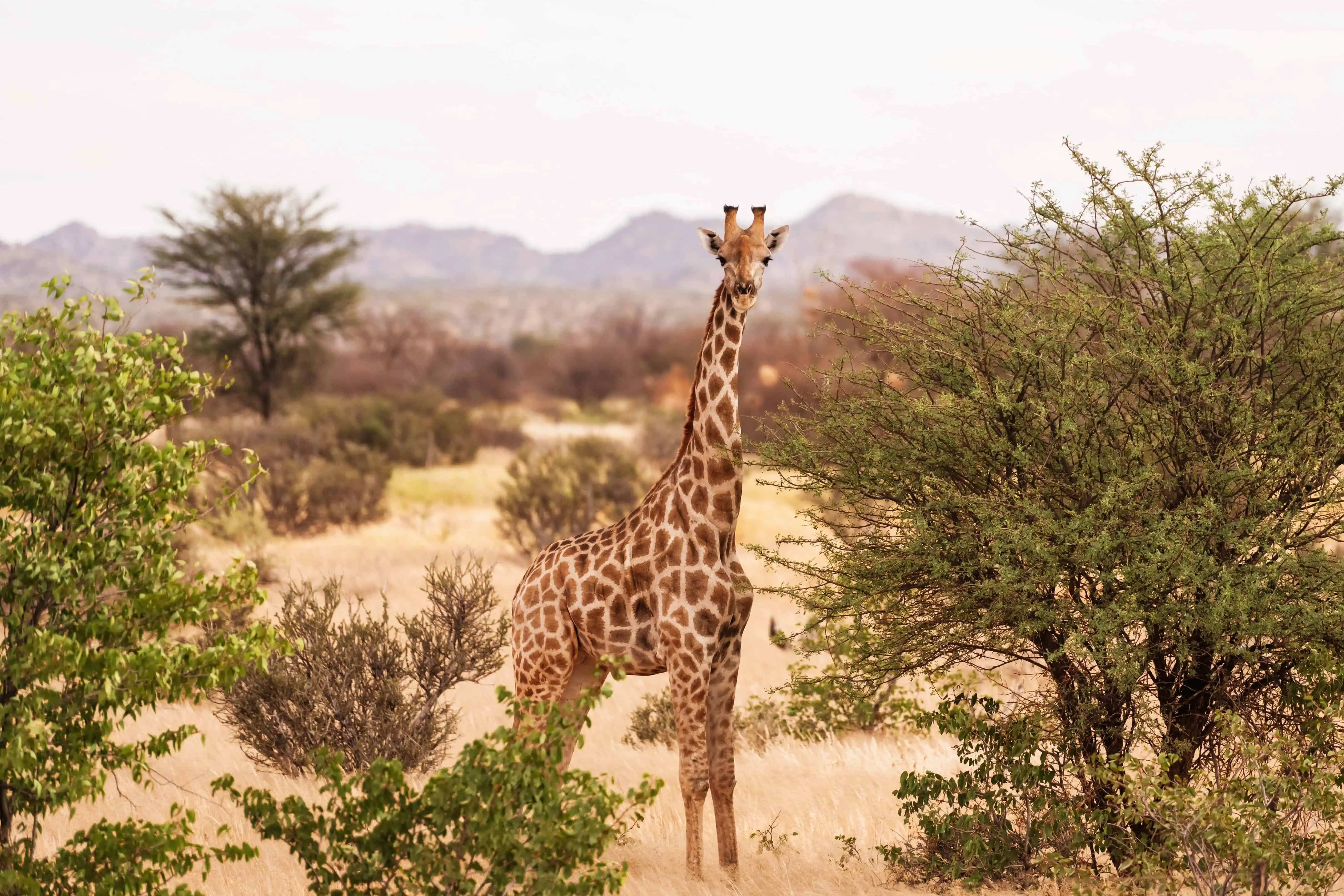
Keep your eyes open for predators too: Tsavo’s lions are known historically as the “man-eaters” (don’t worry, that was back in 1898!) and have a reputation for often lacking manes.
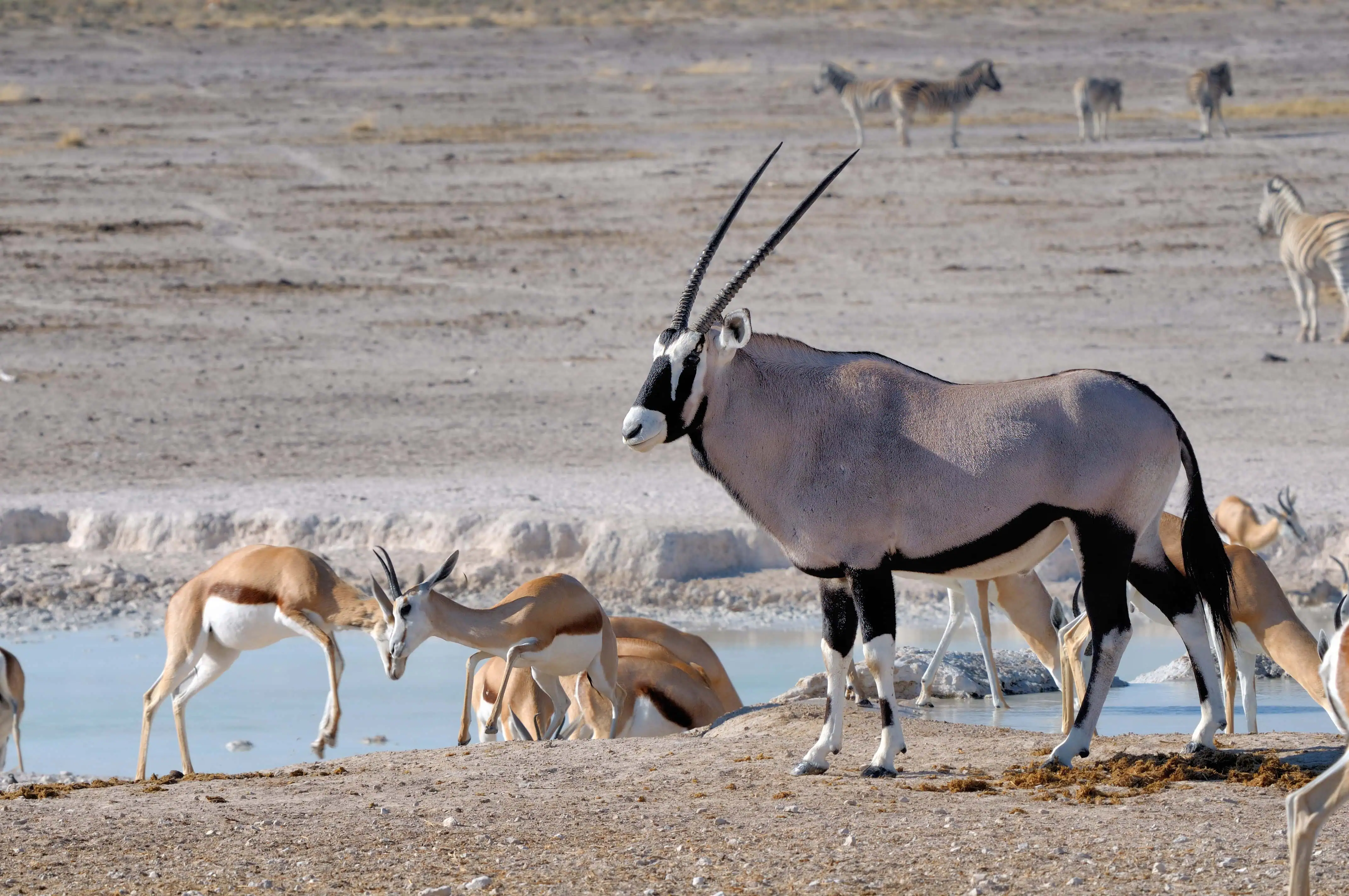
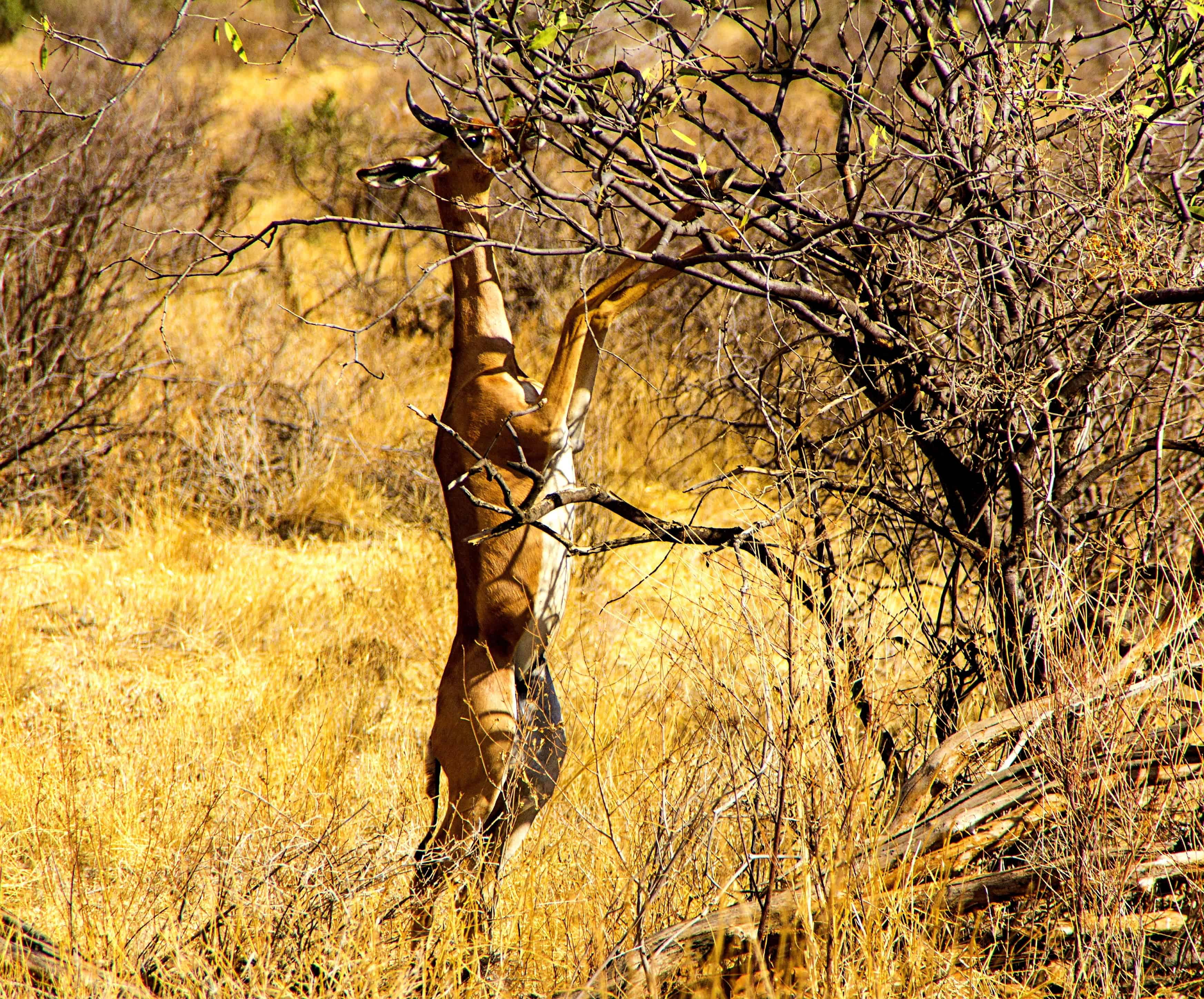
Also watch for the geraĉuk (long-necked) gerenuk antelope standing on two legs to browse, and the fringe-eared oryx with its long spear-like horns.
In the late afternoon, the lighting turns beautiful on Tsavo’s horizon.
By 6 pm, head out of the park (or to your lodge inside if staying in the park).
Evening: Overnight near Tsavo East. If you’re staying inside the park, Ashnil Aruba Lodge is our recommended mid-range option by the Aruba Dam ($180 / €160 per night).
Enjoy dinner overlooking the wilderness; many lodges here have waterholes where elephants and other animals wander in as you dine, which is an incredible sight at night.
Day 17: Tsavo East National Park
Morning: Be out with first light, scan the open plains at a chill pace, then work the base of the Yatta Plateau for a sense of scale you will not forget.
Pause at Mudanda Rock for a short signed viewpoint; this long granite ridge overlooks a natural catchment where wildlife comes to drink.
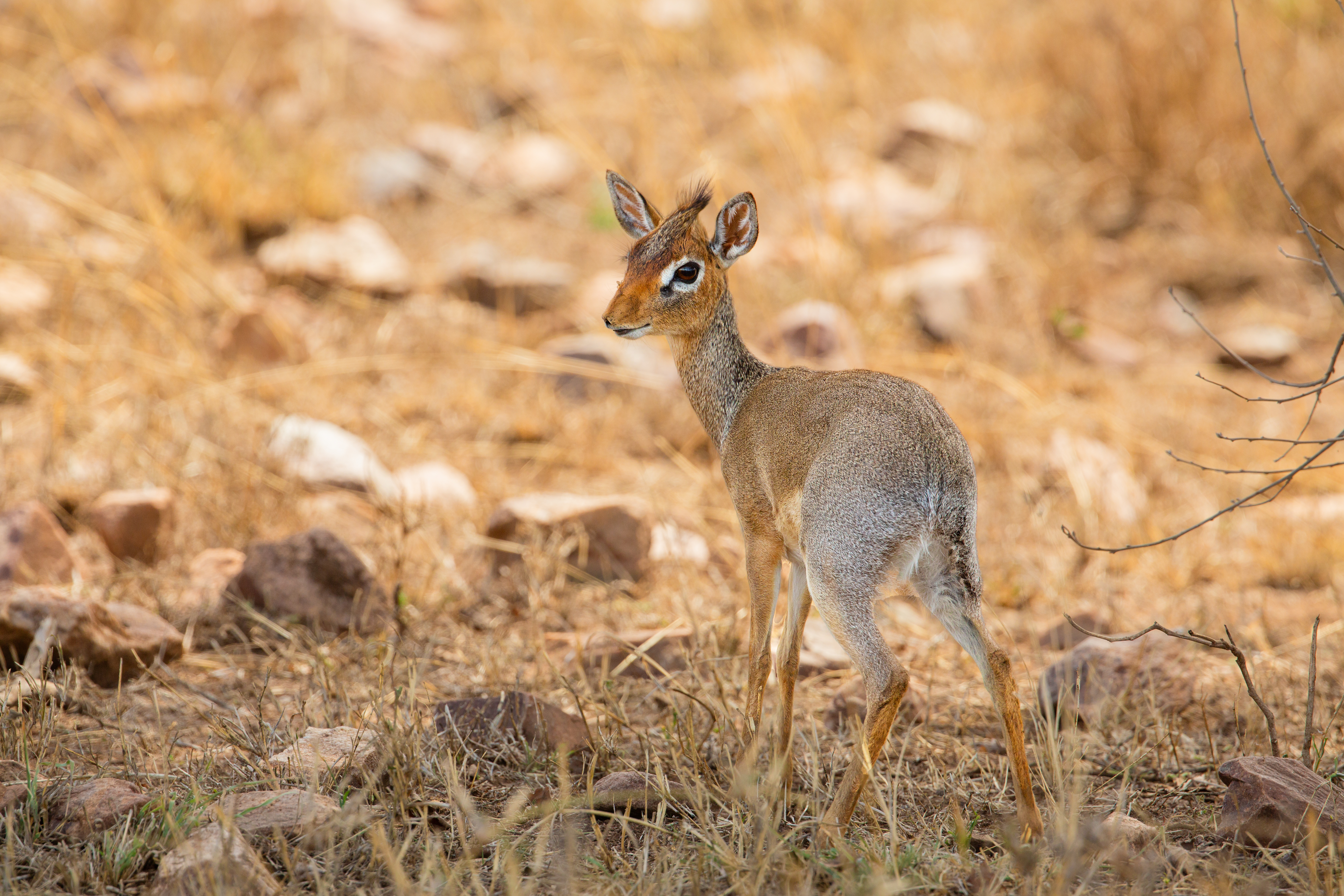
Keep an eye on thickets for lesser kudu and dik-dik, and on the open ground for cheetah that use low-termite mounds and anthills as lookout points.
Bird lovers, listen for rosy-patched bushshrikes, watch for martial eagles circling, and look along the roadsides for vulturine guineafowl moving in tight lines.
Afternoon: Take a midday break, then roll out by 3 pm toward seasonal pans and Kanderi-style wetlands, where herds funnel in as the heat eases. Look for eland and hartebeest mixing with giraffes around scattered baobabs, a classic Tsavo silhouette.
If you hear alarm calls from impala or guinea fowl, slow right down; cheetah often patrols these open patches when the shadows lengthen.

Evening: Time your return so you end the drive near a safe rocky outlook for a sunset that drops behind baobabs. After dinner, step outside your room for stargazing,
Tsavo’s low light pollution means a bright Milky Way on clear nights.
Day 18: Tsavo East to Diani Beach
Morning: It’s time to say farewell to Tsavo’s elephants and drive to the coast.
Afternoon: Your driver will bring you straight to your beach resort on Diani Beach, the jewel of Kenya’s coastline.
For accommodations, we can recommend two hotels we have stayed at.
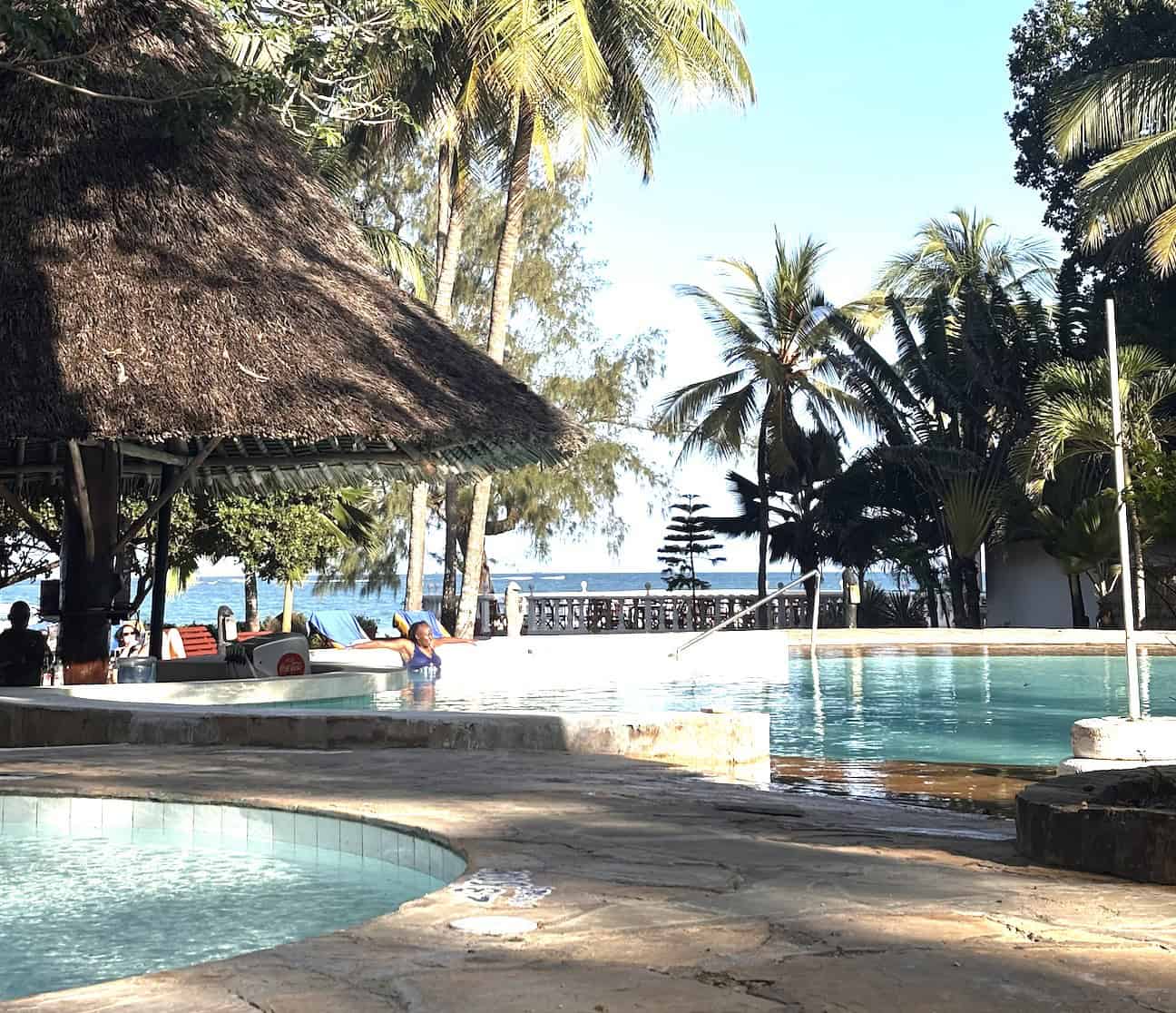
- Papillon Lagoon Reef Hotel (all-inclusive): From US $77 – $148 (€71–€137) per night, this beachfront Swahili-style hotel is in tropical gardens, right at the edge of the beach. Highlights include a large pool with a swim-up bar (order your drink from the pool), water sports, and huge buffets with local and international dishes.
- Diani Sea Lodge (all-inclusive): From US $110 – $180+ (€102–€167+) per night, this beachfront resort offers gardens, pool, spa, diving, and plenty of activities. Rooms are air-conditioned with garden views. Ideal for couples seeking a relaxed all-inclusive experience.
So once you have checked in, had lunch (fresh seafood, perhaps?), then it’s time to relax.
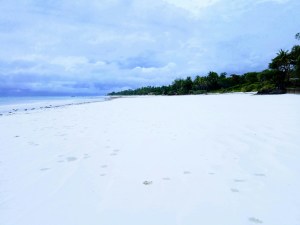
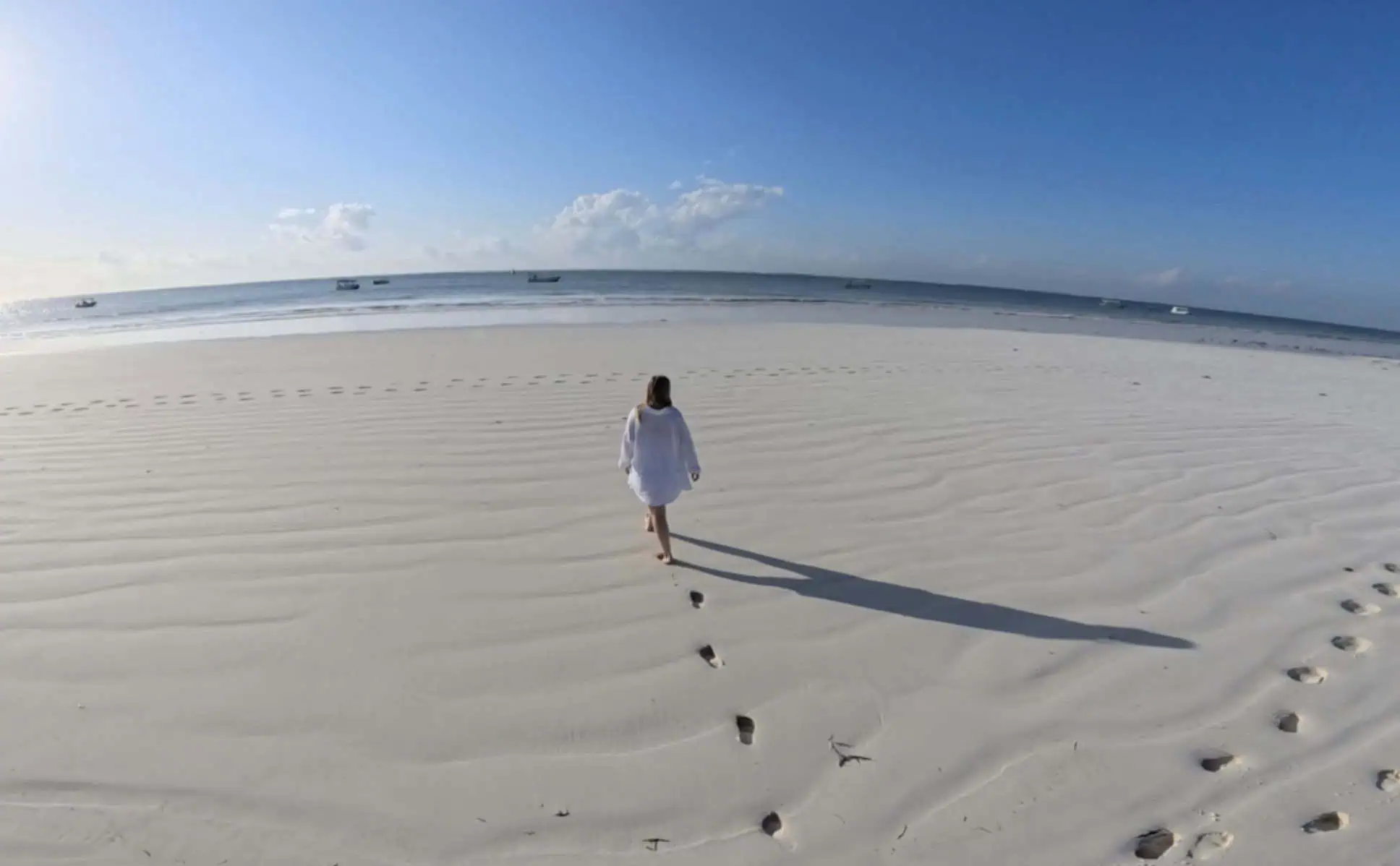
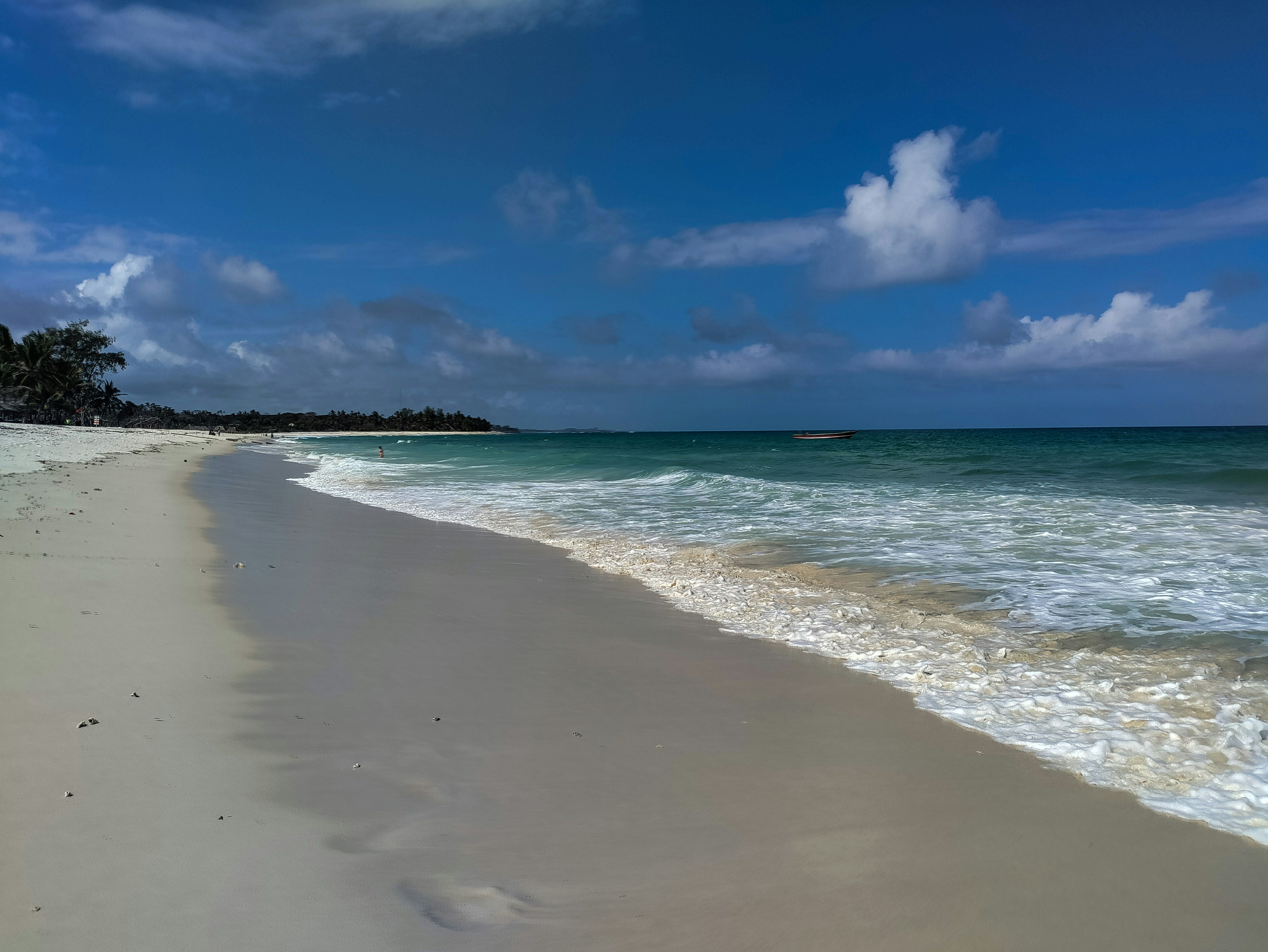
Kick off your shoes and walk on Diani’s white sand, ONE OF THE BEST BEACHES IN AFRICA (literally, it has won awards).
The ocean here is crystal-clear and usually calm (especially in the morning, which makes it perfect for windsurfing), protected by an offshore reef 150 meters into the ocean.
Take a swim in the warm turquoise water, or snorkel straight from the beach to spot colorful fish.
If you’re feeling active, many resorts offer water sports. Some of the sports we recommend are diving, windsurfing, and jet skiing.
Alternatively, just relax under a coconut palm with a good book or enjoy a nap by the pool.
Believe us, after the past days of 5.30 am wake-up calls, an easy beach afternoon is just what you need.
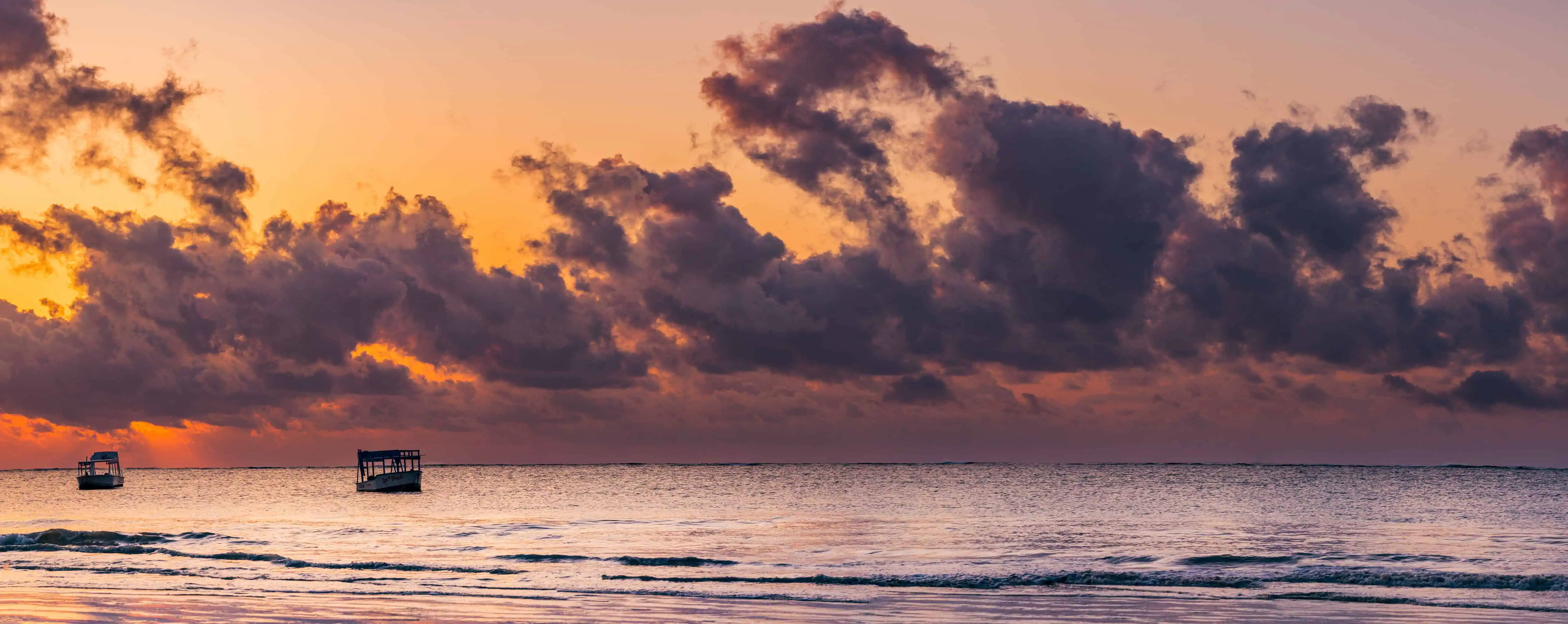
Evening: As the sun sets over the Indian Ocean, take a stroll along the beach at golden hour, and you’ll see local fishermen pulling in their dhows.
Enjoy a Swahili-style dinner featuring local flavors (don’t miss the grilled jumbo prawns or coconut fish curry).
Day 19: Diani Beach
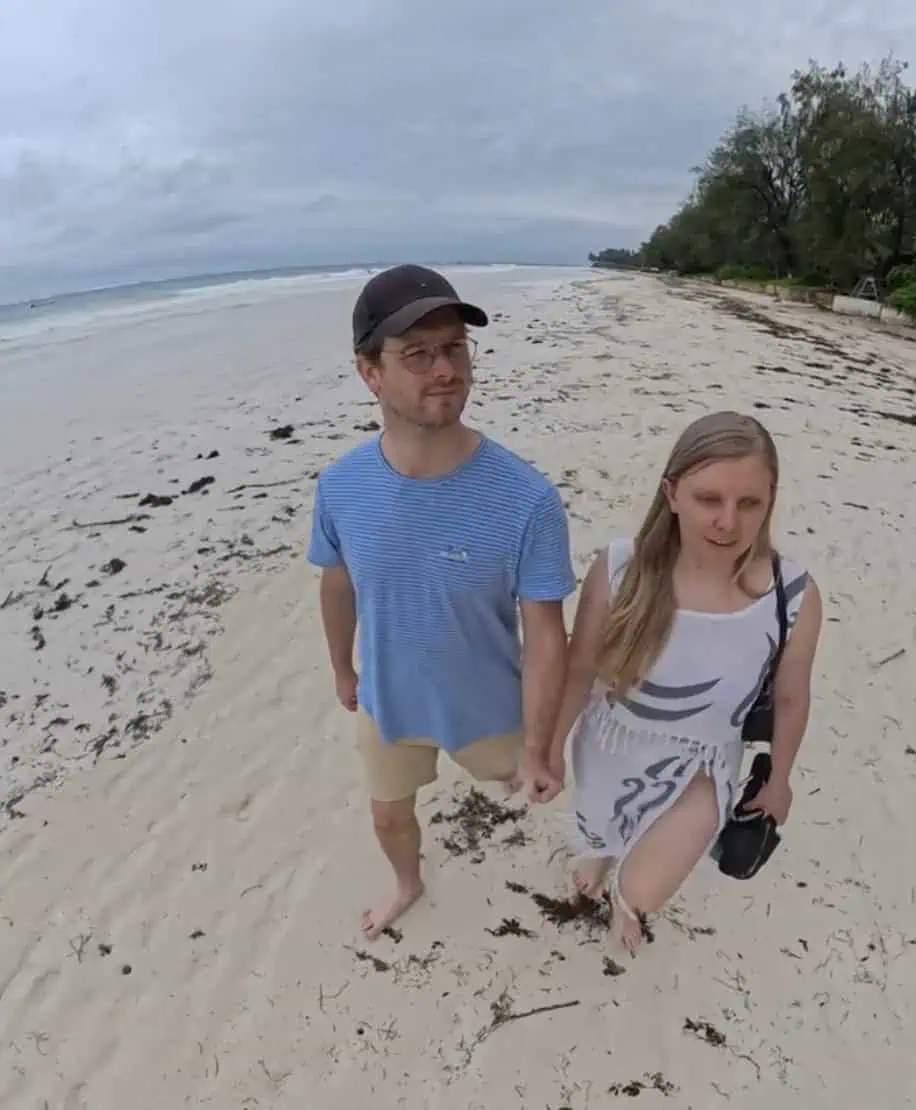
Morning: Wake up to the sound of the ocean and rustling palm fronds.
Today is a full free day to enjoy Diani Beach and its surroundings. After a leisurely breakfast with tropical fruits and Kenyan coffee, you can opt for a morning ocean adventure.
We recommend a snorkeling trip to the nearby Kisite-Mpunguti Marine Park (often called the “Blue Safari”).
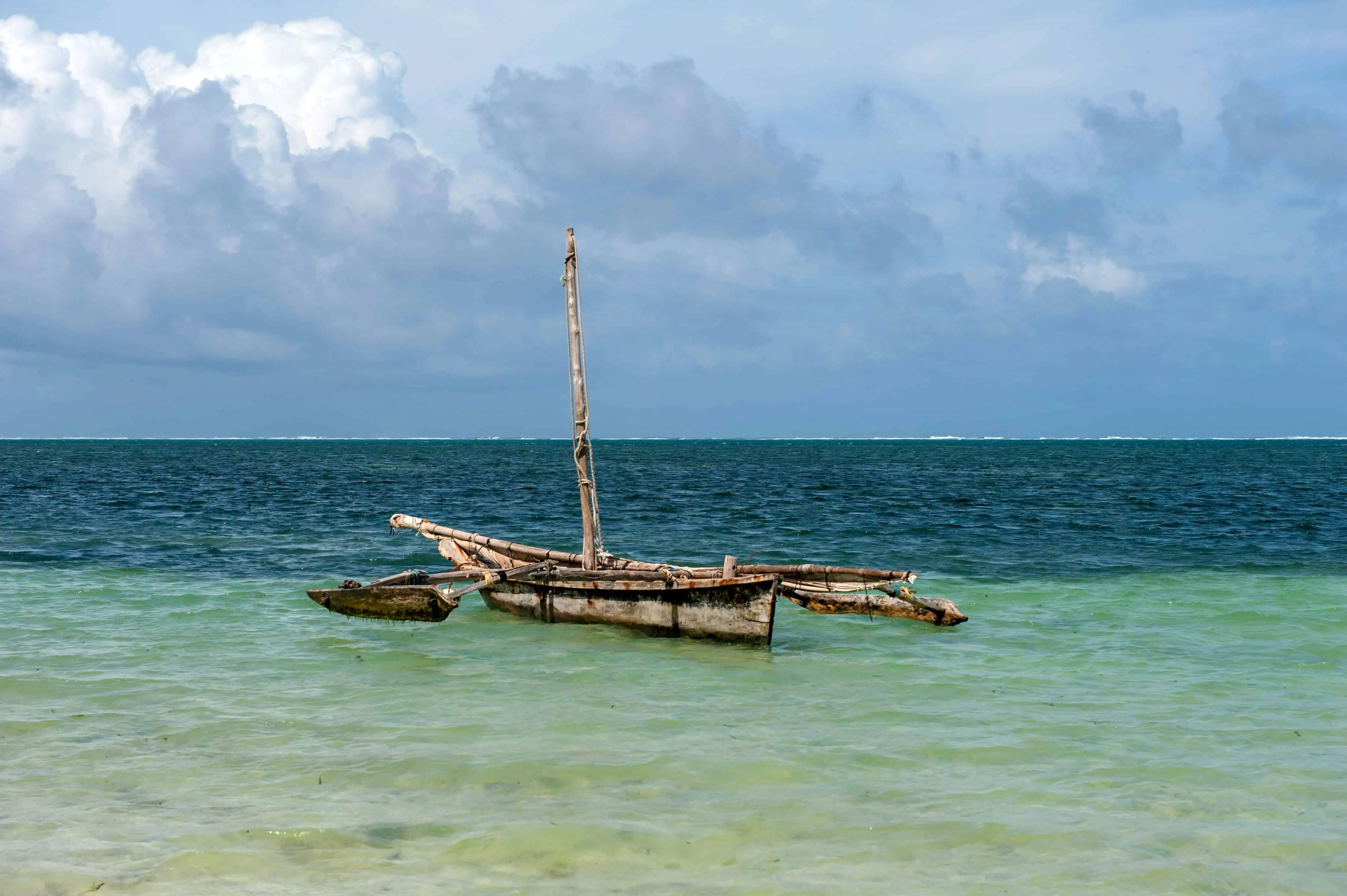
You’ll take a dhow boat out to coral reefs teeming with marine life; if luck is on your side, you could spot dolphins en route.
Snorkel among neon-colored fish and perhaps sea turtles; the coral gardens are truly beautiful (make sure to take your underwater camera with you).
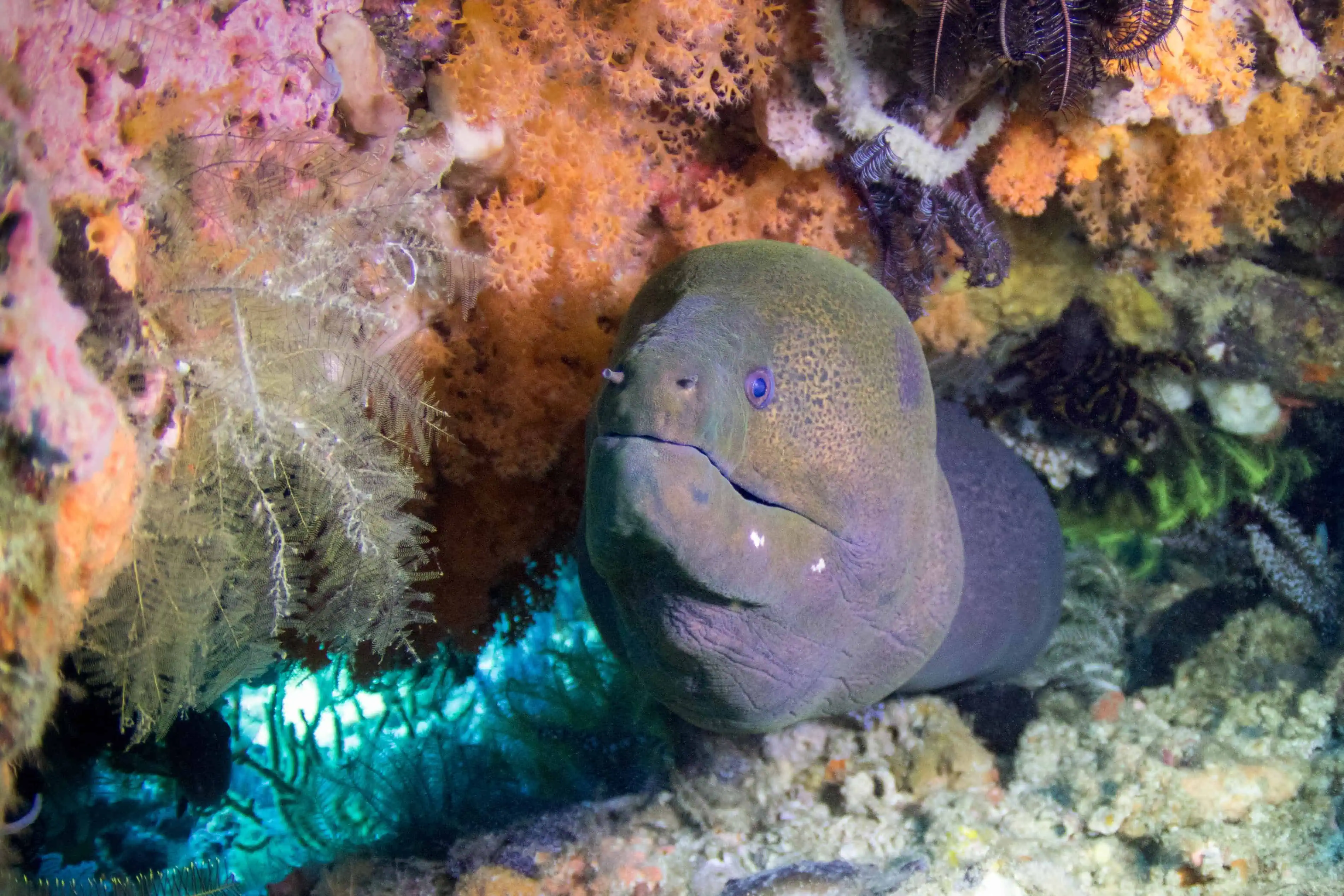
If snorkeling isn’t your thing, you can also arrange a scuba dive (Diani has many PADI centers at resorts). Diving sites like Galu Reef offer you the chance to also see underwater wildlife, such as moray eels, rays, and many beautiful corals.
The morning is also a nice time for a beach walk when the tide is low, revealing tidal pools with starfish and crabs.
Afternoon: After lunch, how about pampering yourself?
Many beach hotels have spa services, so you could enjoy a massage or spa treatment using local coconut oils.
By now, you have realized Diani feels like a different world compared to the savanna just a couple of days ago. That’s Kenya’s charm: safari na bahari (wildlife and beach), all combined in one trip.
For the active traveler, another option is visiting the COLOBUS MONKEY SANCTUARY in Diani’s forest inland. It’s a conservation center where you can see and learn about the endangered Angolan colobus monkeys that roam the area.
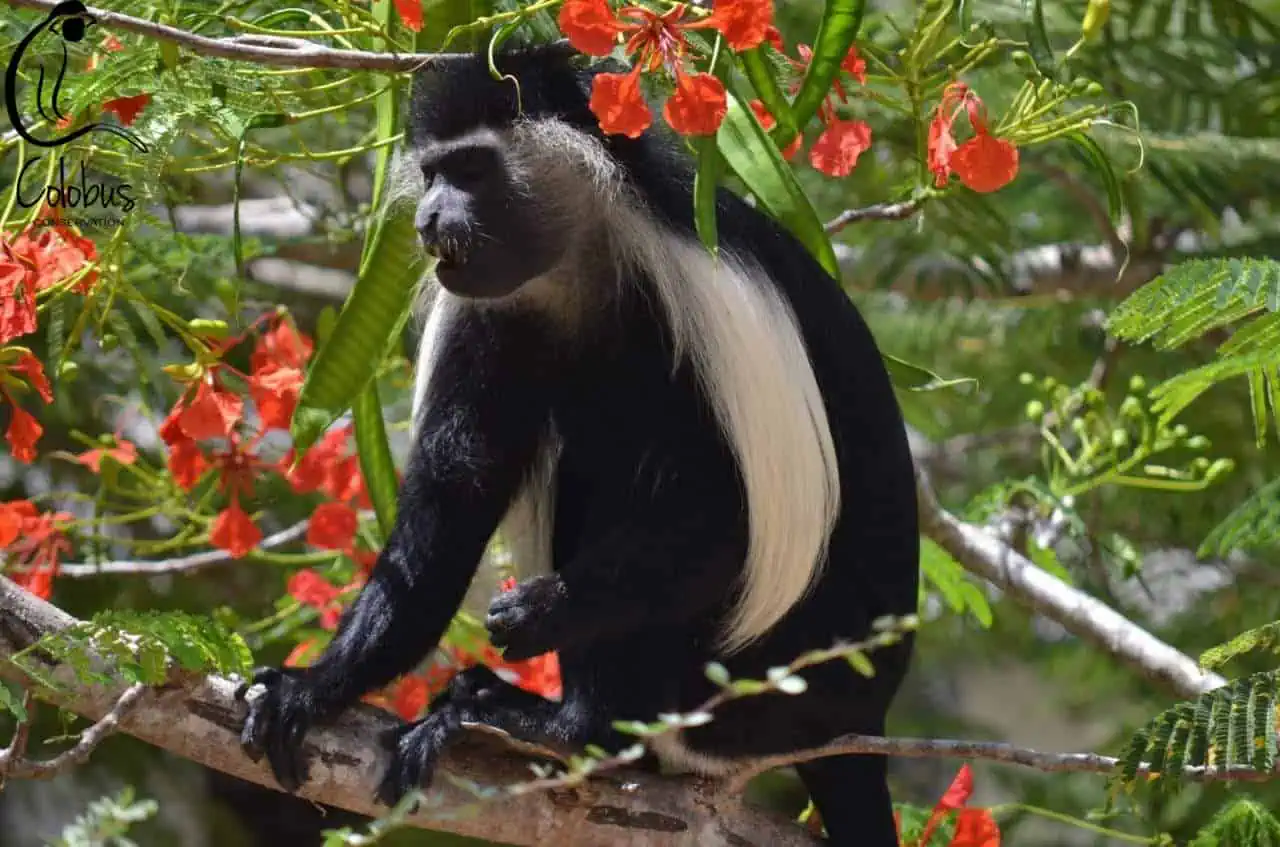
👉 INSIDER TIP: Come late afternoon, you can take a tuk-tuk to the Kongo River, where the sun sets over the water, specifically at the point where the river flows into the Indian Ocean.
If you have some time left over, you can also take a tuk-tuk and head into Diani town and pay a visit to Kazuri bead jewelry, amazing (yet slightly expensive) jewelry for women.
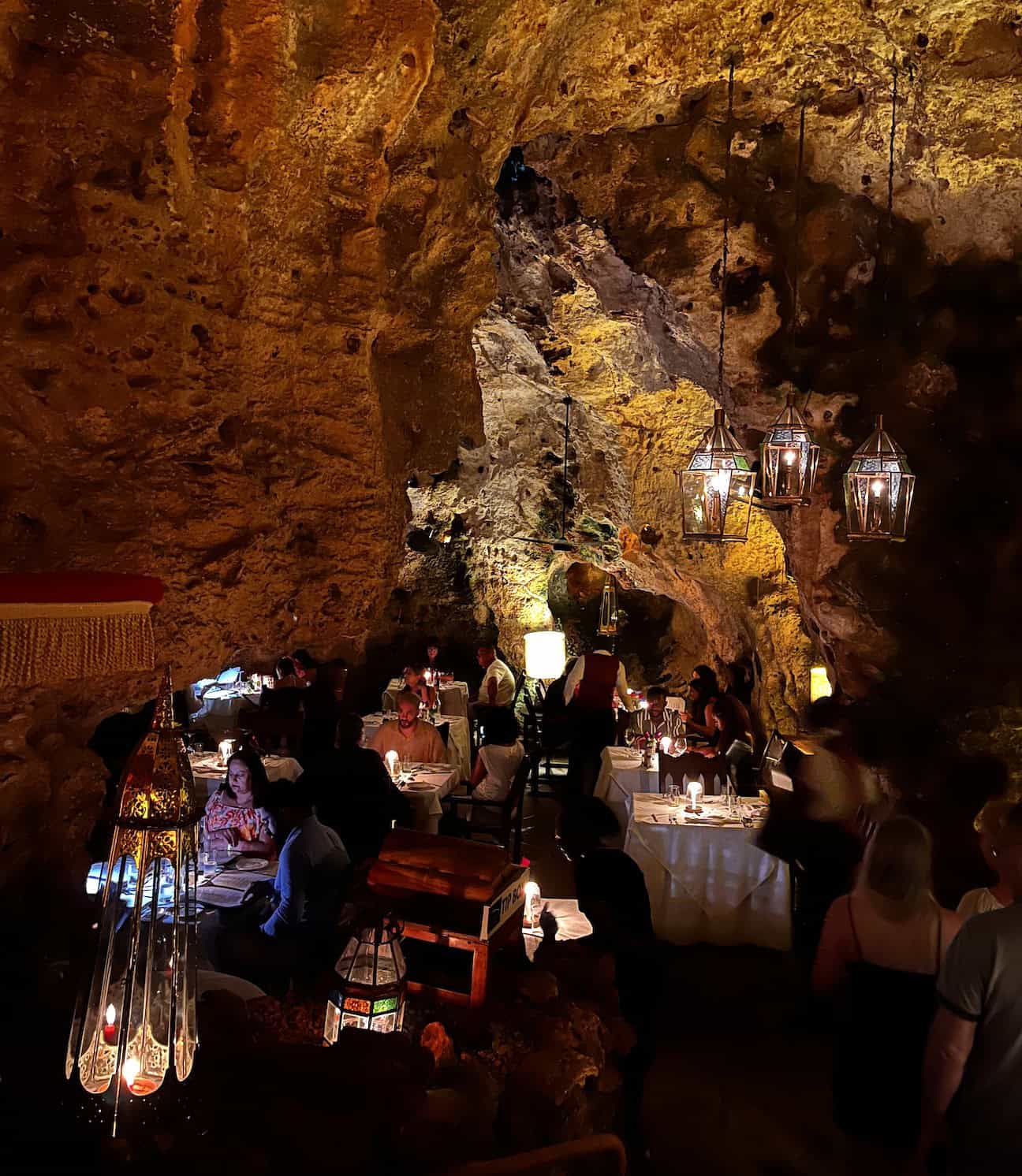
Evening: We recommend having dinner at Nomad, a beachfront restaurant right on the sand. They have amazing grilled fish and cocktails. OR have dinner at the very special and ONLY CAVE RESTAURANT IN KENYA. It’s an open-air restaurant set in a natural coral cave lit by candles (the only cave restaurant in Kenya)
Many resorts also host barbecue dinners on the beach or have live bands playing mellow tunes.
Day 20: Diani
Morning: Start slow with a sunrise walk, the beach is quiet and the water is glassy.
You can also try stand-up paddleboarding on the lagoon while the tide is high.
When the water drops, walk out to the sandbars for that powdery white sand under ankle-deep water feeling.

Afternoon: Head to Galu Beach for kite lessons or a downwind session if you already ride.
Non-kiters can book a glass-bottom boat to see coral heads inside the lagoon, or join a coconut farm visit to learn how locals press oil and weave palm leaves.
Inland makes a great contrast; Shimba Hills National Reserve is close enough for a half-day forest drive with views to the ocean and a guided walk to Sheldrick Falls when conditions allow.
Back in Diani, treat yourself to a Swahili cooking class and learn the difference between pilau and biryani rice, then eat your lesson for lunch.
Evening: Grab a tuk tuk to a beach bar for sundowners, think fresh passion fruit juice or a Dawa, watch the silhouettes of dhows glide along the reef.
Book dinner at Sails at Almanara for a beautiful seafood plate, or The Salty Squid for a laid-back grill right on the sand. Ask your hotel about a small bonfire on the beach and stargazing; the sky here is incredible on clear nights.
Day 21: Diani to Nairobi
Morning: Enjoy your final morning of your 3 weeks in Kenya.
You might take one last early beach walk (especially as the sun comes up above the sea around 5.30 am).
Check-out is usually late morning. If you have time before departure, enjoy lunch with a view of Diani’s blue water, the fresh coconut water, or a pineapple mint smoothie is a must, one last time (we are addicted to that)!
Afternoon: Transfer to the Ukunda airstrip for your flight back to Nairobi (or directly to Nairobi’s international airport if your flight home is the same day).
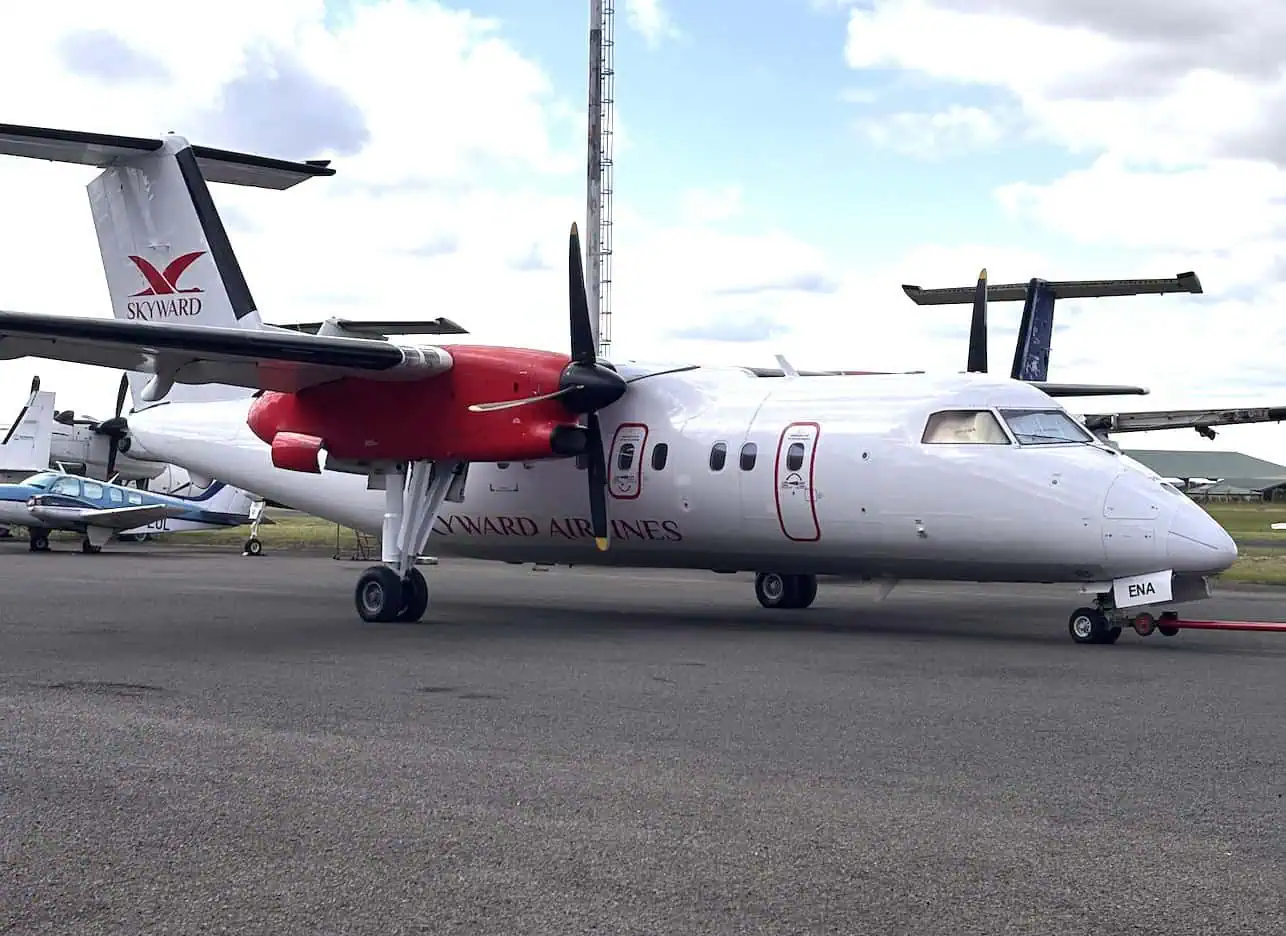
Make sure to arrive one hour before your flight leaves to account for check-in and security checks.
The flight from Diani to Nairobi is about 1.5 hours.
You’ll be in Nairobi by afternoon, ending your 3 week Kenya safari and beach adventure.
Prices for an itinerary like ours start from $360 per person per day (all-inclusive).
Simply fill in the form below to get FREE QUOTES from trusted local tour companies that we’ve personally traveled with.
It only takes 60 seconds, and you’ll receive custom itineraries and pricing directly in your inbox within 48 hours.
Free of charge. No pressure. No obligation.
*Our trusted local partners create every itinerary with care. We kindly ask that you submit a request only if you’re considering traveling.
The travel items you’ll wish you had in Kenya
One often-overlooked “cost” of safari is what you WEAR AND PACK.
You don’t need to spend a fortune on SPECIALIZED SAFARI GEAR, but depending on what you have already, you might need to budget for a few clothing items or accessories to be comfortable in KENYA’S CLIMATE.
Here’s a QUICK SUMMARY:
- 🧥 Mornings and evenings in Kenya can get surprisingly chilly, bring a lightweight FLEECE (Link for men) (Link for women) so you can stay warm without overpacking.
- 🦟 Don’t let bugs ruin your safari. Grab this OFF MOSQUITO SPRAY for long-lasting protection in the bush!
- 🚰 Tap water isn’t safe to drink in Kenya, so pack a Vapur Insulated WATER BOTTLE and avoid the cost (and waste) of buying plastic daily.
- 🔌 Kenya uses UK-style outlets. This UNIVERSAL ADAPTER will keep your gear charged without any surprises.
- 🔋 Long drives and power cuts happen this Belkin POWER BANK keeps your phone and camera ready for anything.
- 🦓 Want to actually see that leopard in the distance? These travel-friendly BINOCULARS make your game drives way more exciting.
- 🧴 The equator sun hits hard, bring a reef-safe SPF 50+ SUNSCREEN so you don’t spend your trip nursing a burn.
- 👟 For walking safaris or climbing Mt.Kenya, good WALKING SHOES (Link for men) (Link for women) are non-negotiable in Kenya. Trust your feet, you’ll be glad you did.
- 🎒 Safari days start early and last long. This 24L Vaude backpack is perfect for snacks, layers, and your camera gear.
- 🩹 The closest pharmacy might be hours away. A compact travel FIRST AID KIT is worth its weight in peace of mind.
Conclusion
Three weeks in Kenya is the sweet spot.
You hit the icons, Masai Mara, Amboseli, Tsavo West and East, add smart stops, Hell’s Gate, Lake Naivasha, Ol Pejeta, Mount Kenya, then unwind in Diani, without rushing.
The route, costs of your Kenya safari, drive times, and lodge ideas are set. Pick your dates, then let a local operator fine-tune the details.
Next step: use our form to get a free custom quote, no obligation.
You will receive tailored itineraries and pricing in your inbox within 48 hours.