Kenya is beautiful year-round, but the experience can vary A LOT with seasons (rainy vs dry season).
So, when is the best time to visit Kenya?
It depends on many factors, such as when and where the Great Migration occurs, when the rainy season is, and when I pay the most, among others.
Let’s take a look at all these factors for the best time to visit Kenya!
KEY TAKEAWAYS:
🌞 Best time to go: The dry season (June to October) is the best time to visit Kenya. Clear skies, less vegetation, and animals gathering at waterholes will make your safari just perfect.
🐃 The Great Migration: From July to October (so during dry season), the Great Wildebeest Migration reaches the Masai Mara. Expect amazing river crossings and massive herds of wildebeest, zebra, and gazelle.
🌿 Nature & prices: During the wet seasons (March–May and Nov–Dec), Kenya is lush and green. However, many lodges are closed as roads in national parks become muddy and are not passable.
*This guide is based on our own safari experiences collected over the years. Laura grew up in Kenya, speaks Swahili, and has spent years exploring the country’s national parks and reserves, building trusted connections with local guides and lodges. It’s that knowledge about the weather seasons you will find in this article.
Why timing is everything for your Kenya safari
When planning your Kenya safari holiday, timing truly is everything.
Kenya doesn’t have spring/summer/fall in the traditional sense. Instead, there are dry and wet seasons that dictate animal movements and vegetation density.
Choosing the RIGHT TIME means you could see thousands of wildebeest swimming across the Mara River (the famous Great Migration), enjoy clear views of Mount Kilimanjaro from Amboseli, or have a Big Five sighting all to yourself during a 2-week safari, 10-day Kenya safari, 7-day Kenya safari, or even a 5-day Kenya safari if you are short on time!
Pick the WRONG TIME, and you’ll have heavy rains, tall grass that hides animals, or lodges closed for the low season.
That said, Laura grew up in Kenya, and her experience has given us a pretty good idea of what to expect each month.
Let’s dive into Kenya’s safari seasons and highlights so you can choose the best time of the year for an African safari.
Prices for an itinerary like ours start from $360 per person per day (all-inclusive).
Simply fill in the form below to get FREE QUOTES from trusted local tour companies that we’ve personally traveled with.
It only takes 60 seconds, and you’ll receive custom itineraries and pricing directly in your inbox within 48 hours.
Free of charge. No pressure. No obligation.
*Our trusted local partners create every itinerary with care. We kindly ask that you submit a request only if you’re considering traveling.
Understanding Kenya’s safari seasons: dry vs. wet
Dry season in Kenya
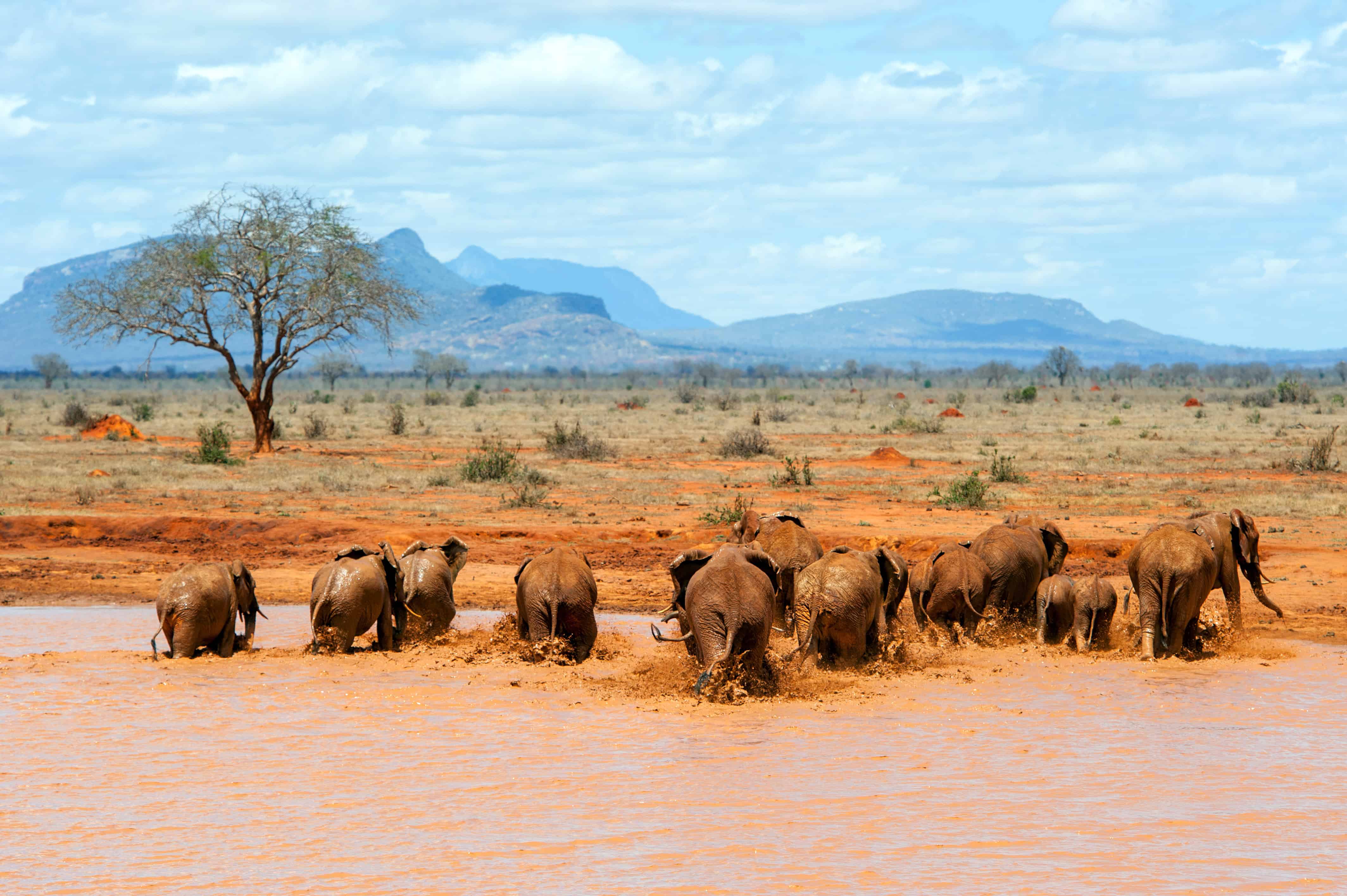
Kenya’s long dry season, from June through October, is the best time for a safari in Kenya.
We experienced virtually no rain, moderate temperatures (75°F/24°C daytime in savannahs), and thinning vegetation.
This means that animals cluster around waterholes.
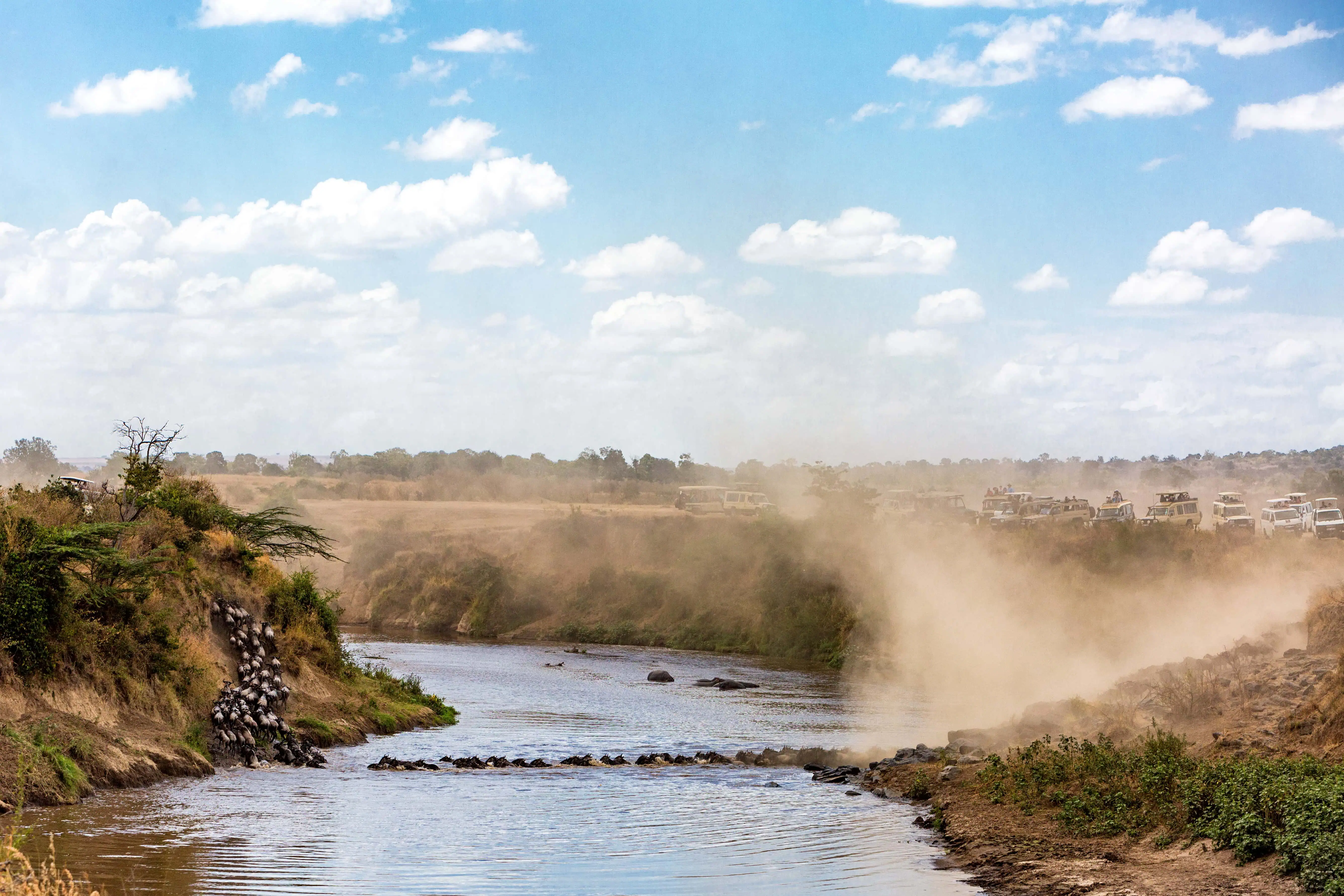
Not only is game viewing excellent, but the Great Migration river crossings in the Masai Mara occur during July and August.
Roughly 1.3 MILLION (!) wildebeest, zebra, and gazelle flood the Masai Mara’s golden savannas during the summer months, pursued by predators, according to New Scientist.
👉 KEEP IN MIND: In higher altitude parks like the Masai Mara National Reserve, mornings are quite chilly (down to 10°C / 50°F before sunrise), so you’ll want a fleece or jacket for those early game drives.
These months see the highest visitor numbers, so parks like Mara are busy (and lodge rates are highest). You’ll also pay a lot more for your National Park entry fees than in the low season.
On a morning in August in the Mara, you might find dozens of safari vehicles lined up at a riverbank, all vying for a glimpse of a crossing.

Safari lodges also fill up months in advance, and prices climb high (often 25 to 50% higher than in low season).
👉 OUR RECOMMENDATION: June is the best time to visit Kenya. It’s warm, animals are plentiful near water sources, and the tourist crush has yet to start. This is also the recommendation of Lonely Planet.
Rain season in Kenya
Kenya has two rainy seasons (short and long rains), and each comes with its own travel considerations.
Short rainy season in Kenya
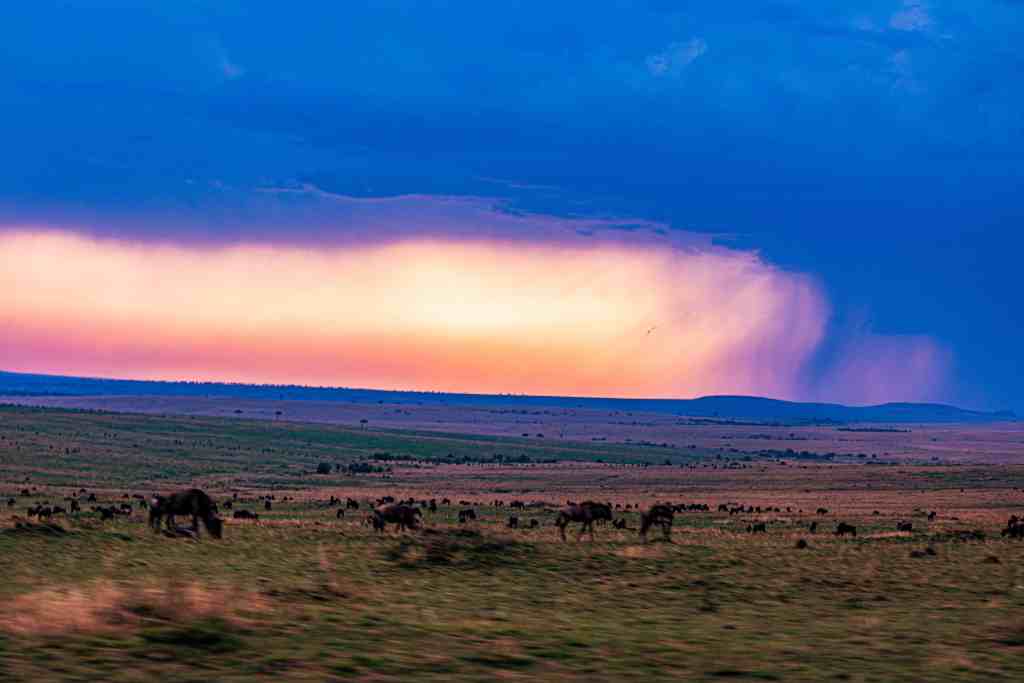
The SHORT RAINS arrive in November and last into mid-December.
These are brief afternoon showers (a 1-hour-long downpour) followed by sunshine. The positive thing is that the nature is lush and green.
Lodges drop their rates significantly in this “shoulder” season, making November one of the best value times for a Kenya safari!
Long rainy season in Kenya
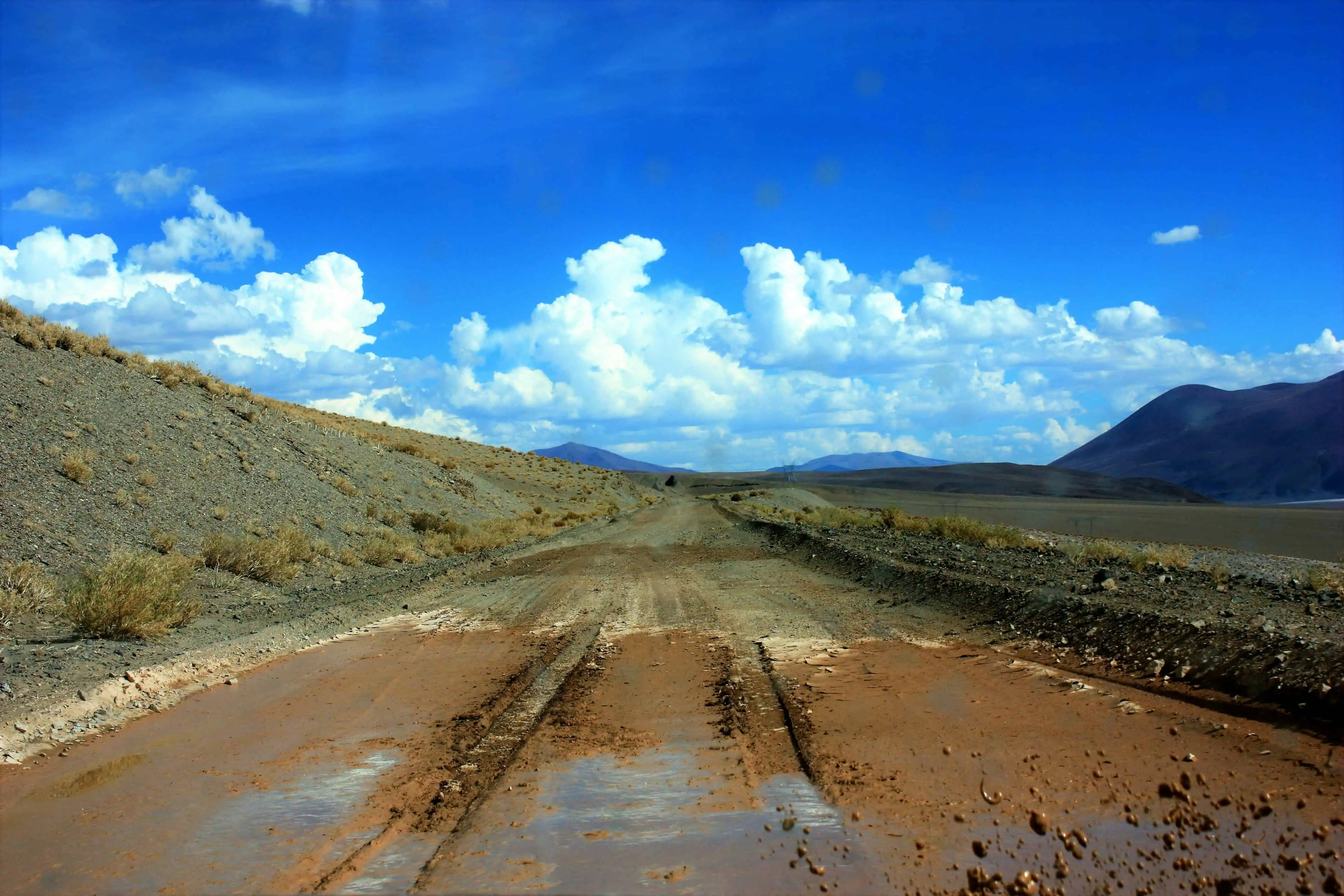
The long rains fall from March to May, with April being the wettest month. This is when you’ll see heavy downpours, sometimes making dirt roads impassable.
You can expect strong downpours that may last hours or even on and off all day!
Many dirt roads in the parks turn to mud, sometimes becoming impassable after heavy storms.
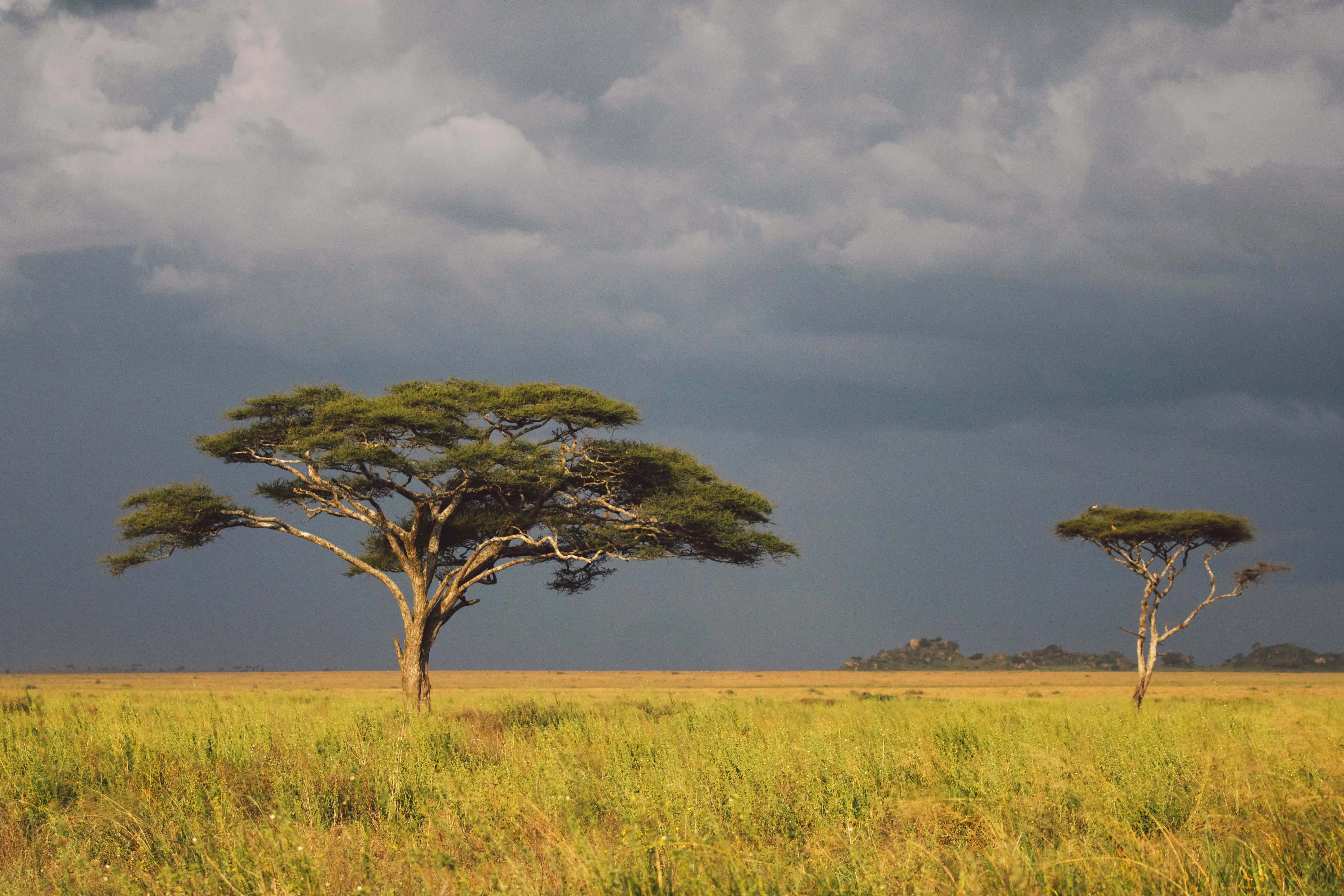
Hence, many lodges in remote areas close for this reason, and game viewing is also more difficult, as animals spread out with water available everywhere.
Hence, we do not recommend the long rainy season, as you’ll still pay a lot of money for a lot less value.
On the plus side, this is also birthing season for many animals, so there are many cute newborn gazelles, zebra foals, and other baby animals stumbling alongside their mothers.
Prices for an itinerary like ours start from $360 per person per day (all-inclusive).
Simply fill in the form below to get FREE QUOTES from trusted local tour companies that we’ve personally traveled with.
It only takes 60 seconds, and you’ll receive custom itineraries and pricing directly in your inbox within 48 hours.
Free of charge. No pressure. No obligation.
*Our trusted local partners create every itinerary with care. We kindly ask that you submit a request only if you’re considering traveling.
The Great Wildebeest Migration
We cannot talk about Kenyan weather seasons and skip the Great Wildebeest Migration.
This is THE GREATEST WILDLIFE SHOW ON EARTH, and for good reason.
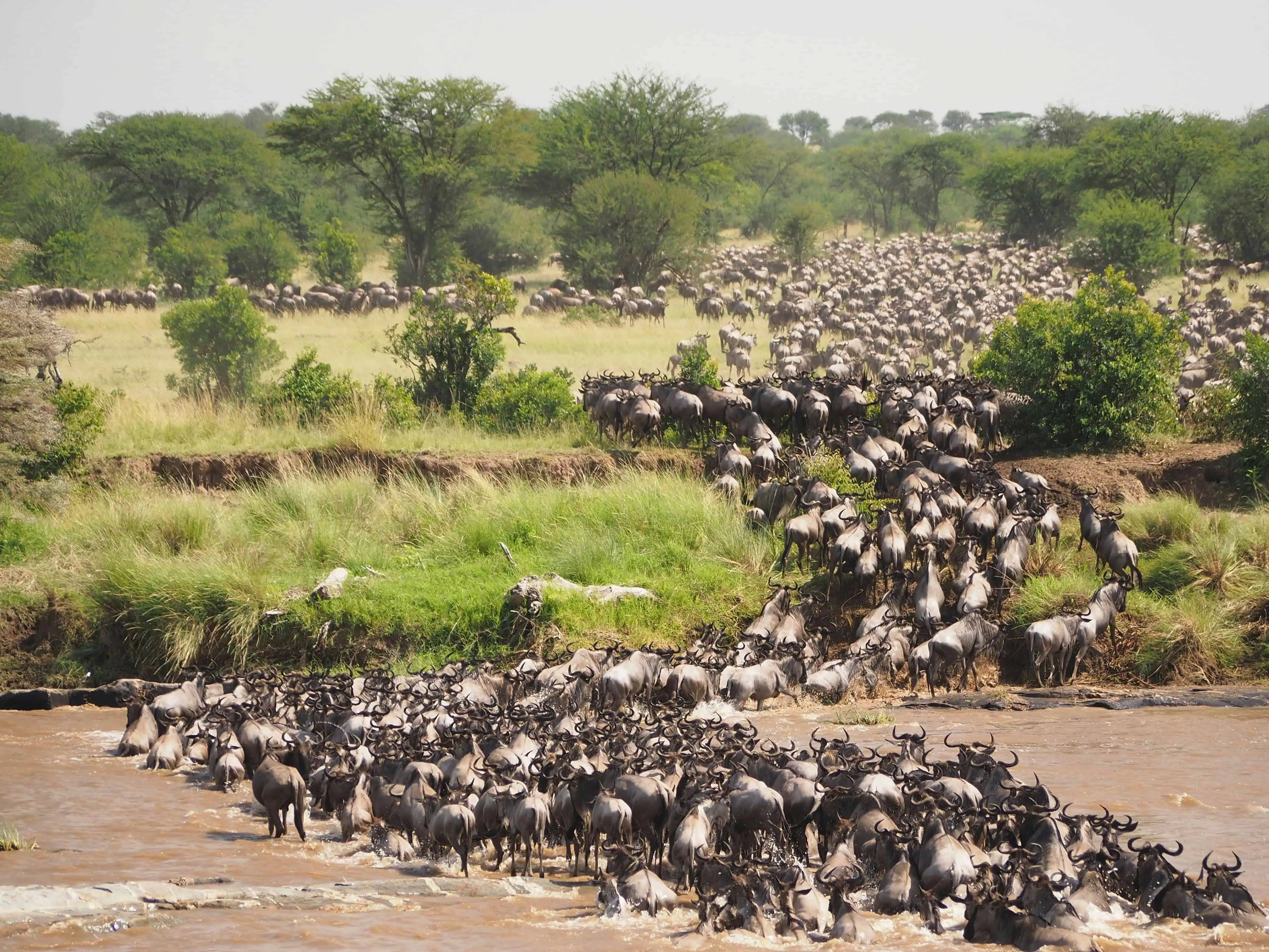
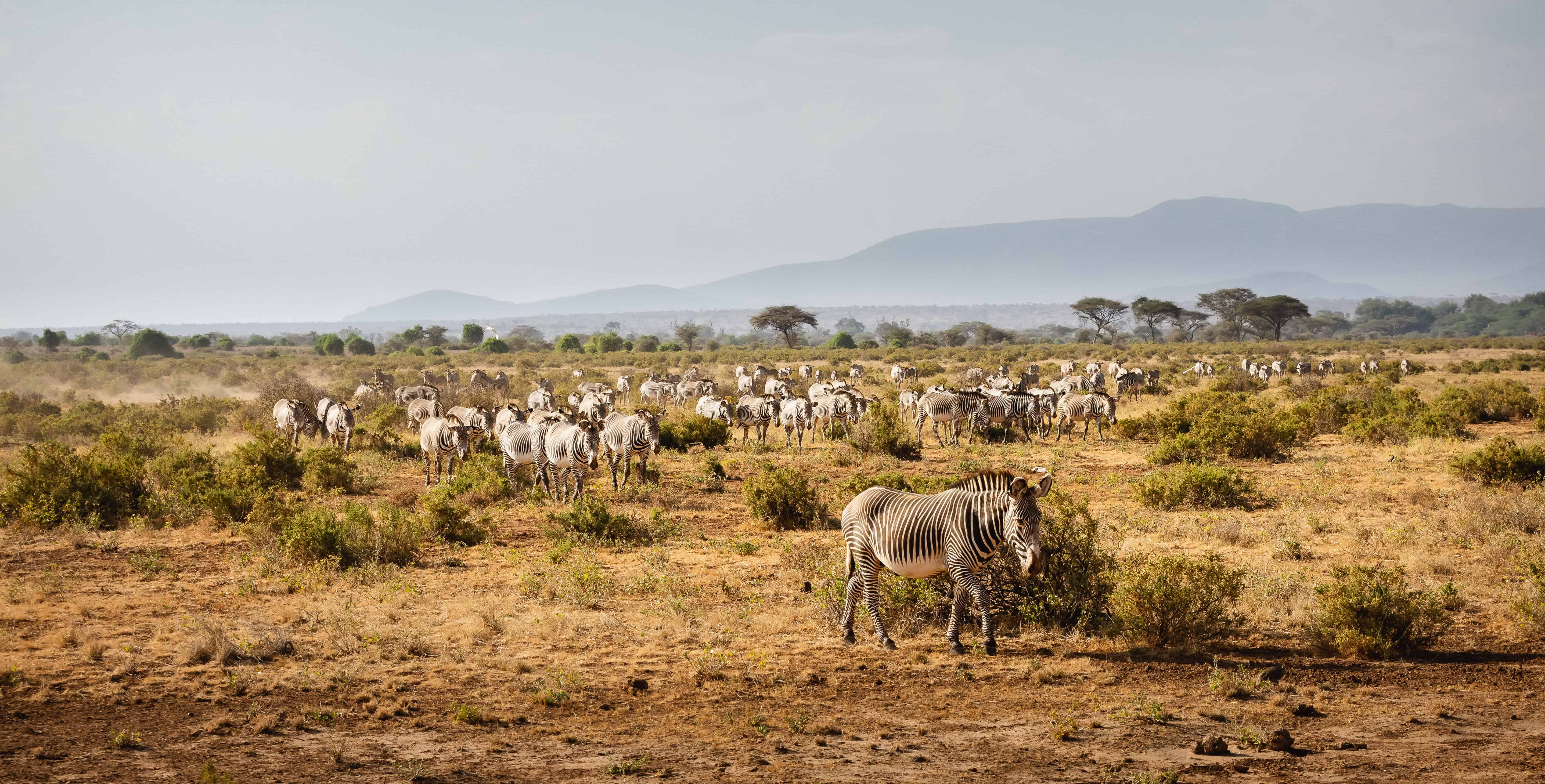
Each year, about 1.3 million animals, mostly wildebeest, but also hundreds of thousands of zebras and Thomson’s gazelles, cross the Mara River that flows between Tanzania’s Serengeti National Park and Kenya’s Maasai Mara National Reserve.
WHY? They are driven by ancient instincts to follow the rains in search of fresh grass.
Kenya’s window to witness the Migration is during the DRY SEASON, between July and October.
For the rest of the year, the herds are grazing in Tanzania (they calve in the southern Serengeti around February, then gradually move north).
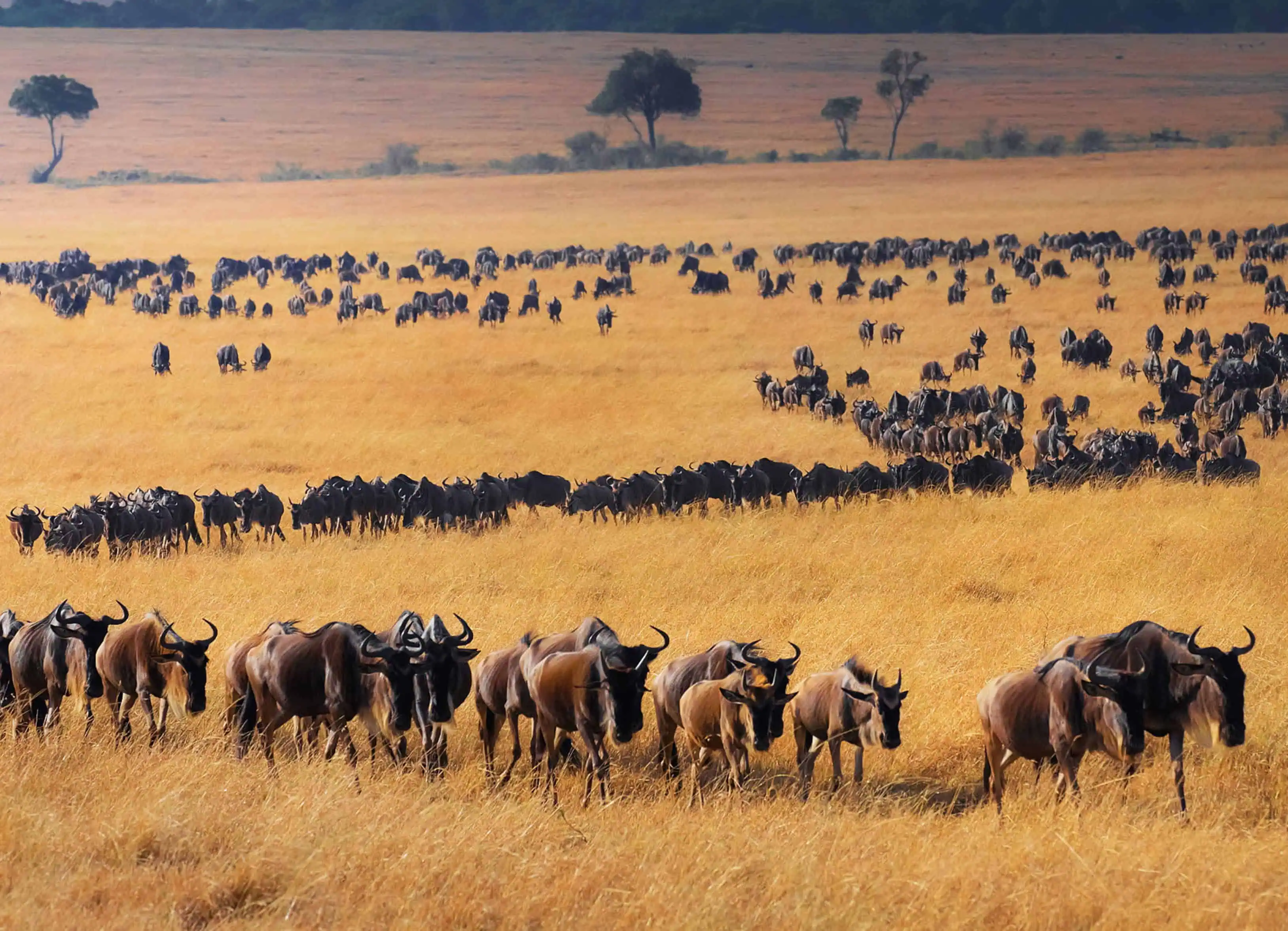
The journey of the Great Migration
To truly appreciate when and where to catch the Migration, you need to understand its general pattern:
- Late June – July: The first wave of wildebeest usually reaches Kenya in July, though in some years a few herds have crossed as early as late June. They come in from the Serengeti, crossing the border (which is unfenced) into the Masai Mara.
- August: Peak of the migration in Kenya. By August, the Mara is filled with wildebeest herds. This is when the famous Mara River crossings often reach a frenzy (more on that in the next section). If you want that classic documentary experience of endless herds and raw nature, August is it (just be prepared for lots of other tourists).
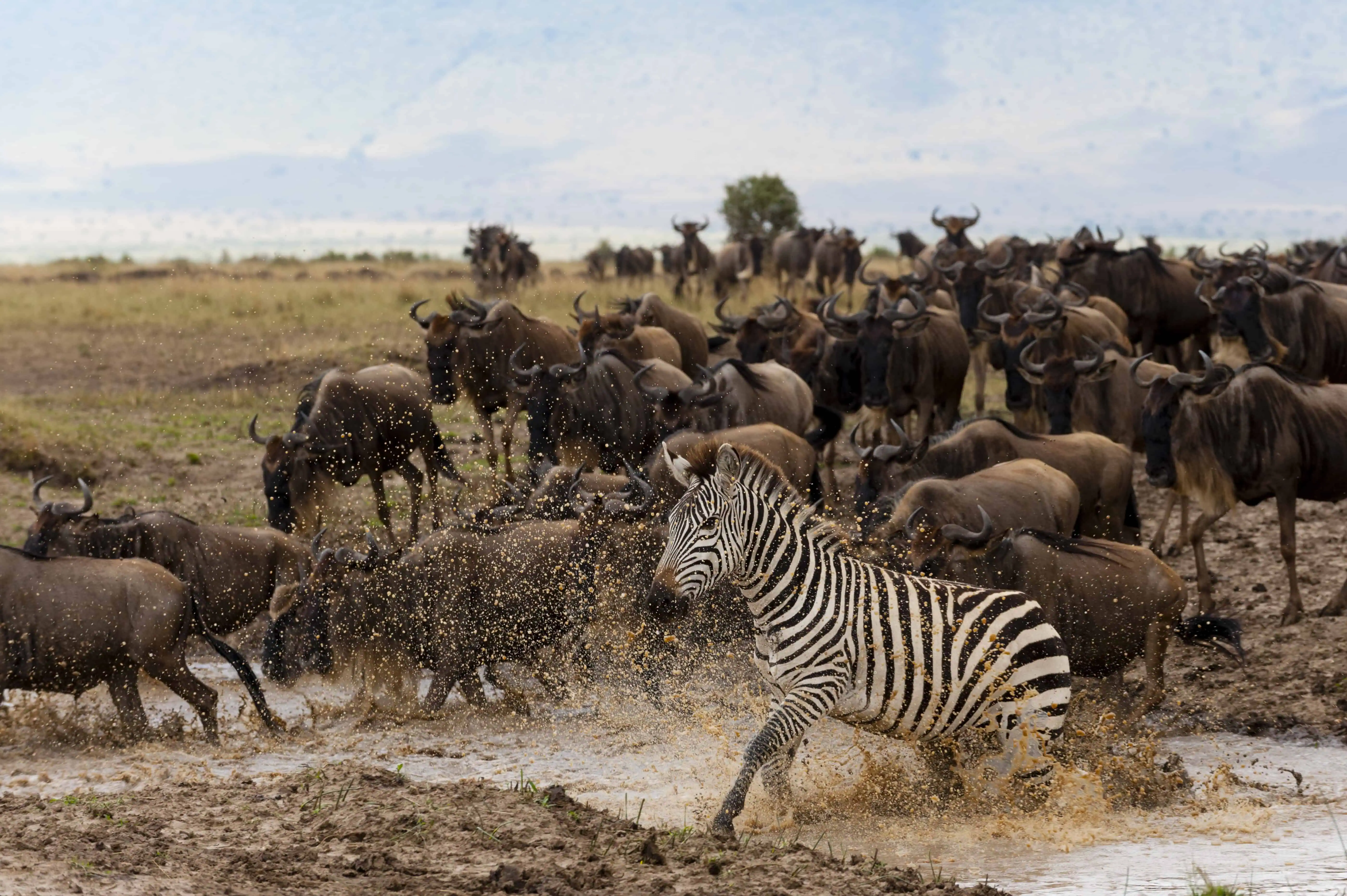
- September: The herds stay in the Mara region through September, though they may start leaving a bit. By late September, the rains start to fall in the southern Serengeti, signaling to the herds that it’s time to head back.
- October: A transition month. In early October, you can often still find massive concentrations of wildebeest in the Mara. Typically, around mid-October, the bulk of the migration leaves Kenya and returns to Tanzania. However, in recent years, some wildebeest were noted staying in the Mara as late as November, according to expertafrica.com – possibly due to irregular rain patterns.
- November – June: The migratory herds are in Tanzania during these months.
| Recommended SAFARI ESSENTIALS we personally use and trust | ||
| 🧳 Travel duffle bag | 👕 Long shirt: Men | Women | 👕 Short shirt: Men | Women |
| 👖 Pants: Men | Women | 🧥 Light fleece: Men | Women | 🌧️ Rain jacket: Men | Women |
| 🥾 Shoes: Men | Women | 🧢 Safari sun hat | 🕶️ Sunglasses |
| 🔋 Power bank | 🔭 Binoculars | 🔌 Universal plug adapter |
| 🦟 Insect repellent (DEET) | 💧 Electrolyte tablets | 🎒 Daypack |
More information in our complete post about Kenya safari clothing.
Lion season in Kenya
The best time of year to go on safari in Kenya to see lions is during the long dry season from June to October.
In the Masai Mara, this coincides with the Great Migration, offering amazing predator-prey interactions.
Amboseli National Park sees lions more easily in these dry months, when animals gather at water sources against the backdrop of Mount Kilimanjaro.
In Tsavo East National Park and Tsavo West National Park, the landscapes open up as vegetation thins as it becomes less green, making lion prides easier to track near permanent rivers and waterholes.
Meanwhile, Meru National Park also peaks in July to October, when access is easier and lions

follow herds in the open savannahs.
Month-by-month Kenya weather overview
| Month | Avg. Day Temp (°C / °F) | Rainfall |
|---|---|---|
| January | 24–30 °C / 75–86 °F | Very low |
| February | 26–33 °C / 79–91 °F | Very low |
| March | 27–32 °C / 81–90 °F | Increasing |
| April | 25–29 °C / 77–84 °F | High |
| May | 24–28 °C / 75–82 °F | Moderate–High |
| June | 22–27 °C / 72–81 °F | Low |
| July | 21–26 °C / 70–79 °F | Very low |
| August | 21–26 °C / 70–79 °F | Very low |
| September | 24–28 °C / 75–82 °F | Low |
| October | 25–29 °C / 77–84 °F | Low–Moderate |
| November | 25–29 °C / 77–84 °F | Moderate |
| December | 26–30 °C / 79–86 °F | Low |
Kenya Safari in January
- Short dry season continues, sunny and dry across most regions.
- Landscapes are green from recent rains but still open enough for excellent wildlife viewing.
- Popular safari parks (Maasai Mara, Amboseli National Park, Samburu National Reserve) are lively with animals at shrinking water sources.
- Clear skies make it a great month for photography and coast + safari combinations.

Temperature in Kenya in January
- Highlands (Nairobi, Mara): 24–30 °C (75–86 °F) daytime.
- Coast (Mombasa, Diani Beach): 28–32 °C (82–90 °F).
Kenya Safari in February
- Typically, the hottest month is still dry and sunny.
- Great wildlife visibility as vegetation thins.
- Migratory birds are present.
- Slightly less crowded than January, but still high season.
Temperature in Kenya in February
- Inland parks: 26–33 °C (79–91 °F) days.
- Coast: ~30 °C (86 °F), very humid.
Kenya safari in March
- Early March remains hot and dry, with great wildlife visibility.
- By late March, long rains often begin, bringing afternoon storms.
- Fewer tourists, lower prices, and landscapes turning greener.
- Newborn animals start to appear, ideal for photographers.
Temperature in Kenya in March
- Safari areas: 27–32 °C (81–90 °F) days.
- Humidity builds steadily toward the month’s end.
Kenya Safari in April
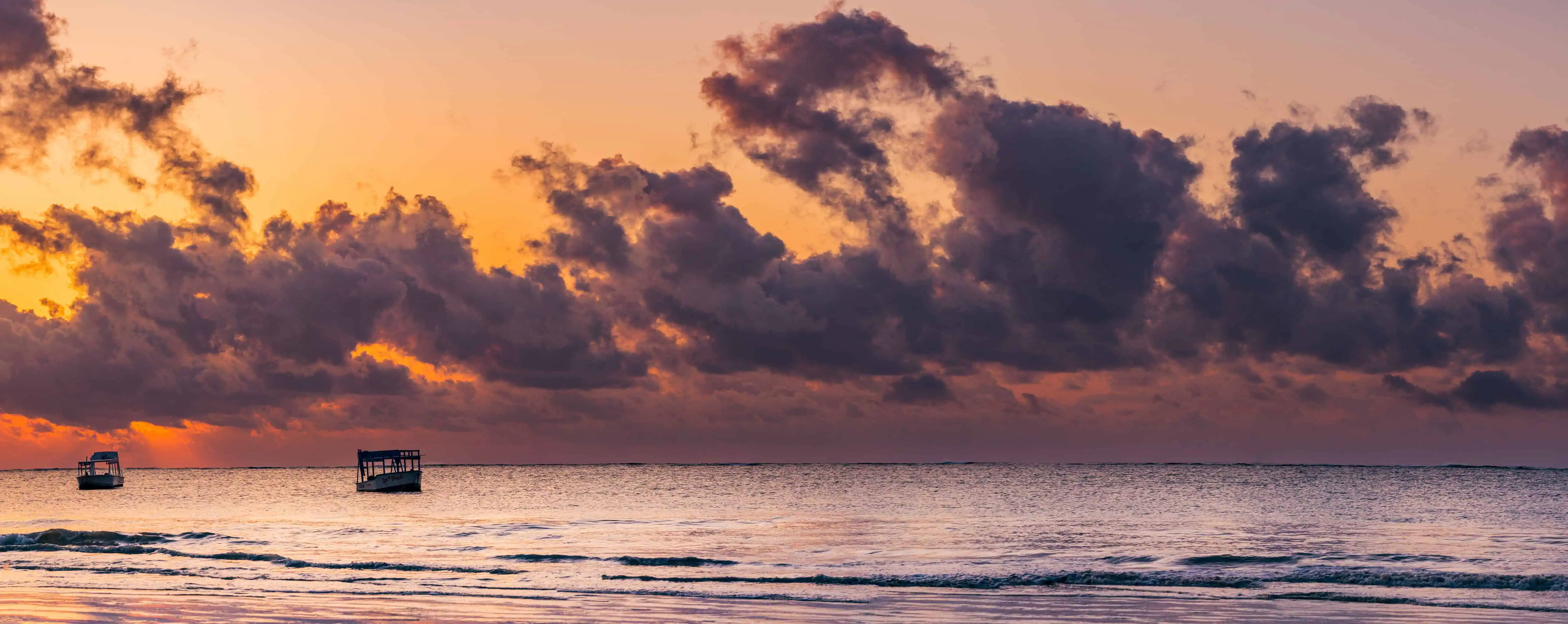
- Peak of the long rains, heaviest rainfall of the year.
- Wildlife is more dispersed, and thicker vegetation makes spotting harder.
- Parks are quieter, and some lodges close.
- Green landscapes, dramatic skies, and low rates.
Temperature in Kenya in April
- 25–29 °C (77–84 °F) days.
- Humid conditions, frequent afternoon or night showers.
Kenya Safari in May
- Long rains continue, but ease up toward the end of May.
- Landscapes are lush and vibrant, excellent for photography.
- Wildlife is harder to spot.
- Quiet parks, off-peak rates, fewer travelers.
Temperature in Kenya in May
- Average 24–28 °C (75–82 °F) days.
- Overcast skies and fewer sunshine hours.
Kenya Safari in June
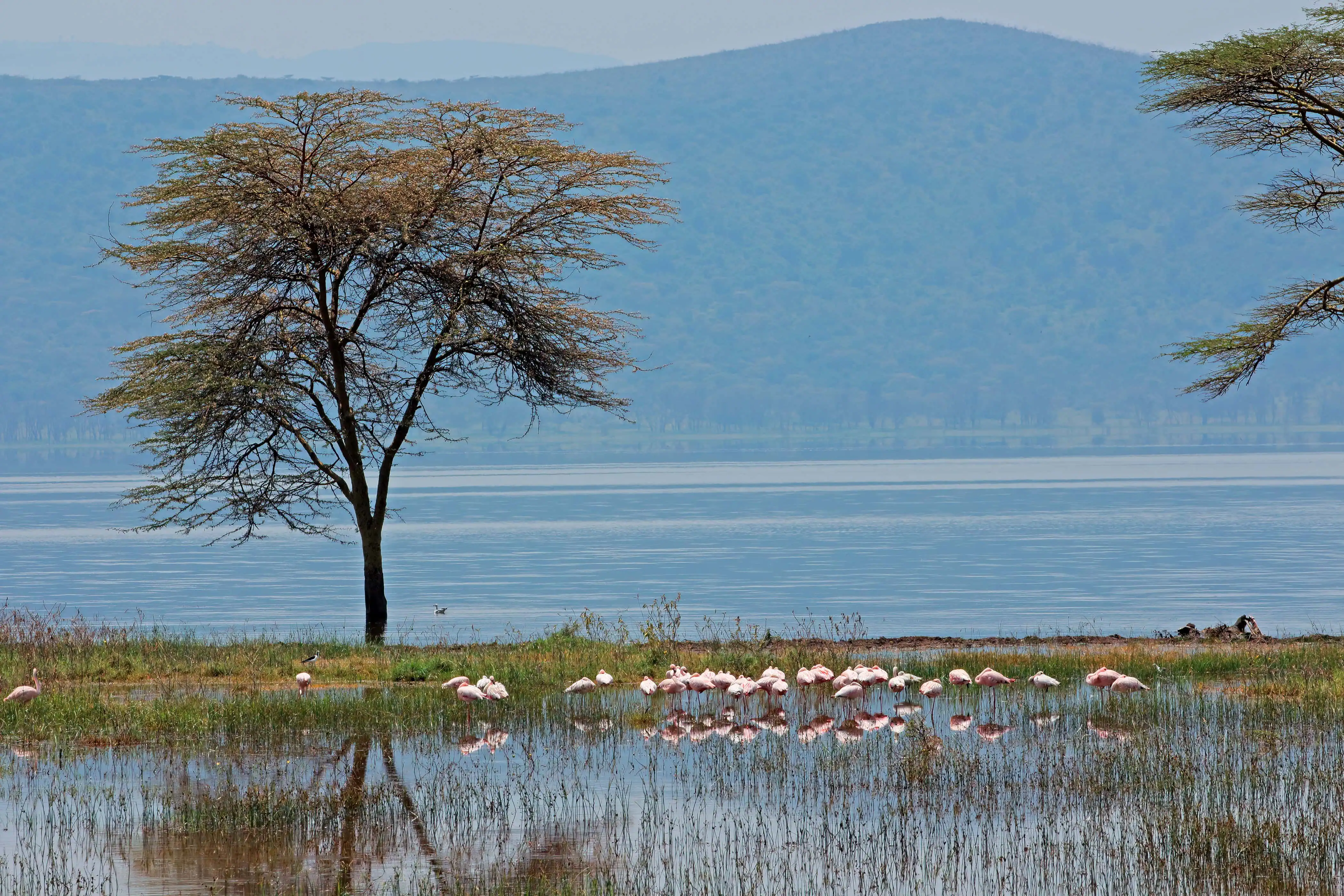
- Start of the long dry season, clear skies, and little rain.
- Grasses shorten, and wildlife is easier to spot.
- Great time for early sightings of migrating wildebeest in the Mara.
- Comfortable weather, parks not yet crowded.
Temperature in Kenya in June
- 22–27 °C (72–81 °F) days.
- Cool mornings and evenings, pack layers for game drives!
Kenya Safari in July
- Cool, dry “winter” month in Kenya.
- Peak safari season, Great Migration reaches the Mara.
- Wildlife congregates near rivers and waterholes.
- Very popular, book early.
Temperature in Kenya in July
- 21–26 °C (70–79 °F) during the day.
- Cold mornings and nights, ~10–12 °C (50–54 °F).
- Very low rainfall, clear skies.
Kenya safari in August
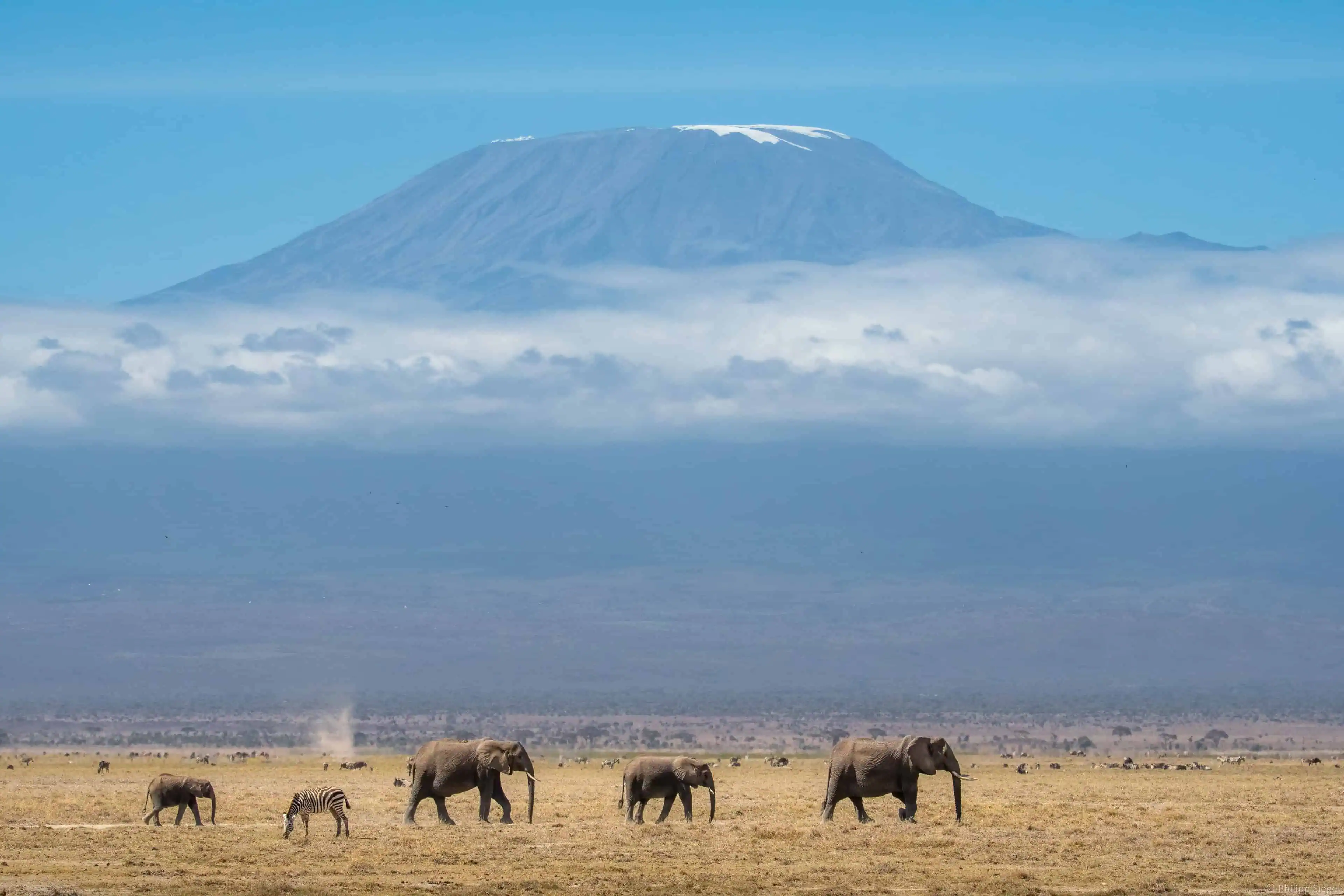
- Dryest, coolest month.
- Great Migration river crossings at their peak in the Mara.
- Excellent viewing in Amboseli (clear Kilimanjaro views).
- Ideal month for safari + beach trips.
Temperature in Kenya in August
- 21–26 °C (70–79 °F) days.
- Very dry, clear skies, minimal rainfall.
Kenya safari in September
- Dry season continues, slightly warmer than July and August.
- Migration herds are still in the Mara, and predators are active.
- Tourist numbers begin to decline, and there are fewer crowds.
- Excellent for photography and game drives.
Temperature in Kenya in September
- 24–28 °C (75–82 °F) days.
- Very low rainfall, 9+ hours of sunshine daily.
| Recommended SAFARI ESSENTIALS we personally use and trust | ||
| 🧳 Travel duffle bag | 👕 Long shirt: Men | Women | 👕 Short shirt: Men | Women |
| 👖 Pants: Men | Women | 🧥 Light fleece: Men | Women | 🌧️ Rain jacket: Men | Women |
| 🥾 Shoes: Men | Women | 🧢 Safari sun hat | 🕶️ Sunglasses |
| 🔋 Power bank | 🔭 Binoculars | 🔌 Universal plug adapter |
| 🦟 Insect repellent (DEET) | 💧 Electrolyte tablets | 🎒 Daypack |
More information in our complete post about Kenya safari clothing.
Kenya safari in October
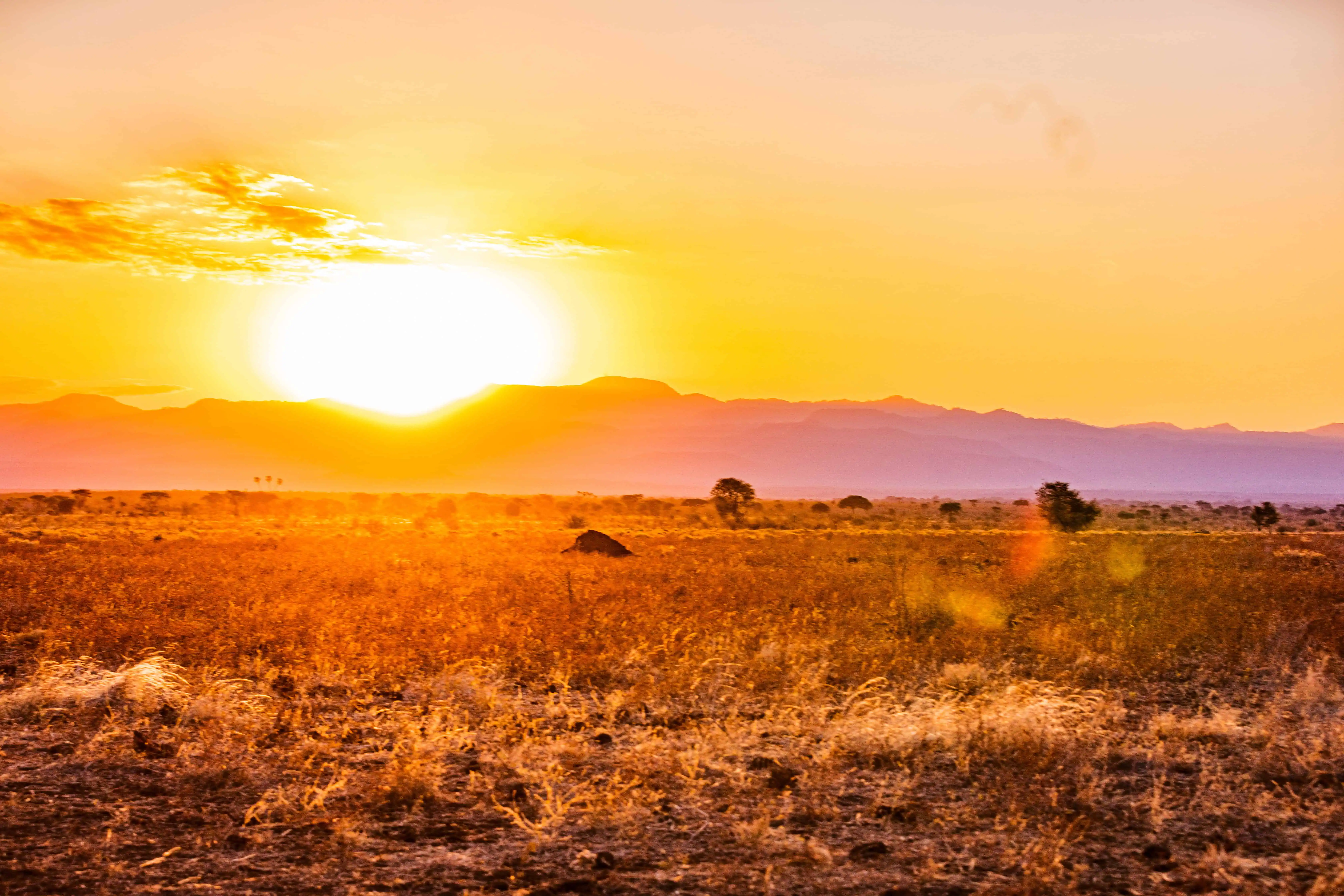
- Dry season fading, hotter weather builds.
- Great wildlife sightings, fewer tourists.
- Birdlife increases with the first migrants arriving.
- Short rains start late in the month with brief showers.
Temperature in Kenya in October
- 25–29 °C (77–84 °F) days.
- Humidity rises, still 8 hours of sun per day.
Kenya Safari in November
- Short rains set in, often afternoon or evening showers.
- Lush green landscapes, newborn animals visible.
- Migratory birds arrive, and there is excellent birdwatching.
- Quieter parks with reduced rates.
Temperature in Kenya in November
- 25–29 °C (77–84 °F) days.
- Humid, but mornings are usually sunny before rain.
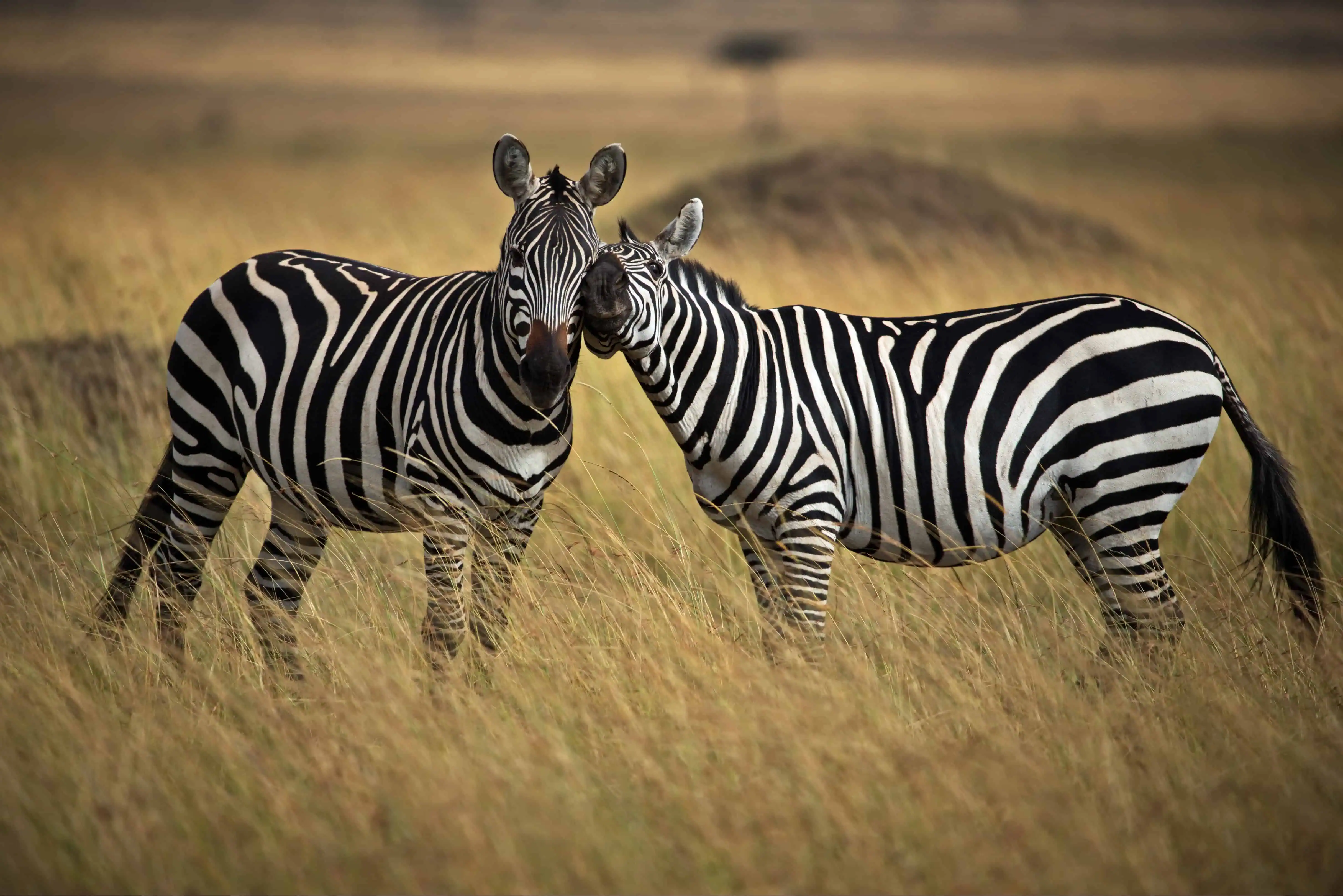
Kenya Safari in December
- Short rains taper off early, mostly dry and sunny afterward.
- Lush, green scenery, abundant wildlife.
- The holiday season brings more travelers and higher rates.
- Excellent month for both safari and Kenya’s beaches.
Temperature in Kenya in December
- 26–30 °C (79–86 °F) days, 16–21 °C (60–70 °F) nights.
- Comfortable inland, hotter and humid on the coast.
Prices for an itinerary like ours start from $360 per person per day (all-inclusive).
Simply fill in the form below to get FREE QUOTES from trusted local tour companies that we’ve personally traveled with.
It only takes 60 seconds, and you’ll receive custom itineraries and pricing directly in your inbox within 48 hours.
Free of charge. No pressure. No obligation.
*Our trusted local partners create every itinerary with care. We kindly ask that you submit a request only if you’re considering traveling.
Best time for specific travelers
Different travelers have different priorities.
You might be a photographer, a couple, a budget-conscious traveler, or a family with kids.
We break down the optimal timing for various interests and needs.
For photography lovers
If photography is your priority, we recommend you go in late May to early June, when the landscapes are still green from the rains but animals begin gathering at water sources, offering both vibrant scenery and excellent wildlife density.
For budget-conscious travelers
For the best value, travel in October, just after the Migration season, when lodges drop rates by up to 30 percent, yet wildlife viewing remains strong before the short rains intensify.
For birdwatching lovers
The prime time for birding is February and March, when migratory species are still present and resident birds are in peak breeding plumage, creating maximum diversity and color.
For families with children
The most comfortable and child-friendly conditions are in July–August, when it is dry, cool, and mosquito levels are lowest, making safaris easy, safe, and exciting for kids.
The travel items you’ll wish you had in Kenya
One often-overlooked “cost” of safari is what you WEAR AND PACK.
You don’t need to spend a fortune on SPECIALIZED SAFARI GEAR, but depending on what you have already, you might need to budget for a few clothing items or accessories to be comfortable in KENYA’S CLIMATE.
Here’s a QUICK SUMMARY:
- 🧥 Mornings and evenings in Kenya can get surprisingly chilly, bring a lightweight FLEECE (Link for men) (Link for women) so you can stay warm without overpacking.
- 🦟 Don’t let bugs ruin your safari. Grab this OFF MOSQUITO SPRAY for long-lasting protection in the bush!
- 🚰 Tap water isn’t safe to drink in Kenya, so pack a Vapur Insulated WATER BOTTLE and avoid the cost (and waste) of buying plastic daily.
- 🔌 Kenya uses UK-style outlets. This UNIVERSAL ADAPTER will keep your gear charged without any surprises.
- 🔋 Long drives and power cuts happen this Belkin POWER BANK keeps your phone and camera ready for anything.
- 🦓 Want to actually see that leopard in the distance? These travel-friendly BINOCULARS make your game drives way more exciting.
- 🧴 The equator sun hits hard, bring a reef-safe SPF 50+ SUNSCREEN so you don’t spend your trip nursing a burn.
- 👟 For walking safaris or climbing Mt.Kenya, good WALKING SHOES (Link for men) (Link for women) are non-negotiable in Kenya. Trust your feet, you’ll be glad you did.
- 🎒 Safari days start early and last long. This 24L Vaude backpack is perfect for snacks, layers, and your camera gear.
- 🩹 The closest pharmacy might be hours away. A compact travel FIRST AID KIT is worth its weight in peace of mind.
Conclusion: Best time to visit Kenya
Deciding when is the best time to visit Kenya depends on what kind of safari experience you want during a 2 week safari, 10 day Kenya safari, 7-day kenya safari or even a 5-day Kenya safari if you are short on time!
The wet season in Kenya (March–May and November) is not recommended as roads might be inaccessible.
For us, the best time of year to visit Kenya is during the long dry season (June–October), which is also widely considered the best time of year for a Kenya safari.
👉 BONUS: This is also the best time to go on safari in the Maasai Mara, when the Great Migration is in full swing.