
Welcome to the complete Kenya national park entry fees guide!
Let’s look at the entry fees for tourists, the difference between high and low season, opening hours, etc.
*With more than a decade of experience in Kenya, we have visited almost all national parks, understanding their fees and rules. It’s that knowledge you will find in this article.
KEY TAKEAWAYS
💸 UPDATE PRICES: The prices for national parks displayed in this post have been updated according to the latest Kenyan legislation of September 2025. Compared to last year, Kenya National Park entry fees are 30% – 100% (!) MORE EXPENSIVE.
🦁 Masai Mara is the most expensive reserve: Seasonal pricing applies, meaning USD 200 in high season vs USD 100 in low season for adults per 12 HOURS (6 am – 6 pm).
🐘 KWS national parks: Amboseli, Tsavo, Meru, and Lake Nakuru have FLAT ENTRY FEES all year.
💳 Payments are cashless: For all KWS national parks, fees are paid via the eCitizen online portal (not cash).
Prices for an itinerary like ours start from $360 per person per day (all-inclusive).
Simply fill in the form below to get FREE QUOTES from trusted local tour companies that we’ve personally traveled with.
It only takes 60 seconds, and you’ll receive custom itineraries and pricing directly in your inbox within 48 hours.
Free of charge. No pressure. No obligation.
*Our trusted local partners create every itinerary with care. We kindly ask that you submit a request only if you’re considering traveling.
Kenya national park entry fees overview
| Park / Reserve | Adult (Non-Resident) | Student or child (3–17 yrs) |
|---|---|---|
| Masai Mara National Reserve | USD 200 high season / USD 100 low season | USD 50 |
| Amboseli National Park | USD 90 | USD 45 |
| Samburu National Reserve | USD 90 | USD 50 |
| Meru National Park | USD 70 | USD 35 |
| Tsavo East & Tsavo West NP | USD 80 | USD 40 |
| Lake Nakuru National Park | USD 90 | USD 45 |
| Nairobi National Park | USD 80 | USD 40 |
| Ol Pejeta Conservancy | USD 110 | USD 55 |
| Mount Kenya National Park & Reserve | USD 80 | USD 35 |
| Hell’s Gate National Park | USD 50 | USD 25 |
*UPDATE PRICES: The prices for national parks displayed in this post have been updated according to the latest Kenyan legislation of September 2025. On average, Kenya National Park entry fees are 30% – 100% (!) more expensive.
Difference between national parks and national reserves
The first thing you need to know is that there is a big difference in prices between national parks and national reserves.
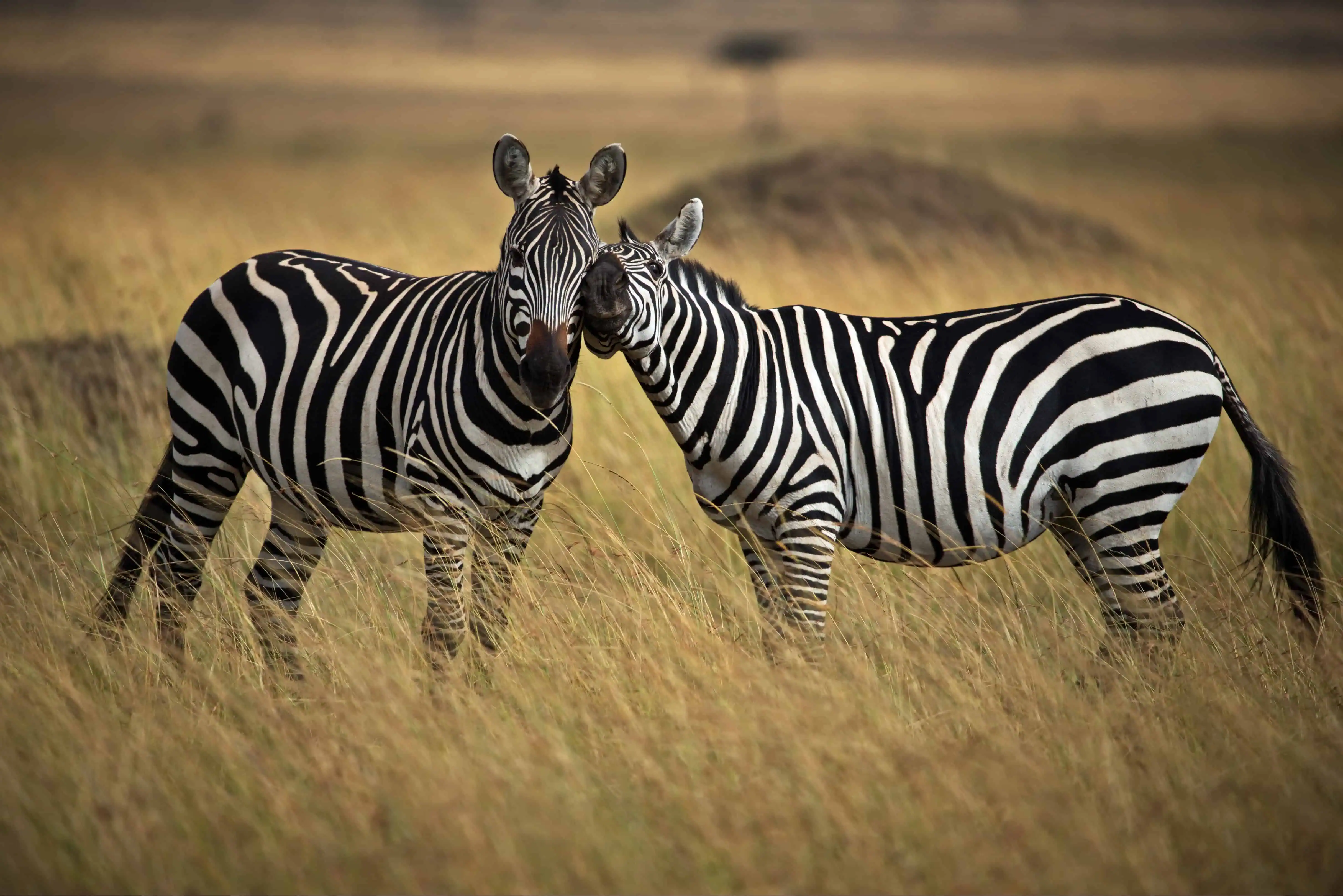
National parks
National parks in Kenya are managed directly by the Kenya Wildlife Service (KWS).
They are protected areas set aside for biodiversity conservation, wildlife corridors, and tourism.
For example, these areas include Amboseli National Park, Tsavo West National Park, Lake Nakuru National Park, and Mount Kenya National Park & Reserve.
KWS sets a uniform pricing policy, which stays the same year-round.
National reserves
National reserves, like the Masai Mara National Reserve or Samburu National Reserve, are managed by local county governments or community organizations.
For example, the Narok County Government manages the Masai Mara, while Samburu County oversees Samburu.
This gives them more autonomy in setting entry fees (which are higher than national park’s), operating rules, and revenue allocation.

You can use our widget below to fill in the short form. Our trusted local tour operators will send you a personalized itinerary within 48 hours for your ultimate Kenya safari.
Prices for an itinerary like ours start from $360 per person per day (all-inclusive).
Simply fill in the form below to get FREE QUOTES from trusted local tour companies that we’ve personally traveled with.
It only takes 60 seconds, and you’ll receive custom itineraries and pricing directly in your inbox within 48 hours.
Free of charge. No pressure. No obligation.
*Our trusted local partners create every itinerary with care. We kindly ask that you submit a request only if you’re considering traveling.
Understanding park fees and seasons
Kenya’s park fees vary by park and by season.
For national reserves, high season runs from June to October and December to March (peak wildlife viewing and holiday periods), while low season covers the other months due to the rainy season. You can read more about it in our Kenya weather post!
During high season, fees for international visitors (non-residents) are SIGNIFICANTLY higher than in low season.
For example, a park like the Masai Mara costs $100 in low season and costs $200 in high season for the same entry.
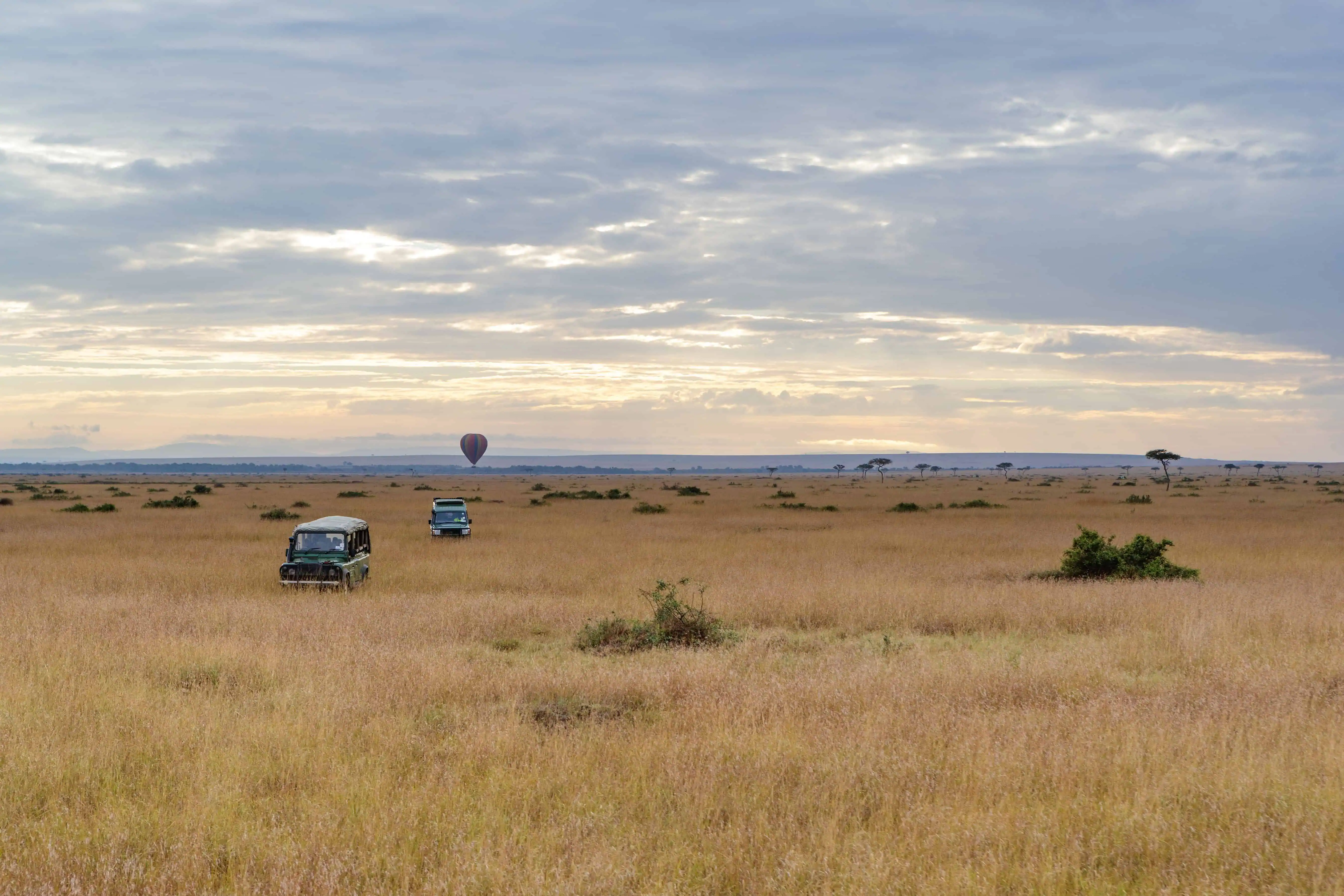
👉 INSIDER TIP: If you are visiting the parks during your 5 day Kenya safari or a 10 day Kenya safari, then you are obliged to use the Kenya Wildlife Service eCitizen online portal to pre-pay your park fees before your visit. It’s a hassle to create your profile, but the rangers are the entrance of the park can help! If you have a private driver or guide, then they will take care of this.
Also, note that fees are charged per 12-hour or 24-hour period.
If you stay inside a park overnight, you won’t need to pay again until your 24-hour ticket expires.
But if you stay outside and re-enter the next day, you’ll pay a new fee (Kenya national park entry fees are not cheap).
All prices below are in USD and EUR for adult international visitors (non-residents).
Child rates are lower, and Kenyan citizens enjoy heavily discounted rates (mostly around 3 USD for 24 hours).
👉 INSIDER TIP: Always be insured when you’re traveling! There’s a company called SafetyWing that we swear by. It’s insurance designed with digital nomads in mind. It covers you in over 180 countries, and it’s quite affordable, starting at $56.28 (ages 18-39) per month. It covers not just emergency situations, but you can, for example, visit a doctor if you have the flu, and it also includes the prescribed drugs. Use the widget below to discover your price!
National park fees for KWS areas
The Kenya Wildlife Service (KWS) manages most of Kenya’s parks.
The most visited parks during 5-day, 7-day, and 10-day Kenya safaris include Amboseli, Hell’s Gate, Lake Nakuru, Meru, Mount Kenya, Nairobi National Park, and Tsavo East & West National Park.
For a full list of KWS parks and their fees, you can visit their official website.
You can now arrange your park permits through the KWS online portal.
Create an eCitizen account (the same one you use for a tourist visa), which you can create here in a few simple steps.

Then, you can select the ‘National Park Entry’ option, apply for your permit, and make the payment.
Don’t underestimate this, the portal is burdensome, not all buttons work as they are supposed to, and the payment might take a few times. You can ask the ranger to help with the payment so that you can pay with your card.
There are no visitor limits in KWS parks (although this might change in the future), so you won’t have to worry about availability at the gate.
We recommend getting your Kenya national park entry fees at the entrance itself rather than beforehand. Why? Rangers can help set up your account, and your plans might always change.
You can use our widget below to fill in the short form. Our trusted local tour operators will send you a personalized itinerary within 48 hours for your ultimate Kenya safari.
Prices for an itinerary like ours start from $360 per person per day (all-inclusive).
Simply fill in the form below to get FREE QUOTES from trusted local tour companies that we’ve personally traveled with.
It only takes 60 seconds, and you’ll receive custom itineraries and pricing directly in your inbox within 48 hours.
Free of charge. No pressure. No obligation.
*Our trusted local partners create every itinerary with care. We kindly ask that you submit a request only if you’re considering traveling.
National park fees for the Masai Mara National Reserve
One of Africa’s premier wildlife destinations, Masai Mara is famous for the Great Migration and is full of big cats.
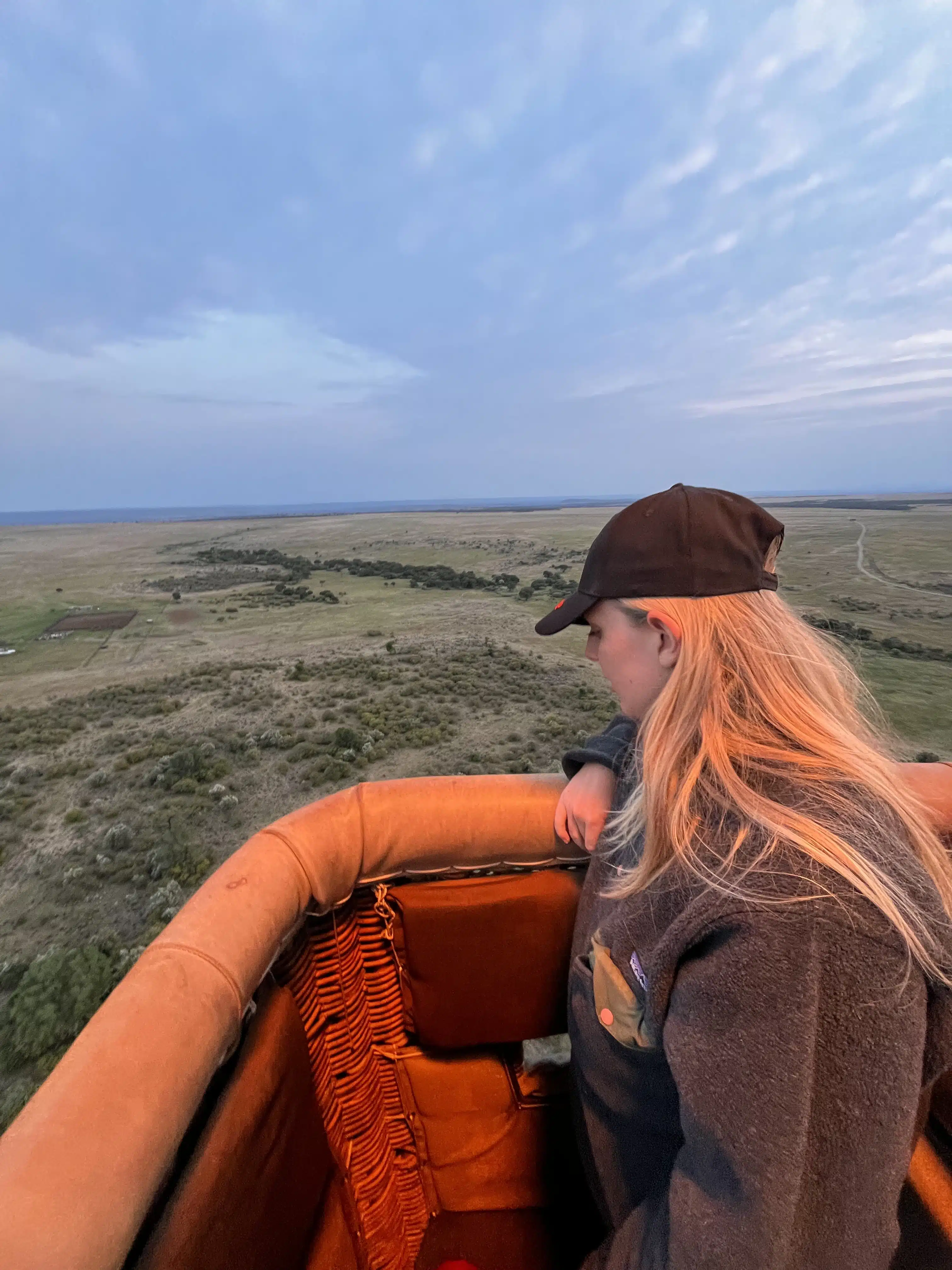
Next to game drives, activities at the Mara include horse riding, hot air balloon ride, night game driving, etc.

Masai Mara ecosystem
The Masai Mara ecosystem is divided into three main sections and several smaller private conservancies.
- Masai Mara National Reserve: entry points include Sekenani (the busiest gate), Oloolaimutia, Talek (east), Musiara (north), and Purungat Mara River (south).
- Mara Triangle: the main entry is through Oloololo Gate, but you’ll first need a transit permit from Sekenani Gate.
- Mara North Conservancy: this northern area is home to luxury lodges offering all-inclusive game drives, which are better suited for guided experiences than self-drivers.
Private conservancies
The three main sections of the Masai Mara are surrounded by several private conservancies.
Why choose a private conservancy OVER the national reserve?
The entry fees to private conservancies are a lot less, and since the Masai Mara is NOT A GATED PARK, the animals are free to roam meaning you can see everything from the national reserve also in the private conservancies.
Northern & Eastern Conservancies
- Mara North Conservancy: One of the largest and most established, with strong community partnerships (MOST RECOMMENDED).
- Olare Motorogi Conservancy: Known for low vehicle density and excellent predator sightings.
- Naboisho Conservancy: Offers high-end safari experiences, night game drives, and walking safaris.
Southern & Western Conservancies
- Ol Kinyei Conservancy: Among the first community conservancies, offering intimate wildlife experiences.
- Lemek Conservancy: A smaller, community-based conservancy with fewer visitors.
Additional conservancies
- Enonkishu Conservancy: Focuses heavily on balancing livestock and wildlife coexistence.
- Ol Chorro Conservancy: Next to Enonkishu, with fewer camps.
- Ol Derkesi Conservancy: A growing conservancy close to the Sand River area.
- Mara Ripoi Conservancy: A newer conservancy with eco-tourism projects.
If you stay at a lodge in a private conservancy, conservation fees are added to your hotel bill. If you camp in a conservancy, you still need to pay an entrance fee to visit the Reserve or Triangle, where most of the animals are found.
Entrance fees to Masai Mara
Its fees were recently updated, so budget accordingly for this world-class experience.
Kenya national park entry fees for the Masai Mara National Reserve (according to the authorities):
| Category | High season | Low season |
|---|---|---|
| Adult (Non-Resident) | USD 200 (EUR 170) | USD 100 (EUR 85) |
| Child (9–17 years) | USD 50 (EUR 43) | USD 50 (EUR 43) |
| Child (0–8 years) | FREE | FREE |
Check the Masai Mara Reserve and Mara Triangle websites for the latest fees and rules.
- Operating Hours: 6:00 AM to 6:00 PM daily for visitors. Your entry ticket is valid for 12 hours (6 am–6 pm) if you’re not overnighting inside. If you stay inside the Mara, you can be in the park beyond 6 pm (at your lodge), but must exit by 10:00 AM on your departure day or pay an extra day’s fee.
- Payment Methods: At the main gates (Sekenani, Talek, etc.), you can pay by credit card, cash (USD or KES), or M-Pesa mobile money. However, if you’re entering the western Mara Triangle section, be aware that it’s cashless only; no cash is accepted there, so use Visa/Mastercard or M-Pesa.
👉 INSIDER TIP: Most safari packages to the Masai Mara already INCLUDE the park entry fees in the total cost.
Always double-check with your tour operator so you don’t accidentally pay twice.
Fly-in safaris (where you charter a small plane to the Mara) often require you to pay the fee upon landing, so have a card or cash ready in that case.
| Recommended SAFARI ESSENTIALS we personally use and trust | ||
| 🧳 Travel duffle bag | 👕 Long shirt: Men | Women | 👕 Short shirt: Men | Women |
| 👖 Pants: Men | Women | 🧥 Light fleece: Men | Women | 🌧️ Rain jacket: Men | Women |
| 🥾 Shoes: Men | Women | 🧢 Safari sun hat | 🕶️ Sunglasses |
| 🔋 Power bank | 🔭 Binoculars | 🔌 Universal plug adapter |
| 🦟 Insect repellent (DEET) | 💧 Electrolyte tablets | 🎒 Daypack |
More information in our complete post about Kenya safari clothing.
National park fees for Amboseli National Park
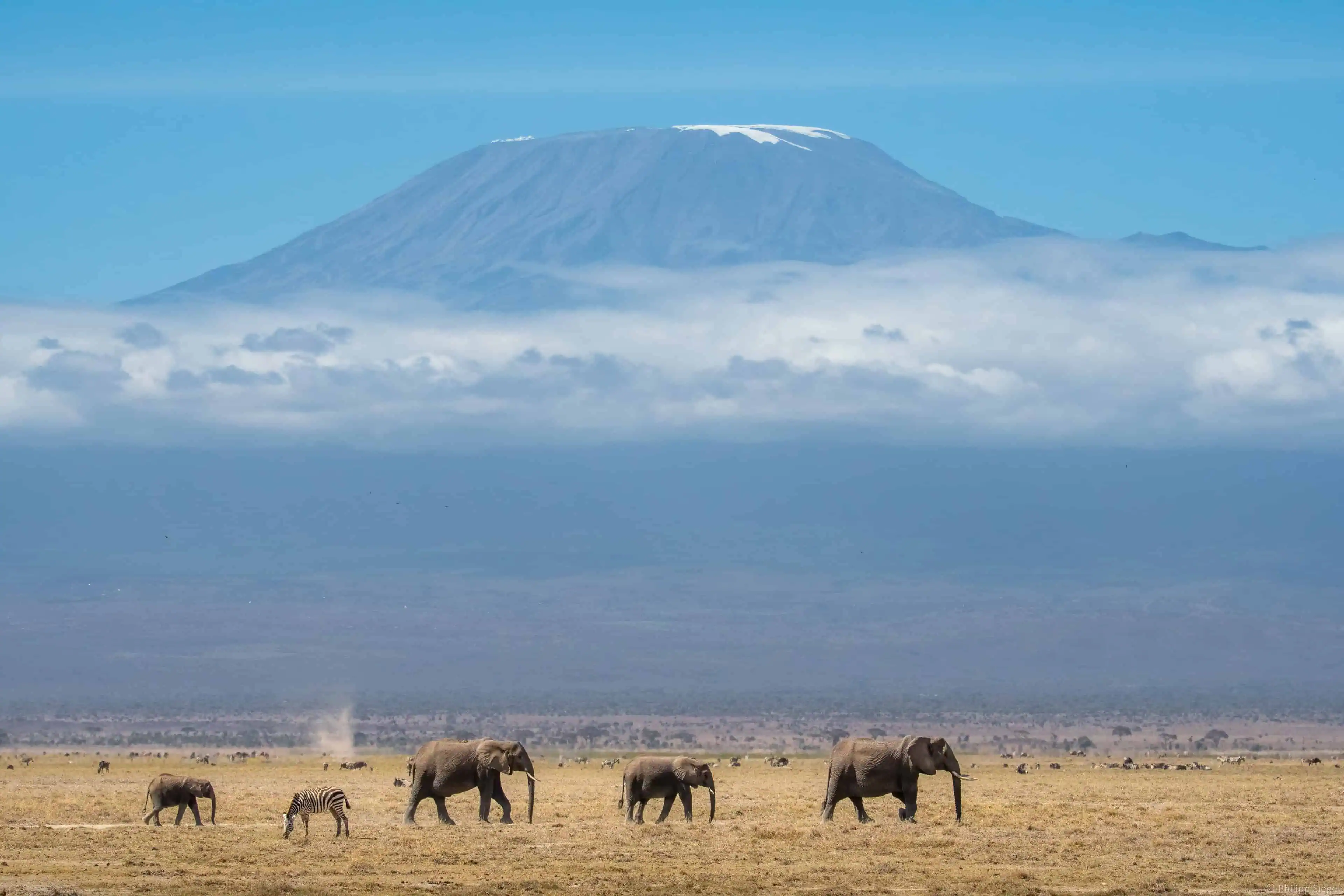
Next on our list of Kenya national park entry fees is Amboseli.
Known for its iconic views of Mount Kilimanjaro and large elephant herds, Amboseli is another must-visit.
Kenya national park entry fees for Amboseli National Park:
| Category | Entry fee | Notes |
|---|---|---|
| Adult (Non-Resident) | USD 90 (EUR 77) | Amboseli is classified as a Kenya Wildlife Service “premium park,” same tier as Lake Nakuru. |
| Child (3–17 years) | USD 50 (EUR 43) | Discounted child rate, flat all year long. |
| Child (0–2 years) | FREE | No entry fee. |
*Amboseli only has one entry fee all year round (no high or low season), according to the Kenya Wildlife Service.
- Operating Hours: Open daily from 6:00 AM to 6:00 PM (sunrise to sunset). No night game drives are allowed in the main park, and visitors must be out by 6:00 PM unless you’re staying at a lodge inside the park.
- Payment Methods: Only cashless payments are accepted at Amboseli. Pay at the gate using Visa/Mastercard or mobile money (M-Pesa).
National park fees for the Samburu National Reserve

Up in Kenya’s northern area, Samburu offers a more remote safari with unique wildlife (like Grevy’s zebra and gerenuk antelope).
It’s less crowded than the western and eastern parks.
Kenya national park entry fees for the Samburu National Reserve:
| Category | Entry fee | Notes |
|---|---|---|
| Adult (Non-Resident) | USD 90 (EUR 77) | Flat fee, valid year-round (no high vs. low season pricing). |
| Child (3–17 years) | USD 50 (EUR 43) | Discounted child rate, valid year-round. |
| Child (0–2 years) | FREE | No entry fee. |
*Samburu only has one entry fee all year round (no high or low season).
Operating Hours: Gates open at 6:00 AM and close by 6:00 PM, similar to other parks. In Samburu, many lodges are located along the river inside the reserve.
- Payment Methods: You can buy your permit on arrival at Archer’s Gate (the main entrance). Accepted payment methods include Visa/Mastercard, M-Pesa, or cash in USD or Kenyan Shillings.
Prices for an itinerary like ours start from $360 per person per day (all-inclusive).
Simply fill in the form below to get FREE QUOTES from trusted local tour companies that we’ve personally traveled with.
It only takes 60 seconds, and you’ll receive custom itineraries and pricing directly in your inbox within 48 hours.
Free of charge. No pressure. No obligation.
*Our trusted local partners create every itinerary with care. We kindly ask that you submit a request only if you’re considering traveling.
National park fees for Meru National Park
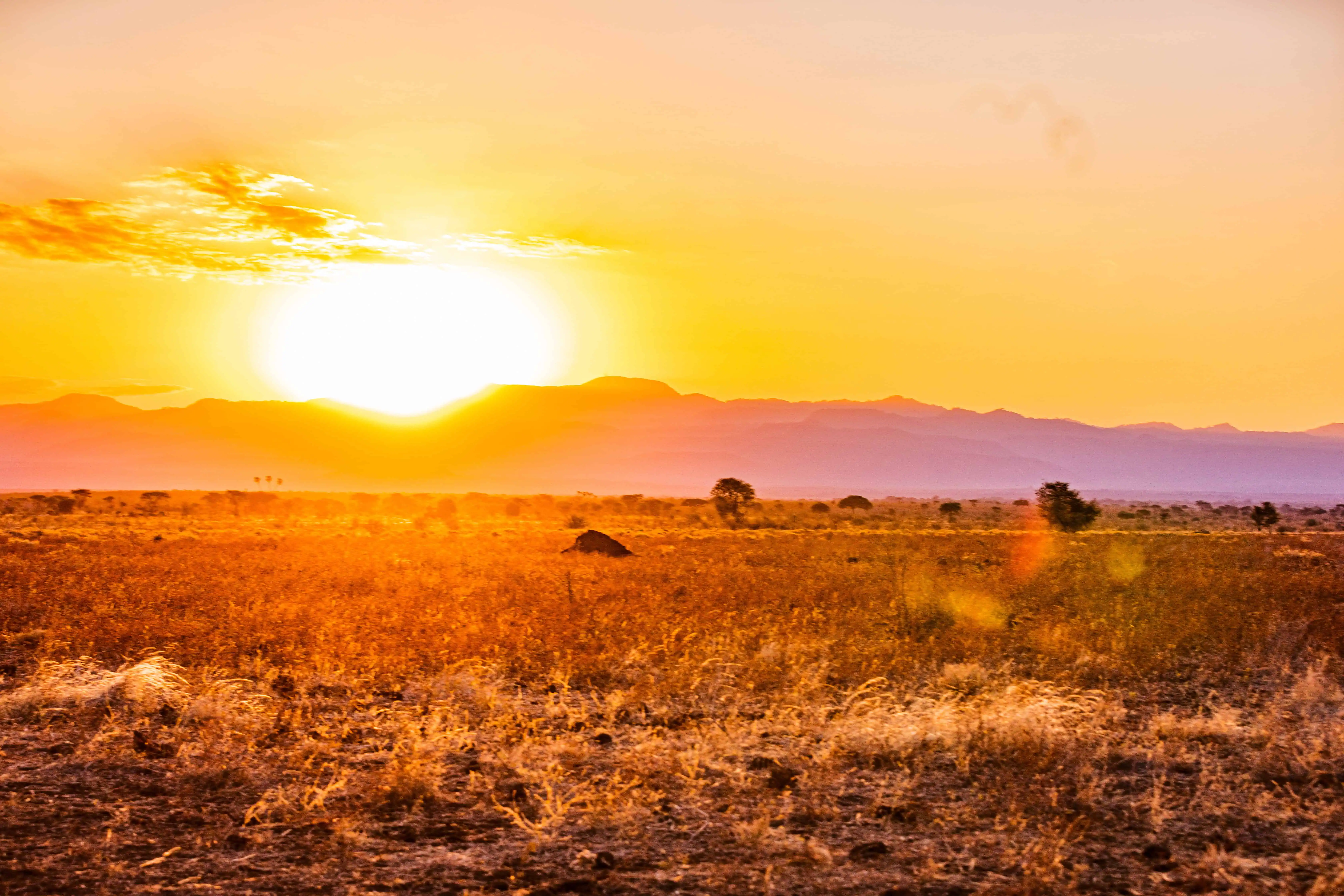
Meru is a less-visited national park, off the beaten path in the north of Kenya.
Kenya national park entry fees for Meru National Park:
| Category | Entry fee | Notes |
|---|---|---|
| Adult (Non-Resident) | USD 70 (EUR 60) | Meru is categorized by the Kenya Wildlife Service as a wilderness park, so its entrance fees are lower than premium parks like Amboseli or Lake Nakuru. |
| Child (3–17 years) | USD 35 (EUR 30) | Consistent child rate, valid year-round. |
| Child (0–2 years) | FREE | No entry fee. |
*Meru only has one entry fee all year round (no high or low season), according to the Kenya Wildlife Service.
- Operating Hours: 6:00 AM to 6:00 PM for park access (standard KWS hours). Meru has several gates, with Murera Gate being the main entry. Once inside, you can explore until evening, but no night driving is allowed (unless to your lodge in the park).
- Payment Methods: As a KWS park, Meru’s entry fees NEED TO BE PAID via credit card, M-Pesa, or online in advance. The park gates are equipped for electronic payment.
National park fees for Tsavo East & Tsavo West National Parks
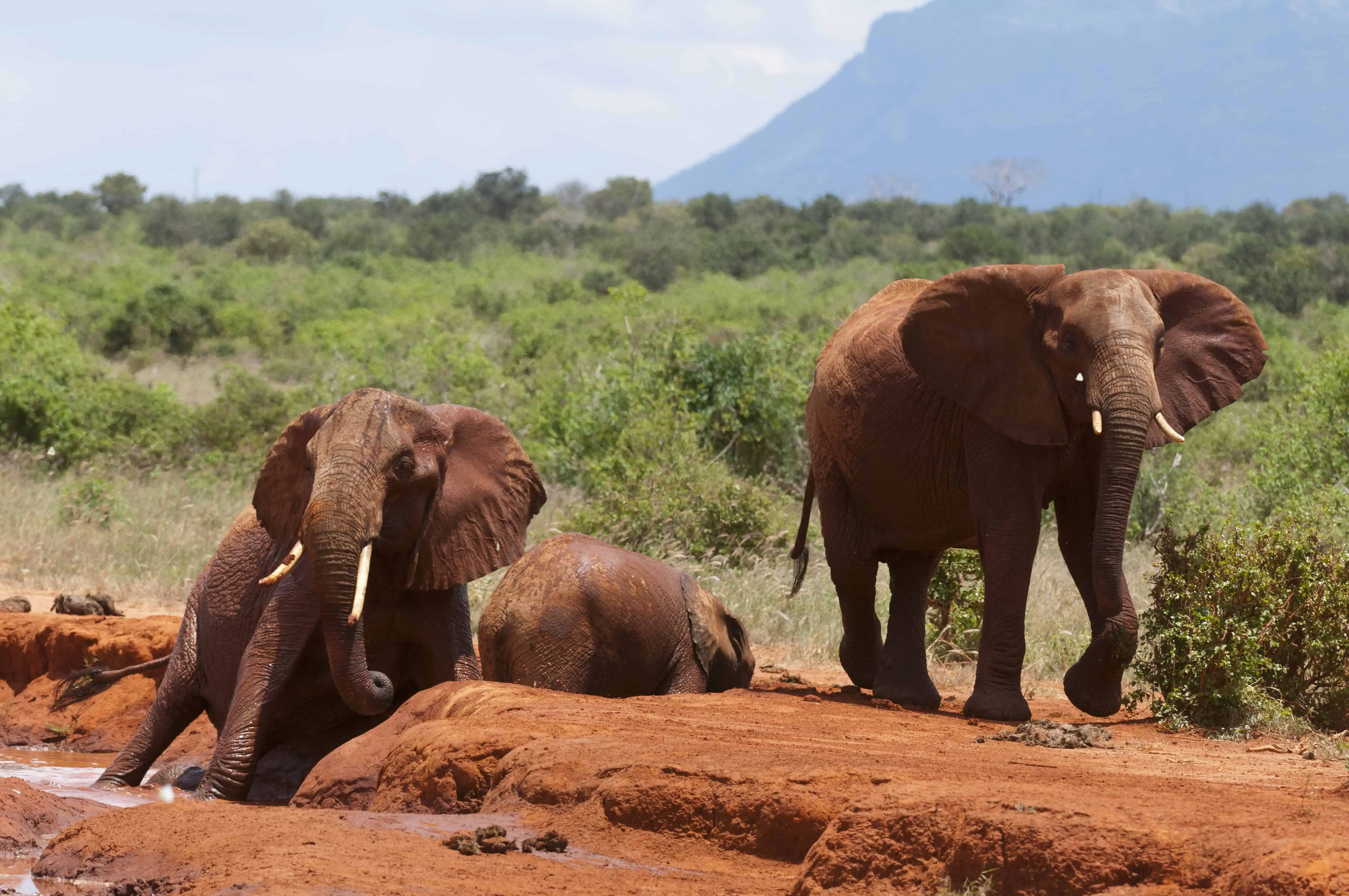
Together, Tsavo East and West make up one of the largest wildlife ecosystems in Kenya and must be visited during your 5 day Kenya safari.
These twin parks are often visited separately, but their fees and regulations are the same.
Tsavo East is known for red-dust elephants and open plains, while Tsavo West offers dramatic scenery like Mzima Springs and the Shetani lava flows.
Kenya national park entry fees for Tsavo East & Tsavo West National Parks:
| Category | Entry fee | Notes |
|---|---|---|
| Adult (Non-Resident) | USD 80 (EUR 69) | Both Tsavo East and Tsavo West have identical pricing structures, set by the Kenya Wildlife Service. |
| Child (3–17 years) | USD 40 (EUR 35) | Flat child rate, valid year-round. |
| Child (0–2 years) | FREE | No entry fee. |
*Both Tsavo’s only have one entry fee all year round (no high or low season), according to the Kenya Wildlife Service for Tsavo East and Tsavo West.
👉 INSIDER TIP: Even though TSAVO EAST and TSAVO WEST NATIONAL PARK share the same pricing, each is a separate protected area. If you visit both on consecutive days, you’ll pay two separate park entry fees. Plan your safari vehicle routes carefully, especially given the distance between gates, and always respect the speed limit (40 kph / 25 mph) to avoid fines and protect wildlife.
- Operating Hours: Open 6:00 AM to 6:00 PM daily (gates close at 6pm). These parks are massive, so it’s wise to start your game drives early. If you’re transferring between the two Tsavos, plan your timing carefully to avoid being stuck outside a closed gate after 6pm.
- Payment Methods: As a KWS park, Tsavo East & West’s entry fees NEED TO BE PAID via credit card, M-Pesa, or online in advance. The park gates are equipped for electronic payment.
National park fees for Lake Nakuru National Park
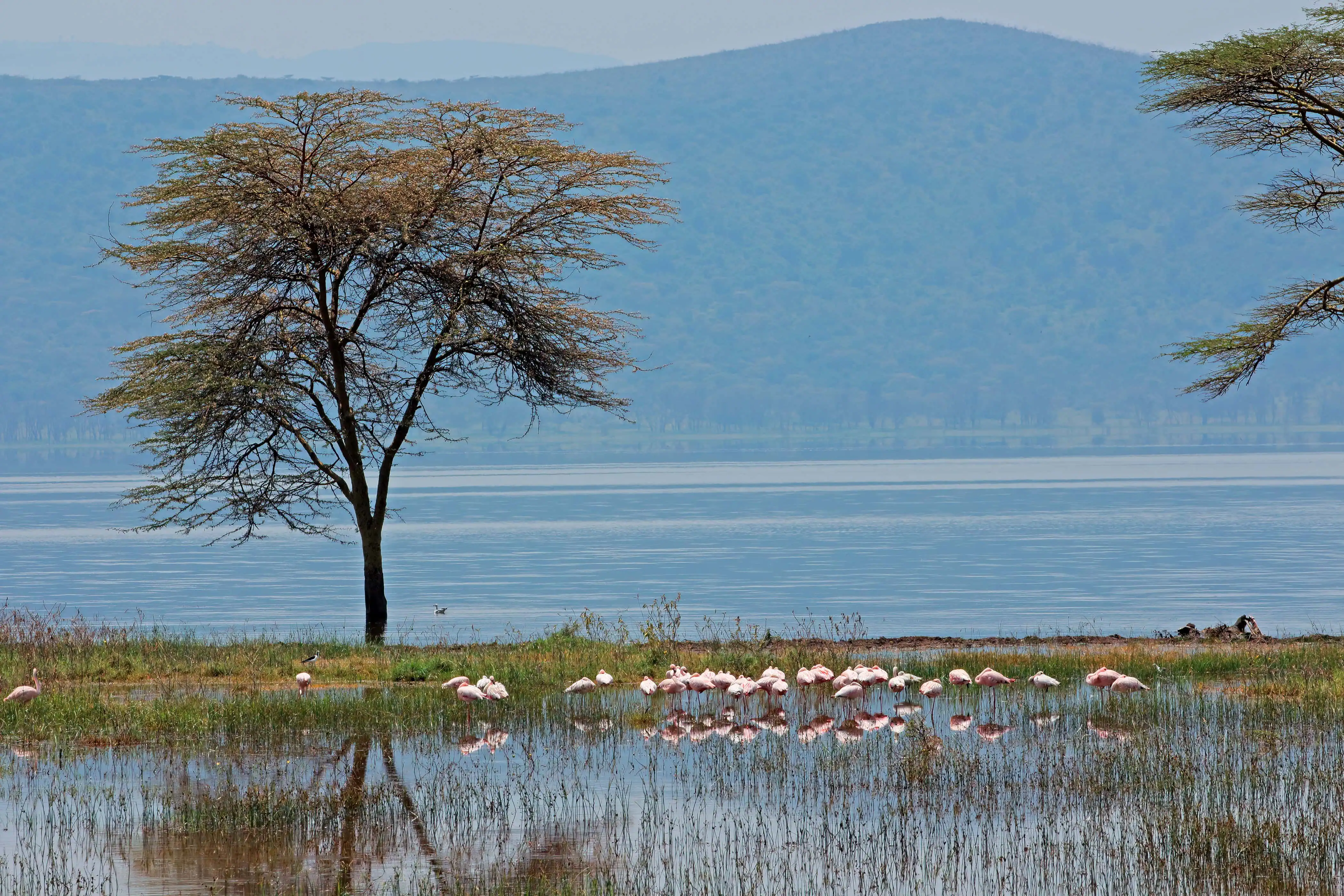
Famed for its flocks of flamingos painting the lake shore pink (though flamingo numbers vary with water levels), Lake Nakuru is a small park known for easy game viewing.
It’s one of the best places in Kenya to see rhinos and leopards.
Kenya national park entry fees for Lake Nakuru National Park:
| Category | Entry fee | Notes |
|---|---|---|
| Adult (Non-Resident) | USD 90 (EUR 77) | Lake Nakuru is a Kenya Wildlife Service premium park, famous for rhinos and seasonal flamingos. |
| Child (3–17 years) | USD 45 (EUR 39) | Flat child rate, valid year-round. |
| Child (0–2 years) | FREE | No entry fee. |
*Nakuru National Park only has one entry fee all year round (no high or low season), according to the Kenya Wildlife Service.
👉 INSIDER TIP: Since Nakuru is fenced and relatively compact, you can see most of the wildlife highlights (including both black and white rhinos) in one full-day game drive. If Emily and Jake want to maximize value, it’s smart to arrive at the entrance gates when they open at 7:00 AM.
- Operating Hours: All entry gates open at 7:00 AM and close by 6:00 PM daily. Lake Nakuru has three main gates (Main Gate, Lanet Gate, and Nderit Gate). Once inside, you can drive around until about sunset.
👉 DID YOU KNOW: Nakuru is fenced and known as a sanctuary for rhinos, so rules are strict about not entering after hours.
- Payment Methods: As a KWS park, Lake Nakuru’s entry fees NEED TO BE PAID via credit card, M-Pesa, or online in advance. The park gates are equipped for electronic payment.
Wildlife highlights at Nakuru include both black and white rhinos (often spotted grazing on the plains), Rothschild’s giraffes, buffaloes, and tree-climbing lions (if you’re lucky).
Prices for an itinerary like ours start from $360 per person per day (all-inclusive).
Simply fill in the form below to get FREE QUOTES from trusted local tour companies that we’ve personally traveled with.
It only takes 60 seconds, and you’ll receive custom itineraries and pricing directly in your inbox within 48 hours.
Free of charge. No pressure. No obligation.
*Our trusted local partners create every itinerary with care. We kindly ask that you submit a request only if you’re considering traveling.
National park fees for Nairobi National Park

Few places in the world let you see lions and giraffes against the backdrop of a modern skyline.
Nairobi National Park is unique because it sits just 5 miles (8 km) from Nairobi’s city center, making it a convenient half-day safari option right after you land or before you fly out.
Kenya national park entry fees for Nairobi National Park:
| Category | Entry fee | Notes |
|---|---|---|
| Adult (Non-Resident) | USD 80 (EUR 70) | Nairobi National Park is unique for being so close to the capital, offering game drives just minutes from the city center. |
| Student / Child (3–17 years) | USD 40 (EUR 35) | Flat child rate, valid year-round. |
| Child (0–2 years) | FREE | No entry fee. |
- Operating Hours: Open daily from 6:00 AM to 6:00 PM. Since it’s so close to the airport, many travelers fit in a morning game drive before an afternoon flight.
- Payment Methods: Like other KWS-managed parks, Nairobi National Park is cashless. You can pay with Visa/Mastercard, M-Pesa, or via the eCitizen portal in advance.
National park fees for Ol Pejeta Conservancy
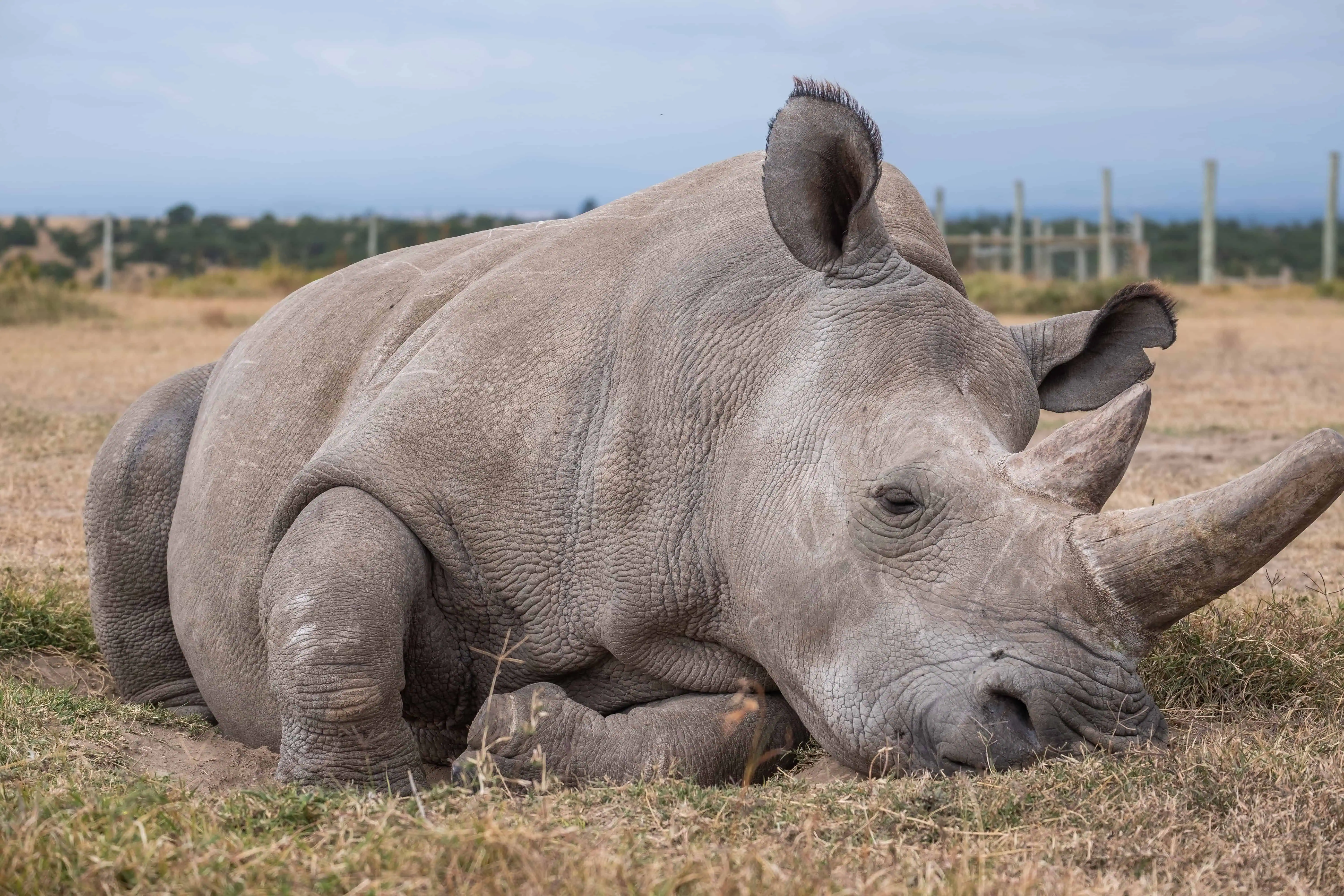
Nestled in Laikipia, Ol Pejeta Conservancy is a shining example of wildlife preservation and a must-visit during your 5 day Kenya safari.
It’s the only place in Kenya where you can see the last two northern white rhinos, alongside lions, elephants, and a chimp sanctuary, all within a conservation context.
Kenya national park entry fees for Ol Pejeta Conservancy:
| Category | Entry fee | Notes |
|---|---|---|
| Adult (Non-Resident) | USD 110 (EUR 95) | Includes access to game drives, rhino sanctuary, and chimpanzee sanctuary. |
| Child (3–17 years) | USD 55 (EUR 47) | Flat rate year-round. |
| Student* | USD 32 (EUR 28) | Valid with proof of student ID. |
| Child (0–2 years) | FREE | No entry fee. |
- Operating hours: Entry through Rongai or Serat Gate is permitted daily from 7:00 AM to 7:00 PM.
- Payment methods: Ol Pejeta requires online booking in advance (their website/booking platform). This is the first Kenyan conservancy to offer this, helping you avoid delays at the gate, according to Ol Pejeta Conservancy.
National park fees for Mount Kenya National Park & Reserve
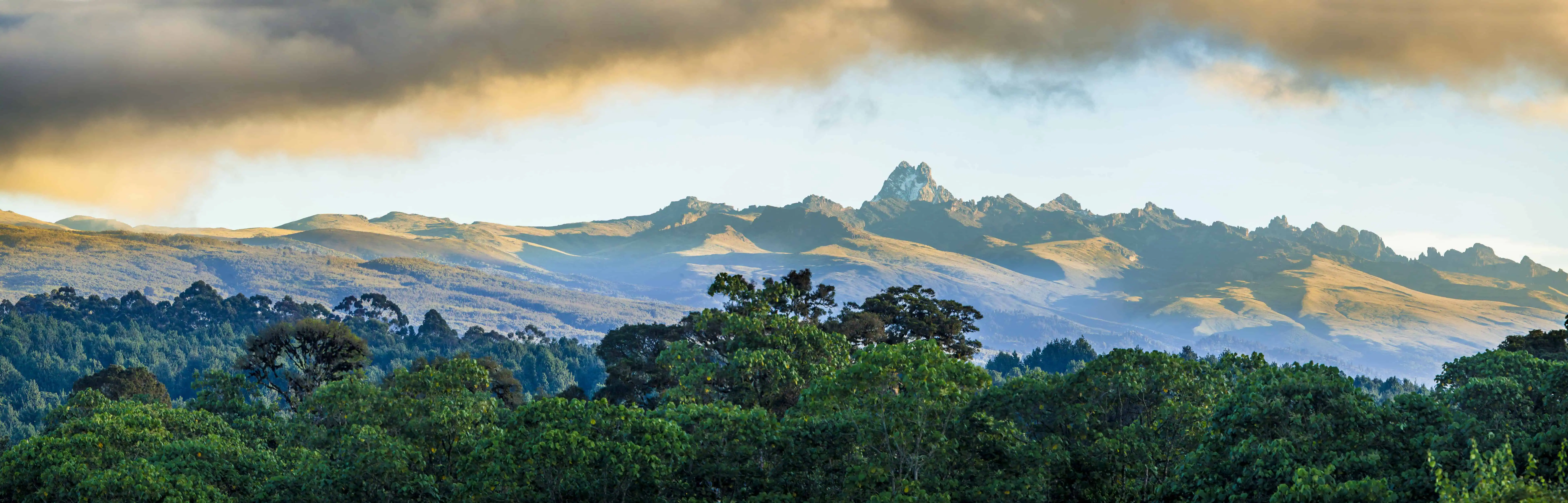
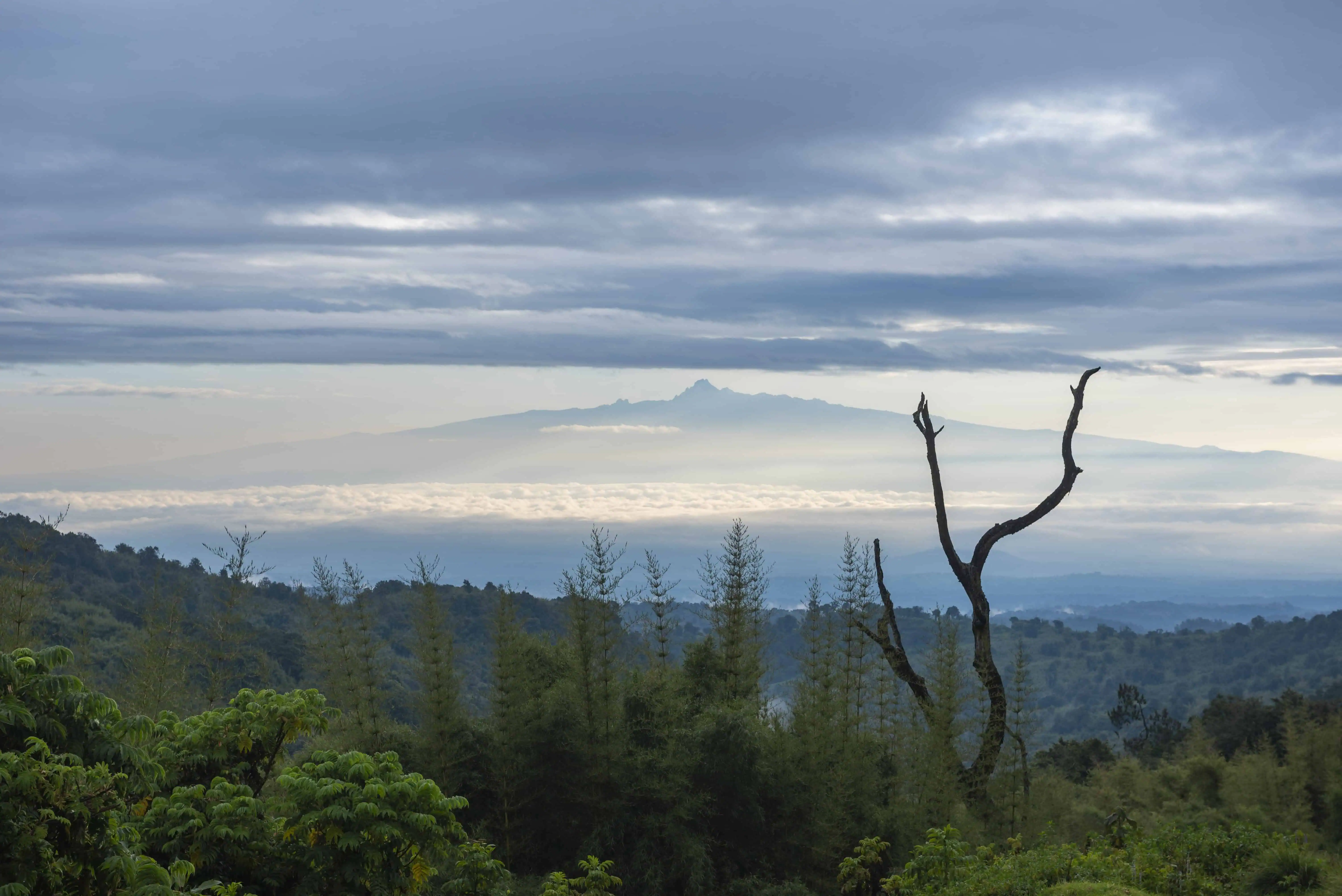
Mount Kenya National Park & Reserve is a UNESCO World Heritage Site and a storied jewel of Kenya’s protected areas.
Dominated by the frost‑capped peaks of Batian (5,199 m), Nelion (5,188 m), and Point Lenana (4,984 m), the park blends alpine glaciers, deep forest, and highland wildlife biodiversity conservation in a way few landscapes do.
The park is managed by the Kenya Wildlife Service and lies about 150‑175 km (90–110 mi) northeast of Nairobi.
You can access it via Sirimon, Naro Moru, or Chogoria routes.

Entry fees & camping rates
Here are the current park entry fees (2024–2025) for non‑resident adult international visitors, paid per day:
- Day‑trip (1 day): USD 80 (EUR 70) per adult; children/students (non‑residents): USD 35 (EUR 30)
- Multi‑day climbing packages (non‑residents):
- 3 days: USD 156 (EUR 132)
- 4 days: USD 208 (EUR 176)
- 5 days: USD 260 (EUR 220)
- 6 days: USD 312 (EUR 264)
Camping is available with these entrances; non‑resident adult camping fee is included in the package or USD 35 (EUR 30) per night when booked separately.
Vehicle entry & aircraft landing fees
If you’re using a safari vehicle to reach the park or bring equipment, expect these vehicle entry fees per day: Fewer than 6 seats: KSH 300 (~USD 2.50)
Opening hours, rules & payment methods
- Operating hours: Gates open at 6:00 AM and close at 6:00 PM. If you’re staying longer (camping or climbing multi‑day), departure must be before dusk unless arranged otherwise.
- How to pay: Entry, camping, and activity fees are processed cashless via the eCitizen platform using Mpesa phone payment, Visa & Mastercard, or electronic funds transfer. Print your digital receipt for gate entry.
Activities & optional charges
Beyond game drive and safari adventure norms, Mount Kenya delivers unique experiences.
You’ll find:
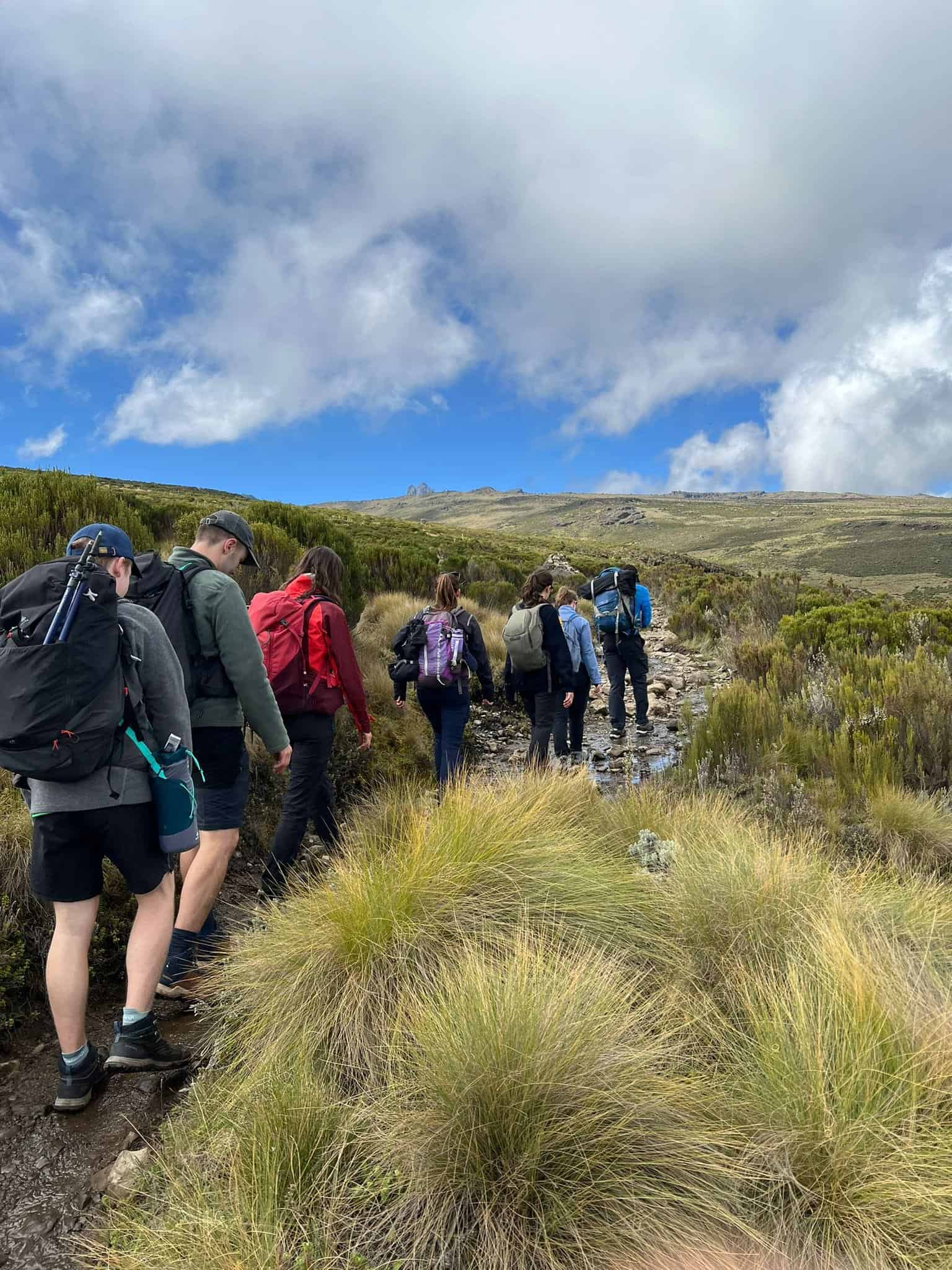
- Guided hikes and mountain climbing are included in the entry package; guides and porters (USD 20–30 per guide/day, USD 10–20 porter/day) are recommended but optional
- Fishing (per line per day): KSH 1,550 (~USD 13).
- Security/guided tours (per guide):
- Up to 4 hours: KSH 1,720 (~USD 14)
- Over 4 hours: KSH 3,015 (~USD 24)
- Walking safaris: KSH 1,500 (~USD 12) per person/day.
National park fees for Hell’s Gate National Park
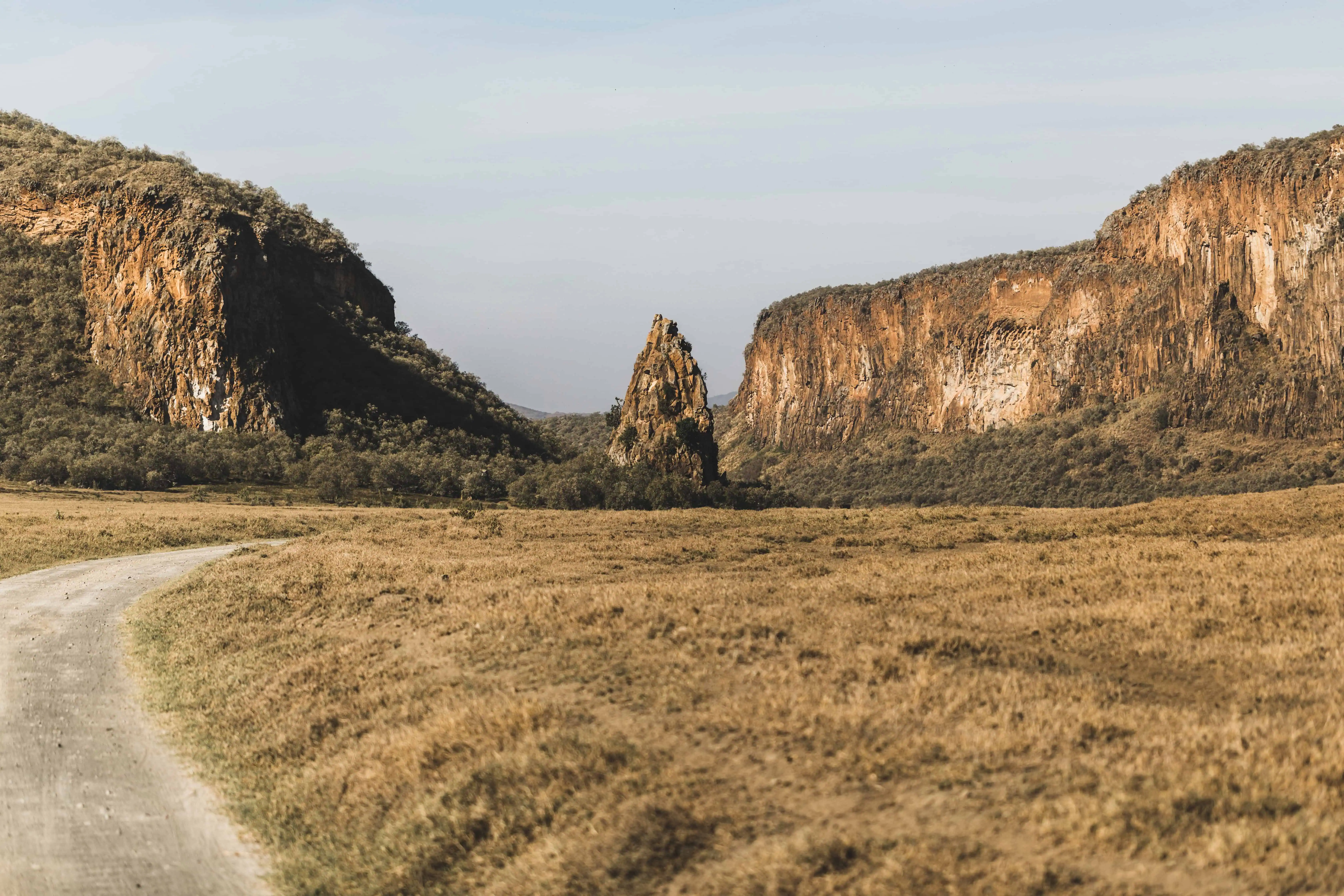
Hell’s Gate is unique among Kenya’s parks; here, you can walk or cycle alongside zebras and giraffes since there are no big predators roaming free.
It’s a popular day trip from Nairobi or Lake Naivasha and is known for its cliffs and gorges (inspiring scenes from The Lion King!).
Kenya national park entry fees for Hell’s Gate National Park:
| Category | Entry fee | Notes |
|---|---|---|
| Adult (Non-Resident) | USD 50 (EUR 43) | One of the most affordable Kenya Wildlife Service national parks, known for walking and cycling safaris. |
| Child (3–17 years) | USD 25 (EUR 21) | Flat rate year-round. |
| Child (0–2 years) | FREE | No entry fee. |
- Operating Hours: Open 6:00 AM to 6:00 PM daily (roughly sunrise to sunset). No night entry is allowed. Hell’s Gate is often explored in a half-day.
- Payment Methods: Hell’s Gate, being under KWS, uses the same payment system. You can pay park fees at the gate with a credit card or M-Pesa, and they officially promote cashless payments.
One of the draws of Hell’s Gate is that you can actually get out of the vehicle, you can hike the Ol Njorowa gorge (check that it’s open, as it can close in rainy conditions) or cycle on the dirt roads with wildlife all around.
👉 FUN FACT: There’s a spa at the nearby Ol Karia Geothermal Station inside Hell’s Gate where you can soak in natural hot spring pools; consider it a relaxing add-on (separate fee applies for the spa, but entry to that area is covered by your Kenya national park entry fees for Hell’s Gate).
Prices for an itinerary like ours start from $360 per person per day (all-inclusive).
Simply fill in the form below to get FREE QUOTES from trusted local tour companies that we’ve personally traveled with.
It only takes 60 seconds, and you’ll receive custom itineraries and pricing directly in your inbox within 48 hours.
Free of charge. No pressure. No obligation.
*Our trusted local partners create every itinerary with care. We kindly ask that you submit a request only if you’re considering traveling.
The travel items you’ll wish you had in Kenya
One often-overlooked “cost” of safari is what you WEAR AND PACK.
You don’t need to spend a fortune on SPECIALIZED SAFARI GEAR, but depending on what you have already, you might need to budget for a few clothing items or accessories to be comfortable in KENYA’S CLIMATE.
Here’s a QUICK SUMMARY:
- 🧥 Mornings and evenings in Kenya can get surprisingly chilly, bring a lightweight FLEECE (Link for men) (Link for women) so you can stay warm without overpacking.
- 🦟 Don’t let bugs ruin your safari. Grab this OFF MOSQUITO SPRAY for long-lasting protection in the bush!
- 🚰 Tap water isn’t safe to drink in Kenya, so pack a Vapur Insulated WATER BOTTLE and avoid the cost (and waste) of buying plastic daily.
- 🔌 Kenya uses UK-style outlets. This UNIVERSAL ADAPTER will keep your gear charged without any surprises.
- 🔋 Long drives and power cuts happen this Belkin POWER BANK keeps your phone and camera ready for anything.
- 🦓 Want to actually see that leopard in the distance? These travel-friendly BINOCULARS make your game drives way more exciting.
- 🧴 The equator sun hits hard, bring a reef-safe SPF 50+ SUNSCREEN so you don’t spend your trip nursing a burn.
- 👟 For walking safaris or climbing Mt.Kenya, good WALKING SHOES (Link for men) (Link for women) are non-negotiable in Kenya. Trust your feet, you’ll be glad you did.
- 🎒 Safari days start early and last long. This 24L Vaude backpack is perfect for snacks, layers, and your camera gear.
- 🩹 The closest pharmacy might be hours away. A compact travel FIRST AID KIT is worth its weight in peace of mind.



11 Responses