Welcome to Portugal!
Once the capital of Portugal, now home to the OLDEST UNIVERSITY OF THE COUNTRY.
In this blog post, we will share the best things to do in Coimbra Portugal, the many hidden gems you shouldn’t skip for a unique experience, and the itinerary we used for this trip.
Let’s jump in!
What is Coimbra Portugal known for?
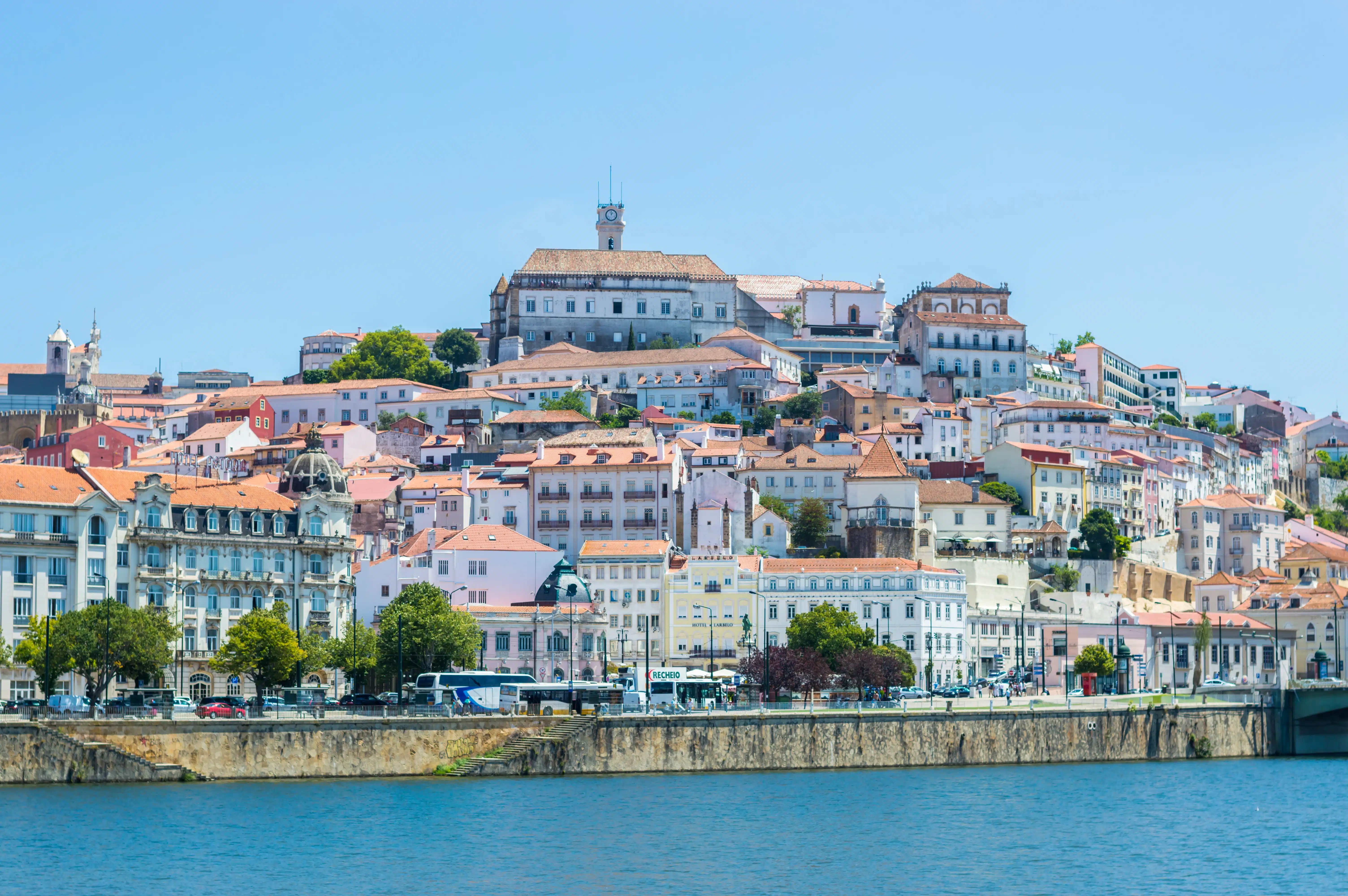
Right by the peaceful River Mondego, Coimbra is a city full of history, culture, and youthful energy. It’s famous for its ancient university, which is one of the oldest in Europe and a UNESCO World Heritage site.
Known as “the city of students,” Coimbra’s university life gives it a unique vibe, blending old traditions with a lively, modern atmosphere.
Whether you’re wandering its ancient streets or soaking up the student buzz, Coimbra has a charm that’s hard to resist.
Where is Coimbra Located?
Coimbra is located in the heart of Portugal, making it an easy and convenient stop when exploring the country. It’s nestled between Porto to the north and Lisbon to the south, so you get the best of both worlds!
Is Coimbra closer to Porto or Lisbon?
Coimbra is closer to Porto. It’s about 120 kilometers (75 miles) south of Porto, making for a quick train ride or drive.
Lisbon is a bit further away, approximately 200 kilometers (125 miles) to the south. There are many ways to reach Coimbra from Lisbon; you can check out this Lisbon transportation guide for more info!
The Best Time to Visit Coimbra
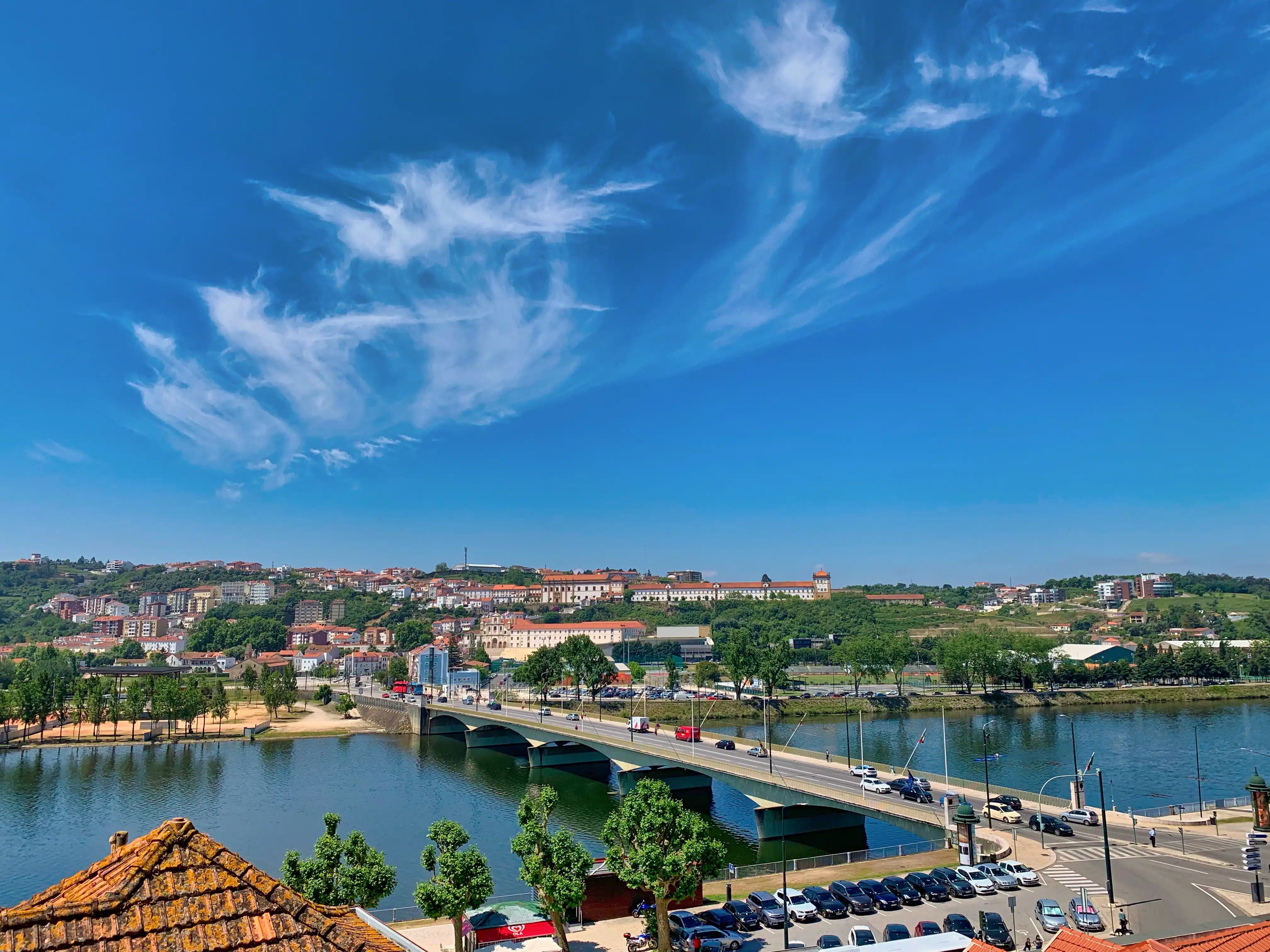
Deciding when to visit Coimbra can really shape your experience.
The city has something special to offer year-round, but we personally find the best times to visit are during the spring (April to June) and fall (September to October). During these months, the weather is pleasantly warm, with average temperatures ranging from 15°C to 25°C (59°F to 77°F), making it perfect for exploring the city’s historic sites and enjoying outdoor activities.
In spring, Coimbra comes alive with blooming flowers and vibrant student festivals, creating a lively and colorful atmosphere. The Festa das Latas, a traditional student festival, is a highlight, filling the streets with music and parades.
Fall, on the other hand, offers a more relaxed vibe with beautiful autumn colors and fewer tourists, allowing you to enjoy the city’s charm at your own pace.
Summer (July to August) can be quite hot, with temperatures often reaching up to 30°C (86°F) or higher. From our personal experience visiting in the summer, the heat can be intense, but it’s also the time for lively events and festivals, such as the famous Queima das Fitas. This student celebration fills the city with music, parades, and fun, offering a unique glimpse into Coimbra’s vibrant culture. Just be sure to stay hydrated and take breaks in the shade or at one of the many charming cafes.
Winter (November to March) is quieter and cooler, with temperatures ranging from 5°C to 15°C (41°F to 59°F). While it’s a great time to explore museums and cozy up in local cafes, some outdoor activities might be less enjoyable due to the chillier weather.
Getting There
Reaching Coimbra is relatively easy, thanks to its central location and well-connected transportation network. Here are some options for getting to Coimbra:
By Air
While Coimbra doesn’t have its own airport, it’s conveniently located between two major international airports:
Lisbon Portela Airport (LIS): About 200 kilometers south of Coimbra. From Lisbon, you can reach Coimbra by train (approximately 2 hours) or by car (about 2 hours via A1 highway).
Porto Francisco Sá Carneiro Airport (OPO): About 120 kilometers north of Coimbra. From Porto, you can reach Coimbra by train (approximately 1 hour and 15 minutes) or by car (about 1 hour and 20 minutes via A1 highway).
Both airports offer numerous international and domestic flights, making them the most convenient entry points for reaching Coimbra.
By Train
Portugal has a wide network of train options, from major cities such as Lisbon, Porto, and Faro you could easily reach Coimbra. Trains depart every 20 to 40 minutes so you have many options!
From Lisbon: Trains depart from Lisbon’s Santa Apolónia and Oriente stations. The journey takes approximately 2 hours on the Alfa Pendular (AP) high-speed trains and about 2.5 hours on Intercidades (IC) trains.
From Porto: Trains depart from Porto’s Campanhã station. The journey takes about 1 hour and 15 minutes on the Alfa Pendular (AP) trains and 1.5 hours on Intercidades (IC) trains.
Local Trains: Coimbra also has regional trains connecting to nearby towns and cities.
Coimbra has two main train stations: Coimbra-B (which serves long-distance and high-speed trains) and Coimbra-A (located in the city center and served by regional trains).
We recommend using Omio to book tickets as their website is easy to use and you have all the options in one platform.
Rent a car
Our favorite option is renting a car because we love being spontaneous with our trips, especially in countries in Europe that have so much to discover in terms of all the historical attractions and the amazing landscapes.
For rentals, we highly recommend Discover Cars. Their platform is straightforward and user-friendly, offering a wide range of vehicles at competitive prices.
With Discover Cars, we’ve always experienced smooth and hassle-free rentals, making our travels all the more enjoyable.
By bus
Bus services like FlixBus operate between Coimbra and other major cities in Portugal, with travel times that are quite similar to trains but at cheaper prices.
Best Things To Do in Coimbra Portugal
Having explored Coimbra extensively, we can confidently say that this city is a blend of historical richness and lively student culture. From the ancient halls of the University of Coimbra to the enchanting streets of the old town, there are countless gems to discover. Here are the top places we visited and highly recommend for an unforgettable experience in Coimbra.

Old Cathedral
The Old Cathedral, or Sé Velha, is a stunning example of Romanesque architecture that dates back to the 12th century.
The exterior of Coimbra Old Cathedral resembles a fortress, with thick walls and crenelated towers that reflect its medieval origins. As you approach the entrance, you’ll be amazed by the magnificent carvings that decorate the portal of this roman city architectural style.
Walking through the nave, you’ll find detailed carvings and beautifully decorated leaves. The highlight is the breathtaking barrel-vaulted ceiling, a true jewel of architectural craftsmanship. The serene ambiance and the beautiful cloisters add to the cathedral’s charm.
One of the highlights of our visit was climbing up to the roof for a panoramic view of the city. This offered a unique perspective on Coimbra’s historic landscape.
Entrance Fees:
- General admission: €2.50
- Students and seniors: €1.50
- Children under 12: Free
Opening Hours:
- Monday to Saturday: 10:00 AM – 1:00 PM and 2:00 PM – 7:00 PM
- Sunday: 10:00 AM – 12:00 PM and 2:00 PM – 6:00 PM
New Cathedral
Just a short walk from the Old Cathedral, the New Cathedral (Sé Nova) offers a fascinating contrast with its Baroque and Mannerist styles. Initially established by the Jesuits in 1598, it became the city’s cathedral in the 18th century.
Inside, you’ll find a mix of Baroque and Neoclassical styles from the 1700s. We were particularly impressed by its grand façade and the interior, adorned with gilded altars and detailed woodwork. The peaceful atmosphere here provided a perfect counterpoint to the bustling student life outside.
Coimbra Old Town
I’m not sure about you, but we like walking in a quaint cobbled alley, and Coimbra’s old town is beautiful.
While the historic city centre was small, we took our time to get lost in it, and we were intrigued by the view from every corner.
We had to stop and take it all in for a moment before the camera popped up. The maze of narrow roads recalls Moors’s occupation and provides a typical Arab taste.
Ruanborges has many street music artists and tasks in the area where you can drink and relax. During your visit to Coimbra Old Town, you will also find students covered with black capes who contribute to the joyful atmosphere.
The narrow, winding streets are lined with charming shops, cafes, and historic buildings. We loved wandering around the vibrant squares, such as Praça do Comércio and Praça 8 de Maio, and discovering hidden gems like the Gothic-style Church of Santa Cruz.
The old town’s lively atmosphere, coupled with its rich history, makes it a must-visit area.
Parque Manuel Braga
For a relaxing break, we headed to Parque Manuel Braga, a beautiful riverside park perfect for a leisurely stroll or picnic. This riverside park, situated on the left bank of the River Mondego, offers a perfect place to relax surrounded by greenery.
Visitors can enjoy various plants, well-kept lawns, and colorful flower beds. It hosts events and concerts throughout the year, adding to the city’s culture.
The park’s location near the city center also provides stunning views of Coimbra and its historic landmarks.
We particularly enjoyed the peaceful ambiance and the chance to observe local life as families and students gathered to enjoy the outdoors.
Botanical Gardens
The Botanical Gardens of the University of Coimbra are a peaceful escape in the heart of the city. Established in the 18th century, these gardens offer a variety of plants from around the world. When we visited, we spent a relaxing afternoon wandering through the different sections, each with its own charm.
We started with the terraced gardens, where rows of plants create a beautiful and orderly design. The tropical greenhouse was a highlight, with its lush, exotic plants that made us feel like we were in a mini rainforest.
One of the things we loved most was the mix of old and new. Some trees and plants have been there for centuries, giving a sense of history, while others are recent additions, showing the garden’s ongoing evolution. It was a perfect spot to take a break from sightseeing and just enjoy nature.
FUN FACT: the garden has a variety of medicinal plants that are used for healing purposes. Some of these plants are lavender, aloe vera, and echinacea.
Santa Clara-a-Velha Monastery
The Santa Clara-a-Velha Monastery is a Gothic gem from the 14th century. Abandoned due to frequent flooding by the Mondego River, it now stands as an impressive ruin. Walking through the remains, you can imagine the lives of the nuns who once lived here.
Don’t miss the small museum, which offers fascinating insights into the monastery’s history. The beautiful stone carvings and stunning views of Coimbra and the Mondego River make this a memorable stop.
Entrance Fees:
- General admission: €4.00
- Seniors and students: €2.00
- Children under 12: Free
Opening Hours:
- Tuesday to Sunday: 10:00 AM – 6:00 PM
- Closed on Mondays and holidays
University of Coimbra
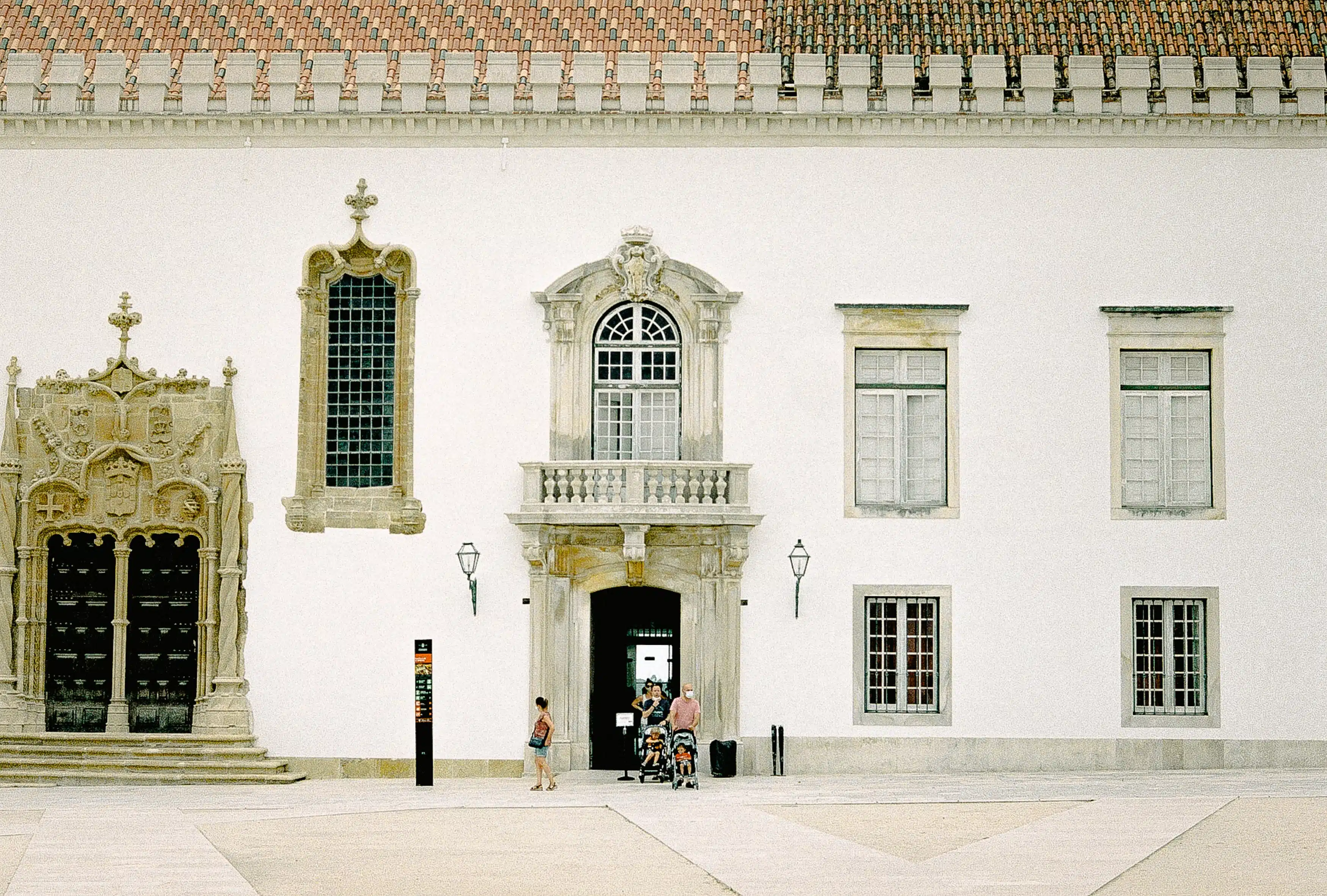
No visit to Coimbra is complete without exploring the University of Coimbra, a UNESCO World Heritage site. Founded in 1290, it is one of the oldest universities in Europe and a symbol of the city’s rich academic heritage.
Highlights of our visit included the stunning Joanina Library with its Baroque decor, an invaluable collection of books, and the grand ceremonial hall, Sala dos Capelos. The university’s historic buildings and vibrant campus life make it a truly inspiring place.
Don’t SKIP the climb to the University Tower! You’ll be rewarded with breathtaking panoramic views of the city.
Entrance Fees:
- General admission (includes several attractions within the university): €12.50
- Students and seniors: €9.50
- Children under 10: Free
Opening Hours:
- Monday to Saturday: 9:00 AM – 7:00 PM
- Sunday: 9:00 AM – 5:30 PM
- Joanina Library: 9:00 AM – 7:00 PM

Quinta das Lágrimas
Quinta das Lágrimas, a historic estate with lush gardens, is famously linked to the tragic love story of Prince Pedro and Inês de Castro.
We explored its beautiful grounds, which include the Fountain of Tears and the Fountain of Love, both tied to the legend. The estate’s mix of romantic history and natural beauty made it one of our favorite spots in Coimbra.
Machado de Castro National Museum
The museum is located in the former Bishop’s Palace. During our visit to this museum, we were amazed by its remarkable collection of Portuguese art, sculpture, and artifacts spanning from Roman times.
What truly fascinated us was the museum’s unique feature of being built over the Roman Cryptoporticus, an underground gallery that visitors can explore.
It’s a great experience if you are a history lover.
Entrance Fees:
- General admission: €6.00
- Seniors (65+): €3.00
- Students: €2.50
- Children under 12: Free
- Free admission on Sundays and public holidays until 2:00 PM for residents in Portugal
Opening Hours:
- Tuesday to Sunday: 10:00 AM – 6:00 PM
- Closed on Mondays and holidays
Archaeological Zone of Conímbriga
Just a short drive from Coimbra, we had the opportunity to explore one of Portugal’s most important Roman archaeological sites.
It was truly fascinating to see the well-preserved mosaics, thermal baths, and the remains of a Roman villa. Another great gem for history enthusiasts!
The on-site museum offered valuable insights into daily life in Roman times.
Admission Fees:
- Adults: €8
- Seniors (65+): €4
- Children 13-24: €4
- Children (under 12): Free
- Portuguese residents enter for free.
- You can buy tickets on the Conímbriga Museum website!
Opening Hours:
- Open: From 10 am to 6 pm, last tickets sold at 5:15 pm.
- Closed: 1st January, Easter Sunday, 1st May, 24th July, 25th December
Local Cuisine
Some of the must-try dishes in Coimbra include:
- Leitão à Bairrada: This is a traditional roasted suckling pig seasoned with garlic, pepper, and salt, resulting in a crispy, flavorful dish that is a regional favorite.
- Pastéis de Tentúgal: These delicate pastries, made with thin layers of dough and filled with a sweet egg and almond cream, are a beloved treat originating from the nearby town of Tentúgal.
- Chanfana: A slow-cooked goat or lamb stew prepared with red wine, garlic, and spices, chanfana is a hearty dish typically served with potatoes or rice.
- Arroz de Pato: This popular Portuguese dish consists of duck cooked with rice, chorizo, and various herbs and spices, creating a flavorful and satisfying meal.
- Sopa à Labrador: A rustic vegetable soup made with cabbage, beans, potatoes, and sometimes pork, this dish is a comforting and nourishing option.
Festivals and Events
Queima das Fitas (Burning of the Ribbons)
Held in May, this week-long celebration marks the end of the academic year for Coimbra’s university students. The event features parades, concerts, and various festivities. The highlight is the symbolic burning of ribbons representing each faculty, a tradition that brings the entire city together in joyous celebration.
Coimbra Arts Festival (Festival das Artes)
Taking place in July, this annual arts festival showcases a diverse range of performances, including music, theater, dance, and visual arts, along with workshops and conferences. The event brings together local and international artists, offering a platform for artistic expression and cultural exchange.
Festival do Fado de Coimbra
Usually held in October, this festival pays tribute to Coimbra’s unique style of fado music with performances by renowned fado singers and musicians. The festival also includes exhibitions, conferences, and workshops related to the genre, providing a deep dive into this soulful music tradition.
Feira Cultural de Coimbra (Coimbra Cultural Fair)
This annual event, typically held in June, transforms the city’s Parque Dr. Manuel Braga into a lively cultural hub with book fairs, handicraft exhibits, food stalls, and live performances, celebrating the diverse cultural offerings of Coimbra and the surrounding region.
Ançã Stone Sculpture Symposium
Organized in September, this event invites sculptors from around the world to create works of art using the region’s famous Ançã limestone. Visitors can watch the artists at work, attend workshops, and enjoy exhibitions showcasing the finished sculptures.
Coimbra Christmas Market
In December, the city comes alive with festive cheer during its annual Christmas market. The event features stalls selling crafts, gifts, and seasonal treats, along with live performances, workshops, and activities for children.
Day Trips from Coimbra
Coimbra is a fantastic base for exploring the surrounding region, with several great destinations just a short drive or train ride away. Here are some of our favorite day trips, complete with practical information to help you plan your visit:
Aveiro
Often called the “Venice of Portugal,” Aveiro is a charming coastal town known for its picturesque canals and colorful moliceiro boats. We spent a delightful day cruising the canals, admiring the Art Nouveau buildings, and sampling the local specialty, ovos moles, a sweet treat made from egg yolks and sugar.
- Travel Time: About 1 hour by train
- Getting There: Regular trains from Coimbra-B station to Aveiro
- Highlights: Canal cruises, Art Nouveau buildings, ovos moles, Costa Nova beach (a short bus ride from Aveiro)
Bussaco Forest
Just 30 kilometers from Coimbra, Bussaco Forest is a lush, green oasis perfect for nature lovers. This ancient forest, home to over 700 species of trees and plants, offers numerous walking trails and stunning scenery. We particularly enjoyed visiting the enchanting Bussaco Palace, a former royal hunting lodge turned luxury hotel, and exploring its beautifully landscaped gardens.
- Travel Time: About 40 minutes by car
- Getting There: Best reached by car or taxi
- Highlights: Bussaco Palace, scenic walking trails, ancient trees
Figueira da Foz
For a relaxing day by the sea, we headed to Figueira da Foz, a coastal town known for its wide sandy beaches and vibrant boardwalk. Located about 50 kilometers from Coimbra, Figueira da Foz is perfect for sunbathing, swimming, or trying out water sports. We also enjoyed the local seafood and strolled through the lively markets and shops in the town center.
- Travel Time: About 1 hour by train or car
- Getting There: Regular trains from Coimbra-B station to Figueira da Foz
- Highlights: Beaches, water sports, seafood, markets, and shops
Luso and Buçaco
Combining a visit to the spa town of Luso with a trip to Buçaco Forest makes for a perfect day trip. Luso, famous for its mineral water, offers relaxing thermal baths and charming streets to explore. After unwinding in Luso, we ventured into the nearby Buçaco Forest, where the serene natural surroundings and historic sites like the Buçaco Palace and Convent provided a tranquil escape.
- Travel Time: About 30 minutes by car
- Getting There: Best reached by car or taxi
- Highlights: Luso thermal baths, Buçaco Forest, Buçaco Palace, Convent of Santa Cruz
Tomar
Tomar is a historic town with a rich Templar heritage, located about 80 kilometers from Coimbra. We were captivated by the Convent of Christ, a UNESCO World Heritage site that was once the headquarters of the Knights Templar. The town itself is lovely to explore, with narrow cobblestone streets, charming squares, and the beautiful Church of Santa Maria do Olival. Tomar’s unique history and picturesque setting make it a fascinating day trip destination.
- Travel Time: About 1.5 hours by train or car
- Getting There: Regular trains from Coimbra-B station to Tomar
- Highlights: Convent of Christ, Church of Santa Maria do Olival, Templar heritage, picturesque town center
These day trips offer diverse attractions and landscapes surrounding Coimbra Portugal!
Accommodation
Hotels:
Sapientia Boutique Hotel: Located near the University of Coimbra, this elegant hotel features contemporary design and stunning views.
Hotel Oslo Coimbra: Situated close to the train station and within walking distance of major attractions, this hotel offers comfortable rooms and a rooftop bar with panoramic city views.
Ibis Coimbra Centro: This affordable option is conveniently located near the city center and provides basic, clean accommodations.
Practical Information and Tips
- Take a walk along the Mondego river bank, and if possible, rent a boat and explore the river.
- Visit Coimbra’s old town for some great shopping and dining experiences.
- Don’t miss out on Coimbra’s main attractions: Chapel of Santa Cruz, Machado de Castro National Museum, Portugal dos Pequenitos Theme Park, and National Monument of Conímbriga Roman Ruins.
- Taste some traditional Portuguese food and drinks in one of the many restaurants around town.
- Enjoy live music performances at one of Coimbra’s bars or cafés at night.
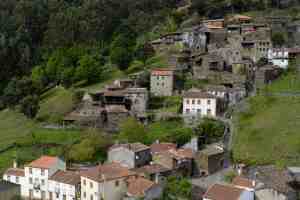
- Take part in outdoor activities such as hiking between beautiful 17th century Schist villages in the Serra da Lousã mountain range near Coimbra. Check out our full guide to Lousa!
How Many Days in Coimbra?
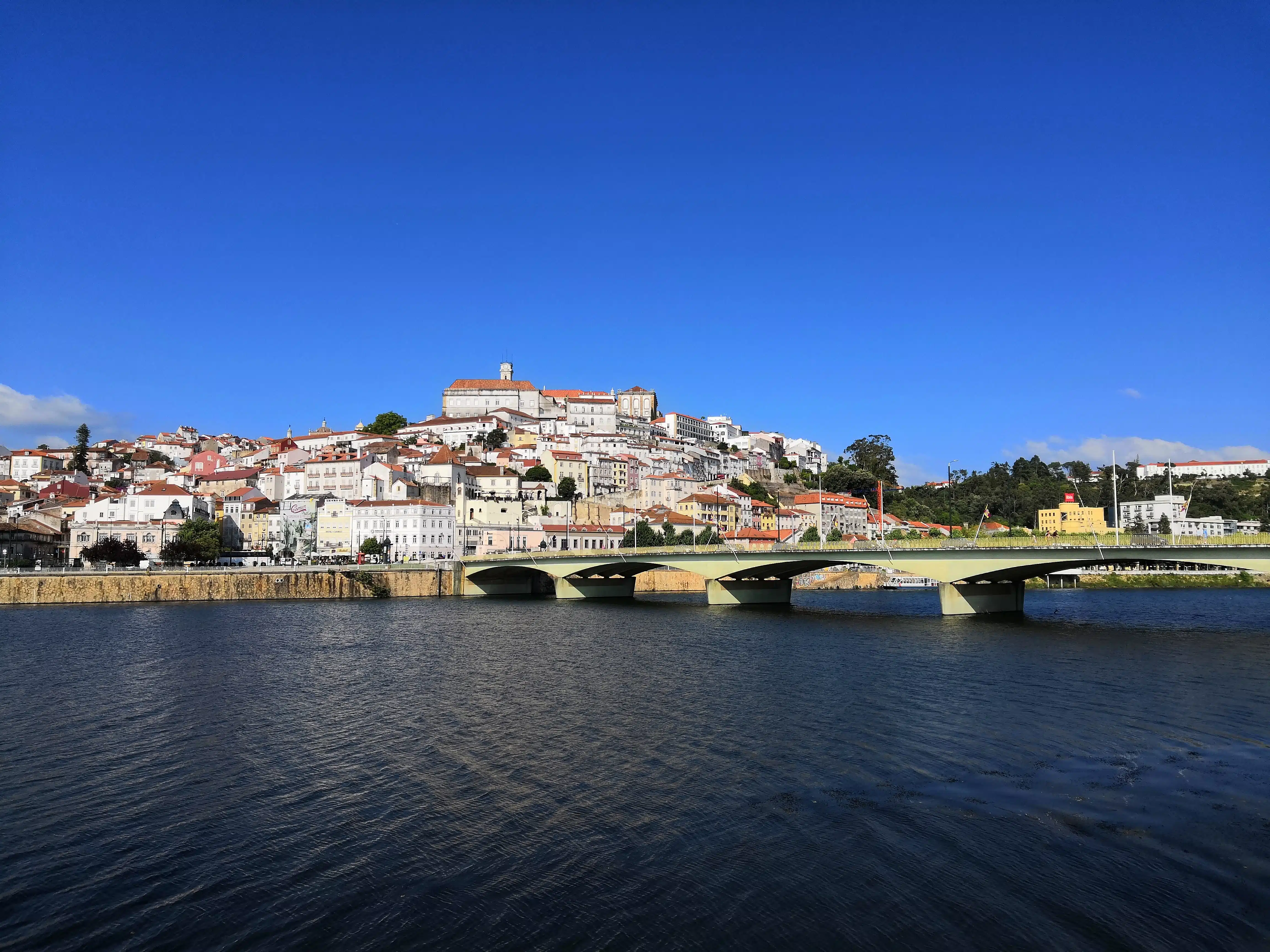
Here’s a 4-day itinerary to help you experience the best of this historic city. From ancient universities and medieval streets to lush gardens and local cuisine, this is exactly how we spent our days here.
Coimbra Portugal 4-Day Itinerary
Day 1:
Morning: Arrival and check-in at your chosen accommodation.
Late morning: Visit the University of Coimbra, including Biblioteca Joanina, Capela de São Miguel, and the Royal Palace.
Afternoon: Explore the Old Cathedral (Sé Velha) and the New Cathedral (Sé Nova).
Evening: Enjoy a traditional Portuguese dinner at a local restaurant and experience a live Fado performance.
Day 2:
Morning: Stroll along the Mondego River and visit the Santa Clara-a-Velha Monastery.
Afternoon: Visit the Portugal dos Pequenitos, a miniature park showcasing Portugal’s architectural heritage.
Evening: Discover Coimbra’s vibrant nightlife and dine at a local restaurant.
Day 3:
Day trip option 1: Aveiro – Explore the “Venice of Portugal” with its picturesque canals and colorful moliceiro boats.
Day trip option 2: Bussaco Forest – Wander through the ancient forest and visit the stunning Bussaco Palace Hotel.
Day 4:
Morning: Visit the Machado de Castro National Museum, housing an extensive collection of art and artifacts.
Afternoon: Relax in the city’s parks, such as Parque Dr. Manuel Braga or Jardim Botânico da Universidade de Coimbra.
Evening: Attend a cultural event or festival, if available during your visit.

Conclusion
Coimbra Portugal, is such an amazing destination; it has a rich history, cultural charm, and stunning architecture.
We hope this blog post helped you plan out your trip. We recommend using our itinerary to plan your visit!
Let us know in the comments what your favorite highlights were.