
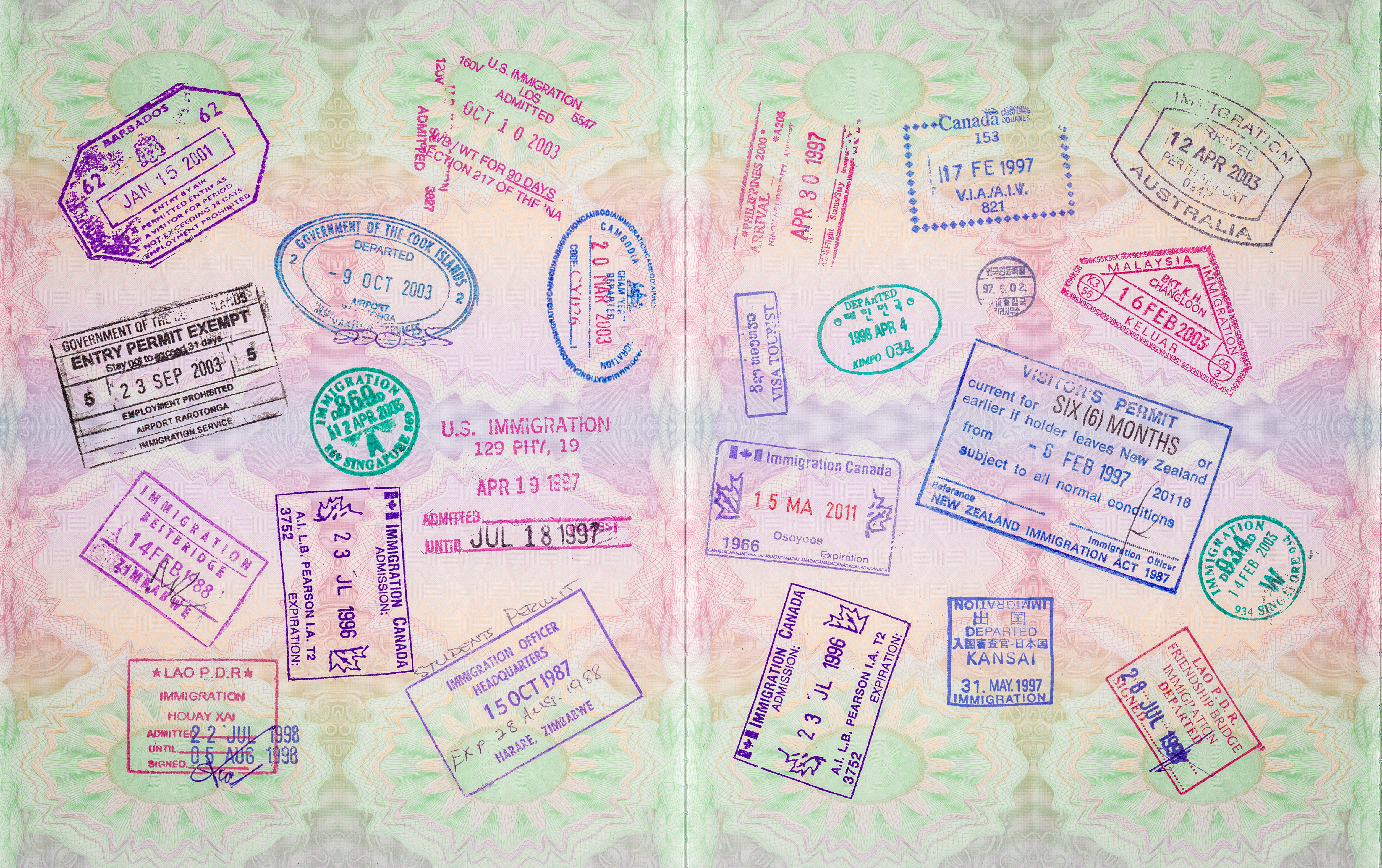
As of January 2024, Kenya is the FIRST VISA-FREE COUNTRY IN THE WORLD! So now the question is, ‘Do you need a visa for Kenya for your 2-week or 3-week safari?’
YES! Instead of a visa, you must now apply for an electronic travel authorization, which is $30 USD. So basically, you still need a visa, albeit under another name!
Why the change?

In late 2023, the Government of Kenya announced that visas would be scrapped for all visitors starting in 2024, replaced by a streamlined eTA system, according to Reuters.com.
The president scrapped the visa for Kenya to make it more attractive for tourism. However, they increased the national park fees for all foreign nationals, making a safari more expensive.
Practically speaking, it means Kenya still requires authorization to enter, but it’s handled electronically beforehand, rather than a sticker or stamp on arrival.
This eTA (Electronic Travel Authorisation) must be obtained BEFORE your trip and acts as your entry visa.
In this guide, we’ll break down who needs a visa for Kenya, how to apply, costs, validity, and other practical entry tips for U.S., European, U.K., and Australian travelers.
👉 INSIDER TIP: Kenya’s eTA application is fully online on the official government portal. Avoid third-party “visa” websites that charge extra fees or might scam you!
🇰🇪 Kenya Visa & eTA Overview
Do you need a visa for Kenya from the USA?
It depends on your nationality.
If you hold a passport from the United States, European countries (Schengen/EU), the United Kingdom, Australia, Canada, or other Western nations, YOU DO NOT NEED A VISA FOR KENYA.
In fact, under the new rules, you must apply online for an Electronic Travel Authorization (eTA) before your trip.
There is NO VISA-ON-ARRIVAL SERVICE anymore, so don’t board your flight without an approved eTA.
- U.S. Citizens: Yes, you need a Kenya visa (eTA) to enter Kenya. The good news is that the process is digital and quick.
- EU/Schengen and UK Travelers: You also must obtain an eTA in advance. Kenya requires it for all foreign nationals except a short exempt list (mostly African and some Asian countries). So whether you’re from Germany, France, the Netherlands, or the UK, you need your eTA before traveling.
- Australian (and New Zealand) Travelers: Like other foreigners, Aussies also need to apply for the Kenya eTA before arrival. Plan (at least a week before departure) since you cannot get a visa on arrival in Nairobi or Mombasa.

Which countries are visa-free to Kenya?
Kenya does have a list of visa-exempt countries, but they’re primarily regional neighbors and a few other nations.
If you are a passport holder of one of these countries, you can visit Kenya visa-free for a limited stay (no eTA needed):
- East African Community nationals: Citizens of Uganda, Tanzania, Rwanda, Burundi, South Sudan, or DR Congo are visa-exempt and can enter Kenya with just an ID or passport for up to 180 days, according to the official Kenyan government website. (Kenya has a reciprocal open-border policy with these neighbors.)
- Most other African countries: Kenya has lifted visa requirements for nearly all African nations, except for Libya and Somalia, because of security concerns. For example, Ghana, Nigeria, Ethiopia, Egypt, South Africa, Morocco, and many others can visit without a visa for Kenya for short stays (usually 60 to 90 days depending on the country).
- Caribbean & Pacific Islands: Several small countries enjoy 90-day visa-free visits to Kenya. This includes Barbados, the Bahamas, Jamaica, Fiji, and Papua New Guinea, among others.
If your nationality isn’t on the exempt list, assume you need to apply for a Kenyan eTA.

Do children need a Visa for Kenya?
Under the new eTA rules, ALL TRAVELERS (including infants/children) require an eTA approval before travel.
Don’t forget to apply for your kids if you’re traveling as a family!

How much is a Kenya visa for American citizens?
Kenya offers several visa types via the eTA system, depending on your purpose and how frequently you visit.
For tourism, here are the key options:
- Single-Entry Tourist eTA: Cost: USD $30 (approx €28). This standard eTA covers a single trip into Kenya for tourism, family visits, or business meetings. It allows you to stay up to 90 days in Kenya from the date of entry (renewable once, see extensions below). This is the most common visa for Kenya for first-time visitors.
- East Africa Tourist Visa: Cost: USD $100 (approx €95). This special tourist visa is a 3-in-1 deal covering Kenya, Uganda, and Rwanda on one visa. It’s valid for 90 days and allows multiple entries between those three countries (you can cross borders freely). Important: You must land in the country that issued the visa first (so if Kenya issues it, start your trip in Kenya). This is great if you plan a combined safari and gorilla trekking trip, for example.

- Multiple-Entry Visas: For frequent visitors, Kenya has longer-term visas:
- 1-Year Multiple Entry eVisa: Cost: USD $300. Allows multiple trips within one year, according to the official government website. Often used by business travelers or those with family in Kenya.
-
- 5-Year Multiple Entry Visa (U.S. citizens only): Cost: USD $185. A special arrangement for Americans: U.S. passport holders can get a 5-year visa that permits unlimited entries to Kenya over that period. This visa is tied to your passport, so if your passport expires earlier, the visa’s validity ends with it.
- Transit Visa for Kenya: Cost: USD $20. If you’re only transiting through Kenya (e.g., long layover in Nairobi) and plan to leave the airport for a short time (up to 72 hours), you can apply for a transit eTA. If you won’t leave the airport, no visa for Kenya is needed for airside transit.
Visa fees are paid online as part of the eTA application. Always use the official eTA portal for the most up-to-date fee, as Kenya’s government proposed application fee adjustments in 2024 (so far, the standard tourist eTA remains $30 as of 2025).
How do I obtain or apply for a Kenya visa?
Applying for Kenya’s eTA is an ‘easy’ online application process, if the website cooperates.
Here’s a STEP-BY-STEP GUIDE:
- Go to the Official eTA Portal: Visit Kenya’s official Electronic Travel Authorization website. Do not use unofficial websites or agencies – the Kenyan government does not authorize any outside agents for tourist eVisas.
- Create an Account: You’ll need to register with a valid email address. Once logged in, start a new eTA application.
- Fill Out the Application Form: Provide your personal details (name, passport number, etc.) and trip information (travel dates, where you’ll stay in Kenya). Ensure your passport is valid for 6+ months beyond your stay and has at least two blank passport pages for stamps.
- Upload Required Documents: Typically, you must upload a passport bio-data page scan and a passport-style photo. Tourists also need to show a travel itinerary or hotel booking and a return flight ticket. Kenya’s eTA guidelines note that you should have a hotel reservation or an invitation letter (a proof of booking). Pay attention to the website, it was bugging for a few days when the website was unresponsive.

- Pay the eTA Fee Online: Pay securely by credit/debit card. For a single-entry visa for Kenya, the application fee is $30. After payment, you’ll receive a confirmation.
- Wait for Approval: Processing usually takes about 3 business days (72 hours). We already got it after a few hours, but don’t bank on the last minute. Apply at least a week in advance of your trip to be safe. You’ll get an email notification when your eTA is approved.
- Download and Print the eVisa for Kenya: Once approved, log back in and download your eTA approval letter. Print out a copy to carry with you. While Kenya’s system is electronic, immigration officers may ask to see the printout as proof before stamping you in. This has been the case for us, so always make sure to print it out!
- Arrival in Kenya: At passport control, you’ll present your passport and the printed eTA. The officer will verify your eTA in their system and then stamp you with an entry valid for 90 days. There is no separate “entry form” to fill out; Kenya no longer requires paper arrival cards as of the current regulations.

How long is my Kenya visa valid?
Kenya’s standard tourist eTA is valid for 90 days.
This means once your eTA is issued, you should enter Kenya within 90 days, and from the day you enter, you can stay up to 90 days in the country. Essentially, it’s a 3-month tourist visa.
What happens if I overstay my visa in Kenya?
Don’t overstay your visa for Kenya if you can avoid it.
Kenya takes visa compliance seriously, and overstaying, even by a day, is considered a violation of immigration law.
Here’s what you risk if you remain in Kenya beyond the validity of your visa or eTA:
- Fines: Overstaying incurs a fixed fine of USD $200 (approximately €190) right off the bat. This is usually paid at immigration when you are resolving the overstay or upon departure.
- Mandatory Visa Extension: Even after paying the fine, you are required to apply for a visa extension (at the regular application fee of $51) to cover the period of overstay. Essentially, you must legalize your extended stay retroactively.
- Grace Period to Depart: Once you settle the fine and your extension is approved, typically, Kenya immigration grants you a 14-day grace period to leave the country. This is not additional vacation time; it’s meant to give you time to wrap up and depart.
- Risk of Detention or Deportation: If you severely overstay or fail to address the situation voluntarily, you could be detained and deported. Kenya can also blacklist or ban you from re-entering in the future for serious violations. Cases of travelers overstaying many months have resulted in deportation orders and even being barred from Kenya for up to 5 years in some instances (especially if fines aren’t paid).
👉 INSIDER TIP: Kenya now has an online portal (eFNS) for visa extensions. You can apply and pay the fee online, then visit an immigration office in Nairobi or Mombasa to get the new stamp. Don’t wait until the last minute; start your extension a week or two before your 90 days are up, in case of processing delays.

How do I obtain an entry and exit form?
No more paper arrival or departure cards!
As of 2024, you do not need to fill out any entry/exit form when flying into Kenya; your passport and eTA are sufficient for immigration processing.
Upon arrival, an officer will scan your passport, verify your eTA, possibly take your photo/fingerprints, and stamp you in.
When leaving Kenya, there’s likewise no paper exit card; you present your passport for an exit stamp.
Practical entry tips for entering Kenya

Here are a few other practical entry tips to ensure a smooth trip:
- Passport Validity: Make sure your passport is valid for at least 6 months beyond your stay in Kenya and has at least 2 blank pages for entry/exit stamps.
- Yellow Fever Vaccination: Kenya itself isn’t in the Yellow Fever belt, but if you are arriving from endemic countries that have Yellow Fever (e.g., Uganda, Ethiopia, Brazil, etc.), you must carry a Yellow Fever vaccination certificate. Immigration officials can ask to see it, and airlines departing for Kenya may check at boarding. If you only travel from, say, Europe or North America directly, this is usually not required.
- COVID-19 and Health: Kenya has lifted COVID-19 vaccination or testing requirements for travelers. However, if you show flu-like symptoms on arrival, you may need to fill out a health form (locally called the Jitenge form) and possibly take a COVID test. This is mostly precautionary.
- Proof of Onward Travel & Accommodation: While not always asked, be prepared to show a return or onward ticket and a hotel reservation or travel itinerary. Kenyan immigration doesn’t typically ask tourists for proof of funds or onward travel, but they have the right to. It’s mentioned in the eTA guidelines that you should have a booking or invitation letter.
The travel items you’ll wish you had in Kenya
One often-overlooked “cost” of safari is what you wear and pack.
You don’t need to spend a fortune on specialized safari gear, but depending on what you have already, you might need to budget for a few clothing items or accessories to be comfortable in Kenya’s climate.
Here’s a quick rundown:
- 🧥 Mornings and evenings in Kenya can get surprisingly chilly, bring a lightweight fleece (Link for men) (Link for women) so you can stay warm without overpacking.
- 🦟 Don’t let bugs ruin your safari grab this OFF mosquito spray for long-lasting protection in the bush!
- 🚰 Tap water isn’t safe to drink in Kenya pack a Vapur Insulated Water Bottle and avoid the cost (and waste) of buying plastic daily.
- 🔌 Kenya uses UK-style outlets this universal adapter will keep your gear charged without any surprises.
- 🔋 Long drives and power cuts happen this Belkin power bank keeps your phone and camera ready for anything.
- 🦓 Want to actually see that leopard in the distance? These travel-friendly binoculars make your game drives way more exciting.
- 🧴 The equator sun hits hard bring a reef-safe SPF 50+ sunscreen so you don’t spend your trip nursing a burn.
- 👟 For walking safaris or climbing Mt.Kenya, good walking shoes (Link for men) (Link for women) are non-negotiable in Kenya. Trust your feet, you’ll be glad you did.
- 🎒 Safari days start early and last long this Vaude backpack is perfect for snacks, layers, and your camera gear.
- 🩹 The closest pharmacy might be hours away a compact travel first aid kit is worth its weight in peace of mind.