
Best Time to Visit Uruguay (2026): When to Go and When to Skip
This post has affiliate links. We earn a small commission, which helps us create better content and share amazing destinations with you at no extra cost.
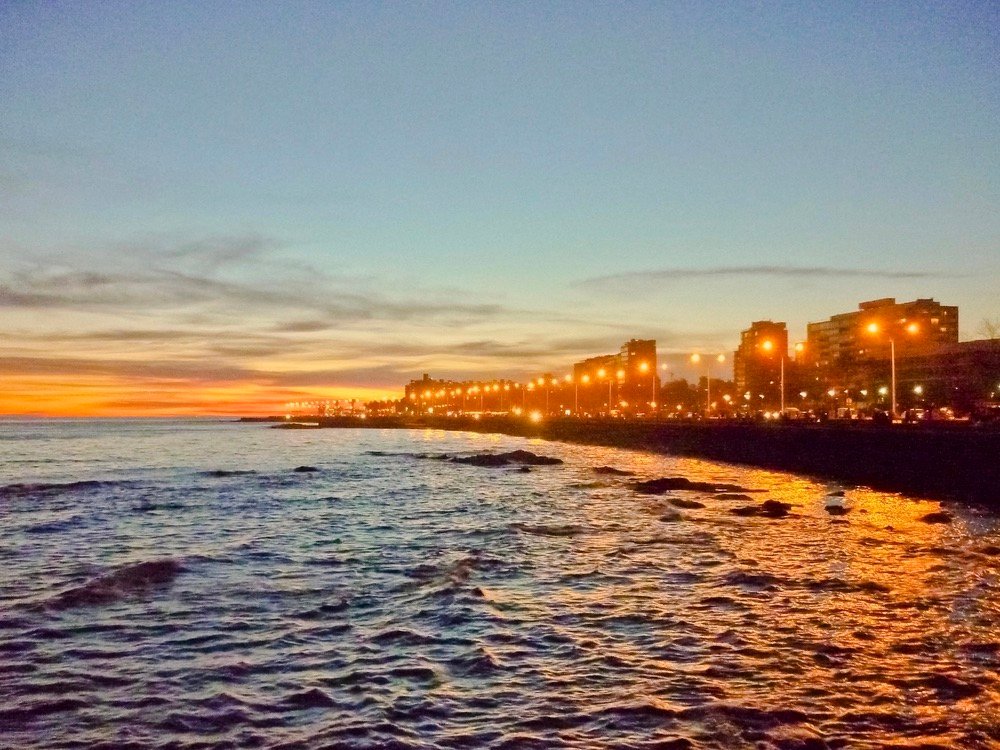
On this page
Travel essentials we use
On this page
The best time to visit Uruguay depends more on which region you’re headed to than most guides let on.
We came in October, Uruguay’s spring, to drive around the country for three weeks.
It was around 14°C (57°F) on cloudy days and close to 20°C (68°F) when the sun came out.
We wore some sweaters and long pants, but in return we got fewer crowds and good hotel rates.
Uruguay sits in the Southern Hemisphere, so its seasons run opposite to North America and Europe: summer is December through February, winter is June through August.
Our guide breaks down what each season means by region, not just the national averages.
We were here in spring (October), so we can describe that season firsthand.
VERDICT:
For most trips: April to May, or September to November, for mild weather, thinner crowds and lower prices than summer. Go December to February only if beach days are the point of the trip and you’re ready for peak prices.
☀️ Beach season is December to February, stretching into early March: also the most expensive and crowded window, especially in Punta del Este.
🍂 April to May and September to November are the sweet spot: mild temperatures, thinner crowds, better accommodation prices.
❄️ Winter (June to August) is cold and quiet, not closed: Montevideo keeps running; the beach towns mostly don’t.
🎭 Uruguay’s Carnival is often called the longest in the world: roughly 40 days from late January into early March, centered on Montevideo.
🐋 Spring brings whales: southern right whales pass along the coast from roughly July to November, with Punta del Este and the Rocha coast the classic spots.
📅 Watch out for Tourism Week: the week before Easter, when Uruguayans travel, the coast fills up and many offices and some shops close.
👉 Book the coast well ahead for late December through February: Argentinians and Brazilians fill Punta del Este for their own summer holidays.
Uruguay’s climate summary
| Montevideo average temperatures by season | |||
| Season | Months | Avg. high | Avg. low |
| ☀️ Summer | Dec to Feb | 26 to 27°C (79 to 80°F) | 17 to 18°C (63 to 65°F) |
| 🍂 Autumn | Mar to May | 18 to 24°C (64 to 76°F) | 11 to 17°C (51 to 63°F) |
| ❄️ Winter | Jun to Aug | 14 to 16°C (58 to 60°F) | 7 to 8°C (45 to 47°F) |
| 🌱 Spring | Sep to Nov | 17 to 23°C (63 to 73°F) | 10 to 14°C (50 to 58°F) |
Rainfall in Uruguay is evenly spread across the year rather than concentrated in a single wet season.
KEEP IN MIND: “wetter season” here doesn’t mean monsoon-style downpours. It’s a higher chance of rain on a given day, but it only lasts a couple of hours, not a reason to avoid those months.
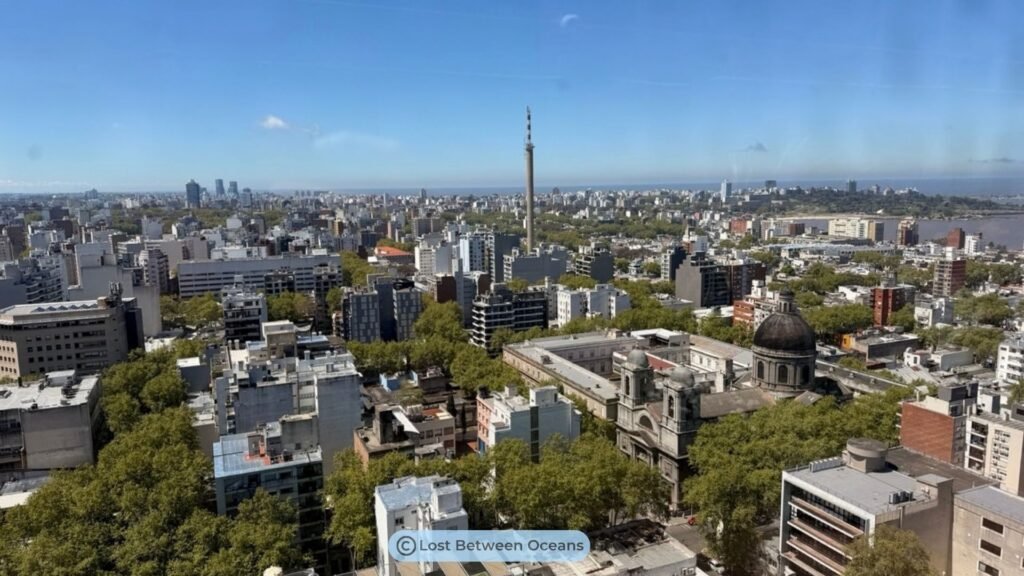
Uruguay weather by month
| Uruguay month by month | ||||
| Month | Avg. high / low | Crowds | Prices | Best for |
| January | 27 / 18°C (81 / 64°F), hot and humid | Peak, the coast is packed | Highest of the year | Beach days; Carnival starts late in the month |
| February | 27 / 18°C (81 / 64°F) | Very busy, easing late in the month | High | Beaches, Carnival, the Durazno folklore festival, start of the grape harvest |
| March | 24 / 17°C (75 / 63°F) | Quieter once Carnival ends | Dropping | Late beach days without the crowds, harvest festivals in wine country |
| April | 21 / 14°C (70 / 57°F) | Low, except Tourism Week | Low (higher in Tourism Week) | Wine country, Montevideo’s film festival, city trips |
| May | 18 / 11°C (64 / 52°F) | Low | Low | Montevideo and Colonia in cool walking weather |
| June | 15 / 8°C (59 / 46°F), often grey | Very low | Lowest of the year | City life, museums, Salto’s thermal pools |
| July | 14 / 7°C (57 / 45°F), the coldest month | Low, busier during Uruguay’s winter school holidays | Low | Thermal pools, the first whales of the season |
| August | 16 / 8°C (61 / 46°F) | Very low | Lowest of the year | Whale watching, a quiet Montevideo |
| September | 17 / 10°C (63 / 50°F) | Low | Low | Whales, spring walks, road trips |
| October | 20 / 12°C (68 / 54°F) | Low | Low | Our month: road trips and whales. Bring a warm layer; we had 14 to 20°C (57 to 68°F) |
| November | 23 / 14°C (73 / 57°F) | Rising towards the end of the month | Rising | The coast before the rush; the tourist VAT exemption usually starts mid-month |
| December | 26 / 17°C (79 / 63°F) | Busy from mid-month, peak over Christmas and New Year | Highest from late December | Start of beach season (book early) |
Summer (December to February): beach season
The best time to visit Uruguay is during its summer season, which is also its beach season in the fullest sense: the longest days, the beaches of the Rocha coast at their busiest, and Punta del Este running at full capacity with Argentinian and Brazilian visitors crossing the River Plate (Río de la Plata) for their own summer holidays.
Don’t expect tropical water, though: the Atlantic Ocean here stays fresh even in January.
Our best beaches in Uruguay round-up tells you which stretch of coast suits which kind of beach day.
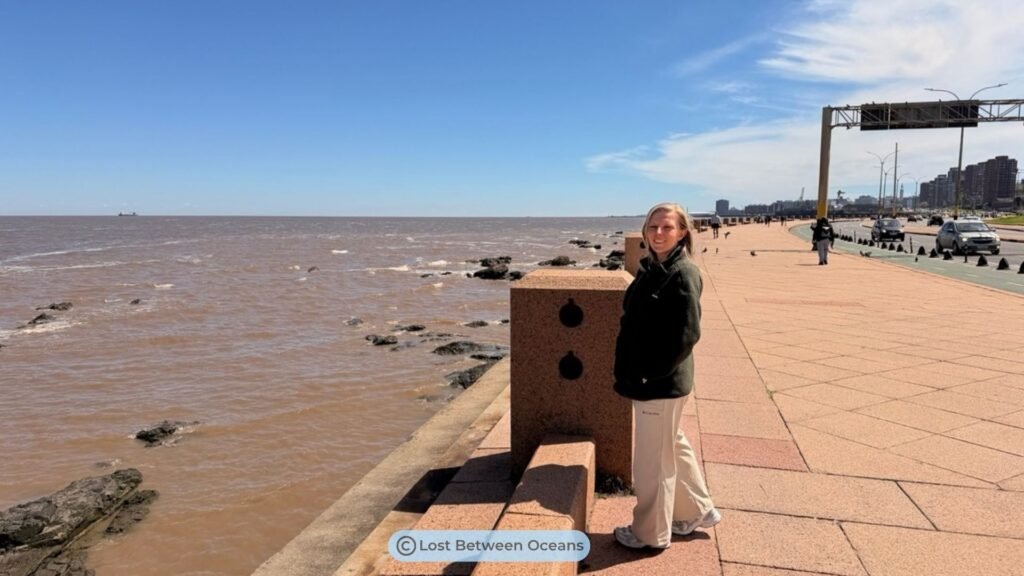
Summary:
- 🌡️ Montevideo: 26 to 27°C (79 to 80°F) highs, humid
- 🏖️ Punta del Este: similar highs, coastal breeze takes the edge off
- 💵 Prices: peak for the year, especially the last two weeks of December through late January
- 🎭 Carnival: Uruguay’s Carnival is often called the longest in the world: around 40 days, from late January into early March. The highlight is the Desfile de Llamadas, the candombe drum parade through Montevideo’s Sur and Palermo neighborhoods.
- 💳 Foreign-card VAT discount: usually at its most generous from mid-November to April, so paying restaurants with a foreign card saves the most in summer. Check the current rules; our money in Uruguay guide explains how it works
KEEP IN MIND: if beach days are the reason you’re coming, summer is still the right window despite the cost. Book coastal accommodation in advance, especially for the last week of December and January.
Going in summer? Sort your base first.
The beach towns are the first to fill up from late December. Our region-by-region guide tells you which base suits which kind of trip, so you can book early without second-guessing it.
See where to stay in UruguayAutumn and spring (March to May, September to November): the sweet spot
This is the season we know firsthand.
In October we spent five days in Montevideo, then drove east along the coast to Parque del Plata to Punta del Este and Punta del Diablo before going to Argentina through Colonia.
In our experience, October was pretty chill.
Not many people out and about, accommodation prices were reasonable, weather was okay, with some light rain showers every day or so.
It was mostly cloudy, with the sun coming to have a look every once in a while.
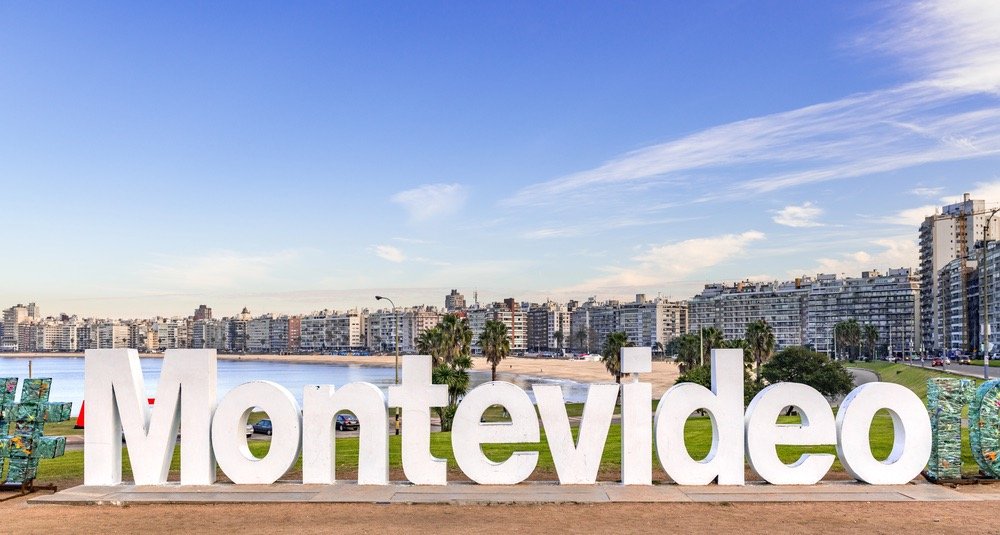
Summary:
- 🍇 Wine country: the grape harvest (vendimia) runs roughly from February into April, with harvest festivals around March. Winery visits work year-round, but late summer and early autumn are when you’ll see the harvest itself (our Carmelo wineries guide covers which estates to book)
- 🎬 Festivals: the Uruguay International Film Festival is usually held in Montevideo in April. The National Folklore Festival in Durazno, by contrast, is a summer event in early February. Check the dates for your travel year, since both move
- 💵 Prices: below summer rates, especially on the coast
- 🌊 Coastal towns: quieter. Punta del Este keeps running, but the smaller beach towns can feel half-closed until December
- 🐋 Whales: southern right whales pass along the coast from roughly July to November, and September and October are usually the best months to spot them from Punta del Este and the Rocha coast
👉 INSIDER TIP: pack for two seasons in spring. In October we had around 14°C (57°F) on cloudy days and closer to 20°C (68°F) in the sun, so bring a warm layer even if the forecast looks mild. For Punta del Este or Colonia without the crowds, late April to May and October are the two best windows.
Winter (June to August): cold, quiet, and not for everyone
The worst moment to visit Uruguay is in winter. Everything is cold and gray, particularly on the coast. This isn’t a tropical-winter destination.
Summary:
- 🌡️ Montevideo: 14 to 16°C (58–60°F) highs, 7 to 8°C (45–47°F) lows
- 🏖️ Beach towns: many restaurants, tour operators, and smaller hotels close to Montevideo and Colonia
- ♨️ An interior alternative: the thermal pools around Salto (Daymán and Arapey are the best known) are a genuine winter draw, a warm-water counterpoint to the cold coast, about 500 km (310 miles) north of Montevideo. Salto Airport has very few scheduled flights, so most visitors go by bus or car.
- 💵 Prices: the lowest of the year, if you don’t mind the cold and reduced services
Who this actually works for: travelers focused on Montevideo’s city life (museums, restaurants, Teatro Solís performances) rather than the coast, or anyone specifically chasing Salto’s thermal pools.
WHO SHOULD VISIT WHEN:
- Beach-focused travelers: December–February, budget allowing. Accept the crowds and prices as the cost of actual beach weather.
- First-time visitors wanting the best overall value: April–May or September–November. This is the window we’d default to ourselves.
- Wine-country travelers: February to April, around the grape harvest in Carmelo and Garzón.
- Road-tripping couples: September to November. Roads and towns are quiet, and accommodation is cheaper, but bring warm layers for cool, grey days. This is when we drove it.
- City-and-museum travelers who don’t need the coast: June–August works fine in Montevideo, and prices are at their lowest.
- Budget travelers prioritizing cost over weather: winter, or the edges of shoulder season (early March, late November).
Skip summer entirely if crowds and peak pricing would ruin the trip for you. The shoulder seasons deliver most of the same appeal for less.
Getting there: flights and timing

Flights follow the same seasonal pattern as everything else: a return flight to Montevideo (Carrasco International) usually costs more from December to February than in spring or autumn, so check prices across a few different months before you fix your dates.
If you’re coming from Buenos Aires, the ferry crossing to Montevideo or Colonia del Sacramento runs year-round regardless of season, which makes an Argentina – Uruguay combination trip easy to time around whichever Uruguay season you actually want.
Our Buenos Aires to Montevideo ferry and Buenos Aires to Colonia ferry guides compare the crossings.
See our getting around Uruguay guide for the full bus, ferry, and driving picture once you’ve landed.
Region-by-region: does season matter more in some places?
Yes. Season matters far more on the coast than inland.
Montevideo: the least seasonal place in this guide. Museums, Estadio Centenario, Mercado del Puerto, and the old town around Ciudad Vieja work year-round. What matters more than the month is the day of the week: on Sundays many shops along Sarandí stay closed, and Mercado del Puerto is mostly tour groups, so plan your Ciudad Vieja day for a weekday. If Montevideo is your main stop, our best time to visit Montevideo guide zooms in on the city, and is Montevideo worth visiting covers how many days to give it.
Punta del Este and José Ignacio: highly seasonal. This is a ghost town for stretches of winter, and overwhelmed in peak summer. Shoulder season is where this destination makes the most sense for most travelers. Our best time to visit Punta del Este guide goes through the peninsula month by month.
Colonia del Sacramento: less seasonal than the beach coast, since its appeal (the colonial houses and cobblestone Barrio Histórico) doesn’t depend on beach weather, a reasonable year-round day trip or overnight from Buenos Aires. See best time to visit Colonia and our Colonia day trip from Buenos Aires guide for the details.
The Rocha coast (Cabo Polonio, Punta del Diablo, Barra de Valizas, Parque Nacional Santa Teresa): essentially a summer-only proposition for most travelers: many guesthouses and restaurants close outside the warm months, and the 4×4 trucks into Cabo Polonio run less often. If the Rocha coast is the heart of your trip, check the best time to visit Punta del Diablo, the best time to visit La Pedrera, and our Cabo Polonio guide before you fix your dates.
Building your season around a full itinerary?
Our 7-, 10-, and 14-day itinerary guide shows how to combine Montevideo, the coast, and wine country depending on when you’re going.
Plan your Uruguay itineraryBefore you go: a quick checklist
- Match your season to your priority: beach weather, budget, or crowd-avoidance rarely align on the same dates
- Book Punta del Este accommodation months ahead if traveling December–February
- Check Carnival, Tourism Week (the week before Easter), and festival dates for your travel year before you book
- If the coast is closed or quiet in your season, lean the trip toward Montevideo and Colonia instead
- Driving yourself? Read our renting a car in Uruguay guide before you book
- Sort your data before you land: our SIM cards and eSIMs in Uruguay guide compares the options
FAQ
When is whale season in Uruguay?
Southern right whales pass along the Uruguayan coast from roughly July to November. September and October are usually the best months to spot them. The classic places to look are Punta del Este and the Rocha coast. It’s one of the best reasons to visit in spring, when the beaches are still quiet.
What is the cheapest time to visit Uruguay?
Winter, from June to August, has the lowest prices of the year, but the coast is cold and many beach-town restaurants and hotels close. For better value with decent weather, go from April to May or from September to November. Prices are well below summer, though even in October we spent about $60 (€55) per person a day in Montevideo.
What is the rainiest month in Uruguay?
Uruguay has no real rainy season. Rain is spread fairly evenly across the year, with a slightly wetter stretch from about October to April. Showers tend to be short: in October we had light rain every day or so, usually gone within a couple of hours. That’s not a reason to avoid any month.
Is Uruguay cold in October?
October is mild, not warm. Montevideo averages around 20°C (68°F) by day and 12°C (54°F) at night. We had about 14°C (57°F) on cloudy days and close to 20°C (68°F) in the sun, so we wore sweaters and long pants. Pack a warm layer, even if the forecast looks mild.
Our take

There’s no single best time to visit Uruguay.
There’s a best time for the specific trip you’re planning.
For most first-time visitors weighing weather, crowds, and cost together, April–May or September–November wins on balance.
If beach season is non-negotiable, go in summer and budget for it accordingly.
If you’re chasing wine country or just want Montevideo without the crowds, don’t rule out the shoulder months or even winter.
Still deciding whether Uruguay belongs on your list at all? Start with our ” Is Uruguay worth visiting verdict.
We can only speak for spring from our own trip: cool, sometimes grey, but calm, uncrowded, and cheaper to sleep.
Picked your season? Now pick your regions.
Our best things to do in Uruguay guide starts with the five things worth your time, then goes region by region, so you know which coast is worth it in your month.
See the best things to do in UruguayWritten by Laura and Alexander, a travel couple currently overlanding through Uruguay, from Montevideo’s Ciudad Vieja to the wineries of Carmelo.
Related Posts

*If you purchase something through our links, we may earn a small fee. However, you still pay the same (or even get a discount). Win-win! And one day we may get to be full-time travel bloggers!
Please check our affiliate disclosure policy for more details. Your suppport is appreciated!
We share travel guides for couples who want a little luxury, a lot of heart and lifelong stories to tell!
Laura and Alexander
Founders of Lost Between Oceans

Reviews
Lost Between Oceans gave me and my husband the perfect tips and destinations to plan our dream honeymoon in French Polynesia, making the experience stress-free.

I never thought I’d dare to go diving in a cenote and surfing in Mexico. Their travel guides made me more confident and adventurous, overcoming my travel fear of the unknown. Thank you!
I looked up Lost Between Oceans for last-minute tips about my roadtrip in the Amalfi Coast. They showed me the best cliffside villages and hidden beaches. This saved me a lot of time researching everything myself!



Related Posts