Welcome to:
Mexico
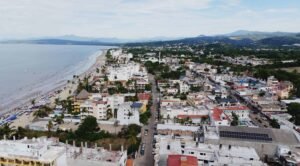
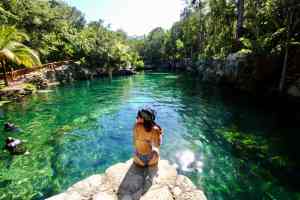
Mexico gets into your head and stays there. The food alone could justify the trip, but then there’s the coastline, the ruins, the colour of the markets, the mezcal at sunset. It’s a country that moves fast and slows you down at the same time.
Best places to visit in Mexico


Weather in Mexico
Mexico is a big country and the climate reflects that. The Yucatán coast stays hot and humid year-round at around 30°C, while Mexico City sits at altitude and rarely breaks 25°C. The main thing to plan around is the wet season from May to October, which brings heavy afternoon rain across most of the country and hurricane risk along the Caribbean coast.
Best Time to Visit Mexico
November to April is the dry season and the most reliable time to travel: beaches are at their best, the Yucatán is clear and sunny, and highland cities like Oaxaca and Mexico City are at their most comfortable. If you’re heading to the Caribbean coast, avoid September and October when hurricane activity peaks.
🇲🇽
Best time to visit Mexico:
Jan–Jun, Oct–Dec
⏳
Faq’s
Is it safe to travel to Mexico?
Mexico is safe in its most visited destinations: Cancun, Tulum, Mexico City, Oaxaca, and Los Cabos all see millions of tourists a year without major incident. Safety varies significantly by region though, so it’s worth checking current travel advice before visiting areas outside the main tourist trail.
Can I drink tap water in Mexico?
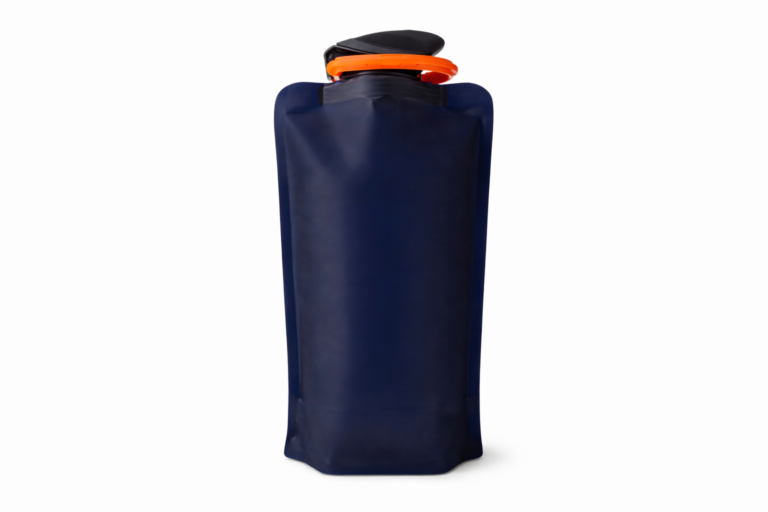
No, stick to bottled or filtered water throughout Mexico, including for brushing teeth in smaller towns. Most restaurants and hotels use purified water for cooking, but it’s not worth the risk with tap water directly.
What time is it in Mexico?
Mexico spans several time zones: most of the country, including Mexico City, follows Central Time (UTC-6), while Cancun and the Yucatán Peninsula run on Eastern Time (UTC-5) year-round and do not observe daylight saving time.
Where are the airports in Mexico?
Major international airports include Mexico City (MEX), Cancun (CUN), Guadalajara (GDL), Los Cabos (SJD), and Monterrey (MTY), with smaller airports serving destinations like Oaxaca (OAX) and Tulum (TQO).
What are the most popular dishes in Mexico?
Mexican food varies enormously by region: tacos, tamales, enchiladas, and mole are the most well-known, but Oaxacan black mole, Yucatecan cochinita pibil (slow-roasted pork), and Baja-style fish tacos are worth going out of your way for. Street food is almost always the best option.
What is Mexico famous for?
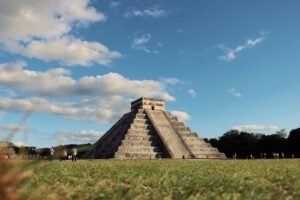
Mexico is known for its food, its ancient civilisations, and its coastline but also for the contrast between all three. You can eat some of the best street food in the world in Oaxaca, stand inside a Mayan pyramid in the Yucatán, and be on a Caribbean beach the same week. Few countries offer that kind of range.
What to pack for a Mexico trip?
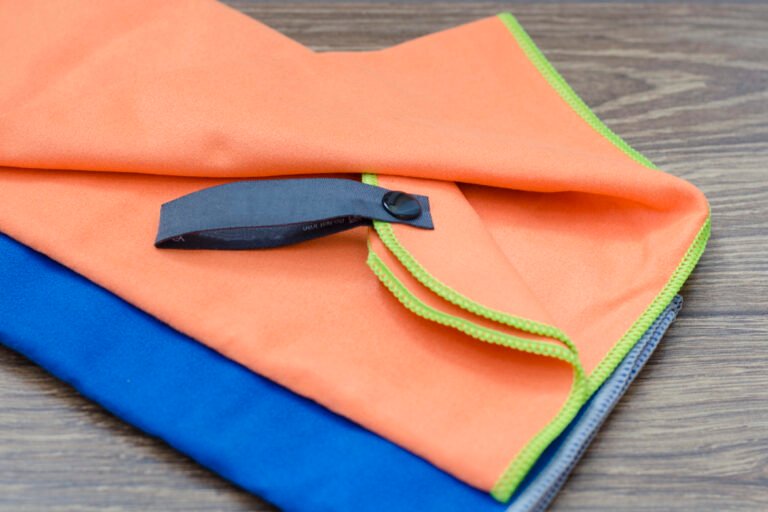
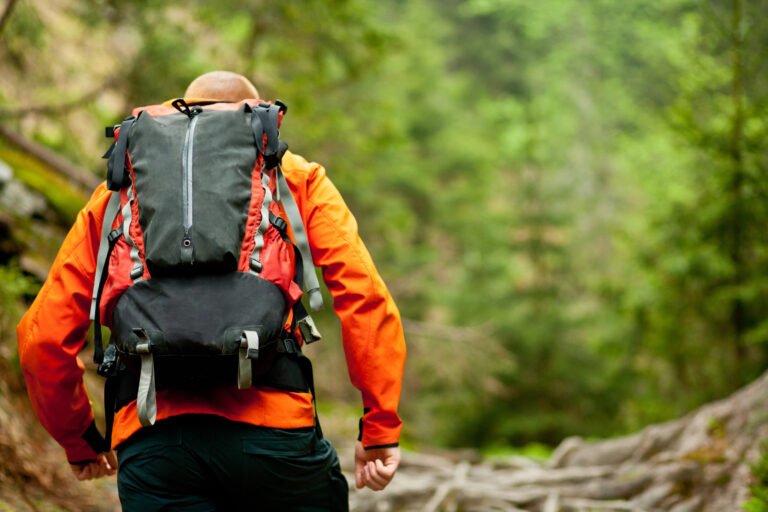
Pack lightweight clothing, sunscreen, insect repellent, comfortable shoes, and a hat, particularly for coastal and jungle areas. A light layer is useful for Mexico City evenings and air-conditioned restaurants, which tend to run cold.
What are some interesting facts about Mexico?
Mexico has over 30 UNESCO World Heritage Sites and is home to the Great Pyramid of Cholula, the largest pyramid by volume in the world, larger than any in Egypt. It’s also one of the world’s top 10 most biodiverse countries and the birthplace of chocolate.
Where should I travel in Mexico?
Cancun and Tulum for Caribbean beaches and Mayan ruins; Mexico City for food, art, and history; Oaxaca for markets and some of the best cuisine in the country; and Baja California for desert, Pacific coast, and road trips. Each one feels like a different Mexico.
How many volcanoes are in Mexico?
Mexico has over 40 volcanoes, including Popocatépetl – one of the most active and closely monitored in the world, which sits just 70 kilometres from Mexico City and is visible on clear days from the city centre.
Get Ready For Your Trip
Book popular activities in Mexico
Be prepared for Mexico
Language
Spanish is the official language, but English is widely spoken in tourist areas like Cancun, Tulum, and Mexico City. A few basic phrases go a long way in local neighbourhoods and smaller towns where English is less common.
Currency + How to Pay
The currency is the Mexican peso (MXN), and cash is essential for markets, taxis, and smaller towns. Cards are accepted in most hotels and restaurants, and while US dollars are sometimes taken in tourist areas, you'll always get a better rate paying in pesos.
Visa
Most travelers from the EU, US, UK, and Canada can enter Mexico visa-free for up to 180 days. You'll receive a tourist permit (FMM) on arrival. Keep it safe, as you'll need to hand it back when you leave.
Plugs
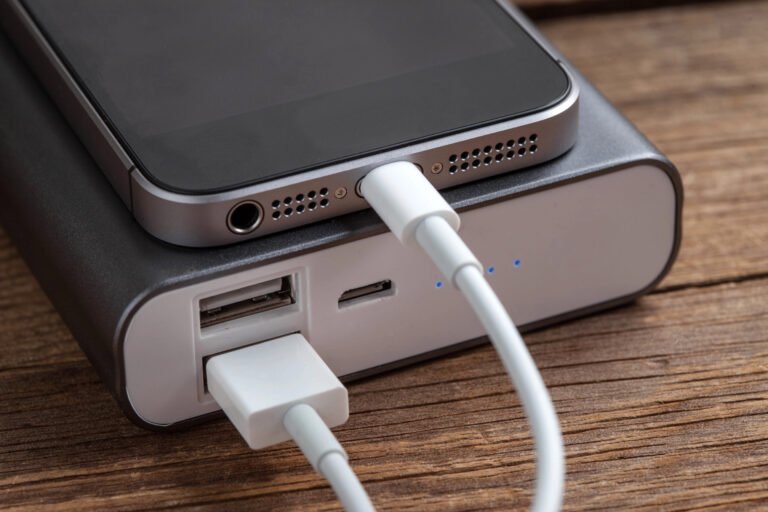
Mexico uses type A and B plugs, the same as the US, with a standard voltage of 127V. Travelers from Europe will need a plug adapter.
Safety
Mexico is safe in its most visited areas, but safety varies significantly by region. Stick to well-known destinations, avoid travelling at night in unfamiliar areas, and check current advice for anywhere off the main tourist routes before you go.
Driving & Fuel
Driving is a great way to explore the Yucatu00e1n Peninsula or Baja California, but road conditions and driving styles vary, toll roads are generally the safer and faster option. Fuel sits around $1.20-$1.50 per litre, and it's worth comparing rental car prices well in advance as rates fluctuate.